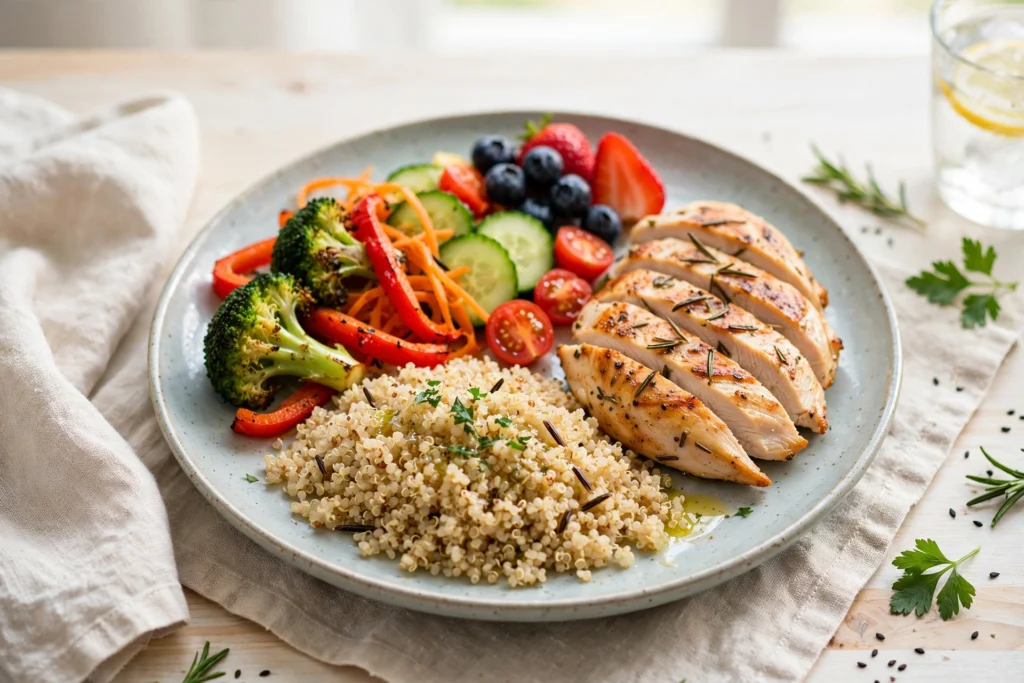
If you catch every cold that goes around the office, take forever to heal from a cut, or find that food tastes blander than it used to, your zinc intake deserves a closer look. Zinc is one of the few minerals with a genuinely central role in how your immune system works — and research suggests that even mild deficiency, which is surprisingly common, can quietly weaken your body’s defences. This zinc-rich foods for immunity guide explains how zinc supports immunity, the best desi food sources of zinc, and a 1-day meal plan to close a mild deficiency.
The good news? You don’t need expensive supplements to fix it. This mineral is hiding in ordinary foods: a bowl of chana, a handful of pumpkin seeds (kaddu ke beej), a glass of dahi, a piece of beef, or a simple whole-wheat atta roti. In this guide, we’ll cover both Western nutrition science and practical South Asian eating — because zinc nutrition should fit your actual kitchen, not a textbook menu.
In this guide, you will learn:
- How zinc works inside your immune system, from T-cells to skin barriers
- The real signs of zinc deficiency (and when low intake becomes a problem)
- Exactly how much zinc you need each day (UK and US guidelines)
- The best zinc-rich foods, ranked by content — with South Asian staples included
- Why vegetarians absorb less zinc, and how soaking, sprouting, and fermenting fix that
- A complete 1-day high-zinc meal plan plus 5 quick snack ideas
- What the evidence really says about zinc lozenges and colds
- Upper limits, copper depletion risks, and drug interactions to know about
Why Zinc Is Called an “Immune Mineral”
Zinc is an essential trace mineral, which means your body cannot make it or store it in any meaningful amount — you need a small supply from food every single day. It participates in more than 300 enzyme reactions, touching everything from DNA synthesis and protein building to cell division. But its reputation in nutrition circles comes mainly from one thing: without adequate zinc, your immune system simply cannot function at full strength.
Studies on human immune cells show that zinc deficiency impairs the immune response across multiple fronts, and correcting a deficiency measurably restores immune function. This isn’t about “boosting” an already healthy immune system beyond normal — no food or pill does that. It’s about removing a nutritional bottleneck so your defences can work the way they’re designed to.
How Zinc Supports Your Immune System
T-Lymphocyte Development and Thymulin
Your thymus gland — the small organ behind your breastbone where T-lymphocytes mature — depends on a zinc-containing hormone called thymulin. T-cells are the specialised white blood cells that identify and destroy infected or abnormal cells. When zinc is low, thymulin activity drops, fewer T-cells mature properly, and the balance between different T-cell types shifts in ways that weaken immune responses. This is one reason children with zinc deficiency tend to suffer more frequent infections.
Skin and Mucosal Barriers
Your skin and the linings of your gut and airways are your first line of defence, and zinc helps keep them intact. Around 5–6% of the body’s zinc is found in skin, where it supports the production of new skin cells and the proteins that hold them together. Research suggests zinc deficiency can compromise the gut’s barrier function too, potentially allowing unwanted substances to cross into the bloodstream more easily.
Wound Healing
Zinc is needed at every stage of wound healing: the inflammatory phase, the formation of new tissue, and remodelling. It’s involved in collagen synthesis and in the function of the cells that close a wound. Hospitals have long noticed that patients with low zinc levels heal more slowly after surgery or injury.
Antioxidant Protection via Copper-Zinc Superoxide Dismutase
During infections, immune cells generate reactive oxygen species to kill pathogens — but these same molecules can damage your own tissues. Copper-zinc superoxide dismutase (Cu/Zn SOD) is one of the body’s frontline antioxidant enzymes, neutralising a particularly damaging free radical called superoxide. Zinc is a structural component of this enzyme, so adequate intake helps your cells weather the oxidative stress of an immune response without collateral damage.
Signs You May Not Be Getting Enough Zinc
Zinc deficiency develops gradually, and early signs are easy to dismiss. Research suggests the following symptoms are associated with inadequate zinc status:
- Frequent infections — catching colds or chest infections more often than usual
- Changes in taste or smell — food seeming bland, or a metallic taste in the mouth
- Slow wound healing — cuts and scrapes taking noticeably longer to close
- Hair loss or thinning — particularly diffuse shedding
- Skin problems — rashes, rough patches, or acne-like eruptions that don’t respond to usual care
- Loss of appetite — partly linked to the taste changes above
- Diarrhoea in children — a well-documented sign in paediatric populations
Who is most at risk? Vegetarians and vegans (because of lower bioavailability from plant foods), older adults (reduced appetite and absorption), people with digestive conditions such as Crohn’s disease or coeliac disease, pregnant and breastfeeding women (higher needs), and heavy alcohol users. If several of these signs sound familiar and your diet is low in the foods listed below, it’s worth discussing with a clinician rather than self-diagnosing — these symptoms overlap with many other conditions.
A note on testing: Blood zinc levels are an imperfect measure of status because the body tightly controls zinc in the bloodstream even when tissue levels are falling. A dietary review is often more informative than a single blood test.
How Much Zinc Do You Actually Need?
Recommended intakes differ slightly between countries. Here are the official figures for adults:
| Group | UK (SACN) | US (NIH) |
|---|---|---|
| Adult men | 9.5 mg/day | 11 mg/day |
| Adult women | 7 mg/day | 8 mg/day |
| Pregnant women | 7 mg/day | 11 mg/day |
| Breastfeeding women | 13 mg/day | 12 mg/day |
The UK figures come from the Scientific Advisory Committee on Nutrition (SACN), while the US numbers are the Recommended Dietary Allowances from the National Institutes of Health. Teenagers, particularly boys going through growth spurts, also have elevated needs — around 9–11 mg/day depending on age and country.
It’s worth noting that these recommendations assume a typical mixed diet. People relying heavily on plant foods may need more in theory because they absorb less — some researchers suggest up to 50% more for strict vegetarians — though this is an area of ongoing discussion rather than settled guideline.
The Best Zinc-Rich Foods, Ranked

Not all zinc is created equal. Animal foods provide zinc in a form your body absorbs easily (roughly 20–40% of the zinc in meat is absorbed), while plant foods contain phytates that bind zinc and reduce absorption (often below 15%). That said, plant foods can absolutely meet your needs with the right preparation — more on that below.
Tier 1: Exceptional Sources (per 100g, approximate)
- Oysters — around 16–90 mg depending on type; the single richest natural source known
- Beef (red meat) — roughly 6–9 mg; also provides highly absorbable haem iron
- Crab — around 4–7 mg
- Lamb/mutton — roughly 4–6 mg, a common choice in South Asian cooking
Tier 2: Very Good Sources
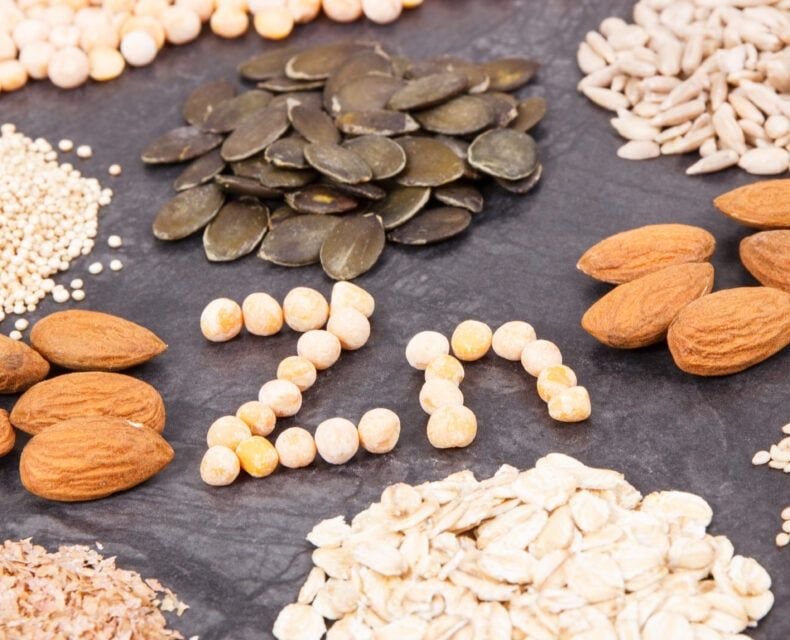
- Pumpkin seeds (kaddu ke beej) — around 7–8 mg; the best seed source and a traditional South Asian snack
- Sesame seeds (til) — roughly 7–8 mg; used in winter laddoos and tahini
- Cashew nuts — around 5–6 mg
- Chickpeas (kale/safed chana) — roughly 2–3 mg cooked; a desi staple that deserves more credit
- Lentils (masoor, moong daal) — around 1–2.5 mg cooked
- Peanuts — roughly 3 mg; affordable and widely eaten in Pakistan and India
Tier 3: Useful Everyday Contributors
- Dairy — milk, dahi (yogurt), cheese — roughly 0.4–4 mg; dahi is particularly valuable because fermentation improves mineral absorption
- Eggs — around 1 mg per large egg; modest but consistent
- Whole grains — whole-wheat atta, brown rice, oats — roughly 1–3 mg; an atta roti contributes meaningfully across a day
- Kidney beans (rajma) and other beans — around 1–2 mg cooked
- Dark chocolate (70%+) and cocoa — roughly 1–3 mg; a pleasant bonus, not a strategy
The South Asian Plate, Zinc-Optimised
A traditional desi meal can be surprisingly zinc-friendly without any exotic ingredients: daal (lentils) cooked in the morning, chana chaat as a snack, roasted kaddu ke beej and peanuts with evening chai, dahi alongside dinner, and whole-wheat atta rotis throughout the day. Add yakhni (bone broth) — a classic in Pakistani and Kashmiri households — and you’re getting slow-simmered minerals in a form the body absorbs well. The cuisine already contains the building blocks; the trick is combining and preparing them wisely.
The Phytate Problem: Why Vegetarians Absorb Less Zinc
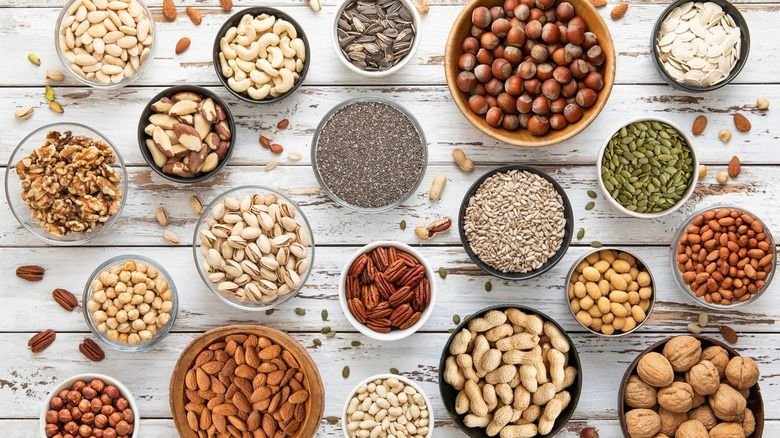
Phytates (phytic acid) are natural compounds found in whole grains, legumes, nuts, and seeds. In the digestive tract, they bind to zinc and form insoluble complexes your body can’t absorb. This is the main reason vegetarians and vegans often have lower zinc status even when their dietary intake looks adequate on paper.
Importantly, phytates are not villains — they have their own antioxidant and health benefits, and whole grains remain valuable foods. The goal isn’t to avoid phytate-containing foods but to reduce their grip on zinc through traditional preparation methods that South Asian kitchens have used for centuries:
Soaking
Soaking legumes and grains for 8–12 hours (or overnight) activates phytase enzymes that begin breaking down phytic acid. Always discard the soaking water and cook in fresh water. This is already standard practice for chana, rajma, and lobia in most desi households — keep doing it, and extend the soak time where practical.
Sprouting
Sprouting moong, chana, or moth beans for 24–48 hours can reduce phytate content substantially while also increasing vitamin C, which in turn aids mineral absorption. A bowl of sprouted moong chaat with lemon juice is one of the most zinc-efficient vegetarian snacks you can make.
Fermenting
Fermentation is one of the most effective phytate reducers. Dahi, idli/dosa batter, and traditional fermented grain preparations all benefit. The lactic acid bacteria produce phytase and create an acidic environment that keeps zinc soluble and absorbable.
Leavening with Yeast
Properly leavened bread — bread made with yeast and given time to rise — has less phytate than unleavened flatbreads. Your everyday atta roti is unleavened, which is fine, but pairing it with dahi or fermented sides partly compensates. If you make bread at home, a slow-fermented whole-wheat loaf is the most zinc-friendly option.
Pairing with Absorption Helpers
Certain foods eaten alongside zinc sources improve uptake: vitamin C-rich foods (lemon, amla, citrus, tomatoes), and animal protein — even a small amount of egg or dahi in a vegetarian meal improves zinc absorption from the plant foods on the same plate.
Vegetarian and Vegan Strategies for Adequate Zinc
Meeting zinc needs without meat is entirely possible — it just takes a bit more intention. Here’s a practical framework:
- Anchor each meal with a legume. Chana, masoor daal, moong daal, rajma, or lobia — rotate through them across the week.
- Add a seed every day. A small handful (25–30g) of pumpkin seeds, sesame seeds, or a mix delivers 2–3 mg of zinc. Sprinkle til on salads, keep roasted kaddu ke beej at your desk.
- Include dahi daily. If you’re lacto-vegetarian, dahi or milk at one or two meals adds absorbable zinc and improves uptake from everything else.
- Soak and sprout as routine, not occasionally. Make overnight soaking and weekly sprouting part of your kitchen rhythm.
- Choose whole grains, but prepare them well. Whole-wheat atta is good; sprouted-wheat atta or fermented preparations are better.
- Don’t skip the eggs if you eat them. Two eggs add around 2 mg toward your daily target with good bioavailability.
- Consider your fasting patterns. During Ramadan or other fasting periods, meals become fewer — make each one count by combining a legume, a seed, and dahi rather than relying on a single large carbohydrate-heavy dish.
Strict vegans who eat mostly unrefined plant foods and no animal products at all should pay the closest attention; research suggests this group has the highest risk of falling short, and a modest zinc supplement may be worth discussing with a clinician.
A Sample 1-Day High-Zinc Meal Plan
This plan targets roughly 12–15 mg of zinc from food alone, suits a Pakistani/South Asian kitchen, and works for lacto-vegetarians (with a non-vegetarian swap noted).
Breakfast — Vegetable omelette (2 eggs) with 2 whole-wheat atta rotis and a glass of milk
Zinc contribution: ~3.5 mg. The eggs and milk provide well-absorbed zinc; the rotis add more.
Mid-morning snack — 30g roasted pumpkin seeds (kaddu ke beej) with peanuts
Zinc contribution: ~3 mg. Roast them yourself with a pinch of salt and chaat masala — cheaper and fresher than packaged.
Lunch — Masoor daal (soaked overnight), brown rice, a bowl of dahi, and salad with lemon
Zinc contribution: ~3 mg. Soaking the daal improves absorption; the dahi and lemon juice help further.
Evening — Chana chaat (boiled kala chana, onion, tomato, lemon, chaat masala)
Zinc contribution: ~2 mg. Sprout the chana first if you have time — it makes a real difference.
Dinner — Chicken or mutton yakhni-based shorba with 2 atta rotis and steamed vegetables
Zinc contribution: ~4 mg (with meat) or ~2 mg (vegetarian: replace with rajma curry + extra til sprinkled on top).
Before bed — Warm milk with a teaspoon of sesame seeds (til) stirred in
Zinc contribution: ~1 mg. A traditional winter habit worth keeping year-round.
Non-vegetarian shortcut: Replace any one legume meal with 100g of beef or mutton and you’ll add 4–6 mg of highly absorbable zinc in a single step.
5 Quick Zinc-Rich Snack Ideas
For busy days when a full meal isn’t possible, these take minutes:
- Roasted kaddu ke beej trail mix — pumpkin seeds, peanuts, and roasted chana with salt and black pepper. Roughly 3 mg per small handful. Make a weekly batch.
- Dahi with til and honey — a bowl of plain dahi topped with a tablespoon of toasted sesame seeds. Around 2 mg, and the fermentation aids absorption.
- Peanut chaat — roasted peanuts tossed with chopped onion, tomato, green chilli, and lemon. About 1.5 mg, plus vitamin C from the lemon.
- Sprouted moong chaat — sprouted moong with cucumber, lemon, and chaat masala. Roughly 1.5 mg with excellent bioavailability thanks to sprouting.
- Cheese and whole-grain crackers — a 30g piece of cheddar with whole-wheat crackers. Around 1.5–2 mg; handy for office drawers and lunchboxes in the UK or US.
What About Zinc Supplements and Lozenges for Colds?
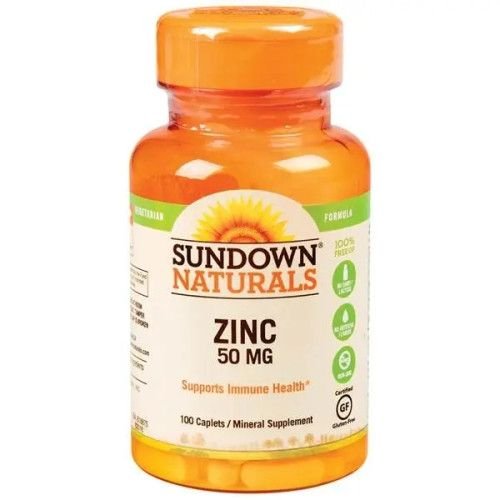
Zinc supplements have been studied for decades, and the evidence is genuinely mixed — which is exactly why you should hear the full picture.
Zinc Lozenges and Cold Duration
Several randomised trials have found that zinc lozenges, taken within 24 hours of cold symptoms starting, may shorten the duration of the common cold by a day or so. However, other well-designed trials found no benefit, and reviews describe the overall evidence as inconsistent. Where benefits were seen, they tended to involve specific formulations (zinc acetate or zinc gluconate) at relatively high doses, dissolved slowly in the mouth. Side effects — bad taste and nausea — were common, and some participants dropped out because of them.
The honest summary: research suggests zinc lozenges might help some people if started very early, but the evidence is not strong enough to recommend them routinely. They are not a substitute for sleep, fluids, and rest.
Daily Zinc Supplements
For people with a confirmed or likely deficiency, a daily supplement can restore immune function — this is well supported. For people who already get enough zinc from food, extra zinc offers no additional immune benefit and brings risks (see below). Supplements make the most sense for strict vegans, older adults with poor appetites, or people with absorption disorders — ideally after a clinician’s assessment.
Forms and Doses
Common forms include zinc gluconate, zinc picolinate, and zinc citrate; absorption differences between them are modest. If a clinician recommends supplementation, typical corrective doses are in the range of 15–30 mg/day of elemental zinc for a limited period — not indefinitely.
Medical disclaimer: Chronic zinc supplementation without medical guidance is not advisable. Excess zinc depletes copper (see below), can cause nausea and digestive upset, and may mask the real cause of your symptoms. If you are immunocompromised, pregnant, or managing a chronic condition, speak to your doctor or a registered nutritionist before taking zinc supplements.
Upper Limits, Copper Depletion, and Drug Interactions
How Much Is Too Much?
The tolerable upper intake level (UL) for zinc is 40 mg/day for adults in both UK and US guidance — and that includes zinc from food plus supplements. It’s very difficult to exceed this from food alone (you’d need to eat oysters daily), but easy to exceed with supplements, especially if you’re also taking a multivitamin and zinc lozenges simultaneously.
Copper Depletion: The Serious Risk
This is the most important risk of chronic high zinc intake. Zinc and copper compete for the same absorption pathway in the gut. Consistently high zinc intake blocks copper absorption, and copper deficiency can cause anaemia, low white blood cell counts, and — most seriously — irreversible nerve damage. There are documented cases of people developing neurological symptoms after months of excessive zinc supplementation. This is why long-term zinc supplements are sometimes paired with a small amount of copper, and why “more is better” thinking is dangerous with this mineral.
Nausea and Digestive Upset
Even single doses of zinc above 50 mg, particularly on an empty stomach, commonly cause nausea and vomiting. Zinc lozenges frequently cause taste disturbances.
Drug Interactions
Zinc can interfere with several medications:
- Quinolone antibiotics (such as ciprofloxacin) and tetracyclines (such as doxycycline): zinc binds to these drugs in the gut and reduces their absorption. Take zinc supplements at least 2–4 hours apart from these antibiotics.
- Penicillamine (used for Wilson’s disease and rheumatoid arthritis): zinc reduces its absorption; separate by at least 1–2 hours.
- Thiazide diuretics: may increase zinc loss through urine over time, potentially raising requirements.
If you take any regular medication, check with your pharmacist before adding a zinc supplement.
Frequently Asked Questions
Which food has the highest zinc content?
Oysters contain more zinc than any other food — up to 90 mg per 100g in some varieties, many times the daily requirement in a single serving. Among everyday foods, red meat (beef, mutton) and pumpkin seeds are the richest practical sources, followed by crab, cashews, chickpeas, and sesame seeds.
Can vegetarians get enough zinc without supplements?
Yes, but it takes deliberate planning. Research suggests vegetarians often have lower zinc status because phytates in plant foods reduce absorption. Soaking legumes overnight, sprouting beans, eating fermented foods like dahi, and adding seeds daily can close most of the gap. Strict vegans eating mostly whole plant foods are the group most likely to fall short and may benefit from professional dietary advice.
Do zinc lozenges actually work for colds?
The evidence is mixed. Some trials show a modest reduction in cold duration when lozenges are started within 24 hours of symptoms, while others show no effect. They commonly cause bad taste and nausea. They may be worth trying for some people, but they are not a reliable remedy and don’t replace rest, fluids, and — for vulnerable people — medical advice.
What are the symptoms of zinc deficiency?
The most recognised signs include frequent infections, slow wound healing, changes in taste or smell, hair loss, skin rashes, and loss of appetite. These symptoms overlap with many conditions, so they suggest — but don’t prove — low zinc. A review of your diet with a nutrition professional is the sensible first step before assuming deficiency.
Is it safe to take zinc every day?
Getting zinc from food every day is safe and necessary. Taking a zinc supplement every day long-term without medical guidance is not advisable: intakes above the 40 mg/day upper limit can deplete copper, cause anaemia and nerve problems, and interfere with antibiotics. If you suspect you need a supplement, get personalised advice first.
The Bottom Line
Zinc earns its reputation as an immune mineral honestly — it supports T-cell development, maintains your skin and gut barriers, helps wounds close, and powers antioxidant defences. Most people can meet their needs through food: a mix of red meat or shellfish for omnivores; well-prepared legumes, seeds, dahi, eggs, and whole grains for vegetarians. Traditional South Asian preparation methods — soaking daal overnight, sprouting moong, fermenting batter, eating dahi daily — turn out to be excellent zinc strategies, refined over generations.
You don’t need megadoses or miracle lozenges. You need consistency: a little zinc, from real food, every day.
If you’re dealing with recurring infections, slow healing, or suspect a deficiency, personalised guidance makes all the difference. Book a one-to-one consultation with Shahjee Nutrition — a UK-Registered Associate Nutritionist (ANutr) — for a full dietary assessment and a practical plan built around your health, your kitchen, and your goals.
Keep Reading
- Immunity Nutrition: The Complete Guide to a Healthy Immune System
- Best Foods to Boost Immune System: A Nutritionist’s Evidence-Based Guide
- Immune-Boosting Drinks and Teas: What the Science Actually Supports
- How to Strengthen Your Immune System Naturally: An Evidence-Based Guide
References
- World Health Organization. Healthy diet — WHO fact sheet on healthy eating.
- UK Scientific Advisory Committee on Nutrition (SACN). Dietary Reference Values for zinc: 9.5 mg/day for adult men, 7 mg/day for adult women.
- US National Institutes of Health (NIH), Office of Dietary Supplements. Zinc — Recommended Dietary Allowances: 11 mg/day for adult men, 8 mg/day for adult women.
- Shahjee Nutrition. Health Disclaimer.