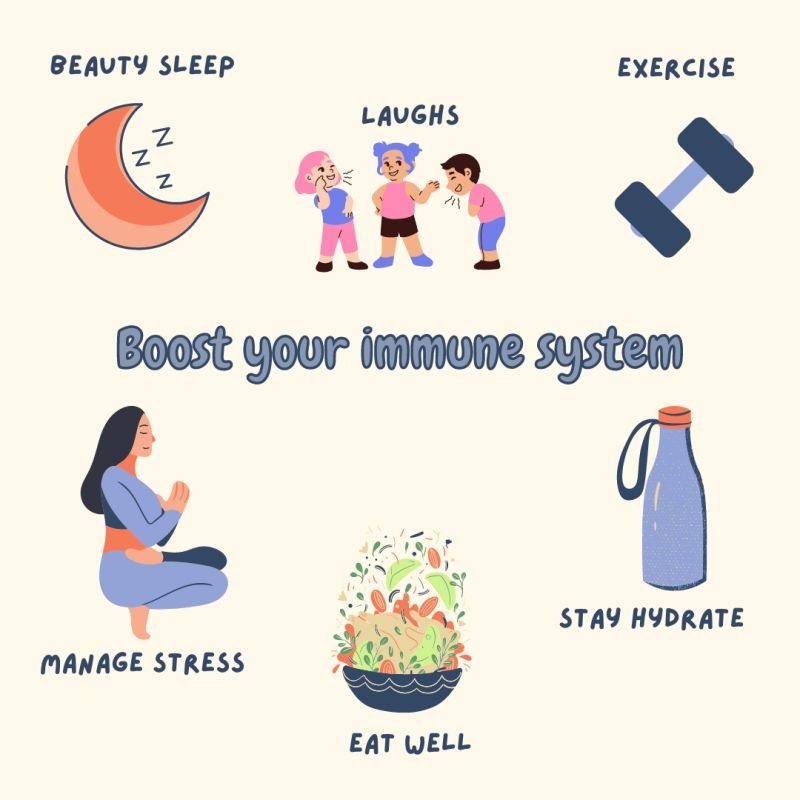
You cannot “boost” or “supercharge” your immune system the way an energy drink charges your phone. Anyone selling you that promise — a powder, a mega-dose vitamin, a 3-day detox — is selling marketing, not biology. What you can do is support your immune system so it works the way it is meant to: recognising threats, responding appropriately, and standing down when the job is done. This guide shows how to strengthen immune system naturally, with honest, evidence-based habits you can actually follow.
In this guide, you will learn:
- What the immune system actually does — and why “boosting” is the wrong goal
- The food habits that genuinely support immune function (and what the evidence really says)
- How sleep, exercise, stress, and hydration shape your defences
- Why vitamin D deserves special attention, especially through UK winters
- Which popular claims — megadoses, detoxes, “immune-boosting” supplements — fall apart under scrutiny
- A practical 7-day routine and shopping checklist you can start this week
1. What Your Immune System Really Needs From You
Your immune system is not a single organ you can pump up. It is a network: white blood cells, antibodies, the complement system, lymph nodes, the thymus, bone marrow, the spleen — and, increasingly recognised, the gut, where roughly 70% of your immune tissue lives. These parts communicate constantly, and their performance depends on the conditions you set through daily habits.
Think of it less like a muscle to bulk up and more like an orchestra. A good orchestra does not need louder instruments; it needs every player well-fed, well-rested, and playing on time. An overactive immune system causes its own problems — allergies and autoimmune disease are the immune system attacking the wrong things, not being too weak.
The honest framing, which this entire guide follows: our goal is to support normal immune function, not to push it beyond its design. Every claim below is held to that standard.
2. Eat a Varied, Colourful Diet — the Foundation Pillar
No single food makes you immune. Dietary patterns do. Large cohort studies consistently find that people eating varied diets rich in vegetables, fruits, legumes, whole grains, nuts, and seeds have better immune markers and lower rates of respiratory infections than those eating narrow, ultra-processed diets.
2.1 The “30 plants a week” idea
Research from the American Gut Project and subsequent work suggests that eating around 30 different plant foods per week is associated with a more diverse gut microbiome — and microbial diversity is linked to better immune regulation. Thirty sounds like a lot until you count: daal, chana, rajma, rice, whole wheat roti, oats, almonds, walnuts, peanuts, spinach (palak), methi, bhindi, gobi, carrots, tomatoes, onions, garlic, ginger, turmeric, cumin, coriander, mint, apples, bananas, kinnoo, guava, pomegranate, dates, yogurt cultures… A typical South Asian kitchen reaches 30 without trying. The variety matters more than any single “superfood”.
2.2 Balanced plates, not miracle foods
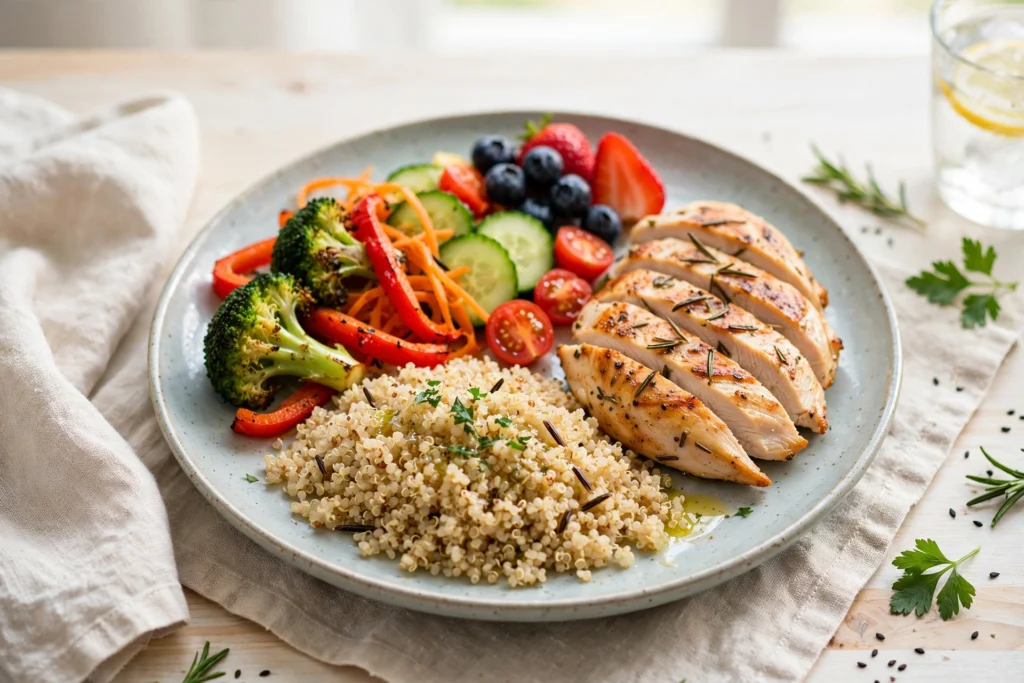
A balanced thali or dinner plate does more for immunity than any exotic berry. Aim for:
- Half the plate vegetables and fruit — cooked sabzi plus a raw salad or raita side
- A quarter whole grains — brown or mixed-grain roti, brown rice
- A quarter protein — daal, chickpeas, eggs, fish, chicken, or lean meat
- A small portion of healthy fats — mustard oil, olive oil, nuts, or seeds
This pattern delivers the vitamins, minerals, fibre, and phytochemicals immune cells need, meal after meal, without requiring anything exotic.
2.3 Protein adequacy: the overlooked pillar
Antibodies are proteins. Immune cells divide rapidly during an infection and need amino acids to do it. Adults need roughly 0.8–1.0 g of protein per kilogram of body weight daily, rising to 1.0–1.2 g/kg for older adults. A 70 kg adult therefore needs about 56–70 g daily.
South Asian vegetarian diets can fall short if they lean heavily on rice and roti with only a small serving of daal. Fix it deliberately: a bowl of daal (about 8 g protein per cooked cup of lentils), a cup of dahi (8–10 g), a handful of peanuts or almonds (6–7 g), an egg (6 g). Combining legumes with grains across the day covers the essential amino acids.
3. Key Micronutrients: What the Evidence Actually Supports
Deficiencies impair immunity; correcting a deficiency restores it. But beyond correcting deficiency, extra doses rarely add benefit. That distinction runs through everything below.
3.1 Vitamin C
Vitamin C supports white blood cell function and acts as an antioxidant. The well-known Cochrane reviews found that routine vitamin C supplementation does not prevent colds in the general population — but it may slightly shorten their duration (by roughly 8% in adults), and it does reduce cold incidence in people under heavy physical stress, such as marathon runners and soldiers in subarctic conditions.
Practical take: get it from food. One guava, one kinnoo (the winter citrus abundant across Pakistan and South Asia), a bell pepper, or a serving of amla covers the daily need (75–90 mg). Supplements are unnecessary for most people eating fruit and vegetables.
3.2 Vitamin D
Vitamin D is the micronutrient with the strongest case for deliberate attention. Immune cells carry vitamin D receptors, and deficiency is associated with increased susceptibility to respiratory infections. Randomised trials of supplementation show a modest protective effect against acute respiratory infections, strongest in people who were deficient to begin with.
This matters enormously in the UK and northern Europe, where sunlight from October to March is too weak for skin synthesis. The UK’s Scientific Advisory Committee on Nutrition advises everyone to consider a daily 10 µg (400 IU) supplement from October to early March — and year-round for people with little sun exposure or darker skin, since melanin reduces vitamin D synthesis.
South Asian readers in the UK should note: darker skin needs longer sun exposure to make the same vitamin D, and cultural dress plus indoor work further reduce exposure. A simple 10 µg daily supplement through winter is cheap, safe, and evidence-aligned. Do not megadose — very high doses can cause calcium build-up and kidney problems. If you suspect deficiency (persistent fatigue, bone aches), ask your GP for a blood test rather than guessing.
3.3 Zinc
Zinc is essential for immune cell development and function. Mild deficiency is common where diets are high in phytates (whole grains, legumes) that reduce zinc absorption — relevant to many South Asian diets. Good sources include meat, chickpeas, lentils, pumpkin seeds, sesame seeds (til), peanuts, and eggs. Soaking or sprouting legumes improves zinc absorption.
Zinc lozenges have modest evidence for shortening colds if started within 24 hours of symptoms, but routine high-dose zinc supplements can cause copper deficiency and nausea. Food first; supplements only to correct a diagnosed shortfall.
3.4 Selenium
Selenium supports antioxidant enzymes that protect immune cells. You need only about 55 µg daily — two Brazil nuts cover it, as do fish, eggs, and sunflower seeds. Selenium is one nutrient where more is actively harmful: chronic excess causes hair loss, brittle nails, and nerve symptoms. Never supplement selenium “just in case”.
3.5 Iron, vitamin A, and B vitamins
Iron deficiency — common among South Asian women of reproductive age — impairs immune cell proliferation. Pair iron-rich foods (lentils, spinach, red meat) with vitamin C (lemon squeezed over daal, tomatoes in the curry) to triple absorption. Vitamin A (from eggs, dairy, and orange vegetables like carrots and pumpkin) maintains the mucosal barriers that are your first line of defence. B6, B12, and folate support cell division; B12 deserves attention in long-term vegetarians.
4. Fibre and the Gut–Immune Axis
With most immune tissue sitting in and around the gut, the microbiome is not a side story — it trains immune cells, produces short-chain fatty acids that regulate inflammation, and maintains the gut barrier.
Fermentable fibre is the microbiome’s food. Most adults eat far less than the recommended 25–30 g daily. Traditional diets have an advantage here: daal, chana, vegetables, and whole-grain roti are naturally fibre-rich. Add:
- Dahi (yogurt): a daily bowl provides live cultures. Fermented foods — dahi, lassi, homemade pickles (achar in moderation, given the salt), kanji — are among the best-evidenced dietary supports for gut health.
- A rotating cast of legumes: masoor, moong, chana, rajma, lobia across the week.
- Vegetables with every meal, not just dinner.
Probiotic supplements? The evidence is strain-specific and modest — certain strains slightly reduce the duration of respiratory infections, but there is no justification for routine use in healthy people. A daily bowl of dahi is cheaper and at least as sensible. Medical note: people with severely weakened immunity (chemotherapy, organ transplant) should discuss any probiotic use, even food-based, with their clinician.
5. Sleep: the Most Underrated Immune Habit

If diet is the foundation, sleep is the nightly maintenance crew. During deep sleep, the immune system releases cytokines — proteins that coordinate the response to infection — and consolidates immune memory.
The landmark evidence comes from Sheldon Cohen’s team at Carnegie Mellon: in studies where healthy volunteers were exposed to rhinovirus, those sleeping fewer than 6 hours a night were over four times more likely to catch a cold than those sleeping 7+ hours. Follow-up work confirmed that both shorter sleep duration and poorer sleep efficiency predict greater susceptibility. This is as close to causal human evidence as nutrition-adjacent research gets.
Practical targets:
- 7–9 hours for most adults; consistency of timing matters almost as much as duration.
- Keep the bedroom cool, dark, and quiet; screens off 30–60 minutes before bed.
- Caffeine has a half-life of 5–6 hours — that 6 pm chai can still be in your system at midnight. Shift the last strong chai to the afternoon.
- The South Asian afternoon siesta (qailulah) is fine as a short 20-minute nap, but long daytime naps that push bedtime later can fragment night sleep.
Chronic short sleep does not just raise cold risk — it blunts vaccine responses too. If there is one “hack” in this guide, it is this: protect your sleep like medicine.
6. Move Regularly — but Respect the J-Curve
Exercise and immunity follow a J-shaped curve: moderate, regular activity lowers infection risk; prolonged, intense exercise temporarily suppresses it.
- Moderate activity (brisk walking, cycling, swimming, 150 minutes/week): associated with fewer respiratory infections and better vaccine responses. Each session mobilises immune cells into the bloodstream — a useful surveillance boost.
- Extreme endurance efforts (marathons, ultra-distance events, very heavy training blocks without recovery): followed by a window of several hours to days where upper-respiratory infection risk rises. This is the “open window” theory — relevant to competitive athletes, not to morning walkers.
For most readers, the prescription is wonderfully ordinary: a daily 30-minute brisk walk. South Asia’s walking culture — the post-dinner sair, the morning park walk — is already an immune-supporting habit; keep it, and keep it brisk enough to raise your heart rate. Add two sessions of light resistance work weekly (bodyweight squats, resistance bands) since muscle mass supports healthy ageing immunity.
7. Manage Stress: Cortisol Is an Immune Dimmer Switch
Short-term stress briefly sharpens immunity (useful before an exam or presentation). Chronic stress does the opposite. Sustained cortisol suppresses lymphocyte function, raises inflammation, and — in Cohen’s parallel research — chronic psychological stress predicted who caught colds after viral exposure.
You do not need a meditation retreat. Evidence supports modest, consistent practices:
- 10 minutes of slow breathing or prayer/meditation daily (the five daily prayers already build this rhythm for many Muslims — treat them as genuine recovery time, not just obligation).
- Regular contact with family and community — strong social ties are independently associated with better immune outcomes. The South Asian joint-family meal, noisy as it is, is protective in more ways than one.
- Time outdoors and in daylight, which helps both mood and sleep timing.
- During Ramadan and other fasting months: fasting itself does not appear to harm immune function in healthy adults, but disrupted sleep schedules and dehydration can. Keep suhoor and iftar balanced (not just fried foods), protect sleep hours, and hydrate well between iftar and suhoor.
8. Hydration, Alcohol, and Smoking
Hydration
Water does not “flush toxins” — but adequate hydration keeps mucous membranes moist, and those membranes are a physical barrier to pathogens. Aim for pale-yellow urine as a rough guide; needs rise in summer heat and during illness. Water, nimbu pani, lassi, and light soups all count. Sugary sodas do not help and displace better choices.
Alcohol
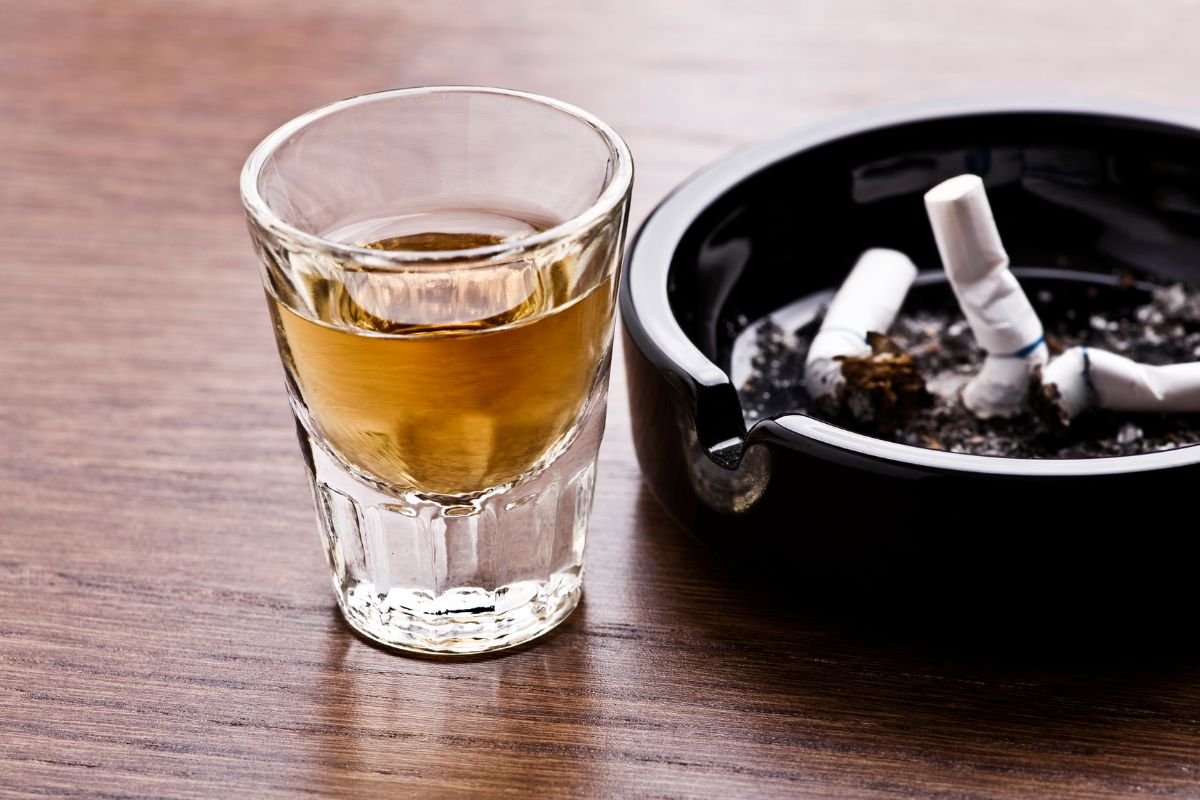
Even moderate alcohol impairs immune cell function, and heavy drinking markedly raises pneumonia and tuberculosis risk. There is no immune benefit to alcohol — “a peg for health” is a myth. If you drink, stay within national guidelines (in the UK, no more than 14 units/week, spread out); less is better.
Smoking and air pollution
Smoking damages the airway’s cilia — the tiny sweepers that clear pathogens — and suppresses immune responses; it is one of the strongest modifiable risk factors for respiratory infection. Quitting restores function over months. Also note: household air pollution from biomass cooking fuels impairs lung defences; where possible, ventilate kitchens well during cooking.
9. Hygiene and Vaccination: the Unsexy Essentials
No diet out-performs the basics:
- Handwashing with soap for 20 seconds remains one of the most effective infection-prevention measures ever studied.
- Food hygiene: cook meats thoroughly, wash produce, avoid cross-contamination — foodborne illness is an immune burden you can simply skip.
- Vaccination: vaccines are the single most powerful immune “support” available — they train your immune system against specific threats with a safety record no supplement can match. Stay current with the vaccines recommended in your country (seasonal flu, COVID boosters where advised, and routine immunisations). This is not medical advice for your specific situation — discuss your vaccination needs with your GP or clinician.
10. Weight, Infections, and Honest Expectations
Both undernutrition and obesity impair immunity. Obesity is associated with chronic low-grade inflammation and worse outcomes from respiratory infections, including slower wound healing and reduced vaccine effectiveness. Underweight and nutrient deficiency blunt immune cell production. The goal is a stable, healthy weight achieved through the balanced eating and activity patterns above — not crash dieting, which itself suppresses immunity.
A final honest note: even with perfect habits, you will still catch colds. A healthy adult gets 2–4 colds a year; that is the immune system working, not failing. The aim is fewer, milder, shorter illnesses — not invincibility.
11. Debunked: Immune-Boosting Myths That Waste Your Money

“This supplement boosts immunity.” The immune system cannot be boosted above normal by a pill. Products making this claim rely on vague language regulators barely police. A varied diet plus correcting genuine deficiencies beats any proprietary blend.
Megadose vitamin C or D. Once your needs are met, extra vitamin C is excreted (expensive urine) and extra vitamin D accumulates toward toxicity. More is not better; enough is better.
Detox teas, juices, and cleanses. Your liver and kidneys detoxify you continuously. No tea accelerates this, and some “detox” products contain laxatives or undeclared drugs. The 3-day juice cleanse that “resets immunity” resets nothing except your wallet.
“Superfoods” (single-food miracles). Haldi (turmeric) is a fine spice with interesting lab research on curcumin, but the bioavailability from haldi doodh is tiny and human trials show modest effects at best. Enjoy haldi doodh as comfort and tradition — it is warm, soothing, and a pleasant bedtime ritual — but do not mistake it for medicine. The same applies to adrak (ginger) chai: lovely for a sore throat’s comfort, not a cure.
Colloidal silver, megadose zinc, and “natural antibiotics”. Colloidal silver can permanently turn skin blue-grey (argyria) and has no immune benefit. High-dose zinc causes copper deficiency. “Natural” does not mean safe.
12. Your 7-Day Immune-Support Routine
A realistic week combining food, sleep, and movement. Adapt portions to your appetite and any medical conditions.
Day 1 — Reset the kitchen rhythm
- Breakfast: vegetable omelette or besan cheela + a kinnoo or guava
- Lunch: mixed daal, brown rice, palak sabzi, salad, dahi
- Dinner: grilled chicken or paneer, 2 whole-wheat rotis, mixed sabzi
- Movement: 30-min brisk walk after dinner
- Sleep: lights out by 11 pm; no screens after 10:15
Day 2 — Legume variety
- Breakfast: overnight oats with walnuts, banana, and a spoon of peanut butter
- Lunch: chana chaat with lemon, onion, tomato + dahi
- Dinner: moong daal, roti, bhindi sabzi
- Movement: 20-min bodyweight session (squats, push-ups, planks)
- Sleep: same consistent bedtime
Day 3 — Colour maximiser
- Breakfast: fruit chaat (apple, pomegranate, guava) + a boiled egg
- Lunch: rajma, brown rice, gobi-gajar-shalgam sabzi, salad
- Dinner: fish curry or masoor daal, roti, raita
- Movement: 30-min walk; take stairs where possible
- Stress: 10 minutes of quiet breathing or dhikr before bed
Day 4 — Ferment and fibre
- Breakfast: dahi with oats, dates, and almonds
- Lunch: mixed vegetable pulao with chickpeas + raita
- Dinner: chicken yakhni/shorba (light broth soup) with roti — easy, hydrating, comforting
- Movement: rest or gentle stretching
- Sleep: protect the full 8 hours tonight
Day 5 — Protein focus
- Breakfast: 2-egg omelette with spinach and tomato + whole-wheat toast
- Lunch: lobia (black-eyed peas) curry, roti, salad
- Dinner: grilled fish or paneer tikka, vegetable soup
- Movement: 30-min brisk walk + short resistance set
- Hydration check: aim for pale-yellow urine by evening
Day 6 — Family-style eating
- Breakfast: paratha (light oil) with dahi and fruit
- Lunch: full family thali — small portions of everything: daal, sabzi, salad, roti, dahi
- Dinner: light khichdi with extra vegetables and a spoon of ghee
- Movement: walk with family after dinner — social and physical in one
- Stress: call a relative or friend you have not spoken to in a while
Day 7 — Seasonal and simple
- Winter: citrus-heavy day — kinnoo juice at breakfast, lemon over every daal, hot adrak chai in the evening
- Summer: cucumber-mint raita, watermelon, lassi; lighter meals, more fluids
- Movement: a longer walk or park visit
- Review: what worked this week? Keep two habits, add one next week
13. Weekly Shopping Checklist for Immune Support
Copy this into your phone notes and reuse it:
Proteins: masoor daal, moong daal, kala chana, rajma, lobia, eggs, chicken or fish (if non-veg), paneer or tofu
Fermented: dahi (plain, daily), milk for lassi
Vegetables: palak, methi, bhindi, gobi, carrots, tomatoes, onions, garlic, adrak, lemons
Fruits: kinnoo/malta (winter), guava, apples, bananas, pomegranate, dates
Whole grains: whole-wheat atta, brown rice, oats
Nuts & seeds: almonds, walnuts, peanuts, til (sesame), pumpkin seeds, sunflower seeds
Spices & flavour: haldi, cumin, coriander, black pepper, mint
Oils: mustard oil or olive oil; small amount of ghee
Winter extra: 10 µg vitamin D supplement (Oct–Mar in the UK/Europe)
14. Red Flags: When to See a Doctor
Good habits support normal immunity, but they do not diagnose disease. See your GP or clinician promptly if you notice:
- Recurrent infections: more than 4–6 significant infections a year, or infections that keep needing antibiotics
- Infections that are unusually severe, slow to heal, or keep returning in the same place
- Persistent fatigue with weight loss, night sweats, or swollen glands lasting weeks
- Known autoimmune conditions where “immune stimulation” advice could be harmful — always follow your specialist, not internet articles
- Any plan to take high-dose vitamins or combine many supplements — check interactions first, especially if you take prescription medicines
Medical disclaimer: this article is educational and does not replace professional medical advice. If you have persistent infections, an autoimmune condition, or are considering high-dose supplements, consult a qualified clinician before acting.
Frequently Asked Questions
Can you really strengthen your immune system naturally?
You cannot supercharge it, but you can support normal immune function through evidence-based habits: a varied diet rich in plants and adequate protein, 7–9 hours of sleep, regular moderate exercise, stress management, not smoking, and correcting deficiencies such as vitamin D in winter. These lower your susceptibility to infections and help you recover faster.
What is the single best food for immunity?
There isn’t one. Immune function depends on overall dietary patterns, not single foods. That said, the highest-value habits are eating a variety of vegetables, fruits, legumes, and whole grains daily; including a protein source at each meal; and having dahi or another fermented food regularly for gut health.
Should I take vitamin C or zinc when I feel a cold coming on?
Vitamin C may shorten a cold slightly but does not prevent colds for most people. Zinc lozenges started within 24 hours of symptoms may modestly reduce duration. Neither replaces rest, fluids, and sleep. Do not take high doses routinely — food sources are sufficient for most people.
Do I need a vitamin D supplement?
If you live in the UK or northern Europe, yes — consider 10 µg (400 IU) daily from October to March, as official guidance advises, because winter sunlight is too weak for skin synthesis. People with darker skin or little sun exposure should consider it year-round. Get a blood test if you suspect deficiency rather than megadosing.
Are “immune-boosting” supplements worth buying?
For most healthy people eating a varied diet, no. Multivitamins and “immunity blends” show little benefit beyond correcting genuine deficiencies, and megadoses can cause harm (vitamin D toxicity, zinc-induced copper deficiency, selenium overload). Spend the money on good food and a winter vitamin D supplement instead.
Conclusion

Strengthening your immune system naturally is not about finding a secret ingredient — it is about stacking ordinary, evidence-based habits: colourful varied meals with enough protein, a daily bowl of dahi, 7–9 hours of sleep, a brisk daily walk, managed stress, no smoking, and a modest vitamin D supplement through northern winters. None of these is dramatic. Together, they are the most powerful immune strategy science currently offers.
If you catch every cold going around the office, feel run down despite decent habits, or want a diet reviewed for hidden gaps (protein shortfalls and iron, B12, or vitamin D deficiency are common and fixable), personalised guidance helps. Book a one-to-one consultation with Shahjee Nutrition and get a plan built around your diet, lifestyle, and lab work — so your immune system gets exactly the support it needs, and nothing it doesn’t.
Keep Reading
If you found this guide useful, these related articles go deeper on specific immunity topics:
- Immunity Nutrition: The Complete Guide to a Healthy Immune System — our pillar page covering the full immunity cluster.
- Best Foods to Boost Immune System: A Nutritionist’s Evidence-Based Guide
- Zinc-Rich Foods for Immunity: A Complete Nutrition Guide
- Immune-Boosting Drinks and Teas: What the Science Actually Supports
- Health Disclaimer — please read before acting on any health advice on this site.