Fennel Seeds and Type 2 Diabetes: What Science Actually Says
In Pakistan, fennel seeds — saunf — are everywhere: chewed after meals, stirred into kehwa, folded into breads and sweets. Like many traditional foods, saunf carries a reputation for healing powers, including claims about blood sugar. So what is the real story for people with type 2 diabetes? Let's look at it honestly.
The short answer: fennel seeds are a pleasant, low-calorie spice with some interesting plant compounds, but they are not a diabetes treatment. They can be part of a healthy eating pattern — they cannot replace medication, monitoring, or the fundamentals of diabetes care.
What the Research Actually Shows
Most of the research on fennel seeds and blood sugar has been done in laboratory or animal studies, not in large human trials. That matters: effects seen in rats do not automatically translate to people.
What scientists have observed in these early studies:
- Fibre content: Fennel seeds contain dietary fibre, which can slow the absorption of sugar from the digestive tract and support steadier blood sugar levels after meals.
- Antioxidant compounds: They contain flavonoids and polyphenols — plant compounds that help counter oxidative stress, which is linked to diabetes complications.
- Anti-inflammatory properties: Chronic low-grade inflammation plays a role in type 2 diabetes, and some compounds in fennel show anti-inflammatory activity in lab settings.
These are genuinely interesting findings, but they come with clear limits: human evidence is thin, individual responses vary, and no credible guideline recommends fennel seeds as a blood-sugar therapy. Think of saunf as a supporting player, never the main treatment.
How to Use Fennel Seeds Sensibly
If you enjoy saunf, there is no reason to stop. Sensible ways to include it:
- After meals: A small pinch (about half a teaspoon) of plain saunf after eating — the traditional Pakistani habit — is harmless for most people and freshens the breath.
- In cooking: Add to curries, daals, pickles and breads for flavour without calories.
- As saunf tea: Steep a teaspoon of crushed seeds in hot water for a caffeine-free evening drink.
- Choose plain varieties: Avoid sugar-coated mukhwas-style mixes if you are watching blood sugar — the coating is the problem, not the seed.
A word of caution on quantity: large amounts can cause digestive discomfort, and fennel contains compounds with mild estrogen-like activity, so pregnant women should avoid medicinal doses and stick to normal culinary amounts — or check with their doctor.
Spices in Perspective: Saunf Is Not Alone
Fennel seeds are one of several desi spices credited with health powers — haldi (turmeric), kalonji (nigella seeds), and darcheeni (cinnamon) get similar claims. The honest pattern is the same for all of them: interesting lab research, thin human evidence, and real value mainly as flavourful replacements for salt, sugar, and excess fat in cooking.
That last point deserves emphasis. A diet rich in spices is usually a diet rich in home-cooked vegetables, dals, and whole foods — and that pattern genuinely supports blood-sugar control. The benefit comes from the overall eating pattern the spices belong to, not from any single seed working miracles.
What Actually Manages Type 2 Diabetes
This is the part that matters most. Blood sugar is managed by proven fundamentals, not by any single spice:
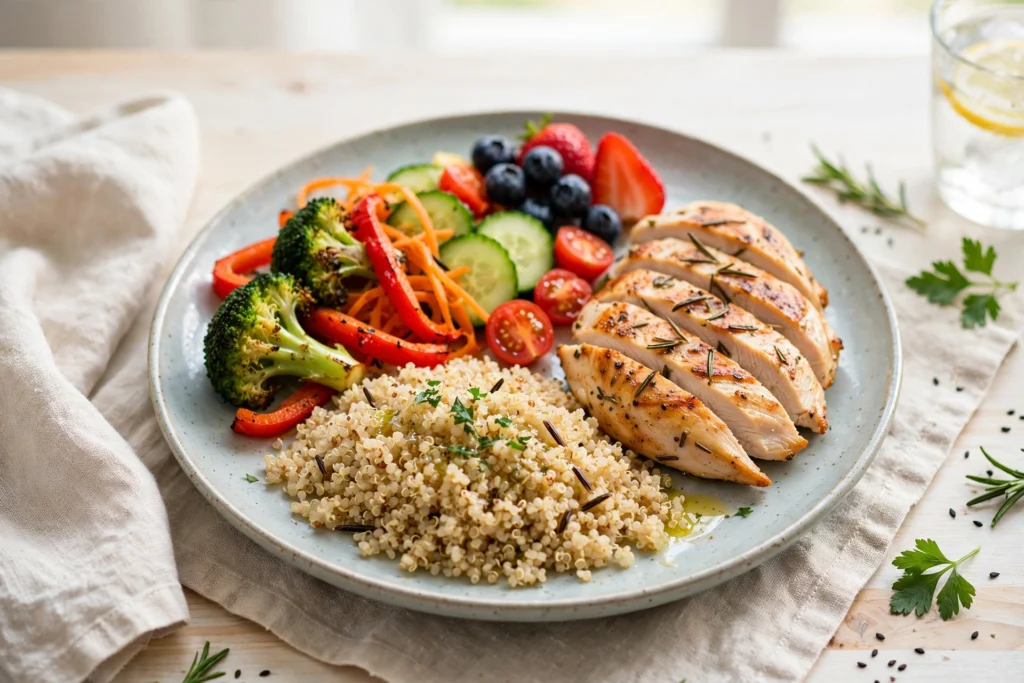
- Balanced meals: Follow the plate method — half vegetables, a quarter whole grains (whole wheat roti, brown rice), a quarter protein (daal, eggs, chicken, fish), plus dahi on the side.
- Portion awareness: Even healthy foods raise blood sugar in large portions. Measure rice and roti for a week to recalibrate your eye.
- Fibre at every meal: Vegetables, dals, whole grains and fruit slow sugar absorption.
- Regular movement: A 20–30 minute walk after meals noticeably blunts blood-sugar spikes for many people.
- Medication adherence: Take prescribed medicines exactly as directed — no spice replaces them.
- Monitoring: Check blood sugar as your doctor advises, so you can see how foods actually affect you.
When to Talk to Your Doctor
Before leaning on any food or supplement for diabetes management — including fennel seeds — discuss it with your doctor or dietitian, especially if you:
- Take glucose-lowering medication (some combinations need monitoring)
- Are pregnant or breastfeeding
- Have upcoming surgery (some herbal compounds affect bleeding risk)
- Notice unusual symptoms after eating something new
Your diabetes plan should be built around your labs, medications and body — not around internet claims about superfoods.
The Bottom Line
Fennel seeds are a flavourful, fibre-containing spice with some promising-but-early science behind them. Enjoy saunf as part of your food culture — in cooking, in tea, or a small pinch after meals. But keep expectations honest: diabetes is managed with balanced eating, activity, medication and monitoring, and no seed changes that equation.
Want a diabetes-friendly eating plan built around Pakistani foods and your own blood-sugar readings? Visit our Online Nutrition Consultation page or book an appointment — we'll design one around your health, your medicines and your kitchen.
Fennel Seeds and Type 2 Diabetes: Common Questions
Can fennel seeds replace diabetes medication? No. Type 2 diabetes is managed with balanced eating, regular movement, medication and monitoring — no spice changes that equation, and prescribed medicines should be taken exactly as directed.
How much saunf is sensible? A small pinch (about half a teaspoon) of plain saunf after meals, or a teaspoon of crushed seeds steeped as saunf tea. Choose plain varieties and avoid sugar-coated mukhwas-style mixes if you watch your blood sugar, and keep quantities moderate, since large amounts can cause digestive discomfort.
Is there strong human evidence that fennel seeds lower blood sugar? Not yet. Most research has been done in laboratory or animal studies, and human evidence is thin — so the science is promising but early, and fennel seeds should be enjoyed as a flavourful spice, not relied on as treatment.
Health disclaimer: This article is for general education only and is not medical advice, diagnosis, or treatment. Before leaning on any food or supplement for diabetes management, discuss it with your doctor, especially if you take glucose-lowering medication. Please read our full Health Disclaimer. For a diabetes-friendly meal-planning method, see our Food Exchange List guide, and for more on living with type 2 diabetes, visit the American Diabetes Association.
Fennel Seeds Nutrition: What’s Inside
A teaspoon of fennel seeds is mostly flavour and fibre. Like most spices, saunf is used in such small quantities that it will never be a major source of any single nutrient — but what it does contain is genuinely useful for people watching their blood sugar.
The seeds provide dietary fibre, which slows how quickly food leaves the stomach and softens the rise in blood sugar after meals. Fibre is one of the most consistently helpful dietary factors in type 2 diabetes management, and while a pinch of saunf contributes only a small amount, it adds to the day’s total alongside vegetables, dals, and whole grains.
Saunf also contains plant compounds called flavonoids and polyphenols — the same broad family of antioxidants found in fruits, vegetables, and tea. Antioxidants help counter oxidative stress, a process that runs higher in type 2 diabetes and contributes to its long-term complications. The characteristic sweet, aniseed flavour comes from anethole, the aromatic oil behind fennel’s traditional reputation as a digestive.
The seeds carry small amounts of potassium, calcium, magnesium, and iron as well. In the quantities people actually eat, these minerals are a bonus rather than a reason to eat saunf — no one should treat a spice as a supplement. The honest summary: fennel seeds are a low-calorie, fibre-containing flavouring with interesting plant chemistry. That makes them a good spice, not a medicine, and that distinction matters for anyone managing type 2 diabetes.
What Animal and Lab Studies Suggest
Most of what scientists know about fennel seeds and blood sugar comes from laboratory and animal research, not from trials in people with type 2 diabetes. That does not make the findings worthless — animal and lab studies are where most nutrition science begins — but it does set the limit on what anyone should claim.
In these early studies, researchers have observed several interesting effects. Fennel seed extracts appear to influence how the body handles glucose in laboratory settings, and some animal studies have reported lower blood-sugar readings in diabetic animals given fennel preparations. The fibre in the seeds is thought to play a part by slowing carbohydrate absorption, while the antioxidant compounds may help protect the cells involved in insulin production from oxidative damage.
There is also interest in fennel’s anti-inflammatory properties. Chronic, low-grade inflammation is now understood to play a role in insulin resistance — the core problem in type 2 diabetes, where the body’s cells respond poorly to insulin’s signal. Plant compounds that calm inflammation are therefore worth studying, and fennel contains several candidates.
But here is the gap that matters: very little of this has been tested in properly controlled human trials. Animal metabolism differs from human metabolism, laboratory doses are often far higher than culinary ones, and effects seen in a petri dish do not always survive contact with a real human body. Until human studies exist, the responsible position is the one this article takes throughout: promising but early. Enjoy saunf as a flavourful part of a healthy diet, not as a treatment for type 2 diabetes.
Fennel Seeds vs. Other Desi Spices for Blood Sugar
Saunf is not the only desi spice with a health reputation. Pakistani kitchens hold a whole pharmacy of traditional remedies, and it helps to see how fennel compares — because the pattern across them is remarkably consistent.
Kalonji (nigella seeds) has the most human research of the group, with some small trials in people with type 2 diabetes reporting modest improvements in blood-sugar readings. Even here the evidence is preliminary and the effects are small — but kalonji is ahead of saunf on the human-evidence ladder.
Haldi (turmeric) owes its reputation to curcumin, a compound with well-documented anti-inflammatory effects in lab studies. Like fennel, turmeric’s human evidence for blood-sugar benefits is limited, and the curcumin in kitchen turmeric is poorly absorbed without black pepper and fat.
Methi dana (fenugreek seeds) contain soluble fibre and compounds that may slow carbohydrate absorption. Fenugreek has a slightly stronger tradition of use for blood sugar than fennel, but again, robust human trials are few.
Darcheeni (cinnamon) is the most studied spice for blood sugar worldwide, with mixed results across trials — some show small benefits, others show none.
The pattern is clear: every one of these spices has interesting lab science, thin human evidence, and enthusiastic traditional claims that run ahead of the data. None of them replaces the fundamentals of type 2 diabetes care. The sensible approach is the same for all of them: use them generously in cooking, enjoy their flavours, and let medicines, meals, movement, and monitoring do the heavy lifting.
Saunf Tea: How to Brew It Right
Saunf tea — sometimes called fennel tea or saunf kehwa — is the most popular way to consume fennel seeds beyond chewing them plain. Done right, it is a pleasant, caffeine-free drink that fits easily into a diabetes-friendly routine.
Basic brew: Lightly crush one teaspoon of fennel seeds (crushing releases the aromatic oils), steep in a cup of freshly boiled water for 5 to 10 minutes, then strain. The result is a naturally sweet, liquorice-like infusion that needs no sugar — an advantage for anyone watching blood sugar, since the sweetness is flavour, not carbohydrate.
Variations worth trying: Add a small piece of fresh ginger for warmth, a cardamom pod for fragrance, or a few mint leaves in summer. In winter, simmering the crushed seeds gently for a few minutes rather than just steeping gives a deeper flavour.
When to drink it: After meals is the traditional time, and it makes sense — the warm liquid and the digestive reputation of fennel suit the post-meal slot. As an evening drink it works well too, since it contains no caffeine to disturb sleep. One to two cups a day is plenty; more is not better.
What to avoid: Ready-made saunf tea bags with added flavourings are usually fine, but check for added sugars. And the sugar-coated saunf sold as colourful mukhwas is a different product entirely — it is candy with a fennel flavour, not a health drink, and it has no place in a blood-sugar-friendly routine.
Using Saunf in a Diabetes-Friendly Kitchen
Beyond tea and the after-meal pinch, fennel seeds earn their place in everyday cooking. Their sweet-aniseed note suits both savoury and sweet dishes, and using them well means reaching for less salt and sugar.
In tadka and masalas: Saunf is a standard part of many achar (pickle) masalas and features in Bengali paanch phoron. Adding it to your own garam masala or pickle blends brings flavour complexity that makes simple vegetable dishes more appealing — and appealing vegetables get eaten.
With breads: A pinch of saunf kneaded into roti or paratha dough adds a subtle sweetness that pairs well with savoury fillings. It is a small change that makes whole-wheat breads more enjoyable, supporting the whole-grain habit that helps steady blood sugar in type 2 diabetes.
In rice and pulao: A few seeds tossed into the pot perfume the rice without adding anything that affects blood sugar. Combined with the fibre of brown or mixed-grain rice, it is an easy upgrade.
As a salt-sparing flavour: This is saunf’s quiet superpower. Food that tastes more interesting needs less salt to satisfy, and lower sodium intake helps the blood pressure that so often travels with type 2 diabetes. A well-spiced meal is doing double duty.
In raita and dahi: Roasted, coarsely ground saunf stirred into plain dahi makes a digestive-style raita that accompanies rich meals. The dahi brings protein and probiotics; the saunf brings flavour. Keep it unsweetened.
Who Should Be Careful with Fennel Seeds
For most people, culinary amounts of fennel seeds are perfectly safe — they are a food, not a drug. But a few groups should exercise the caution this article’s doctor-talk section introduces.
People on glucose-lowering medication: This is the main group to flag for type 2 diabetes readers. If a food or supplement genuinely nudged blood sugar down, combining it with medication could push levels too low. There is no strong evidence that culinary saunf does this — but the principle stands: tell your doctor about any concentrated herbal product you use regularly, and watch for signs of low blood sugar (shakiness, sweating, confusion) when trying anything new.
Pregnant and breastfeeding women: The small amounts used in cooking are fine, but concentrated fennel supplements and medicinal-strength teas are best avoided unless a doctor advises otherwise. Some plant compounds in fennel have mild hormonal activity at high doses.
People with upcoming surgery: As the original section notes, some herbal compounds can affect bleeding risk. Stop concentrated fennel products a week or two before planned surgery and mention them to your surgical team.
Those with plant allergies: People allergic to plants in the carrot family (carrots, celery, mugwort) occasionally react to fennel as well. Unusual symptoms after eating something new always deserve medical attention.
A note on essential oil: Fennel essential oil is far more concentrated than the seeds and should never be ingested casually. This article is about the kitchen spice, not the oil.
More Fennel Seeds and Diabetes Questions
Can I chew saunf after every meal?
Yes — a small pinch of plain saunf after meals is the traditional habit and a harmless one. Just keep it plain (no sugar coating), keep the quantity small, and remember it is a pleasant digestive custom, not a blood-sugar treatment.
Is saunf water better than saunf tea?
They are essentially the same idea: fennel seeds steeped in water. Overnight saunf water (seeds soaked overnight, strained in the morning) is a traditional preparation; hot-brewed tea extracts the flavour faster. Neither has proven blood-sugar benefits in humans, so choose whichever you enjoy.
Should I buy fennel seed supplements or capsules?
There is no good reason to. Supplements concentrate the plant’s compounds without the culinary pleasure and without human evidence of benefit for type 2 diabetes. The seeds in your kitchen give you everything the science currently supports — which is flavour, fibre, and a pleasant habit.
This guide is part of our Diabetes Nutrition collection. Explore all seven blood-sugar guides there, from the glycemic index to gestational diabetes meal planning.
Fennel Seeds for Digestion and Gut Comfort
Long before anyone studied fennel seeds for blood sugar, South Asian households valued saunf for digestion — and this traditional use is the one with the longest track record. After heavy meals, chewing a pinch of saunf freshens the breath and settles the stomach, a habit so embedded that restaurants place bowls of it near the exit.
The digestive reputation has a plausible basis. Fennel’s aromatic oils can help relax the smooth muscle of the digestive tract, which eases the bloating and gas that follow rich food. For people with type 2 diabetes, comfortable digestion matters more than it might seem: gastrointestinal discomfort is a common side effect of metformin, the most widely prescribed diabetes medicine, and anything that makes meals more comfortable supports the regular eating pattern that steady blood sugar depends on.
There is a gut-health angle too. The fibre in fennel seeds feeds beneficial gut bacteria, and emerging research links a healthy gut microbiome with better metabolic health — though this science is young and no one should overclaim it. What is safe to say: a spice that encourages you to finish your vegetables and eat regular, comfortable meals is pulling in the right direction for type 2 diabetes management.
None of this treats diabetes on its own. But comfortable, regular meals are the foundation that type 2 diabetes management is built on, and saunf’s traditional digestive role supports exactly that foundation.
Quick Reference: Saunf Do’s and Don’ts for Blood Sugar
Do choose plain, uncoated fennel seeds from a trusted shop; the colourful sugar-coated mixes are candy, not a health food. Do use a small pinch after meals and in cooking — in tadka, breads, rice, pickles, and raita. Do brew unsweetened saunf tea when you want a warm, caffeine-free drink. Do tell your doctor about any concentrated herbal product you use regularly, especially if you take glucose-lowering medication for type 2 diabetes.
Don’t expect saunf to lower your blood sugar on its own — the human evidence is not there. Don’t replace prescribed medicines with spices or supplements. Don’t use fennel essential oil internally; it is far more concentrated than the kitchen spice. Don’t assume that natural means safe in any amount — large quantities of anything, including fennel seeds, can cause problems.
Keep this list on the fridge if it helps. The whole philosophy of this guide fits in two lines: enjoy saunf generously as a spice, and manage type 2 diabetes with the proven fundamentals — balanced meals, regular movement, prescribed medicines, and monitoring. That combination honours both tradition and science.