Food Exchange List: A Simple Guide to Diabetes Meal Planning
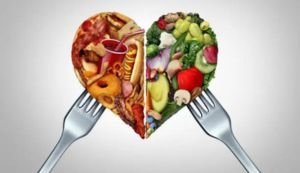
If you have diabetes — or cook for someone who does — you have probably heard the advice “watch your portions” a hundred times without anyone explaining how. The food exchange list is the practical answer. It is a meal-planning system that groups foods by their nutritional similarity, so you can swap foods freely within a group while keeping your day’s nutrition balanced.
It was developed for diabetes meal planning, but it also works beautifully for weight management and anyone who wants structured, flexible eating. And it adapts perfectly to Pakistani food.
How the Exchange System Works
Foods are sorted into groups (“exchanges”) based on similar carbohydrate, protein, fat and calorie content. One “exchange” of any food in a group gives you roughly the same nutrition as any other food in that group. So if your plan allows 2 starch exchanges at lunch, you might choose 2 small rotis — or 1 roti plus a serving of rice. Same nutrition, your choice.
The main groups:
1. Starch Group (about 15g carbohydrate per exchange)
- 1 small whole-wheat roti (6-inch)
- 1/3 cup cooked rice
- 1/2 cup cooked daal, lobia or chickpeas (also counts toward protein)
- 1 small boiled potato or 1/2 cup sweet potato
- 3/4 cup dry cereal or 1/2 cup cooked oats/dalia

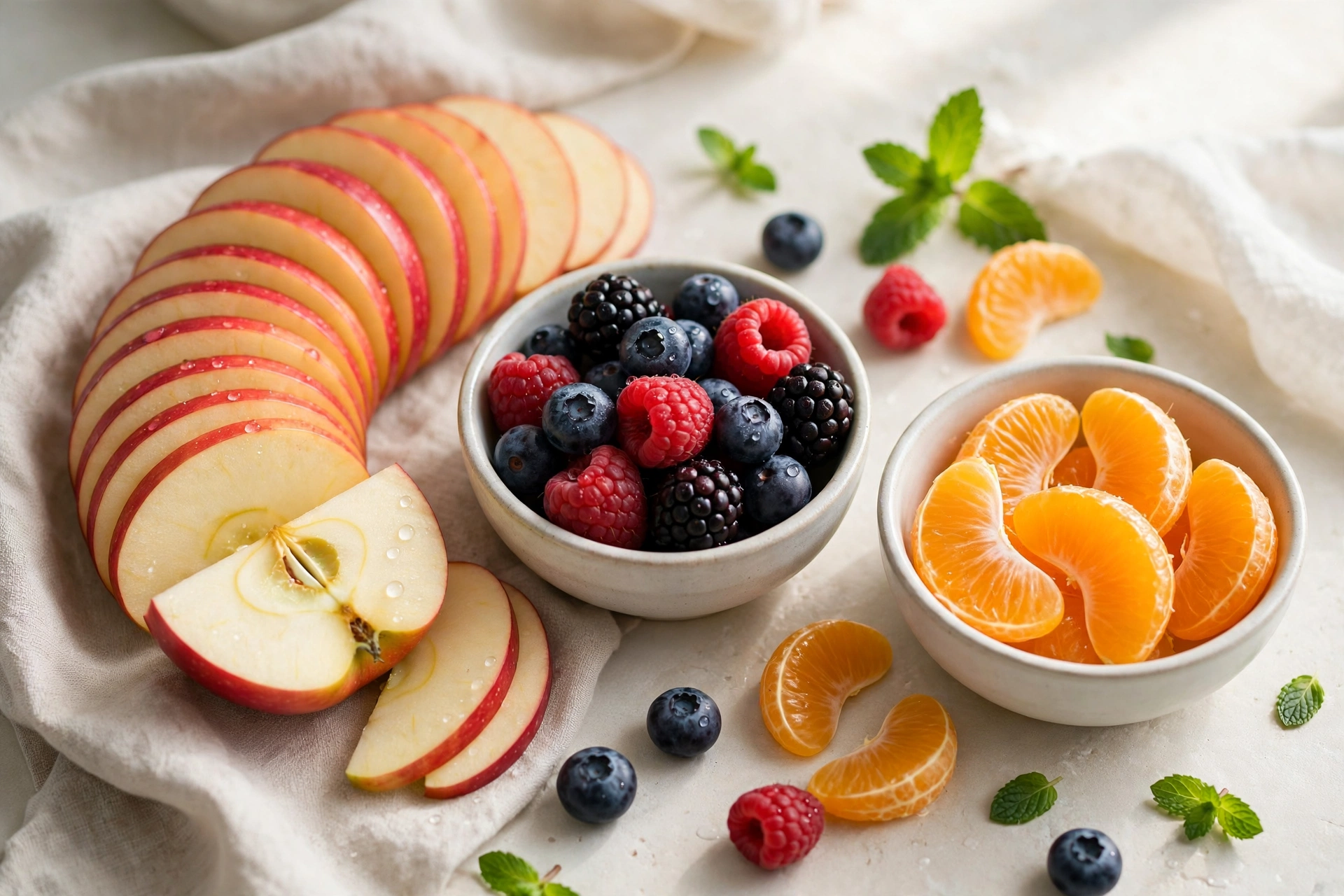
2. Fruit Group (about 15g carbohydrate per exchange)
- 1 small apple, kinnow or amrood
- 1/2 banana
- 3/4 cup fresh fruit cubes (melon, papaya)
- 2 tablespoons raisins (dried fruit is concentrated — small portions)
3. Milk Group (about 12g carbohydrate per exchange)
- 1 cup milk (use low-fat if advised)
- 3/4 cup plain dahi
- 1 cup lassi without added sugar
4. Non-Starchy Vegetables (about 5g carbohydrate per exchange)
- 1/2 cup cooked sabzi (palak, bhindi, gobhi, tori, karelay)
- 1 cup raw salad or kachumber
- These are the most generous group — eat plenty.
5. Meat and Protein Group (about 7g protein per exchange)
- 30g cooked chicken, fish or lean meat
- 1 egg
- 1/2 cup cooked daal or beans (counts here and as a starch — ask your dietitian how to count it in your plan)
- 1/4 cup paneer
6. Fat Group (about 5g fat per exchange)
- 1 teaspoon oil, butter or ghee
- 6 almonds or 2 walnuts
- 1 tablespoon peanuts
These are approximate, everyday values — your dietitian will fine-tune them for you.
Putting It Together: A Sample Desi Day
Suppose your plan allows, per meal, roughly 2–3 starch, 1 protein, 1 vegetable, and 1 fat exchanges (your own numbers come from your dietitian). A day might look like:
- Breakfast: 1 small roti (1 starch) + 1 boiled egg (1 protein) + 1 cup doodh patti made with measured milk (1 milk) + 1 small apple (1 fruit)
- Mid-morning: 1 kinnow (1 fruit)
- Lunch: 1.5 rotis (1.5 starch) + 1 cup palak sabzi (2 vegetable) + 1/2 cup masoor daal (1 starch + 1 protein) + salad (free) + 1 teaspoon oil in cooking (1 fat)
- Evening: A small handful of roasted chana (1 starch) + green tea
- Dinner: 1/3 cup cooked rice (1 starch) + grilled chicken (2 protein) + bhindi sabzi (1 vegetable) + 3/4 cup dahi (1 milk)
Notice the freedom: nothing is forbidden. Rice isn’t “banned” — it’s counted. That psychological difference is why exchange plans are easier to live with than rigid diet charts.
Practical Tips for Using Exchanges
- Measure for two weeks. Use cups and spoons until your eye learns what a serving looks like. Most people are surprised.
- Read the daal rule. Legumes are the double-count food — they carry both starch and protein. Your dietitian will tell you how to count them in your plan.
- Vegetables are your friend. Non-starchy vegetables are so low in calories that most plans let you eat them generously — fill half your plate.
- Keep the pattern, swap the foods. Bored of roti? Exchange it for rice or oats. Same group, same nutrition.
- Eating out: Estimate exchanges from what you see — a restaurant naan is roughly 2–3 starch exchanges, not one.
Work With a Professional
The exchange list is a tool, not a prescription. Your personal exchange targets depend on your weight, activity, medicines, blood-sugar readings and health conditions. A dietitian translates the system into numbers for your body — and adjusts them as things change. Anyone with diabetes, kidney disease, heart disease or pregnancy should never self-prescribe a meal plan.
The Bottom Line
The food exchange list turns vague advice (“eat balanced”) into something you can actually cook with. Learn the six groups, learn your numbers, and Pakistani food — roti, daal, sabzi, dahi, fruit — fits the system beautifully. Structure plus flexibility: that is what makes it last.
Want your own exchange plan built around your foods, your routine and your blood-sugar goals? Visit our Online Nutrition Consultation page or book an appointment — we’ll set your exchanges and teach you to use them confidently.
Food Exchange List: Common Questions
Can I use the food exchange list if I do not have diabetes? Yes. The food exchange list was developed for diabetes meal planning, but it also works for weight management and for anyone who wants structured, flexible eating.
How do I start with the food exchange list? Measure your portions for two weeks with cups and spoons until your eye learns what a serving looks like, and ask your dietitian how to count double-count foods such as daal, which carry both starch and protein.
Can I still eat out while following the food exchange list? Yes. Estimate the exchanges from what you see on the plate — a restaurant naan is roughly 2–3 starch exchanges, not one.
For further reading on eating well with diabetes, visit the American Diabetes Association.
Health disclaimer: This guide is for general education only and is not medical advice, diagnosis, or treatment. Your exchange targets depend on your health, medicines, and blood-sugar readings, so discuss any meal plan with your doctor or a registered dietitian before making changes. Please read our full Health Disclaimer. You can also browse more nutrition guides on our blog.
Setting Your Daily Exchange Targets
The food exchange list tells you how to count; your dietitian tells you how much to count. Daily exchange targets are set from your calorie needs, blood-sugar goals, medicines, weight target, and activity level. There is no universal chart, and copying someone else’s numbers is one of the fastest ways to misuse the food exchange list.
It still helps to see what targets look like. A moderately active adult aiming for steady blood sugar might be set around: 8 starch, 2 fruit, 2 milk, 4 vegetable, 6 protein, and 4 fat exchanges a day. Someone working on gradual weight loss as well might see starch trimmed to 6 and fat to 3, with vegetables pushed to 5 or more to keep meals satisfying.
Notice what barely moves between those patterns: protein holds steady (it protects muscle and keeps hunger down), vegetables stay generous, and fruit and milk keep their modest places. On the food exchange list, weight loss comes mostly from right-sizing starch and fat portions, not from cutting out food groups.
Activity changes the numbers too. A person who walks 30 minutes daily needs more starch exchanges than someone sedentary, and heavy manual work raises them further. This is why printed templates found online are starting points at best: your targets should reflect your actual life. Treat them as living numbers. New medication, a change in activity, pregnancy, or significant weight change all call for a review.
Counting Exchanges in Real Pakistani Meals
The sample day above shows the food exchange list in action. Here is the same thinking applied to specific familiar meals, with the exchange math spelled out.
Breakfast: 2 parathas with doodh patti. Two medium parathas run roughly 3 starch exchanges, plus about 2 fat exchanges from the oil or ghee used in frying. A cup of doodh patti made with half milk adds 1/2 milk exchange. Meal total: 3 starch, 2 fat, 1/2 milk. To lighten it without abandoning the meal: one paratha instead of two, and chai brewed with less milk.
Lunch: daal, 2 rotis, salad, dahi. A cup of cooked daal double-counts as 2 starch + 2 protein. Two rotis add 2 starch. A generous salad bowl is 1-2 vegetable exchanges. Half a cup of dahi is about 1/2 milk. Plate total: roughly 4 starch, 2 protein, 2 vegetable, 1/2 milk – balanced, filling, and kind to blood sugar.
Dinner: a plate of chicken biryani. A restaurant-style serving is about 2-3 starch (rice), 2 protein (chicken pieces), and 2-3 fat (cooking oil), plus a vegetable exchange if cucumber raita is on the side. Biryani is a high-exchange meal. Enjoy it, then plan lighter exchanges at the other meals that day rather than skipping them.
Weekend breakfast: nihari with naan. A serving of nihari is roughly 2-3 protein exchanges plus 2-3 fat exchanges from the rich gravy. One naan adds 2-3 starch. This single meal can carry half a day’s fat exchanges, which is fine occasionally – just keep the rest of the day’s fats minimal and the vegetables generous.
Evening snack: fruit chaat and roasted chana. A cup of mixed fruit is 1-2 fruit exchanges (use chaat masala, not sugar). A small handful of roasted chana adds a protein exchange. Compare that with a packet of biscuits: similar starch, none of the fibre or staying power.
The habit to build: learn your own standard portions once – your roti, your daal serving, your chai – and daily counting on the food exchange list becomes simple assembly instead of arithmetic.
A 3-Day Sample Exchange Meal Plan
One sample day shows the pattern; three days show the variety the food exchange list makes possible. These plans assume illustrative targets (roughly 7-8 starch, 2 fruit, 2 milk, 4-5 vegetable, 6 protein, 3-4 fat exchanges daily). Your own numbers come from your dietitian.
Day 1. Breakfast: vegetable omelette (2 eggs = 2 protein) + 1 roti (1 starch) + 1 cup chai with measured milk (1/2 milk). Mid-morning: 1 amrood (1 fruit). Lunch: 1 cup rajma (2 starch + 2 protein) + 1 roti (1 starch) + kachumber salad (2 vegetable). Evening: green tea + 6 almonds (1 fat). Dinner: 1/3 cup rice (1 starch) + grilled fish (2 protein) + tori sabzi (1 vegetable) + 3/4 cup dahi (1 milk).
Day 2. Breakfast: oats porridge – 1/2 cup cooked oats (1 starch) made with 1 cup milk (1 milk), topped with half a sliced banana (1 fruit). Mid-morning: 1 kinnow (1 fruit). Lunch: 2 rotis (2 starch) + palak chicken – chicken (2 protein) with palak (2 vegetable) cooked in 2 teaspoons oil (2 fat) + salad. Evening: 1 cup lassi without sugar (1 milk). Dinner: mixed-vegetable khichdi – 1/2 cup rice + 1/2 cup moong daal (2 starch + 1 protein) + gobhi and peas (1 vegetable) + 1 teaspoon ghee (1 fat).
Day 3. Breakfast: 1 paratha (1.5 starch + 1 fat) + 1 boiled egg (1 protein) + 1/2 cup dahi (1/2 milk). Mid-morning: 12 grapes (1 fruit). Lunch: chana chaat – 1 cup chickpeas (2 starch + 2 protein) with onion, tomato, and imli (1 vegetable). Evening: 1 small apple (1 fruit) + green tea. Dinner: 1.5 rotis (1.5 starch) + bhindi sabzi (1 vegetable) + 30 g grilled chicken (1 protein) + salad (1 vegetable) + 3/4 cup dahi (1/2 milk).
Three different days, zero repetition fatigue. That is the whole point of the food exchange list: nothing is banned, everything is counted, and Pakistani food fits it naturally.

Double-Count Foods and Tricky Cases
Some foods belong to two groups at once, and these are where most counting errors in the food exchange list hide.
Daal, beans, and legumes are the classic double-count: half a cup of cooked lentils, chickpeas, lobia, or rajma equals one starch exchange plus one lean-protein exchange. Count only the starch half and you will quietly under-eat protein all week.
Milk in chai is the most forgotten exchange in Pakistani homes. A proper doodh patti made with a full cup of milk is an entire milk exchange. Three such chais a day are three uncounted exchanges. Either count the milk or brew lighter chai.
Nuts, seeds, and peanut butter straddle protein and fat. A tablespoon of peanut butter is one protein plus one fat exchange; a small handful of almonds is a fat exchange with a little protein on the side.
Restaurant breads are the notorious trap: one large tandoori naan is 2-3 starch exchanges, not one. When eating out, assume bread and rice portions are roughly double your home portions.
Sugar-free mithai and biscuits still carry their flour-and-ghee starch and fat exchanges. The label only means no added sucrose. Count them like the regular version.
Mixed dishes (haleem, nihari, qeema) are estimated from their main ingredients: haleem is mostly starch (wheat, barley, lentils) with some protein; nihari is mostly protein and fat; qeema with peas is protein plus a starchy vegetable. Break the dish into components and count each one.
Using the Food Exchange List for Weight Loss
Built for diabetes, the food exchange list doubles as a weight-loss framework once targets are set for that goal. The mechanism is unglamorous: daily allowances set slightly below maintenance, plus a structure that prevents portion drift.
Where the system really earns its keep is awareness. Many people who eat healthy but cannot lose weight are eating two starch exchanges where they believe they are eating one, plus three fat exchanges of cooking oil they never counted. Two weeks of honest measuring on the food exchange list usually finds the leak.
Two rules carry most of the results: keep vegetable exchanges high (they fill the plate for very few calories) and keep fat exchanges honest (oil is where hidden calories live). Protein stays steady at every meal. It protects muscle and keeps hunger down, which is what makes the plan livable instead of miserable.
Skip the crash versions. Very low starch allowances copied from the internet backfire the usual way: hunger, binges, abandoned plans. Sustainable beats fast, every single time.
The Exchange System During Ramadan, Weddings, and Travel
Real life does not pause for meal plans. The food exchange list survives special occasions because it is portable: it lives in your head, not in a printed chart.
Ramadan. Shift your exchanges; do not abandon them. Suhoor carries the day, so include slow starch (oats, whole-wheat roti), protein (eggs, dahi), and fruit for gradual energy release. At iftar, count the pakoras and samosas honestly: 2-3 pieces are roughly 1 starch + 1-2 fat. Keep the main iftar meal balanced rather than doubled, and hydrate with water between iftar and suhoor instead of loading milk exchanges late at night.
Weddings and dawat season. One rich meal does not ruin a plan; a month of them can dent it. At a dawat, fill half your plate with salad and raita first, take moderate rice and one or two pieces of meat, and count the meal as roughly 3 starch, 2 protein, 2 fat. Enjoy the mithai: count a small piece as 1 starch + 1 fat and move on.
Travel. Hotel breakfasts are exchange-friendly: eggs, fruit, roti or bread are all countable on the food exchange list. For road trips, pack roasted chana, fruit, and nuts in counted portions rather than buying biscuits at every stop. The restaurant rule of thumb holds everywhere: breads and rice served out are double your home portions.
Food Exchange List vs. Other Diabetes Diet Methods
The exchange system is not the only way to plan diabetes meals. Here is how the food exchange list compares with the methods you will hear about most.
The plate method. Half the plate non-starchy vegetables, a quarter protein, a quarter starch. It is the simplest method and an excellent starting point. The food exchange list is essentially the plate method with numbers attached: more precise, slightly more to learn. Many dietitians teach the plate first and graduate patients to exchanges.
Carbohydrate counting. Tracking grams of carbohydrate per meal, often paired with insulin dosing. It is more precise than the food exchange list for insulin users but demands labels, scales, and arithmetic at every meal. Exchanges are friendlier for people managing type 2 diabetes with diet, activity, and oral medicines.
Glycemic index (GI) eating. Choosing carbohydrates by how fast they raise blood sugar. GI is a useful lens, and the food exchange list already nudges you toward slower carbs when you favour whole grains and legumes. The two combine well: count exchanges and prefer low-GI choices within each group.
Fixed diet charts. The traditional printed diet chart lists exactly what to eat each day. It is simple to follow and easy to abandon. The food exchange list replaces the chart’s rigidity with a reusable skill: once you can count, you can eat anywhere – at home, at dawats, while travelling – without a printout.
No method is morally superior. The best one is the one you will still be using in a year, and for many Pakistani households, the food exchange list wins on that test because it never asks you to stop eating your own food.
Your First Week on the Exchange System
Days 1-2: Change nothing; just measure. Note your usual roti size, daal serving, rice portion, and chai milk. Most people starting the food exchange list discover their one roti is closer to one-and-a-half exchanges.
Days 3-4: Get your target allowances from your dietitian. Plan one full day on paper before cooking it, using the sample days above as a template.
Days 5-7: Cook normally but plate by exchanges. Assemble each meal from your known units, keep vegetables generous, and count the cooking oil. By week’s end the system feels less like math and more like routine, which is exactly what it is supposed to become.
More Food Exchange List Questions
Can children use the food exchange list?
Yes, with targets set by a dietitian around growth charts rather than adult templates. Children need enough energy and nutrients to grow. The practical win: the whole family can eat the same foods in different portions.
Does the exchange list work for vegetarians?
Very well. Daal, lobia, chickpeas, paneer, dahi, milk, and nuts give vegetarians complete protein coverage, and the double-count rule for beans actually makes vegetarian counting simpler than meat-based counting.
How is the exchange list different from carb counting?
Carb counting tracks only carbohydrate grams. The food exchange list tracks carbohydrate, protein, and fat together, grouped by food type, which teaches balanced eating rather than single-nutrient math. Many dietitians teach exchanges first and grams later.
This guide is part of our Diabetes Nutrition collection. Explore all seven blood-sugar guides there, from the glycemic index to gestational diabetes meal planning.
A Note on Medicines and Meal Timing
The food exchange list plans what you eat; your medicines influence when you eat. Some diabetes medicines nudge the pancreas to release insulin at mealtimes, which means skipping a counted meal after taking the tablet can push blood sugar too low. If your prescription includes mealtime medicines, keep your exchange pattern consistent day to day – similar starch exchanges at similar times – and never skip meals to save exchanges.
Carry a small counted snack for long gaps between meals: a piece of fruit plus a few nuts (1 fruit + 1 fat) works well. And whenever your doctor changes a dose, ask whether your exchange targets need adjusting too. The food exchange list and your prescription work as a pair, not as strangers.
How Many Calories Does One Exchange Provide?
Once you know what counts as one exchange, the next question is usually about energy. How many calories are in a starch exchange, or in a milk exchange? The food exchange list answers that too, because every group is built around foods with similar energy as well as similar carbohydrate, protein and fat. The figures below are the classic, widely taught exchange values. They are close estimates for planning, not laboratory measurements of your exact plate: brands, cooking methods and portion sizes all shift the real number a little.
| Exchange group | One exchange, in brief | Energy per exchange |
|---|---|---|
| Starch | About 15 g carbohydrate, 3 g protein, 1 g fat | About 80 calories |
| Fruit | About 15 g carbohydrate | About 60 calories |
| Milk, skim | About 12 g carbohydrate, 8 g protein | About 90 calories |
| Milk, low-fat | About 12 g carbohydrate, 8 g protein, 5 g fat | About 120 calories |
| Milk, whole | About 12 g carbohydrate, 8 g protein, 8 g fat | About 150 calories |
| Non-starchy vegetables | About 5 g carbohydrate, 2 g protein | About 25 calories |
| Protein, lean | About 7 g protein, 0-1 g carbohydrate, 3 g fat | About 55 calories |
| Protein, medium-fat | About 7 g protein, 5 g fat | About 75 calories |
| Protein, high-fat | About 7 g protein, 8 g fat | About 100 calories |
| Fat | About 5 g fat | About 45 calories |
Read the table as a planning shortcut, not a verdict on a food. A starch exchange and a fruit exchange both carry about 15 g of carbohydrate, yet the starch exchange gives more energy because it also contains a little protein and fat. A vegetable exchange is the cheapest in energy terms, which is why this guide keeps urging you to fill your plate with sabzi and salad first. And a fat exchange looks tiny – one teaspoon of oil – precisely because fat is so energy-dense: 45 calories in a single teaspoon adds up fast when oil is poured freely into a karahi.
That is also why counting exchanges controls calories almost without trying. If your day allows, say, 10 starch, 4 fruit, 2 milk, 4 vegetable, 6 lean protein and 4 fat exchanges, you can estimate the day in your head: roughly 800 + 240 + 180 to 300 + 100 + 330 + 180 calories, or about 1,830 to 1,950 calories before extras such as sugar in chai or a second helping. Your dietitian will set the real targets; this arithmetic simply shows you how the system keeps energy in check while you are choosing foods, not after you have eaten them.
What Is a FEL Table and How Do You Read One?
Searchers often type “fel table” or “fel food” when they want a quick reference rather than a long explanation. FEL is simply short for food exchange list, so a fel table is the same exchange table you have been reading here, laid out group by group: the food, the portion that counts as one exchange, and the energy and nutrients that portion provides. To read one, find your food’s group first, then its portion. If your portion is double the listed portion, count two exchanges; if it is half, count half an exchange. Do not mix groups: a cup of milk is not interchangeable with a cup of juice, even though both are drinks, because milk brings protein and fat that juice does not.
A useful habit is to keep your own fel food list for the foods you actually eat. Copy the standard portions for your daily roti, your usual daal serving, your chai milk and your favourite fruit, and pin that short personal table to the fridge. The published fel exchange list is the reference; your personal version is the one you will actually use at mealtimes, and it removes the guesswork that causes most counting errors.
How Does the Milk Exchange List Work?
The milk exchange list deserves its own section because milk shows up everywhere in Pakistani cooking: in chai, in dahi, in lassi, in kheer and in porridge. One milk exchange is one cup of milk, three-quarters of a cup of plain dahi, or one cup of unsweetened lassi, and it always carries about 12 grams of carbohydrate. What changes with the type of milk is the fat, and therefore the energy, as the table below shows.
| One milk exchange | Carbohydrate | Protein | Fat | Energy |
|---|---|---|---|---|
| 1 cup skim milk | About 12 g | About 8 g | About 0-1 g | About 90 calories |
| 1 cup low-fat milk | About 12 g | About 8 g | About 5 g | About 120 calories |
| 1 cup whole milk | About 12 g | About 8 g | About 8 g | About 150 calories |
| 3/4 cup plain low-fat dahi | About 12 g | About 8 g | About 3-5 g | About 110-120 calories |
| 1 cup unsweetened lassi | About 12 g | About 8 g | About 3-5 g | About 110-120 calories |
| 1/4 cup paneer (counts as protein, not milk) | About 1-2 g | About 7 g | About 5 g | About 75 calories |
Two practical points follow. First, sweetened lassi, flavoured milk and milk in sweetened doodh patti are no longer a clean milk exchange, because added sugar adds carbohydrate and energy on top of the exchange – count the sugar separately, or better, skip it. Second, paneer is often filed under milk in casual lists, but in exchange terms it behaves as a medium-fat protein exchange, so count it there to avoid double-counting your milk allowance. If you drink two cups of chai made with half a cup of milk each, that is one milk exchange across the day, not two – a small detail that, added up over weeks, explains many
 mysterious blood-sugar readings.
Energy Tables for Starch, Fruit, Vegetable, Protein and Fat Exchanges
The summary table above gives the headline energy per exchange. The tables below add the everyday portions, so you can look a food up and count it in seconds.
Starch exchanges: about 80 calories each
| Food | One starch exchange |
|---|---|
| Whole-wheat roti | 1 small, 6-inch |
| Cooked rice | 1/3 cup |
| Cooked oats or dalia | 1/2 cup |
| Cooked daal, lobia or chickpeas | 1/2 cup (also 1 protein exchange) |
| Boiled potato | 1 small, or 1/2 cup sweet potato |
| Whole-wheat bread | 1 slice |
Fruit exchanges: about 60 calories each
| Food | One fruit exchange |
|---|---|
| Apple, kinnow or amrood | 1 small |
| Banana | 1/2 |
| Fresh fruit cubes (melon, papaya) | 3/4 cup |
| Raisins | 2 tablespoons |
| Fresh fruit juice, unsweetened | 1/2 cup (fibre lost, so whole fruit is preferred) |
Vegetable, protein and fat exchanges
| Group | One exchange | Energy |
|---|---|---|
| Non-starchy vegetables | 1/2 cup cooked sabzi or 1 cup raw salad | About 25 calories |
| Lean protein | 30 g cooked chicken or fish, 1 egg | About 55 calories |
| Medium-fat protein | 30 g lean qeema, 1/4 cup paneer | About 75 calories |
| High-fat protein | 30 g fatty meat, 1 sausage-style portion | About 100 calories |
| Fat | 1 teaspoon oil, butter or ghee; 6 almonds; 2 walnuts | About 45 calories |
Use these tables as a starting point and adjust with your dietitian. A roti rolled thicker than the standard 6-inch size, a paratha fried in ghee, or a restaurant naan can each be two or even three exchanges rather than one, and counting them honestly is what keeps the whole food exchange list honest.

More Questions About the Food Exchange List
What does FEL mean in nutrition?
FEL stands for food exchange list. It is the same system described in this guide: foods are grouped by their nutrient content, and one portion in a group can be exchanged for another portion in the same group.
Is a milk exchange the same as a glass of milk?
Usually, yes, if the glass holds one cup. But the milk exchange list also covers dahi and lassi, and the energy changes with fat content: about 90 calories for skim, about 120 for low-fat and about 150 for whole milk per exchange.
Can I use the food exchange list if I do not have diabetes?
Yes. The system was designed for diabetes meal planning, but its portion discipline and energy awareness help anyone who wants steadier meals, better portion control or gradual weight management. Your exchange targets, however, should still be set for your own needs.
Do I need to weigh every food forever?
No. Weighing and measuring for the first few weeks trains your eye. After that, most people estimate reliably with cups, spoons and the palm-and-fist guides, returning to the scale whenever a new food or a larger portion creeps in.
Keep Reading
- Diabetes Nutrition: The Complete Guide to Healthy Blood Sugar – the hub guide for the whole diabetes collection on this site.
- Best Foods for Diabetes – which foods to build your exchanges around, and why.
- Glycemic Index Chart – how quickly different foods raise blood sugar, alongside exchange portions.
- Prediabetes Diet Plan – a practical plan for catching rising blood sugar early.
Medical disclaimer: This article is for general education only and is not medical advice. Exchange targets, calorie needs and medicine timing differ from person to person. Please discuss your personal plan with your doctor or a registered dietitian before changing your diet, especially if you use insulin or other diabetes medicines.