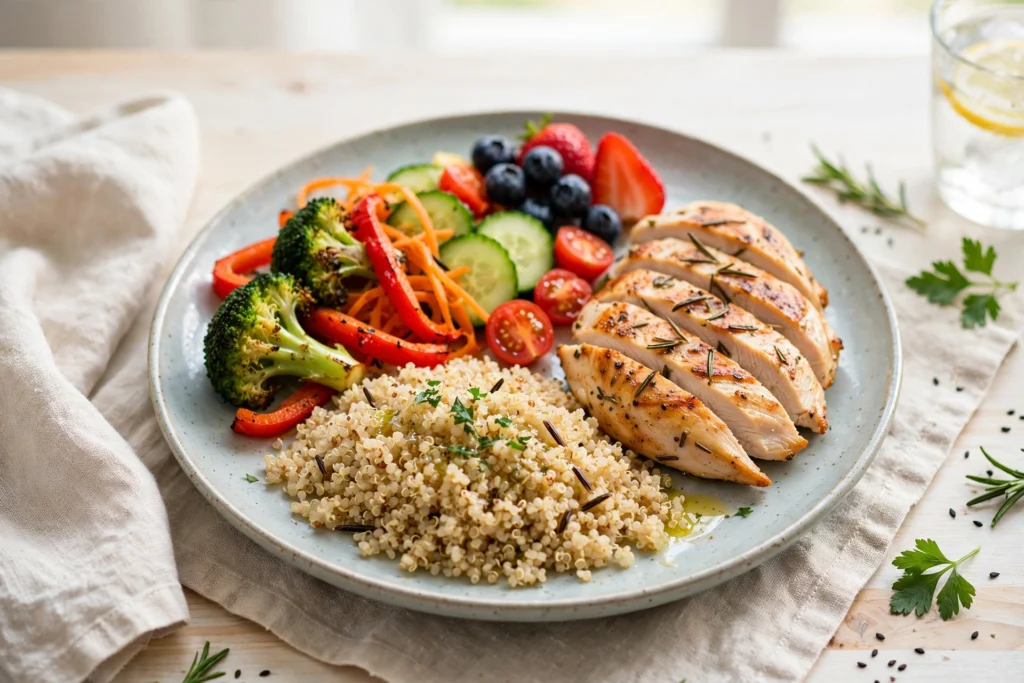
Christmas dinner is the meal we wait for all year – and, for many of us, the heaviest. The table is crowded, the oven has been working since morning, and nobody is counting anything, until the next day, when the heaviness sets in and half the family seems to be nursing a cold. It is a pattern so common it feels like tradition: celebrate big on December 25th, feel run down by New Year’s. But it does not have to be that way, and this guide to healthy Christmas recipes proves it.
The good news is that a Christmas dinner can be both deeply festive and genuinely nourishing. Many of the foods we already associate with the season – roast turkey, Brussels sprouts, cranberries, citrus fruits, nuts, and warming spices – happen to be excellent fuel for the immune system. The difference between a Christmas meal that leaves you glowing and one that leaves you groggy is not about giving up your favorites. It is about balance, portions, smart swaps, and a little planning. These are the same principles behind healthy Christmas recipes of every kind: keep the joy, lose the excess.
In this guide, you will learn why immunity tends to dip over the festive season, which Christmas foods actively support your defenses, how to build a balanced holiday plate step by step, how to handle desserts and drinks without derailing yourself, what a typical Christmas dinner really contains in calories, and how to eat lightly in the days afterward so you start the new year feeling your best.
This guide is written for real life, not a test kitchen. You will not find demands to steam everything, skip the roast potatoes, or pour your sherry down the sink. Instead, you will find practical, evidence-informed strategies used by nutrition professionals: how to build your plate, which traditional foods deserve a starring role, the smartest dessert and drink swaps, and how to bounce back afterward without guilt or gimmicks. Whether you are cooking for two or twenty, these ideas will help you serve a Christmas dinner that feels indulgent and supports your health at the same time.
Why Does Christmas Eating Affect Immunity?
Your immune system does not take a holiday, but the way most of us eat, drink, and sleep over Christmas can make its job noticeably harder. Immunity dips at this time of year for several reasons that pile on top of each other – and food is only one of them, though it is the one you can control most directly on the day itself.
Heavy, rich food in large volumes. A traditional Christmas dinner is a marathon of rich dishes: roast meats with gravy, buttery potatoes, stuffing, pigs in blankets, creamy sauces, followed by pudding, mince pies, and chocolates. A single sitting can easily deliver two to three times the calories of a normal dinner, most of them from refined carbohydrates and saturated fat. Very large, fat-heavy meals can temporarily blunt immune responses and promote low-grade inflammation, which is the opposite of what you want in cold and flu season.
Sugar overload. From breakfast pastries and chocolate coins to desserts and sweetened drinks, Christmas is a festival of sugar. Repeated blood-sugar spikes followed by crashes can leave you tired and may interfere with the normal function of white blood cells for a few hours after a very sugary meal. You do not need to fear a single mince pie – the issue is the sheer quantity over several days.
Alcohol. Festive toasts add up fast. Even moderate drinking disrupts sleep quality, dehydrates you, and in larger amounts can suppress immune function for up to 24 hours. Late-December gatherings often combine all three effects at once.
Less sleep and more stress. Hosting, traveling, late nights, excited children, financial pressure – December is joyful but rarely restful. Short or broken sleep is one of the strongest lifestyle suppressors of immunity, and the holiday season is full of it.
Cold season and indoor crowding. Christmas arrives at the peak of respiratory virus season in the northern hemisphere. Big indoor gatherings with relatives – hugs, shared serving spoons, hours together in warm rooms – are ideal conditions for passing bugs around. When your defenses are already softened by rich food, sugar, alcohol, and short sleep, a virus finds an easier target.
Less daylight. Short days mean less sun on your skin and, for many people, lower vitamin D levels right when immune cells need the vitamin most. If you suspect your levels run low in winter, it is worth reading about vitamin D deficiency symptoms and how to increase vitamin D naturally before the season peaks.
Your gut feels it too. A large share of the immune system is associated with gut tissue, and the gut microbiome responds quickly to what you eat. Several days of very rich, low-fiber, sugary eating can shift the balance of gut bacteria in ways that leave you feeling bloated and sluggish – and may temporarily weaken one of your most important immune barriers. The good news runs in the other direction too: fiber-rich vegetables, fruits, nuts, and fermented foods can start supporting a healthier gut balance within days, which is exactly what the Christmas table offers when you give those foods enough room on your plate.
The encouraging part: every one of these factors is something you can soften. You cannot change the calendar, but you can change your plate – and that is where Christmas foods for immunity earn their place.
What Should You Eat in the Days Before Christmas?
Immunity is built over weeks, not hours, so the days leading up to Christmas are the perfect time to lay the groundwork. Think of it as arriving at the feast with your defenses already well stocked.
Front-load the vegetables and fruit. In the week before Christmas, make vegetables the easy choice: a big salad or soup with lunch, an extra portion of greens with dinner, fruit for snacks. This tops up your vitamin C, fiber, and antioxidants before the rich days begin, and it gently fills you up so you arrive at holiday meals comfortably hungry rather than famished.
Keep protein steady. Regular portions of fish, poultry, eggs, beans, or lentils through December keep the amino acid supply flowing for immune cells. Oily fish twice in the week before Christmas is a simple way to top up vitamin D and omega-3s from food.
Protect your sleep in advance. Bank some good nights before the late ones begin. Going into the festive stretch well rested makes you more resilient to the inevitable short nights – and less likely to lean on sugar and caffeine to get through the days.
Plan, do not restrict. Crash-dieting before Christmas to “save calories” almost always backfires: you arrive ravenous, overeat dramatically, and feel worse. Eat normally and well in the run-up, and the feast becomes a joyful peak rather than a breaking point.
What Foods Support Immunity at Christmas?
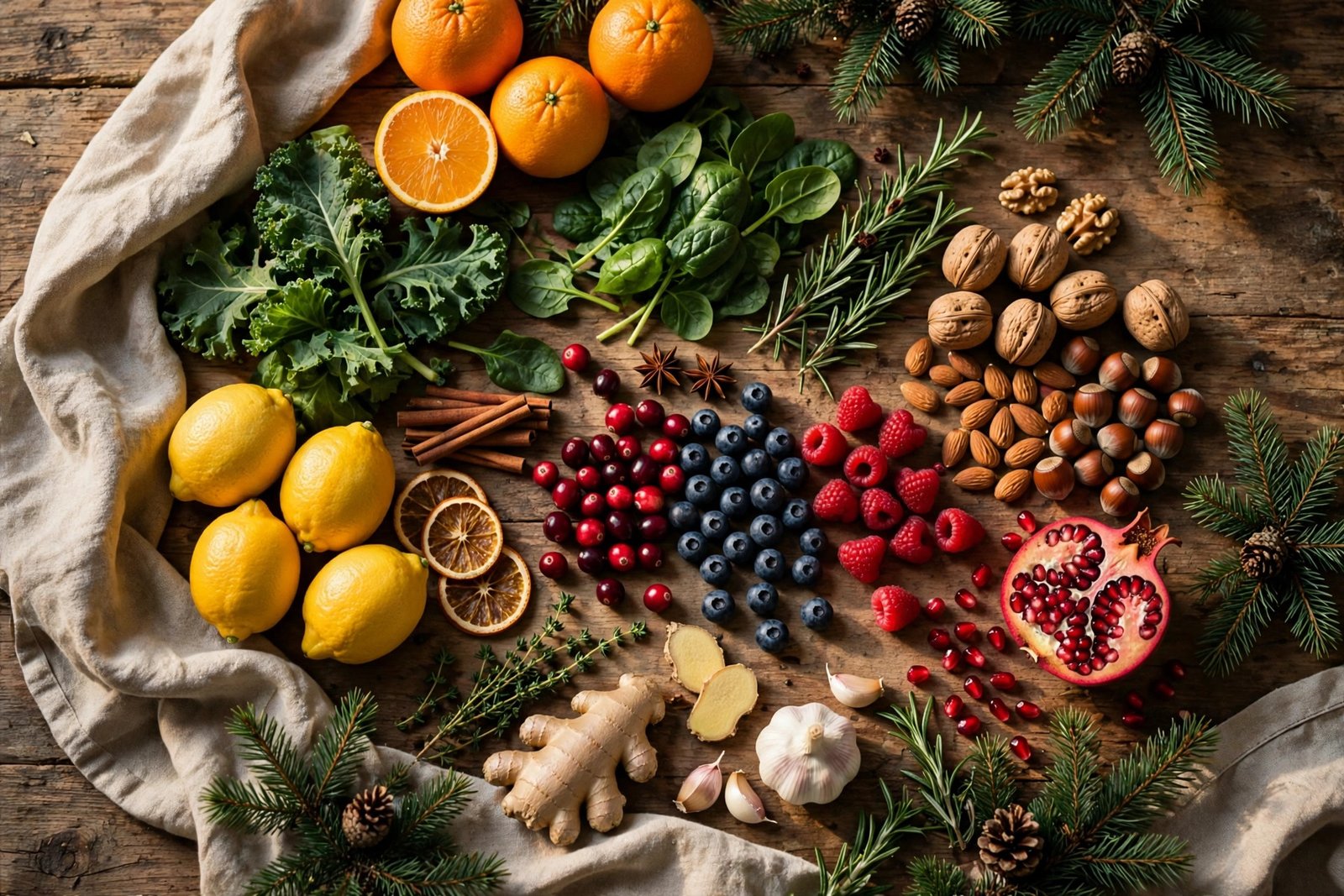
Here is the best-kept secret of healthy Christmas recipes: the traditional festive table is already full of immune-supporting ingredients. You do not need exotic superfoods flown in from another continent. The turkey, the sprouts, the cranberries, the oranges in the stocking – these everyday Christmas staples deliver the exact nutrients your immune system runs on: protein, vitamin C, vitamin A, vitamin D, vitamin E, zinc, and selenium.
Protein matters because antibodies and immune cells are built from amino acids; short-changing protein for days is like asking your defenses to work without supplies. Vitamin C supports the function of white blood cells and the integrity of the skin and mucous membranes that keep germs out. Zinc is needed for the development of immune cells, and even mild shortfalls are common in winter diets. Selenium and vitamin E act as antioxidants that protect immune cells from damage, while vitamin D helps regulate the whole response. For a deeper dive into seasonal eating for fewer sick days, see our winter guide to foods that help fight colds and flu – many of the same principles apply wherever you celebrate.
The table below maps classic Christmas foods to the nutrients they provide and why those nutrients help immunity. Use it as your shopping guide.
| Christmas food | Key immune nutrients | Why it helps |
|---|---|---|
| Turkey (roast, skinless breast) | Protein, selenium, zinc, vitamin B6 | Supplies amino acids for antibodies; selenium and zinc support immune cell function |
| Brussels sprouts | Vitamin C, vitamin K, fiber | Vitamin C supports white blood cells; fiber feeds gut bacteria linked to immunity |
| Cranberries (fresh or lightly sweetened) | Vitamin C, proanthocyanidins | Antioxidants plus vitamin C; traditionally used to support urinary tract health |
| Nuts (almonds, walnuts, pistachios) | Vitamin E, zinc, healthy fats | Vitamin E protects immune cells; a small handful is enough, as nuts are energy-dense |
| Citrus fruits (oranges, clementines, kinnow) | Vitamin C, flavonoids | The classic winter vitamin C source; easy to add to salads, desserts, and drinks |
| Oily fish (salmon, mackerel, sardines) | Vitamin D, omega-3 fats, protein | One of few meaningful food sources of vitamin D; omega-3s help regulate inflammation |
| Sweet potatoes | Beta-carotene (vitamin A), fiber | Vitamin A maintains the mucous membranes that block germs at the door |
| Garlic | Allicin and sulfur compounds | Traditionally valued for antimicrobial properties; best added near the end of cooking |
| Ginger (fresh) | Gingerols | Warming and soothing; lovely in teas, marinades, and roasted vegetables |
| Cinnamon | Polyphenols | Antioxidant spice that adds sweetness perception, so you can use less sugar |
Notice how many of these are already on a classic Christmas menu. Eating for immunity in December is less about adding strange new foods and more about giving the good ones already on your table a bigger share of the plate. If you want to build on this further, our guide to zinc-rich foods for immunity and our overview of selenium foods go deeper on two of the most underrated immune minerals.
How to Build a Healthy Christmas Dinner Plate
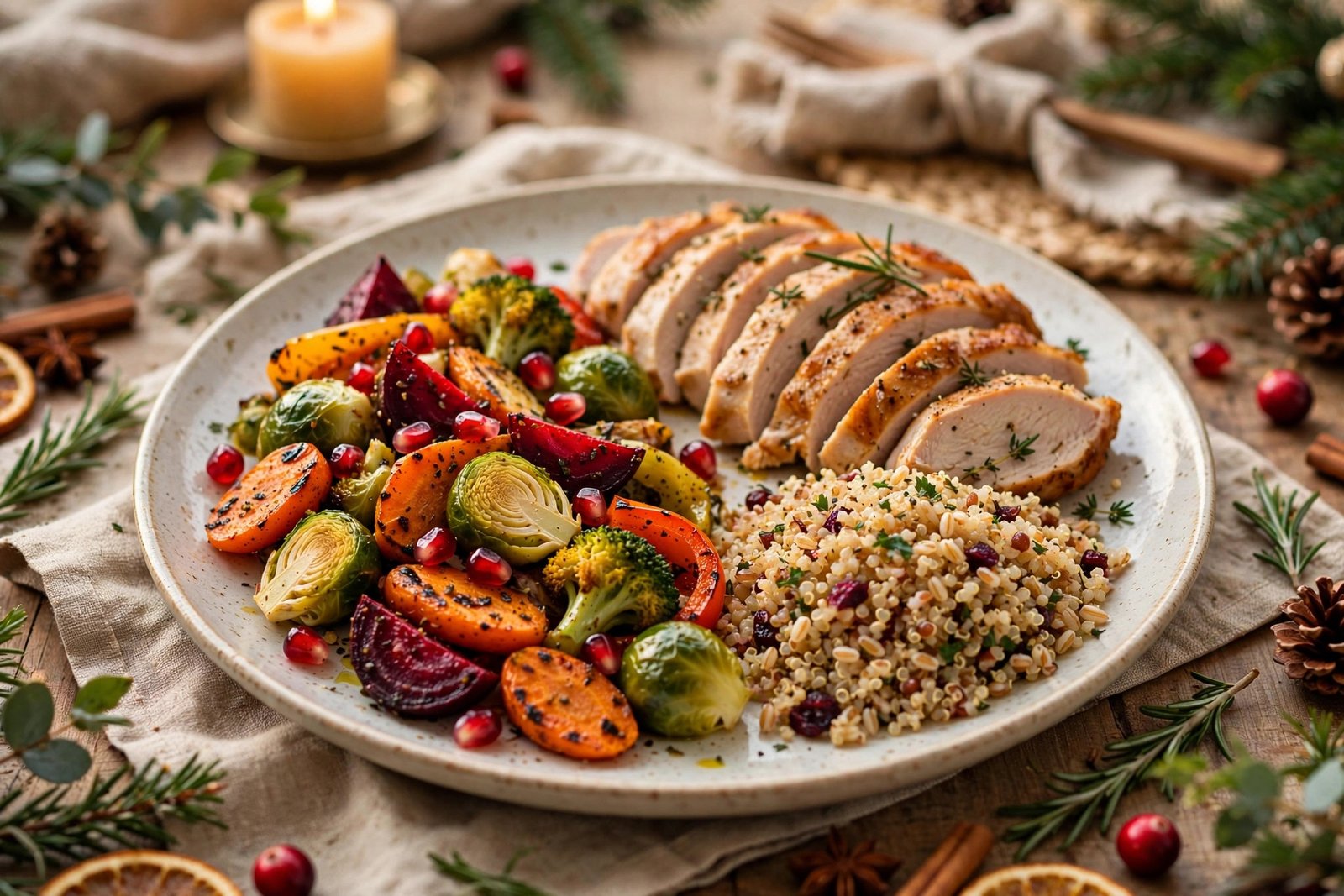
You do not need a separate “healthy” Christmas menu. You need a method for assembling your plate so the festive foods you love land in proportions that love you back. Dietitians call this the plate method, and it works just as well on December 25th as on any Tuesday.
Step 1: Cover half your plate with vegetables. Start here, before anything else touches the plate. Brussels sprouts, roasted carrots and parsnips, red cabbage, green beans, a big salad – pile them on. Vegetables add volume, fiber, color, and the vitamins your immune system is asking for, all for very few calories. They also slow you down, which helps you notice fullness before the third helping of potatoes.
Step 2: Add a palm-sized portion of protein. That is roughly one quarter of the plate. Roast turkey breast is the star choice – lean, rich in protein, selenium, and B vitamins. If you eat fish, a fillet of salmon brings vitamin D and omega-3s to the party. Vegetarian? A lentil and nut roast or a hearty bean dish can anchor the plate just as well.
Step 3: Give starches the remaining quarter. Roast potatoes, mashed potatoes, stuffing, Yorkshire pudding – choose your favorites, not all of them. One or two modest servings beat a little of everything. Roast potatoes in a light brushing of olive oil rather than deep-frying, and you keep the crispness with far less grease.
Step 4: Sauce with a light hand. Gravy is part of Christmas, but a ladleful can add hundreds of calories. Use a tablespoon or two for flavor, or make a lighter gravy from the roasting juices with the fat skimmed off. Cranberry sauce counts as a fruit – a spoonful adds color and vitamin C without much cost if you choose one that is not loaded with sugar.
Step 5: Eat slowly and check in with yourself. Put your fork down between bites, talk to the people you love, and wait twenty minutes before deciding about seconds. Festive meals are eaten fast and socially, which is exactly why we overshoot. The food will still be there tomorrow – Boxing Day leftovers are a tradition too.
A few extra touches make the plate even stronger: start with a light vegetable soup so you arrive at the main course comfortably hungry rather than ravenous; keep a jug of water on the table and alternate it with anything stronger; and remember that the healthiest Christmas dinner is one you actually enjoy. Restriction breeds rebound – a balanced plate you feel good about beats a “perfect” one you resent.
What does this look like in practice? A sample menu. Here is how a balanced Christmas dinner might flow: to start, a roasted butternut squash soup with a swirl of yogurt and toasted pumpkin seeds. For the main event, roast turkey breast with a light skimmed gravy, a big pile of Brussels sprouts with chestnuts, honey-glazed carrots and parsnips, red cabbage braised with apple, and one generous scoop of olive-oil roast potatoes – plus a spoonful of cranberry sauce. Dessert could be baked pears with cinnamon, walnuts, and Greek yogurt, followed by a few squares of dark chocolate with coffee or herbal tea. Every course feels festive, nothing is missing, and your immune system gets protein, fiber, vitamins C and A, zinc, and selenium at every turn.
What About Desserts – How Can You Enjoy Them Without Overdoing It?
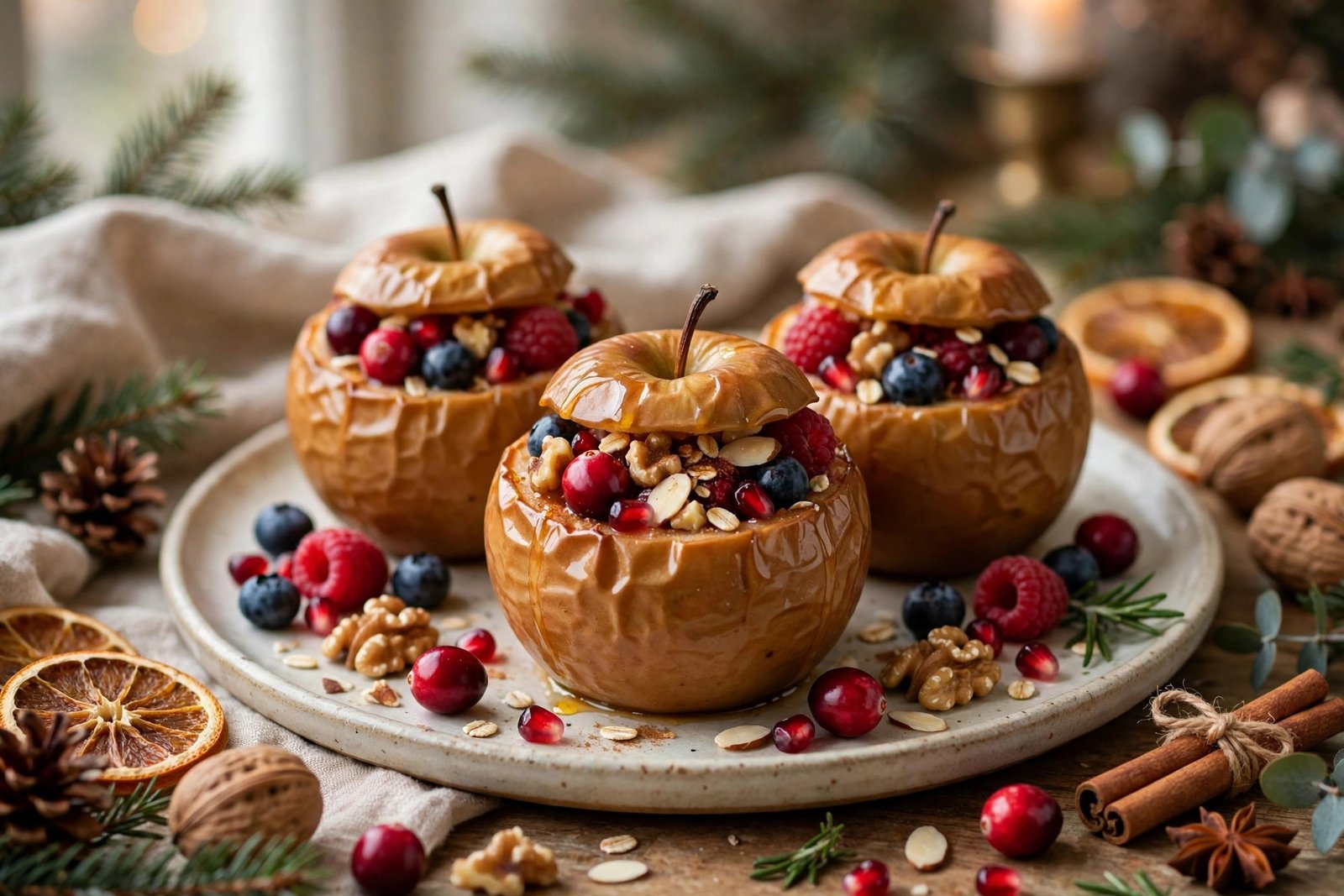
Christmas dessert is non-negotiable for most families, and it should be. The goal is not to skip the sweet course but to enjoy it in a way that does not undo the good work of your balanced main plate. A few smart swaps and portion habits make all the difference.
Shrink the portion, keep the ceremony. Serve dessert on smaller plates or in small glasses. A modest slice of Christmas pudding with a spoonful of brandy butter satisfies the ritual completely; nobody needs a slab. We enjoy the first few bites most – after that, it is habit, not pleasure.
Let fruit do the heavy lifting. Some of the most elegant healthy Christmas recipes are also the simplest: baked apples or pears with cinnamon and a few chopped walnuts; a clementine and pomegranate salad with a drizzle of honey; roasted plums with a spoonful of Greek yogurt. These deliver fiber, vitamin C, and natural sweetness, and they look beautiful on a festive table.
Upgrade the chocolate. If chocolate is your weakness, choose dark chocolate (70% cocoa or higher) and have a few squares instead of a box of milk-chocolate assortments. You get more flavor, more antioxidants, and built-in portion control from the intensity.
Lighten the classics. Make mince pies with a thinner pastry and extra-fruity filling; serve Christmas pudding with low-fat custard or Greek yogurt instead of double cream; try a pavlova topped with fresh fruit rather than a heavy trifle. Small changes, same celebration.
Share the abundance. Christmas produces mountains of sweets – boxes of biscuits, tins of chocolates, gifted cakes. Decide in advance which ones are truly worth it to you, enjoy those slowly, and give the rest away. Generosity is in the spirit of the season, and your January self will thank you.
And pace yourself across the day: if you know dessert is coming, there is no need for a heavy afternoon of chocolates beforehand. Save your sweet appetite for the sweet course.
Make it an occasion, not a grazing session. Part of what makes Christmas desserts special is the ritual: the pudding set alight, the mince pies warmed and dusted, everyone together at the table. When dessert becomes an all-day background activity – a chocolate here, a biscuit there – you get all of the sugar with none of the pleasure. Serve dessert once, properly, with everyone seated, and you will enjoy it more while eating less. If children are at the table, this is also a lovely moment to model a relaxed, happy relationship with sweet food: everything is allowed, nothing is rushed, and nobody needs to feel guilty.
Christmas Drinks: What Helps Immunity and What Harms It?

What you drink over Christmas affects your immunity almost as much as what you eat – mainly through hydration, sleep, and sugar. Here is how the usual festive drinks stack up.
Drinks that help: Water is the unsung hero – keep it flowing all day, especially if the heating is on and you are eating salty foods. Herbal teas (ginger, chamomile, peppermint) are warming, hydrating, and calorie-free. A homemade spiced infusion – hot water with slices of orange, cinnamon sticks, cloves, and fresh ginger – tastes like Christmas in a mug and supports hydration without a gram of added sugar. For more ideas, browse our immune-boosting drinks and teas.
Drinks to limit: Alcohol is the big one. It dehydrates, fragments sleep, adds empty calories (a large glass of mulled wine can carry 200+ calories), and in excess temporarily dampens immune defenses. If you drink, set a limit before the party starts, alternate each alcoholic drink with water, and choose smaller servings. Sugary cocktails, cream liqueurs, and fizzy sodas deliver a double hit of sugar and calories with no nutritional return – a single cream-based festive coffee can match a small meal.
The middle ground: A small glass of mulled wine or champagne for the toast is perfectly compatible with a healthy Christmas. The difference between celebration and sabotage is dose. Eat before you drink, keep the water jug closer than the bottle, and stop while you are still enjoying it rather than when you have had too much.
Watch the caffeine-sleep connection. Late-night coffee after a big meal feels like the answer, but caffeine after mid-afternoon can wreck the already fragile holiday sleep that your immune system depends on. Switch to herbal tea or a spiced infusion after lunch, and if you want something that feels like an after-dinner ritual, a small glass of warm milk with cinnamon and honey is an old-fashioned option that actually supports winding down. And the morning after a celebratory evening, start with water and a proper breakfast before any caffeine – your head and your defenses will both recover faster.
How Many Calories Are in a Christmas Dinner?
It is the question everyone asks and nobody wants to hear: how many calories are in a Christmas dinner? The honest answer is that it varies enormously – but a traditional full Christmas dinner with all the trimmings, dessert, and drinks can easily reach 3,000 to 5,000 calories across the day, several times a normal day’s needs. So what exactly are the calories in Christmas dinner when you add it all up? Understanding where those calories hide is the first step to trimming them without trimming the joy.
A rough breakdown of a classic plate: roast turkey breast (150-250 calories for a generous serving) is actually one of the lightest items on the table. The heavy hitters are roast potatoes cooked in goose fat (300-400), stuffing (250-350), pigs in blankets (150-200 for two), Yorkshire pudding (150-200), and gravy (100-200 per ladle). Add bread sauce, cranberry sauce, and buttered vegetables and the main course alone can pass 1,500 calories. Then dessert – Christmas pudding with brandy butter (400-600), mince pies (250-350 each), trifle (300-450) – plus chocolates, nuts, and cheese through the evening, plus alcohol at roughly 150-250 calories per drink.
None of this means you must count every calorie on Christmas Day. But a few high-leverage trims can easily save 800-1,000 calories without anyone noticing: choose turkey breast over dark meat with skin; roast potatoes in a little olive oil instead of animal fat; take one starch instead of three; use a tablespoon of gravy rather than a ladle; have one dessert instead of two; and alternate alcoholic drinks with water. You will still eat a magnificent, abundant-feeling meal – it just will not follow you into January.
How Can You Make Classic Christmas Dishes Healthier?
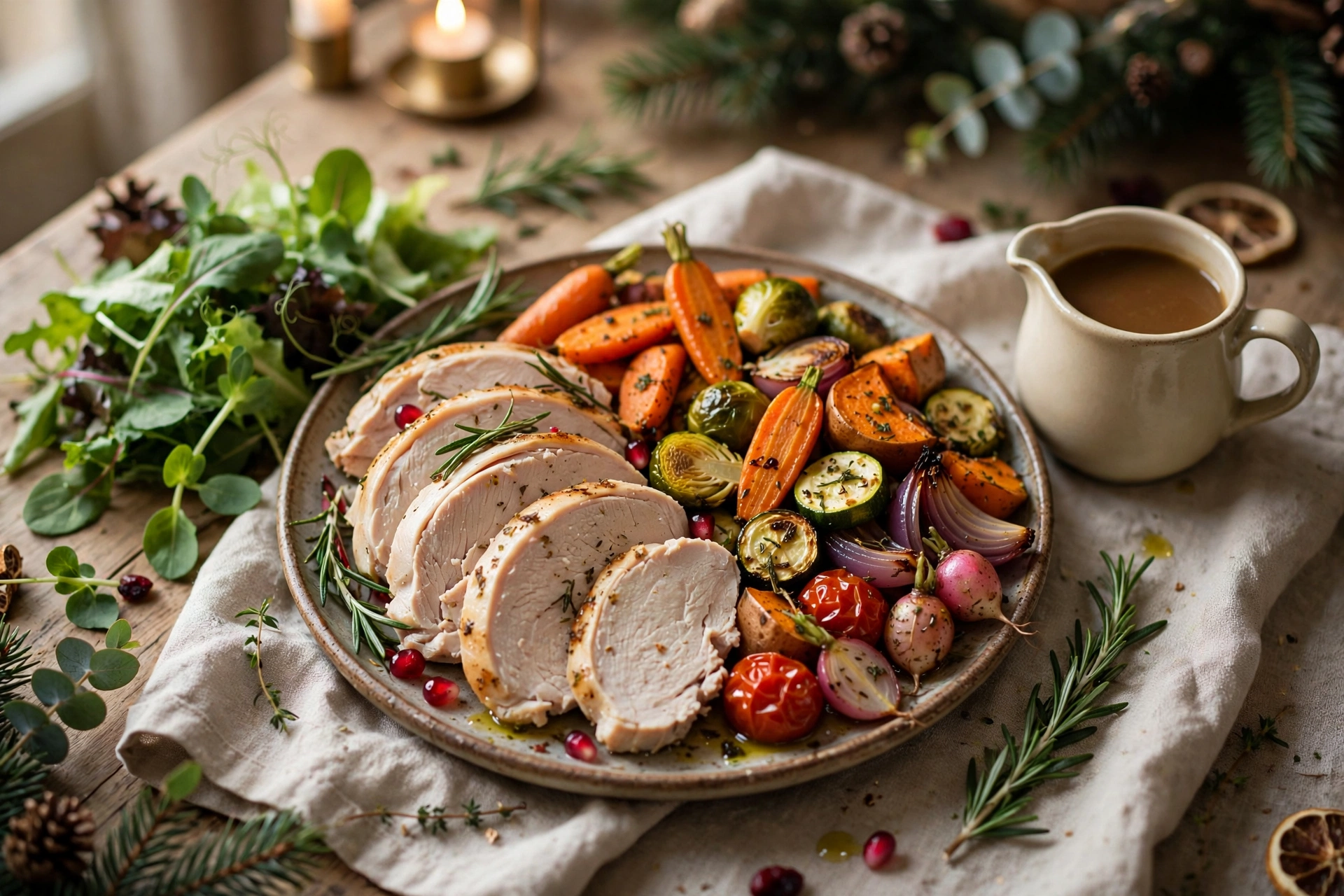
You do not have to reinvent Christmas to make it healthier. Small, dish-by-dish tweaks keep every traditional flavor while quietly improving the nutrition of the whole meal. Here are the highest-impact makeovers, starting with the centerpiece.
Turkey: Roast it on a bed of vegetables with the breast covered in foil for the first half of cooking to keep it moist without basting in butter. Skip the skin or remove it before serving – most of the fat sits there, while the meat underneath stays lean and flavorful. A citrus-and-herb rub (orange zest, thyme, garlic, a little olive oil) adds festive flavor without extra calories.
Roast potatoes: Parboil, rough up the edges, then roast in a thin coating of olive oil rather than goose fat or deep oil. You still get the crunch – the rough edges are what crisp up – with a fraction of the absorbed fat. Toss with rosemary and garlic in the last twenty minutes.
Vegetables: This is where Christmas cooking usually goes wrong – vegetables boiled to gray mush, then rescued with butter. Roast or steam them instead, and finish with lemon juice, toasted nuts, or fresh herbs rather than butter. Brussels sprouts shredded and sauteed with a little olive oil, garlic, and chestnuts convert even the skeptics.
Stuffing: Bulk it out with extra vegetables – diced celery, onion, mushrooms, grated apple – and use whole-grain bread. You get more volume and fiber with less of the buttery density, and nobody will guess why it tastes better.
Gravy: Make it from the deglazed roasting pan with the fat skimmed off, thickened with a little cornflour rather than a butter-flour roux. All of the roasted flavor, far less grease.
None of these changes will make your Christmas dinner taste like a compromise – most guests will simply notice that everything tastes fresher and they feel better afterward.
How to Recover After Christmas Overeating
So the feast happened, the portions were generous, and now you feel sluggish, bloated, and vaguely regretful. First: relax. One or two days of indulgent eating does not ruin your health, and punishing yourself with extreme restriction is the worst possible response. Your body knows how to rebalance – your job is simply to give it the calm, light conditions to do so. Think gentle reset, not punishment.
Rehydrate. Rich food, alcohol, and salty snacks leave most of us mildly dehydrated, which masquerades as fatigue and hunger. Start the next morning with a large glass of water and keep drinking steadily through the day. Herbal teas and watery fruits count too.
Eat light, not nothing. Skipping meals after a feast usually backfires into ravenous evening snacking. Instead, eat simple, light meals: vegetable soup, a salad with leftover turkey, oatmeal with fruit, steamed vegetables with a little fish. Keep portions modest, fiber high, and greasy or very sugary foods off the menu for a day or two. Your appetite will recalibrate on its own.
Move gently. A walk is the perfect post-Christmas exercise – it aids digestion, lifts your mood, burns off restlessness, and gets you into daylight, which helps both sleep and vitamin D. No need for a punishing workout; consistency beats intensity this week.
Sleep it off properly. A couple of early, alcohol-free nights will do more for your energy and your immune system than any quick fix. Sleep is when your body does its deepest repair work.
Be kind to your gut. After days of rich food, simple fiber-rich meals, fermented foods like yogurt, and plenty of water help your digestion settle back into its rhythm within a day or two.
Use your leftovers wisely. Leftover turkey is a gift to your recovery week: it is lean protein that turns into a dozen light meals. Turkey and vegetable soup, turkey salad with citrus segments, turkey and bean chili in modest portions – all of these stretch the celebration into nourishing everyday food. Freeze what you cannot use in two days, and let the last of the cheese and chocolates go to guests or neighbors. A calm kitchen makes calm eating much easier.
What you do not need is anything drastic – no juice fasts, no skipped meals for days, no “magic” products. The fundamentals (water, vegetables, protein, movement, sleep) have always been the real reset button, and they work quietly without any drama.
Frequently Asked Questions
Can Christmas food boost immunity?
Christmas food can genuinely support immunity – but no single meal “boosts” it overnight. What matters is the overall pattern: a festive menu built around roast turkey or fish, plenty of vegetables, fruits, nuts, and warming spices supplies the protein, vitamins C, A, D, and E, zinc, and selenium that immune cells need to do their jobs. Pair that with enough sleep, water, and moderate alcohol, and your December diet becomes an asset rather than a liability. Think of it as supporting your defenses steadily through the season, not supercharging them in one sitting.
Is turkey good for immunity?
Yes – turkey is one of the best main-course choices for immune support. It is a lean, complete protein, which matters because antibodies and immune cells are made from amino acids. It also provides selenium, zinc, and vitamin B6, all involved in normal immune function. Choose roasted breast meat without the skin for the leanest option, and go easy on the gravy to keep the benefits without the excess.
Are Christmas desserts unhealthy?
Not automatically – it depends on the dessert and the portion. A small serving of a classic pudding enjoyed slowly is simply part of celebration, not a health catastrophe. Desserts become a problem when portions are huge, when they are ultra-sweet and low in any real nutrition, and when they pile on top of an already enormous meal plus a day of chocolates. Fruit-based desserts, dark chocolate in modest amounts, and lighter versions of classics let you have the sweet ending without the slump afterward.
Does alcohol lower immunity?
In excess, yes. Heavy drinking can suppress immune function for up to a day, and even moderate drinking hurts immunity indirectly by disrupting sleep and dehydrating you – right in the middle of cold and flu season. A small drink for a toast is fine for most healthy adults; the trouble starts with the third, fourth, and fifth. Alternating with water, eating first, and setting a limit in advance keeps the celebration where you want it.
Should I take supplements for immunity at Christmas?
Food first is the best policy. A varied festive diet rich in the foods in this guide covers most people’s needs, and no supplement can undo the effects of several days of excess. That said, vitamin D is the one supplement worth discussing with your doctor or pharmacist in winter, since food and sunlight both run short – especially if you know your levels tend to be low. Avoid megadoses of anything; more is not better with immune nutrients like zinc and vitamin A, where excessive intakes can backfire.
Is it OK to have a second helping at Christmas?
Of course – Christmas dinner is a celebration, not an exam. The plate method is a guide, not a cage. If you want seconds, take a beat first: wait ten or fifteen minutes, have some water, and then choose more of what you genuinely loved (usually the vegetables and turkey, interestingly, once the initial hunger has passed). Enjoying a second helping mindfully is completely different from eating past fullness on autopilot, and only the second one leaves you regretting it.
Keep Reading
If you found this guide useful, these related articles go deeper on the nutrients and habits behind a strong winter immune system:
- Foods to Boost Your Immune System – the everyday eating pattern behind resilient defenses.
- How to Strengthen Your Immune System Naturally – lifestyle habits that matter as much as food.
- Zinc-Rich Foods for Immunity – why this mineral deserves a place on your winter plate.
- Vitamin D Deficiency Symptoms – how to tell if low winter levels might be affecting you.
- How to Increase Vitamin D Naturally – safe sun, food sources, and sensible supplementation.
- Foods to Help Fight Colds and Flu – our winter nutrition guide for fewer sick days.
- Immune-Boosting Drinks and Teas – warming drinks that hydrate and nourish.
- Selenium Foods for Thyroid Health – selenium’s role in immunity and metabolism.
Medical disclaimer: This article is for general information only and is not medical advice. Everyone’s nutritional needs are different, especially if you are pregnant, managing a health condition such as diabetes or heart disease, or taking medication. If you have concerns about your diet, immunity, or alcohol use, please speak with a qualified healthcare professional or registered dietitian.