
By DN Nabeeha Idrees, BS Human Nutrition and Dietetics
Every few years, a diet trend takes over social media — and intermittent fasting has had one of the longest runs. Public figures swear by it, apps track it, and “16:8” has entered everyday conversation. But behind the hype, what does intermittent fasting actually do? And does it deserve its reputation as a weight-loss solution? Let’s look at it honestly. In this guide, we explain intermittent fasting for weight loss the way it actually works — the methods, the research, the common mistakes, and how to fit it into a real Pakistani routine.
What Is Intermittent Fasting?
Intermittent fasting (IF) is not a diet that tells you what to eat — it tells you when. The idea is to cycle between periods of eating and not eating. The most common methods:
- 16/8: Fast for 16 hours, eat within an 8-hour window (for example, 12 pm to 8 pm).
- 14/10: A gentler version — 14 hours fasting, 10 hours eating. A sensible starting point.
- 5:2: Eat normally five days a week; on two days, eat very little (around 500–600 calories).
- Alternate-day fasting: Alternating normal eating days with very-low-calorie days.
During fasting hours you drink water (and usually plain tea or black coffee). During eating hours you eat your meals — ideally balanced ones, not a free-for-all.
Intermittent Fasting Methods Compared: Which One Fits You?
Not every fasting style suits every life, so it helps to compare them side by side before picking one. The table below summarises the four most talked-about approaches to intermittent fasting for weight loss — who each one suits, and what to watch out for.
| Method | How it works | Who it suits | Watch out for |
|---|---|---|---|
| 16/8 | Fast 16 hours, eat within an 8-hour window (for example, 12 pm to 8 pm) | Most beginners; people with regular daily schedules | Skimping on nutrients in a short window |
| 14/10 | Fast 14 hours, eat within a 10-hour window | First-time fasters; women trying IF for the first time | Slower results if the window stays too generous |
| 5:2 | Eat normally five days a week; eat very little (around 500–600 calories) on two days | People who dislike daily rules | Low-energy fast days; overeating the day after |
| Alternate-day fasting | Alternate normal eating days with very-low-calorie days | Experienced fasters, ideally with professional guidance | Hard to sustain; not a beginner method |
For most people, 14/10 or 16/8 is the sensible starting point. They are daily rhythms rather than occasional shocks to the system, which makes them easier to turn into a habit — and habit is what decides whether intermittent fasting for weight loss works for you in month six, not just in week two.
The 5:2 approach suits people who dislike daily rules and prefer to get the hard part over with twice a week. Alternate-day fasting is the most aggressive of the four; it can produce faster initial results, but it is also the hardest to sustain and the most likely to trigger overeating on feast days. If you are new to fasting, do not start here.
Whichever method you choose, the non-negotiable is the same: the eating window must still deliver enough protein, fibre, vitamins and minerals. A shorter window is never an excuse for a less nutritious diet.

How Might It Help With Weight Loss?
The mechanism is refreshingly un-mysterious: a shorter eating window usually means fewer total calories. Skip breakfast and cut out late-night snacking, and many people naturally eat less without counting every bite.
Fasting also affects hormones involved in hunger and fat storage — insulin levels fall during fasting periods, which is part of why researchers study IF for metabolic health. But for weight loss specifically, the calorie effect does most of the work.
What Does the Research Actually Say?
Here is the honest answer the hype often skips: in clinical trials, intermittent fasting produces roughly the same weight loss as ordinary daily calorie restriction. It is not magic — it is simply another route to eating less overall.
That is not a dismissal. For some people, watching the clock is far easier than counting calories, and the structure helps them avoid mindless evening eating. IF “works” when it helps you stay consistent. It fails like every other method when the eating window fills with oversized, low-nutrient meals.
Most studies so far are also relatively short-term, so the long-term picture is still being researched.
Intermittent Fasting for Weight Loss vs. Daily Calorie Counting: Which Should You Choose?
Here is a question I hear constantly: should I watch the clock or count the calories? The honest answer is that both are tools for the same job — eating a little less than your body uses, consistently, for months.
Calorie counting is precise but tedious. Many people quit within weeks because weighing every roti and measuring every spoon of oil feels like a second job. Intermittent fasting for weight loss replaces that bookkeeping with a single rule: eat only between these hours. For people who find rules easier than arithmetic, that simplicity is the whole appeal.
But the clock has a blind spot: it says nothing about what you eat. You can fast for 16 hours and still erase the deficit with heavy restaurant-style dinners and sugary chai. Calorie counting, for all its fussiness, at least forces you to notice that. The people who do best with IF are usually those who combine the time rule with a rough sense of portion size — a palm of protein, a fist of vegetables, a cupped hand of carbs — rather than eating “whatever, whenever” inside the window.
My practical advice: if you have tried counting calories and hated it, try 14/10 for a month and judge by your results and energy, not by theory. If you have tried fasting and ended up bingeing at night, go back to balanced meals at regular times. The best method is the one you can still imagine doing next year.
Intermittent Fasting and Blood Sugar: A Note for People With Diabetes
Fasting and blood sugar are closely linked, which makes intermittent fasting for weight loss a delicate subject if you have diabetes. On the one hand, longer gaps between meals can smooth out blood sugar spikes and reduce the total insulin your body needs across the day. On the other hand, those same gaps can cause low blood sugar (hypoglycaemia) if you take insulin or medicines such as sulfonylureas — and a hypo episode can be dangerous.
This is not a “try it and see” situation. If you have type 2 diabetes and want to try time-restricted eating, discuss it with your doctor first. Medication doses and timings often need adjusting before you change your meal pattern, and you will need a plan for checking your readings more closely in the first couple of weeks.
If you get the green light, start conservatively — a 12-hour overnight fast is simply “dinner to breakfast” and carries little risk for most people — and build your eating-window meals around fibre, protein and slow-digesting carbs rather than sweets and refined starch. For a fuller picture of eating for stable blood sugar, read our Diabetes Nutrition Guide.
Intermittent Fasting for Women: What to Keep in Mind
Women sometimes respond to fasting a little differently from men, and much of the research — often done on men — does not fully capture that. The main thing to know: female hormones are sensitive to energy availability. Very long fasts or very low calorie intakes can, in some women, disrupt menstrual cycles, worsen PMS, or raise the stress hormone cortisol, which ironically makes fat loss harder.
That does not mean women cannot fast. It means starting gentler is wiser. A 12- or 14-hour window is a better first experiment than jumping straight to 16/8 or alternate-day fasting. Pay attention to the signals your body sends: if your cycle becomes irregular, your sleep deteriorates, or you feel wired-but-tired all the time, the fasting window is too aggressive — shorten it or stop.
Protein matters even more here. Women tend to lose muscle faster when dieting without enough protein and resistance exercise, and muscle is what keeps your metabolism healthy as you lose weight. Aim to include a proper protein source — eggs, chicken, fish, daal, lentils, dahi or soy — in every meal inside your window.
Pregnant and breastfeeding women should not do intermittent fasting for weight loss at all. This is a season for nourishment, not restriction. There will be time later.
What to Eat in Your Eating Window: A Pakistani Plate Guide
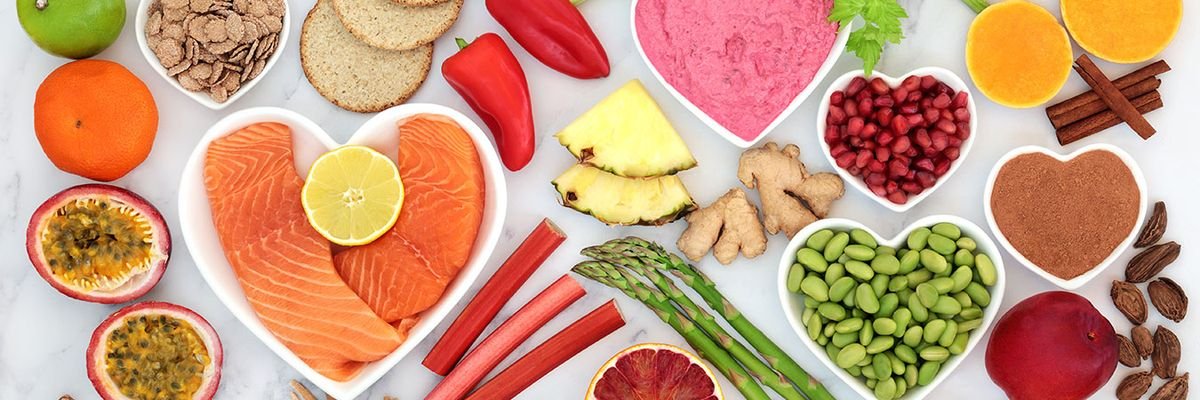
The fasting window gets all the attention, but the eating window decides your results. Think of it this way: fasting creates the opportunity for a calorie deficit, but your food choices decide whether intermittent fasting for weight loss actually delivers results — and whether you feel good doing it.
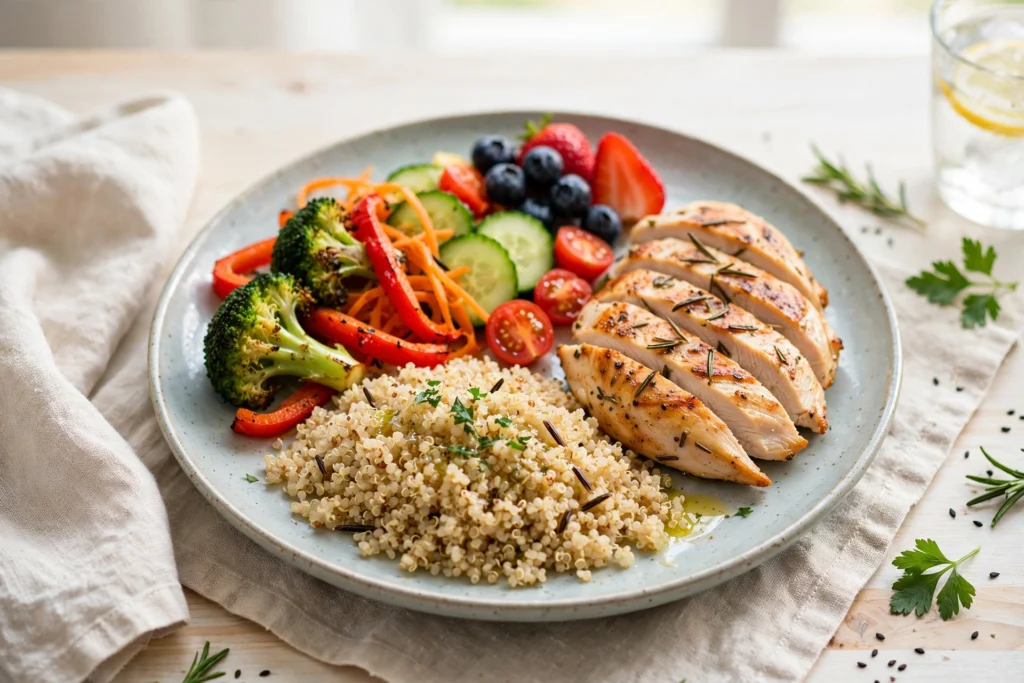
A practical Pakistani plate inside the eating window looks like this. Half the plate: vegetables — sabzi, salad, or both. A quarter: protein — chicken, fish, eggs, daal, lobia, chickpeas or dahi. A quarter: whole grains or starchy vegetables — roti, brown rice or sweet potato. Add a teaspoon or two of healthy fat (the oil already in your salan usually covers this) and a piece of seasonal fruit somewhere in the day. These are the same balanced-plate proportions recommended in the WHO healthy diet guidance.
Protein deserves special emphasis. Many Pakistani adults eat less protein than they need, especially at breakfast — which fasters often skip entirely. When you compress your eating into fewer meals, each meal has to work harder. Two eggs at lunch, a palm-sized piece of chicken or a bowl of daal at dinner, and a cup of dahi as a snack will get most people to a sensible daily amount without any powders or special products.
Fibre is your other ally. Vegetables, fruits, lentils and whole grains keep you full for hours, which makes the next fasting stretch noticeably easier. A fast broken with pakoras and mithai leads to a blood sugar spike, a crash, and fierce hunger by evening; the same fast broken with a balanced, fibre-rich meal leads to steady energy. The difference is not willpower — it is chemistry.
Water-rich foods count double: cucumbers, tomatoes, watermelon, oranges and daal-based soups hydrate you while filling your stomach, which helps on days the fasting window feels long. Build your plates this way and intermittent fasting for weight loss becomes much more sustainable.
A Sample 16:8 Day for a Pakistani Routine
Theory is nice, but a concrete example helps more. Here is what a 16:8 day can look like around a typical Pakistani schedule, with the eating window from 12 pm to 8 pm. Adjust the times to fit your own life — the pattern matters more than the exact hours.
| Time | What to do | Example |
|---|---|---|
| 8:00 am | Wake up — water first | Two glasses of water; plain green tea mid-morning |
| 12:00 pm | Break the fast with a balanced lunch | Two rotis with chicken curry, salad and a bowl of dahi |
| 4:00 pm | Small, protein-rich snack | A handful of peanuts or roasted chana with a piece of fruit |
| 7:30 pm | Dinner — lighter than lunch | Daal with sabzi and one roti; close the eating window by 8 pm |
| 8:00 pm – 12:00 pm | Fasting window | Water and plain tea only; aim to sleep by 11 pm |
Notice that nothing here is exotic or expensive. Intermittent fasting for weight loss does not require special foods, imported superfoods or supplements. It requires ordinary desi food, eaten in sensible amounts, inside consistent hours.
What Can You Drink While Fasting?
This is one of the most common questions, and the answer is simpler than most people expect. During the fasting window, anything with negligible calories is fine: water (still or sparkling), plain green or black tea, black coffee, and water infused with lemon or mint leaves.
What breaks the fast? Anything with meaningful calories: doodh patti, chai with milk and sugar, lassi, fruit juices, cold drinks, and “just a few” biscuits on the side. Milk is the usual trap — a single doodh patti can carry a hundred calories or more, which is enough to blunt the whole point of the fast.
Black coffee and plain tea are genuinely useful tools: the caffeine blunts morning hunger for many people, which is why a 16:8 window often starts after the morning chai slot. If you cannot imagine mornings without doodh patti, set your eating window to start earlier (say 10 am) so your chai falls inside it. The best intermittent fasting for weight loss plan is the one that bends around your life, not the other way round.

Intermittent Fasting and Exercise: Timing Your Workouts
You do not need to stop exercising while fasting — but a little planning helps. Light to moderate activity, like walking, housework or easy cycling, is comfortable at almost any point in the fasting window. Many people find that a brisk walk an hour or two before breaking the fast actually reduces hunger rather than increasing it.
Harder training — weight lifting, intense cardio, sports — is best placed inside or just before the eating window, so you can eat protein within a couple of hours afterwards. Training hard at the tail end of a 16-hour fast on an empty stomach works for some experienced fasters, but for most people it means a weaker session followed by a ravenous, hard-to-control meal.
The bigger point is about muscle. Anyone using intermittent fasting for weight loss needs a plan to protect muscle, because weight lost without enough protein and resistance exercise includes more lean mass than it should. Two or three short resistance sessions a week — bodyweight squats, push-ups, resistance bands, or whatever equipment you can access — plus enough protein in your meals, protects the muscle that keeps you strong and keeps your metabolism from slowing more than necessary.
Start any new exercise routine gently if you are also new to fasting. Doing both intensely in the same week is a recipe for exhaustion, and exhaustion is what makes people quit.
7 Mistakes That Stall Your Intermittent Fasting for Weight Loss Results
Fasting is simple, which means the mistakes are usually simple too. Here are the seven I see most often:
- Turning the eating window into a feast. The most common failure of all. “I fasted, so I earned this” leads to portions that erase the entire deficit. The window is shorter — it is not a licence.
- Drinking your calories. Doodh patti, juices and cold drinks during “fasting” hours quietly add hundreds of calories. If it has calories, it counts — no matter when you drink it.
- Skimping on protein. Without enough protein, a large share of the weight you lose can be muscle rather than fat. Anchor every meal with a proper protein source.
- Going too extreme, too fast. Jumping from three full meals plus snacks to alternate-day fasting usually ends in a binge by day four. Start with 12 or 14 hours and earn your way up.
- Ignoring sleep. Short sleep raises hunger hormones and drains willpower the next day. A well-rested faster finds the same window dramatically easier than a sleep-deprived one.
- Quitting after one bad day. A wedding, a dawat at a relative’s house, a stressful day — life happens. One off-plan day changes nothing; quitting for a month changes everything.
- Fasting through warning signs. Dizziness, hair shedding, missed periods, constant fatigue or feeling cold all the time are signals to stop and reassess, not to push harder. Intermittent fasting for weight loss should make you feel capable, not unwell.
Notice what is not on this list: the exact hour you start, whether you fast 15 or 16 hours, or which app you use to track it. Those details barely matter. The fundamentals — reasonable portions, enough protein, decent sleep, consistency — are what decide your results.
Making It Work in a Pakistani Routine
IF fits Pakistani life better than many Western diets do — many of us are already familiar with the rhythm of fasting. A few practical notes:
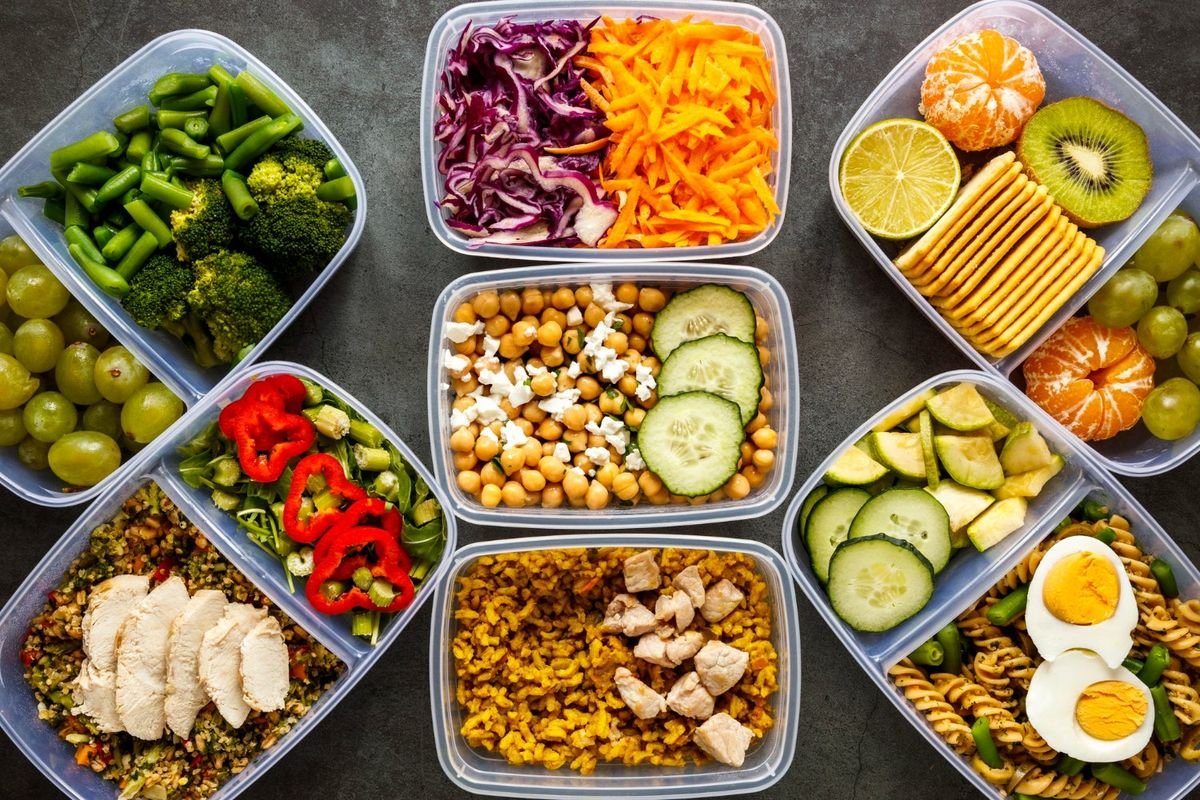
- Keep the eating window nutritious. Breaking a fast with a heavy, oily feast every day defeats the purpose. Build meals around protein (eggs, chicken, daal, dahi), vegetables and whole grains.
- Stay hydrated. Drink plenty of water during fasting hours, especially in summer.
- Don’t sacrifice sleep. Poor sleep increases hunger the next day and makes fasting miserable.
- Time it around your life. If family dinner is non-negotiable, set your window to include it (for example, 1 pm–9 pm) rather than fighting your routine.
Who Should NOT Try Intermittent Fasting?
IF is not for everyone. Avoid it — or get medical clearance first — if you:
- Are pregnant or breastfeeding
- Are under 18
- Have type 1 diabetes or take glucose-lowering medication
- Have a history of eating disorders
- Have certain gut, kidney or heart conditions
If you feel dizzy, excessively fatigued or unwell while fasting, stop and eat — and talk to a professional before continuing.
If You Try It: A Safe Way to Start
- Start gentle: begin with 12 hours of fasting (for example, 8 pm–8 am — mostly sleep), then stretch to 14/10 if comfortable.
- Protect your muscle: eat enough protein and do resistance exercise 2–3 times a week. Fasting without protein and training can cost you lean mass.
- Make every meal count: the window is shorter, so don’t waste it on empty calories.
- Stay flexible: social dinners and family events happen. One off-plan day doesn’t ruin anything.
Frequently Asked Questions About Intermittent Fasting for Weight Loss
Here are the questions I hear most often about intermittent fasting for weight loss, answered plainly.
Will fasting slow down my metabolism?
Short fasts of 16 to 24 hours do not meaningfully slow metabolism in most people. What slows metabolism during any diet is losing muscle and staying in a large calorie deficit for months on end. Eating enough protein, doing resistance exercise, and keeping the deficit moderate protects you — whether you fast or not.
How fast will I lose weight with 16/8?
A realistic pace is the same as with any sensible diet: gradual and uneven. Some weeks the scale barely moves, then it drops. Anyone promising a fixed number of kilos per week is selling something. Judge by the trend over a month, not by any single week.
Can I do intermittent fasting if I have PCOS or thyroid issues?
Many women with PCOS find time-restricted eating helpful, but responses vary and medication schedules matter. With thyroid conditions, the key is consistency — take your thyroid medicine on an empty stomach as directed and keep your meal timings regular. In both cases, check with your doctor before starting.
What if I feel extremely hungry in the first week?
Some hunger in the first week is normal while your body adjusts — it usually fades after seven to ten days. Genuine distress is different: shakiness, nausea, headaches that do not lift with water and a pinch of salt, or an inability to think clearly all mean you should eat. Start with a shorter window and build up gradually.
Can I combine intermittent fasting with Ramadan?
Ramadan is already a form of dawn-to-sunset fasting, so there is no need to layer another fasting schedule on top of it. Focus instead on making sehri and iftar balanced — protein and fibre at sehri, a moderate iftar rather than a deep-fried feast — and let the month’s natural rhythm do the work.
Do I need supplements or special products to fast?
No. Water, ordinary food and a little planning are enough. Anyone telling you that intermittent fasting for weight loss requires their special tea, pill or powder is marketing, not nutrition.
The Bottom Line
Intermittent fasting is a legitimate tool for weight loss — not a miracle. It works through the same principle as every effective diet: a sustained calorie deficit you can actually live with. If time-restricted eating suits your routine and you fill your window with good food, it can work well. If it makes you miserable, binge-prone or unwell, a straightforward balanced diet will serve you just as well.
Before starting IF — or any structured diet — check in with your dietitian or doctor, especially if you have a medical condition or take medication.
Health note: This article is for general information only and is not medical advice. Intermittent fasting affects everyone differently and is not suitable for some medical conditions. Please read our Health Disclaimer and talk to your doctor or dietitian before making major changes to how you eat.
Keep reading: for the bigger picture on intermittent fasting for weight loss and healthy eating generally, explore our Weight Loss Nutrition Guide and Diabetes Nutrition Guide, or start with The Power of Nutrition for healthy-eating fundamentals that work with any eating pattern.
Want guidance on whether intermittent fasting suits you? Visit our Online Nutrition Consultation page or book an appointment — we’ll help you choose an approach that fits your health, routine and goals.

This is really informative
Well explained 🙌 great work
It’s really interesting article. It has a clear understanding and everything is informative and to the point.
Such an masterpiece 👏 I needed something like that 🙌
Was always intrigued about intermittent fasting . Guess all my queries are now answered
Was really intrigued in intermittent fasting and it’s role in weight loss. Guess all my queries are now answered.
Amazing work🙌
Very wisely and conciesly written. Puts an end to all my confusions about intermittent fasting.
Very interesting 🤔 Thanks for the information I enjoyed reading .well done.💐👍🏽👏🏿
Plz your location I am interesting of physical training classes..
contact on whatsapp