

Immunity Nutrition: The Complete Guide to a Healthy Immune System
Your immune system works around the clock to protect you from infections, and the food you eat every day is one of its most important allies. Immunity nutrition is the practice of choosing foods and drinks that give your immune defenses the nutrients they need to work well. This guide is the hub for our immunity nutrition collection: it explains the key nutrients, shows you practical desi ways to get them, and links to our five in-depth guides on strengthening immunity naturally.
What Is Immunity Nutrition, in Simple Terms?
Think of your immune system as a well-trained security team. It needs the right fuel, building materials, and rest to do its job. Immunity nutrition means eating in a way that supplies those essentials: enough protein to build immune cells, vitamins and minerals that regulate immune responses, and fluids and plant compounds that keep your defenses alert. No single food makes you immune to illness, but a consistent pattern of immunity nutrition helps your body respond faster and recover better.
The Key Nutrients in Immunity Nutrition
Several nutrients play starring roles in immunity nutrition. Vitamin C supports the function of various immune cells. Zinc is needed for normal immune cell development. Vitamin D helps regulate immune responses. Vitamin A maintains the health of skin and mucous membranes, your first line of defense. And protein provides the amino acids that build antibodies and immune cells. Our guide to the best foods that boost the immune system walks through these nutrients with practical food lists.

Zinc-rich foods such as meat, seafood, eggs, legumes, nuts, and seeds are cornerstones of immunity nutrition.
Vitamin C: The Classic Immunity Nutrition Vitamin
Vitamin C is the nutrient most people think of for immunity, and for good reason: it supports the function of immune cells and acts as an antioxidant. The good news for Pakistani kitchens is that vitamin C is abundant in everyday foods. Amla (Indian gooseberry) is one of the richest sources. Guava, citrus fruits like kinnow and oranges, tomatoes, and green chilies all contribute. You do not need mega-dose supplements; regular servings of these fruits and vegetables across the day give your immunity nutrition a steady supply.
Zinc: The Immunity Nutrition Mineral
Zinc does not get as much attention as vitamin C, but it is equally important for immunity nutrition. It is involved in the normal development and function of immune cells. Meat, especially beef and mutton, is a rich source. Pumpkin seeds, sesame seeds, chickpeas, lentils, and peanuts provide zinc from plant foods. Because phytates in whole grains and legumes can reduce zinc absorption, pairing these foods with vitamin C-rich foods helps. Our complete guide to zinc-rich foods for immunity lists the best sources with serving ideas.
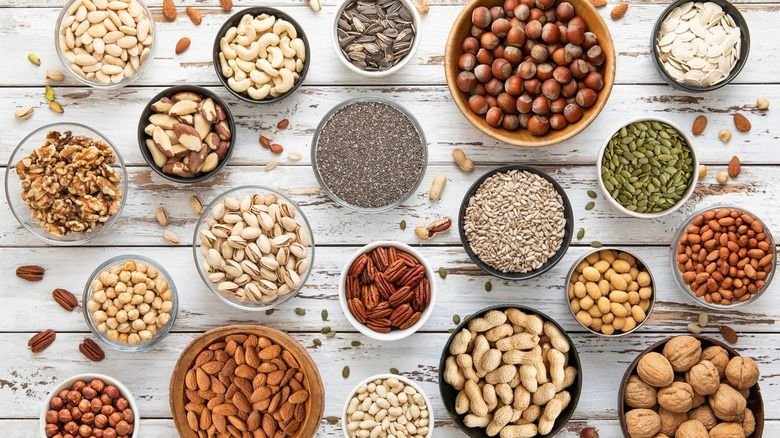
A small handful of mixed nuts and seeds each day is an easy immunity nutrition habit that also provides healthy fats and vitamin E.
Immune-Boosting Drinks and Teas
What you drink matters for immunity nutrition too. Warm fluids soothe the throat and help you stay hydrated, which supports mucous membranes. Ginger tea (adrak chai), green tea, and traditional kahwa with spices like cinnamon and cardamom are comforting choices. Bone broth (yakhni) provides protein and minerals in an easy-to-digest form. Our guide to immune-boosting drinks and teas separates what the science actually supports from the hype.
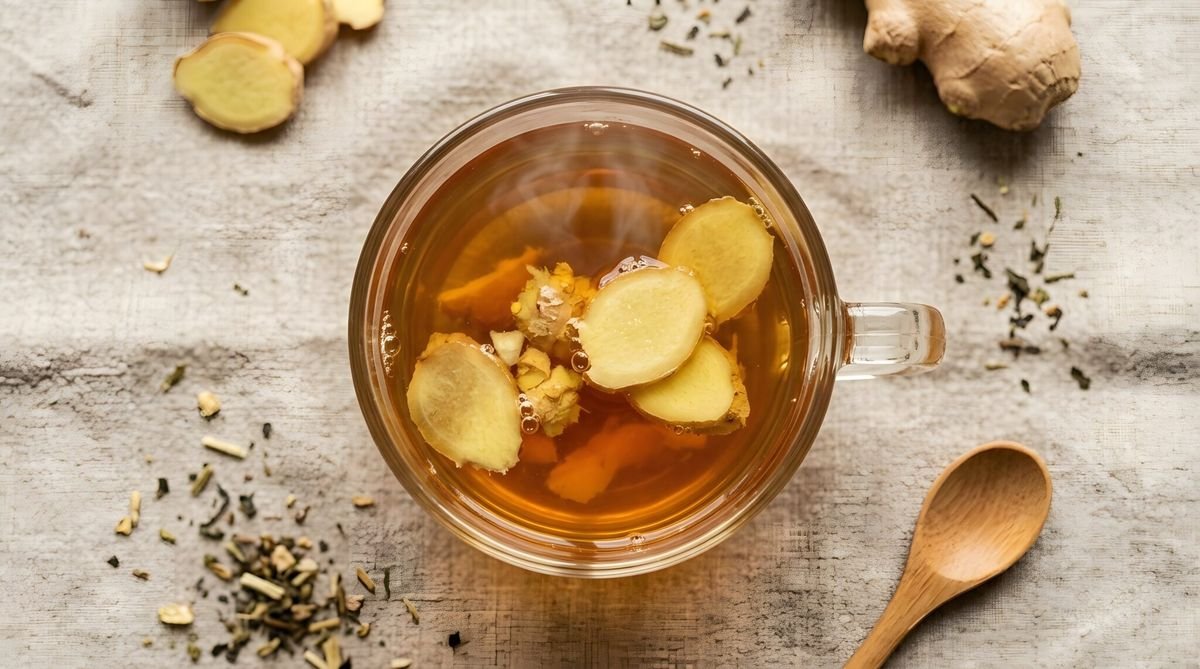
Fresh ginger tea is a warming, hydrating part of immunity nutrition, especially in cold weather.
Garlic and Everyday Immunity Foods
Garlic has been used in traditional cooking for centuries, and it earns its place in immunity nutrition. It contains sulfur compounds that have been studied for immune effects. More importantly, garlic makes healthy food taste good, which means you eat more of the vegetables and lentils it flavors. Onions, turmeric (haldi), and ginger play similar supporting roles in desi cooking. These are not magic bullets, but they are sensible, flavorful parts of an immunity-supporting kitchen.

Garlic, onions, ginger, and turmeric are everyday desi ingredients that support immunity nutrition.
Eating Through Cold and Flu Season
When winter arrives in Pakistan, colds and flu follow. Immunity nutrition during this season means doubling down on the basics: colorful fruits and vegetables, adequate protein, warm fluids, and enough rest. Our Pakistan winter guide to foods that help fight colds and flu gives you ten specific foods with practical ways to use them. And our evidence-based guide to strengthening your immune system naturally covers the lifestyle side: sleep, stress, and activity.
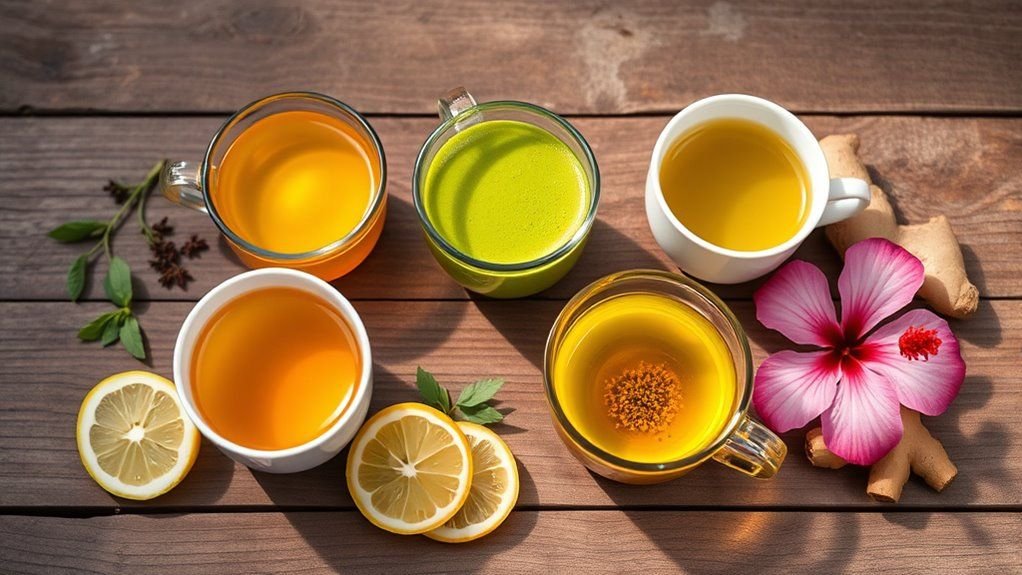
Herbal and green teas with lemon and ginger are hydrating, comforting choices during cold and flu season.
Immunity Nutrition at a Glance
Use this table as a quick reference for the nutrients that matter most in immunity nutrition and where to find them in everyday Pakistani foods.
| Nutrient | Why It Matters for Immunity | Best Desi Sources |
|---|---|---|
| Vitamin C | Supports immune cell function; antioxidant | Amla, guava, kinnow, oranges, tomatoes, green chilies |
| Zinc | Needed for normal immune cell development | Beef, mutton, pumpkin seeds, sesame seeds, chickpeas, peanuts |
| Vitamin D | Helps regulate immune responses | Sunlight, fortified milk, eggs, fatty fish |
| Vitamin A | Maintains skin and mucous membrane health | Sweet potatoes, carrots, spinach, mangoes, eggs |
| Protein | Builds antibodies and immune cells | Eggs, chicken, fish, lentils (dal), chickpeas, yogurt, milk |
| Probiotics | Support gut-associated immune function | Yogurt (dahi), lassi, fermented foods |
What to Eat Day to Day: A Practical Immunity Nutrition Framework
Put immunity nutrition into practice with a simple daily rhythm. Morning: start with a vitamin C-rich fruit such as guava or kinnow, plus eggs or yogurt for protein. Midday: a colorful lunch with lentils or beans, leafy greens, and a tomato-based curry. Evening: a handful of mixed nuts and seeds, and ginger tea or kahwa. Through the week: include garlic and turmeric in cooking, eat fish or chicken regularly for zinc and protein, and keep dahi on the menu for probiotics. Consistency beats occasional immune-boosting splurges.
Explore All Our Immunity Nutrition Guides
These five guides cover the cluster in depth:
- How to Strengthen Your Immune System Naturally: An Evidence-Based Guide
- Immune-Boosting Drinks and Teas: What the Science Actually Supports
- Zinc-Rich Foods for Immunity: A Complete Nutrition Guide
- Best Foods to Boost Immune System: A Nutritionist’s Evidence-Based Guide
- 10 Foods to Help Fight Colds and Flu: A Pakistan Winter Guide
Immunity Nutrition FAQs
Can food really strengthen my immune system?
Food provides the nutrients your immune system needs to function normally. A consistent pattern of immunity nutrition supports your defenses, but no food makes you invincible to infections. Sleep, stress management, and hygiene matter too.
Should I take vitamin C or zinc supplements?
Most people can get enough from food. Supplements may help if you have a diagnosed deficiency, but mega-doses have not been shown to prevent colds in the general population. Talk to a qualified professional before starting supplements.
What is the single best food for immunity?
There is no single best food. Immunity nutrition works through variety: colorful fruits and vegetables, adequate protein, nuts and seeds, and fermented foods together cover the key nutrients.
Do immune-boosting drinks actually work?
Warm, hydrating drinks with ginger, lemon, or green tea are sensible parts of immunity nutrition. They soothe and hydrate, but they are not cures. See our drinks and teas guide for what the evidence actually says.
The Bottom Line on Immunity Nutrition
Immunity nutrition is not about exotic superfoods or expensive supplements. It is about consistently eating colorful fruits and vegetables, getting enough protein and zinc, staying hydrated with sensible drinks, and letting traditional ingredients like garlic, ginger, and turmeric do their quiet work. Start with the guides above, build the daily habits, and give your immune system the steady support it deserves.
For a global overview of what healthy eating looks like, the World Health Organization’s healthy diet fact sheet is a reliable reference.
This article is for general education and does not replace medical advice. See our Health Disclaimer.