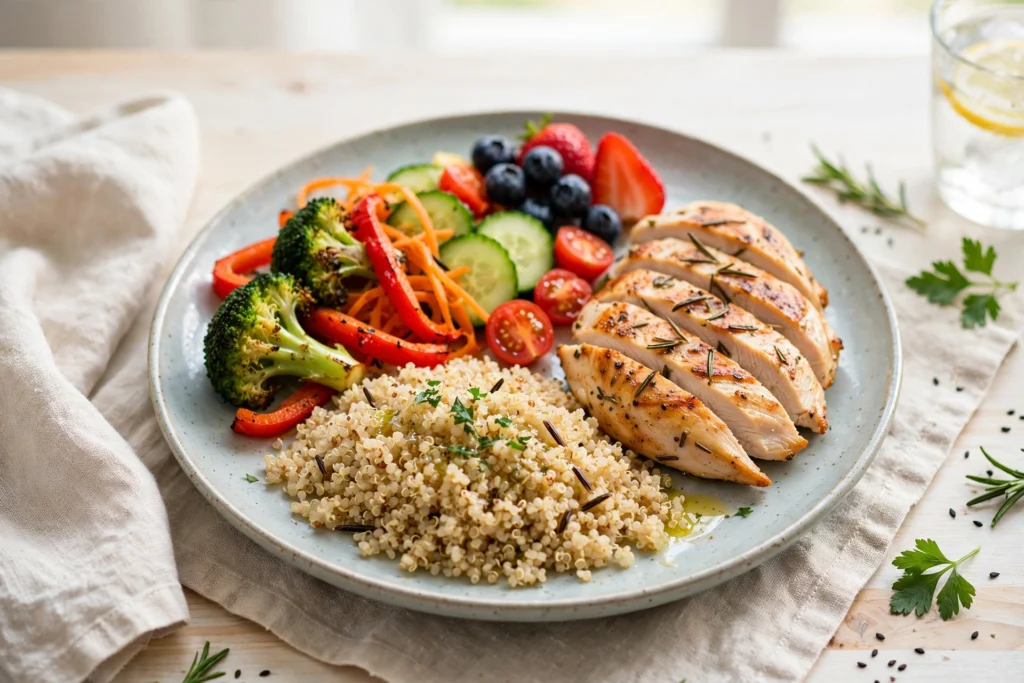
Glowing skin is rarely the result of a single cream or a seven-day miracle diet. It is the outward reflection of what is happening inside your body — steady collagen production, well-hydrated cells, controlled inflammation, and protection against the daily damage from sunlight and pollution. A 2020 review in the Journal of Clinical Medicine concluded that diet plays a meaningful, measurable role in skin health and ageing, with several nutrients showing consistent protective effects. This best foods for glowing skin guide explains the 7 key skin nutrients, the best desi foods for each, and a sample day of eating for a natural glow.
The good news is that many of the most powerful skin-nourishing foods are already part of everyday South Asian kitchens — amla, guava, kinnoo, saag, haldi, dahi, and akhrot among them. You do not need expensive imported superfoods. What you need is a consistent pattern of eating that supplies the nutrients your skin depends on.
In this guide, you will learn:
- How food actually reaches and feeds your skin
- The 7 key skin nutrients and exactly which foods provide them
- Which foods may harm skin health (and why)
- A complete sample day of eating for glowing skin, built around Pakistani meals
- How long it realistically takes to see results
How Food Actually Affects Your Skin
The skin’s nutrient supply chain
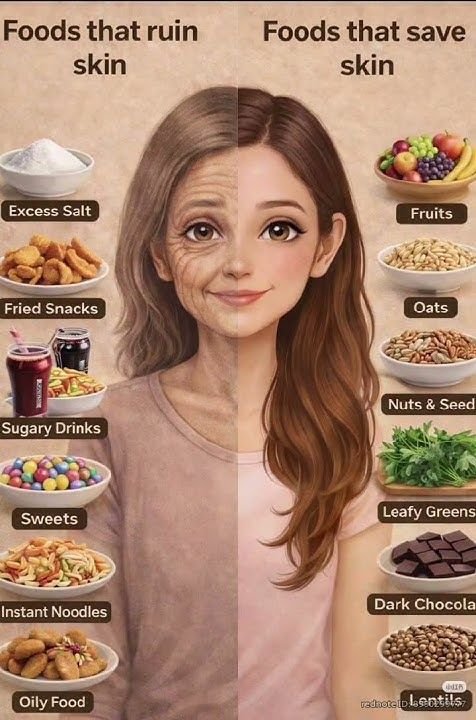
Your skin is the body’s largest organ, and it is also one of the last in line for nutrients. Blood supply delivers vitamins, minerals, fatty acids, and amino acids to skin cells, but when your intake is low, the body prioritises vital organs first. This is why a poor diet often shows on the skin before anywhere else — dryness, dullness, slow wound healing, and more frequent breakouts are early signals of nutrient shortfalls.
Creams and serums work on the outer layers, but the deeper structural layer of your skin — the dermis, where collagen and elastin live — can only be nourished from within. Topical vitamin C serums may help the surface, for example, but the collagen-building work of vitamin C happens through the diet.
What “glowing skin” really means in biological terms
“Glow” is not a scientific term, but dermatology research gives it a concrete meaning: skin that is well-hydrated, has even tone, reflects light evenly, and repairs itself efficiently. These qualities depend on:
- Adequate collagen and elastin — proteins that keep skin firm and smooth
- An intact skin barrier — the outer layer that holds moisture in and keeps irritants out
- Low chronic inflammation — which worsens acne, redness, and uneven tone
- Antioxidant protection — defences against damage from UV light and pollution
Every nutrient in this guide supports one or more of these processes. No single food does it all; the benefit comes from the pattern.
Vitamin C: The Collagen Builder
Why your skin needs vitamin C
Vitamin C (ascorbic acid) is one of the most important nutrients for skin. It is a required cofactor for the enzymes that produce collagen — the protein that gives skin its firmness and structure. Without enough vitamin C, collagen production slows and existing collagen breaks down faster.
Vitamin C also acts as an antioxidant in the skin, helping neutralise free radicals generated by sun exposure. Research published in the American Journal of Clinical Nutrition found that people with higher vitamin C intakes had noticeably fewer wrinkles and less age-related skin dryness.
Because vitamin C is water-soluble and the body cannot store large amounts, you need a steady daily supply. The recommended daily intake is around 75–90 mg for adults, and smokers need roughly 35 mg more per day because smoking depletes vitamin C.
Best vitamin C foods for glowing skin
South Asian kitchens are rich in vitamin C sources, many of them far cheaper than imported options:
- Amla (Indian gooseberry): One of the richest natural sources of vitamin C on earth — a single amla can provide several times the daily requirement. Eat it fresh, as murabba, or in chutney. Note that heavy cooking destroys some vitamin C, so raw or lightly processed forms are best.
- Guava (amrood): One medium guava provides roughly 200 mg of vitamin C — more than double the daily need. Widely available and affordable in winter.
- Kinnoo and oranges: A glass of fresh kinnoo juice or two medium oranges covers your daily vitamin C comfortably.
- Capsicum and bell peppers: Red and yellow capsicum are excellent sources — often higher in vitamin C per 100 g than oranges.
- Papaya: Ripe papaya supplies vitamin C along with beta-carotene, a combination that is particularly skin-friendly.
- Lemons (nimbu): A practical daily habit — squeeze lemon into water, daal, or salads.
Practical tip: Vitamin C is sensitive to heat and air. Add lemon juice after cooking, eat fruit fresh rather than as overcooked preserves, and do not leave cut fruit sitting out for hours.
Vitamin E and Healthy Fats: Protecting Skin Cells
The role of vitamin E
Vitamin E is a fat-soluble antioxidant that lives in the oily outer layer of skin cells, where it protects cell membranes from oxidative damage. It works as a partner to vitamin C — vitamin C helps regenerate used-up vitamin E, which is why the two nutrients are often discussed together.
Vitamin E also supports the skin’s moisture barrier. Studies suggest that adequate vitamin E intake is associated with better skin hydration and less damage from UV exposure, though it is not a substitute for sunscreen.
Best vitamin E and healthy-fat foods
- Walnuts (akhrot): Provide vitamin E plus omega-3 fats — a double benefit for skin. A small handful (about 30 g) daily is a sensible amount.
- Almonds (badam): A classic vitamin E source. Soaked overnight almonds, a common household practice, are easy to add to breakfast.
- Sunflower seeds and sesame seeds (til): Affordable, widely available, and rich in vitamin E. Sprinkle on salads, yogurt, or porridge.
- Peanuts (moong phali): An inexpensive vitamin E source popular in winter.
- Mustard oil and olive oil: Used in cooking, these supply the healthy fats that help your body absorb fat-soluble vitamins (A, E, and beta-carotene). This is why saag cooked in a little oil is nutritionally smart — the oil helps you absorb the greens’ nutrients.
Beta-Carotene and Vitamin A: Your Natural Glow Pigment
How carotenoids support skin
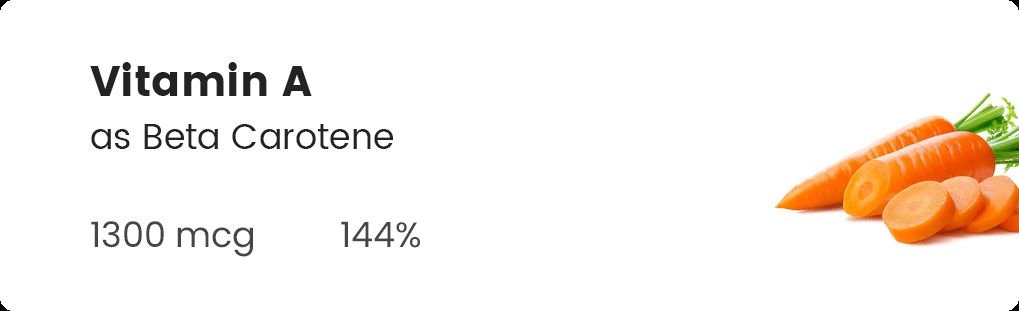
Beta-carotene is a plant pigment that the body converts into vitamin A as needed. It does two useful things for skin: it acts as an antioxidant, and research suggests that people who eat more carotenoid-rich fruits and vegetables develop a subtle warm golden tone in their skin — sometimes called a “carotenoid glow” — that others perceive as healthy and attractive.
Vitamin A itself (retinol) is essential for skin cell turnover — the process by which old skin cells are replaced with new ones. Too little vitamin A is linked to dry, rough, flaky skin.
Best beta-carotene foods
- Carrots (gajar): The classic source. Gajar ka halwa in winter, carrot juice, or simply raw carrots in salad all work.
- Sweet potatoes (shakarkandi): One of the richest beta-carotene sources available.
- Spinach and saag (mustard greens): Dark leafy greens are loaded with beta-carotene. Cooking them lightly in oil improves absorption.
- Mangoes (in season): Pakistani mangoes — chaunsa, anwar ratol, langra — are excellent beta-carotene sources during summer. Enjoy them in moderation as part of a balanced diet.
- Tomatoes: Provide lycopene, a related carotenoid. Interestingly, cooking tomatoes increases lycopene availability, so tomato-based salan is genuinely skin-friendly.
- Pumpkin (kaddu) and butternut squash: Rich in beta-carotene and easy to add to curries and soups.
Zinc: The Skin Repair Mineral
Why zinc matters for skin
Zinc is involved in wound healing, immune function, and the regulation of oil glands in the skin. Research has found that people with acne often have lower-than-average zinc levels, and zinc supplementation has shown modest benefits for acne in some clinical trials. Zinc also has anti-inflammatory properties that may help calm irritated skin.
Zinc deficiency is relatively common in South Asia, partly because diets high in unleavened whole grains contain phytates that reduce zinc absorption. Soaking, fermenting, and sprouting grains and legumes improves zinc uptake.
Best zinc foods
- Pumpkin seeds: One of the best plant sources of zinc. A small handful makes an easy snack.
- Chickpeas (chana) and lentils (daal): Daily staples that supply meaningful zinc, especially when varied across the week.
- Sesame seeds (til): Good zinc content alongside vitamin E.
- Eggs: Provide highly absorbable zinc plus protein for skin structure.
- Meat and chicken: Among the most bioavailable zinc sources. Even modest portions a few times a week help.
- Yogurt (dahi): Supplies zinc along with protein and probiotics.
Selenium: The Antioxidant Shield
Selenium’s role in skin protection
Selenium is a trace mineral that powers glutathione peroxidase — one of the body’s most important antioxidant enzymes. This enzyme helps protect skin cells from oxidative damage, including damage from UV radiation. Selenium also supports thyroid function, and thyroid health influences skin quality (dry, coarse skin is a known sign of underactive thyroid).
You only need a small amount — about 55 micrograms per day for adults — but consistently low intake weakens this antioxidant defence.
Best selenium foods
- Brazil nuts: Just one or two Brazil nuts can provide the entire daily selenium requirement. They are available in dry fruit shops in Pakistani cities, though they are pricier than local nuts.
- Eggs: A practical daily source for most households.
- Whole grains (whole wheat roti, brown rice): Contribute selenium, with amounts varying by soil content.
- Fish: Particularly good sources where available.
- Sunflower seeds: A modest but steady contributor.
Because selenium needs are small, variety across the week is usually enough — there is no need for supplements unless a deficiency is diagnosed.
Omega-3 Fatty Acids: Calming Inflammation
How omega-3s help skin
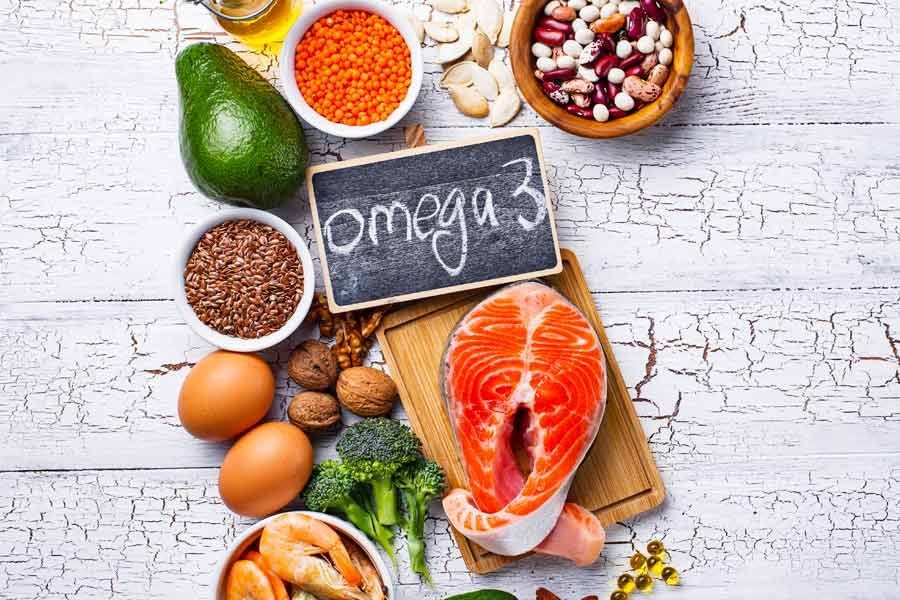
Omega-3 fatty acids (EPA and DHA from fish; ALA from plants) are incorporated into skin cell membranes, helping them stay flexible and hold moisture. They also have well-documented anti-inflammatory effects, which may help with inflammatory skin conditions such as acne, eczema, and psoriasis. A 2020 review in Clinical, Cosmetic and Investigational Dermatology noted promising evidence for omega-3s in managing inflammatory skin conditions.
Dry, flaky, irritated skin is sometimes a sign of inadequate essential fatty acids in the diet.
Best omega-3 foods
- Flaxseed (alsi): The best local plant source of ALA omega-3. Grind fresh (whole seeds pass through undigested) and add a tablespoon to dahi, porridge, or smoothies. Store ground flaxseed in the fridge — its oils go rancid quickly.
- Walnuts (akhrot): Good ALA content alongside vitamin E.
- Fatty fish: Rohu, mackerel, sardines, and salmon where available provide EPA and DHA directly — the forms the body uses most efficiently. Aim for fish twice a week if accessible.
- Chia seeds: Increasingly available in Pakistani supermarkets; similar ALA profile to flaxseed.
- Mustard oil: Contains some ALA and is already the traditional cooking oil in many households.
Practical tip: Omega-3s compete with omega-6 fats for the same metabolic pathways. Most modern diets are heavy in omega-6 (from refined vegetable oils), so simply adding omega-3 sources while moderating refined oil intake gives better results than omega-3s alone.
Hydration: Water and Water-Rich Foods
Why hydration shows on your skin
Skin cells need water to stay plump. When you are dehydrated, skin looks duller, fine lines appear more prominent, and the skin’s barrier function weakens. While drinking water alone will not fix every skin problem, chronic under-hydration reliably makes skin look worse.
The often-quoted “8 glasses a day” is a rough guide, not a rule. Your needs depend on climate, activity, and diet. In hot Pakistani summers, needs are higher; in winter, lower. Pale yellow urine is a practical, reliable indicator of adequate hydration.
Hydrating foods and habits
About 20–30% of daily water typically comes from food. These are especially useful:
- Cucumber (kheera): Over 95% water, plus silica, a mineral associated with skin structure.
- Watermelon (tarbooz): Hydrating plus lycopene — a summer double win.
- Oranges and kinnoo: Water plus vitamin C.
- Dahi and lassi: Hydrating, with protein and probiotics. Salted lassi (namkeen) also replaces electrolytes lost in sweat.
- Coconut water: A good natural electrolyte drink in summer.
- Soups and daal: Water-rich meals that count toward hydration.
Limit very sugary drinks — juices with added sugar, sodas, and sweetened energy drinks add glycaemic load (see the next section) without real nutritional benefit.
Protein and Collagen-Supporting Foods
The building blocks of skin structure
Collagen is a protein, and your body cannot make it without adequate amino acids — particularly glycine, proline, and lysine. Chronic low protein intake is one of the most overlooked causes of poor skin quality: slow healing, thinning skin, and loss of firmness.
Adults generally need about 0.8–1.0 g of protein per kilogram of body weight daily, more if physically active. Many South Asian diets are carbohydrate-heavy and protein-light, so this deserves attention.
Best protein foods for skin
- Eggs: Complete protein with an excellent amino acid profile for collagen support.
- Daal, chickpeas, and beans: The backbone of vegetarian protein. Combining daal with rice or roti gives a complete amino acid profile.
- Chicken and fish: Lean, high-quality protein.
- Dahi and milk: Protein plus calcium and (in dahi) probiotics.
- Bone broth / yakhni: Traditional yakhni provides collagen-derived gelatin and amino acids. While eating collagen does not directly deposit collagen into skin, it supplies the raw materials.
- Soybeans and soy milk: Complete plant protein, useful for vegetarians.
Foods and Habits That Work Against Glowing Skin
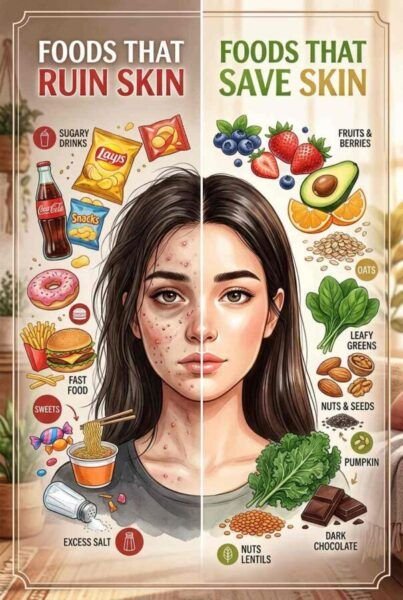
Knowing what to limit is as important as knowing what to add. The following are supported by reasonable evidence — not fear-mongering, just honest nutrition.
Excess sugar and high-glycaemic foods
High sugar intake raises blood insulin and IGF-1, hormones that increase oil production and inflammation — both linked to acne. Sugar also drives a process called glycation, in which sugar molecules attach to collagen fibres, making them stiff and brittle. This is one of the mechanisms behind premature skin ageing. Multiple observational studies link high-glycaemic diets with more frequent acne breakouts.
This does not mean never eating mithai. It means keeping added sugar modest and daily — not a regular feature of every meal.
Excessive dairy (for some people)
The dairy-acne link is inconsistent across studies, but several large observational studies have found an association between high milk intake (particularly skimmed milk) and acne in teenagers and young adults. The proposed mechanism involves hormones and growth factors naturally present in milk. If you notice breakouts tracking with heavy milk consumption, try reducing it for a few weeks and observe. Fermented dairy like dahi appears less problematic and provides probiotics that may benefit gut — and therefore skin — health.
Ultra-processed foods
Chips, packaged biscuits, instant noodles, sugary cereals, and fast food tend to combine refined starch, unhealthy fats, excess salt, and additives while displacing nutrient-dense foods. Diets high in ultra-processed foods are consistently associated with worse overall health outcomes, and skin is no exception. The issue is displacement: every packet of chips is a missed opportunity for fruit, nuts, or vegetables.
Alcohol and smoking
Alcohol dehydrates, depletes B vitamins and vitamin C, dilates blood vessels (worsening redness and rosacea), and disrupts sleep — all visible on skin. Smoking is worse: it constricts blood vessels feeding the skin, destroys collagen and elastin, and depletes vitamin C. Smokers develop wrinkles measurably earlier, and wound healing is slower.
Crash dieting
Very low-calorie diets deprive skin of protein, essential fats, and micronutrients simultaneously. Hair shedding, dull skin, and slow healing are classic signs. Sustainable, moderate eating beats extreme restriction for both weight and skin.
Medical disclaimer: This article is for general education only and is not medical advice. If you have a persistent skin condition — severe acne, eczema, psoriasis, unusual rashes, or sudden skin changes — please consult a dermatologist or your doctor. Supplements should only be taken on professional advice, as excessive doses of vitamin A, zinc, and selenium can be harmful.
Sample Day Meal Plan for Glowing Skin (Pakistani Style)
This plan is built around affordable, locally available foods and covers every nutrient discussed above. Adjust portions to your energy needs.
Subah ka nashta (Breakfast)
- 2 boiled eggs or a vegetable omelette (protein, zinc, selenium)
- 1 whole wheat roti or a bowl of oats/dalia (fibre, selenium)
- 1 guava or 1 orange/kinnoo (vitamin C)
- 1 tablespoon ground flaxseed (alsi) stirred into dahi (omega-3, protein)
- A small handful of soaked almonds (vitamin E)
Mid-morning snack
- Fresh coconut water or nimbu pani (hydration, vitamin C)
- A few walnuts (akhrot) (vitamin E, omega-3)
Lunch (Dopahar ka khana)
- 1–2 whole wheat rotis
- Palak or sarson ka saag cooked in a teaspoon of mustard oil (beta-carotene, iron, healthy fats for absorption)
- 1 bowl moong or masoor daal (protein, zinc)
- Kachumber salad: cucumber, tomato, onion, lemon juice (hydration, lycopene, vitamin C)
- 1 small bowl of dahi (protein, probiotics, zinc)
Evening snack
- 1 cup doodh patti made with less sugar, or green tea (antioxidants)
- Roasted chana or a small handful of pumpkin seeds (zinc, protein)
- Seasonal fruit: papaya, mango (in season), or pomegranate (vitamin C, carotenoids)
Dinner (Raat ka khana)
- Grilled or baked fish (rohu or as available) twice a week, otherwise chicken or daal (protein, omega-3, zinc)
- 1 roti or a small portion of brown rice
- Mixed sabzi: carrots, pumpkin, capsicum (beta-carotene, vitamin C)
- Salad with lemon dressing
Before bed
- 1 glass of warm milk with a pinch of haldi (turmeric contains curcumin, an anti-inflammatory compound; the warm milk supports sleep, and good sleep is essential for skin repair)
This single day delivers vitamin C many times over, strong vitamin E and beta-carotene, solid zinc and selenium, plant and (on fish days) marine omega-3s, complete protein, and good hydration — the full skin-nutrition package.
How Long Before You See Results?
Honesty matters here: skin changes slowly. Skin cells take roughly 28 days to travel from the deepest layer to the surface (longer as we age), so dietary changes need at least 4–6 weeks to become visible, and 2–3 months for fuller effects. Anyone promising glowing skin in seven days from food alone is selling something.
What you may notice first (weeks 2–4): better hydration, less dullness, and slightly more even tone. Deeper changes — improved firmness, fewer breakouts, better healing — typically need 8–12 weeks of consistency. Take a photo in the same lighting once a month to track progress objectively.
Consistency beats perfection. A good diet followed 80% of the time for three months will outperform a perfect diet followed for one week.
Frequently Asked Questions
Which fruit is best for glowing skin?
No single fruit wins outright, but guava, amla, papaya, and oranges/kinnoo are among the strongest choices because they combine very high vitamin C with carotenoids and hydration. Amla is arguably the most nutrient-dense of all. The best approach is variety across the week rather than one “magic” fruit.
Does drinking more water really improve skin?
Adequate hydration helps skin look plumper and less dull, and chronic dehydration reliably makes skin look worse. However, once you are adequately hydrated, drinking extra litres beyond thirst does not keep improving skin — the benefit plateaus. Water-rich foods (cucumber, watermelon, oranges) and limiting dehydrating habits (excess alcohol, very high salt) matter as much as water intake itself.
Can diet alone clear acne?
Diet can meaningfully reduce acne for many people — particularly by moderating high-glycaemic foods and excess sugar, ensuring enough zinc, and calming inflammation with omega-3s. But acne has hormonal, bacterial, and genetic drivers that food alone cannot always overcome. If acne is moderate to severe or scarring, see a dermatologist; diet works best as a complement to proper treatment, not a replacement.
Are collagen supplements worth it for skin?
Collagen peptides are one of the better-studied skin supplements, with several trials showing modest improvements in skin hydration and elasticity. However, the evidence is not yet strong enough for a firm recommendation, supplement quality varies widely, and a protein-adequate diet provides the same amino acid building blocks. Food first; consider supplements only after discussing with a qualified professional.
Which foods should I avoid for better skin?
The strongest evidence points to limiting added sugar and high-glycaemic foods (sodas, sweets, white bread in excess), ultra-processed snacks, and excessive alcohol. Some people also find heavy milk intake worsens breakouts — worth testing individually. Smoking damages skin more than any food choice. Beyond these, be sceptical of long “foods to never eat” lists; most lack evidence.
Final Thoughts: Eat for Your Skin, Every Day

Glowing skin is built in the kitchen over weeks and months, not in a single meal. The formula is straightforward: plenty of colourful fruits and vegetables for vitamin C and carotenoids, nuts and seeds for vitamin E, zinc, and selenium, adequate protein for collagen, omega-3 sources to calm inflammation, and enough water throughout the day. Limit the things that work against you — excess sugar, ultra-processed food, alcohol, and smoking.
The encouraging part is that this is also simply a healthy diet. The same eating pattern that gives you glowing skin protects your heart, steadies your energy, and supports your immunity. Your skin is just the most visible beneficiary.
If you would like a personalised nutrition plan for your skin goals — accounting for your health conditions, food preferences, and budget — book an appointment with our UK-Registered Associate Nutritionist for one-to-one guidance.
Keep Reading
- Skin and Hair Nutrition: The Complete Guide to Healthy Skin and Hair — our pillar guide to eating for your skin and hair.
- Vitamin C Foods for Skin Health: What to Eat for Firm, Bright, Resilient Skin
- Collagen-Rich Foods for Skin: An Evidence-Based Guide
- Best Anti-Aging Foods for Skin and Body: What Nutrition Science Actually Says
- Health Disclaimer