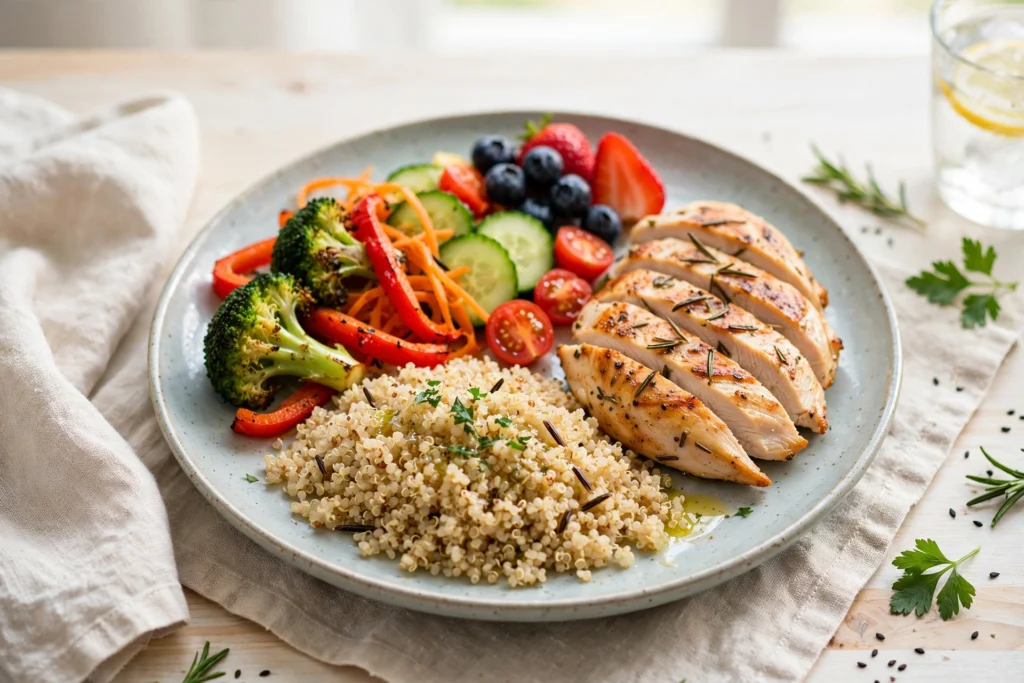
This complete guide to best anti-aging foods for skin and body explains which nutrients slow visible and internal signs of aging, the foods that deliver them, and how to build them into a South Asian diet.
No cream, capsule,
or “miracle” fruit can stop the clock — but the food on your plate can genuinely influence how quickly your skin wrinkles, how well your body repairs itself, and how resilient your cells stay with age. From the collagen-rich salmon on a Karachi dinner table to the humble amla in a Gujranwala kitchen, nutrition science has identified specific nutrients and foods that may help slow visible and internal signs of aging. This guide gathers that evidence into one practical, honest resource: which foods matter, why they work, and how to fit them into a real South Asian diet — without hype, and without empty promises.
In this guide, you will learn:
– How diet influences skin aging, inflammation, and cellular damage at the biological level
– The key anti-aging nutrients: vitamins C and E, polyphenols, omega-3 fatty acids, and protein for collagen support
– What glycation (AGEs) and telomere research actually tell us — with honest, qualified framing
– 25 specific anti-aging foods, each with its nutrient evidence, including South Asian staples like amla, haldi, dahi, and akhrot
– How hydration, sugar intake, and cooking methods speed up or slow down aging
– A sample daily South Asian meal plan built around anti-aging principles
– When whole foods are enough — and when to speak with a qualified professional
How Nutrition Influences the Way We Age
Aging is not a single process; it is the combined result of genetics, environment, and lifestyle. Diet is one of the few factors we can directly control, and research suggests it matters more than most people realise. The mechanisms below are well documented in nutrition science.
Oxidative Stress and Free Radicals
Every cell in your body constantly produces free radicals — unstable molecules generated by normal metabolism, sunlight, pollution, and smoking. When free radicals outnumber the body’s defenses, the resulting oxidative stress damages DNA, proteins, and cell membranes. Skin is particularly exposed: ultraviolet radiation alone generates large amounts of free radicals in the dermis, contributing to wrinkles, loss of firmness, and uneven pigmentation. Antioxidants from food — vitamin C, vitamin E, carotenoids, and polyphenols — help neutralise these molecules before they cause damage.
Chronic Inflammation: The Slow Burn
Short-term inflammation is a healthy immune response. The problem is chronic, low-grade inflammation — sometimes called “inflammaging” — which research links to faster skin aging, joint stiffness, cardiovascular decline, and metabolic problems. Diets rich in refined sugar, trans fats, and heavily processed foods tend to promote inflammatory markers such as C-reactive protein, while diets rich in vegetables, fruit, whole grains, legumes, oily fish, and olive oil tend to be associated with lower levels of these markers.
The Core Anti-Aging Nutrients: What to Prioritise
Rather than chasing single “superfoods,” nutritionists look at nutrient patterns. These are the nutrients with the strongest evidence for supporting healthy aging.
Vitamin C: The Collagen Co-Factor
Vitamin C is not optional for skin structure — it is an essential co-factor for the enzymes that stabilise collagen fibres. Without adequate vitamin C, collagen synthesis falters, wounds heal slowly, and skin becomes fragile. Population studies have associated higher vitamin C intakes with better skin appearance and fewer wrinkles, although these studies show correlation rather than proving cause and effect. Excellent South Asian sources include amla (one of the richest natural sources), guava, lemons, tomatoes, and seasonal sabzi like capsicum and broccoli.
Vitamin E: The Skin’s Fat-Soluble Defender
Vitamin E sits inside cell membranes, where it protects fatty acids from oxidative damage — including the lipids that keep skin’s barrier function intact. Nuts and seeds are the standout sources: almonds (badaam), sunflower seeds, and wheat germ oil. Because vitamin E is fat-soluble, it is best absorbed alongside dietary fats.
Polyphenols: Plant Pigments With Protective Power
Polyphenols are the colourful compounds in fruits, vegetables, tea, spices, and cocoa — anthocyanins in anar, catechins in green tea and kahwa, curcumin in haldi, lycopene in tomatoes. Laboratory and population research suggests these compounds may help reduce oxidative stress and inflammation, and some small human trials link polyphenol-rich diets to improved skin hydration and elasticity. The evidence is promising rather than definitive, but eating a wide rainbow of plant foods is one of the safest bets in all of nutrition.
Omega-3 Fatty Acids: Calming Inflammation
EPA and DHA — the long-chain omega-3s found in oily fish such as salmon, sardines, and mackerel — are among the best-studied anti-inflammatory nutrients. Research suggests they may help maintain skin moisture, protect against UV-related damage, and support brain and heart health with age. For vegetarians, alsi (flaxseed) and akhrot (walnuts) supply ALA, the plant form of omega-3, which the body converts to EPA and DHA only partially — so plant sources help, but fish eaters get the most direct supply.
Collagen: The Protein Behind Firm Skin
What Collagen Does
Collagen makes up roughly 70–80% of skin’s dry weight and gives it strength and elasticity. From our mid-20s onward, collagen production declines by roughly 1% per year, accelerating after menopause. The result: thinner skin, fine lines, and sagging. This decline is natural and cannot be prevented entirely, but nutrition may help slow it.
Nutrients That Support Collagen Synthesis
Your body builds collagen from amino acids — particularly glycine and proline — plus vitamin C, zinc, and copper as co-factors. That means adequate total protein matters more than any single collagen powder. Include a protein source at each meal: daal, eggs, dahi, fish, or poultry. A traditional bowl of daal with roti plus a side of dahi is already an excellent collagen-supporting combination, thanks to the amino acids from lentils and the vitamin C from tomatoes or lemon squeezed on top.
Glycation and AGEs: The Sugar–Aging Connection
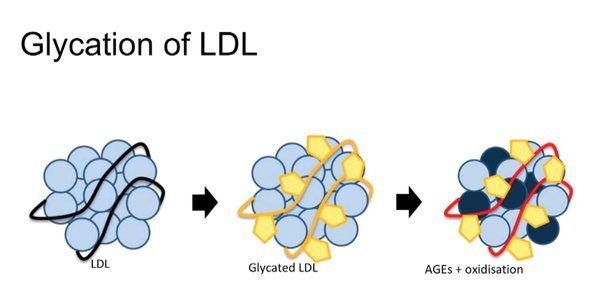
Here is a mechanism most anti-aging guides ignore. When excess sugar circulates in the blood, it can bind to proteins — including collagen and elastin — forming harmful compounds called advanced glycation end-products (AGEs). Glycated collagen becomes stiff and brittle, which researchers believe contributes to wrinkles and loss of skin elasticity. Fried, grilled, and heavily browned foods are also high in pre-formed AGEs.
The practical takeaway is straightforward rather than extreme: keep added sugars moderate, favour slow-release carbohydrates (whole grains, daal, sabzi) over frequent sweets and sugary chai, and balance high-heat cooking (deep frying, charring) with gentler methods like steaming, boiling, and slow simmering — which, conveniently, is how most traditional South Asian home cooking already works.
Telomeres and Cellular Aging: What the Research Actually Says
Telomeres are the protective caps on the ends of chromosomes, and they shorten a little each time a cell divides — a process closely linked to biological aging. Some observational studies have associated diets high in antioxidants, omega-3s, and fibre — and low in processed foods — with longer telomeres, while diets high in sugar and processed meat have been associated with shorter ones.
An honest framing is essential here: these are observational findings, not proof that any food lengthens telomeres or extends life. No food has been shown to reverse cellular aging in humans. What the research does support is the broader principle — a nutrient-dense, minimally processed diet is associated with markers of healthier aging across many studies. That association is meaningful, but it is not a guarantee.
The 25 Best Anti-Aging Foods for Skin and Body
What follows is a practical shortlist, each chosen for its nutrient density and supported by research. None is magic alone; the benefit comes from the pattern.
Oily Fish: Salmon, Sardines, and Mackerel
Rich in EPA and DHA omega-3s, high-quality protein, vitamin D, and the antioxidant astaxanthin (which gives salmon its pink colour). Regular oily-fish intake is associated with better skin moisture and lower inflammatory markers. Aim for two servings per week if available and affordable.
Akhrot (Walnuts)
One of the best plant sources of ALA omega-3, plus vitamin E, polyphenols, and melatonin — a compound involved in sleep quality, which itself affects skin repair. A small handful (about 30g) daily is a well-supported habit.
Alsi (Flaxseed)
Ground flaxseed provides ALA omega-3, lignans (a type of polyphenol with antioxidant activity), and soluble fibre that supports gut health. Grind fresh and sprinkle over dahi or porridge; whole seeds pass through largely undigested.
Amla (Indian Gooseberry)
Exceptionally rich in vitamin C and tannin-based polyphenols. Traditional South Asian use is extensive, and modern studies note its strong antioxidant capacity in laboratory settings. Eat fresh in season, as murabba in moderation (watch the added sugar), or as unsweetened juice.
Anar (Pomegranate)
Packed with punicalagins and anthocyanins — polyphenols studied for antioxidant and anti-inflammatory effects, with some small trials suggesting benefits for skin. The arils also provide vitamin C and fibre.
Sarson ka Saag and Other Leafy Greens
Mustard greens, spinach (palak), and methi deliver vitamin K, folate, carotenoids (lutein and beta-carotene), and vitamin C. Carotenoids accumulate in skin and may offer mild photoprotection — they complement, but never replace, sunscreen.
Tomatoes
The richest common source of lycopene, a carotenoid associated in some studies with reduced UV-induced skin redness. Lycopene becomes more bioavailable when tomatoes are cooked with a little oil — think of a slow-simmered tomato-based salan.
Haldi (Turmeric)
Curcumin, turmeric’s active compound, has been widely studied for anti-inflammatory and antioxidant properties, mostly in laboratory and animal models; human evidence is still developing. It is poorly absorbed alone, but traditional practice — cooking haldi in oil with black pepper (kali mirch), whose piperine boosts absorption — is scientifically sensible.
Dahi (Yogurt)
Fermented dairy provides protein, calcium, B vitamins, and probiotics that support gut health. Emerging research links a healthy gut microbiome to lower systemic inflammation and even clearer skin — the “gut–skin axis.” Choose plain dahi over sweetened flavoured versions.
Daal (Lentils) and Legumes
Lentils, chickpeas (chana), and beans supply plant protein for collagen building, plus folate, iron, zinc, and fibre. Their low glycaemic impact also helps with the glycation concern discussed above.
Green Tea and Kahwa
Rich in catechins, particularly EGCG, studied for antioxidant and possible skin-protective effects. Unsweetened green tea or traditional kahwa (with a touch of almonds and saffron if you like) is a far better daily habit than multiple cups of doodh patti loaded with sugar.
Berries: Blueberries, Strawberries, and Local Alternatives
Berries are among the most concentrated sources of anthocyanins. Where imported berries are expensive, local options like jamun, falsa, and shahtoot (mulberries) offer similar deep-purple polyphenols at a fraction of the cost.
Badaam (Almonds)
A classic vitamin E source, plus magnesium and monounsaturated fats. Soaked overnight and peeled, as many South Asian households do, they make a gentle morning habit — the soaking tradition is cultural rather than strongly scientific, but the nuts themselves are well evidenced.
Extra-Virgin Olive Oil
A cornerstone of the Mediterranean diet pattern most strongly associated with healthy aging in large studies. Its monounsaturated fats and polyphenols (oleocanthal) have documented anti-inflammatory activity. Use for dressings and light cooking.
Shakarkandi (Sweet Potatoes)
Rich in beta-carotene, which the body converts to vitamin A — essential for skin cell turnover. Also provide vitamin C and fibre. Roasted or boiled, they are a satisfying, low-glycaemic carbohydrate.
Shimla Mirch (Bell Peppers)
One of the highest vitamin C densities of any vegetable, plus carotenoids. Red and yellow varieties are sweet, versatile, and excellent raw in salads or lightly stir-fried.
Broccoli and Cruciferous Sabzi
Provide sulforaphane — a compound studied for activating the body’s own antioxidant defense pathways — plus vitamin C, vitamin K, and fibre. Light steaming preserves the most nutrients.
Lehsan (Garlic)
Contains allicin and other sulphur compounds with documented antioxidant and anti-inflammatory activity in laboratory studies, and some evidence for cardiovascular benefits. Crush and rest for a few minutes before cooking to maximise allicin formation.
Anda (Eggs)
Complete protein with all essential amino acids for collagen synthesis, plus choline, vitamin D, and lutein. Past concerns about dietary cholesterol have been substantially revised by modern guidelines — for most people, an egg a day fits a healthy pattern.
Citrus Fruits: Kinnow, Malta, and Lemons
Seasonal Pakistani citrus is an affordable vitamin C powerhouse. Kinnow season (winter) is the ideal time to load up. Add lemon to water, salads, and daal rather than relying on vitamin C tablets.
Dark Leafy Herbs: Dhania and Podina
Fresh coriander and mint are more than garnish — they contribute polyphenols, vitamin C, and vitamin K in meaningful amounts when eaten generously, as in chutneys.
Oats and Whole Grains
Beta-glucan fibre in oats supports gut health and healthy cholesterol, while whole grains keep blood sugar steadier than refined flour — relevant to the glycation pathway. Swap some refined maida for whole wheat (chakki atta) and oats where practical.
Dark Chocolate (70%+ Cocoa)
Cocoa flavanols have been studied in small human trials for possible benefits to skin hydration and blood flow. The evidence is modest, and the sugar and calories count — treat it as an occasional pleasure, not a health food.
Bone Broth and Slow-Cooked Meats
Traditional slow-cooked yakhni and paya supply glycine and proline — the very amino acids collagen is built from. Evidence for direct skin benefits of broth is limited, but as a protein-rich, mineral-containing food, it fits the pattern well.
Seasonal Sabzi: Eat With the Calendar
Finally, a principle rather than a single food: seasonal vegetables are typically fresher, cheaper, and more nutrient-dense than long-stored or imported produce. Tinda, karela, bhindi, gajar, mooli — rotating with the season naturally diversifies your polyphenol and carotenoid intake across the year.
Hydration and Skin Health
Water does not erase wrinkles, but chronic mild dehydration makes skin look duller and less plump, and impairs the body’s detoxification and temperature regulation. Aim for steady intake through the day — roughly 8–10 glasses for most adults, more in hot weather or with physical work. Water-rich foods count too: kheera (cucumber), tarbooz (watermelon), oranges, and dahi-based lassi all contribute. Caffeinated drinks are mildly diuretic but still count toward fluid intake; sugary sodas do not earn their place, given the glycation concern.
Foods and Habits That May Accelerate Aging
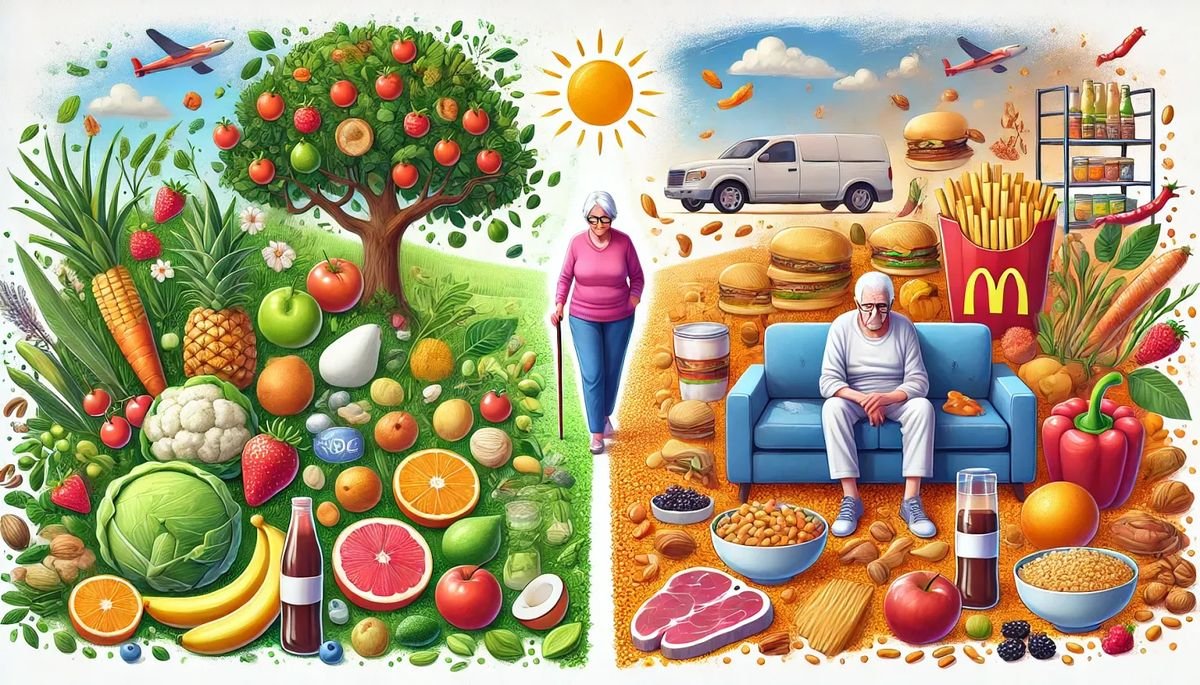
Honest anti-aging advice includes what to limit, not just what to add.
Added Sugars and Refined Carbohydrates
Frequent high-sugar foods spike blood glucose and feed the glycation pathway described earlier. This does not mean never eating mithai — it means keeping sweets occasional and modest, and being honest about hidden sugars in packaged juices, biscuits, and sweetened teas.
Ultra-Processed Foods
Packaged snacks, instant noodles, and processed meats tend to combine refined starches, unhealthy fats, excess salt, and additives. Population studies consistently associate high ultra-processed intake with markers of faster aging and higher disease risk.
Excessive Alcohol
Alcohol dehydrates, depletes B vitamins and antioxidants, generates free radicals during metabolism, and disrupts sleep — a quadruple hit against healthy aging. Less is better; none is best.
Charring and Deep-Frying
Very high-heat cooking creates AGEs and potentially harmful compounds. Favour the gentler methods already common in home cooking: simmering, steaming, boiling, and slow roasting.
The South Asian Anti-Aging Plate: A Sample Day
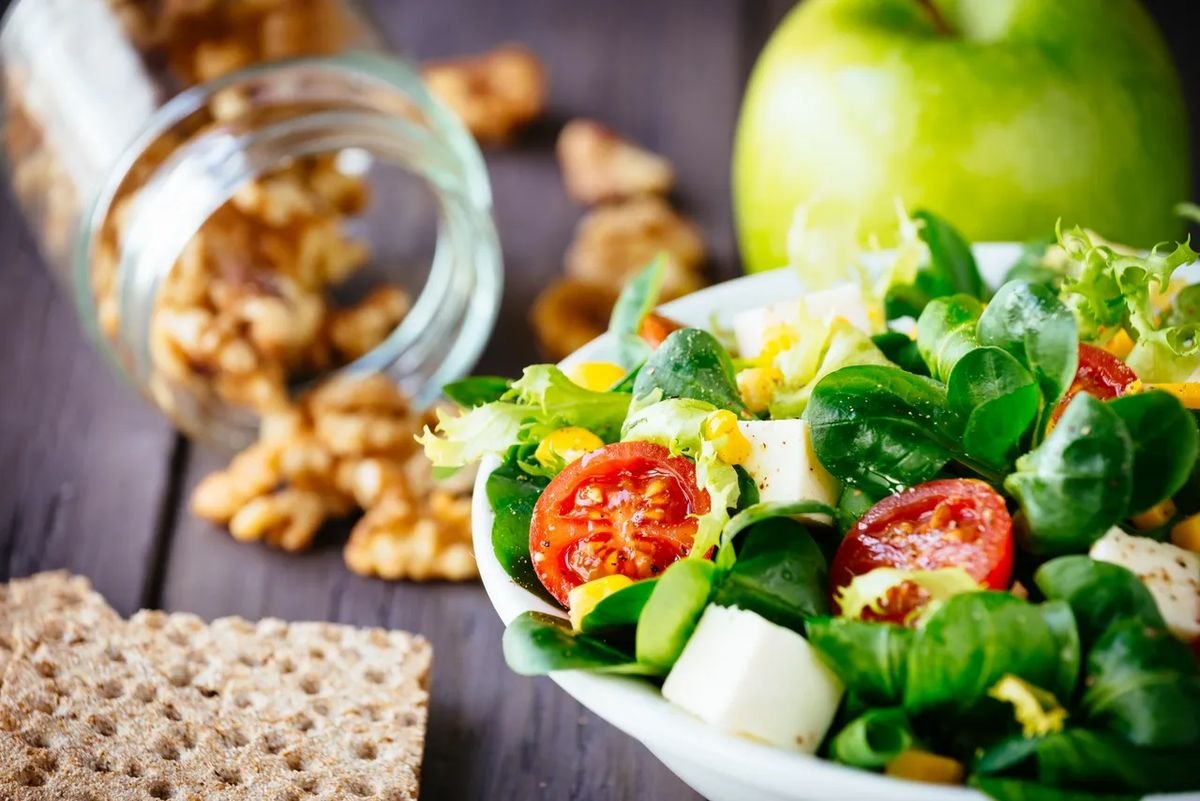
Theory becomes useful only as meals. Here is one realistic day built on Pakistani staples — adjust portions to your needs and any medical conditions.
Subah (morning): Warm water with lemon, then oats or whole-wheat porridge topped with ground alsi, sliced badaam, and seasonal fruit (kinnow in winter, falsa or mango in summer — modest portions).
Mid-morning: Green tea or kahwa; a small handful of akhrot.
Dupehar (lunch): Mixed daal or chana with brown or regular roti, sarson ka saag or seasonal sabzi cooked in a little olive or mustard oil, a bowl of plain dahi, and a tomato-onion salad with lemon.
Shaam (evening): Fresh anar arils or a small bowl of mixed fruit; unsweetened chai or green tea.
Raat (dinner): Grilled or baked fish (or chicken/egg curry for variety), stir-fried shimla mirch and broccoli, roti, and a light yakhni-based soup to start. Haldi doodh (turmeric milk, lightly sweetened if at all) before bed is a comforting traditional option.
Notice what is absent: sugary drinks, deep-fried snacks, and heavy desserts as daily habits. Nothing exotic is required — the anti-aging pattern is already hiding in a traditional, home-cooked South Asian diet.
Supplements vs. Whole Foods: An Honest Note
Collagen powders, glutathione drips, and “anti-aging” vitamin stacks are heavily marketed, but the evidence for most is thin. A few supplements (such as vitamin D in deficiency, or omega-3 for non-fish-eaters) have reasonable support — but only a blood test and a qualified professional can say whether you need them. As a rule, nutrients from whole foods come packaged with fibre, polyphenols, and other compounds that pills cannot replicate, and they carry far less risk of excessive dosing. Be sceptical of any product promising to reverse aging; that promise is the surest sign of marketing, not science.
When to Seek Professional Guidance
Medical disclaimer: This article is for general education only and is not medical advice. Nutrition supports healthy aging, but it does not treat disease. If you have diabetes, kidney disease, heart disease, or any chronic condition — or if you take regular medication — discuss dietary changes with a qualified doctor or registered nutritionist first, since even healthy foods (like potassium-rich fruit or vitamin K-rich greens) can interact with conditions and medicines. Sudden skin changes, non-healing wounds, or rapid visible aging can occasionally signal underlying health issues worth investigating professionally.
Frequently Asked Questions
What are the single best anti-aging foods for skin?
No single food stands above the rest — the strongest evidence supports a pattern: oily fish for omega-3s, colourful fruits and vegetables for antioxidants and polyphenols, nuts and seeds for vitamin E, and adequate protein from daal, dahi, eggs, or fish for collagen building. If you had to pick a short daily list: leafy greens, berries or anar, akhrot, haldi, tomatoes, and green tea.
Can food actually reduce wrinkles that are already there?
Diet cannot erase established deep wrinkles the way dermatological treatments might, but research suggests that people with higher intakes of vitamin C, carotenoids, and omega-3s tend to show fewer and shallower wrinkles. Think of nutrition as slowing future damage and supporting the skin’s repair capacity, rather than reversing the past. Sun protection remains the single most effective anti-wrinkle measure.
Is sugar really aging my skin?
Excess added sugar contributes to the formation of advanced glycation end-products (AGEs), which research links to stiffer, less elastic collagen. Occasional sweets in an otherwise balanced diet are unlikely to cause meaningful harm; the concern is with frequent, high sugar intake day after day. Keeping sugary drinks and daily desserts in check is one of the most evidence-aligned steps you can take.
Do collagen supplements work better than collagen-supporting foods?
The evidence for collagen peptide supplements is mixed and modest — some small trials show slight improvements in skin elasticity, while others show little effect. Whole-food protein (daal, eggs, fish, dahi) plus vitamin C reliably supplies everything your body needs to make its own collagen, at lower cost and with additional nutrients included. Supplements are optional, not essential.
How long does it take for dietary changes to show in skin?
Skin cells renew over roughly 4–6 weeks, and collagen remodelling takes months, so realistic expectations matter: most people notice improvements in skin hydration, tone, and general energy within 6–12 weeks of consistent dietary change, with subtler structural benefits accumulating over months. Anyone promising visible transformation in days is selling something, not citing science.
Conclusion: Aging Well Is a Daily Practice, Not a Product

The best anti-aging foods for skin and body are not exotic imports or expensive powders — they are the oily fish, leafy sarson ka saag, vitamin C-rich amla and kinnow, protein-packed daal, probiotic dahi, and antioxidant spices like haldi that already exist in South Asian kitchens. The science is clear on the principles: protect against oxidative stress and inflammation, support collagen with protein and vitamin C, keep added sugars moderate, stay hydrated, and let variety do the heavy lifting.
Aging itself is inevitable and natural. How gracefully your skin and body age, however, is partly written at your dining table — one meal at a time. If you would like personalised guidance on building an anti-aging eating plan around your health conditions, preferences, and budget, book an appointment with our nutrition team and let a qualified professional tailor these principles to you.
Keep Reading
For a companion guide on building firmer skin from the inside out, read Collagen-Rich Foods for Skin.