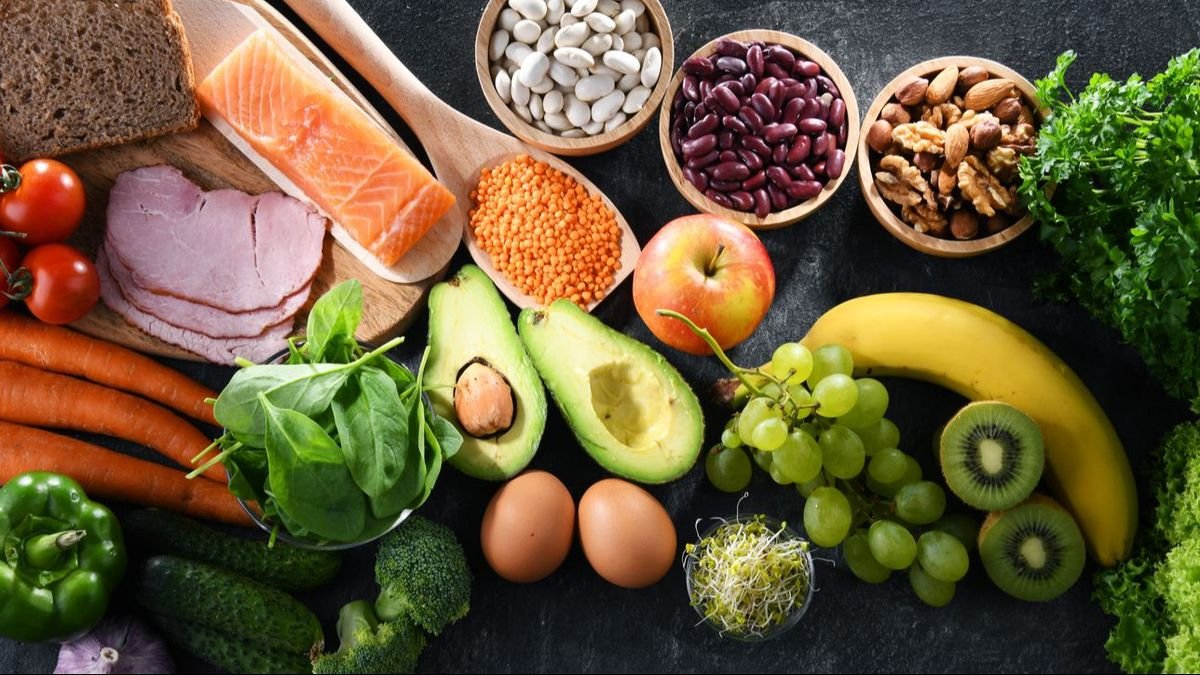

Skin and Hair Nutrition: The Complete Guide to Healthy Skin and Hair
Skin and hair are the two things other people notice first, and they are also the two things your diet shapes most visibly. Expensive creams and hair oils can help from the outside, but the building blocks of collagen, keratin, and the natural oils that keep skin supple and hair strong all come from food. That is the simple promise of skin and hair nutrition: feed the raw materials well, and your skin and hair show it.
This page is the central hub for our skin and hair nutrition articles. Below you will find the essentials — the nutrients that matter, the foods that deliver them, and the daily habits that protect your glow — plus links to our full guides on collagen, biotin, vitamin C, anti-aging foods, hair growth foods, and glowing skin.
How Food Shows Up on Your Skin and Hair
Your skin replaces itself roughly every month, and each hair on your head grows for years before it sheds. Both are built from protein, both need water, and both depend on vitamins and minerals that arrive through the bloodstream. When the diet is short on protein, iron, or essential fats, the body redirects what it has to the organs that keep you alive — and the skin and hair are the first to show the shortage: dullness, dryness, breakage, thinning, and slow healing.
The flip side is just as real. People who eat enough protein, fruit, vegetables, nuts, and healthy oils tend to have skin that heals faster and hair that breaks less. Skin and hair nutrition is not a shortcut to perfection; it is the foundation that makes every cream, serum, and hair treatment work better.
The Key Nutrients in Skin and Hair Nutrition
A few nutrients do most of the heavy lifting in skin and hair nutrition. If these are covered, the rest usually follows.
- Protein. Hair is almost entirely keratin, a protein, and skin’s collagen is protein too. Eggs, daal, chicken, fish, milk, yogurt, and nuts provide it.
- Vitamin C. Essential for making collagen, the protein that keeps skin firm and resilient. Amla, guava, oranges, lemons, and tomatoes are rich local sources.
- Biotin and B vitamins. Support keratin production and the health of hair roots and nails. Eggs, nuts, seeds, and whole grains provide them.
- Iron. Carries oxygen to hair follicles and skin cells. Low iron is a common, reversible cause of hair shedding. Red meat, liver, daal, and leafy greens help; pair with vitamin C.
- Zinc. Supports skin repair and hair follicle health. Meat, eggs, chickpeas, and pumpkin seeds are good sources.
- Omega-3 fats. Feed the oil glands that keep skin supple and scalp moisturized. Fish, walnuts, and flaxseed are the practical sources.
- Vitamin E. An antioxidant that protects skin cells. Nuts, seeds, and vegetable oils provide it.
- Vitamin A. Supports skin cell renewal. Orange vegetables, leafy greens, eggs, and dairy provide it.
- Water. Dehydrated skin looks dull and feels tight; adequate fluids keep it plump. Water, lassi, and soups all count.
Collagen-Rich Foods and Collagen-Supporting Foods
Collagen is the protein that keeps skin firm and elastic, and the body makes it from amino acids plus vitamin C, zinc, and copper. Bone broth, chicken with skin, fish, and eggs supply the amino acids directly, while amla, guava, and citrus supply the vitamin C that the body needs to assemble collagen. Our detailed guide, Collagen-Rich Foods for Skin: An Evidence-Based Guide, ranks the foods and explains what the research actually shows about collagen foods and supplements.
Biotin and B Vitamins for Hair Strength
Biotin supports the keratin infrastructure of hair and nails. True deficiency is uncommon, but marginal intake shows up as brittle nails and weak hair. Eggs (especially yolks), almonds, peanuts, sunflower seeds, and whole grains are the dependable desi-friendly sources. Find the full food list and the signs of low intake in Biotin Foods for Hair and Nails: What Science Actually Says.
Vitamin C Foods for Bright, Firm Skin
Vitamin C does double duty in skin and hair nutrition: it drives collagen formation and protects skin cells from oxidative damage. Pakistan is lucky here — amla, guava, and kinnow (mandarin oranges) are among the richest vitamin C sources anywhere. Our guide Vitamin C Foods for Skin Health: What to Eat for Firm, Bright, Resilient Skin maps the top foods and how to eat them daily.
Foods and Habits That Damage Skin and Hair
What you skip matters as much as what you add. In skin and hair nutrition, the main offenders are familiar: excess sugar and refined carbs (they can accelerate the stiffening of collagen), trans fats from repeated frying oil, very low-fat diets that starve the skin’s oil glands, crash dieting that triggers hair shedding, and alcohol that dehydrates. Fixing these often improves skin and hair faster than adding any single “superfood.”
What to Eat Day to Day: A Practical Skin and Hair Nutrition Framework
A day of skin and hair nutrition looks like ordinary good eating, with a few targeted touches:
- Nashta: Eggs or besan cheela with a glass of milk — protein and biotin to start the day.
- Mid-morning: A guava or an orange — vitamin C for collagen.
- Lunch: Daal or chicken with roti, sabzi, and salad with lemon — protein, iron, and vitamin C together.
- Evening: A handful of almonds, walnuts, or roasted peanuts — vitamin E, zinc, and omega-3s.
- Dinner: Fish or chicken curry with vegetables and yogurt — protein and healthy fats.
- Through the day: Plenty of water, and dahi or lassi for protein and probiotics.
Two more guides complete the picture: Foods for Hair Growth and Thickness: What Science Says You Should Eat covers the specific foods tied to thicker, stronger hair, and Best Foods for Glowing Skin: What a Nutritionist Recommends pulls the skin side together into a practical food list.
Explore All Our Skin and Hair Nutrition Guides
Each guide below goes deep on one part of skin and hair nutrition. Start with whichever matches your goal.
- Best Anti-Aging Foods for Skin and Body: What Nutrition Science Actually Says — foods linked to slower visible aging.
- Biotin Foods for Hair and Nails: What Science Actually Says — biotin sources and signs of low intake.
- Collagen-Rich Foods for Skin: An Evidence-Based Guide — collagen foods, supplements, and evidence.
- Vitamin C Foods for Skin Health: What to Eat for Firm, Bright, Resilient Skin — the vitamin C food map.
- Foods for Hair Growth and Thickness: What Science Says You Should Eat — foods tied to thicker hair.
- Best Foods for Glowing Skin: What a Nutritionist Recommends — the practical glowing-skin food list.
Skin and Hair Nutrition FAQs
How long does it take for diet changes to show on skin and hair?
Skin renews roughly every month, so visible skin changes typically take 4–8 weeks. Hair grows slowly — expect 3–6 months before new growth shows. Consistency beats intensity.
Can food really regrow lost hair?
Nutrition can correct shedding caused by deficiencies (especially iron, protein, and vitamin D), but it cannot reverse genetic hair loss on its own. See a dermatologist if shedding is heavy or sudden.
Are collagen supplements worth it?
Collagen foods and a vitamin C–rich diet are the foundation. Some people add collagen peptides, but the evidence is modest — our collagen guide reviews it honestly.
Does drinking more water really improve skin?
If you are dehydrated, yes — hydrated skin looks plumper and less dull. Beyond adequate intake, extra water adds little. Aim for steady intake through the day.
The Bottom Line on Skin and Hair Nutrition
Skin and hair nutrition comes down to steady basics: enough protein at every meal, vitamin C from fruit daily, nuts and seeds for vitamin E and zinc, fish or flaxseed for omega-3s, iron-rich foods with vitamin C, and plenty of water — while keeping sugar, trans fats, and crash diets out of the picture. Do that consistently, and your skin and hair get the raw materials they need to look their best.
For a global overview of healthy eating principles that underpin everything on this page, the World Health Organization’s healthy diet fact sheet is a useful, trustworthy reference.
This page is for general education only and is not medical advice. For persistent skin or hair problems, such as heavy hair loss, rashes, or acne that does not improve, see a dermatologist or dietitian. Read our full Health Disclaimer.
Skin and Hair Nutrition in Pictures: Explore the Guides
Prefer to browse visually? Each picture below opens one of the in-depth skin and hair guides in this cluster.