Stress is not just a feeling. It is a full-body hormonal event: your heart pounds, your muscles tense, your digestion slows, and your brain races. Behind this response sits a cascade of chemical messengers, and one mineral plays a quiet but central role in keeping that cascade in check — magnesium. Keep reading for the full evidence on magnesium-rich foods for stress relief with a practical desi lens.
If you have ever wondered whether magnesium can genuinely help with stress, or which foods give you the most magnesium per serving, this guide has the answers. It draws on human nutrition research and clinical evidence, presented in practical terms you can apply at your next meal.
In this guide, you will learn:
- How magnesium interacts with your stress hormones and nervous system
- Why magnesium deficiency is more common than most people realise
- The exact magnesium content of the best food sources, including South Asian staples
- What helps (and hurts) magnesium absorption
- A complete sample high-magnesium day of eating
- When supplements make sense — and when to see a doctor
How Magnesium Controls Your Stress Response
The HPA Axis: Your Body’s Stress Command Centre
When you face a threat — a deadline, an argument, a financial worry — your brain activates the hypothalamic-pituitary-adrenal (HPA) axis. This triggers the release of cortisol and adrenaline, mobilising energy and sharpening alertness. This response evolved for short emergencies, but modern life keeps it switched on for weeks at a time.
Magnesium acts as a brake on this system. Research shows that magnesium modulates the HPA axis at several levels: it reduces the release of adrenocorticotropic hormone (ACTH) from the pituitary gland, which in turn lowers downstream cortisol output. Animal and human studies suggest that when magnesium status is low, the HPA axis becomes hyper-reactive — the same stressor produces a larger cortisol surge than it would in a magnesium-sufficient person.
There is also a vicious cycle at work: stress itself increases urinary excretion of magnesium. Studies dating back to the 1990s demonstrated that acute stress drives magnesium out of the body through the kidneys. So chronic stress depletes magnesium, and low magnesium amplifies the stress response. Breaking this cycle through diet is one of the most underappreciated strategies in stress management.
GABA, Glutamate, and the Nervous System
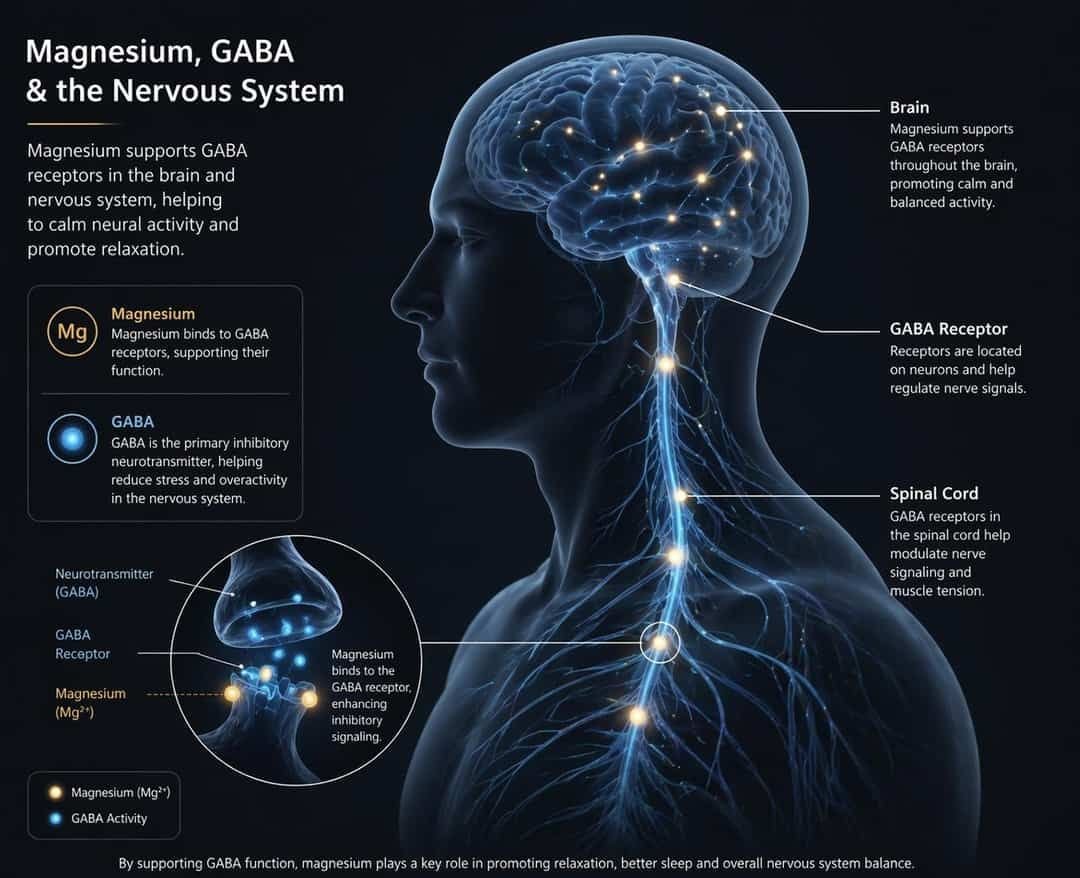
Magnesium’s calming reputation is not folklore — it has clear neurochemical mechanisms. Magnesium is an essential cofactor in the function of gamma-aminobutyric acid (GABA), the brain’s primary inhibitory neurotransmitter. GABA is what tells an overexcited neuron to quieten down. Without adequate magnesium, GABAergic signalling is impaired, and the nervous system stays closer to “fight or flight” than it should.
Equally important, magnesium blocks the N-methyl-D-aspartate (NMDA) receptor, which is the brain’s main excitatory glutamate receptor. When magnesium levels drop, this block is lifted, and neurons become over-excitable — a state associated with anxiety, irritability, and poor sleep. Think of magnesium as the bouncer at the door of your neurons: enough of it keeps the excitatory crowd orderly.
Magnesium and Sleep Quality
Poor sleep and stress feed each other, and magnesium sits at the junction. Magnesium regulates melatonin production and helps relax skeletal muscle, which is why low magnesium is associated with restless legs, night cramps, and difficulty falling asleep. A randomised trial published in the Journal of Research in Medical Sciences found that magnesium supplementation improved subjective sleep quality, sleep efficiency, and sleep time in older adults with insomnia. Since sleep loss raises next-day cortisol, magnesium’s sleep-supporting role is itself a stress-reduction pathway.
Magnesium Deficiency: How Common Is It Really?
Prevalence Data
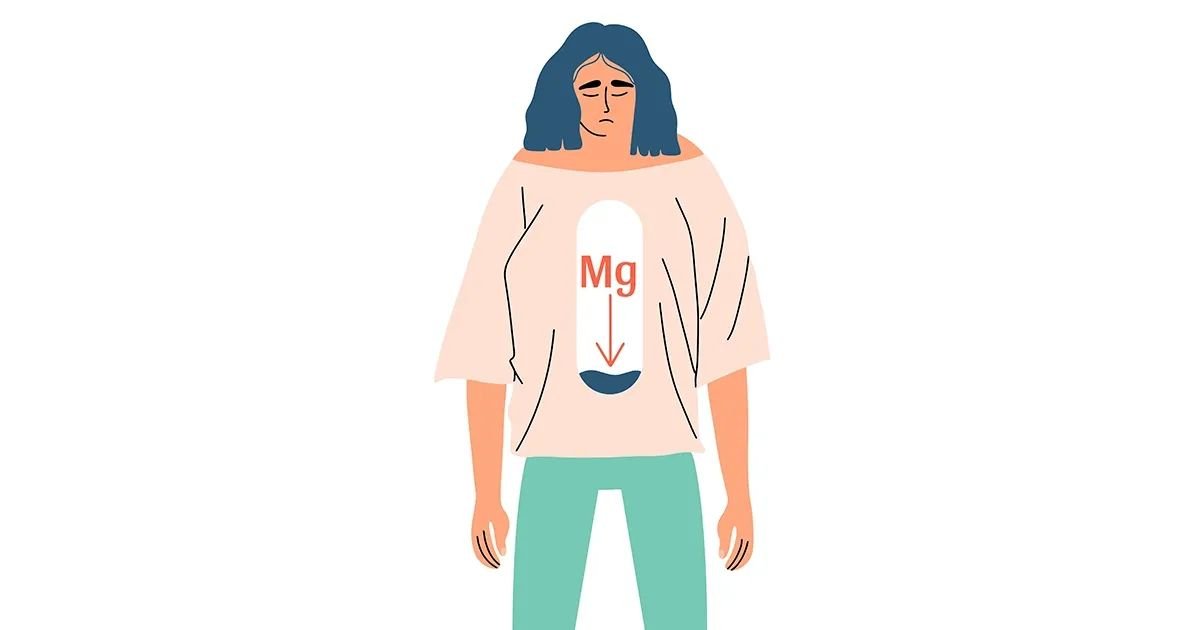
Estimates vary by country and method, but dietary surveys in the United States and Europe consistently find that 30–50% of adults consume less than the recommended amount of magnesium. In South Asia, the picture is more complex: while traditional diets rich in whole grains, pulses, and leafy greens were historically magnesium-adequate, the shift toward refined flour, polished white rice, and processed snacks has lowered average intakes. Pakistan’s National Nutrition Survey has repeatedly flagged widespread micronutrient deficiencies, and magnesium rarely gets the attention it deserves because it is not routinely tested in blood panels.
Serum magnesium — the test most doctors order — is also a poor indicator of total body status, because less than 1% of the body’s magnesium circulates in blood. A person can have normal serum magnesium while intracellular stores are low.
Why Modern Diets Fall Short
Several factors have conspired to reduce magnesium intake:
- Refined grains: Whole wheat contains roughly 130–140 mg of magnesium per 100 g, but refining strips away the bran and germ, leaving white flour with a fraction of the original content. This matters enormously in South Asia, where refined maida has displaced stone-ground whole wheat in many urban kitchens.
- Soil depletion: Intensive farming has reduced the mineral content of some crops over decades, though the scale of this effect is debated.
- Processed foods: Soft drinks containing phosphoric acid increase urinary magnesium loss, and ultra-processed foods are simply poor in the mineral to begin with.
- Chronic stress and caffeine: Stress increases urinary magnesium excretion, and high caffeine intake may modestly increase losses too.
Signs You Might Be Low on Magnesium
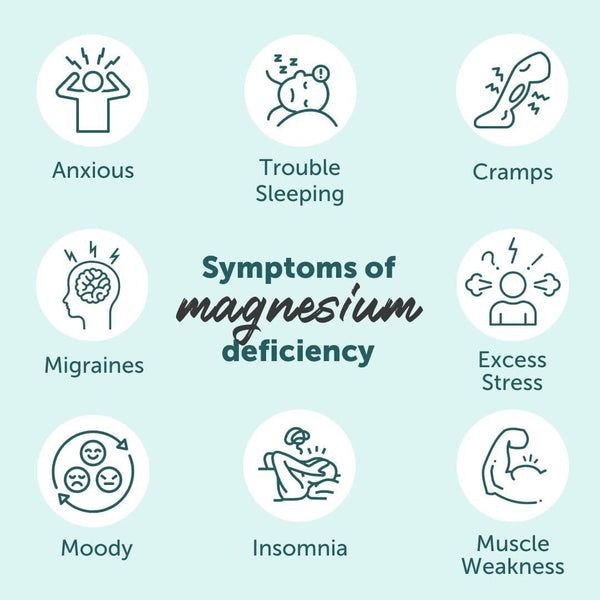
Magnesium deficiency rarely announces itself with a single dramatic symptom. Instead, watch for a cluster:
- Muscle cramps, twitches, or restless legs, especially at night
- Fatigue and low energy despite adequate sleep
- Irritability, anxiety, or a short temper
- Difficulty falling or staying asleep
- Headaches or migraines (magnesium is used in migraine management protocols)
- Heart palpitations in otherwise healthy people — magnesium stabilises cardiac electrical activity
- Constipation, since magnesium draws water into the bowel and supports gut motility
- Numbness or tingling in the hands and feet in more advanced deficiency
None of these symptoms is specific to magnesium — they overlap with many conditions — but if several occur together alongside a refined-food diet and high stress, magnesium status is worth examining with your doctor.
How Much Magnesium Do You Actually Need?
The Recommended Dietary Allowance (RDA) varies by age and sex:
| Group | RDA (mg/day) |
|---|---|
| Adult men (19–30) | 400 mg |
| Adult men (31+) | 420 mg |
| Adult women (19–30) | 310 mg |
| Adult women (31+) | 320 mg |
| Pregnant women | 350–360 mg |
| Lactating women | 310–320 mg |
| Teenagers (14–18) | 360–410 mg |
These values are set by the US Institute of Medicine and widely referenced internationally. Note that requirements rise during pregnancy, lactation, heavy exercise, and periods of chronic stress or illness. Athletes and people who sweat heavily lose meaningful amounts of magnesium through sweat.
The Best Magnesium-Rich Foods for Stress Relief
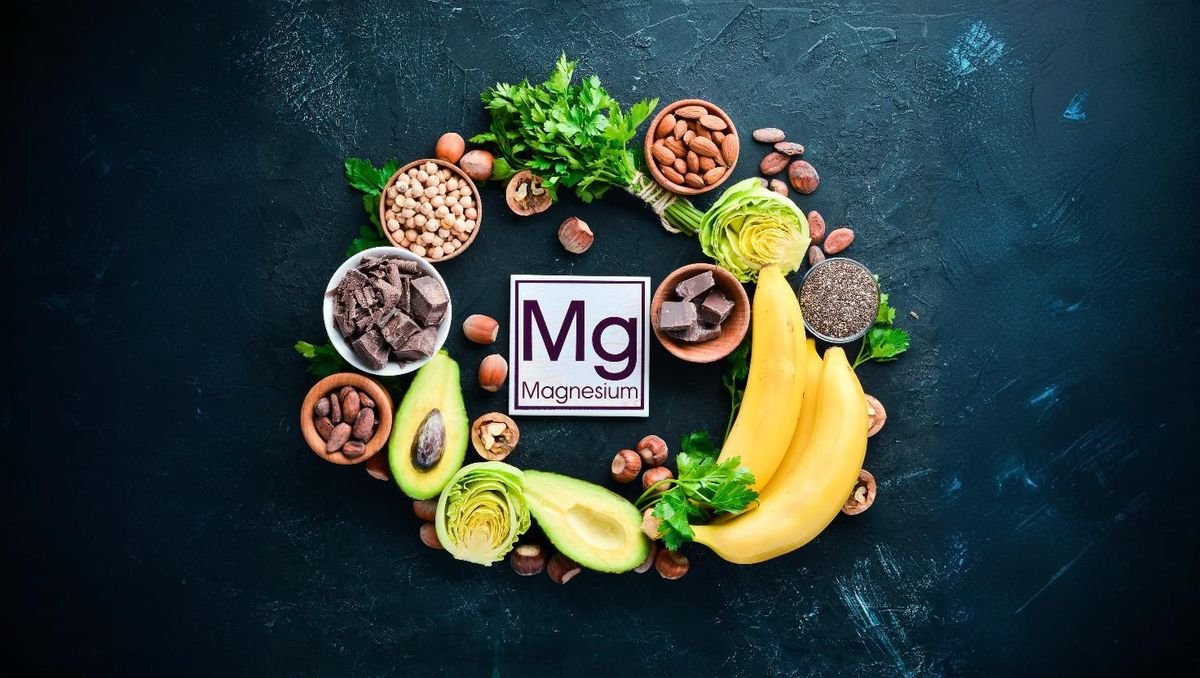
Top Food Sources With Magnesium per Serving
| Food | Serving | Approx. Magnesium (mg) |
|---|---|---|
| Pumpkin seeds (kaddu ke beej) | 30 g (a handful) | 156 mg |
| Dark chocolate (70–85% cacao) | 30 g (about 3 squares) | 65 mg |
| Almonds (badam) | 30 g (about 23 nuts) | 80 mg |
| Cashews (kaju) | 30 g | 74 mg |
| Cooked black chickpeas (kale chane) | 1 cup | 115 mg |
| Cooked white chickpeas (kabuli chana) | 1 cup | 79 mg |
| Kidney beans (rajma) | 1 cup cooked | 74 mg |
| Cooked spinach (palak) | 1 cup cooked | 157 mg |
| Cooked saag (mustard greens) | 1 cup cooked | 90–110 mg |
| Banana | 1 medium | 32 mg |
| Peanuts (moong phali) | 30 g | 50 mg |
| Sesame seeds (til) | 2 tbsp | 45 mg |
| Whole wheat roti | 2 medium rotis | 45–55 mg |
| Brown rice | 1 cup cooked | 84 mg |
| Oats (daliya) | 40 g dry | 55 mg |
| Yogurt (dahi) | 1 cup | 40 mg |
| Avocado | Half | 58 mg |
| Tofu | 100 g | 30–40 mg |
| Milk | 1 glass (250 ml) | 27 mg |
Values are approximate and vary by variety and soil conditions, but they give a reliable ranking. Notice a pattern: seeds, nuts, leafy greens, legumes, and whole grains dominate the top of the list.
South Asian Staples That Deliver Magnesium
You do not need imported “superfoods” to meet your magnesium needs. The desi kitchen is already well stocked:
- Palak and saag: A cup of cooked palak delivers over 150 mg — nearly half the daily requirement for women. Sarson ka saag with makki ki roti is a winter powerhouse.
- Chana and rajma: Pulses are among the cheapest magnesium sources on the planet. A bowl of kale chane or rajma chawal covers a quarter of the day’s need in one sitting.
- Badam and kaju: A small handful of almonds soaked overnight is a classic desi habit with real nutritional merit.
- Til (sesame): Til ke laddu, sesame chutney, or a spoonful of tahini add meaningful magnesium plus calcium.
- Whole wheat roti: Two rotis made from 100% whole wheat (not mixed with maida) contribute 45–55 mg.
- Bananas: The classic stress-snack fruit — magnesium plus vitamin B6, which is involved in neurotransmitter synthesis.
- Dark chocolate: A small square or two after dinner is a legitimate source, and the ritual itself may be calming.
A Note on Dark Chocolate
Dark chocolate deserves a special mention because it combines magnesium with two mild mood-active compounds: theobromine (a gentle stimulant) and small amounts of caffeine. Choose chocolate with at least 70% cacao to keep sugar low and mineral content high. A 30 g portion a few times a week is a sensible amount — this is a garnish, not a treatment.
What Helps and Hurts Magnesium Absorption
Getting magnesium into food is only half the battle; absorbing it matters too.
Absorption Blockers
- Phytates: Found in whole grains, legumes, and seeds, phytic acid binds magnesium in the gut and reduces absorption. Traditional desi practices — soaking chana and rajma overnight, fermenting dosa and idli batter, sprouting mung beans — reduce phytate content and improve mineral absorption. Your grandmother’s cooking methods were biochemically sound.
- Excess calcium and zinc: These minerals compete with magnesium for absorption pathways. This is mainly a concern with high-dose single-mineral supplements taken together, not with balanced food. Do not take a large calcium tablet at the same time as a magnesium supplement.
- Excessive alcohol: Alcohol increases urinary magnesium excretion and is one of the most common causes of magnesium deficiency in heavy drinkers.
- Very high fibre in one meal: Fibre is healthy, but extremely large single doses can modestly reduce mineral absorption. Spread high-fibre foods across meals rather than concentrating them.
Absorption Helpers
- Vitamin D: Adequate vitamin D status supports intestinal magnesium absorption. Given how common vitamin D deficiency is in South Asia despite abundant sunshine (indoor lifestyles, covered clothing), correcting it benefits magnesium status too.
- Protein: Moderate protein intake improves magnesium absorption compared to very low-protein diets.
- Prebiotic fibre: Fermentable fibres like those in onions, garlic, and bananas feed gut bacteria that produce short-chain fatty acids, which appear to enhance mineral absorption.
A Sample High-Magnesium Day (South Asian Style)
Here is a realistic day that provides roughly 450–500 mg of magnesium from food alone:
Breakfast (Subah ka nashta): Oats porridge (daliya) made with milk, topped with a sliced banana and a tablespoon of ground almonds — about 120 mg.
Mid-morning snack: A handful (30 g) of mixed badam and kaju with a small square of dark chocolate — about 95 mg.
Lunch (Dopahar ka khana): Two whole wheat rotis with a bowl of palak-chana curry and a cup of dahi on the side — about 150 mg.
Evening snack: Roasted peanuts (a small bowl) with a cup of doodh patti or herbal tea — about 55 mg.
Dinner (Raat ka khana): Rajma with half a cup of brown rice, a side of sautéed saag, and sesame-sprinkled salad — about 120 mg.
Total: ~540 mg, comfortably above the RDA for both men and women, with no supplements and no exotic ingredients. Notice that every meal centres on familiar desi foods — this is sustainable because it is already how many households eat, just with the ratios adjusted toward whole grains, pulses, and greens.
Magnesium Supplements: What to Know
When Food Is Not Enough
Most people can meet their needs through food, but supplements may be reasonable for people with diagnosed deficiency, those on certain medications (such as proton pump inhibitors or diuretics, which deplete magnesium), athletes with high sweat losses, or people with malabsorption conditions like coeliac disease. Always discuss supplementation with a doctor or registered nutritionist first.
Common Forms Compared
- Magnesium glycinate: Bound to the amino acid glycine; well absorbed and gentle on the stomach. Often preferred for stress and sleep support because glycine itself has mild calming properties.
- Magnesium citrate: Good bioavailability and widely available; higher doses can have a mild laxative effect.
- Magnesium oxide: Common in cheap multivitamins but poorly absorbed — only a small fraction reaches the bloodstream.
- Magnesium threonate: Marketed for brain health, but human evidence is limited and it is expensive.
A Word of Caution
The tolerable upper intake level for supplemental magnesium is 350 mg per day for adults — above that, diarrhoea and cramping are common. People with kidney disease must not supplement without medical supervision, because impaired kidneys cannot excrete excess magnesium, and toxicity (dangerously low blood pressure, irregular heartbeat) is a real risk. Do not mega-dose in hopes of faster stress relief; more is not better, and food-first is the safer path.
Lifestyle Habits That Protect Your Magnesium Levels
- Manage caffeine: One to two cups of chai or coffee daily are fine; very high intake may increase urinary magnesium losses.
- Stay hydrated, but not excessively: Both dehydration and extreme water intake can disturb electrolyte balance.
- Exercise regularly: Moderate exercise improves magnesium utilisation, though very heavy training increases requirements.
- Limit ultra-processed snacks: Replace chips and biscuits with roasted chana, peanuts, or fruit — the same calories, far more magnesium.
- Sleep on time: Protecting your sleep protects your stress hormones, which protects your magnesium stores.
When to See a Doctor
See a healthcare professional if you experience:
- Persistent muscle cramps, numbness, or tingling that does not improve with dietary changes
- Heart palpitations or irregular heartbeat
- Severe or worsening anxiety, depression, or insomnia
- Signs of deficiency while taking diuretics, proton pump inhibitors, or other magnesium-depleting medications
- Any kidney disease, before considering supplements
Blood tests can rule out other causes, and a doctor can advise whether supplementation is appropriate for your situation. Stress is multifaceted — magnesium is one piece of a larger picture that includes sleep, movement, relationships, and, when needed, professional mental health support.
Frequently Asked Questions
1. Can magnesium really reduce stress, or is it just hype?
The evidence is promising but qualified. Observational studies consistently link higher magnesium intake with lower perceived stress and anxiety, and several randomised trials show modest benefits for mild anxiety and stress symptoms. The proposed mechanisms — HPA axis modulation, GABA support, NMDA receptor regulation — are biologically plausible. However, magnesium is not a standalone treatment for clinical anxiety or depression. Think of it as a nutritional foundation that makes other stress-management strategies work better, not a replacement for them.
2. Which single food has the most magnesium?
Per serving, cooked spinach (palak) and pumpkin seeds top the list at roughly 150–160 mg per serving. Among everyday desi foods, a cup of cooked kale chane (~115 mg) and a handful of almonds (~80 mg) are the most practical heavy hitters.
3. Is it safe to take magnesium supplements every day?
For healthy adults, magnesium within the recommended amounts (up to 350 mg/day from supplements) is generally safe. Long-term use should still be discussed with a doctor, especially if you take other medications or have kidney problems. Food sources remain the preferred first step.
4. How long does it take to correct a magnesium deficiency through diet?
It depends on the severity of the deficit and your ongoing losses. Mild insufficiency often improves within 4–8 weeks of consistent dietary change, because the body replenishes intracellular stores gradually. Blood levels may normalise faster than tissue stores. Patience and consistency matter more than any single “magnesium-rich” meal.
5. Does cooking destroy magnesium in vegetables like palak?
Magnesium is a mineral, not a vitamin, so heat itself does not destroy it. However, boiling vegetables and discarding the water can leach magnesium (and potassium) into the cooking liquid. Steaming, sautéing, or using the cooking water in the curry — as desi cooking naturally does with palak paneer or saag — preserves far more of the mineral.
Final Thoughts: Small Dietary Shifts, Measurable Calm

Magnesium will not eliminate the sources of your stress, but it can change how your body handles them. The science is clear that magnesium regulates the stress hormone system, supports calming neurotransmitters, and is depleted by the very stress it helps manage. The good news is that correcting it does not require exotic foods or expensive supplements — a few deliberate shifts toward palak, chana, rajma, badam, til, bananas, and whole wheat roti can take most people from deficient to sufficient.
Start with one change this week: swap one refined snack for a handful of nuts, or add a serving of palak to your lunch. Small, consistent dietary steps compound over time — and your nervous system will notice.
Ready to take your nutrition to the next level? If stress, fatigue, or persistent health concerns are affecting your daily life, personalised guidance makes all the difference. Book a consultation with our team and get a nutrition plan tailored to your needs, your health conditions, and the foods you actually eat.
Magnesium Myths Worth Dropping
Magnesium has become something of a wellness celebrity, and fame attracts myths. Believing the wrong ones can waste your money or distract you from the habits that genuinely move the needle. Here are the claims worth letting go of.
The first myth is that magnesium works like a fast-acting calm pill. It does not. Magnesium is not a sedative. It supports the systems that regulate stress, such as the HPA axis, GABA signalling, and sleep architecture, and those systems shift gradually. People who benefit most from dietary magnesium usually notice steadier sleep and fewer tension symptoms over weeks of consistent intake, not within an hour of a handful of almonds. If a product promises instant calm, that is marketing, not physiology.
The second myth is that chocolate cravings signal magnesium deficiency. This claim circulates endlessly online, and it sounds plausible because chocolate does contain magnesium. But cravings are driven by habit, reward circuitry, stress, and restriction far more than by any single mineral shortfall. Enjoy dark chocolate for what it is, a genuinely decent magnesium source with a pleasant ritual attached, not as a diagnostic tool.
The third myth is that Epsom salt baths meaningfully raise your magnesium levels. Soaking in magnesium sulfate feels relaxing. and the warm water, the quiet, and the time away from screen probably deserve most of the credit. Human evidence that meaningful amounts of magnesium cross the skin during a bath is thin. Treat the bath as stress relief in its own right, and keep getting your magnesium from food.
The fourth myth is that supplements always beat food. For most people the reverse is true. Food delivers magnesium alongside fibre, potassium, and B vitamins, plus the very routines, regular meals and calmer evenings, that lower stress on their own. Supplements have a legitimate role where intake is restricted or losses are high, as discussed above, but they are the backup plan, not the main event. Drop the myths, keep the palak.
Keep Reading
If you found the stress-hormone angle useful, read Foods That Reduce Cortisol: 15 Science-Backed Foods for a Calmer Stress Hormone next.
References
Magnesium Fact Sheet for Health Professionals from the National Institutes of Health Office of Dietary Supplements.