
Every day, several times a day, you make a decision that shapes your health more than almost any other: what to eat. That is the power of nutrition in a nutshell — the science of how food nourishes the body: how it builds tissues, powers the brain, defends against illness and sustains energy. Understanding it doesn’t require a degree. It requires a clear picture of the basics and the willingness to apply them.
This comprehensive guide covers everything a Pakistani family needs to know: the nutrients that matter, how to build balanced meals from desi foods, the myths worth ignoring, and practical strategies for real life.
The Fundamentals: What Your Body Needs
Macronutrients — Needed in Large Amounts
Protein builds and repairs muscle, skin, blood and organs, and makes enzymes, hormones and immune cells. Adults need a steady supply at every meal. Pakistani sources: dals, chickpeas, lobia, eggs, fish, chicken, milk, dahi and nuts.
Carbohydrates are the body’s preferred energy source — especially for the brain. The important distinction is between complex carbohydrates (whole wheat roti, brown rice, oats, barley, dals, vegetables), which digest slowly and keep you full, and refined carbohydrates (white bread, pastries, sugary drinks), which spike blood sugar and leave you hungry again quickly.
Fats are essential: they help absorb vitamins A, D, E and K, protect organs, support brain function and make hormones. Prioritise unsaturated fats — nuts, seeds, mustard oil, olive oil — in modest amounts, and limit saturated and trans fats from vanaspati, deep-fried snacks and fatty processed meats.
Micronutrients — Needed in Small Amounts, Critical Nonetheless
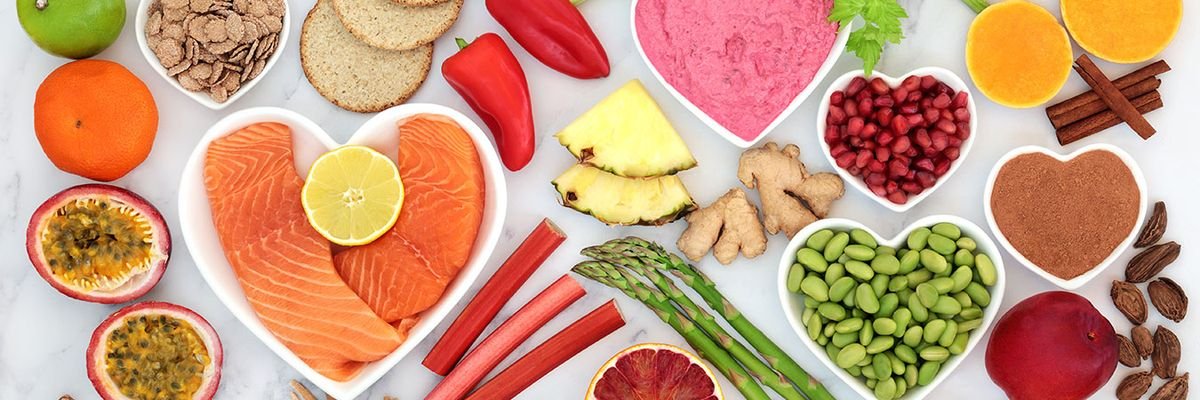
Vitamins and minerals run thousands of body processes. A few that deserve attention:
- Vitamin A (vision, immunity): carrots, mangoes, papaya, palak, eggs
- Vitamin C (immunity, skin, iron absorption): kinnow, amrood, lemons, tomatoes, amla
- Vitamin D (bones, immunity): sunlight, fortified milk, fish, eggs
- B vitamins (energy metabolism, nerves): whole grains, dals, eggs, milk, meat
- Iron (carrying oxygen in blood): red meat, liver, lentils, palak — pair plant iron with vitamin C foods to absorb more
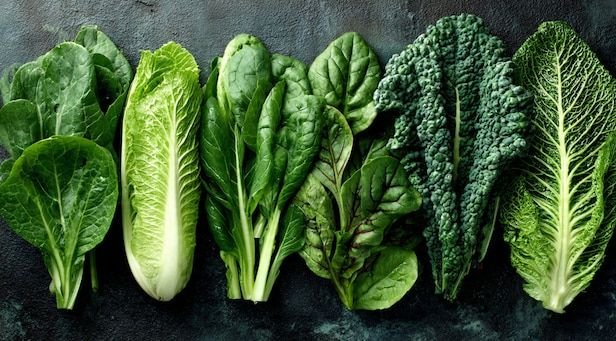
- Calcium (bones, teeth): milk, dahi, almonds, leafy greens
- Zinc (immunity, healing): chickpeas, lentils, nuts, meat, eggs
- Iodine (thyroid function): iodised salt, fish, dairy
No pill or powder replaces the spectrum you get from varied whole foods.
Water — The Forgotten Nutrient
Water transports nutrients, regulates body temperature, lubricates joints and flushes waste. Mild dehydration masquerades as fatigue, headaches and false hunger. Drink water consistently through the day — more in summer and during physical work — and don’t wait until you’re very thirsty.
The Balanced Desi Plate: A Practical Method
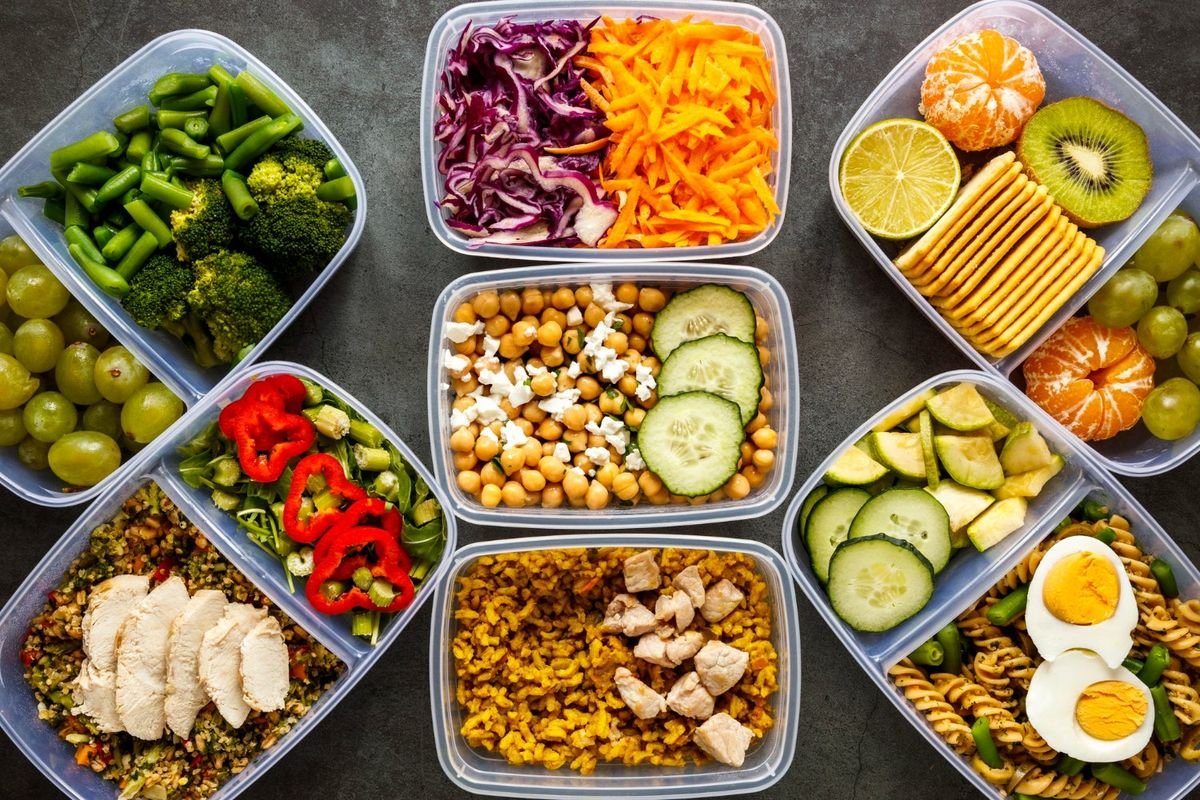
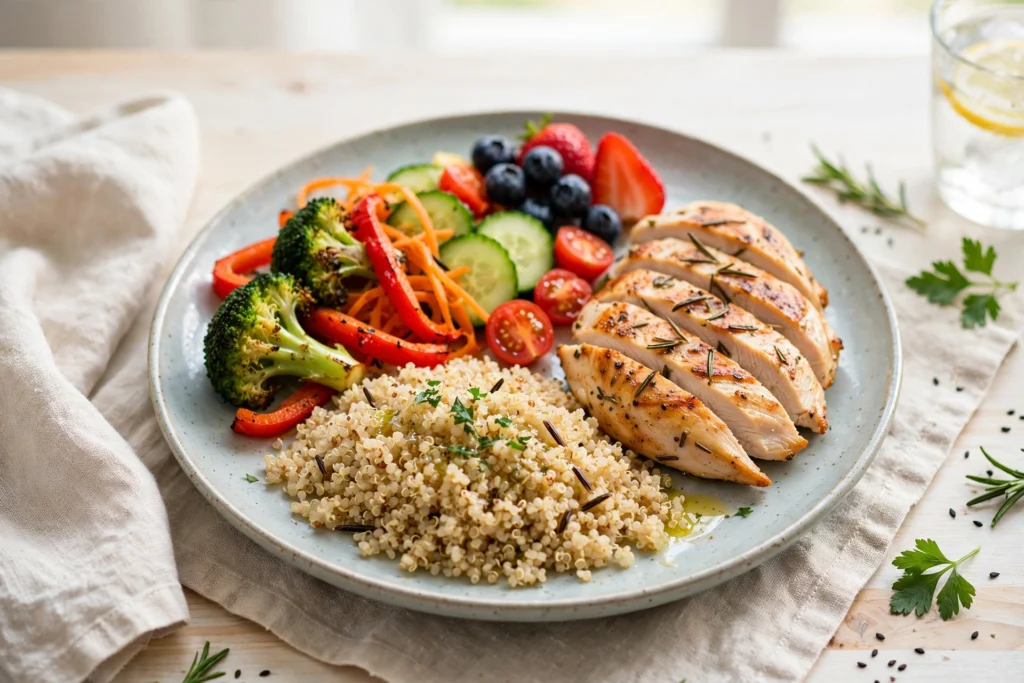
Forget complicated counting. The plate method works:
- Half the plate: vegetables and salad — cooked sabzi plus fresh kachumber
- One quarter: whole grains — whole wheat roti or brown rice
- One quarter: protein — dal, beans, eggs, fish or lean meat
- On the side: a bowl of dahi and a piece of seasonal fruit
This single habit — applied to lunch and dinner — automatically balances macronutrients, adds fibre, controls portions and increases vegetable intake. It works with the foods Pakistani families already cook.
5 Nutrition Myths Worth Dropping
Myth 1: “Carbohydrates are bad for you.”
Carbohydrates are not the enemy — refined carbohydrates in excess are. Whole wheat roti, dals, oats and vegetables are carbohydrate-rich foods associated with good health. The problem is sugary drinks, sweets and refined flour products, not the nutrient itself.
Myth 2: “All fat makes you fat.”
Excess calories from any source can increase weight, but dietary fat itself is essential. Unsaturated fats from nuts, seeds and plant oils support health. What deserves cutting back is trans fat (vanaspati, margarine, many packaged snacks) and heavy deep-frying.
Myth 3: “Skipping meals helps you lose weight.”
Skipping meals usually backfires — it slows you down, triggers intense hunger and leads to overeating later. Regular, balanced meals support steadier energy and better portion control than starvation followed by bingeing.
Myth 4: “Supplements can replace a healthy diet.”
They can’t. Supplements provide isolated nutrients; whole foods provide nutrients in natural combinations with fibre and protective plant compounds, in forms the body handles best. Supplements are for specific medical needs, on professional advice — not a substitute for eating well.
Myth 5: “Healthy eating means giving up desi food.”
Nonsense. Dal, sabzi, roti, dahi, lassi, seasonal fruit — the traditional Pakistani kitchen is already a strong foundation. Healthy eating usually means adjusting proportions (more vegetables, less oil), choosing whole grains, and moderating fried and sugary items — not abandoning your food culture.
Nutrition Through the Stages of Life
- Children and teenagers need plenty of protein, calcium, iron and energy for growth — milk, eggs, dals, fruits and whole grains daily. Limit sugary drinks and chips, which displace nutritious foods.
- Pregnant and breastfeeding women have higher needs for folate, iron, calcium and protein. Regular antenatal care plus a varied diet matters enormously — discuss supplements like folic acid and iron with your doctor rather than self-prescribing.
- Older adults need enough protein to preserve muscle, calcium and vitamin D for bones, and fibre for digestion. Smaller, nutrient-dense meals and adequate fluids help when appetites shrink.
Individual needs vary with age, activity, health conditions and medications — personalised guidance from a dietitian is worth it when health issues are involved.
Healthy Weight: The Sustainable Way
Lasting weight management rests on a few unglamorous truths: eat mostly whole foods, control portions, move daily, sleep adequately and be patient. Crash diets and extreme restrictions almost always fail long-term and can harm metabolism, muscle and morale. If you want to lose weight, aim for gradual change you can maintain for years — and consider professional guidance to do it safely, especially if you have diabetes, thyroid issues, heart disease or other conditions.
Practical Tips for Everyday Nutrition
- Plan simply. Decide the week’s main sabzis and dals in advance; keep staples (atta, rice, dals, spices, oil) stocked so healthy cooking is the easy option.
- Prep vegetables ahead. Washed, chopped sabzi in the fridge turns “what’s for dinner?” from a crisis into a ten-minute job.
- Eat out wisely. Choose grilled over fried, ask for extra salad, share large portions, and treat sugary drinks as occasional — not daily.
- Snack with intention. Keep roasted chana, peanuts, fruit, yogurt or boiled eggs available. Hunger plus no plan equals junk food.
- Read labels. On packaged foods, check sugar, salt and trans fat — ingredients are listed by quantity, so the first few items matter most.
- Cook with less oil. Most curries need far less oil than habit suggests. Measure it for a week and you’ll be surprised.
- Eat mindfully. Slow down, chew properly, avoid screens at meals. You’ll enjoy food more and naturally eat appropriate amounts.
When to Get Personal Guidance
General principles take you far, but some situations deserve individual attention: diabetes, high blood pressure, heart disease, thyroid disorders, PCOS, food allergies, pregnancy, or feeding a child with growth concerns. A qualified dietitian can translate nutrition science into a plan built around your labs, medications, preferences and budget.
The Power of Nutrition for Disease Prevention
Here is where the power of nutrition moves from theory to something you can feel: the same balanced desi plate that keeps your weight steady also lowers your risk of the diseases that fill our hospitals. Type 2 diabetes, high blood pressure, heart disease and several cancers are all strongly influenced by what you eat, day after day.
The mechanism is not mysterious. Whole grains, dals, vegetables and fruits are rich in fibre, which slows sugar absorption and keeps blood glucose steadier — a direct defence against insulin resistance, the root of type 2 diabetes. If diabetes runs in your family, our Diabetes Nutrition Guide walks through the eating patterns that help most.
For the heart, the pattern is equally clear: less salt, less trans fat, more potassium-rich foods (dals, bananas, potatoes, leafy greens) and more fibre help keep blood pressure and cholesterol in a healthier range. Our Heart Health Nutrition Guide covers this in depth.
The World Health Organization’s healthy diet guidance echoes the same principles: plenty of fruits and vegetables, whole grains, limited salt, sugar and unhealthy fats. None of this requires exotic ingredients. The protective foods — sabzi, dal, roti, dahi, fruit — are the ones your grandmother cooked. The power of nutrition for prevention is really the power of consistency: ordinary good meals, repeated for decades.
Food and Mood: Eating for Mental Wellbeing
You have felt it: the 4 pm slump after a heavy, oily lunch, or the irritability that comes with skipping breakfast. Blood sugar swings affect mood as surely as they affect energy. Regular, balanced meals — with protein and fibre at each one — keep both steadier.
Beyond blood sugar, certain nutrients play supporting roles in brain function: B vitamins, iron, zinc, magnesium and omega-3 fats. You do not need supplements to get them — a varied desi diet with whole grains, dals, eggs, nuts, seeds and leafy greens covers the bases.
There is also the simple psychology of eating well. Cooking a proper meal, sitting down with family, eating colourful food — these rituals reduce stress in a way that grabbing a packet of biscuits never will. Good nutrition supports mental health; it does not replace professional help when that is needed, but it is a foundation everything else builds on.
Portion Sizes Without the Guesswork
You do not need a kitchen scale. Your hand is a surprisingly good portion guide, and it scales with your body size:
- Protein: a palm-sized portion — a piece of chicken or fish, or a bowl of cooked dal
- Whole grains: a fist-sized portion — one to two rotis, or a bowl of brown rice
- Vegetables: two cupped hands — cooked sabzi plus salad
- Fats: a thumb-sized portion of oil, or a small handful of nuts
- Fruit: a fist-sized piece — one kinnow, apple or banana
Combine this with the plate method from earlier and portions largely take care of themselves. The most common portion mistake in Pakistani homes is not the roti count — it is the oil. Free-poured oil can double a meal’s calories without you noticing. Measure it for one week; most families are surprised. That is the power of nutrition awareness applied to the kitchen: small measurements, big differences.
How to Read a Nutrition Label in 60 Seconds
Packaged foods are a growing part of Pakistani diets, so label-reading is a genuine life skill. Here is the 60-second version:
- Check the serving size first. All numbers on the label refer to one serving, which is often smaller than the packet.
- Sugar: ingredients are listed by weight, so if sugar (or glucose, fructose, corn syrup) is in the first three ingredients, it is a sugary product.
- Trans fat: look for “partially hydrogenated oil” — avoid it. Vanaspati-based products are the usual culprits.
- Salt (sodium): compare similar products and pick the lower-sodium one; bread, biscuits and nimko are stealthy sources.
- Fibre: more is better, especially in cereals and breads — it signals whole grains.
If the ingredient list reads like a chemistry exam, that is information too. The shortest, most recognisable ingredient lists usually belong to the least processed foods.
Seasonal Eating in Pakistan
Eating with the seasons is one of the oldest nutrition strategies there is — and it still works. Seasonal produce is fresher, cheaper and often more nutritious than out-of-season imports. A rough Pakistani calendar:
- Winter (December–February): kinnow, malta, amrood, carrots, palak, methi, turnips, cauliflower
- Spring (March–April): strawberries, loquat (lokat), peas, spring onions
- Summer (May–August): mangoes, melons, falsa, litchi, okra (bhindi), bitter gourd (karela), tinda
- Autumn (September–November): pomegranates, persimmons (amlok), apples, sweet potatoes
Seasonal eating also adds natural variety across the year — the very variety that covers your micronutrient needs without any planning.

Eating Well on a Tight Budget
Healthy eating has a reputation for being expensive. In Pakistan, it does not have to be. Some of the most nutritious foods in the bazaar are also the cheapest:
- Dals and beans: the cheapest complete protein combination with roti — masoor, moong, mash and kala chana cost a fraction of meat
- Seasonal vegetables: whatever is in season is cheapest; build your sabzi around it
- Eggs: one of the cheapest high-quality proteins available
- Peanuts and roasted chana: far cheaper than almonds and pistachios, still nutritious
- Bananas and kinnow: the most affordable fruits in their seasons
Money-saving habits matter as much as food choices: plan meals before shopping, buy staples in bulk, cook in batches, and waste less. The families who eat best on a budget are not buying superfoods — they are buying simple foods consistently. That consistency is the real power of nutrition on a budget.
Common Nutrient Gaps in Pakistani Diets
Even families who eat three home-cooked meals a day can run low on certain nutrients. These are the gaps dietitians in Pakistan see most often:
| Nutrient | Why it matters | Easy desi fixes |
|---|---|---|
| Iron | Prevents anaemia, fatigue, poor concentration | Red meat weekly, liver occasionally, lentils plus vitamin C foods |
| Vitamin D | Bones, immunity, mood | 15–20 minutes of midday sun, fortified milk, fish, eggs |
| Calcium | Bones and teeth, especially for women | Milk, dahi, lassi daily; almonds, sesame, leafy greens |
| Zinc | Immunity, wound healing, growth in children | Chickpeas, lentils, nuts, meat, eggs |
| Fibre | Digestion, blood sugar, fullness | Whole wheat roti, dals, vegetables, fruit with skin |
If you suspect a deficiency — persistent fatigue, hair loss, frequent illness — get a blood test before supplementing. Food first, tests second, supplements on advice. Our nutrient-rich foods guide lists the best food sources in detail.
A 3-Day Balanced Desi Meal Plan
Theory is nice; plates are better. Here is what three days of balanced eating can look like using ordinary Pakistani foods:
| Meal | Day 1 | Day 2 | Day 3 |
|---|---|---|---|
| Breakfast | Vegetable omelette plus 1 whole wheat roti plus kinnow | Dalia (porridge) with milk plus almonds plus banana | Besin cheela plus dahi plus apple |
| Lunch | Masoor dal plus palak sabzi plus 2 roti plus salad | Chicken yakhni pulao (brown rice) plus kachumber plus dahi | Rajma plus jeera rice plus bhindi sabzi |
| Snack | Roasted chana plus guava | Boiled eggs plus cucumber | Peanuts plus orange |
| Dinner | Grilled fish plus mixed sabzi plus 1 roti | Moong dal plus tori sabzi plus 2 roti plus salad | Chicken karahi (light oil) plus salad plus 1 roti |
Notice the pattern, not the specific dishes: protein plus whole grains plus vegetables at every main meal, fruit and dahi daily, and sensible portions. Swap freely — the power of nutrition lies in the pattern, not any single menu.
Frequently Asked Questions About the Power of Nutrition
How quickly can better nutrition improve my health?
Energy and digestion often improve within two to three weeks of regular balanced meals. Blood markers like cholesterol and blood sugar typically shift over two to three months. Think in seasons, not days.
Do I need to give up rice or roti to be healthy?
No. Whole wheat roti and brown rice are wholesome staples. The issue is never the grain itself — it is portion sizes, and what you eat alongside them. Keep the roti; add more sabzi and dal.
Are frozen vegetables as good as fresh?
Nearly. Vegetables frozen soon after harvest retain most nutrients. They are a fine backup when fresh sabzi is not available — far better than no vegetables at all.
How much water should I drink daily?
There is no magic number; needs vary with weather, activity and diet. Pale-yellow urine and steady energy are better guides than any fixed litre target. Drink consistently through the day rather than all at once.
Can good nutrition really prevent disease?
No diet guarantees prevention, but balanced eating substantially lowers the risk of type 2 diabetes, heart disease, high blood pressure and several other conditions. It is the single most powerful lifestyle lever most of us have.
Where should a complete beginner start?
Start with the plate method at dinner: half vegetables, a quarter whole grains, a quarter protein, plus dahi and fruit. Master that one habit for a month before adding anything else. For a structured overview, our Healthy Eating Basics Guide is the natural next read.
The Power of Nutrition in Pictures
A quick visual tour of what this guide looks like in practice:

The Bottom Line
The power of nutrition isn’t in any single superfood, supplement or 30-day plan. It’s in the quiet compound effect of balanced desi meals, eaten consistently, for years. Master the plate method, eat a colourful variety, stay hydrated, and treat extreme diet claims with healthy scepticism — your body will do the rest.
This article is for general information only and is not medical advice. If you have a health condition, talk to your doctor or a qualified dietitian before making major dietary changes. Read our full Health Disclaimer.
Want to go deeper? Explore our Healthy Eating Basics pillar page for the complete cluster of guides, or browse related articles like our nutrient-rich foods guide and the Immunity Nutrition Guide.
Ready for a plan built specifically for you? Visit our Online Nutrition Consultation page or book an appointment — we’ll turn these principles into a practical eating plan for your health goals, your kitchen and your budget.
Making the Power of Nutrition Work for Your Family
Knowing what to eat is only half the battle — the other half is making it happen in a busy household, and this is where the power of nutrition becomes practical rather than theoretical. Start with one shared family meal a day where everyone eats the same balanced plate; children copy what they see adults eat, so your own plate teaches more than any lecture — that quiet example is the power of nutrition at work
Keep a weekly rotation of three or four sabzis, two dals and a couple of proteins so shopping stays simple and nothing goes to waste. Cook once, eat twice: make extra dal, rice or grilled chicken and turn leftovers into lunch the next day — a simple way the power of nutrition fits a real schedule. Involve children in small tasks like washing vegetables or kneading dough — kids who help prepare food are far more willing to taste it. Finally, agree on two or three house rules together, such as water instead of fizzy drinks at meals and fruit before packaged snacks. Small, consistent steps like these turn the power of nutrition from a concept into a family habit that lasts for years.

Thanks for handy information