
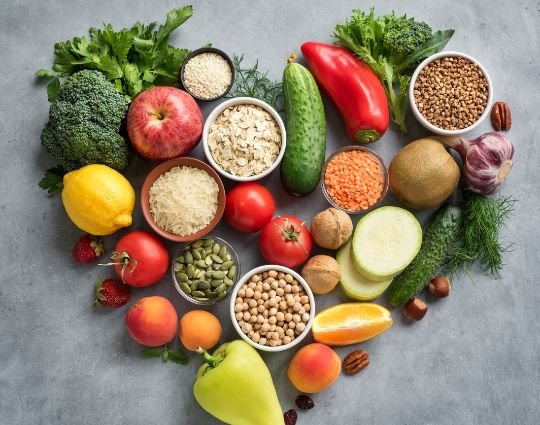
Heart Health Nutrition: The Complete Guide to a Healthy Heart
Heart disease remains one of the leading health concerns in Pakistan, and diet sits at the centre of prevention. Heart health nutrition is the practice of eating in ways that keep your blood pressure, cholesterol, and blood sugar in healthy ranges — through ordinary foods, not expensive products or extreme diets. Small, consistent changes to what lands on your plate can shift your long-term risk more than any single “superfood” ever will.
This page is the central hub for our heart health nutrition articles. Below you will find the essentials — how food affects your heart, the nutrients that matter most, the eating patterns with the strongest evidence, and a practical desi framework — plus links to our five in-depth guides, each covering one topic in full detail. Read this page for the big picture, then explore whichever guide matches your own concern.
What Heart Health Nutrition Actually Means
Your heart and blood vessels respond to what you eat every day. Three numbers tell most of the story: blood pressure (the force of blood against artery walls), LDL cholesterol (the type that can build up in arteries), and blood sugar (high levels damage vessels over time). Heart health nutrition targets all three through food: enough fiber and healthy fats to manage cholesterol, enough potassium and a sensible sodium intake to support healthy blood pressure, and balanced meals that keep blood sugar steady.
The good news is that the same eating pattern helps all three. You do not need one diet for cholesterol and a different one for blood pressure — the principles overlap almost completely, which is why the framework below treats them as one package.
The Key Nutrients in Heart Health Nutrition
Five nutritional factors matter most for your heart:
- Soluble fiber. Found in oats, barley, beans, lentils, and fruit, it helps the body clear LDL cholesterol. A daily bowl of oats or a serving of daal both count.
- Potassium. Helps balance sodium and supports healthy blood pressure. Bananas, potatoes, spinach, oranges, and yogurt are rich sources — many already in desi kitchens.
- Unsaturated fats. Replacing saturated fat (ghee, butter, fatty red meat, palm oil) with unsaturated fat (olive or canola oil, nuts, seeds, fish) is one of the best-supported moves in heart health nutrition.
- Omega-3 fats. Found in fatty fish like salmon and sardines, plus walnuts and flaxseed. They support healthy triglycerides and overall heart function.
- Less sodium, less added sugar. Not nutrients to add but habits to trim: salty snacks, pickles in large amounts, sugary drinks, and mithai eaten daily all push risk upward.
Notice what is missing from this list: there is no magic ingredient. Heart health nutrition works through patterns, not pills or powders.
Foods That Lower Cholesterol Naturally
LDL cholesterol responds well to dietary change. The most effective foods are the ones that either block cholesterol absorption or help the body remove it: oats and barley (their soluble fiber binds cholesterol in the gut), nuts — especially almonds and walnuts — in small daily handfuls, fatty fish twice a week, legumes like chickpeas and lentils, and cooking oils rich in unsaturated fats such as olive or canola oil instead of ghee for everyday cooking.
Equally important is what these foods replace. Every meal built around legumes, vegetables, and whole grains is a meal not built around fatty red meat or deep-fried snacks. For the full evidence-based list and portions, see The Best Foods to Lower LDL Cholesterol: An Evidence-Based Guide, and for the broader strategy, How to Lower Cholesterol Naturally: An Evidence-Based Guide.
Eating to Lower Blood Pressure
Blood pressure responds to several dietary levers at once. The DASH eating pattern — rich in fruits, vegetables, whole grains, legumes, and low-fat dairy, with limited sodium — has the strongest evidence of any named diet for lowering blood pressure. Its principles translate well to desi cooking: more sabzi and daal, fruit as the daily snack, dahi with meals, whole wheat roti, and a conscious effort to reduce salt.
Salt deserves special attention in Pakistani diets. Between added salt in cooking, salty snacks, papad, pickles, and processed foods, intake often runs far above recommended levels. Practical steps: taste food before adding salt at the table, use lemon, imli, and spices for flavour instead, rinse canned beans, and keep pickles as a small condiment rather than a side dish. Potassium-rich foods help counterbalance sodium, so do not skip the fruit and vegetables. Our complete guide is How to Lower Blood Pressure with Diet: A Dietitian’s Complete Guide, and the structured plan is DASH Diet Plan for High Blood Pressure: A Complete, Evidence-Based Guide.
The Mediterranean Diet and Heart Health
The Mediterranean diet has the strongest long-term evidence of any eating pattern for heart protection: generous vegetables, fruits, legumes, whole grains, nuts, olive oil as the main fat, fish regularly, and modest amounts of dairy and poultry. You do not need imported ingredients to follow its principles — the pattern matters more than the geography.
A desi Mediterranean-style day is entirely possible: olive or canola oil for cooking, a big mixed salad with lunch, lentils and beans several times a week, fish when available, fruit for dessert, and walnuts or almonds as the evening snack. The spirit is abundance of plants, not restriction. Read Mediterranean Diet for Heart Health: The Evidence-Based Guide for the full breakdown.
Foods to Limit for a Healthy Heart
Heart health nutrition is as much about limits as additions. The foods most worth trimming: trans fats (found in some vanaspati, margarines, and bakery shortenings — check labels), sugary drinks including sweetened juices and regular soda, processed and red meats eaten daily, deep-fried snacks as a routine rather than an occasion, and large daily amounts of ghee or butter. None of these needs to be banished forever; frequency and portion size are what matter.
A useful rule: if a food comes in shiny packaging with a long ingredient list and you eat it most days, it is probably crowding out something better. Swap, don’t just subtract — replace the evening chips with roasted chana, the sugary drink with lassi or water, the second helping of fried snacks with fruit.
What to Eat Day to Day: A Practical Heart Health Framework
Here is a heart-friendly day built from ordinary Pakistani meals:
- Nashta (breakfast): Oats porridge with banana and walnuts, or a vegetable omelette with one whole wheat roti and a glass of low-fat milk.
- Mid-morning: A piece of fruit — orange, apple, or guava — plus a small handful of almonds.
- Lunch: Mixed daal or chickpea curry with two whole wheat rotis, a large kachumber salad, and a bowl of low-fat dahi.
- Evening: Roasted chana or peanuts with green tea; fruit chaat on some days.
- Dinner: Grilled or baked fish or chicken with sabzi and one roti, or khichdi with a big salad. Lighter than lunch, finished two hours before sleep.
Across the day: vegetables in at least two meals, fruit twice, legumes most days, olive or canola oil for cooking, water as the main drink, and salt used with restraint rather than habit.
Explore All Our Heart Health Nutrition Guides
Each guide below goes deep on one part of heart health nutrition. Start with whichever matches your concern:
- How to Lower Cholesterol Naturally: An Evidence-Based Guide — the big-picture cholesterol strategy.
- The Best Foods to Lower LDL Cholesterol: An Evidence-Based Guide — the best food choices, with portions.
- How to Lower Blood Pressure with Diet: A Dietitian’s Complete Guide — diet for healthy blood pressure.
- DASH Diet Plan for High Blood Pressure: A Complete, Evidence-Based Guide — the structured DASH plan.
- Mediterranean Diet for Heart Health: The Evidence-Based Guide — the Mediterranean pattern, desi-style.
Heart Health Nutrition FAQs
Can diet really lower cholesterol without medication?
Diet can lower LDL cholesterol meaningfully — often by a noticeable margin — especially when several changes combine: soluble fiber, nuts, unsaturated fats, and less saturated fat. But cholesterol also has a strong genetic component. If your doctor has prescribed medication, diet supports it; it does not replace it. Never stop prescribed medicine because your diet improved.
Is ghee bad for the heart?
Ghee is high in saturated fat, so large daily amounts work against heart health nutrition goals. Small occasional amounts in an otherwise balanced diet are a different matter. For everyday cooking, unsaturated oils are the better default.
How quickly can diet affect blood pressure?
Blood pressure can begin responding within two to four weeks of consistent dietary change — less sodium, more potassium, the DASH pattern. Like cholesterol, though, blood pressure has many causes, and prescribed medication should continue alongside dietary changes unless your doctor advises otherwise.
Are eggs bad for cholesterol?
For most people, eggs in moderation (about one a day) fit fine within heart health nutrition — dietary cholesterol affects blood cholesterol far less than saturated fat does. If your LDL is very high, discuss your personal limit with your doctor or dietitian.
The Bottom Line on Heart Health Nutrition
Heart health nutrition is a pattern, not a prescription: plenty of vegetables, fruits, legumes, and whole grains; unsaturated fats instead of saturated ones; fish and nuts regularly; salt and sugar kept in check; and water as the default drink. Build it from your own kitchen, keep it consistent, and let the five guides above carry you deeper wherever you need detail.
For a global overview of healthy eating principles that underpin everything on this page, the World Health Organization’s healthy diet fact sheet is a useful, trustworthy reference.
This page is for general education only and is not medical advice. Heart conditions, high blood pressure, and high cholesterol need professional management — please read our Health Disclaimer and work with your doctor on your own plan.
Heart Health Nutrition in Pictures: Explore the Guides
Prefer to browse visually? Each picture below opens one of the in-depth heart health guides in this cluster — from lowering cholesterol to taming blood pressure.

How to lower cholesterol naturally — an evidence-based guide to foods, fats, and habits.

The best foods to lower LDL cholesterol — the artery-clogging type, tamed with food.

How to lower blood pressure with diet — a dietitian’s complete guide to the levers that work.

The DASH diet plan for high blood pressure — the most-studied eating pattern for hypertension.

The Mediterranean diet for heart health — and how to adapt it to desi kitchens.