Good healthy eating basics are simpler than the internet makes them look. You do not need superfoods, detox teas, or a perfect meal plan — you need a way of eating you can actually keep up: balanced plates, real foods, sensible portions, and a few habits that quietly do most of the work. This page is the hub of our healthy eating basics collection: dietitian-written guides that take you from your first grocery list to confident, everyday healthy cooking.
Whether you are feeding a family in Multan or cooking for one in a hostel, the healthy eating basics on this page work with Pakistani kitchens and budgets. Start anywhere — every guide below stands on its own, and together they build a complete picture.
What Healthy Eating Basics Really Mean
Strip away the trends and healthy eating basics come down to three ideas. First, variety: no single food contains every nutrient, so a mix of grains, proteins, vegetables, fruits, and dairy or alternatives covers more ground than any single “miracle” food. Second, balance: each meal built around vegetables, a protein source, and a whole grain keeps energy steady and hunger in check. Third, consistency: an ordinary healthy meal eaten most days beats a perfect week followed by a month of takeaways.
The World Health Organization’s healthy diet fact sheet describes the same principles in global terms: plenty of fruit and vegetables, whole grains, and limited free sugars, salt, and saturated fat. Our guide to the benefits of a healthy diet translates those principles into Pakistani plates.
Healthy Eating Basics Start with Nutrient-Rich Foods
Not all calories are equal. A glass of cola and a bowl of daal may both give your body energy, but only one delivers protein, fibre, iron, folate, and B vitamins. The foundation of healthy eating basics is choosing foods that give you the most nutrition per bite: lentils and beans, leafy greens like palak and sarson, eggs, fish, nuts and seeds, dahi, whole grains, and seasonal fruit.
The good news for Pakistani families is that many of the world’s most nutrient-dense foods are already in our kitchens — and they are affordable. Our guide to Pakistan’s most nutrient-rich foods walks through the top ten, with desi meal ideas for each.
Why Healthy Eating Basics Matter: The Benefits
People often ask what they actually gain from eating better. The honest answer: a lot, and most of it shows up quietly. A balanced diet supports healthy weight, a stronger heart, better immunity, smoother digestion, stronger bones, steadier energy, and a sharper mind and mood. These are not promises about any single food — they are the compound interest of ordinary healthy meals eaten consistently.
If you want the full picture, our complete guide to the benefits of a healthy diet explains eight science-backed benefits and the key nutrients behind them, plus seven simple habits to start today.
Build the Habits First
Knowledge rarely changes eating on its own — habits do. The people who eat well for years are not the ones with the most willpower; they are the ones who set up routines: regular mealtimes, a stocked kitchen, a vegetable with lunch and dinner, water instead of soft drinks, and cooking at home most days. Small, repeatable actions beat ambitious overhauls every time, and that is the real secret behind healthy eating basics that last.
Our beginner’s guide to healthy eating habits breaks the process into steps you can start this week, without turning your kitchen upside down.
Shop Smart: The Healthy Grocery List
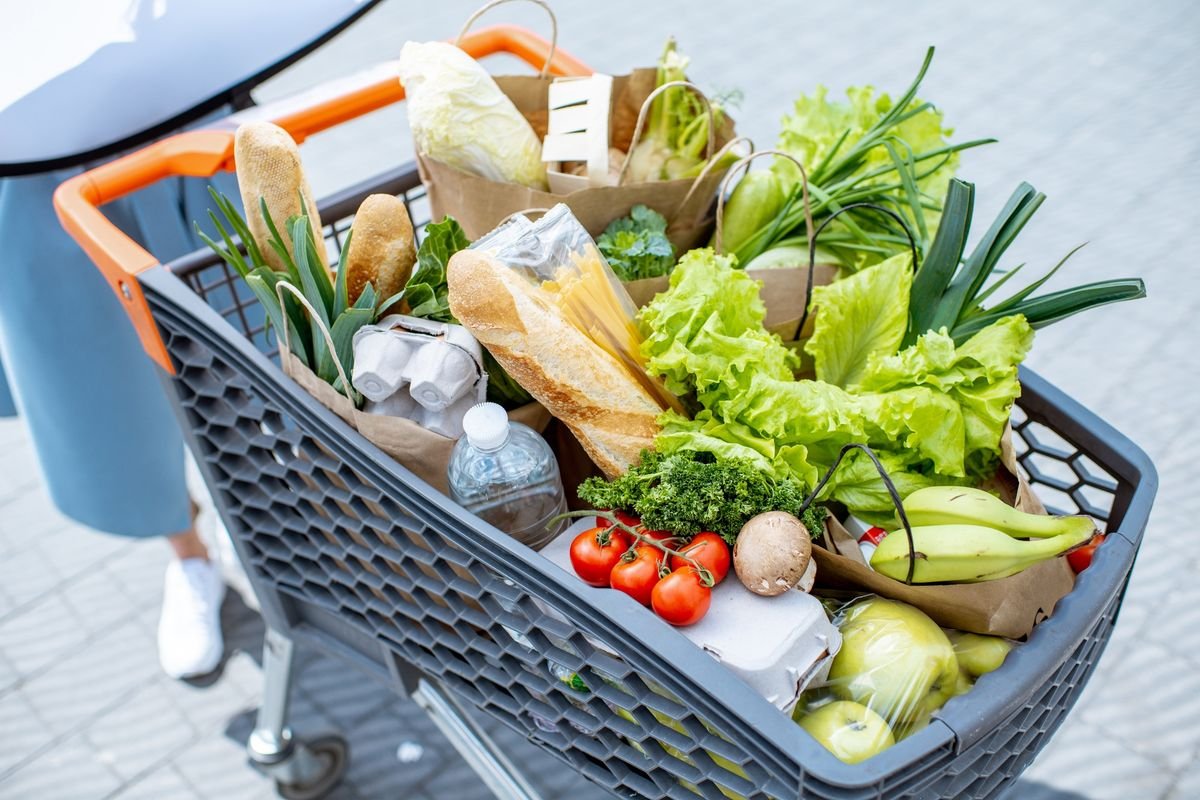
Healthy eating basics are won or lost at the market. A simple list — whole grains, daal and beans, eggs, seasonal vegetables and fruit, dahi, nuts, and basic spices — keeps impulse buys down and healthy cooking up. Shop the fresh sections of the bazaar first, buy seasonal produce (it is cheaper and fresher), and keep a short list of staples you always replace.
Our healthy grocery list for beginners gives you a ready-made list plus tips for checking your own pantry before you shop.
Read Labels Like a Dietitian
Packaged foods are where healthy eating basics meet real life. A quick label check — serving size first, then sugar, sodium, and fibre per serving, then the ingredient list — tells you more in thirty seconds than any front-of-pack claim. Watch for sugar hiding under names like glucose syrup and dextrose, and compare similar products instead of trusting “light” or “natural” on the packet.
Our guide to reading nutrition labels teaches the five label checks that matter most, with Pakistani product examples.
Meal Prep for Busy Weeks
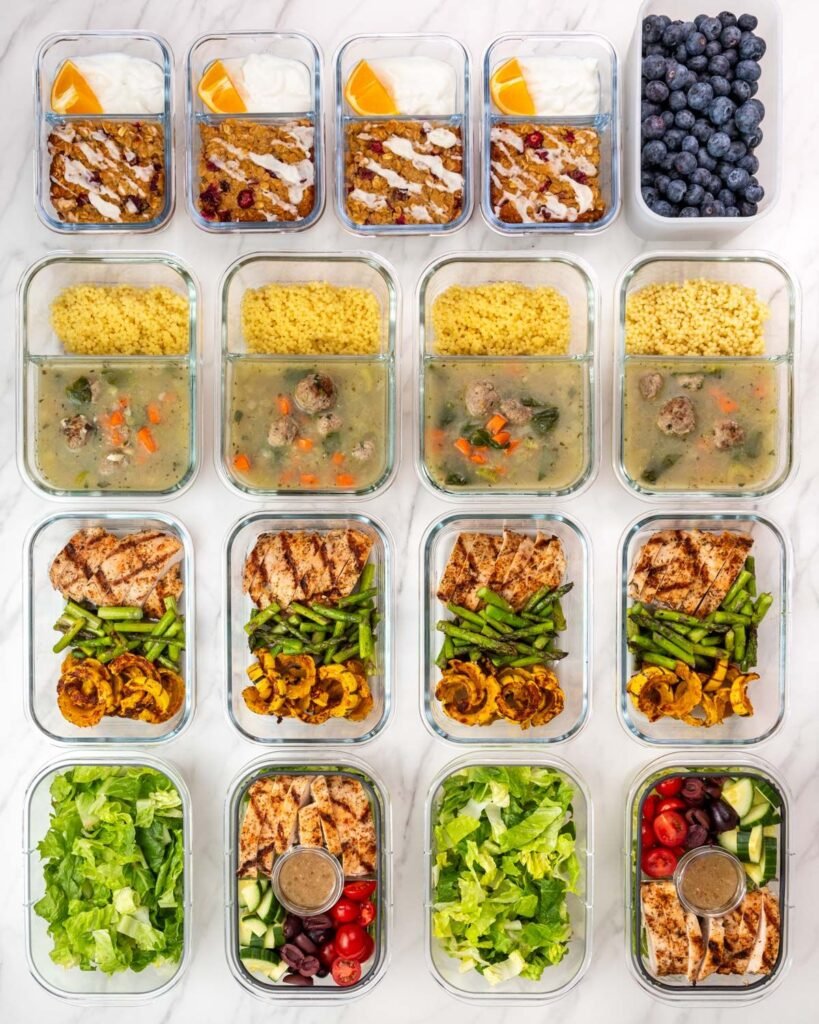
The most common reason healthy eating basics fall apart is not temptation — it is an empty fridge at 8 pm. Meal prep fixes that: cook grains and daal in bulk, wash and chop vegetables, boil eggs, and portion snacks once or twice a week. You do not need a full Sunday production; even ninety minutes of prep turns weeknight dinners from a decision into a default.
Our meal prep guide for beginners lays out a simple weekly system, storage rules, and starter recipes that reheat well.
The Mediterranean Diet: A Proven Eating Pattern
If you want one eating pattern with the deepest evidence behind it, the Mediterranean diet is the usual answer from nutrition researchers: plenty of vegetables, fruit, whole grains, legumes, nuts, and olive oil; fish and poultry regularly; red meat and sweets occasionally. It is less a diet than a template — and it adapts well to Pakistani cooking, where daal, sabzi, and whole wheat roti already fit the pattern.
Our Mediterranean diet beginner’s guide explains the pattern, what the research actually shows, and how to build Mediterranean-style plates from a desi kitchen.
The Power of Nutrition: The Big Picture
Zoom out, and healthy eating basics are about more than any single meal. Food shapes energy, immunity, mood, and long-term disease risk — which is why small, sustained improvements matter more than short bursts of perfection. Understanding the “why” behind the advice makes the “how” much easier to stick with.
Our complete guide to the power of nutrition connects the dots: how nutrients work in the body, why dietary patterns beat single foods, and how to think about food for lifelong health.
Where to Start: Match the Guide to Your Goal
| Your situation | Start here |
|---|---|
| You want the most nutritious everyday foods | Nutrient-Rich Foods: Pakistan’s Most Nutritious Foods |
| You want to know what healthy eating actually does for you | Benefits of a Healthy Diet: A Complete Nutrition Guide |
| You want habits that stick | Healthy Eating Habits for Beginners |
| You want a ready-made shopping list | Healthy Grocery List for Beginners |
| You want to decode packaged foods | How to Read Nutrition Labels |
| You want weeknight dinners on autopilot | Meal Prep for Beginners |
| You want an evidence-backed eating pattern | Mediterranean Diet for Beginners |
| You want the big picture on food and health | The Power of Nutrition: A Complete Guide to Healthy Eating |
Complete Healthy Eating Basics Library
Every in-depth guide in this collection:
- Nutrient-Rich Foods: Pakistan’s Most Nutritious Foods
- Benefits of a Healthy Diet: A Complete Nutrition Guide
- Healthy Eating Habits for Beginners
- Healthy Grocery List for Beginners
- How to Read Nutrition Labels
- Meal Prep for Beginners
- Mediterranean Diet for Beginners
- The Power of Nutrition: A Complete Guide to Healthy Eating
Healthy Eating Basics: Common Questions
Do I need expensive or imported foods to eat healthily?
No. The healthy eating basics in these guides are built around affordable Pakistani staples — daal, sabzi, roti, dahi, eggs, and seasonal fruit. Imported “superfoods” are optional, not required.
How fast will I see results from eating better?
Energy and digestion often improve within a couple of weeks of consistent meals; weight, blood markers, and other measures move over months. Healthy eating basics are a compounding habit, not a quick fix.
Do I have to give up roti, rice, or my favourite foods?
No. Portions, whole-grain versions, and what you pair them with matter far more than banning staple foods. The guides above show how to keep the foods you love inside a balanced pattern.
Where should a complete beginner start?
Start with one habit from the habits guide and one trip through the grocery list. Add label reading and meal prep once those feel easy. Small steps, in that order, beat trying everything at once.
Health disclaimer: This page is for general education only and is not medical advice, diagnosis, or treatment. If you have a health condition, take medication, or are pregnant, discuss diet changes with your doctor or a registered dietitian. Please read our full Health Disclaimer.
Want an eating plan built around your health, your routine, and the foods your family actually cooks? Visit our Online Nutrition Consultation page or book an appointment — we will design your healthy eating basics around your life.
Healthy Eating Basics in Pictures: Explore the Guides
Prefer to browse visually? Each picture below opens one of the in-depth guides in this healthy eating basics collection.