This research-backed guide to protein needs for older adults explains how much protein to eat each day, which sources work best, and how to spread protein across meals in a South Asian kitchen.
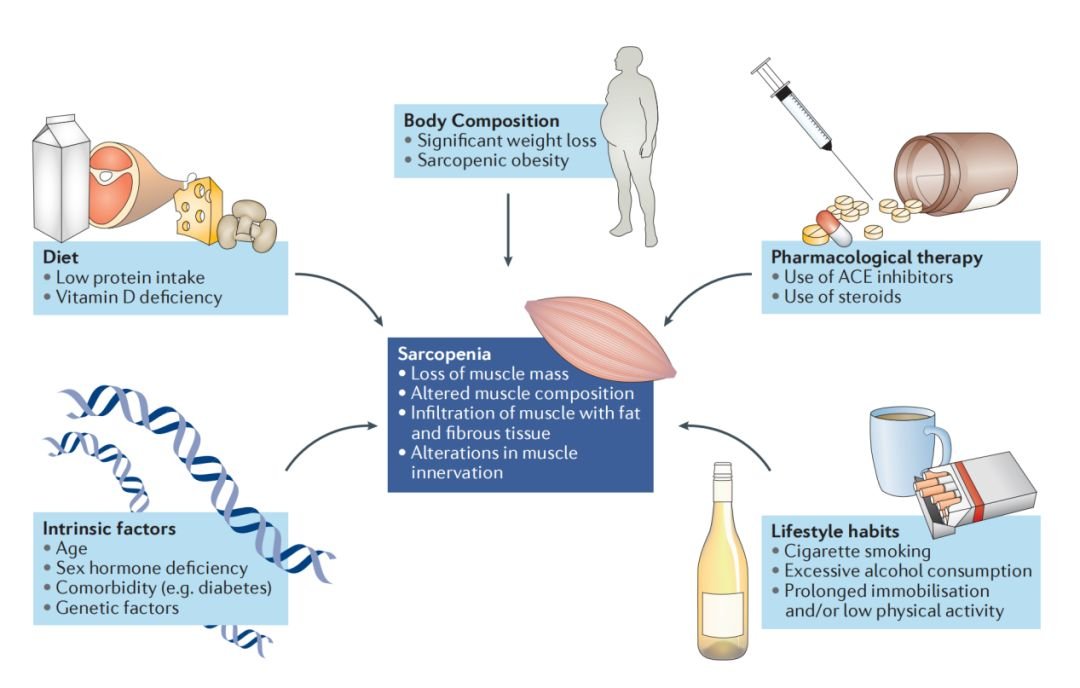
After the age of 60, your body starts losing muscle — quietly, year after year. By the time many people notice, they are already struggling to climb stairs, carry groceries, or get up from a low chair. This gradual muscle loss, known as sarcopenia, is one of the biggest threats to independence in later life.
Protein is the single most important nutrient in the fight against this decline. Yet research consistently shows that many older adults eat far less protein than their bodies actually need. The minimum amount recommended for younger adults (0.8 grams per kilogram of body weight per day) is, according to leading expert groups, not enough for people over 65.
In this guide, you will learn:
– Why older adults need more protein than younger adults (anabolic resistance explained)
– How much protein to aim for each day — including guidance for illness, recovery, and chronic conditions
– How to spread protein across meals so your muscles can use it most effectively
– Which protein sources are best — comparing animal and plant proteins on quality
– What practical desi meals deliver enough protein for older adults
– When to be cautious — kidney disease, diabetes, and medication considerations
– How to spot and address low protein intake in elderly parents
1. Why Protein Needs Increase With Age
Anabolic resistance: the muscle’s fading response
When a young person eats a protein-rich meal, their muscles respond strongly — they build new muscle proteins efficiently. In older adults, this response becomes blunted. Scientists call this anabolic resistance: the muscles need a stronger “signal” (more protein, especially the amino acid leucine) to trigger the same muscle-building process.
This means an older adult can eat the same amount of protein as a 30-year-old and still build less muscle from it. The only reliable fix, according to current research, is to eat more protein overall and to distribute it well across the day.
The consequences of eating too little
Low protein intake in older adults is associated with:
– Faster loss of muscle mass and strength (sarcopenia)
– Higher risk of falls and fractures
– Weaker bones, since muscle and bone strength are closely linked
– Slower recovery from illness, surgery, or hospital stays
– Greater risk of frailty and loss of independence
In South Asia, this problem is compounded by dietary patterns. Many older adults in Pakistan and neighbouring countries eat carbohydrate-heavy meals — large portions of roti or rice with thin daal and a little sabzi — where the actual protein content of the meal may be only 8–12 grams. This is far below what aging muscles need per meal.
2. How Much Protein Do Older Adults Need? (Research Guidance)
The baseline: 1.0–1.2 g/kg/day
The PROT-AGE Study Group (an international panel of nutrition and geriatrics experts) and the European Society for Clinical Nutrition and Metabolism (ESPEN) both recommend that healthy older adults consume 1.0–1.2 grams of protein per kilogram of body weight per day.
What does this look like in practice?
– A 55 kg woman → 55–66 grams of protein per day
– A 65 kg man → 65–78 grams of protein per day
– A 75 kg man → 75–90 grams of protein per day
Compare this with the standard RDA of 0.8 g/kg (designed for younger adults), and you can see the gap: a 65 kg older adult following the old minimum would eat only 52 grams — roughly 13–26 grams short of what expert panels recommend.
Higher needs during illness and recovery: up to 1.5 g/kg/day
During acute illness, infection, surgery recovery, pressure injuries (bed sores), or hospitalisation, the body’s protein needs rise sharply. PROT-AGE and ESPEN guidance suggests 1.2–1.5 g/kg/day for older adults in these situations, and in severe cases even higher — but always individualised and ideally supervised by a clinician or dietitian.
Severe malnutrition and frailty
For older adults who are malnourished or at high risk of malnutrition, ESPEN recommends aiming toward the higher end of the range and addressing intake urgently, since muscle loss during illness can happen in a matter of days to weeks.
A quick way to estimate your target
- Weigh yourself in kilograms (or convert: pounds ÷ 2.2).
- Multiply by 1.0 for the minimum target, by 1.2 for a good target.
- If you are recovering from illness or surgery, discuss 1.2–1.5 with your doctor.
Example: 60 kg × 1.2 = 72 grams of protein per day.
3. Protein Timing Matters: The Per-Meal Distribution
The 25–40 gram per-meal threshold
Total daily intake is only half the story. Research suggests that muscle protein synthesis in older adults is best stimulated when each meal provides roughly 25–40 grams of protein, including about 2.5–3 grams of leucine (the key amino acid that “switches on” muscle building).
Many older adults eat in a skewed pattern: a tiny breakfast (chai and a slice of toast — maybe 4–6 grams of protein), a modest lunch, and then most of their protein at dinner. Studies indicate this pattern is less effective than spreading protein evenly across three or four eating occasions.
Practical targets
- Breakfast: 25–30 g
- Lunch: 25–30 g
- Dinner: 25–30 g
- Optional snack: 10–15 g (e.g. a glass of doodh or a bowl of dahi)
This even distribution gives aging muscles three strong building signals per day instead of one.
4. Sarcopenia and Frailty: What’s at Stake
What sarcopenia is
Sarcopenia is the age-related loss of muscle mass, strength, and function. It is now recognised as a disease in its own right (it has an ICD-10 diagnostic code). After age 60, adults may lose 3–8% of muscle mass per decade, and the rate accelerates after 70 — especially in those who are inactive or under-eating protein.
Frailty: the bigger picture
Frailty is a state of increased vulnerability — where small stresses (a minor infection, a fall, a few days in bed) cause disproportionate decline. Low protein intake, low muscle mass, and inactivity are among its main drivers. Adequate protein, combined with resistance exercise, is one of the few interventions with solid evidence for slowing or partially reversing frailty.
The role of resistance exercise
Protein alone is not enough. Muscles also need the mechanical signal of resistance exercise — even simple bodyweight movements like chair stands, wall push-ups, or carrying groceries. Research consistently shows that protein plus resistance training produces better outcomes than either alone. Older adults should aim for muscle-strengthening activities at least twice a week, adapted to their ability.
5. Best Protein Sources for Older Adults

Animal proteins: high quality and leucine-rich
Animal proteins generally have a complete amino acid profile and high leucine content:
– Anda (eggs): ~6 g protein per egg; soft, cheap, easy to chew
– Dahi / yogurt: ~8–10 g per 200 g bowl (Greek-style higher)
– Doodh (milk): ~8 g per 250 ml glass
– Paneer: ~14–18 g per 100 g
– Chicken: ~25–27 g per 100 g cooked (a palm-sized portion, ~120 g cooked, gives ~30 g)
– Machli (fish): ~20–25 g per 100 g cooked; also provides vitamin D and omega-3s
– Lean red meat (occasional): ~25 g per 100 g cooked
For older adults with chewing difficulties or poor appetite, soft options like anda, dahi, doodh, and machli are especially valuable.
Plant proteins: affordable and effective in combination
Plant proteins can absolutely meet older adults’ needs, but they require a little more planning because most are lower in leucine and one or more essential amino acids:
– Daal (lentils): ~9 g protein per 100 g cooked (a typical bowl of cooked daal, ~200 g, gives ~18 g)
– Chana (chickpeas): ~9 g per 100 g cooked
– Rajma (kidney beans): ~9 g per 100 g cooked
– Soya chunks: ~52 g protein per 100 g dry (about 17 g per 30 g dry serving — one of the most protein-dense vegetarian foods available)
– Tofu: ~8 g per 100 g
– Nuts and seeds: ~5–8 g per 30 g handful
Combining proteins (e.g. daal + rice, chana + roti, rajma + rice) improves the overall amino acid profile of the meal — a traditional practice that modern nutrition science supports.
Protein quality: understanding DIAAS
The DIAAS (Digestible Indispensable Amino Acid Score) is the FAO-recommended method for ranking protein quality. Animal proteins (eggs, milk, whey) score highest (above 100), while most plant proteins score lower — soy is the standout plant protein with a DIAAS near 90–100, comparable to some animal sources.
What this means practically: vegetarians and vegans can meet their protein needs, but they generally need slightly larger portions or smarter combinations than someone eating animal proteins — and soya chunks, tofu, and daal-rice combinations are excellent tools.
6. Protein and Kidney Disease: When Caution Is Needed
No blanket restriction — individualise
A common myth is that “high protein damages kidneys” in everyone. In healthy older adults, research does not show that protein intakes of 1.0–1.2 g/kg/day harm kidney function.
However, for people with chronic kidney disease (CKD), protein intake must be individualised. Depending on the stage of CKD, doctors may recommend a controlled (sometimes lower) protein intake to slow disease progression — but overly strict restriction can worsen malnutrition and muscle loss, which is dangerous in older adults. This is a balance that requires professional guidance.
Medical disclaimer
Important: If you have kidney disease, diabetes with kidney complications, or any chronic condition, do not change your protein intake significantly without consulting your doctor or a registered dietitian/nutritionist. The general targets in this article are for healthy older adults; your needs may differ.
7. Protein, Diabetes, and Blood Sugar
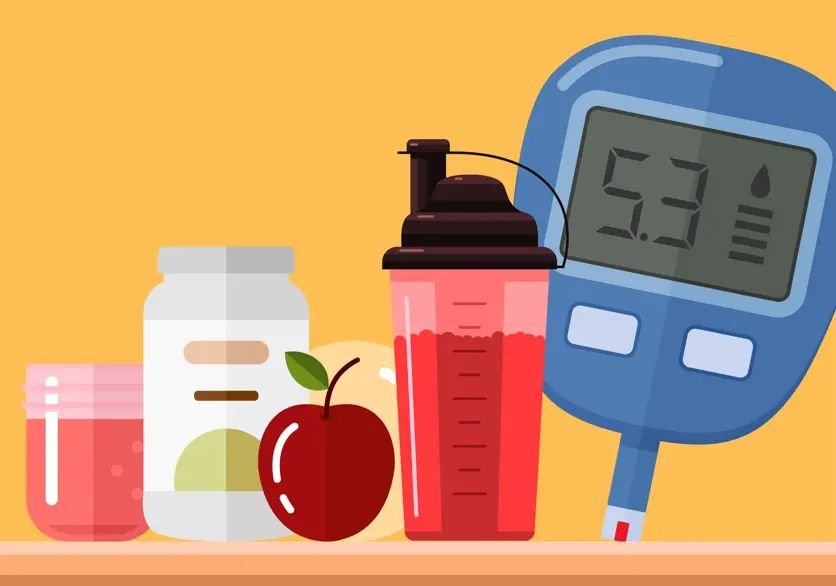
Protein has a modest effect on blood sugar compared with carbohydrates, and including adequate protein in meals may help with satiety and steadier energy. For older adults with diabetes, spreading protein across meals and pairing it with fibre-rich foods (vegetables, whole grains, legumes) is a sensible pattern.
That said, some high-protein foods (processed meats, full-fat dairy in large amounts) can affect heart health, so food choices still matter. Older adults with diabetes should review their meal plan with their healthcare provider, particularly if kidney function is a concern.
8. Practical High-Protein Desi Meals for Older Adults
Here are realistic, culturally familiar meal ideas, each designed to deliver roughly 25–35 grams of protein:
Breakfast ideas (~25–30 g)
- Anda paratha + doodh: 2 anda omelette (12 g) + 1 glass doodh (8 g) + paratha with a bowl of dahi (8 g) ≈ 28 g
- Besan cheela + dahi: 2 besan cheelas (~10 g) + 200 g dahi (10 g) + a handful of peanuts (7 g) ≈ 27 g
- Dalia (porridge) cooked in milk + nuts: milk 250 ml (8 g) + dalia/protein from milk + almonds and walnuts (6 g) + 1 boiled anda (6 g) ≈ 25 g (add soya milk or extra nuts to push higher)
Lunch ideas (~25–35 g)
- Chicken salan + roti + dahi: 120 g cooked chicken (~30 g) + 2 rotis (~6 g) + small bowl dahi (~5 g) ≈ 35+ g (an excellent single meal)
- Rajma chawal + dahi: 1.5 cups cooked rajma (~13 g) + rice (~5 g) + 200 g dahi (10 g) ≈ 28 g
- Daal + soya chunk curry + rice: daal bowl (~12 g) + 30 g dry soya chunks cooked in curry (~17 g) + rice (~4 g) ≈ 33 g
- Chana chaat, protein-boosted: 1.5 cups cooked chana (~13 g) + dahi topping (8 g) + peanuts (5 g) ≈ 26 g
Dinner ideas (~25–30 g)
- Machli (fish) curry + roti: 120 g cooked fish (~25 g) + 2 rotis (~6 g) ≈ 30 g
- Paneer bhurji + roti + doodh: 100 g paneer (~16 g) + 2 rotis (~6 g) + 1 glass doodh (8 g) ≈ 30 g
- Keema (lean mince) + daal + roti: 100 g cooked lean keema (~25 g) + small daal (~6 g) + roti (~3 g) ≈ 30+ g
Snacks (10–15 g each)
- A glass of doodh (8 g) + small handful of roasted chana (5 g)
- 200 g bowl of dahi with a spoon of ground flaxseed (~10 g)
- 1 boiled anda + a few almonds (~10 g)
- Roasted soya nuts, 40 g (~14 g)
Tips for poor appetite
Many older adults simply don’t feel like eating much. Strategies that may help:
– Eat protein first at each meal, before filling up on roti/rice.
– Fortify foods: stir milk powder into doodh, dalia, or soups; add an extra anda to curries.
– Small, frequent meals: 4–5 smaller eating occasions can beat 3 large ones.
– Make food soft and appealing: khichdi with extra daal, doodh-based soups, well-cooked machli.
– Don’t drink too much water just before meals if it blunts appetite.
9. Protein Supplements: Are They Needed?
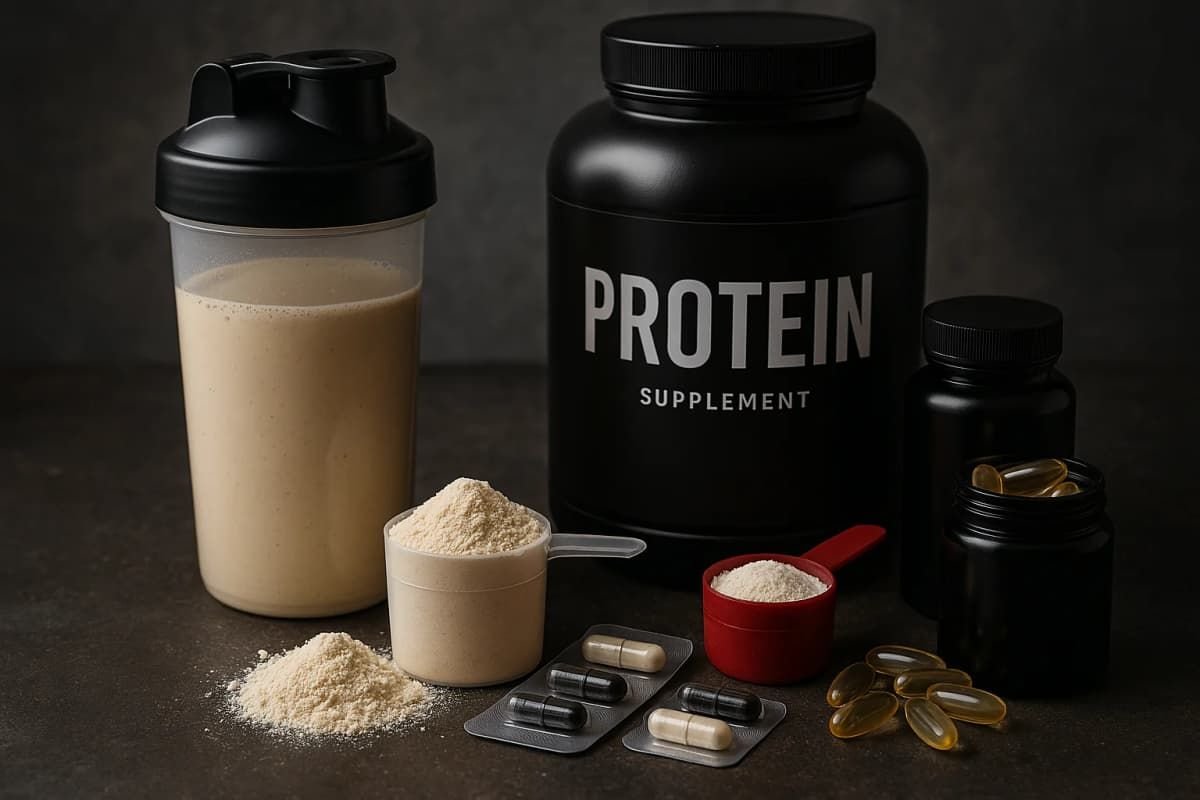
Whole foods should come first. But supplements can be sensible in specific situations:
– After illness or surgery, when appetite is poor and needs are high (1.2–1.5 g/kg).
– For those who cannot chew well — a milk-based protein shake is easier than a chicken piece.
– Whey protein is well-studied, leucine-rich, and mixes easily into doodh. A single scoop typically provides 20–25 g protein.
– For vegetarians struggling to hit targets, soy protein isolate is a good plant-based option.
Choose plain, reputable products without excessive added sugar. Supplements are a bridge, not a replacement for real meals — and anyone with kidney disease or other chronic conditions should check with their doctor first.
10. How to Spot Low Protein Intake in Elderly Parents
Watch for these warning signs in aging parents or relatives:
– Noticeable thinning of arms and legs, clothes fitting loosely
– Difficulty rising from a chair without using hands
– Slower walking speed, unsteadiness, recent falls
– Constant fatigue, slow wound healing
– Eating very small meals, skipping meals, or living mostly on chai and biscuits
– Frequent infections or long recovery times
If you notice several of these, a good first step is to track protein for 3 days (note everything eaten and estimate protein using the portion guide above), then discuss the results with a doctor or nutritionist. Early action matters — muscle lost over months takes much longer to rebuild.
11. Putting It All Together: A Sample Day (~75 g Protein)
For a 65 kg older adult targeting ~75 g/day:
| Meal | What to eat | Protein (approx.) |
|---|---|---|
| Breakfast | 2-anda omelette + 1 glass doodh + 1 roti | ~26 g |
| Mid-morning | Small bowl of dahi (150 g) | ~7 g |
| Lunch | 1 cup cooked rajma + rice + small dahi | ~25 g |
| Evening | Handful of roasted chana + chai | ~6 g |
| Dinner | 100 g paneer bhurji + 1 roti | ~20 g |
| Total | ~84 g |
Adjust portions to your body weight target. Vegetarians can swap the eggs for soya chunk curry or extra daal; non-vegetarians can swap paneer for chicken or machli.
Frequently Asked Questions
How much protein does a 70-year-old need per day?
Based on PROT-AGE and ESPEN guidance, a healthy 70-year-old needs about 1.0–1.2 grams of protein per kilogram of body weight daily. For a 60 kg person that’s 60–72 g/day; for a 70 kg person, 70–84 g/day. During illness or recovery, needs may rise to 1.2–1.5 g/kg — best decided with a clinician.
Is too much protein bad for older adults’ kidneys?
In healthy older adults, intakes around 1.0–1.2 g/kg/day are not shown to harm kidneys. However, people with chronic kidney disease need individualised advice — protein may need to be moderated depending on disease stage. If you have kidney problems, consult your doctor before increasing protein.
What’s the best protein breakfast for an elderly person?
A strong option is 2 eggs (any style) with a glass of milk and a bowl of yogurt — roughly 25–28 g of protein, soft, affordable, and easy to prepare. Besan cheela with dahi or milk-cooked dalia with nuts are good vegetarian alternatives.
Can older vegetarians get enough protein without meat?
Yes. With planning, vegetarian diets can fully meet older adults’ protein needs. Key tools: soya chunks (extremely protein-dense), daal-rice or chana-roti combinations, dahi, doodh, paneer, and eggs (for egg-eaters). Aim for slightly larger portions than a meat-eater would need, and include a leucine-rich food (dairy, eggs, or soy) at each meal.
Should older adults take protein powder?
Not necessarily — whole foods first. Protein powder (whey or soy) can be useful when appetite is poor, chewing is difficult, or needs are temporarily high (e.g. after surgery). Think of it as a convenient bridge. Anyone with kidney disease, diabetes complications, or on multiple medications should check with their doctor first.
Conclusion

Protein needs rise with age — not fall. For most healthy older adults, 1.0–1.2 grams per kilogram per day, spread as 25–40 grams across three meals, is the evidence-backed target that helps protect muscle, strength, and independence. Traditional desi foods — daal, chana, rajma, anda, dahi, paneer, soya chunks, doodh, machli, and chicken — can absolutely deliver this when portions and meal balance get a little attention.
If you’re caring for aging parents, start by observing one simple thing: is there a real protein source at every meal, or just at dinner? Fixing that one habit may be the highest-impact change you can make.
Want a protein plan tailored to your (or your parent’s) body weight, health conditions, and food preferences? Book a one-on-one consultation with our nutrition team and get a personalised, practical meal plan built around the foods you already eat.
Medical disclaimer: This article is for education only and is not medical advice. Protein needs vary with health conditions — especially kidney disease, liver disease, and diabetes. Consult your doctor or a qualified nutrition professional before making major dietary changes.
Eating Enough Protein on a Tight Budget
Protein has a reputation for being expensive, but in a South Asian kitchen the cheapest protein sources are already sitting on the shelf.
Households that feel the pinch do not need imported powders or fancy health foods to meet an older adult’s protein needs. A few smart choices keep both muscles and the monthly budget intact.
Start with the foods that give the most protein per rupee. Daal in all its forms, kala chana, lobia, and soya chunks are among the most economical protein sources available. Eggs remain one of the cheapest complete proteins, and a glass of doodh or a bowl of dahi adds meaningful protein for very little.
Spend the protein budget where it counts most. If money is tight, prioritise one solid protein source at each meal rather than small traces across many dishes. A single egg at breakfast, a generous bowl of daal at lunch, and soya chunk curry or chana at dinner covers the day for most older adults. Expensive protein powders and imported health foods can wait until these basics are in place. Consistency with affordable foods beats occasional splurges on premium products every time.
A Simple Way to Start This Week
Big dietary overhauls rarely last. If this guide feels like a lot, start with three changes that give the most protein value for the least effort.
First, add a real protein source to breakfast, such as an egg, a bowl of dahi, or a glass of doodh alongside whatever you already eat. Second, make lunch the anchor meal of the day with a generous serving of daal, chana, or soya chunk curry. Third, end the day with a protein-rich evening snack, like roasted chana or a small bowl of dahi, instead of plain chai and biscuits. These three steps cover the day’s protein needs, and they fit naturally into a South Asian kitchen.
Keep Reading
For a broader look at eating well in later life, read Nutrition for Healthy Aging After 50 next.