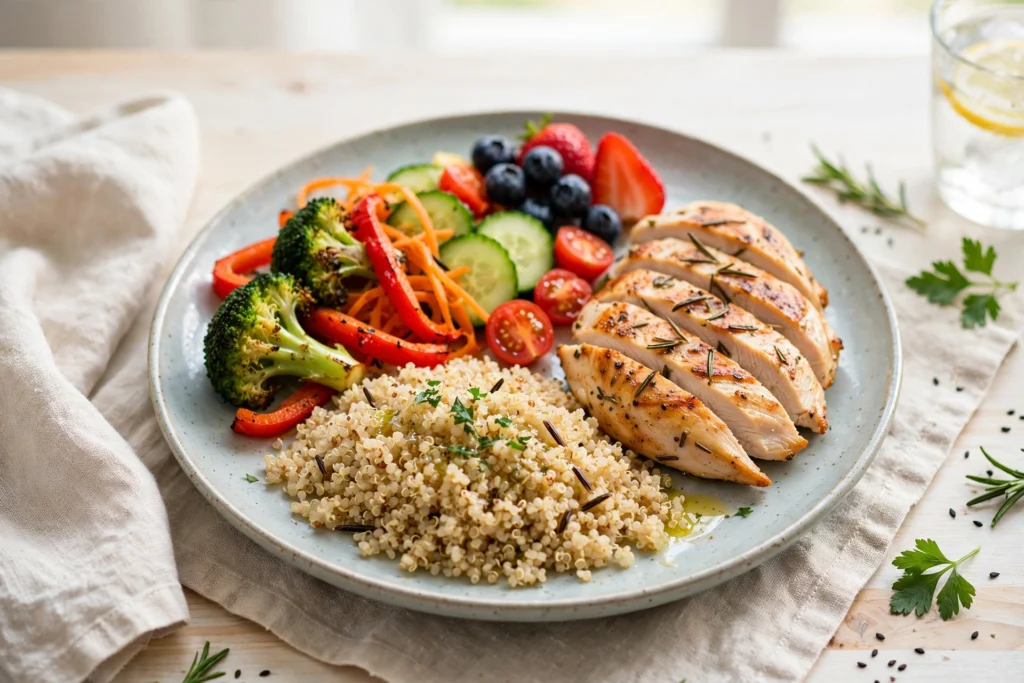
Type “best detox foods for body cleanse” into Google and you will find juice fasts, miracle teas, and 7-day cleanses that promise to “flush years of toxins” from your body. Here is the honest truth first: no food can flush toxins out of your body in the miracle sense. Your liver and kidneys already do that job around the clock, and they are remarkably good at it — as long as you give them what they need.
What food can do is support those organs. Your liver needs specific nutrients (like B vitamins, antioxidants, and sulphur compounds) to run its detoxification pathways. Your kidneys need water to filter waste. Your gut needs fibre to carry waste out. The “best detox foods” are simply foods rich in these nutrients — and the good news is that many of them are already in a South Asian kitchen: haldi, adrak, lehsan, daal, dahi, nimbu, amla, karela, and green tea.
This guide is written at a university level of accuracy, but in plain language. There are no miracle claims here — only what peer-reviewed research actually suggests, translated into practical desi meals.
In this guide, you will learn:
- How your liver, kidneys, and gut actually remove waste — and what “supporting detox” really means
- 20 science-backed foods that support your body’s natural detox systems
- The exact nutrients and amounts (fibre grams, water litres, vitamin C milligrams) to aim for
- What popular detox diets and detox teas get dangerously wrong
- A complete 1-day detox-supporting South Asian meal plan you can start tomorrow
- Medical red flags: who should avoid cleanses entirely
1. Your Body Already Has a Detox System

Before listing any food, you need to understand the machinery. “Detox” is not a metaphor — it is a set of biochemical processes your body runs constantly.
The Liver: Your Main Detox Organ
Your liver is the largest internal organ and the body’s primary chemical processing plant. Roughly 1.4 litres of blood pass through it every minute. It neutralises alcohol, medications, and environmental chemicals through a two-step process called Phase I (which modifies toxins, often creating reactive intermediates) and Phase II (which attaches molecules like glutathione and sulphur compounds to these intermediates so they can be excreted in bile or urine).
Phase II cannot run well without raw materials: sulphur from cruciferous vegetables and garlic, antioxidants like vitamin C and E, and B vitamins. This is where “detox foods” genuinely matter — they supply the ingredients for pathways your liver already uses.
Kidneys, Gut, Skin, and Lungs
Your kidneys filter around 180 litres of blood plasma every day, excreting urea, excess salts, and water-soluble waste in urine. They cannot do this without adequate water — dehydration directly slows waste clearance.
Your gut excretes waste through stool, and fibre is the vehicle: it adds bulk, speeds transit time, and binds some waste products (including excess cholesterol and bile acids) so they leave the body instead of being reabsorbed.
Your lungs exhale volatile waste (like carbon dioxide), and your skin eliminates small amounts of waste through sweat. Neither sweating nor “sweating out toxins” in a sauna is a major detox route — that claim is overblown.
What “Support” Really Means
When this article says a food “supports detox,” it means one of four evidence-based things:
- It provides nutrients the liver’s Phase I/II pathways need (e.g., sulphur compounds, antioxidants).
- It improves hydration, helping the kidneys filter waste.
- It provides fibre, helping the gut excrete waste efficiently.
- It provides antioxidants that protect liver cells from oxidative damage during Phase I.
No food “pulls toxins out” of your tissues. Claims like that belong to marketing, not medicine.
2. Why No Food Can “Flush Toxins” From Your Body
This section matters because the detox industry is worth billions and mostly runs on fear. Let’s be precise about what science does and does not support.
What is supported: Certain plant compounds (glucosinolates in cruciferous vegetables, curcumin in turmeric, allicin in garlic, catechins in green tea) have been shown in laboratory and animal studies to influence the enzymes involved in liver detoxification pathways. For example, sulforaphane from broccoli has been shown to activate Nrf2, a protein that switches on the body’s own antioxidant and detoxification genes. Human evidence is promising but preliminary — mostly small trials, not large clinical studies.
What is not supported: The idea that the average person accumulates “toxic sludge” that needs flushing. A healthy liver and kidneys clear normal metabolic waste continuously. Juice fasts and laxative teas do not speed this up; they often just cause water loss, electrolyte shifts, and diarrhoea — which marketers then call “toxins leaving the body.”
The honest bottom line: Eat to support your detox organs, not to replace them. The foods below do that. The cleanses sold to you mostly do not.
3. Cruciferous Vegetables: Liver Phase II Allies
Cruciferous (cabbage-family) vegetables are among the most studied foods in detox research because of their glucosinolates — sulphur-rich compounds that break down into isothiocyanates like sulforaphane, which research suggests may support Phase II liver enzymes.
Broccoli and Cauliflower (Phool Gobhi)
Broccoli is the poster child of this family. One cup (about 90 g) of cooked broccoli provides roughly 2.4 g of fibre, 50+ mg of vitamin C, and meaningful amounts of sulforaphane — especially when lightly steamed rather than boiled to mush (overcooking destroys the enzyme that forms sulforaphane). Cauliflower (phool gobhi) is in the same family with a similar nutrient profile. Add them to sabzi, soups, or stir-fries 3–4 times a week.
Patta Gobhi (Cabbage) and Sarson (Mustard Greens)
Don’t overlook the humble patta gobhi. Cabbage is cheap, available year-round in Pakistan and India, and rich in glucosinolates plus vitamin C (about 36 mg per 100 g). Sarson ka saag — the classic Punjabi winter dish — delivers not only glucosinolates but also vitamin K, vitamin A precursors, and fibre. Seasonal, traditional, and genuinely functional.
How Much to Eat
Aim for 1–2 cups of cruciferous vegetables most days. Rotate them: broccoli on Monday, patta gobhi sabzi on Tuesday, sarson ka saag in winter. Variety matters more than any single “superfood.”
4. Citrus Fruits: Vitamin C and Hydration
Vitamin C is a direct antioxidant that also helps regenerate other antioxidants (like vitamin E and glutathione) that the liver uses during detoxification. Citrus fruits deliver it in a hydrating, low-calorie package.
Nimbu (Lemon) and Nimbu Pani
A medium lemon provides about 30 mg of vitamin C — roughly one-third of the daily requirement (75 mg for women, 90 mg for men). Warm nimbu pani in the morning does not “alkalise your blood” or dissolve toxins, but it is a sensible habit: it hydrates you after the overnight fast, provides vitamin C, and replaces sugary drinks. Squeeze half a lemon into a large glass of water. That is the whole trick — no magic, just hydration plus vitamin C.
Amla (Indian Gooseberry)
Amla is one of the richest natural sources of vitamin C on earth — fresh amla contains roughly 600–900 mg of vitamin C per 100 g, many times more than an orange (about 50 mg per 100 g). Research suggests amla extracts have hepatoprotective (liver-protecting) effects in animal studies, likely due to its exceptional antioxidant content. Eat it fresh in winter, as murabba in moderation (it contains added sugar), or as unsweetened amla juice diluted with water.
Malta, Kinnow, and Grapefruit
Kinnow and malta (seasonal winter citrus in Pakistan) each provide 40–60 mg of vitamin C per fruit plus hydration and fibre if eaten whole rather than juiced. One caution: grapefruit and its juice interact with many medications (including some cholesterol and blood-pressure drugs) by affecting liver enzymes. If you take daily medication, check with your doctor before adding grapefruit.
5. Haldi (Turmeric): The Curcumin Story

Few spices have been studied as much as turmeric. Its active compound, curcumin, has shown anti-inflammatory and antioxidant effects in hundreds of laboratory studies, and some small human trials suggest it may support liver health — for example, modest improvements in liver enzymes in people with non-alcoholic fatty liver disease (NAFLD).
What the Research Actually Shows
Be honest about the limits: curcumin is poorly absorbed on its own, most impressive results come from lab dishes and animal studies, and human trials use concentrated extracts (typically 500–1,000 mg of curcumin daily), not the pinch of haldi in your daal. Turmeric powder contains only about 2–5% curcumin by weight. This does not mean haldi in food is useless — regular culinary use still contributes antioxidants — but it means haldi doodh is not a liver transplant in a glass.
Haldi Doodh the Right Way
If you enjoy golden milk, make it work harder: use ½ teaspoon of haldi in warm milk, add a pinch of black pepper (its piperine can increase curcumin absorption dramatically — some studies suggest up to 2,000%), and include a little healthy fat (milk itself, or a teaspoon of desi ghee or coconut oil), since curcumin is fat-soluble. Have it in the evening as a caffeine-free wind-down drink. Avoid high-dose turmeric/curcumin supplements if you have gallstones or take blood thinners — and discuss supplements with a doctor, since this article covers food, not pills.
6. Adrak (Ginger) and Lehsan (Garlic): The Kitchen Pharmacy
These two are in nearly every desi tarka — and both have genuine research behind them.
Adrak (Ginger) for Digestion
Ginger’s active compounds, gingerols and shogaols, have well-documented anti-nausea effects (studied in pregnancy, chemotherapy, and motion sickness) and research suggests they support healthy digestion and gut motility. Better digestion means more efficient waste transit — the gut half of detox. Use 1–2 inches of fresh adrak daily: in chai, in sabzi tarka, or as adrak water (simmer sliced ginger in water for 10 minutes). Ginger is generally safe in food amounts; very large doses can irritate the stomach or interact with blood thinners.
Lehsan (Garlic)’s Sulphur Compounds
When garlic is crushed or chopped, it produces allicin, which breaks down into sulphur compounds. Remember from Section 1: the liver’s Phase II detoxification runs on sulphur. Garlic is one of the richest dietary sources. Population studies link regular garlic consumption with healthier cholesterol and blood pressure, and laboratory research suggests its sulphur compounds support liver detoxification enzymes. One to two cloves a day, crushed and left to sit for 10 minutes before cooking (this waiting period maximises allicin formation), is a reasonable daily target.
Practical Daily Doses
You do not need supplements. A normal desi tarka — adrak and lehsan pounded fresh into hot oil — already delivers both. The key is fresh and regular, not exotic.
7. Green Tea and Kahwa: Hydration With Antioxidants
If you drink several cups of doodh patti a day, consider swapping one or two for green tea or kahwa (the Kashmiri/Pakistani green tea, often with cardamom and almonds).
The EGCG Evidence
Green tea’s main active compounds are catechins, especially EGCG (epigallocatechin gallate). A brewed cup contains roughly 50–100 mg of EGCG. Research suggests green tea catechins have antioxidant and modest liver-protective effects, and population studies in East Asia link habitual green-tea drinking with healthier liver markers. The evidence is observational and moderate — promising, not proven.
How Many Cups — and the Caffeine Caveat
Two to three cups a day is the sweet spot used in most studies. Each cup has about 30–50 mg of caffeine (versus 95 mg in coffee), so it is gentler — but avoid it late in the evening if caffeine affects your sleep, and do not exceed 4–5 cups daily. Very high-dose green-tea extract supplements (not the brewed drink) have been linked to rare cases of liver injury — another reason to get your catechins from the cup, not a capsule. Kashmiri kahwa with a pinch of saffron and crushed almonds is a delicious traditional alternative.
8. Fibre: The Gut’s Cleanup Crew
If there is one “detox nutrient” with rock-solid evidence, it is fibre. It speeds waste through the colon, feeds beneficial gut bacteria (which produce short-chain fatty acids that nourish the gut lining), and binds bile acids and cholesterol for excretion. Most South Asians eating refined diets fall short of the target: 25 g per day for women and 38 g for men.
Daal, Chana, and Rajma
Legumes are fibre champions. One cup of cooked masoor daal provides about 15–16 g of fibre and 18 g of protein — more than half a woman’s daily fibre target in a single bowl. Chana (chickpeas) and rajma (kidney beans) offer 12–15 g of fibre per cooked cup. Eat daal daily; it is the cheapest detox food on this list.
Whole Grains: Brown Rice, Jau (Barley), and Whole-Wheat Roti
Swap white rice for brown rice or barley (jau) a few times a week — barley provides about 6 g of fibre per cooked cup plus beta-glucans that feed gut bacteria. A single whole-wheat roti made from true whole-grain atta provides 3–4 g of fibre; two rotis with daal and sabzi is already a high-fibre meal. Check your atta: many commercial “whole wheat” flours are partly refined. Stone-ground (chakki) atta is the better choice.
The 25–30 Gram Target
Build to it gradually — jumping from 10 g to 35 g overnight causes bloating and gas. Add one high-fibre food at a time over two weeks, and increase water alongside fibre (fibre without water can constipate rather than cleanse).
9. Pani: The Most Underrated “Detox Food”

Water is not glamorous, which is why the detox industry ignores it. But your kidneys — which filter ~180 litres of plasma daily — run entirely on it. Mild dehydration measurably reduces the kidneys’ ability to clear waste and concentrates urine, raising kidney-stone risk.
How Much Water You Really Need
The often-quoted “8 glasses” is a rough guide, not a rule. Total water needs (from all food and drink) are about 2.7 litres for women and 3.7 litres for men daily, higher in hot Pakistani/Indian summers or with physical work. A practical target: 2.5–3.5 litres of drinking water daily for most adults, adjusted by thirst, urine colour (pale yellow is ideal), and climate. Fruits, dahi, daal, and sabzi all count toward hydration.
Beyond Plain Water
If plain water bores you: nimbu pani (no added sugar), cucumber-mint water, coconut water (nature’s oral rehydration — rich in potassium), and clear soups like yakhni all hydrate. What does not help: sugary sodas and excess alcohol, which burden the liver — the opposite of detox support. Cutting back alcohol is arguably the single most powerful “detox” intervention that exists.
10. Fermented Foods: Dahi and Friends
Your gut houses trillions of microbes that influence digestion, immunity, and even how waste products are processed. Fermented foods supply live beneficial bacteria (probiotics) that support this ecosystem.
Dahi (Yogurt) for Gut Health
A daily bowl of plain, unsweetened dahi (150–200 g) provides live cultures — chiefly Lactobacillus species — plus protein and calcium. Clinical research links probiotic yogurt consumption with improved digestion and healthier gut microbiota composition. Make it at home if possible (fresh cultures, no added sugar or thickeners), and eat it as raita with lunch or as a mid-morning snack. Avoid fruit-flavoured commercial yogurts with 15–20 g of added sugar per cup — sugar feeds the wrong microbes.
Other Fermented Options
Traditional South Asian ferments deserve more respect: kanji (fermented black-carrot drink), homemade achar (fermented — not just oil-preserved — pickles), and lassi made from fresh dahi. Kefir, now available in larger Pakistani cities, is a stronger probiotic source than yogurt. Introduce fermented foods gradually if your gut is sensitive.
11. Leafy Greens, Karela, and Beetroot
Palak, Methi, and Sarson
Dark leafy greens deliver folate (a B vitamin the liver needs for Phase I/II pathways), vitamin K, iron, and fibre. One cup of cooked palak provides about 4 g of fibre and over half the daily folate requirement. Methi (fenugreek leaves) adds soluble fibre that research suggests may help healthy blood-sugar levels. Eat leafy greens 4–5 times a week — palak daal, methi paratha (go easy on the oil), sarson ka saag.
Karela (Bitter Gourd)
Karela has genuine research interest: its compounds (including charantin and polypeptide-p) have shown blood-sugar-supporting effects in small human trials, which is why it is popular among people managing diabetes. Its bitterness comes from compounds that also stimulate digestive juices. Eat it as a sabzi 1–2 times a week. Caution: if you take diabetes medication, karela can add to its blood-sugar-lowering effect — monitor your levels and inform your doctor.
Beetroot (Chukandar)
Beetroot’s deep red colour comes from betalains, potent antioxidants, and it is rich in dietary nitrates that the body converts to nitric oxide, supporting healthy blood flow — including blood flow to the liver. One small beetroot (about 130 g) in a salad or as fresh juice (with the fibre retained, ideally blended not strained) a few times a week is plenty.
12. Nuts and Seeds: Small but Mighty

Brazil Nuts and Selenium
Selenium is an essential mineral for glutathione peroxidase — one of the liver’s key antioxidant enzymes. Just 1–2 Brazil nuts provide roughly 70–140 micrograms of selenium, covering or exceeding the daily requirement of 55 mcg. Do not overdo it: selenium is toxic in excess, so treat Brazil nuts as a 1–2-per-day food, not a snack bowl.
Alsi (Flaxseed), Chia, and Akhrot (Walnuts)
Ground alsi (1–2 tablespoons) provides about 4–6 g of fibre plus plant omega-3s (ALA); grind fresh and add to dahi or atta, since whole seeds pass through undigested. Chia seeds offer similar fibre (about 3.4 g per 10 g serving) and form a hydrating gel. A small handful of akhrot (walnuts, ~30 g) provides omega-3s and antioxidants that research links to healthier liver-fat markers.
13. What Popular “Detox Diets” Get Wrong
Honesty requires naming the failures. These are the most common — and most harmful — detox trends.
Juice-Only Fasts
Drinking only fruit/vegetable juice for days strips out the fibre (the most evidence-backed detox nutrient), spikes blood sugar (a large glass of orange juice has the sugar of 4–5 oranges with none of the fibre), and provides too little protein — causing muscle loss, not fat loss. Any weight lost is mostly water and glycogen, regained within days. Your liver does not need a “rest”; it needs nutrients, which juice fasts withhold.
Laxative “Detox” Teas
Teas containing senna, cascara, or similar herbal laxatives force diarrhoea and market it as “flushing toxins.” In reality, chronic use can cause electrolyte imbalances, dehydration, and a lazy bowel that becomes dependent on laxatives. There is no evidence they remove toxins beyond what normal digestion already excretes. If a tea’s main effect is sending you to the bathroom urgently, it is a laxative, not a cleanse.
Extreme Colon Cleanses and “Liver Flushes”
Colonic irrigation and olive-oil “liver flushes” (which claim to expel gallstones — the green “stones” are actually saponified oil, not gallstones) carry real risks: bowel perforation, infections, and electrolyte disturbances, with no proven benefit. Your colon cleanses itself; that is literally its job.
14. Sample 1-Day Detox-Supporting Meal Plan (South Asian)
Here is how the foods above combine into a realistic Pakistani/Indian day. It is not a fast or a cleanse — it is normal food, chosen well. Total fibre lands around 30–35 g; water target 2.5–3 litres.
Subah (on waking): One large glass of warm water with half a squeezed nimbu.
Nashta (breakfast): Vegetable oats/dalia porridge or 2 whole-wheat rotis with palak daal; one kinnow or malta; one cup of kahwa or green tea.
Mid-morning: A small bowl (150 g) of plain dahi with 1 tablespoon of ground alsi (flaxseed) and a few walnuts.
Dopahar (lunch): One cup of masoor daal, 1–2 whole-wheat rotis, a generous serving of mixed sabzi (phool gobhi + matar, or patta gobhi), cucumber-tomato salad, and a glass of water or salted lassi.
Asar (afternoon): Green tea or adrak-kahwa; a small handful of roasted chana; one amla (in season) or a few slices of papaya.
Raat (dinner, light and early): Grilled or steamed fish/chicken or rajma; large salad with beetroot, carrot, and lemon dressing; one roti. Keep dinner 2–3 hours before sleep.
Before bed: Haldi doodh (½ tsp haldi + pinch of black pepper in warm milk).
15. Red Flags: When to Skip the Cleanse and See a Doctor
Food-based support is for healthy people. Do not attempt restrictive cleanses, fasts, or detox regimens if any of the following apply to you — and consult a doctor before making major dietary changes:
- Pregnancy or breastfeeding: Nutrient needs are higher, not lower; restrictive diets can harm both mother and baby.
- Diabetes on medication: Fasting or bitter-gourd-heavy diets can cause dangerous hypoglycaemia alongside insulin or sulfonylureas.
- Kidney disease: “Drink more water” and high-potassium foods (coconut water, bananas, beetroot) can be dangerous when kidneys cannot regulate fluids and minerals.
- Eating disorders or a history of one: Any cleanse can trigger relapse.
- Gallstones, liver disease, or daily prescription medication: Many “detox” herbs interact with liver enzymes that process drugs.
Warning symptoms that need medical attention — not a cleanse — include persistent fatigue, yellowing of eyes/skin (jaundice), dark urine with pale stools, abdominal swelling, or unexplained weight loss. These can signal real liver disease, which food alone cannot treat.
Medical disclaimer: This article is for education only and is not medical advice. The foods described support normal body functions; they do not diagnose, treat, or cure any disease. Always consult a qualified doctor or registered nutritionist before starting restrictive diets, fasts, or supplements — especially if you are pregnant, managing a chronic condition, or taking medication.
Frequently Asked Questions
Do detox foods actually remove toxins from the body?
No food directly “removes toxins” the way detox marketing claims. Your liver and kidneys do the removing, continuously. What detox-supporting foods do is supply the nutrients those organs need to work well — sulphur compounds for the liver’s Phase II pathways, water for kidney filtration, and fibre for gut excretion. Think of it as maintaining the machinery, not flushing the pipes.
Is drinking lemon water every morning a real detox drink?
It is a healthy habit, but not for the reasons usually claimed. Lemon water does not “alkalise your body” (your blood pH is tightly regulated by your lungs and kidneys) or dissolve toxins. What it does do: hydrates you after sleep, provides about 15 mg of vitamin C per half lemon, and — if it replaces a sugary drink — cuts empty calories. Keep the habit for those real reasons.
Are detox teas safe for weight loss?
Most “detox” or “skinny” teas rely on laxatives (senna) or diuretics, not fat-burning ingredients. Any rapid weight change they cause is water and stool, not fat, and returns quickly. Regular use risks dehydration, electrolyte imbalance, and bowel dependence. For sustainable weight management, a fibre-rich whole-food diet and daily movement outperform any tea — without the side effects.
Can a detox diet help fatty liver (NAFLD)?
No crash diet reverses fatty liver, but the pattern described in this article — high-fibre whole foods, cruciferous vegetables, green tea, limited sugar and alcohol, gradual weight loss of 5–10% — is exactly what hepatology guidelines recommend for NAFLD. Small trials suggest turmeric extract and green-tea catechins may modestly improve liver enzymes, but lifestyle change is the proven treatment. Anyone with diagnosed liver disease should follow their doctor’s plan, not an internet cleanse.
How long does it take for diet changes to support liver health?
The liver is resilient and regenerates remarkably well. Blood markers like ALT can begin improving within 4–12 weeks of consistent changes (less alcohol, better diet, modest weight loss), according to clinical studies of lifestyle intervention in fatty liver. There is no 3-day or 7-day transformation — the benefits compound over months. Consistency beats intensity, every time.
Conclusion: Support Your Detox Organs Every Day, Not for 7 Days

The best detox foods for body cleanse are not exotic or expensive. They are the cruciferous sabzi, the bowl of daal, the morning nimbu pani, the haldi in your tarka, the dahi with lunch, and the 3 litres of water your kidneys are waiting for. Your liver and kidneys already know how to detox — your job is simply to stop hindering them (less alcohol, less sugar, no crash cleanses) and start supplying them (fibre, water, antioxidants, sulphur compounds).
Forget the 7-day miracle cleanse. Build the 365-day pattern instead.
Ready for guidance tailored to your body? Every person’s nutritional needs are different — what supports one liver may interact with another’s medication. Book a one-on-one consultation with our qualified nutrition team at Pak Nutri Services, and get a personalised, evidence-based plan built around your health, your conditions, and the foods you actually eat.
Keep Reading
For a practical plan that puts these foods into a daily routine, read 3-Day Detox Diet Plan next.