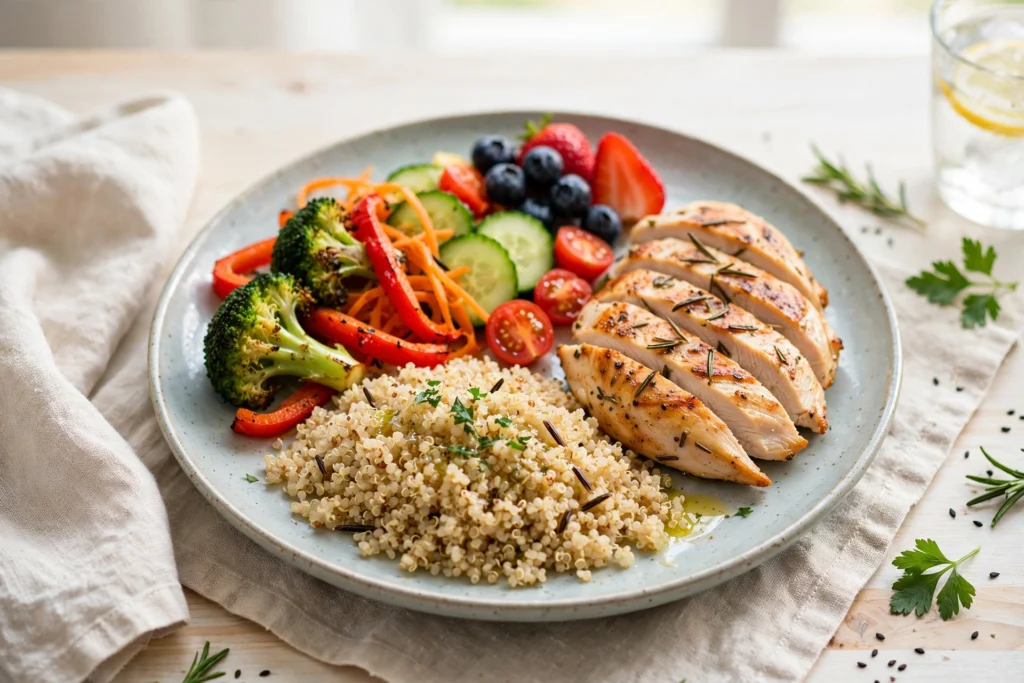
Inside your digestive tract lives one of the most complex ecosystems in the human body: the gut microbiome. Tens of trillions of bacteria, fungi, and other microorganisms live along your intestines, and the balance of this community quietly influences far more than digestion. Research increasingly links a healthy gut microbiome to stronger immunity, steadier mood, better blood sugar control, healthier skin, and even the quality of your sleep.
The good news is that you do not need expensive supplements or extreme diets to look after it. Small, consistent food and lifestyle habits — the kind that fit into a normal South Asian kitchen — can shift your gut bacteria in a healthier direction within weeks. This guide walks you through 10 science-backed ways to improve gut health naturally, starting with what is on your plate.
In this article, you will learn:
- What the gut microbiome actually does and why it matters beyond digestion
- The 10 most effective natural strategies to support gut health
- Which fermented foods, fibers, and polyphenol-rich foods feed beneficial bacteria
- The habits that silently damage your gut (and how to fix them)
- How South Asian staples like dahi, kanji, and fiber-rich sabzi fit in
What Is the Gut Microbiome, and Why Should You Care?
Your gut microbiome is the community of microorganisms — mostly bacteria — living in your large intestine. A healthy one is diverse: hundreds of bacterial species coexist, each performing different jobs. When diversity is high, the system is resilient. When it drops (a state called dysbiosis), problems tend to follow.
Here is what a well-balanced gut microbiome does for you:
- Ferments fiber into short-chain fatty acids (SCFAs). Bacteria break down the fiber you cannot digest and produce butyrate, propionate, and acetate. Butyrate in particular nourishes the cells lining your colon and helps keep the gut barrier strong.
- Trains your immune system. Around 70% of immune tissue is associated with the gut. Beneficial bacteria help the immune system distinguish friend from foe, which is one reason gut health and immunity are so closely linked. (For more on this connection, see our Gut Health Nutrition Guide.)
- Produces neurotransmitters. Roughly 90–95% of the body’s serotonin is made in the gut. This is the biological basis of the “gut-brain axis” — the constant two-way conversation between your digestive system and your brain.
- Helps regulate metabolism. Gut bacteria influence how you extract energy from food, how sensitive your cells are to insulin, and even how hungry you feel.
- Crowds out pathogens. A dense, diverse community leaves less room and fewer resources for harmful microbes to take hold.
Signs your gut may need attention: frequent bloating or gas, irregular bowel habits (constipation or diarrhea), excessive burping, undigested food in stool, persistent bad breath, food intolerances that seem to be increasing, and low energy that does not improve with rest. If you recognize several of these, the 10 steps below are a practical place to start.
Step 1: Eat 25–30 Grams of Fiber Daily From Diverse Sources
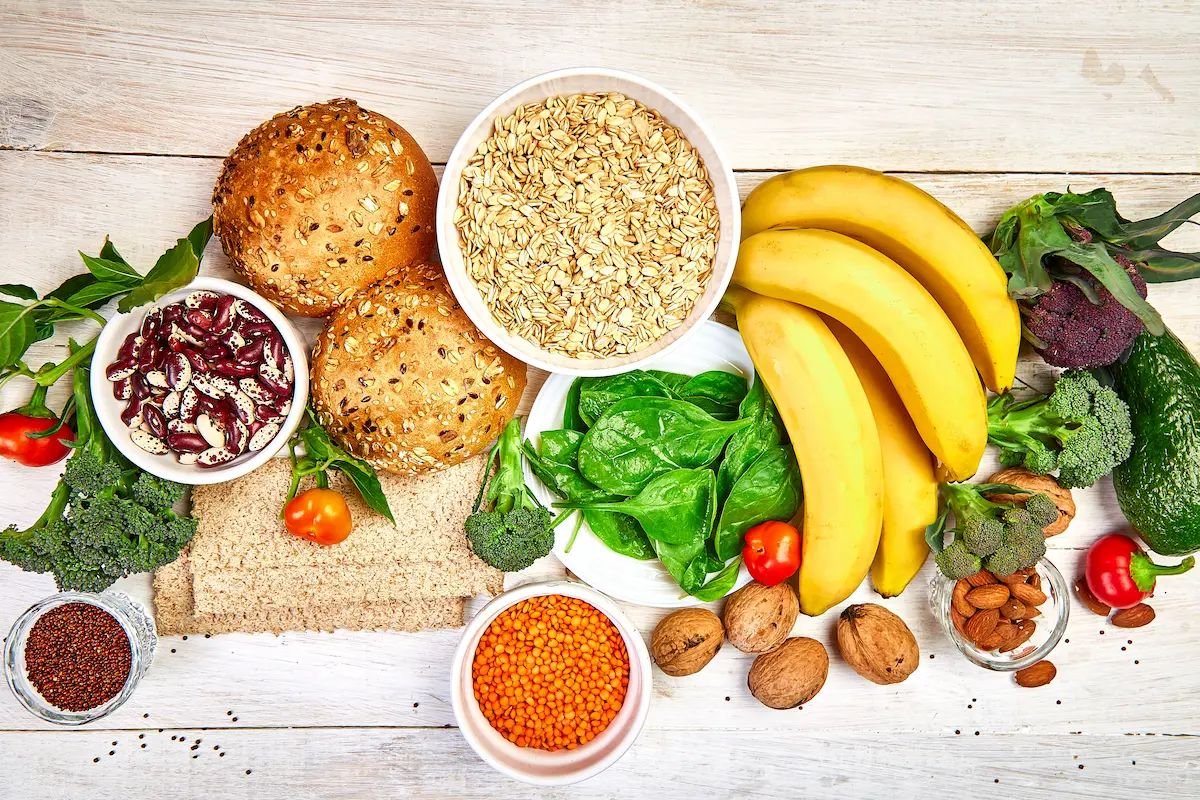
Fiber is the single most important nutrient for gut health — and the one most people under-consume. How much? Adults should aim for 25–30 grams of fiber per day. Most people in the UK, US, and Pakistan manage barely half of that.
The diversity principle matters as much as the amount. Research (including the well-known American Gut Project) found that people who ate 30 or more different plant foods per week had significantly more diverse gut microbiomes than those who ate fewer than 10. Different plants feed different bacterial species, so variety is the goal — not just volume.
High-fiber foods to rotate through your week
- Legumes: chickpeas (chana), lentils (daal — masoor, moong, arhar), kidney beans (rajma), black-eyed peas. One cup of cooked daal gives you roughly a third of your daily target.
- Whole grains: oats (daliya), brown rice, whole-wheat roti, bulgur, barley (jau), quinoa.
- Vegetables: okra (bhindi), spinach (palak), carrots, peas, sweet potatoes, cauliflower, cabbage.
- Fruits: guava, pears, apples (with skin), berries, bananas, oranges.
- Nuts and seeds: almonds, walnuts, chia seeds, flaxseeds (alsi), pumpkin seeds.
Desi tip: A classic plate of daal + sabzi + 2 whole-wheat rotis already delivers 12–18 g of fiber. Add a fruit and a handful of nuts and you are most of the way there.
Important: Increase fiber gradually — adding about 5 g every few days — and drink enough water alongside it. A sudden jump from 10 g to 30 g will cause exactly the bloating and gas you are trying to fix.
Step 2: Add Fermented Foods Daily
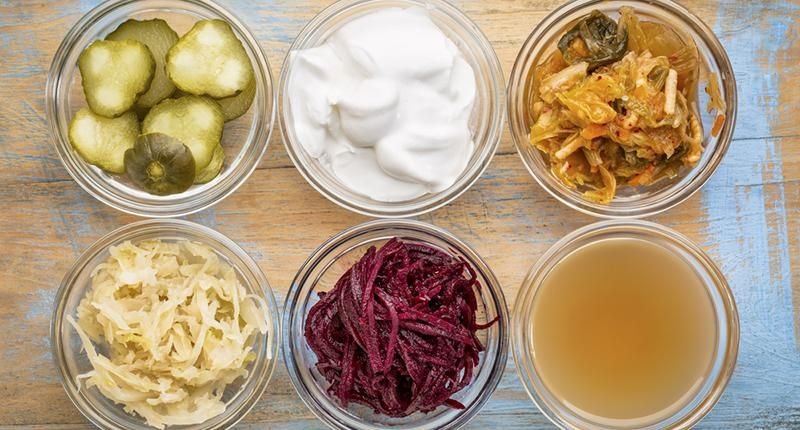
Fermented foods deliver live beneficial bacteria (probiotics) directly to your gut. Regular consumption is one of the most consistent dietary patterns linked to a more diverse microbiome.
The best fermented foods for gut health
- Dahi (plain yogurt): The most accessible probiotic in South Asian kitchens. Choose plain, unsweetened dahi with live cultures — the ingredient list should be short.
- Kefir: A fermented milk drink with a broader spectrum of bacterial strains than yogurt. Tangy and drinkable; start with a small glass.
- Kanji: The traditional North Indian fermented drink made from black carrots (or beetroot) and mustard seeds. Naturally probiotic and wonderfully sour.
- Kimchi and sauerkraut: Fermented cabbage preparations from Korea and Germany. Look for refrigerated, unpasteurized versions — shelf-stable jars are usually heat-treated, which kills the live cultures.
- Kombucha: Fermented tea. Choose low-sugar varieties; many commercial brands are essentially sweetened soda.
- Miso and tempeh: Fermented soy products that add probiotics plus protein.
- Idli and dosa batter: The overnight fermentation of rice-lentil batter produces beneficial bacteria — a traditional probiotic hiding in plain sight.
How much? Aim for one serving of a fermented food daily — a cup of dahi, a small bowl of kimchi, or a glass of kanji. Consistency matters more than quantity. For a deeper dive, read our guide to the best probiotic foods for gut health, with desi options.
Step 3: Eat Polyphenol-Rich Foods
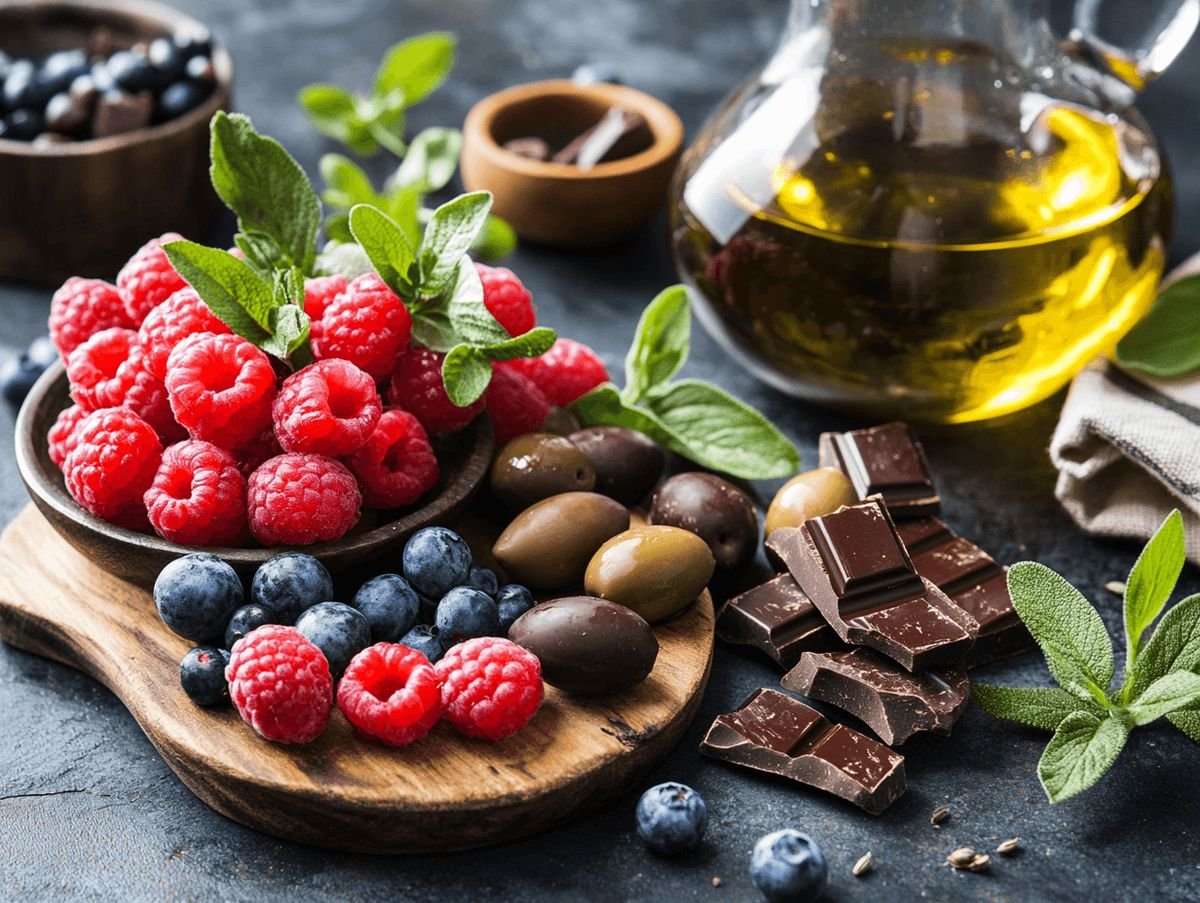
Polyphenols are plant compounds that act as prebiotics — they feed beneficial bacteria, particularly Akkermansia and Bifidobacteria strains associated with a healthy gut barrier and better metabolic health. They also act as antioxidants, protecting your cells from damage.
Top polyphenol sources
- Berries: blueberries, strawberries, blackberries, jamun (Indian blackberry).
- Green tea and black tea: 2–3 cups daily. Doodh patti counts too, though heavy sugar undoes some of the benefit.
- Dark chocolate: 70%+ cocoa, a small square or two.
- Extra virgin olive oil: Use for salads and light cooking.
- Spices: turmeric (haldi), cloves (laung), cinnamon (dalchini), and green cardamom are all polyphenol-rich. Your masala dabba is already doing good work.
- Nuts: walnuts and almonds.
- Colorful vegetables: red cabbage, beetroot, purple carrots.
The pattern is simple: eat the rainbow. The deeper and more varied the colors on your plate, the wider the range of polyphenols you are feeding your microbes.
Step 4: Cut Back on Ultra-Processed Foods and Added Sugar
Just as fiber feeds good bacteria, ultra-processed foods and excess sugar feed the wrong ones. Diets high in refined sugar, artificial sweeteners, and industrial additives are consistently linked to lower microbial diversity and a weaker gut barrier.
You do not need perfection. Focus on the biggest offenders:
- Sugary drinks: soft drinks, packaged juices, sweetened iced teas. Liquid sugar is the fastest route to dysbiosis.
- Packaged snacks: crisps, biscuits, and bakery items made with refined flour, palm oil, and emulsifiers.
- Artificial sweeteners: some (like saccharin and sucralose) have been shown to alter gut bacteria in certain studies. If you use them heavily, consider cutting back.
- Processed meats: sausages, salami, and heavily processed kebabs — high in salt, preservatives, and saturated fat.
The 80/20 approach: If 80% of your diet is whole, home-cooked food, the occasional treat will not wreck your microbiome. Guilt helps no one’s digestion.
Step 5: Manage Stress — Your Gut Feels It Too
The gut-brain axis runs both ways. Psychological stress alters gut motility, increases intestinal permeability, and shifts the microbial balance toward less favorable species. Anyone whose stomach churns before an exam or a difficult conversation has felt this connection firsthand.
Evidence-backed stress tools for gut health:
- Daily walking: Even 20–30 minutes of brisk walking calms the nervous system and improves gut motility.
- Sleep hygiene: Aim for 7–9 hours. Poor sleep disrupts the microbiome within days in some studies.
- Deep breathing or prayer/meditation: 10 minutes of slow breathing activates the vagus nerve, which directly connects brain to gut.
- Regular meal timing: Eating at consistent times supports your gut’s circadian rhythm.
You cannot eliminate stress, but you can give your nervous system regular recovery windows — and your gut will notice the difference.
Step 6: Stay Hydrated

Water keeps things moving. Adequate hydration softens stool, supports the mucosal lining of the intestines, and helps fiber do its job — fiber without water can actually worsen constipation.
Target: Roughly 8–10 glasses (2–2.5 litres) of water daily, more in hot weather or if you exercise. Herbal teas, nimbu pani (unsweetened), and coconut water all count toward your fluid intake. Keep a bottle visible on your desk; most people drink more when water is within arm’s reach.
Step 7: Move Your Body Regularly

Exercise independently improves gut microbiome diversity — even separate from diet changes. Active people consistently show richer, more diverse gut bacteria than sedentary people eating similar diets.
What works: 150 minutes of moderate activity per week (brisk walking, cycling, swimming) plus 2 sessions of strength training. And here is a gut-specific trick: a 15-minute walk after meals measurably improves digestion and blood sugar control. It is the simplest exercise prescription for gut health, and it costs nothing.
Step 8: Be Cautious With Antibiotics and NSAIDs
Antibiotics save lives, but they also carpet-bomb the microbiome — killing beneficial bacteria alongside the harmful ones. A single course can reduce microbial diversity for weeks or months.
- Never self-prescribe antibiotics. Take them only when a doctor judges them necessary, and always complete the course.
- After a course: Double down on fermented foods and diverse fiber, and consider a probiotic supplement during and after the course — ask your doctor or pharmacist which strains suit your situation.
- NSAIDs (ibuprofen, diclofenac) used frequently can irritate the gut lining. Use the lowest effective dose for the shortest time needed, and talk to your doctor if you rely on them regularly.
Step 9: Consider Probiotic and Prebiotic Supplements Wisely
Food first — always. But supplements have a place:
- Probiotics may help after antibiotics, for traveler’s diarrhea, or alongside IBS management. Look for products that list strain names (e.g., Lactobacillus rhamnosus GG), not just species, and a CFU count in the billions.
- Prebiotic supplements (inulin, partially hydrolysed guar gum) can help if your diet is low in fiber — but introduce them slowly to avoid gas.
- Be skeptical of expensive “gut reset” kits promising miracle transformations. No supplement replaces dietary patterns, and no powder can undo a diet of ultra-processed food.
Step 10: Eat Slowly and Mindfully
Digestion begins in the mouth. Chewing thoroughly mixes food with saliva enzymes and signals the stomach to prepare acid and digestive juices. Wolfing down meals does the opposite — large, poorly chewed food particles are harder to break down and more likely to ferment uncomfortably lower down.
Simple rules: chew each bite 15–20 times, put your spoon down between bites, avoid screens at meals when possible, and stop at about 80% fullness. This one habit improves digestion, portion control, and meal satisfaction all at once.
Gut-Health Foods at a Glance
Use this table as a quick shopping reference — aim to include something from each row every week:
| Food group | Best choices | How it helps your gut |
|---|---|---|
| Fermented foods | Dahi, kefir, kanji, kimchi, idli/dosa | Deliver live beneficial bacteria directly |
| High-fiber legumes | Masoor, moong, chana, rajma | Feed bacteria that produce protective SCFAs |
| Whole grains | Oats, barley (jau), brown rice, whole-wheat roti | Steady fermentable fiber for microbial diversity |
| Polyphenol-rich plants | Berries, jamun, green tea, turmeric, dark chocolate | Act as prebiotics for Akkermansia and Bifidobacteria |
| Colorful vegetables | Palak, bhindi, carrots, beetroot, red cabbage | Fiber plus antioxidants for the gut barrier |
| Healthy fats | Olive oil, walnuts, almonds, flaxseeds | Support a healthy gut lining |
Sample Gut-Friendly South Asian Day
Here is what the 10 steps look like on a real plate — no exotic ingredients required:
- Breakfast: Oats (daliya) porridge with sliced banana, a spoon of dahi, and a sprinkle of flaxseeds — fiber, probiotics, and prebiotics in one bowl.
- Mid-morning: A guava or an apple with skin, plus a small handful of walnuts.
- Lunch: 2 whole-wheat rotis + masoor daal + palak sabzi + a small katori of plain dahi. This classic combination covers fiber, fermented food, and polyphenols together.
- Evening: A glass of kanji or green tea with roasted chana.
- Dinner: Grilled chicken or rajma with brown rice and a big mixed salad (carrots, cabbage, beetroot) dressed with olive oil and lemon.
- After dinner: A 15-minute walk, then wind down for 7–9 hours of sleep.
Notice the pattern: fiber at every meal, one fermented food daily, colors on the plate, water through the day, and movement after eating. That is the whole strategy in action.
How Long Until You See Results?
Gut bacteria respond to dietary change within days — studies show measurable shifts in 3–4 days of a changed diet. But meaningful, stable improvements take 4–8 weeks of consistency. Bloating often improves first (2–3 weeks); bowel regularity follows; energy and skin changes come later.
Track it simply: Note your bloating (1–10), stool regularity, and energy weekly. Trends matter more than any single day. If nothing improves after 6–8 consistent weeks, that is useful information to bring to a professional — consider booking an online nutrition consultation for a personalized plan.
When to See a Doctor
Natural strategies handle most functional gut complaints — but see a doctor promptly if you notice:
- Blood in your stool or black, tarry stools
- Unexplained weight loss
- Persistent vomiting or difficulty swallowing
- Severe or worsening abdominal pain
- Digestive symptoms that do not improve after several weeks of consistent dietary changes
These can signal conditions that diet alone cannot address. As always, this article is educational and is not a substitute for medical advice — please read our Health Disclaimer.
Frequently Asked Questions
How can I improve my gut health naturally without supplements?
Focus on the big four: 25–30 g of daily fiber from diverse plant foods, one fermented food daily (like dahi or kanji), polyphenol-rich colorful plants, and 2–2.5 litres of water. Add daily walking and 7–9 hours of sleep, and you have covered the strategies with the strongest evidence — no pills required.
What are the signs of an unhealthy gut?
Common signs include frequent bloating and gas, constipation or diarrhea, excessive burping, undigested food in stool, increasing food intolerances, persistent bad breath, and low energy. One occasional symptom means little; a persistent pattern deserves attention.
Are bananas good for gut health?
Yes. Bananas provide prebiotic fiber (including fructooligosaccharides) that feeds beneficial bacteria. Slightly green bananas contain more resistant starch, which is especially good fuel for butyrate-producing bacteria.
Does dahi really help gut health?
Yes — plain dahi with live cultures is one of the best natural probiotic foods available. It delivers Lactobacillus and Streptococcus thermophilus strains that support digestion and immune function. Choose unsweetened dahi; flavoured commercial varieties often contain enough sugar to cancel out the benefit.
Can stress really affect my gut?
Absolutely. The gut-brain axis is a real, well-documented two-way communication system. Stress hormones change gut motility and permeability, and an irritated gut sends distress signals back to the brain. Managing stress is genuinely a gut-health intervention.
What is the fastest way to improve gut health naturally?
There is no overnight fix, but the quickest wins are: add one fermented food daily, hit 25–30 g of fiber, cut sugary drinks, and walk after meals. Measurable bacterial shifts can appear within days, though stable, noticeable improvements take 4–8 weeks of consistency.
How do I know if I am getting enough fiber?
Track your intake for a few days against the 25–30 g target — most people are surprised how far short they fall. Practical signs of too little fiber include hard stools, straining, and feeling hungry soon after meals. The daal + sabzi + 2 roti plate (12–18 g) plus a fruit and a handful of nuts gets you most of the way there.
The Bottom Line
Improving gut health naturally is not about a single superfood or a 7-day cleanse. It is about a pattern: diverse fiber, daily fermented foods, polyphenol-rich plants, enough water, regular movement, managed stress, and mindful eating. Start with two or three steps, build consistency over weeks, and let the compound effect do the work.
If digestive symptoms persist despite 6–8 weeks of these changes, or if you notice any red-flag symptoms, talk to your doctor — and consider a personalized gut-health plan from a qualified nutritionist.
Keep Reading
- Gut Health Nutrition Guide — our complete pillar page on digestive wellness
- 12 Best Probiotic Foods for Gut Health (With Desi Options)
- Health Disclaimer — how to use the health information on this site
References and Further Reading
- WHO Healthy Diet Fact Sheet — global guidance on fiber, fruits, vegetables, and healthy eating patterns
Book an Appointment — Get a personalized gut-health plan from a UK-registered nutritionist, online from anywhere in the world.
Common Gut-Health Mistakes That Undo Your Progress
Even with the best intentions, a few common mistakes can stall your progress. Watch out for these:
- Adding too much fiber too fast. Jumping from 10 g to 30 g overnight causes gas, bloating, and cramps — and convinces people fiber “doesn’t suit them.” Add about 5 g every few days and let your microbes adjust.
- Choosing sugary “probiotic” drinks. Many commercial kombuchas, flavored kefirs, and probiotic shots contain 15–25 g of sugar per serving. The sugar feeds the very bacteria you are trying to crowd out. Read the label; plain is almost always better.
- Treating antibiotics casually. Pressuring a doctor for antibiotics “just in case,” or stopping a course early because you feel better, both harm your microbiome — the first unnecessarily, the second by encouraging resistant bacteria. Use them exactly as prescribed, and rebuild with fermented foods and fiber afterward.
- Ignoring sleep. People overhaul their diet but stay up late scrolling. Poor sleep disrupts microbial rhythms within days. The 7–9 hour target is not optional garnish — it is a core gut-health strategy.
- Forgetting water when you increase fiber. Fiber absorbs water as it moves through the gut. More fiber with too little fluid can worsen constipation — the opposite of what you want. Every fiber increase should come with an extra glass or two of water.
- Chasing a single “superfood.” No amount of chia seeds compensates for a diet otherwise full of ultra-processed food. Gut health comes from the overall pattern — diversity across many plant foods — not from any one ingredient, however trendy.
- Expecting overnight results. Giving up after 10 days because bloating hasn’t vanished is the most common reason gut-health efforts “fail.” Bacterial shifts start in days, but stable, noticeable change needs 4–8 weeks. Commit to the timeline before you judge the outcome.
More Gut-Health Questions, Answered
Should I try a juice cleanse to “reset” my gut?
No. Juice cleanses strip out the fiber — the very thing your gut bacteria need — while delivering a flood of fructose. Your liver and kidneys already handle detoxification around the clock. A month of the 10 steps in this article does far more for your gut than any cleanse.
Is skipping breakfast bad for gut health?
Not necessarily. What matters more is regularity — eating at consistent times supports your gut’s circadian rhythm. Whether you eat breakfast at 8 a.m. or break your fast at noon, keep meal timing predictable, include fiber at each meal, and avoid late-night heavy eating, which disrupts both sleep and digestion.
Can children follow these gut-health steps?
Most of them, yes — fiber from fruits, vegetables, and whole grains, daily dahi, water instead of sugary drinks, regular sleep, and active play all support children’s gut health too. Adjust portions to the child’s age, and talk to a pediatrician before giving probiotic supplements to children.
Do I need to give up dairy for gut health?
Only if you are lactose intolerant or sensitive to it. For everyone else, plain dahi and kefir are among the best gut-health foods available. If dairy doesn’t suit you, get your fermented foods from kanji, kimchi, sauerkraut, idli/dosa, miso, or kombucha instead.
How does gut health connect to immunity?
Around 70% of your immune tissue sits in and around the gut, and your microbes constantly “train” immune cells to tell friend from foe. A diverse, fiber-fed microbiome supports a balanced immune response, while dysbiosis is linked to inappropriate immune activation. This is why the same habits — diverse plants, fermented foods, sleep, stress management — show up in both gut-health and immunity guidance. For a deeper look, see our Gut Health Nutrition Guide.
The path forward is simple: pick two or three steps from this guide, practice them daily for a month, then add more. Your gut microbiome is remarkably responsive — give it the right fuel, and it will respond. And if you want help turning these steps into a plan built around your kitchen, your routine, and your health conditions, book an appointment with our nutrition team.