

Gut Health Nutrition: The Complete Guide to a Healthy Gut
Bloating after meals, unpredictable bowel habits, heaviness after eating, and that sluggish feeling that lingers all afternoon — most of us know these complaints well. Gut health nutrition is the science and practice of feeding your digestive system so it does its job properly: breaking food down efficiently, absorbing nutrients, keeping bowel movements regular, and supporting the trillions of microbes that live in your intestines. When your gut is looked after, you usually notice the difference in your energy, your skin, and even your mood.
This page is the central hub for our gut health nutrition articles. Below you will find the essentials — how the digestive system works, the nutrients and foods that support it, the habits that disturb it, and a practical desi framework you can start using today — plus links to our six in-depth guides, each covering one topic in full detail. Read this page for the big picture, then explore whichever guide matches your own concern.
What Is Gut Health, in Simple Terms?
Your gut is the long tube running from your mouth to the other end, with the stomach and intestines doing most of the digestive work. “Gut health” describes how well this whole system functions: whether food moves through at a healthy pace, whether nutrients are absorbed, whether the gut lining stays intact, and whether the community of bacteria, fungi, and other microbes in your large intestine — the gut microbiome — stays balanced.
When the system is working, digestion is quiet and comfortable: you feel hungry at mealtimes, satisfied afterwards, and your bowel habits are regular. When it is not, you get the familiar signals — gas, bloating, acidity, constipation, diarrhoea, or an uncomfortable fullness that arrives too quickly. Gut health nutrition is simply the set of eating habits that keeps this system running smoothly, using ordinary foods rather than expensive supplements or extreme diets.
The Key Players in Gut Health Nutrition
Five things matter most for your gut, and all of them come from food and drink:
- Fiber. The part of plant foods your body cannot digest. It feeds your gut bacteria, adds bulk to the stool, and keeps things moving. Most Pakistani diets get some fiber from roti and vegetables, but often not enough variety or quantity.
- Probiotics. Live beneficial bacteria found in fermented foods. Dahi is the most familiar example in our kitchens; lassi, kanji, and traditionally fermented pickles can contribute too.
- Prebiotics. The special fibers that feed probiotics. Onions, garlic, bananas, oats, and legumes are all good sources — many of them already sit in a typical desi pantry.
- Water. Fiber cannot do its job without fluid. Increasing fiber while drinking too little water is one of the commonest reasons people feel more bloated, not less.
- Polyphenols. Plant compounds in colourful fruits, vegetables, green tea, and spices that support a diverse microbiome. Eating a variety of colours across the week matters more than any single “superfood”.
Gut health nutrition works best when all five are present together. A diet heavy on probiotics but low on fiber, for example, gives the good bacteria nothing to feed on — which is why the framework below treats them as a package.
Fiber: The Foundation of Gut Health Nutrition
Fiber comes in two broad types, and your gut needs both. Soluble fiber (oats, barley, apples, beans, ispaghol) forms a gentle gel in the intestines that softens the stool and feeds beneficial bacteria. Insoluble fiber (whole wheat bran, vegetable skins, the roughage in leafy greens) adds bulk and helps food keep moving. Most traditional desi meals contain both, but refining has quietly reduced them: white flour instead of whole wheat, peeled vegetables, fruit juice instead of whole fruit.
The practical rule is to add fiber gradually, not suddenly. A sudden jump — say, a large bowl of bran on day one — often causes gas and cramping, which convinces people that “fiber does not suit me.” Instead, add one new fiber source every few days: switch one roti to whole wheat, add a handful of chana to your salad, keep the skin on your potatoes, or start the day with oats twice a week. Give your gut bacteria time to adjust, and keep your water intake up alongside. Our dedicated guide, 15 Best High-Fibre Foods for Constipation Relief (Desi Guide), lists the best local options in detail.
Probiotics and Fermented Foods for a Healthy Gut
Fermented foods are one of the oldest forms of gut health nutrition, and South Asian kitchens have used them for generations. A bowl of fresh dahi with lunch is the simplest daily probiotic habit you can build. Homemade dahi made from boiled, cooled milk and a spoonful of starter culture is ideal; commercial cups work too, though plain varieties are better than heavily sweetened ones. Buttermilk-style lassi (salted, not the sugary restaurant kind), kanji made from black carrots in winter, and traditionally fermented vegetable pickles also contribute beneficial bacteria.
A few practical notes: heat kills live cultures, so stir dahi into food after cooking rather than cooking it in. Eat fermented foods regularly rather than in large occasional doses — the benefit comes from consistency. And if dairy does not suit you, that is fine; fiber, prebiotics, and the rest of the framework still support your microbiome without a single spoonful of dahi. For a full tour of options, see 12 Best Probiotic Foods for Gut Health (With Desi Options).
Foods and Habits That Calm Bloating and Gas
Bloating is the gut complaint we hear about most, and it often has more to do with habits than with any single food. Eating quickly and swallowing air, drinking through straws, talking while eating, very large portions, and carbonated drinks all add gas to the system. Certain foods are common triggers — beans and lentils (especially in large portions), cabbage and cauliflower, onions, and very fatty fried foods — but they are also nutritious foods, so the goal is management, not elimination.
Traditional desi wisdom already contains good answers: adrak (ginger) tea after heavy meals, ajwain (carom seeds) chewed after eating, and saunf (fennel seeds) as a mouth freshener all have a genuine carminative effect — they help the gut move gas along. Soaking beans and lentils before cooking, rinsing canned legumes, and starting with small portions reduce their gassy effect. Peppermint tea can soothe cramping for some people. If bloating is severe, sudden, or comes with weight loss or blood in the stool, see a doctor rather than self-managing. For immediate, practical relief strategies, our guide How to Get Rid of Bloating Fast: 12 Remedies That Work walks through twelve of them step by step.
What to Eat Day to Day: A Practical Gut Health Framework
You do not need a complicated diet plan for gut health nutrition — you need a repeatable daily pattern. Here is one built around ordinary Pakistani meals:
- Nashta (breakfast): Oats porridge with banana and a spoon of ground flaxseed, or whole wheat roti with an egg and a small bowl of dahi. Include one fermented food or one high-fiber food every morning.
- Mid-morning: A piece of whole fruit — guava, apple, pear, or papaya — with the skin where edible, plus a glass of water.
- Lunch: Your usual salan, but with one whole wheat roti instead of two white ones, a generous portion of sabzi, a side salad (kheera, tamatar, pyaaz), and a small bowl of dahi or raita.
- Evening: A handful of roasted chana or peanuts instead of fried nimko, with green tea or ginger tea.
- Dinner: Lighter than lunch — daal with vegetables and one roti, or khichdi with dahi. Finish eating at least two hours before sleep so digestion is not competing with rest.
Across the day: eight or more glasses of water, vegetables in at least two meals, and a genuine variety of plant foods across the week — aim for twenty or more different plant foods weekly, counting fruits, vegetables, legumes, whole grains, nuts, seeds, herbs, and spices. That variety is what feeds a diverse microbiome.
The Gut-Brain Connection: Why Your Mood Lives in Your Gut
The gut and the brain talk to each other constantly through nerves, hormones, and immune signals — the vagus nerve is the most famous channel, but the microbiome’s own chemical messages matter too. This is why exam stress or anxiety so often shows up as stomach upset, and why chronic gut discomfort can drag your mood down. It also means gut health nutrition is partly mental health nutrition: regular meals, enough sleep, and stress management all show up in digestion.
Practically, this means two things. First, eat calmly — sit down, slow down, and chew properly, because stress eating and rushed meals directly worsen bloating and acidity. Second, if you live with persistent anxiety or low mood alongside gut symptoms, address both together rather than treating the stomach in isolation. Our guide Gut-Brain Connection Diet: How What You Eat Shapes Your Mental Health explores this link in depth, including which foods support it from both ends.
When the Gut Needs More Than Nutrition: IBS and Persistent Symptoms
For some people, gut symptoms persist despite good eating habits — cramping, altered bowel habits, and bloating that follows a pattern. Irritable bowel syndrome (IBS) is one common cause, and it responds to structured dietary approaches rather than generic “healthy eating.” Identifying personal trigger foods, adjusting fiber types, and sometimes following a guided elimination approach can make a real difference — but these steps work best with professional guidance, not guesswork.
If you recognize your own symptoms in that description, start with our complete food guide: IBS Diet: What to Eat and Avoid (Complete Food Guide). And if you want the broader lifestyle picture — sleep, movement, stress, and eating patterns together — read How to Improve Gut Health Naturally: 10 Science-Backed Ways.
Explore All Our Gut Health Nutrition Guides
Each guide below goes deep on one part of gut health nutrition. Start with whichever matches your concern:
- How to Improve Gut Health Naturally: 10 Science-Backed Ways — the big-picture lifestyle guide.
- 12 Best Probiotic Foods for Gut Health (With Desi Options) — fermented foods and live cultures.
- 15 Best High-Fibre Foods for Constipation Relief (Desi Guide) — fiber sources and how to use them.
- How to Get Rid of Bloating Fast: 12 Remedies That Work — immediate bloating relief.
- IBS Diet: What to Eat and Avoid (Complete Food Guide) — eating with irritable bowel syndrome.
- Gut-Brain Connection Diet: How What You Eat Shapes Your Mental Health — the gut-mood link.
Gut Health Nutrition FAQs
How long does it take to improve gut health through diet?
Most people notice less bloating and more regular bowel habits within two to four weeks of consistent changes — more fiber, daily fermented foods, enough water, and calmer meals. Deeper shifts in the microbiome take longer, typically a few months. Consistency matters far more than perfection.
Do I need probiotic supplements for gut health nutrition?
For most healthy people, no. Daily fermented foods like dahi, plus plenty of fiber and prebiotics, support the microbiome well. Supplements have specific uses — for example, alongside or after certain antibiotic courses — and those are best decided with a doctor or dietitian, not by self-prescribing from advertisements.
Why does fiber make my bloating worse at first?
Usually because it was increased too fast, or without enough water. Gut bacteria ferment the extra fiber and produce gas until they adjust. Increase gradually, drink more water, and the discomfort typically settles within a week or two. If it does not, check the IBS guide above — fiber type matters.
Is dahi enough as a probiotic, or do I need special products?
Fresh, traditionally made dahi is a genuinely good daily probiotic source and suits most people. Specialized probiotic products are not necessary for general gut health nutrition, though some people with specific conditions benefit from particular strains under professional guidance.
The Bottom Line on Gut Health Nutrition
Gut health nutrition is not a cleanse, a detox tea, or a thirty-day challenge. It is a daily pattern: plenty of varied plant fiber, a fermented food most days, enough water, calm regular meals, and attention to the gut-brain link. Build it from foods already in your kitchen — dahi, daal, sabzi, whole wheat, fruit, ginger, ajwain — and give the changes a few consistent weeks. Use the six guides above whenever you need depth on a specific problem, and come back to this page whenever you need the overview.
For a global overview of healthy eating principles that underpin everything on this page, the World Health Organization’s healthy diet fact sheet is a useful, trustworthy reference.
This page is for general education only and is not medical advice. Digestive symptoms can have many causes, and persistent or severe symptoms deserve professional evaluation. Please read our Health Disclaimer and talk to a qualified healthcare professional about your own situation.
Gut Health Nutrition in Pictures: Explore the Guides
Prefer to browse visually? Each picture below opens one of the in-depth gut health guides in this cluster — from calming IBS symptoms to feeding your gut bacteria properly.

The 12 best probiotic foods for gut health, with desi options like dahi, lassi, and kanji.
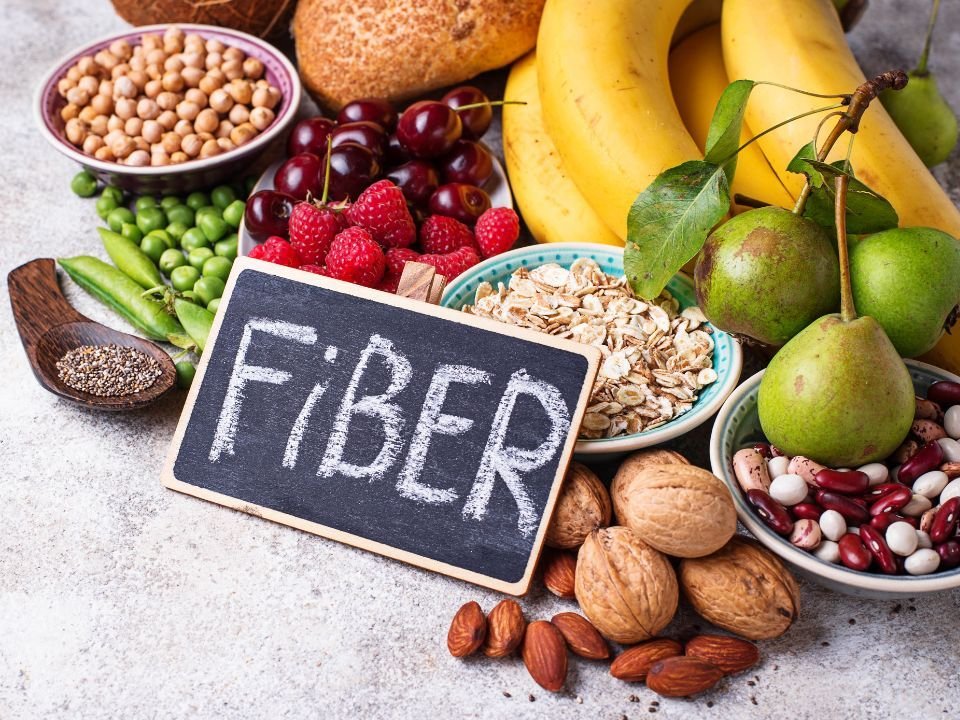
Fifteen high-fiber foods that relieve constipation — a desi guide to getting things moving.

Twelve remedies that work when bloating strikes — quick, practical, and food-based.
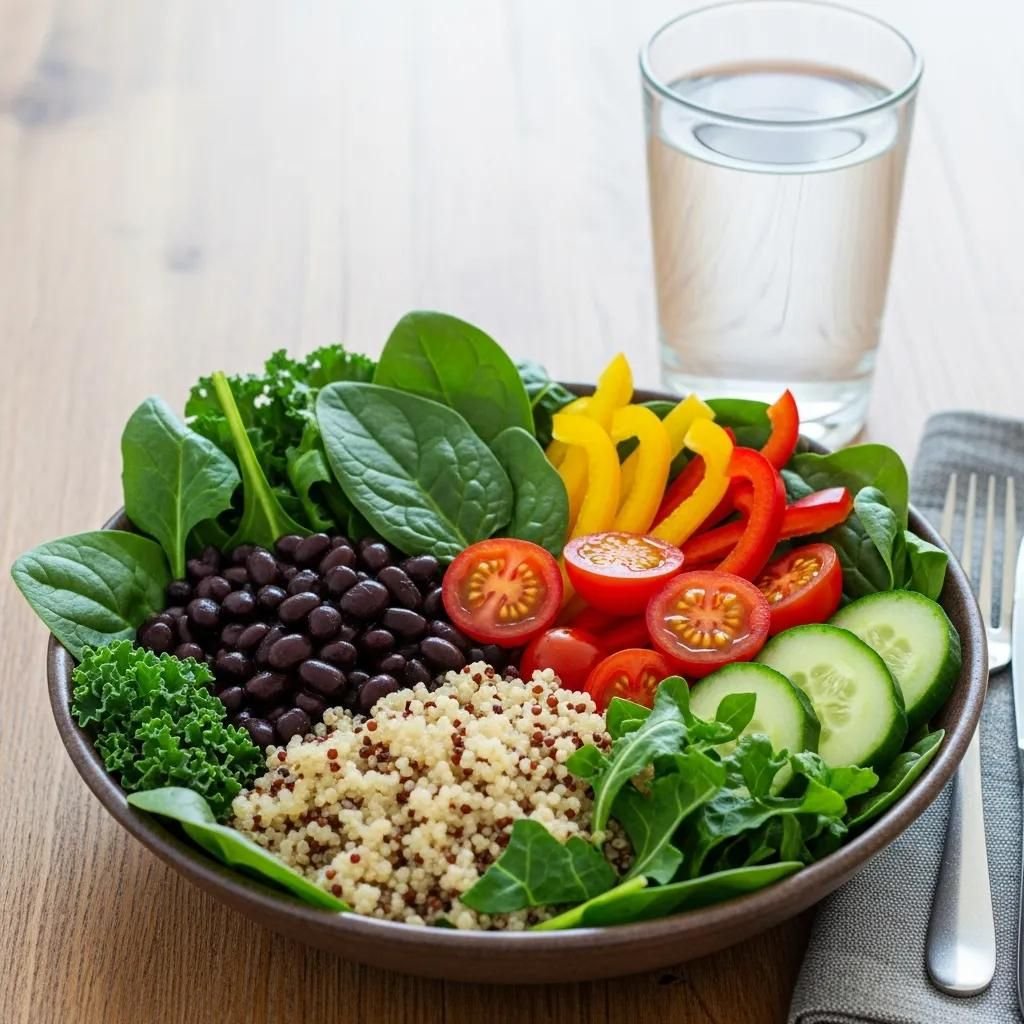
The complete IBS diet food guide: what to eat, what to avoid, and how to build calm meals.

How what you eat shapes your mental health — the gut-brain connection, explained.