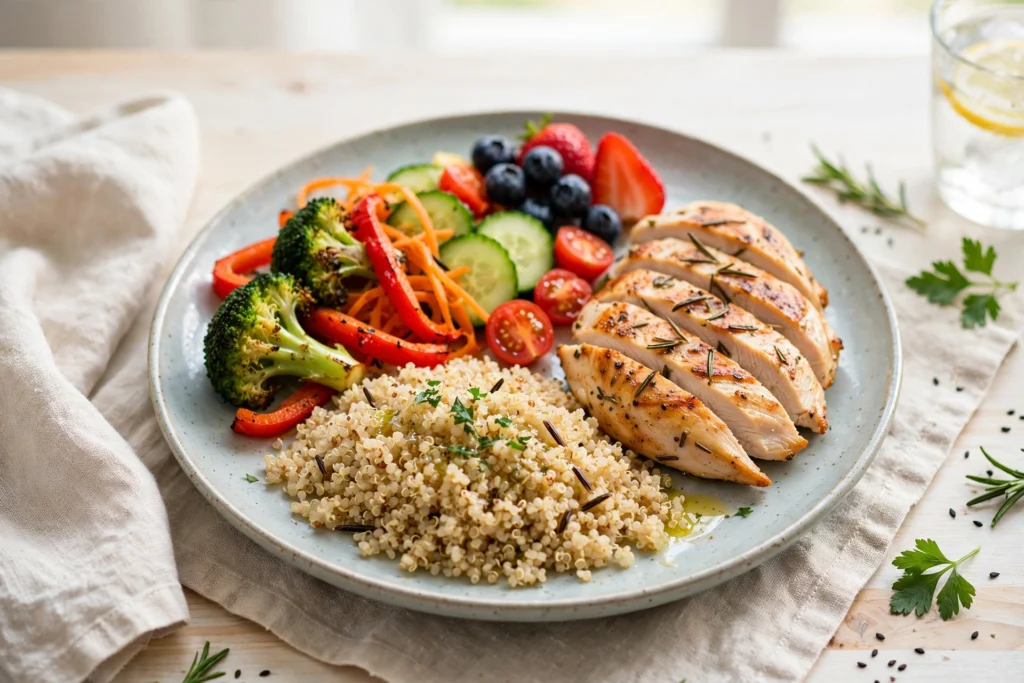
It is 11 pm. Dinner was hours ago. Your stomach is growling, and the kitchen is calling. You know that demolishing a packet of biscuits or ordering fries will wreck your diet — but going to bed hungry feels miserable.
Here is the truth most diet plans will not tell you: eating at night does not automatically cause weight gain. What matters is what you eat and how much. A planned bowl of Greek yoghurt will not undo your progress; an unplanned family-size bag of chips might.
This guide gives you 15 genuinely healthy late-night snacks — all under 200 calories, high in protein or fibre, and gentle on your sleep — plus the science of night eating, the snacks to avoid, and simple rules that keep late-night hunger from derailing your weight loss.
In This Guide You’ll Learn
- Why you get hungry at night even after a full dinner
- Whether eating at night really causes weight gain (the science)
- What makes a good late-night snack for weight loss
- 15 healthy late-night snacks, all under 200 calories
- A quick comparison table of every snack’s calories and protein
- 5 night snacks to avoid completely
- Smart night-snacking rules and a 7-day planned snack week
- Answers to the most common late-night eating questions
Why We Get Hungry at Night (Even After Dinner)
Night hunger is rarely a character flaw. It usually has a clear cause:
- Dinner was too small or too low in protein. A light salad with no protein leaves you genuinely hungry three hours later. Protein is the most filling nutrient — a dinner without it sets you up for a raid on the kitchen.
- You are dehydrated. Thirst often disguises itself as hunger, especially in the evening. A large glass of water first can cut the craving in half.
- Habit, not hunger. If you always snack while watching TV, your brain starts expecting food the moment the show starts. The craving is a cue, not a calorie deficit.
- Poor sleep the night before. Short sleep raises the hunger hormone ghrelin and lowers the fullness hormone leptin, so the next evening you feel hungrier than you should.
- You undereat during the day. Skipping meals to “save calories” backfires: by 11 pm your willpower is gone and your body is demanding payback.
The fix for most people is not heroic discipline — it is a better dinner (protein plus fibre plus vegetables) and one planned healthy late-night snack instead of a fight against hunger.
The Science: Does Eating at Night Cause Weight Gain?
The idea that “eating after 8 pm turns to fat” is a myth. Your body does not have a clock that converts food to fat at a fixed hour. What the research actually shows is more nuanced.
However, night eating tends to cause problems for three real reasons:
- Poor choices: At night, willpower is depleted. People reach for chips, ice cream, and biscuits — not carrot sticks.
- Mindless eating: Snacking in front of the TV or phone leads to eating 2–3 times more than planned, because you never register the portion.
- Already-full calorie budget: If you have eaten your full day’s calories, any extra snack — even a “healthy” one — becomes a surplus.
The solution is not to white-knuckle through hunger. It is to have planned, portion-controlled, nutritious healthy late-night snacks ready, and to keep your daytime eating adequate so the night craving stays manageable.
One caveat: eating a large, heavy meal right before bed can disrupt sleep (acid reflux, restlessness), and poor sleep makes weight loss harder the next day. That is why every snack in this guide is light and easy to digest.
What Makes a Good Late-Night Snack?
The ideal night snack has three qualities:
- Protein or fibre (or both) — to keep you full until morning
- Under 200 calories — so it does not blow your daily budget
- Easy to digest — nothing too heavy, greasy, or spicy
Bonus points if it contains tryptophan (an amino acid that helps produce melatonin, the sleep hormone) or magnesium (which helps muscles relax). Milk, bananas, oats, and nuts all qualify — which is why they dominate the list below.
One more rule: pre-portion everything. A healthy snack stops being healthy when the portion triples. Measure it, bowl it, and put the packet away before you start eating.
15 Healthy Late-Night Snacks (All Under 200 Calories)

Every snack below includes its approximate calories and a practical tip. Pick the ones that fit your taste and your kitchen.
1. Warm Turmeric Milk (Haldi Doodh) — 120 calories

A South Asian classic for good reason. Warm milk contains tryptophan and calcium, both linked to better sleep. Turmeric adds anti-inflammatory curcumin.
How to make it: Heat 200 ml low-fat milk, stir in 1/4 teaspoon turmeric, a pinch of black pepper (boosts curcumin absorption by 2000%), and optionally a tiny bit of honey. No sugar needed.
2. Greek Yoghurt With Berries — 150 calories
Greek yoghurt packs 15–20 g of protein per serving — more than enough to keep hunger away until morning. Berries add fibre, antioxidants, and natural sweetness without many calories.
Portion: 150 g plain Greek yoghurt + a small handful of mixed berries. Avoid flavoured yoghurts, which contain 15–20 g of added sugar.
3. Boiled Eggs (2) — 140 calories

Two boiled eggs deliver 12 g of high-quality protein and healthy fats that keep you satisfied for hours. They are also one of the cheapest protein sources available.
Tip: Boil a few at the start of the week and keep them in the fridge. Sprinkle with salt, pepper, or chaat masala.
4. Roasted Makhana (Fox Nuts) — 120 calories
Makhana is a fantastic desi superfood for night snacking. It is light, crunchy, low in calories, and surprisingly filling for its weight.
How to make it: Dry-roast 30 g makhana in a pan for 3–4 minutes, toss with a tiny bit of ghee or olive oil and salt. Avoid: commercially flavoured makhana packets, which are loaded with sodium and artificial flavouring.
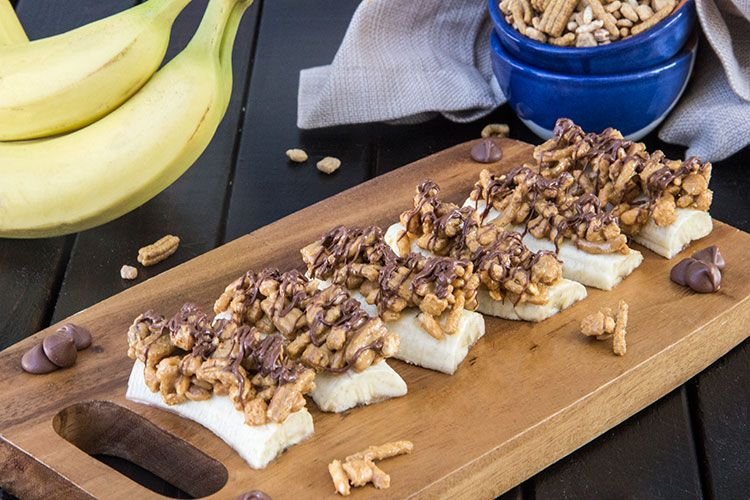
5. Small Banana With Peanut Butter — 180 calories
This combination is almost designed for night snacking. Bananas provide magnesium and tryptophan (sleep-friendly nutrients), while peanut butter adds protein and healthy fats that slow digestion.
Portion control is critical: one small banana + exactly 1 tablespoon of natural peanut butter. Two tablespoons doubles the calories and turns a snack into a meal.
6. Vegetable Soup — 80–100 calories
A warm bowl of clear vegetable or chicken soup is comforting, hydrating, and very low in calories. The volume of liquid fills your stomach quickly, which is half the battle at night.
Quick version: Boil mixed vegetables (carrots, beans, spinach, tomatoes) in water with salt, pepper, and a squeeze of lemon. Avoid cream-based soups, which triple the calories.
7. Cottage Cheese (Paneer) Cubes — 150 calories
100 g of low-fat paneer provides 18 g of protein. Cut it into cubes, toss with chaat masala and cucumber for a savoury, satisfying snack that feels like real food.
Lighter option: Use tofu instead for fewer calories with similar protein.
8. Oatmeal (Small Bowl) — 150 calories

Oats are rich in melatonin and complex carbs that promote sleepiness. A small bowl of oatmeal is warm, comforting, and genuinely filling.
How to make it: 30 g oats cooked in water or low-fat milk. Top with cinnamon (no sugar) or a few sliced almonds. Instant flavoured oat sachets are a trap — they contain 12 g of added sugar.
9. Handful of Almonds (15 pieces) — 105 calories
Almonds are one of the best-studied snacks for weight loss. They provide protein, fibre, healthy fats, and vitamin E. Research shows almond snackers feel fuller and eat less at subsequent meals.
The rule: count out 15 almonds. Do not eat from the bag — you will easily eat 40+ (280 calories) without noticing.
10. Cucumber and Hummus — 120 calories
Crunchy, refreshing, and satisfying. Cucumber is 96% water (virtually zero calories), and 3 tablespoons of hummus provide protein, fibre, and healthy fats.
Make it desi: use mint chutney thinned with dahi instead of hummus for a lower-calorie dip.
11. Apple Slices With Cinnamon — 95 calories
An apple’s fibre (especially pectin) slows digestion and keeps you full. Cinnamon adds flavour and may help stabilise blood sugar overnight.
Tip: Slice the apple — it takes longer to eat, giving your brain time to register fullness.
12. Boiled Chickpeas (Chana Chaat) — 160 calories
Half a cup of boiled chickpeas tossed with onion, tomato, lemon juice, and chaat masala. High in protein and fibre, and it actually tastes like a proper snack, not diet food.
Meal-prep tip: Boil a large batch on Sunday and refrigerate in portions for the week.
13. Low-Fat Milk With a Date — 130 calories
200 ml low-fat warm milk + 1 Medjool date. The milk provides tryptophan for sleep; the date satisfies the sweet craving that drives most night snacking.
Why it works: many night cravings are actually for something sweet and comforting. This delivers both without opening the biscuit tin.
14. Edamame (Lightly Salted) — 120 calories
One cup of edamame (shelled) provides 11 g of protein and 8 g of fibre — an exceptional snack profile. Popping the beans out of the pods also slows you down, which prevents overeating.
Find them: frozen edamame is available in most supermarkets. Microwave for 3 minutes, sprinkle with salt.
15. Chamomile or Herbal Tea + 2 Dates — 70 calories
Sometimes you are not truly hungry — you just want something warm and comforting. Chamomile tea promotes relaxation, and two dates give you a touch of sweetness.
This is your lowest-calorie option for nights when you have already hit your calorie target but still want something.
All 15 Healthy Late-Night Snacks: Quick Comparison
Use this table to pick your snack in seconds:
| Snack | Calories | Protein (approx.) | Why it works at night |
|---|---|---|---|
| Warm turmeric milk | 120 | 7 g | Tryptophan + calcium for sleep |
| Greek yoghurt with berries | 150 | 15–20 g | Highest protein; very filling |
| Boiled eggs (2) | 140 | 12 g | Cheap, portable, satisfying |
| Roasted makhana | 120 | 3 g | Crunchy, light, desi-friendly |
| Banana + peanut butter | 180 | 6 g | Magnesium + tryptophan for sleep |
| Vegetable soup | 80–100 | 3 g | Volume fills you up fast |
| Paneer cubes | 150 | 18 g | Very high protein; savoury |
| Oatmeal (small bowl) | 150 | 5 g | Melatonin + fibre; comforting |
| Almonds (15) | 105 | 4 g | Protein + healthy fats |
| Cucumber and hummus | 120 | 4 g | Crunchy, hydrating, low effort |
| Apple slices + cinnamon | 95 | 0.5 g | Fibre slows digestion |
| Boiled chickpeas (chaat) | 160 | 8 g | Protein + fibre; tastes like real food |
| Warm milk + 1 date | 130 | 7 g | Sweet craving fix + sleep support |
| Edamame | 120 | 11 g | Protein + fibre; slows eating |
| Chamomile tea + 2 dates | 70 | 1 g | Lowest calories; comfort without food |
5 Night Snacks to AVOID
These are the usual culprits that destroy progress:
- Chips and namkeen — a “small” packet is 300+ calories of pure refined carbs and oil. The salt makes you thirsty, you drink less water at night, and you wake up bloated.
- Ice cream — even a modest bowl is 300–500 calories of sugar and fat. The combination is engineered to be impossible to stop eating.
- Biscuits and cookies — 4–5 biscuits = 200+ calories with zero satiety. You will be hungry again in 30 minutes because there is no protein or fibre.
- Instant noodles — 350+ calories of refined flour, sodium, and palm oil. Nutritionally empty and guaranteed to leave you thirsty and sluggish.
- Leftover pizza or fried food — heavy, greasy, disrupts sleep, and the portion is never “just one slice.”
The pattern: these are all high-calorie, low-protein, low-fibre foods that do not satisfy hunger — they just add calories on top of an already-full day.
Smart Night-Snacking Rules
Rule 1: Decide Your Snack in Advance
Do not open the fridge at 11 pm and “see what looks good.” That is how diets die. Pick your snack earlier in the evening — ideally right after dinner — and prepare it then.
Rule 2: Portion It, Then Step Away
Put your snack in a bowl. Put the packet/bag away. Eat at the table, not in front of a screen. These three small actions cut night-snacking calories dramatically.
Rule 3: Check If You Are Actually Hungry
Use the apple test: if you would eat a plain apple right now, you are genuinely hungry — have your planned snack. If only chips sound appealing, it is a craving, not hunger. Drink a glass of water and wait 15 minutes.
Rule 4: Brush Your Teeth After Snacking
This sounds silly, but it works. The minty taste signals “eating is done” to your brain, and the effort of brushing again discourages a second round.
Rule 5: Do Not Skip Dinner to “Save Calories”
Skipping dinner to allow a bigger night snack backfires. You arrive at 11 pm ravenous, your willpower is at its lowest, and the planned 150-calorie snack becomes a 600-calorie binge.
A Sample Late-Night Week: 7 Planned Snacks
Decision fatigue is the enemy. Here is a full week of planned healthy late-night snacks so you never have to improvise:
| Day | Snack | Calories |
|---|---|---|
| Monday | Greek yoghurt with berries | 150 |
| Tuesday | Warm turmeric milk | 120 |
| Wednesday | Boiled chickpeas (chana chaat) | 160 |
| Thursday | Apple slices with cinnamon | 95 |
| Friday | Boiled eggs (2) | 140 |
| Saturday | Small bowl of oatmeal | 150 |
| Sunday | Chamomile tea + 2 dates | 70 |
Rotate the weeks, swap in your favourites, and keep the ingredients on your weekly grocery list. A planned snack is a controlled snack.
Does Eating Before Bed Ruin Sleep?
A light snack like the ones above will not ruin your sleep — but timing and size matter. Finish eating 30–60 minutes before bed so digestion does not keep you awake. A very heavy, greasy, or spicy meal close to bedtime can cause acid reflux and restless sleep, which is a separate problem from calories.
Some of these healthy late-night snacks may actually help you sleep: warm milk and bananas provide tryptophan (a building block of the sleep hormone melatonin), oats contain melatonin itself, and chamomile tea is traditionally used as a relaxant. Avoid caffeine after mid-afternoon — a cup of chai at 9 pm is a far bigger sleep enemy than a 120-calorie snack.
Frequently Asked Questions
Is it bad to eat at night when trying to lose weight?
No — total daily calories matter far more than meal timing. A planned, portion-controlled snack under 200 calories will not undo a day of good eating. The real problem is unplanned, high-calorie night eating on top of an already-full day.
What is the best snack to eat at night for weight loss?
High-protein options like Greek yoghurt, boiled eggs, or paneer are ideal because protein maximises fullness per calorie. If you prefer something warm and comforting, turmeric milk or a small bowl of oatmeal are excellent choices.
How late is too late to eat?
Try to finish eating 30–60 minutes before bed to avoid disrupting sleep. A very light snack (like herbal tea) right before bed is fine; a full meal at midnight is not.
Why do I always get hungry at night even after dinner?
Common causes: dinner was too small or too low in protein, you are dehydrated (thirst mimics hunger), you slept poorly the night before, or it is simply habit — your brain expects a snack while you watch TV. Fixing dinner usually fixes the problem.
Can I eat fruit at night?
Yes. Whole fruit is a perfectly fine night snack — the fibre slows sugar absorption, and the volume fills you up. The old warning that “fruit sugar turns to fat at night” has no scientific basis.
Can I drink milk at night for weight loss?
Yes, in moderation. A 200 ml glass of warm low-fat milk is about 100–120 calories, provides protein and tryptophan, and may help you sleep. Just count it in your daily calories like any other food — milk is not calorie-free.
Are protein shakes a good late-night snack?
They can be. A simple whey or milk-protein shake (150–180 calories) is a convenient high-protein option. But whole-food snacks like yoghurt, eggs, or paneer keep you fuller and cost less — use shakes for convenience, not as a daily requirement.
The Bottom Line
Night hunger does not have to derail your weight loss. Keep healthy, portion-controlled snacks ready, decide your snack in advance, and stop treating 11 pm hunger as a moral failure — it is usually just biology asking for protein, water, or sleep.
Want a personalised meal plan that accounts for your schedule, preferences, and late-night habits? Book a consultation with our nutritionists.
Keep reading: our Weight Loss Nutrition Guide pillar page, Not Losing Weight Despite Diet and Exercise? 11 Hidden Reasons, How to Lose Weight Without Exercise: 12 Proven Tips, and the WHO healthy-diet fact sheet.
The Portion Problem: Why “Just a Handful” Is Never Just a Handful
The difference between a healthy late-night snack and a diet-wrecking binge is rarely the food itself — it is the portion. A planned 150-calorie snack helps; eating “a handful” straight from a family-size packet does not, because handfuls are not a unit of measurement.
Here is what a proper late-night portion actually looks like:
- Nuts: 15 almonds or 8 walnut halves — count them once so you know what it looks like, then you can eyeball it.
- Makhana/chickpeas: one small katori or about 30 g (a kitchen scale for one week trains your eye permanently).
- Yoghurt: one small bowl (150–170 g), not the whole tub.
- Peanut butter: one level tablespoon — not the spoon you dig out of the jar.
- Cheese/paneer: a matchbox-sized piece (30–40 g).
The rule that makes this effortless: portion in the kitchen, eat in the bedroom or living room. Never bring the packet, the tub, or the jar to the couch. The 30 seconds it takes to put your snack in a bowl is the cheapest weight-loss tool you own.
Drink First, Eat Second: The Hydration Check
Before you touch any snack, drink a full glass of water and wait 10–15 minutes. This is not a trick — it is basic physiology. The brain regions that process hunger and thirst signals overlap, and mild dehydration (common by late evening, especially in summer or if you drink tea all day) genuinely feels like hunger.
In practice, this one habit eliminates about a third of “night hunger” episodes for most people, because the “hunger” was actually thirst. If the water solves it, you just saved 150 calories. If you are still hungry after 15 minutes, have your planned snack with zero guilt — it is now verified, genuine hunger.
What counts: plain water (warm water is surprisingly satisfying at night), or herbal tea. What does not count: chai (caffeine + sugar), juice, or a cold drink. And if you are someone who barely drinks water during the day, fixing your daytime hydration will often fix your night hunger completely.
When Night Hunger Means Something Else
Most night hunger is habit, thirst, or a too-small dinner. But if you are consistently ravenous at night despite eating well during the day, consider these:
- You are under-eating overall. If your total daily intake is very low (crash dieting), your body will demand food at night when willpower is weakest. A sustainable calorie deficit should leave you comfortably satisfied, not starving.
- Medications. Some medicines (certain antidepressants, steroids, diabetes drugs) increase appetite. If night hunger started when a medication started, mention it to your doctor.
- Very poor sleep. Chronic sleep deprivation raises ghrelin (the hunger hormone) and lowers leptin (the fullness hormone) day after day. If you sleep badly and binge at night, the sleep problem may be the root cause.
- Blood sugar issues. If you have diabetes or prediabetes, night eating and dawn glucose readings need a doctor’s or dietitian’s guidance — do not guess.
If any of these apply, get proper medical advice rather than white-knuckling through hunger. Read our health disclaimer and book a consultation if you need a plan that accounts for a medical condition.
Your Night-Snacking Grocery List
Healthy night snacking fails when the ingredients are not in the house. Keep these stocked and you will never be forced into the biscuit tin:
- Fridge: Greek yoghurt or dahi, boiled eggs (boil 4–5 at a time), paneer, low-fat milk, hummus or a homemade version, cucumber and carrots, a few apples.
- Pantry: oats, makhana (fox nuts), raw almonds and peanuts, roasted chana, cinnamon, turmeric, chamomile or other herbal tea, dates.
- Freezer: frozen berries (cheaper than fresh, just as good in yoghurt), edamame if you can find it.
Buy the nuts and makhana in bulk and portion them into small jars or zip bags once — then grabbing the right amount takes five seconds. This one Sunday-afternoon habit removes nearly all the willpower from night snacking.
Common Late-Night Mistakes (and What to Do Instead)
- Eating in front of a screen. Distracted eating reliably increases intake — people eat 25–50% more when watching TV. Eat your snack at the table, then return to the screen.
- Calling it a “cheat meal.” One biscuit becomes ten once you have labelled the evening a cheat. A planned snack is not cheating — it is part of the plan.
- Drinking calories without noticing. A milky sugary chai, a glass of juice, or a sweet lassi before bed adds 100–300 calories. Make your night drink water or herbal tea.
- Keeping trigger foods visible. Willpower at 11 pm is at its weakest. If the biscuits are on the counter, you will eat them. Store them out of sight — or stop buying them.
- Going to bed starving on purpose. Chronic hunger at bedtime leads to poor sleep and a bigger breakfast binge. A 150-calorie snack is cheaper, metabolically, than a 600-calorie morning blowout.
- Assuming “healthy” means unlimited. Almonds are healthy — but 100 g of them is 600 calories. Portion discipline applies to healthy foods too.
Fix any two of these and your night eating transforms from your biggest problem into a non-issue.