Medications like Ozempic, Wegovy, Mounjaro, and Zepbound — collectively called GLP-1 receptor agonists — have changed the weight loss landscape. Millions of people are now losing significant weight with these weekly injections. But here is what many discover too late: the medication suppresses your appetite, but it does not teach you what to eat. A proper GLP-1 diet plan is what turns the injection from a blunt appetite suppressant into a genuine health transformation.
Without the right nutrition strategy, GLP-1 users risk muscle loss, nutrient deficiencies, severe nausea, hair thinning, and regaining weight if they ever stop the medication. A proper GLP-1 diet plan is not optional — it is the difference between healthy, lasting results and a miserable experience.
This guide covers exactly what to eat, what to avoid, how much protein you need, and how to handle side effects through food.
In This Guide You’ll Learn
- How GLP-1 medications work and why diet still matters
- The golden rules of eating on GLP-1s: protein, portions, hydration, and fibre
- What to eat and what to avoid, with a sample day of eating
- How much weight you can realistically expect to lose
- How to manage nausea, constipation, and other side effects through diet
- Supplements worth discussing with your doctor
- What happens if you stop the injections — and how to protect your results
How GLP-1 Medications Work (And Why Diet Still Matters)
GLP-1 (glucagon-like peptide-1) is a hormone your gut naturally produces after eating. These medications mimic it at much higher levels, which:
- Suppresses appetite by acting on hunger centres in the brain
- Slows stomach emptying, so you feel full for hours after small meals
- Reduces food noise — the constant mental chatter about eating
- Improves insulin sensitivity and blood sugar control
The result: most people naturally eat 30–50% fewer calories without much effort. Clinical trials show average weight loss of 15–20% of body weight over 68 weeks with semaglutide (Wegovy) and tirzepatide (Zepbound/Mounjaro).
But here is the catch. When you eat very little, every bite must count. If your tiny meals are mostly carbs and sugar, you will lose muscle instead of fat, develop deficiencies, and feel terrible. The medication handles the “eat less” part — your diet plan must handle the “eat right” part.
The Golden Rules of Eating on GLP-1s
Rule 1: Protein First, Always
This is the single most important rule. GLP-1 medications can cause significant muscle loss — studies suggest 25–40% of the weight lost may be lean muscle mass if protein intake is inadequate. Losing muscle lowers your metabolism and makes weight regain almost certain.
Your target: 1.2–1.6 grams of protein per kilogram of body weight per day, or roughly 90–120 grams for most adults. Some clinicians recommend going higher (up to 2 g/kg) for GLP-1 users.
Since your appetite is tiny, eat protein before anything else at every meal. Do not fill up on bread or rice first.
Best protein choices on GLP-1s (easy to digest in small portions):
- Eggs (soft-boiled or scrambled — gentle on the stomach)
- Greek yoghurt or plain dahi
- Chicken breast, fish, or turkey
- Paneer or tofu
- Lentils and daal (also provide fibre)
- Protein shakes (whey or plant-based — useful when solid food feels like too much)
- Soya chunks
Rule 2: Eat Small, Eat Often
Your stomach empties slowly on GLP-1s. Large meals cause nausea, vomiting, bloating, and pain. The solution is to eat little and often: three small meals plus two to three protein-rich snacks, spread through the day.
A “meal” might be surprisingly small — half a cup of daal with a small piece of chicken, or a boiled egg with a few spoonfuls of yoghurt. That is normal on these medications.
Stop eating at the first sign of fullness. Overeating on GLP-1s is punished quickly and unpleasantly.
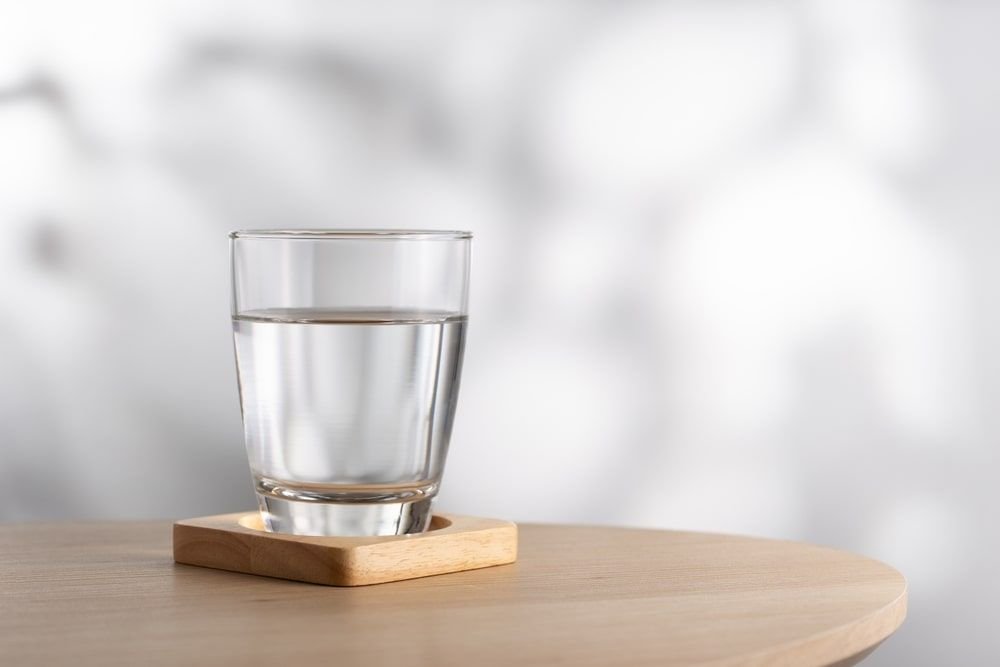
Rule 3: Hydrate Aggressively
Dehydration is extremely common on GLP-1s because suppressed appetite often means suppressed thirst too.
Target: At least 2–2.5 litres of water daily. More if you exercise or live in a hot climate.
Tips:
- Keep a water bottle visible at all times.
- Sip throughout the day; do not chug large amounts at once (it worsens nausea).
- Add electrolytes if you are vomiting or sweating heavily.
- Herbal teas, diluted coconut water, and clear soups count toward fluid intake.
Rule 4: Fibre Is Non-Negotiable
Constipation is one of the most common GLP-1 side effects, affecting up to 30% of users. Slow stomach emptying plus low food volume is a recipe for a sluggish gut.
Target: 25–30 grams of fibre daily, built up gradually.
Gentle high-fibre foods:
- Oats (porridge is ideal — soft and easy)
- Lentils and beans
- Vegetables (cooked are easier than raw when nauseous)
- Fruits like pears, apples, and berries
- Chia seeds or psyllium husk (isabgol) in water
Increase fibre slowly. Adding too much too fast causes gas and bloating, which you definitely do not want on top of medication side effects.
What to Eat: The Ideal GLP-1 Plate
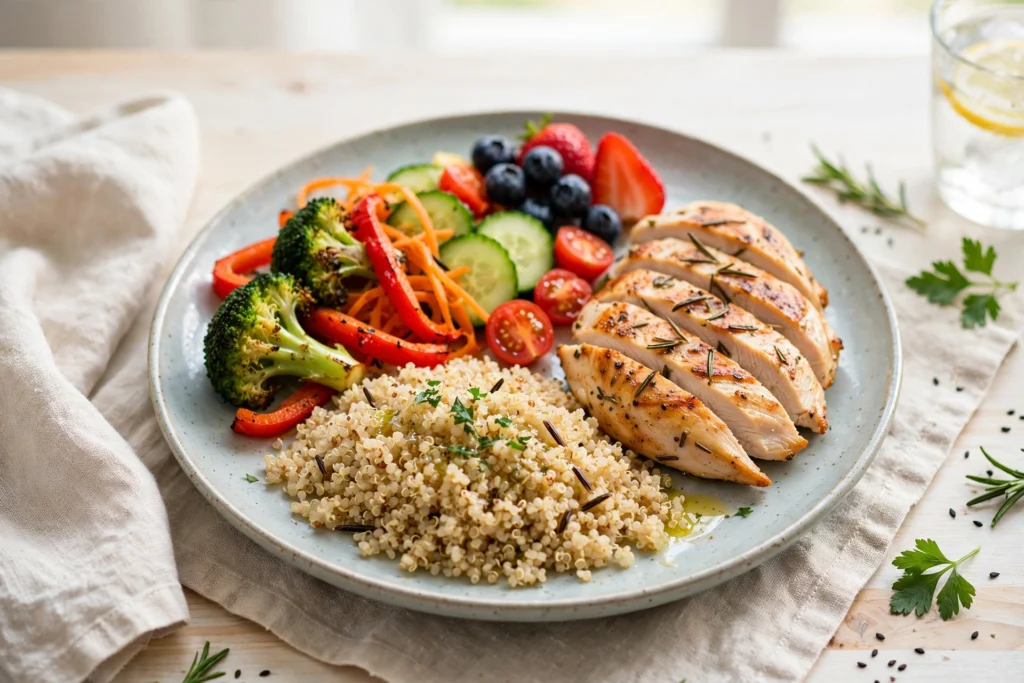
Since portions are small, every meal should be nutrient-dense. Think of your plate in this priority order — and on days when you can only manage a few bites, work from the top down:
1. Protein (eat this first) — palm-sized portion
2. Vegetables (eat these second) — as much as you can comfortably manage
3. Whole grains or complex carbs (eat these last, in small amounts) — a few spoonfuls
4. Healthy fats (small amounts) — a drizzle of olive oil, a few nuts
This order matters because protein and vegetables deliver the most nutrition per bite, while carbs and fats are easy to overeat and worsen side effects when the stomach empties slowly.
Sample Day of Eating on GLP-1s
Breakfast (small):
– 2 boiled eggs + 3–4 tablespoons of oats porridge, OR
– 150 g Greek yoghurt with a few berries and a teaspoon of chia seeds
Mid-morning snack:
– A small banana or a handful (15 g) of almonds
Lunch (small):
– Half cup cooked daal + 60–80 g grilled chicken or fish + half cup cooked sabzi
– Eat the protein first, then vegetables, then a few spoonfuls of daal
Afternoon snack:
– A small protein shake, OR
– 100 g low-fat paneer cubes with cucumber
Dinner (small, early):
– Clear chicken or lentil soup with vegetables, OR
– 2 egg omelette with spinach and mushrooms
Evening (if hungry):
– Warm milk with turmeric (haldi doodh), no sugar
Total: roughly 1,000–1,300 calories with 90–110 g protein. Your doctor or dietitian should personalise these numbers to your weight, dose, and health conditions.
How Much Weight Can You Expect to Lose?
It helps to set honest expectations before you start. In clinical trials, average weight loss reached 15–20% of body weight over 68 weeks with semaglutide (Wegovy) and tirzepatide (Zepbound/Mounjaro) — but averages hide wide variation. Some people lose much more, others noticeably less, and the medication alone does not decide where you land.
Several factors shape your individual result:
- Your starting weight and health profile. People with higher starting weights often lose more in absolute terms; those with type 2 diabetes sometimes lose a little less than those without.
- Dose and tolerance. Weight loss usually increases as the dose is titrated up, but only if you can tolerate the higher dose without constant nausea or vomiting.
- Protein intake. Hitting your protein target protects muscle, and muscle keeps your metabolism higher — which supports steadier fat loss.
- Food quality. Two people can eat the same 1,200 calories; the one eating protein, fibre, and vegetables will feel better, lose more fat, and keep it off longer than the one living on crackers and sweet tea.
- Consistency over months, not weeks. The biggest losses usually happen in the first 6–12 months, then slow. A plateau is normal and does not mean the plan has failed.
A realistic mindset: judge the plan by how your clothes fit, your energy, your blood sugar and blood pressure readings, and your strength — not only by the scale. And remember that the habits you build now decide how much you keep if you ever stop the injections.
Foods to Avoid on GLP-1 Medications

Certain foods dramatically worsen GLP-1 side effects. Avoid or strictly limit:
High-Fat and Fried Foods
Fat slows stomach emptying even further. Fried foods — samosas, pakoras, fries, parathas — are the number one trigger for nausea and vomiting on GLP-1s. If you crave the taste, try air-fried versions in tiny portions, and eat them only when your stomach feels settled.
Sugary Foods and Drinks
Sugar causes rapid blood sugar spikes followed by crashes, which worsens nausea. It also provides zero nutrition in a diet where every calorie must count. Sodas, packaged juices, mithai, and desserts belong firmly on the avoid list.
Large Portions of Red Meat
Dense, fatty meats sit heavily in a slow-emptying stomach. If you eat red meat, choose lean cuts in small portions and chew thoroughly. Many GLP-1 users find chicken and fish far easier to tolerate.
Spicy Foods (During Adjustment)
If you are in the first few weeks or just increased your dose, very spicy food can irritate an already sensitive stomach. Reintroduce spice gradually once your body adjusts.
Alcohol
Alcohol on GLP-1s is risky for several reasons: it irritates the stomach, adds empty calories, can cause low blood sugar (especially if you also take diabetes medication), and lowers inhibitions around food. Most doctors advise avoiding it, particularly in the early months.
Carbonated Drinks
The gas expands in your stomach and worsens bloating and nausea. Stick to still water and herbal teas.
What to Drink on a GLP-1 Diet Plan
With appetite suppressed, many people forget to drink — and then wonder why they feel dizzy, constipated, or exhausted. On a GLP-1 diet plan, drinks deserve their own strategy, because the wrong ones can undo a whole day of careful eating.
Best choices: plain water first and foremost, plus unsweetened green tea, herbal teas (ginger, peppermint, and chamomile are especially soothing for nausea), clear broths and soups, diluted coconut water, and warm water with lemon. Protein shakes count as both a drink and a meal on low-appetite days.
Drinks to avoid: sugary sodas, packaged fruit juices, sweetened iced teas, energy drinks, milkshakes, and alcohol. A single large sweetened drink can deliver 300–400 calories with no nutrition and trigger hours of nausea — the worst possible trade on a GLP-1 diet plan.
How to drink: sip steadily through the day rather than gulping large amounts, avoid drinking big glasses right before meals (they fill your small stomach capacity), and keep fluids at room temperature or warm if cold drinks bother your stomach. If plain water feels impossible, add a slice of lemon, cucumber, or fresh mint to make it more appealing.
Managing Common Side Effects Through Diet

Side effects are the main reason people quit GLP-1 medications. Most can be managed through diet adjustments:
Nausea
The most common side effect. Eat slowly, keep portions tiny, avoid fatty and spicy foods, and try ginger tea or dry crackers before getting out of bed. Cold foods often smell less intense and are easier to tolerate than hot ones.
Constipation
Drink more water, increase fibre gradually, and add a daily walk — movement stimulates the gut. Warm water with lemon in the morning helps many people. If constipation persists beyond a few days despite these measures, speak to your doctor rather than suffering silently.
Vomiting
Usually means portions were too large or food was too rich. Go back to very small, bland meals for a day or two: toast, rice, bananas, clear soups. Reintroduce protein gradually.
Hair Thinning
Some users notice increased hair shedding after a few months — usually a response to rapid weight loss and low protein or iron, not the medication directly. Prioritise protein, include iron-rich foods, and discuss a multivitamin with your doctor.
Fatigue
Often a sign of eating too little or dehydration rather than the drug itself. Track your intake honestly for a few days — if you are consistently under 1,000 calories, add a protein shake or an extra small meal and see if your energy improves.
Eating Out and Social Events on GLP-1s
Life does not stop for a GLP-1 diet plan, and neither should it. Weddings, family dinners, and restaurant outings are manageable with a little planning — the goal is to enjoy the occasion without a miserable night of nausea afterwards.
Before you go: eat a small protein-rich snack so you do not arrive starving, check the menu online if possible, and decide in advance what you will order so you are not tempted by the richest dish on the table.
At the restaurant: choose grilled, steamed, or tandoori preparations over fried; ask for sauces on the side; order a starter-sized portion or share a main dish; eat the protein and vegetables first and leave the rest without guilt. At desi gatherings, a small plate with seekh kebab, grilled tikka pieces, salad, and a spoonful of daal works well — skip the second roti and the deep-fried snacks.
At weddings and buffets: walk the whole buffet before serving yourself, fill half your plate with salads and grilled items, and take tiny portions of rich dishes you genuinely want to taste. Nobody is watching your plate as closely as you think.
Drinks and dessert: choose still water or unsweetened tea, and if you want dessert, take two or three bites of something you love rather than a full serving. A good rule for the whole evening: stop at the first sign of fullness — on GLP-1s, “just one more bite” is the fastest route to nausea.
Supplements Worth Discussing With Your Doctor

When you are eating very little, gaps appear quickly. These are worth a conversation with your doctor — not a self-prescription:
- A daily multivitamin. A basic, sensible safety net when food volume is low.
- Vitamin D. Deficiency is widespread, and low intake makes it worse. Your doctor may check your levels first.
- Vitamin B12. Especially important if you eat little meat or dairy, or if you take metformin alongside your GLP-1.
- Iron. Only if blood tests show a need — do not supplement iron blindly, as too much is harmful.
- Protein powder. Not a vitamin, but practically a supplement for many GLP-1 users: one shake can deliver 20–25 g of protein when a full meal feels impossible.
Protecting Your Muscles: Why Resistance Training Still Matters
A GLP-1 diet plan covers the food side of muscle protection, but food alone is only half the equation. Muscle is kept by using it. Without some form of resistance — bodyweight exercises, resistance bands, dumbbells, or machine weights — your body has little reason to preserve muscle while it sheds fat, no matter how much protein you eat.
You do not need a gym membership or intense workouts. Two or three short sessions per week are enough for most people: squats or chair sit-to-stands, wall push-ups or knee push-ups, rows with a resistance band, and a simple plank or dead-bug for the core. Start light, focus on form, and progress gradually. If you are new to exercise or have joint problems, a physiotherapist or qualified trainer can set you up safely in a single session.
Think of it this way: the injection reduces your appetite, the diet plan protects your nutrition, and resistance training tells your body to burn fat instead of muscle. All three together produce the toned, energetic result most people actually want — rather than simply a smaller but weaker version of themselves.
Common Mistakes on a GLP-1 Diet Plan
1. Eating too little for too long. Under-eating feels virtuous but backfires: energy crashes, hair shedding, muscle loss, and eventually a weight-loss stall. If you consistently cannot reach 1,000–1,200 calories of nutritious food, talk to your doctor and dietitian.
2. Skipping protein to “save calories.” Protein is the one macronutrient you cannot afford to skimp on. Every meal starts with protein — no exceptions.
3. Drinking your calories. Sweetened chai, juices, and milkshakes bypass fullness signals and deliver hundreds of calories that do nothing for nutrition. Drink water; eat your calories.
4. Ignoring fibre and water. Constipation is the most preventable GLP-1 misery, and it is almost always a fibre-and-water failure. Build both into your daily routine from day one.
5. Treating the injection as the whole plan. The medication suppresses appetite; it does not choose foods, protect muscle, or build habits. People who pair the injection with a proper diet plan and some activity keep far more of their results.
6. Stopping all exercise because of nausea. On bad days, rest. But on good days, even a 15-minute walk supports digestion, mood, and muscle. Complete inactivity makes every side effect worse.
The Long Game: What Happens If You Stop?
This is the question nobody wants to ask but everybody should. When GLP-1 medications are stopped, appetite returns — and studies show most people regain a significant portion of the lost weight within a year if nothing else changes. That is not a failure of willpower; it is biology reasserting itself.
The people who keep their results are the ones who used the medication window to build habits that survive without it:
- Keep eating protein first at every meal, even when your appetite is back.
- Keep the small-plate habit — your stomach stretches back, but your habits do not have to.
- Keep resistance training — muscle is your metabolic insurance policy.
- Keep a weekly weigh-in so a 2-kg regain gets corrected before it becomes a 10-kg regain.
- Keep your trigger foods managed — the environment that made you gain weight the first time is still there.
Discuss any plan to stop with your doctor first. Some people taper the dose, others transition to a maintenance plan with continued lifestyle support. What you should not do is stop suddenly and return to old eating patterns — that is the one guaranteed route to regain.
When to See a Doctor Before or During GLP-1 Treatment
A GLP-1 diet plan supports your treatment, but it does not replace medical supervision. See your doctor before starting if you have a history of pancreatitis, gallbladder disease, severe gastroparesis, medullary thyroid cancer or MEN 2 in your family, or if you are pregnant, planning pregnancy, or breastfeeding — GLP-1 medications are not recommended in these situations.
During treatment, contact your doctor promptly if you have severe or persistent vomiting, signs of dehydration (very dark urine, dizziness, confusion), severe abdominal pain (which can signal pancreatitis or gallbladder problems), an allergic reaction, or if you cannot keep fluids down for more than a day. Also check in if weight loss stalls for many weeks despite good adherence, or if side effects are so severe you are considering stopping — dose adjustments often solve what feels unsolvable.
For general guidance on using the nutrition information on this site safely, please read our Health Disclaimer.
South Asian Considerations
A GLP-1 diet plan works perfectly well with desi food — it just needs a few cultural adjustments:
- Keep rotis small, and count them. Two small whole-wheat rotis with daal and sabzi beat one giant naan with oily curry. On low-appetite days, half a roti is a perfectly fine portion.
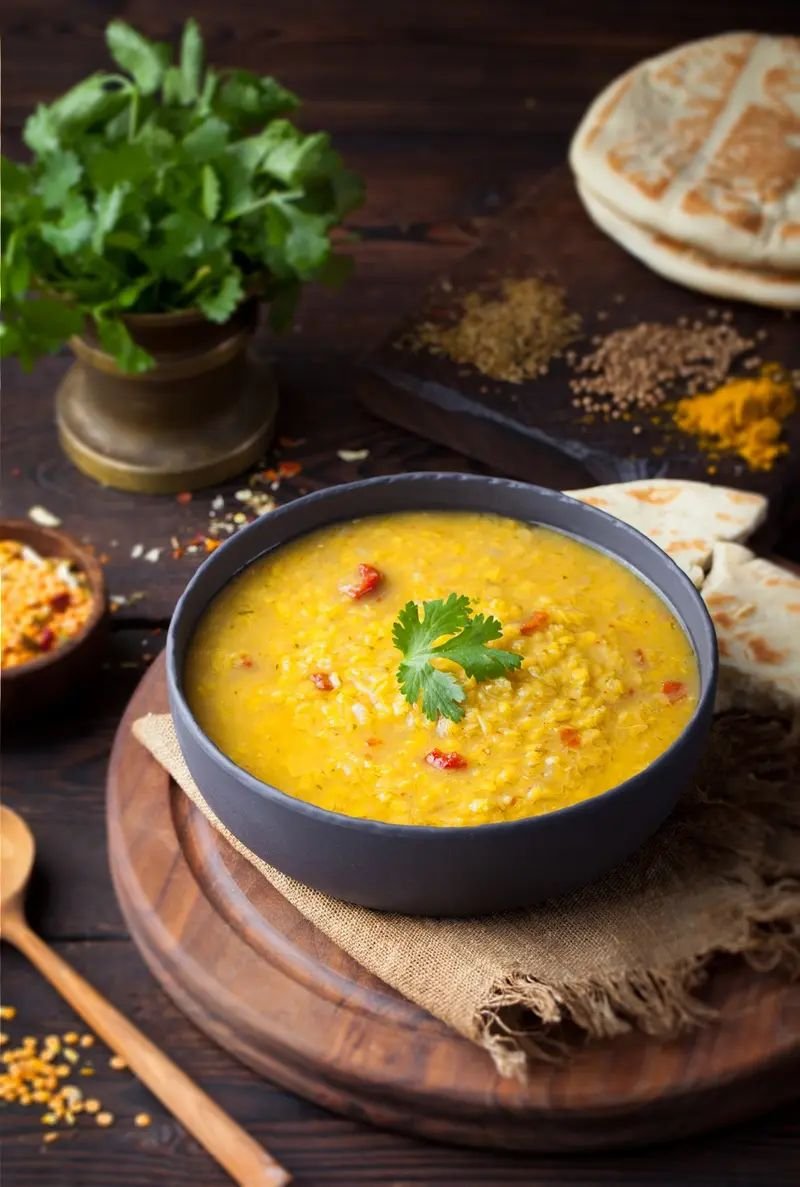
- Daal is your friend. Lentils are high in protein and fibre, gentle on the stomach, and easy to eat in small amounts. A small bowl of thin daal is one of the best GLP-1 meals in desi cuisine.
- Watch the “just one more” culture. Serve yourself once; seconds are where portions explode. It is completely acceptable to say “bas, ho gaya” — your medication is the perfect excuse.
- Chai is fine — but make it lighter. Switch to doodh patti with less sugar, or move to green tea or kahwa in the evenings. Three heavily sweetened cups of chai can quietly add 300+ calories.
- During Ramadan, plan carefully. See the FAQ below — fasting on GLP-1s needs a deliberate sehri and iftar strategy, and your doctor should know you are fasting.
Frequently Asked Questions
How much protein do I need on Ozempic or Mounjaro?
Aim for 1.2–1.6 g per kilogram of body weight daily (roughly 90–120 g for most adults), and eat protein before anything else at every meal. On days when solid food feels impossible, a protein shake counts.
Why do I feel sick after eating on GLP-1s?
Almost always, it is portion size or fat content. Your stomach empties slowly on these medications, so large, fatty, or very spicy meals sit heavily and trigger nausea. Eat smaller, plainer meals, eat slowly, and stop at the first sign of fullness.
Can I drink alcohol on a GLP-1 diet plan?
It is best avoided, especially in the first few months. Alcohol irritates the stomach, adds empty calories, can lower blood sugar if you take diabetes medication, and worsens nausea. If you do drink, keep it rare and minimal — and discuss it with your doctor.
Will I regain weight after stopping the injections?
Most people regain a significant portion without continued lifestyle effort — but not everyone. Those who keep the protein-first habit, resistance training, portion awareness, and weekly weigh-ins keep far more of their results. Use the medication period to build those habits deliberately.
What is the best breakfast on a GLP-1 diet plan?
Something small, protein-rich, and gentle: boiled eggs, Greek yoghurt with berries, or a small bowl of oats porridge. Avoid large, greasy breakfasts like halwa puri or full paratha plates — they are the classic trigger for a miserable morning on GLP-1s.
Can I follow a vegetarian GLP-1 diet plan?
Yes, with deliberate protein planning. Eggs, dairy (Greek yoghurt, paneer, low-fat milk), lentils and daal, chickpeas, soya chunks, tofu, and protein powder can comfortably reach 90–110 g of protein daily. Vegans should lean on soya products, lentils, and a good plant-based protein powder, and should discuss vitamin B12 with their doctor.
How do I manage eating during Ramadan on GLP-1s?
Fasting on GLP-1s is possible but needs planning — and your doctor should know you are fasting, as dose timing or adjustments may be needed. At sehri, prioritise protein and slow-digesting foods (eggs, oats, yoghurt, dates in moderation) with plenty of water. At iftar, break the fast gently with dates and water, then eat a small protein-first meal rather than a large feast; heavy fried iftar items like pakoras and samosas are especially punishing on a slow-emptying stomach. Sip water steadily between iftar and sehri to reach your fluid target.
The Bottom Line
GLP-1 medications are powerful tools, but they are not a diet plan by themselves. What you eat on Ozempic, Wegovy, Mounjaro, or Zepbound decides whether you lose mostly fat or mostly muscle, whether you feel energised or exhausted, and whether your results survive after the injections stop.
The formula is simple: protein first, small portions, plenty of water and fibre, fried and sugary foods out, and resistance training twice a week. Follow this GLP-1 diet plan consistently, stay in touch with your doctor, and give the process time — steady, well-nourished weight loss beats rapid, miserable weight loss every time.
If you want a plan personalised to your weight, dose, and health conditions, book a consultation with our dietitian team.
Keep reading: our Weight Loss Nutrition Guide pillar page, the Diabetes Nutrition Guide, How to Lose Weight Without Exercise: 12 Proven Tips, Intermittent Fasting for Weight Loss, How to Lose Belly Fat Naturally at Home, and the WHO healthy-diet fact sheet.