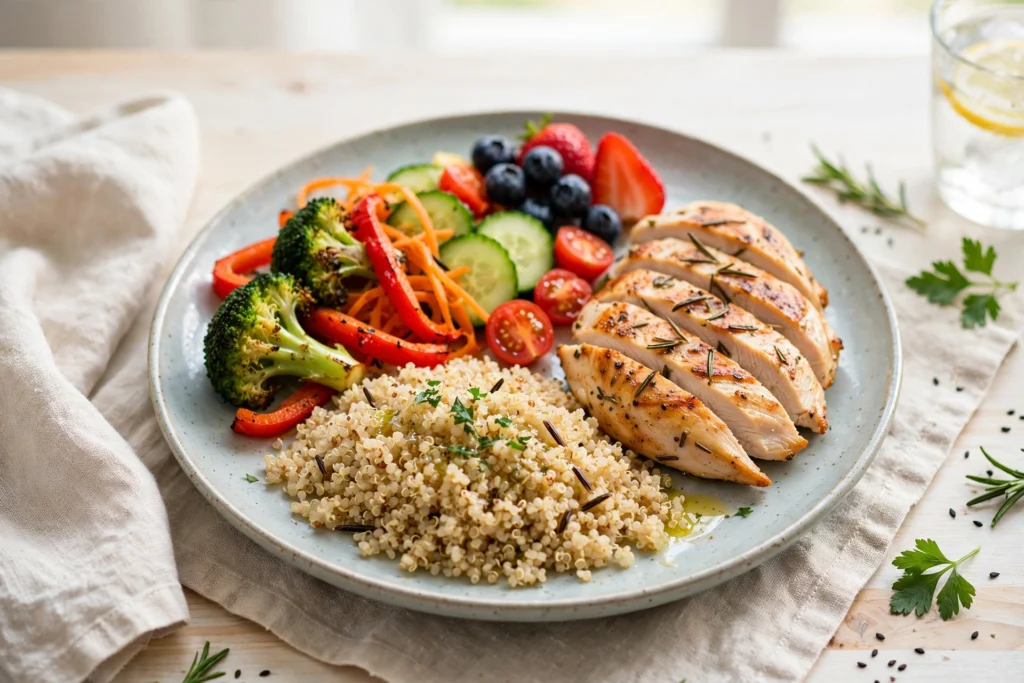
Eating well with diabetes is not about deprivation — it is about choosing the best foods for diabetics, the ones that keep your blood sugar steady while giving your body the nutrients it needs. The right foods can reduce glucose spikes, improve insulin sensitivity, and lower your risk of complications.
This guide covers the 15 best foods for diabetics to eat daily, organised by category, with practical South Asian options so every item is something you can actually find, afford, and cook.
Important: Food choices complement — never replace — your prescribed medication. If you take insulin or medicines that lower blood sugar, talk to your doctor before making big dietary changes, because better eating can change how much medicine you need.
In This Guide You’ll Learn
- Why some foods raise blood sugar fast while others keep it steady
- The 15 best foods for diabetics, from vegetables to fruits, with portions
- How to build a diabetic-friendly plate at every meal
- A sample day of eating that keeps glucose stable
- What to drink, and which foods to limit
- When to see a doctor about your blood sugar
- Answers to the most common questions about food and diabetes
How Food Affects Blood Sugar
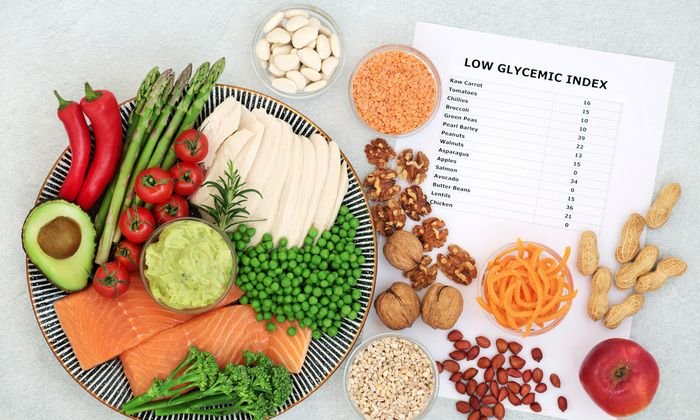
Before diving into specific foods, it helps to understand why some foods are better for blood sugar than others. Three things decide how a food affects your glucose:
1. Glycaemic Index (GI): How quickly a food raises blood sugar. Low-GI foods (55 or less) release glucose slowly and steadily, which means smaller spikes and longer fullness. Most of the foods on this list are low-GI by nature.
2. Fibre content: Fibre — especially soluble fibre — slows digestion and glucose absorption. It also feeds the friendly bacteria in your gut, which play a real role in how your body handles sugar.
3. Protein and healthy fats: These nutrients barely affect blood sugar on their own, and when eaten with carbs they slow the whole meal down. That is why a handful of nuts with fruit beats fruit alone.
The best diabetic-friendly foods combine at least two of these qualities: low GI, high fibre, and meaningful protein or healthy fat. That simple rule is the backbone of this entire list.
Vegetables: The Foundation
Vegetables are the foundation of every diabetic-friendly diet, and they deserve the biggest share of your plate. They are low in calories and carbohydrates, high in fibre, and packed with vitamins, minerals, and plant compounds that support blood sugar control.
1. Leafy Greens (Spinach, Kale, Methi, Mustard Greens)
Leafy greens are the closest thing to a “free food” for diabetics. They are extremely low in digestible carbs, so you can eat generous amounts without moving your blood sugar much at all.
Why they work: Virtually zero glycaemic impact, high in antioxidants (lutein, zeaxanthin) that protect the eyes — important because diabetes raises the risk of eye problems.
How to eat more:
- Add a handful of spinach to daal in the last 5 minutes of cooking
- Make sarson ka saag or palak paneer (use minimal oil)
- Start lunch and dinner with a mixed green salad
- Blend spinach into smoothies — you will not taste it
Portion: Aim for at least 2–3 cups of cooked or raw leafy greens daily. There is no real upper limit here.
2. Bitter Gourd (Karela)
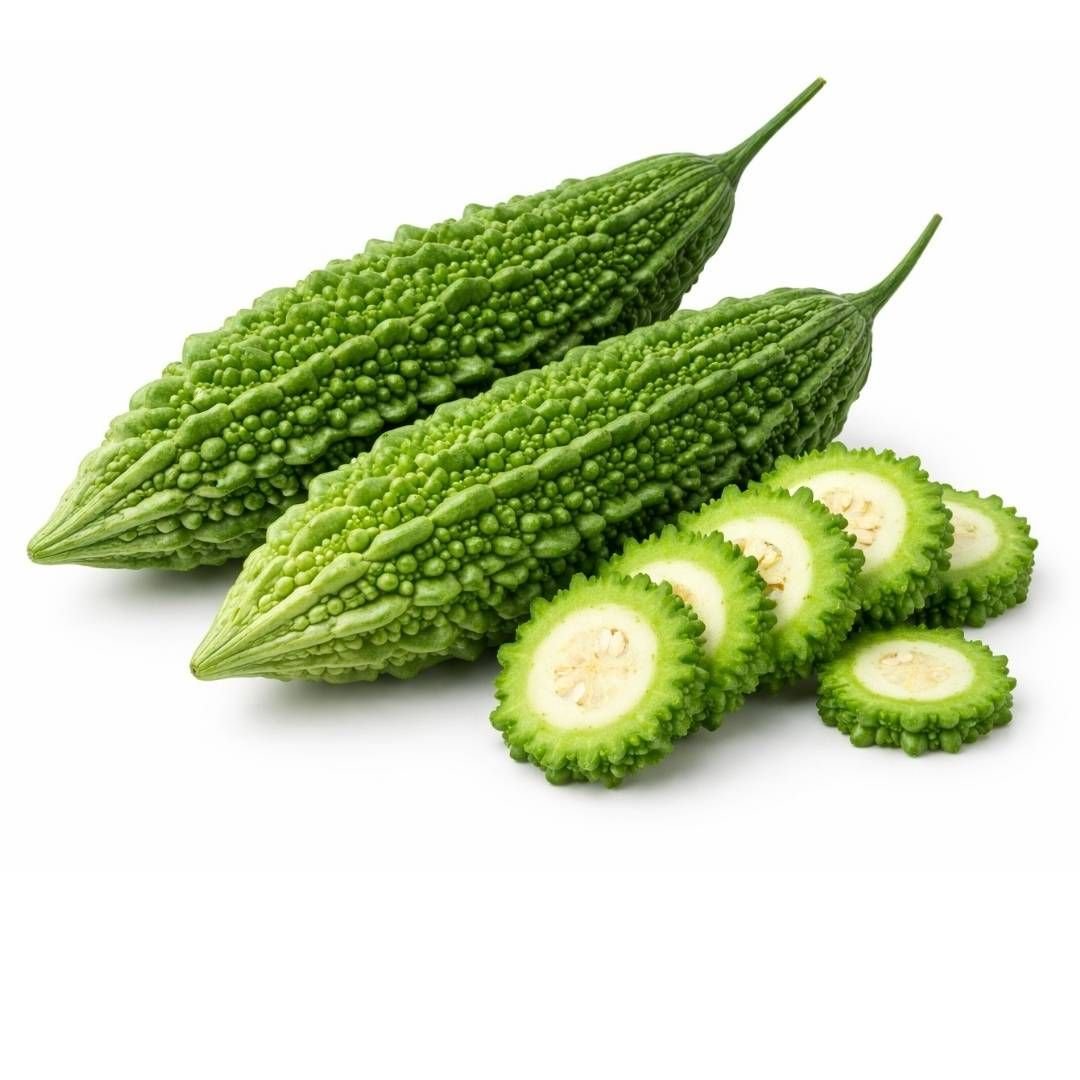
Bitter gourd deserves special mention. It contains compounds (charantin, vicine, and polypeptide-p) that have been studied for their glucose-lowering effects, and it has long been used in traditional South Asian diets for blood sugar support.
Why it works: Active glucose-lowering compounds plus very low carb content (about 3 g per 100 g), so it adds bulk and nutrition with almost no glycaemic load.
How to eat it:
- Karela sabzi with onions and minimal oil (the classic preparation)
- Fresh karela juice: 50–100 ml on an empty stomach (start with small amounts — it is potent)
- Stuffed karela (bharwan karela) with a spiced onion filling
Caution: Because it genuinely lowers blood sugar, combine carefully with medication — check your levels more often when you start eating it regularly, and talk to your doctor if readings run low.
3. Cruciferous Vegetables (Cauliflower, Cabbage, Broccoli)
Gobhi, band gobhi, and broccoli are low-carb, high-fibre, and rich in sulforaphane — a compound shown to have anti-inflammatory and blood-sugar-supporting properties.
Why they work: About 5 g of carbs per cup (mostly fibre), so minimal blood sugar impact, plus they are filling and versatile.
How to eat more:
- Gobhi matar (use less oil, add extra peas for protein)
- Cabbage stir-fry with cumin and turmeric
- Roasted cauliflower as a rice substitute (grate and sauté — “cauliflower rice”)
- Broccoli in soups or lightly steamed as a side
Lentils, Beans, and Legumes
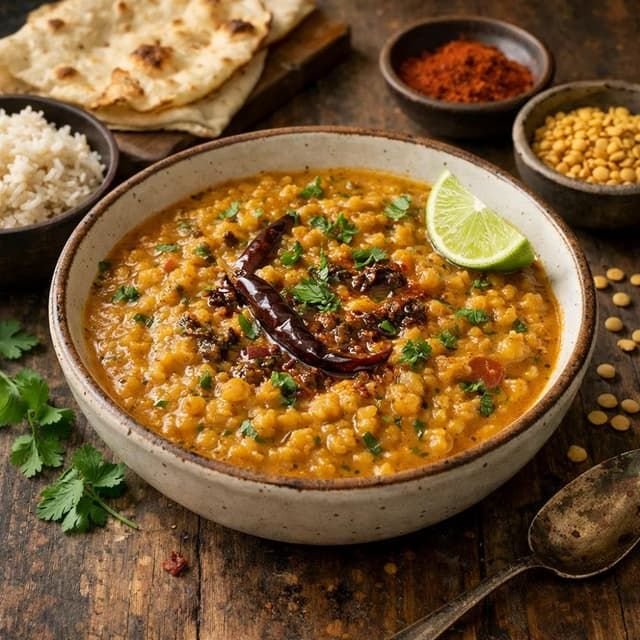
If there is one food group every diabetic should eat daily, it is lentils and legumes. They have one of the lowest glycaemic indexes of any food group, and they bring protein and fibre in the same package — a rare combination.
4. Lentils (Daal: Masoor, Moong, Arhar, Urad)
A cup of cooked lentils has about 18 g of protein and 15 g of fibre, with a GI in the low 20s. That is why daal keeps you full for hours and barely nudges blood sugar.
Best choices:
- Moong daal (split mung beans): easiest to digest, lowest GI
- Masoor daal (red lentils): cooks fast, mild flavour
- Kala chana (black chickpeas): extremely high fibre
- Rajma (kidney beans): excellent protein-fibre combo
How to eat: At least one serving (1–1.5 cups cooked) of daal or beans daily. Daal with vegetables, a thin tadka, and lemon is a complete diabetic-friendly meal when paired with a small portion of whole grain.
5. Chickpeas (Kabuli Chana and Kala Chana)
Chickpeas have a GI of around 28 — remarkably low for a starchy food. They are also rich in resistant starch, which behaves more like fibre than starch in your gut.
Why they work: The combination of protein (19 g per cup), fibre (12 g per cup), and low GI means long-lasting energy without the spike.
How to eat:
- Chana chaat with onions, tomatoes, lemon, and chaat masala (excellent snack)
- Hummus with vegetable sticks
- Roasted chickpeas as a crunchy snack (toss with olive oil, salt, and spices; roast at 200°C for 25 minutes)
- Add to salads for staying power
Whole Grains
Whole grains still contain their fibre-rich bran and germ, which is why they behave so differently from refined flour in your body. The trick is choosing the right grains and keeping portions sensible.
6. Oats (Steel-Cut or Rolled)
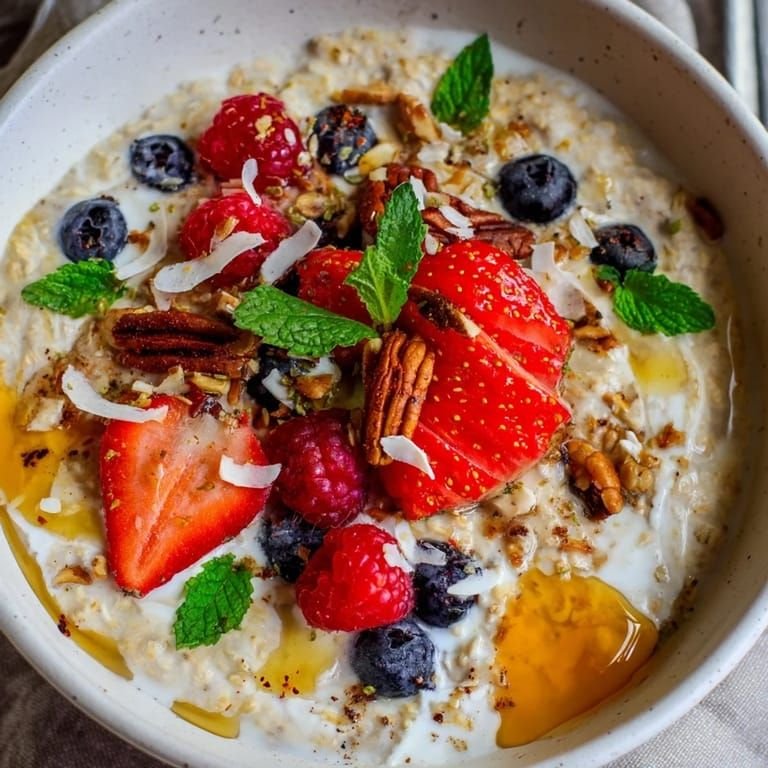
Oats contain beta-glucan, a soluble fibre with an FDA-approved health claim for reducing blood sugar responses. It forms a thick gel in the gut that dramatically slows glucose absorption.
Why they work: Low GI (around 55 for rolled oats, lower for steel-cut), high soluble fibre, and genuinely filling — a small bowl keeps hunger away for hours.
How to eat:
- Overnight oats: rolled oats soaked in milk/yoghurt with chia seeds, nuts, and berries
- Oats porridge (daliya-style) with cinnamon and a few almonds
- Add 2 tablespoons of oat bran to roti dough for extra fibre
Portion: 40–50 g dry oats (about half a cup) per serving. Avoid flavoured instant oats — they are loaded with added sugar.
7. Barley (Jau)
Barley has the lowest GI of any common grain (GI ~25–30) and the highest beta-glucan content. It was a staple grain across South Asia long before refined wheat took over.
Why it works: The combination of ultra-low GI and maximum soluble fibre produces the gentlest blood sugar response of any grain.
How to eat:
- Barley khichdi (replace half or all the rice with pearl barley)
- Add barley to soups and stews
- Barley flour (jau ka atta) mixed into wheat flour for rotis (start with 25% barley flour)
8. Whole Wheat Roti (in Controlled Portions)
Roti is not the enemy — portion size and what you eat with it matter more. Whole wheat roti has a moderate GI, and eaten the right way it fits perfectly into a diabetic diet.
Smart roti strategies:
- Keep to 1–2 medium rotis per meal (not 4–5)
- Eat your sabzi and daal first, roti last (meal sequencing reduces glucose spike by 30–40%)
- Mix 2 tablespoons of chickpea flour (besan) or oat bran into the dough
- Choose thinner rotis — less flour per roti
Protein Foods
Protein is a diabetic’s best friend at mealtimes. It barely affects blood sugar on its own, keeps you full, protects muscle, and slows down everything else you eat with it. Aim to include a palm-sized portion of protein at every meal.
9. Fatty Fish (Salmon, Sardines, Mackerel)
Fatty fish provides omega-3 fatty acids (EPA and DHA), which reduce inflammation — a key driver of insulin resistance. The American Diabetes Association recommends eating fish at least twice a week.
Why it works: Zero carbs, high protein, anti-inflammatory fats. It also supports heart health, which matters because diabetes raises cardiovascular risk.
Options for South Asia:
- Surmai (king mackerel): widely available, grill or bake
- Sardines: inexpensive, excellent omega-3 content
- Rohu or tilapia: leaner options, still good protein
How to eat: Grilled, baked, or in a light curry. Avoid deep-frying — it adds inflammatory fats and extra calories that undo the benefit.
10. Eggs
Eggs were unfairly demonised for decades. Current research shows that for most people — including diabetics — eggs are a safe, nutritious, and affordable protein source.
Why they work: Zero carbs, 6 g of high-quality protein per egg, rich in choline (important for liver and brain health).
How to eat:
- Boiled eggs as a snack (2 eggs = 12 g protein, zero blood sugar impact)
- Vegetable omelette for breakfast
- Egg curry with lots of vegetables
Note: If you have both diabetes and high cholesterol, discuss egg intake with your doctor — most people do fine with one egg a day, but individual advice matters.
11. Greek Yoghurt (Dahi)
Plain Greek yoghurt has roughly double the protein of regular yoghurt (15–20 g per cup vs. 8–10 g) with less lactose, which means a gentler effect on blood sugar.
Why it works: High protein slows glucose absorption. The calcium and vitamin D in dahi also support bone health — relevant because diabetes is linked to weaker bones.
How to eat:
- Plain dahi with lunch (not the sweetened kind)
- Raita with cucumber, mint, and roasted cumin
- Yoghurt-based marinades for chicken or fish
- Lassi made with plain yoghurt, water, and a pinch of salt (not sugar)
Avoid: Flavoured yoghurts, “fruit” dahi, and sweet lassi — these can contain 20–30 g of sugar per serving, which defeats the purpose entirely.
Nuts, Seeds, and Healthy Fats
The right fats do not raise blood sugar — and they make meals satisfying so you eat less overall. A small daily portion of nuts and seeds is one of the simplest upgrades a diabetic can make.
12. Almonds, Walnuts, and Pistachios
Nuts are nutritional powerhouses for diabetics: healthy fats, protein, fibre, magnesium, and minimal carbs in one small package.
Why they work: About 6 g of carbs per 30 g serving (mostly fibre), so negligible blood sugar impact, plus they slow down whatever you eat with them.
Best choices:
- Almonds (badaam): highest in vitamin E and magnesium — soak overnight and peel if you prefer
- Walnuts (akhrot): best plant source of omega-3s
- Pistachios: lowest calorie nut, fun to eat slowly (shelling slows you down)
Portion: A small handful (25–30 g) daily. Nuts are calorie-dense — measure, do not free-pour from the packet.
13. Chia Seeds and Flaxseeds (Alsi)
These tiny seeds are fibre giants. Two tablespoons of chia seeds provide 10 g of fibre — nearly half the daily target — in barely any volume.
Why they work: The soluble fibre forms a gel that dramatically slows digestion. Studies show flaxseed in particular can modestly improve fasting glucose when eaten regularly.
How to eat:
- 1–2 tablespoons of chia seeds in water, milk, or yoghurt (let sit 10 minutes to gel)
- Ground flaxseed (1 tablespoon) mixed into roti dough, smoothies, or oatmeal
- Always grind flaxseeds — whole seeds pass through undigested
14. Olive Oil and Mustard Oil
The type of fat you cook with matters enormously for diabetics. Extra virgin olive oil is the reference oil in Mediterranean-diet research, and mustard oil is the traditional South Asian choice with a good fatty-acid profile.
Why they work: Replacing saturated fats and refined oils with monounsaturated-rich oils improves insulin sensitivity and supports heart health.
How to use:
- Extra virgin olive oil for salads, drizzling, and low-heat cooking
- Mustard oil for traditional tadka and high-heat South Asian cooking (heat until it smokes lightly, then cool slightly before adding spices)
- Avoid: vanaspati/dalda (trans fats), and limit refined sunflower/soybean oil
Fruits (Yes, Really)
Many diabetics avoid all fruit out of fear — a mistake. Whole fruits contain fibre that moderates their sugar, plus vitamins, minerals, and antioxidants you cannot get from pills alone.
15. Berries, Jamun, and Low-GI Fruits
Not all fruits are equal for blood sugar. Stick to low-GI options and sensible portions.
| Fruit | GI (approx.) | Why it works for diabetics |
|---|---|---|
| Jamun | ~25 | Traditional anti-diabetic fruit; seeds have glucose-lowering compounds |
| Strawberries | ~25 | Very low sugar per cup, high vitamin C |
| Apples | ~36 | Pectin fibre slows sugar absorption |
| Pears | ~38 | High fibre, satisfying |
| Oranges | ~43 | Whole fruit, not juice — the fibre makes the difference |
| Guava (amrood) | ~30 | Extremely high in vitamin C and fibre |
Rules for fruit:
- Whole fruit, never juice (juice strips the fibre and spikes sugar)
- One serving = one medium piece or half a cup
- Eat fruit with or after a protein-containing meal — not alone on an empty stomach
- Limit to 2 servings daily, spaced out
Fruits to limit: mangoes, ripe bananas, watermelon, and grapes in large quantities — their high GI and sugar content can spike blood sugar quickly.
What to Drink
What you drink affects blood sugar as much as what you eat. The rules are simple:
- Best: water (plenty, throughout the day)
- Good: unsweetened green tea, plain black tea or coffee without sugar, sparkling water
- Fine in moderation: plain lassi (yoghurt, water, salt — no sugar), coconut water (small glass)
- Avoid: soda, packaged juices, energy drinks, sweetened chai, milkshakes — liquid sugar is the fastest way to spike blood glucose
Foods to Limit or Avoid
The foods above help manage diabetes. These below work against you:
- Sugary drinks — soda, sweetened chai, packaged juices, energy drinks. The single worst category.
- White rice in large portions — small amounts alongside lots of vegetables and protein are fine
- Bakery items — cakes, pastries, biscuits, rusks (refined flour + sugar + fat)
- Mithai — concentrated sugar; enjoy tiny portions only on genuine occasions
- Deep-fried snacks — samosas, pakoras, namkeen (refined carbs + oxidised oil)
- Processed meats — sausages, salami (linked to increased diabetes risk)
Building a Diabetic-Friendly Plate
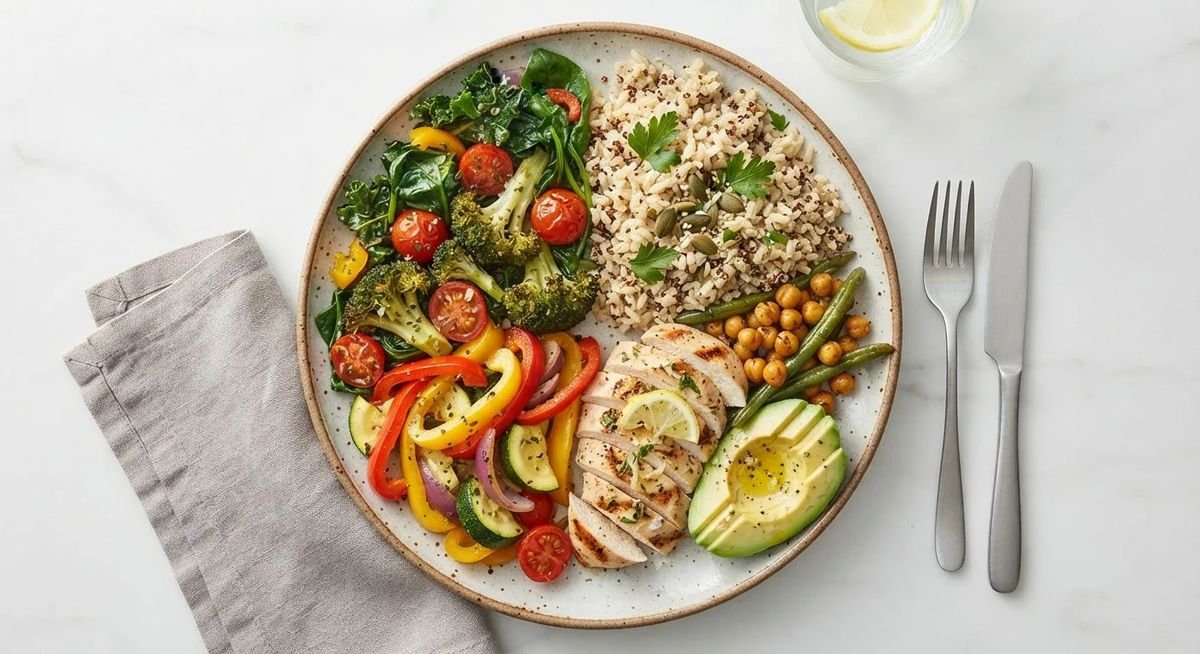
You do not need to memorise GI tables to eat well. The diabetic plate method — endorsed by diabetes associations worldwide — turns the foods above into balanced meals:
- Half plate: non-starchy vegetables (salad, sabzi, steamed greens)
- Quarter plate: protein (daal, chicken, fish, eggs, paneer)
- Quarter plate: whole grain or starchy vegetable (1–2 rotis, small portion of brown rice or barley)
- Add: 1 teaspoon of healthy oil, a small bowl of plain dahi
- Eat in order: vegetables and protein first, carbs last
This method naturally controls portions and keeps blood sugar steady after every meal — no weighing, no apps required.
A Sample Day of Eating for Diabetics
Here is how the best foods for diabetics to eat daily can come together in a realistic day (roughly 1,600–1,800 calories):
| Meal | What to eat |
|---|---|
| Breakfast | Oatmeal porridge with cinnamon, a few almonds, and half an apple |
| Mid-morning | Small bowl of plain dahi with 1 tablespoon of chia seeds |
| Lunch | Large salad first, then 1 cup moong daal + 1–2 whole wheat rotis + mixed sabzi |
| Evening | Roasted chickpeas (30 g) with unsweetened green tea |
| Dinner | Palak paneer or grilled fish + 1 roti + cucumber raita; small bowl of barley khichdi on vegetarian days |
| Before bed (if hungry) | Warm turmeric milk (haldi doodh) with no added sugar |
When to See a Doctor About Blood Sugar
Diet is powerful, but it has limits. See your doctor promptly if you notice any of these:
- Fasting blood sugar repeatedly above 126 mg/dL, or HbA1c at or above 6.5%, despite dietary changes
- Constant thirst, frequent urination, unexplained weight loss, or blurry vision
- Shaky, sweaty, or confused episodes (possible low blood sugar)
- You are pregnant or planning pregnancy and have blood sugar concerns
- You take diabetes medication and want to adjust diet — doses may need review
For general guidance on using health information safely, please read our Health Disclaimer.
Frequently Asked Questions
Can diabetics eat rice?
Yes — portion and type matter. Half to three-quarter cup of cooked brown rice (or parboiled/brown rice) with plenty of vegetables and protein is fine for most diabetics. What spikes sugar is a mountain of white rice eaten alone.
Is honey better than sugar for diabetics?
Only marginally. Honey has a GI of about 58 versus about 65 for table sugar — both are concentrated sugars. Use tiny amounts if at all.
Can diabetics eat bananas?
A small, slightly green banana has a moderate GI (~51) and provides potassium and vitamin B6. Avoid large, fully ripe bananas, which have much more sugar.
What is the best cooking oil for diabetics?
Extra virgin olive oil for salads and low-heat cooking; mustard oil for traditional high-heat South Asian cooking. Avoid vanaspati/dalda entirely.
Should diabetics avoid all fruits?
No. Whole low-GI fruits are nutritious, and their fibre moderates the sugar. Stick to 2 servings daily of options like berries, jamun, apples, pears, oranges, and guava.
What is the best breakfast for diabetics?
Anything combining protein, fibre, and minimal refined carbs: vegetable omelette, oats porridge with nuts, or plain dahi with chia seeds and berries. A breakfast heavy on white bread, paratha with ghee, or sugary cereal is the worst start for blood sugar.
Can diabetics eat potatoes?
Occasionally, in small portions — boiled or baked, not fried. Potatoes have a high GI, so treat them like a controlled carb portion (quarter of the plate), paired with plenty of vegetables and protein.
The Bottom Line
The best foods for diabetics are not exotic or expensive — lentils, vegetables, whole grains, protein foods, and nuts are affordable staples. Start with three changes this week: eat daal or beans daily, fill half your plate with vegetables, and eat carbs last. Small, consistent steps beat dramatic diets every time.
Want personalised guidance? Book a consultation for a diabetic meal plan built around your food preferences, lab results, and medication.
Keep reading: our Diabetes Nutrition Guide pillar page, How to Lower Blood Sugar Naturally, and the WHO healthy-diet fact sheet. For general diabetes information, diabetes.org is a useful resource.
Your First-Week Action Plan
Fifteen new foods can feel overwhelming. Do not try to change everything on Monday — layer one new habit per day for a week instead. By next week, your plate will look completely different, and you will barely have noticed the effort.
| Day | One change | What it looks like |
|---|---|---|
| Day 1 | Vegetables first | Start lunch and dinner with a salad or sabzi before touching the roti |
| Day 2 | Fix your roti portion | Keep to 1–2 thin rotis per meal; add besan or oat bran to the dough |
| Day 3 | Add daal or beans | Include at least 1–1.5 cups of cooked daal, chana, or rajma in your day |
| Day 4 | Swap your cooking oil | Replace vanaspati/refined oil with mustard oil for tadka or olive oil for salads |
| Day 5 | Plan your snacks | Keep roasted chickpeas, a small handful of nuts, or fruit ready so hunger never catches you unprepared |
| Day 6 | Upgrade breakfast | Swap sugary or refined breakfast for oats porridge, vegetable omelette, or dahi with chia seeds |
| Day 7 | Review and repeat | Notice which changes felt easy — keep those permanently, and pick one harder change to retry next week |
One last thought: the goal is not a perfect diabetic diet — it is a sustainable one. A plate built from daal, vegetables, whole grains, and sensible portions, eaten day after day, will do more for your blood sugar than any two-week extreme diet. Start with Day 1 today, and let the habits stack themselves.
Your future self will thank you for starting today.