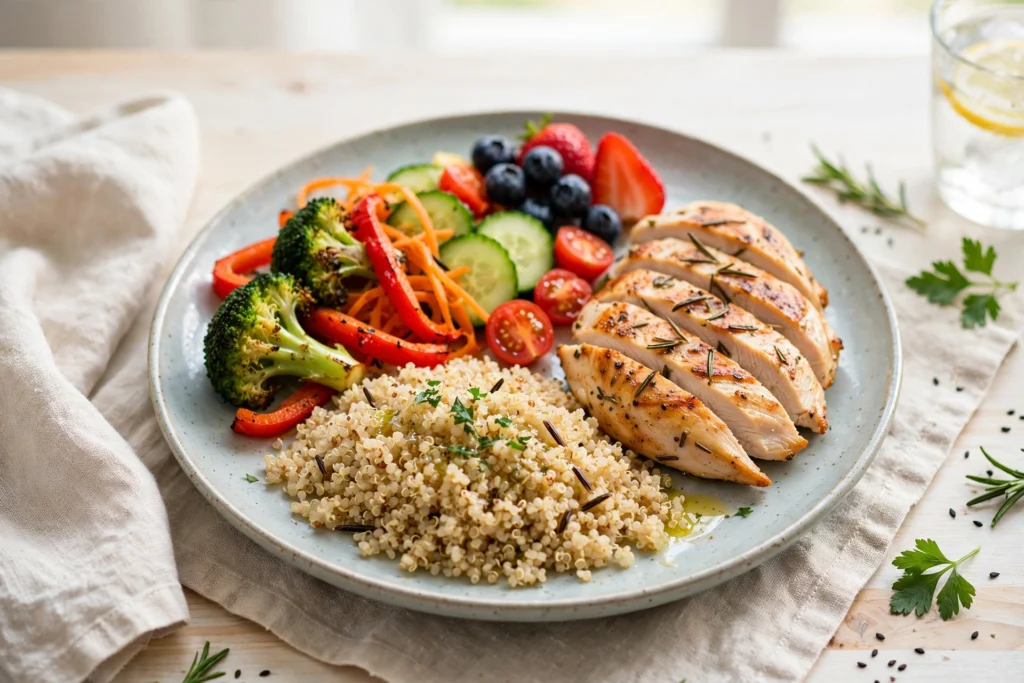
After a few weeks of late-night dinners, extra servings of biryani, too many cups of doodh patti, and weekends that revolved around sweets, most of us feel the same thing: sluggish mornings, a heavy stomach, and a craving for something lighter. That is when the idea of a “3-day detox diet plan” usually sounds appealing — three days of clean, simple eating to feel fresh again.
Let us be honest about what this plan can actually do before we go any further. Your body already has a built-in detox system: your liver, kidneys, lungs, and skin are continuously processing and removing waste. No juice, tea, or three-day menu can do that job better than these organs do. What a short, structured plan can do is far more useful in practice: it gives you three days of whole foods, proper hydration, less sugar, less processed food, and no alcohol — a genuine reset of your eating habits that breaks the cycle of heavy, mindless eating and reminds your body what eating well feels like.
That is exactly what this guide delivers. This 3-day detox diet plan is built around familiar South Asian foods — roti, daal, sabzi, khichdi, dahi, soups, salads, and seasonal fruits — so you will not need exotic ingredients or expensive supplements. It is gentle, it includes three full meals plus snacks every day, and it avoids the extreme fasting, laxative teas, and “lose 5 kg in 3 days” nonsense that makes most detox programs unsafe.
In this guide, you will learn:
– What a 3-day detox plan can and cannot do, explained with real science
– Who should NOT attempt this plan (important safety information)
– How to prepare your kitchen and your mind before Day 1
– The complete Day 1, Day 2, and Day 3 meal plans with exact menus
– A hydration protocol with real numbers for water and other drinks
– What to avoid for three days and what to eat instead
– How gentle movement and sleep support the reset
– How to transition back to normal eating without undoing your progress
– Warning signs that mean you should stop immediately
– How to turn three days into a lasting habit
What a 3-Day Detox Diet Plan Can and Cannot Do
Before starting, it is worth understanding the honest science so your expectations stay realistic.
What it can do
- Reset your appetite and taste buds. After a few days of added sugar, fried snacks, and salty takeaways, your palate adapts to intense flavours. Three days of lighter, simpler food helps reset your sensitivity, so a simple daal-roti starts tasting satisfying again.
- Reduce bloating. Cutting back on ultra-processed food, excess salt, carbonated drinks, and alcohol for three days commonly reduces water retention and the heavy, bloated feeling after meals.
- Improve hydration. Most people walk around mildly dehydrated. A structured plan that pushes 2.5–3.5 litres of fluids a day improves energy, digestion, and even skin.
- Break the snacking cycle. A planned menu removes the “what should I eat?” decisions that usually lead to biscuits, namkeen, and bakery runs.
- Give your digestion a rest. Simple, fibre-rich meals with moderate portions are easier to digest than heavy restaurant food, and many people report lighter mornings and more regular bowel habits.
What it cannot do
- It cannot “flush toxins” from your body. That is your liver and kidneys’ job, and they do it around the clock without any special food. A 3-day plan does not make them work faster.
- It cannot cause meaningful fat loss. Any weight change over three days is mostly water weight and the effect of eating less salt and fewer calories. It will come back when normal eating resumes — and that is fine, because fat loss was never the goal.
- It cannot cure any disease. It will not fix diabetes, PCOS, thyroid problems, or gut disorders. If you have a medical condition, this plan is not a treatment.
Think of this plan as what it is: a 72-hour eating-habit reset, not a medical detox. That framing keeps you safe and stops you from buying into dangerous detox myths.
Who Should NOT Do This Plan
This plan is a healthy eating reset for generally healthy adults. It is not suitable for everyone, and the exceptions matter.
Do not attempt this plan if you:
- Are pregnant or breastfeeding. You need more calories and nutrients than this lighter plan provides.
- Have diabetes and take medication (especially insulin or sulfonylureas). Eating less carbohydrate than usual can drop your blood sugar to dangerous levels.
- Have kidney disease. The plan is relatively high in potassium from fruits and vegetables, which can be harmful with impaired kidney function.
- Have a history of eating disorders. Any restrictive eating plan can trigger old patterns.
- Are under 18, are recovering from illness or surgery, or are significantly underweight.
Medical disclaimer
This article is for general education only and is not medical advice. Talk to your doctor before starting any new eating plan, especially if you take medication for blood pressure, blood sugar, thyroid, or heart conditions. If you feel dizzy, very weak, unusually hungry, or unwell at any point during the three days, stop the plan and eat normally.
How to Prepare: Your Day 0 Checklist
A successful reset starts the day before. Do not jump in on a morning when the kitchen is full of leftover biryani and mithai.
Clear the obvious temptations
Remove or store away the things that will test you: biscuit packets, namkeen, chips, sweets, cold drinks, and energy drinks. You do not have to throw them away — just move them out of sight for three days.
Shop for the three days
You will need (approximate amounts for one person):
- Grains: whole wheat atta (for 6 small rotis), 250 g rice (for khichdi), 100 g oats
- Pulses: 200 g mixed daal (moong, masoor), 100 g chana (optional)
- Vegetables: palak, lauki, tori, bhindi, gajar, shimla mirch, pyaaz, tamatar, adrak, lehsan, dhaniya, kheera, salad patta (enough for 3 days of sabzi and salads — roughly 750 g–1 kg total per day for the whole plan)
- Fruits: 3–4 bananas, 2 papayas or 1 medium, 4–5 guavas, 2–3 apples, 3–4 oranges/kinno, lemons (6–8), coconut (optional)
- Dairy: 1–1.5 litres low-fat milk, 500 g plain dahi (or make at home)
- Others: eggs (6), almonds and walnuts (small handful each), isabgol (psyllium husk, optional), green tea or kahwa ingredients (green tea leaves, elaichi, adrak), turmeric, jeera, sendha namak or regular salt in small quantity
Set your sleep baseline
Plan to sleep by 11 PM for the three days. Poor sleep raises the hunger hormone ghrelin and makes any eating plan harder. If you sleep at 1 AM currently, move it to midnight on Day 0 and to 11 PM by Day 1.
Tell your household
A three-day reset is easier when your family knows about it. You do not need them to join — just ask them not to order pizza in front of you on Day 2.
The Complete 3-Day Meal Plan
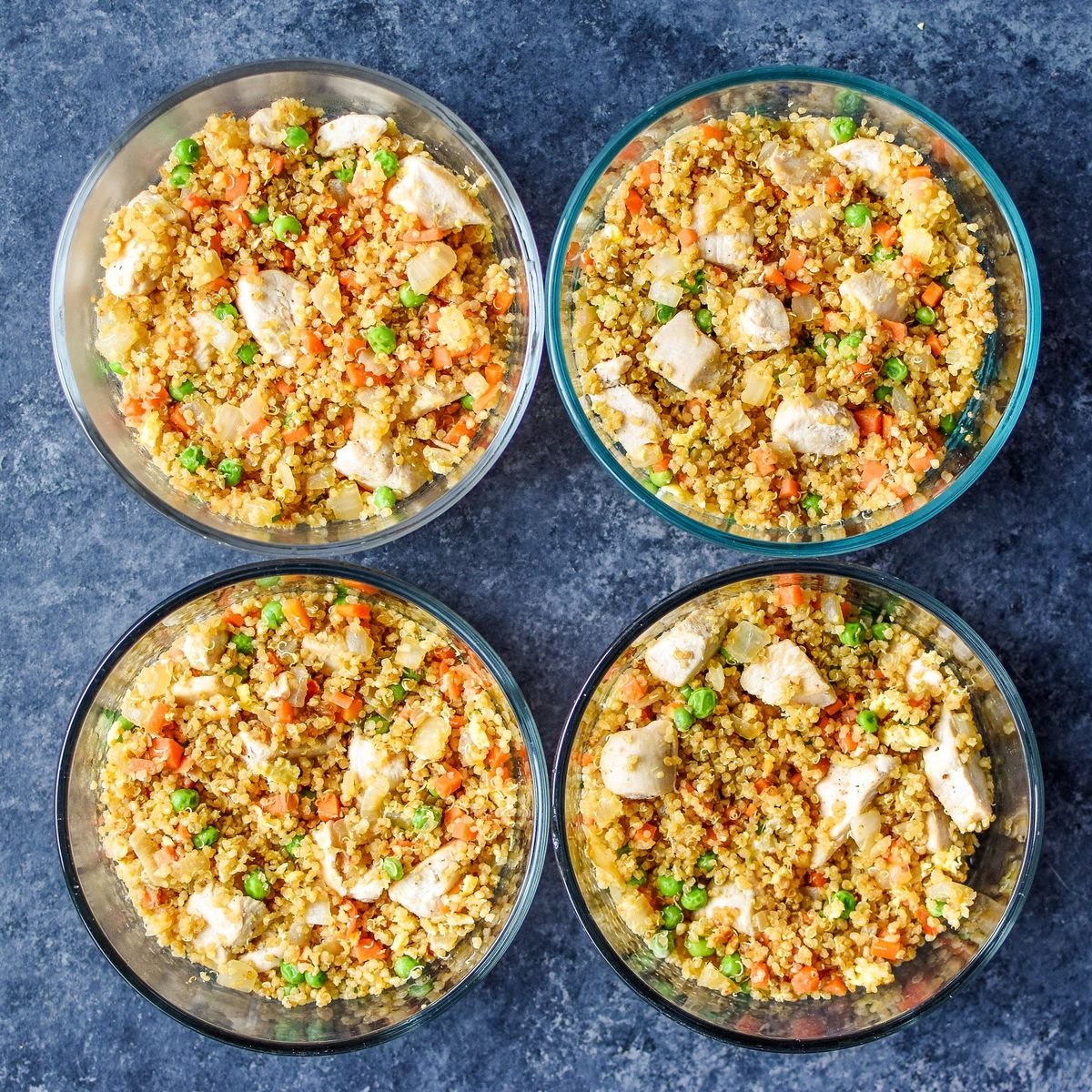
Here is the full plan. Each day provides roughly 1,400–1,700 calories — enough for a sedentary to moderately active adult to function comfortably while eating lighter than usual. Fibre intake comes to roughly 25–35 g per day, and water intake should be 2.5–3.5 litres daily (see the hydration section for the exact protocol). All sabzi should be cooked with minimal oil (1–2 teaspoons per dish), light salt, and standard haldi-adrak-lehsan-jeera seasoning.
Day 1: Ease In — Simple, Warm, and Light
Early morning (7:00 AM) — 1 glass (300 ml) warm water with half a lemon squeezed in. Optional: 4 soaked almonds (soaked overnight, peeled).
Breakfast (8:00–8:30 AM) — 1 bowl (about 250 g) vegetable oats: oats cooked in water or half water/half milk with chopped gajar, matar, and palak, lightly seasoned with salt, haldi, and jeera. Plus 1 boiled egg or 1 small cup (150 g) plain dahi on the side.
Mid-morning (11:00 AM) — 1 medium guava or 1 apple, plus 1 cup (200 ml) green tea or adrak-elaichi kahwa (no sugar; half a teaspoon of honey is acceptable if needed).
Lunch (1:00–1:30 PM) — 1 medium whole-wheat roti + 1 bowl (200 g) moong daal (thin, lightly salted) + 1 bowl (150 g) lauki or tori sabzi + 1 large bowl mixed salad (kheera, tamatar, gajar, pyaaz with lemon juice). 1 small cup (100 g) dahi.
Evening (4:30–5:00 PM) — 1 glass (250 ml) nimbu pani (water, lemon, a pinch of salt, optional mint) + 5–6 walnuts or a small handful (20 g) of roasted chana.
Dinner (7:00–7:30 PM) — 1 bowl (300 g) mixed vegetable soup (gajar, palak, lauki, tamatar, adrak — pressure-cooked and blended, minimal oil) + 1 small roti or half a bowl of steamed rice with 1 bowl (150 g) palak-mixed sabzi. Keep dinner light and finish at least 2–3 hours before bed.
Day 1 total: approximately 1,500–1,600 calories, 28–32 g fibre.
Day 2: The Core Reset Day
Early morning (7:00 AM) — 1 glass (300 ml) warm water with half a lemon. Optional: 1 teaspoon isabgol in a glass of water (drink immediately, then follow with another glass of water) — this adds about 4–5 g of fibre and supports regular bowel movement.
Breakfast (8:00–8:30 AM) — 1 large bowl (300 g) papaya (or 2 bananas if papaya is unavailable) + 1 small cup (150 g) plain dahi topped with 1 tablespoon ground flaxseed or a few chopped almonds. Papaya contains the enzyme papain and is gentle on digestion, which is why it suits this day.
Mid-morning (11:00 AM) — 1 orange or 2 kinno + 1 cup (200 ml) green tea or kahwa.
Lunch (1:00–1:30 PM) — 1 bowl (300 g) vegetable khichdi (rice + moong daal in roughly 1:1 ratio, cooked with haldi, jeera, adrak, and mixed vegetables like gajar, matar, and lauki) + 1 large bowl salad + 1 small cup (100 g) dahi or 1 glass (200 ml) salted lassi (thin, minimal salt).
Evening (4:30–5:00 PM) — 1 glass (250 ml) fresh coconut water or nimbu pani + 1 small cucumber or 1 guava.
Dinner (7:00–7:30 PM) — 1 bowl (250 g) clear vegetable or chicken soup (homemade, not packaged) + 1 medium roti with 1 bowl (150 g) bhindi or mixed sabzi. Alternatively, 1 bowl of steamed vegetables with lemon and a pinch of salt plus 1 boiled egg.
Day 2 total: approximately 1,400–1,500 calories, 30–35 g fibre. This is the lightest day of the three — slightly lower in calories, higher in fluids and fruit.
Day 3: Rebuild — Adding Back Normal Variety
Early morning (7:00 AM) — 1 glass (300 ml) warm water with lemon + 4 soaked almonds.
Breakfast (8:00–8:30 AM) — 2 small vegetable besan cheelas (made with besan, chopped pyaaz, tamatar, dhaniya, hari mirch — cooked with 1 teaspoon oil each) + 1 small cup (150 g) dahi + 1 small banana.
Mid-morning (11:00 AM) — 1 apple or 1 cup mixed seasonal fruit + 1 cup (200 ml) green tea or kahwa.
Lunch (1:00–1:30 PM) — 2 small rotis + 1 bowl (200 g) masoor or chana daal + 1 bowl (150 g) seasonal sabzi (shimla mirch, gobi, or mix) + 1 large salad bowl + 1 small cup dahi.
Evening (4:30–5:00 PM) — 1 glass (250 ml) nimbu pani or salted lassi + a small handful (20 g) of mixed nuts (almonds, walnuts).
Dinner (7:00–7:30 PM) — 1 bowl (300 g) daal soup or light moong daal + 1 medium roti + steamed or lightly sautéed vegetables (150 g). Keep the same early-dinner timing.
Day 3 total: approximately 1,600–1,700 calories, 28–32 g fibre. Portions are slightly larger because Day 3 prepares your body to return to normal eating.
The Hydration Protocol: Exact Numbers

Water does more for a “detox” feeling than any special food. Here is the protocol:
Daily fluid target
- Base water: 2–2.5 litres of plain water for most adults (about 8–10 glasses of 250 ml). If you are very active or it is hot, go up to 3 litres.
- Additional fluids: 2 cups green tea or kahwa (400 ml) + 1 glass nimbu pani or coconut water (250 ml) + water content from soups, daal, dahi, and fruits (roughly 700–900 ml).
- Total daily fluids: roughly 3–4 litres, of which about half comes from actual drinking and half from food.
Timing that actually helps
- 500–600 ml within the first hour of waking (your body wakes up dehydrated).
- 1 glass 30 minutes before each main meal — this modestly reduces how much you eat and aids digestion.
- Sip steadily through the day rather than gulping a litre at once.
- Stop heavy fluid intake about 1 hour before bed to avoid disturbing sleep.
What counts and what does not
Counts toward hydration: plain water, nimbu pani, kahwa, green tea, coconut water, thin lassi, clear soups. Does not count: doodh patti, regular chai with sugar, cold drinks, packaged juices, and alcohol — these are paused for the three days.
What to Avoid for 3 Days (and What to Eat Instead)
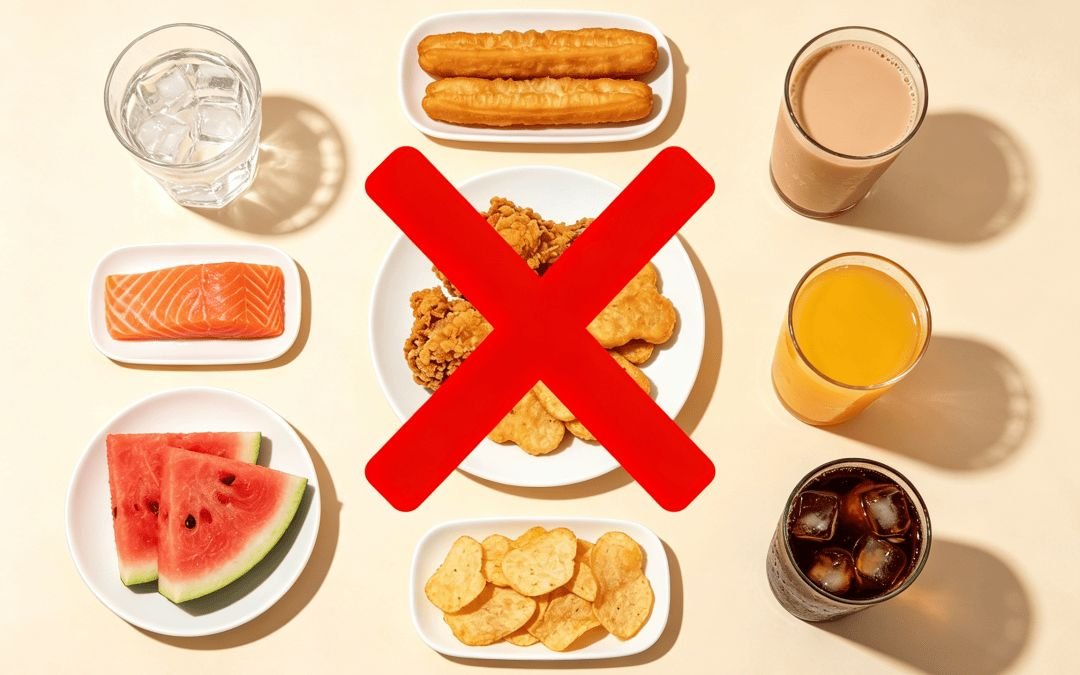
The reset works as much through what you remove as through what you add. Here is the complete avoid list with practical swaps.
Foods and drinks to pause
- Added sugar: mithai, biscuits, cakes, bakery items, chocolate, packaged juices, cold drinks. Swap: whole fruit, dates (1–2), or a teaspoon of honey in kahwa.
- Deep-fried foods: samosas, pakoras, fries, parathas fried in ghee. Swap: roasted chana, steamed corn, or a lightly oiled tawa sabzi.
- Processed and packaged snacks: chips, namkeen packets, instant noodles, frozen parathas. Swap: fruit, cucumber sticks, roasted makhana.
- Refined flour (maida) products: white bread, naan from outside, bakery buns. Swap: whole-wheat roti.
- Alcohol: pause completely for the three days.
- Excess caffeine: limit to 1–2 cups of tea/coffee a day, no sugar. Swap: kahwa or green tea.
- Very salty foods: achar in large quantities, papad, processed cheese. Swap: fresh lemon, herbs, and light seasoning.
- Red meat and heavy gravies: pause for three days. Swap: daal, eggs, or light chicken soup.
Cooking rules for the three days
- Use 1–2 teaspoons of oil per dish, not the usual free pour. Mustard oil, or whatever oil your family normally uses, is fine in small quantity.
- Go light on salt — roughly 1 teaspoon (5 g) of total added salt per day across all meals, which is in line with the WHO recommendation of under 5 g daily.
- No tadka overloaded with ghee. A light jeera tadka in a teaspoon of oil gives flavour without the heaviness.
- Steam, boil, pressure-cook, or lightly sauté. Avoid deep frying entirely.
Gentle Movement and Sleep: The Other Half of the Reset
Food is only part of feeling fresh again. Movement and sleep do the rest, and neither needs to be intense.
Movement for the three days
- 30-minute walk daily, ideally after dinner or in the morning. Brisk enough that you can talk but feel slightly warm. Walking after meals also measurably blunts the post-meal blood sugar spike.
- 10 minutes of stretching or yoga in the morning — simple asanas like bhujangasana (cobra), pawanmuktasana (wind-relieving pose), and gentle twists support digestion and reduce stiffness.
- Avoid intense workouts during the three days. Since you are eating slightly fewer calories than usual, heavy gym sessions or long runs can leave you drained. Save those for after the reset.
- If you have a desk job, stand and walk for 5 minutes every hour.
Sleep targets
- 7–8 hours per night, with a fixed bedtime around 11 PM.
- No screens for the last 30 minutes before bed; a cup of warm milk with a pinch of haldi (haldi doodh) is a fine pre-sleep drink on these days.
- Poor sleep increases ghrelin (the hunger hormone) by around 15% and decreases leptin (the fullness hormone), which is why one bad night can undo a whole day of disciplined eating.
How to Transition Back to Normal Eating (Days 4–7)
This is the step most people skip — and the reason most resets “fail.” Going straight from three light days to a weekend dawat shocks your digestion and erases the habit gains.
The 4-day transition plan
- Day 4: Eat normally but keep portions moderate and keep the no-sugar, no-cold-drink, no-fried-food rule for one more day. Add back one “normal” item you missed, like your regular breakfast.
- Day 5: Reintroduce one heavier meal — for example, a normal lunch with 2 rotis and your family’s usual salan. Keep breakfast and dinner light.
- Day 6: Fully normal home food, but keep two habits from the reset: the morning warm water and the vegetable or salad portion at lunch.
- Day 7: Normal routine. Decide which 2–3 reset habits you want to keep permanently (see the last section).
The golden rule of transition
Add back one food group at a time, not everything at once. If your stomach feels heavy or bloated after reintroducing something, that is useful information about how that food affects you — not a failure of the plan.
Signs You Should Stop the Plan Immediately
A safe plan has clear stop signals. Stop and return to normal eating if you experience any of the following:
- Dizziness, light-headedness, or feeling faint
- Unusual weakness, shakiness, or blurred vision
- Persistent headache that does not improve with water and rest
- Nausea, vomiting, or stomach cramps
- Heart palpitations or a racing heartbeat
- Intense, unmanageable hunger that does not ease after a meal
- Any symptom that worries you
These signs usually mean you are eating too little for your body’s needs, are dehydrated, or have an underlying issue the plan has exposed. Do not push through. Eat a normal balanced meal, drink water, and if symptoms persist, see a doctor. There is no health benefit worth feeling unwell for.
Also note: this plan contains no laxatives, no “detox teas” with senna, no enemas, and no full-day fasting. If any detox program recommends those, walk away — they can cause dehydration, electrolyte imbalance, and gut damage.
Making It a Habit: Beyond the 3 Days
Three days will not change your life, but they can change your trajectory — if you carry the right pieces forward. Here is how to convert a 72-hour reset into lasting habits:
Keep the 3 easiest wins permanently
- Morning water before chai. A glass of water on waking is the simplest habit with the biggest payoff.
- A vegetable portion at every lunch and dinner. Half your plate as sabzi or salad is the single most effective long-term rule in South Asian eating.
- The 8 PM kitchen close. Finishing dinner by 7:30–8:00 PM improves sleep and morning appetite within a week.
The monthly mini-reset
Many people find it useful to repeat a lighter version of this plan — for example, just Day 2’s style of eating — for one day a month, such as the first Sunday. It works as a regular checkpoint without the commitment of a full three days.
Build your own rotation
Once you have done the plan once, you know which meals you actually enjoyed. Keep a personal list of 5–6 “reset meals” (your favourite soup, your best khichdi, a salad combination you liked) and rotate them into normal weeks whenever eating has been heavy. That is the real long-term value of these three days: a toolkit, not a one-time fix.
Track what changed
On the evening of Day 3, write down honestly: How is your energy compared to Day 0? How is your digestion? Your sleep? Your evening cravings? Most people notice at least two clear improvements, and that written record becomes your motivation the next time heavy eating creeps back in.
Frequently Asked Questions
Will I lose weight on this 3-day detox diet plan?
You may see the scale drop by 0.5–1.5 kg, but almost all of it is water weight from eating less salt and fewer carbohydrates, plus less food sitting in your digestive tract. It is not fat loss, and it will return when normal eating resumes. Treat any weight change as a side effect, not the goal — the real goals are better digestion, hydration, and eating habits.
Can I drink milk or eat roti during the detox?
Yes. This plan deliberately includes both. Roti (whole wheat, 1–2 per meal) provides steady energy and fibre, and milk, dahi, and lassi provide protein and calcium. Plans that banish all grains and dairy are unnecessarily restrictive and harder to follow; there is no scientific reason a healthy person needs to avoid roti or doodh for three days.
Is green tea or kahwa necessary for detox?
No — they are pleasant, low-calorie drinks, not detox agents. Green tea contains some antioxidants and a little caffeine, and kahwa (green tea with cardamom, almonds, sometimes saffron) is a traditional Kashmiri drink that many people enjoy. But plain water does the same hydration job. Drink them if you like them, skip them if you do not, and never add sugar.
Can I do this plan while working a full-time job?
Yes, with one adjustment: keep the mid-morning and evening snacks in your bag (fruit, nuts, roasted chana travel well) so you are not stuck hungry at the office. The meals themselves are normal packed-lunch food — khichdi, daal-roti, and salads all pack fine in a lunchbox. If your job is physically demanding (construction, delivery, field work), increase portions by adding an extra roti or an extra bowl of daal at lunch, because the base plan assumes light to moderate activity.
How often can I repeat the 3-day detox diet plan?
Once a month at most for the full three days, and make sure you feel completely well between rounds. If you find yourself wanting to repeat it every week, that is a sign to fix your everyday eating instead — no reset can compensate for a daily diet of junk food. A better long-term investment is keeping the permanent habits from the previous section and eating balanced home food most days.
Conclusion: A Reset, Not a Miracle

A 3-day detox diet plan will not flush toxins from your body — your liver and kidneys already handle that, quietly and efficiently, every single day. What these three days genuinely offer is something more practical: a break from sugar, processed food, and heavy eating; proper hydration; fibre-rich South Asian meals your grandmother would recognise; and the mental reset of proving to yourself that you can eat simply and feel good doing it.
Do it once, transition back carefully, keep the two or three habits that felt easiest, and you will have gained far more than any “miracle cleanse” promises. And if at any point your body tells you something is wrong, listen to it first and finish the plan later — or not at all.
If you want personalised guidance — for example, adapting this plan around diabetes medication, PCOS, weight goals, or a training routine — working with a qualified nutritionist is the safe next step. Book an appointment with our team at Pak Nutri Services, and we will build a plan around your health profile, your medical history, and the foods you actually eat.
Keep Reading
To understand the science behind the detox foods in this plan, read Best Detox Foods for Body Cleanse: What Science Actually Says next.