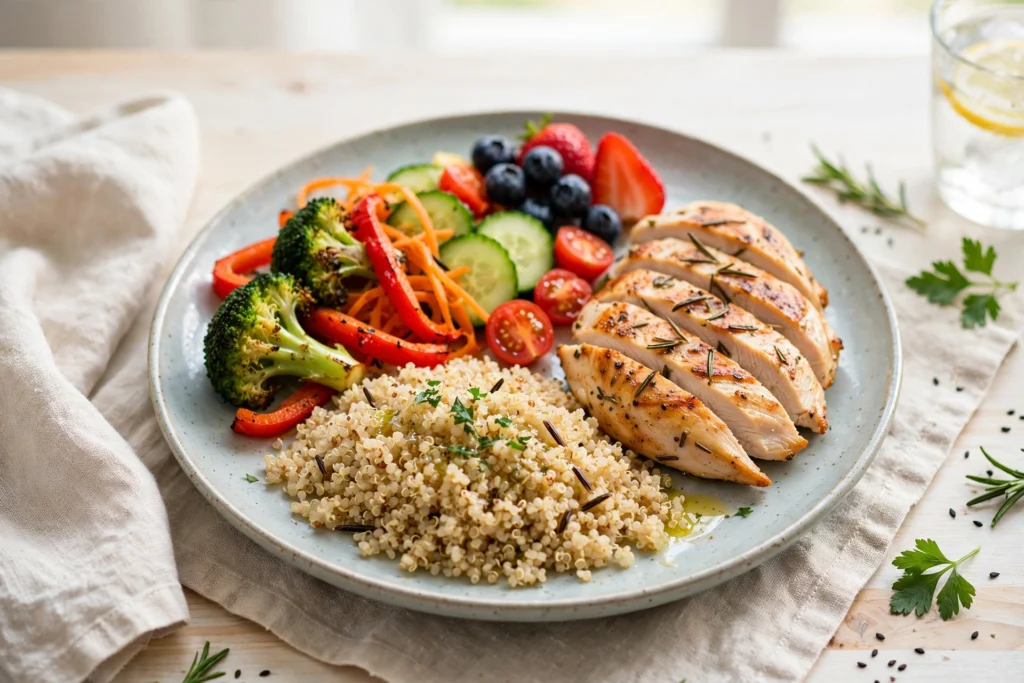
This complete guide to how to increase hemoglobin naturally explains which foods, nutrients, and daily habits raise your hemoglobin safely, and when low levels need a doctor.
Fatigue that does not lift after a full night’s sleep. Getting breathless climbing one flight of stairs. Palms that look pale no matter how much rest you get. These are complaints heard in clinics across Pakistan, India, and Bangladesh every single day, and they often trace back to one number on a blood report: hemoglobin.
Low hemoglobin is one of the most common nutritional problems in South Asia. The World Health Organization estimates that roughly half of all women of reproductive age in the region are anemic, and the figure is even higher during pregnancy. The good news is that in most cases, mildly low hemoglobin responds well to food, smart eating habits, and a few simple lifestyle changes. The less good news is that the internet is full of overblown promises about how to increase hemoglobin naturally in three days with nothing but beetroot juice. This guide separates what genuinely works from what does not.
In this guide, you will learn:
- What hemoglobin does in your body and what normal levels look like for men, women, children, and pregnant women
- How to tell whether your hemoglobin is low, and which blood tests confirm it
- The most common causes of low hemoglobin, from iron deficiency to blood loss and chronic illness
- Which nutrients your body needs to build hemoglobin — iron, vitamin B12, folate, and vitamin C — and how they work together
- The best iron-rich foods, including practical South Asian options like palak, chukandar, anar, gur, khajoor, and kaleji
- Meal combinations that multiply iron absorption, and everyday habits that quietly block it
- How exercise, sleep, and hydration influence your hemoglobin
- Popular myths about raising hemoglobin that the evidence does not support
- Red flags that mean you should see a doctor rather than relying on diet alone
What Hemoglobin Is and Why It Matters
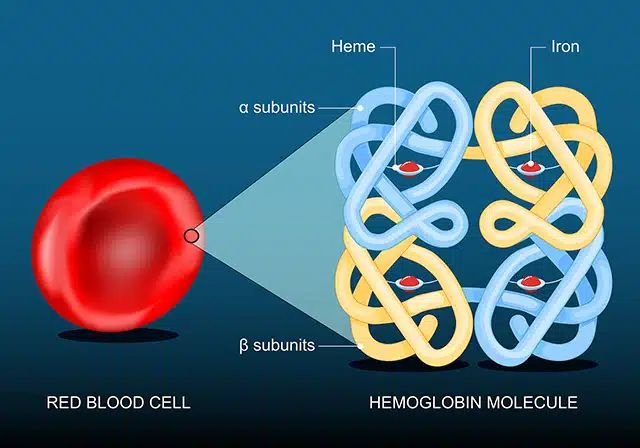
Hemoglobin (often shortened to Hb or HgB on blood reports) is a protein inside your red blood cells. Its job is beautifully simple: it picks up oxygen in your lungs, carries it through your bloodstream, and delivers it to every tissue in your body. It then collects carbon dioxide and brings it back to the lungs to be exhaled.
One number that affects your whole body
Because nearly every cell depends on oxygen, hemoglobin touches almost everything you feel and do. When levels fall, less oxygen reaches your muscles, brain, and organs, which is why low hemoglobin can cause tiredness, weakness, poor concentration, dizziness, and shortness of breath. Your heart may also beat faster to compensate, trying to push the smaller supply of oxygen around more quickly. Hemoglobin is measured in grams per deciliter (g/dL) of blood, and a routine Complete Blood Count (CBC) test reports it. Knowing your number is the first step to improving it.
Normal Hemoglobin Levels for Men, Women, Children, and Pregnancy
Hemoglobin reference ranges differ by age, sex, and physiological state, so a level that is normal for a pregnant woman would be low for an adult man. Use these WHO-aligned reference values:
Adult men
For healthy adult men, the normal hemoglobin range is approximately 13.0 to 17.0 g/dL. Levels below 13.0 g/dL in men generally indicate anemia and deserve medical attention, especially because iron deficiency is less common in men and can sometimes point to hidden blood loss.
Adult women
For non-pregnant adult women, the normal range is approximately 12.0 to 15.5 g/dL. Women are more prone to iron deficiency because of blood lost during menstruation, which is one reason anemia is more common in women across South Asia.
Children
Children’s ranges vary with age. For school-age children, approximately 11.5 to 15.5 g/dL is typical, while younger children have slightly lower reference values. A pediatrician should interpret a child’s report, since age-specific charts apply.
Pregnancy
Pregnancy naturally dilutes the blood as plasma volume expands, so the threshold is set slightly lower: a hemoglobin below 11.0 g/dL during pregnancy is considered anemia. However, pregnant women need significantly more iron (around 27 mg per day) to support the growing baby and placenta. Iron deficiency during pregnancy is linked to premature birth and low birth weight, so prenatal iron and folate supplementation is standard medical advice worldwide.
How to Know If Your Hemoglobin Is Low
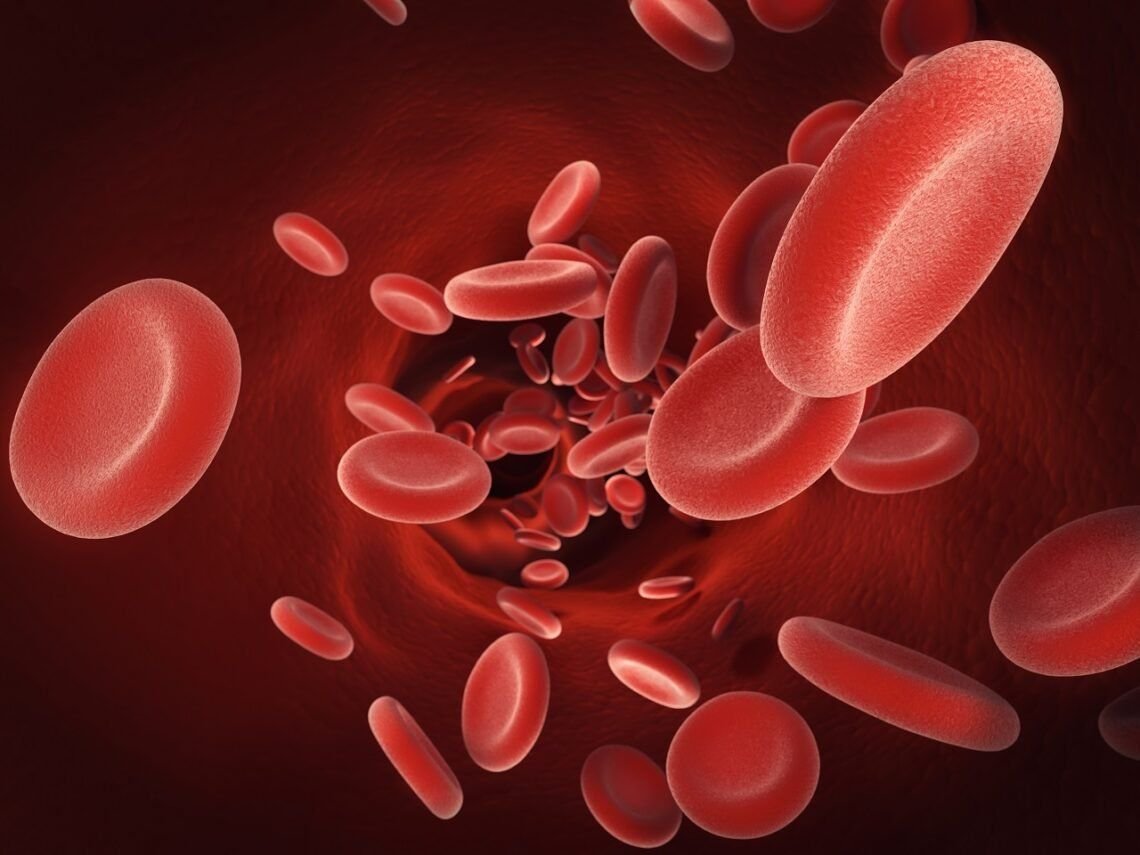
Symptoms are useful signals, but they are not a diagnosis. Many people with mildly low hemoglobin feel perfectly fine, while others feel exhausted with borderline numbers.
Common signs and symptoms
The most frequently reported symptoms of low hemoglobin include persistent fatigue, weakness, pale skin (especially noticeable on the palms, nail beds, and inside the lower eyelids), shortness of breath during activity, dizziness or lightheadedness, cold hands and feet, headaches, a fast or irregular heartbeat, brittle nails, hair thinning, restless legs, and unusual cravings for non-food items such as ice, clay, or starch — a condition called pica, which is strongly associated with iron deficiency. Children with low hemoglobin may show poor appetite, irritability, and slower growth.
Which tests confirm it
A Complete Blood Count (CBC) measures hemoglobin directly and also reports related values such as MCV (average red cell size), which helps doctors distinguish iron deficiency from B12 or folate deficiency. If iron deficiency is suspected, doctors typically order serum ferritin (your iron storage protein) and sometimes serum iron, TIBC, and transferrin saturation. For B12 deficiency, serum vitamin B12 levels are checked. Do not guess your deficiency from symptoms alone — a simple blood test costs little and prevents you from supplementing the wrong nutrient.
What Causes Low Hemoglobin
Understanding the cause matters because the correct treatment depends on it. Diet fixes iron deficiency, but it will not fix hemoglobin lost to bleeding, and it cannot correct a genetic condition.
Iron deficiency
Iron deficiency is the single most common cause of low hemoglobin worldwide, and it is especially widespread in South Asia. Each molecule of hemoglobin contains iron at its core — without enough iron, your bone marrow simply cannot manufacture enough red blood cells. Causes of iron deficiency include poor dietary intake (common in diets heavy on refined grains and low in meat and legumes), pregnancy and breastfeeding (which raise demand), and growth spurts in children and teenagers. Small, chronic blood losses are another major cause: heavy menstrual periods, frequent blood donation, hookworm infection (still relevant in rural areas), and slow gastrointestinal bleeding from conditions such as hemorrhoids, stomach ulcers, or certain medications.
Vitamin B12 and folate deficiency
Your bone marrow also needs vitamin B12 and folate to build healthy red blood cells. When these are lacking, it produces fewer, abnormally large cells (megaloblastic anemia). B12 deficiency is particularly common among strict vegetarians in South Asia, since B12 comes almost entirely from animal foods. Low stomach acid, gut disorders, and long-term use of acid-reducing medicines can also impair B12 absorption.
Chronic disease and inflammation
Long-standing infections, kidney disease, liver disease, and autoimmune conditions can suppress red blood cell production or shorten red cell lifespan, causing what doctors call anemia of chronic disease. In these cases, hemoglobin usually recovers only when the underlying condition is treated.
Genetic blood disorders
Inherited conditions such as thalassemia and sickle cell disease affect how hemoglobin itself is made. These are common enough in Pakistan, India, and parts of the Middle East that they deserve mention: diet can support overall health, but it does not correct the underlying genetic defect, and iron supplements can actually be harmful in some thalassemia patients unless a doctor supervises. A hemoglobin electrophoresis test identifies these conditions.
The Nutrients That Build Hemoglobin
Think of hemoglobin production as a small factory: it needs several raw materials at once, and a shortage of any one of them slows the whole line.
Iron: the core ingredient
Iron is the centerpiece of the hemoglobin molecule. Adults generally need about 8 mg per day for men and 18 mg for premenopausal women (the higher figure accounts for menstrual losses), while pregnant women need around 27 mg daily. Iron comes in two forms. Heme iron, found in meat, poultry, and fish, is absorbed efficiently — roughly 15 to 35 percent. Non-heme iron, found in plants, legumes, and grains, is absorbed far less efficiently — often only 2 to 10 percent. This difference matters enormously for vegetarians and for anyone relying mainly on plant foods to raise their hemoglobin.
Vitamin C: iron’s best partner
Vitamin C (ascorbic acid) is the single most powerful dietary enhancer of non-heme iron absorption. It converts iron into a form the gut absorbs more easily and can increase absorption several-fold. This is why pairing matters more than most people realize: a bowl of palak (spinach) eaten with a squeeze of lemon delivers substantially more usable iron than the same palak eaten with tea. Excellent vitamin C sources include citrus fruits, guava, amla (Indian gooseberry), tomatoes, bell peppers, and strawberries.
Vitamin B12 and folate: the cell builders
Vitamin B12 and folate (vitamin B9) are needed for the proper formation of red blood cells in the bone marrow. A deficiency in either produces large, fragile red cells that cannot carry oxygen effectively. Folate is abundant in leafy greens, lentils, chickpeas, and fortified grains. Vitamin B12, however, is naturally present only in animal foods — meat, eggs, milk, and fish — which makes it the nutrient most likely to be deficient in vegetarian households. For vegetarians with low B12, fortified foods or a B12 supplement is usually necessary.
Copper: a small but real role
Copper does not build hemoglobin directly, but enzymes that depend on copper help the body mobilize iron from storage and incorporate it into hemoglobin. True copper deficiency is rare and usually only seen in severe malnutrition or after certain surgeries. Nuts, seeds, lentils, and whole grains provide enough copper for most people, so it deserves awareness rather than alarm.
Iron-Rich Foods to Increase Hemoglobin
Animal sources (heme iron)
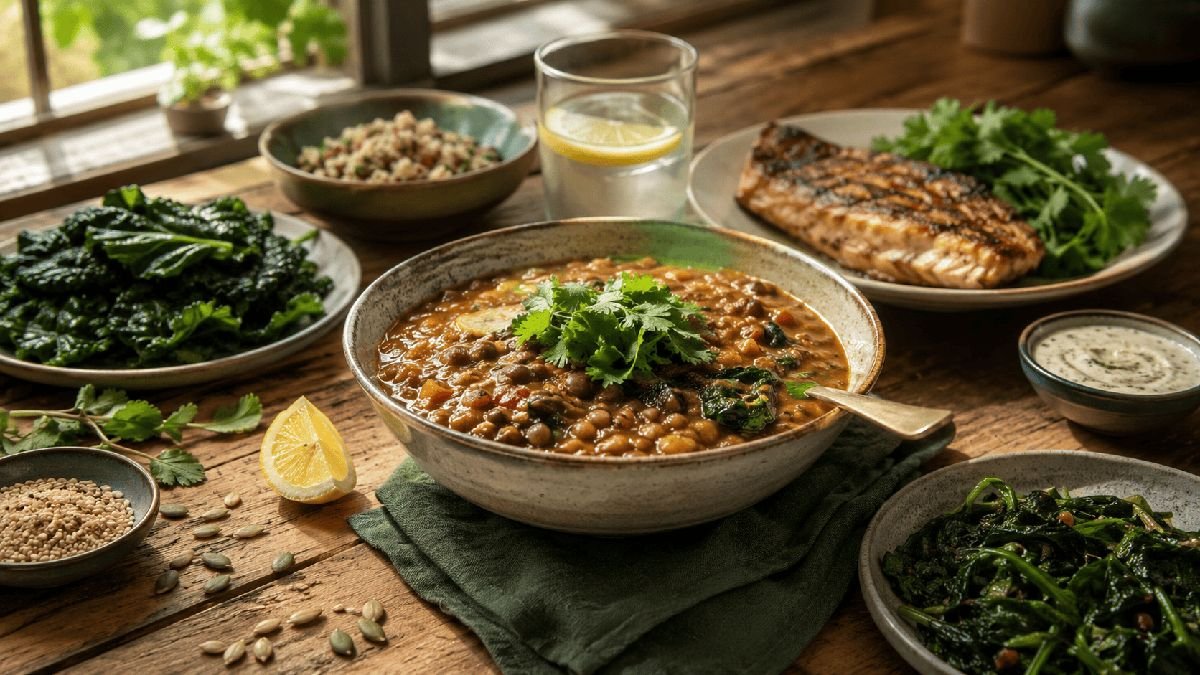
For those who eat meat, animal foods are the most efficient way to raise iron intake. Liver (kaleji) is extraordinarily rich in iron — a small serving provides several times the daily requirement — though it is also high in vitamin A, so pregnant women should eat it only occasionally and in small amounts. Red meat, especially mutton and beef, chicken, and fish are all strong sources of heme iron. Eggs contain some iron too, but it is non-heme iron and less efficiently absorbed.
Plant sources (non-heme iron)
Plant-based eaters can absolutely build healthy hemoglobin, but they need to eat more iron-rich plants and pair them smartly with vitamin C. Top plant sources include lentils (daal), chickpeas (chana), kidney beans (rajma), black-eyed peas (lobia), spinach (palak), fenugreek leaves (methi), dried apricots, raisins, pumpkin seeds, sesame seeds (til), quinoa, fortified cereals, and tofu. Whole wheat flour and jaggery (gur) also contribute modest amounts. The key strategy for vegetarians is volume plus pairing: generous portions of legumes and greens, always eaten with a vitamin C source.
South Asian Foods That Support Healthy Hemoglobin
Our traditional foods contain several genuine allies in the fight against low hemoglobin — alongside a few remedies whose reputation is bigger than the evidence.
Chukandar (beetroot)
Beetroot is probably the most famous desi remedy for low hemoglobin, and it does have real nutritional value: it provides folate, vitamin C, and a modest amount of iron. What it cannot do is raise your hemoglobin dramatically on its own. The iron in beetroot is non-heme and present in small amounts, and the deep red color — which many people assume means it “looks like blood” and therefore builds blood — is pigment, not iron. Honest verdict: beetroot is a healthy, nutritious vegetable worth eating regularly, but beetroot juice alone is not a treatment for anemia.
Anar (pomegranate)
Pomegranate is rich in vitamin C, folate, and antioxidants, with a moderate amount of iron. Its real strength for hemoglobin is indirect: the vitamin C in anar significantly improves the absorption of iron from the rest of your meal. Eating anar with or after an iron-rich meal is a genuinely useful habit.
Gur (jaggery)
Jaggery contains more iron than refined white sugar because it retains some minerals from sugarcane processing — but “more than white sugar” is a very low bar, and the iron content is still small. Gur is not a meaningful iron source on its own. Where it does have a practical role: replacing refined sugar with jaggery in iron-rich traditional dishes adds a little extra iron without extra effort. Do not expect jaggery alone to correct a deficiency.
Khajoor (dates)
Dates provide iron, folate, and energy, making them a sensible snack for someone with low hemoglobin — particularly the common practice of eating a few dates with milk in the morning. However, the iron per serving is modest, and milk’s calcium can slightly reduce iron absorption (more on that below). Dates are a good supportive food, not a cure.
Palak (spinach) and other leafy greens
Palak, methi (fenugreek), sarson (mustard greens), and bathua are among the best vegetarian iron sources available in our kitchens, and they are also excellent sources of folate. One honest caveat: spinach contains oxalates, which bind some of its iron and reduce absorption. The fix is simple — always eat greens with a vitamin C source such as lemon juice, tomatoes, or amla, which substantially overcomes the oxalate effect.
Kaleji (liver)
For non-vegetarians, liver is the single most iron-dense food in the desi diet — just 50 to 75 grams of cooked kaleji delivers a large share of the daily iron requirement in highly absorbable heme form. It also provides vitamin B12, vitamin A, and folate. Eat it once or twice a week rather than daily, and pregnant women should keep portions small because of the high vitamin A content.
Habits That Quietly Block Iron Absorption
Eating enough iron is only half the battle; the other half is making sure your body absorbs it.
Tea and coffee with meals
This is perhaps the most important habit to change in South Asia. The tannins and polyphenols in chai and coffee bind iron in the digestive tract and can cut absorption dramatically — studies show a strong cup of tea with a meal can reduce iron absorption by half or more. The fix is timing, not elimination: enjoy your chai, but drink it at least one to two hours before or after iron-rich meals, not with them.
Calcium-rich foods and supplements
Calcium competes with iron for absorption, so a large glass of milk, a calcium supplement, or antacid taken with an iron-rich meal can blunt iron uptake. Space calcium supplements at least two hours away from iron-rich meals or iron tablets. This does not mean avoiding milk — dairy is a valuable source of B12 and calcium — just separating the timing.
Antacids and acid-reducing medicines
Stomach acid helps dissolve iron for absorption, so long-term use of antacids or proton pump inhibitors (such as omeprazole) can contribute to iron and B12 deficiency. If you take these medicines regularly and have low hemoglobin, discuss it with your doctor rather than stopping them on your own.
Smart Meal Combinations That Multiply Iron Absorption
Pairing the right foods at the same meal is the cheapest and most effective strategy for raising hemoglobin naturally. These combinations follow a simple formula: iron-rich food plus vitamin C source, with chai kept for later.
A sample iron-boosting day
- Breakfast: Whole wheat paratha with a palak-and-tomato filling, plus a small glass of fresh orange juice or a few pieces of amla. The tomatoes and citrus multiply the iron absorbed from the palak.
- Mid-morning: A handful of dates and a small bowl of anar. Keep chai at least an hour away from this snack.
- Lunch: Rajma or chana curry with brown rice and a lemon-tossed salad. Squeeze extra lemon over the daal — the vitamin C makes a measurable difference.
- Evening: Roasted pumpkin seeds and sesame (til) with a piece of fruit. Avoid drinking chai immediately after this snack.
- Dinner: For non-vegetarians, grilled chicken or a small portion of kaleji curry once or twice a week, served with vegetables and lemon. For vegetarians, masoor daal with methi and a side of bell pepper salad.
Cooking tips that preserve iron
Cooking in iron pots and kadhais can add small but meaningful amounts of iron to food, particularly acidic dishes like tomato-based curries. Soaking lentils and beans before cooking, and fermenting batters (as in dosa or idli), reduces phytates that otherwise bind iron. Keep cooking times moderate for greens so their folate survives.
Lifestyle Factors: Exercise, Sleep, and Hydration
Food is the main lever, but three lifestyle factors genuinely influence hemoglobin.
Exercise
Regular moderate exercise — brisk walking, cycling, swimming — stimulates the production of red blood cells. Athletes training intensively at the start of a program sometimes show a temporary dip in hemoglobin (sports anemia) as blood volume expands faster than red cell mass, but this normalizes with consistent training. For most people, 30 minutes of moderate activity most days supports healthy hemoglobin production. Exercise does not replace iron, though; an iron-deficient runner will still be iron-deficient.
Sleep
Chronic sleep deprivation is linked to lower hemoglobin levels in population studies, possibly because disrupted sleep affects the hormones that regulate red blood cell production. Aim for seven to nine hours of consistent, quality sleep. People with sleep apnea deserve special attention: the repeated nighttime oxygen drops can cause compensatory changes in blood counts, and treating the apnea often normalizes them.
Hydration and altitude
Dehydration concentrates the blood and can make hemoglobin appear falsely high on a test; drinking water before your blood draw is simply good practice for accuracy. People living at high altitude naturally develop higher hemoglobin because thinner air triggers the body to produce more red cells — this is a normal adaptation, not something to copy at sea level.
Myths: What Does NOT Raise Hemoglobin

“Beetroot juice raises hemoglobin in three days”
No food can rebuild your red blood cell supply in three days — red blood cells take weeks to mature, and a meaningful rise in hemoglobin from dietary changes typically takes four to eight weeks. Beetroot juice is nutritious, but the three-day claim has no scientific basis.
“Jaggery or dates alone cure anemia”
Both contain some iron, but neither contains enough to correct a true deficiency by itself. Relying on them instead of a proper workup can delay treatment of the real cause, whether that is heavy periods, a gut problem, or B12 deficiency.
“Eating red-colored foods builds red blood”
The color of a food tells you nothing about its iron content. Pomegranate juice is red and genuinely useful (for its vitamin C), but red food coloring in sweets does nothing for your blood.
“More iron is always better”
Excess iron can be toxic and cause organ damage over time. Iron overload (hemochromatosis) is a real condition, and iron supplements should never be taken “just in case” without a confirmed deficiency. In thalassemia patients, unsupervised iron supplementation can be actively harmful.
“Herbal blood tonics work for everyone”
Traditional formulations such as iron-containing Ayurvedic preparations (for example, those based on purified iron bhasmas) do contain iron and may help some people, but their iron content is inconsistent, quality varies widely between brands, and some have been found contaminated with heavy metals. If you use them, buy from reputable manufacturers and tell your doctor.
When Diet Is Not Enough: Supplements
If a blood test confirms iron deficiency, doctors usually prescribe oral iron supplements (such as ferrous sulfate or ferrous fumarate) taken on an empty stomach or with vitamin C, spaced away from tea, coffee, calcium, and antacids. Common side effects include constipation and dark stools, which are harmless. Most people need three months or more of supplementation to rebuild both hemoglobin and iron stores (ferritin) — stopping as soon as hemoglobin looks normal is a common reason deficiency returns. B12 deficiency is treated with B12 tablets or injections, and folate deficiency with folic acid. Never self-prescribe high-dose supplements based on symptoms alone; confirm the deficiency with a test first.
When to See a Doctor: Red Flags
Diet and lifestyle are appropriate first steps for mild deficiency, but certain signs mean you need medical evaluation promptly. See a doctor if:
- Your hemoglobin is very low (below 8 g/dL) or falling despite dietary efforts
- You feel faint, have chest pain, a racing heart, or severe shortness of breath
- You notice black or tarry stools, blood in stool or urine, or unusually heavy menstrual bleeding
- You have persistent fatigue along with unexplained weight loss, fever, or night sweats
- You are pregnant and your hemoglobin is low
- You have a family history of thalassemia or sickle cell disease and have never been tested
- You experience numbness, tingling, or balance problems (possible B12 deficiency nerve signs)
- Your child’s growth or development seems affected
Severe anemia can be a sign of internal bleeding or serious illness. A doctor can order the right tests — CBC, ferritin, B12, stool occult blood, or hemoglobin electrophoresis — and identify what diet alone cannot fix.
Frequently Asked Questions
How long does it take to increase hemoglobin naturally?
With consistent dietary changes — daily iron-rich foods paired with vitamin C and tea kept away from meals — most people see a measurable improvement in four to eight weeks, and a full correction of mild deficiency in two to three months. Red blood cells take about 120 days to turn over, so patience is part of the process. Recheck your hemoglobin with a CBC after two to three months to confirm progress.
Can vegetarians raise their hemoglobin without meat?
Yes. Vegetarians do it by eating larger amounts of iron-rich plant foods (lentils, chickpeas, beans, palak, methi, pumpkin seeds, sesame, dried fruit) and always pairing them with vitamin C sources like lemon, tomatoes, guava, or amla. Because non-heme iron is absorbed less efficiently, vegetarians should be extra careful about the tea-with-meals habit and consider checking B12 levels, since B12 is not available from plant foods.
Does drinking milk lower hemoglobin?
Milk itself does not lower hemoglobin, but calcium in milk can reduce iron absorption when consumed in large amounts at the same meal. The practical solution is timing: enjoy milk and dairy as part of your diet (they provide B12 and calcium), but avoid drinking large glasses of milk together with your main iron-rich meal or with iron tablets.
Is beetroot or pomegranate better for hemoglobin?
Both are healthy, but for different reasons. Pomegranate has more vitamin C, which actively helps your body absorb iron from other foods in the meal — so it is arguably the more useful of the two for raising hemoglobin. Beetroot contributes folate and some iron. Neither is a standalone treatment; think of them as helpful team members in an overall iron-smart diet.
Can I take iron supplements without a blood test?
It is not advisable. Low hemoglobin has several causes, and taking iron without knowing your ferritin level can mask the real problem, cause side effects, and in rare cases lead to iron overload. Supplements also make it harder for doctors to diagnose conditions like thalassemia. Get a simple CBC and ferritin test first — then supplement only what you actually lack, under a doctor’s guidance.
Conclusion: Build Your Hemoglobin the Smart Way
Increasing hemoglobin naturally is entirely achievable for most people: eat generous amounts of iron-rich foods, pair them with vitamin C, keep chai away from meals, support your B12 and folate intake, move your body, and sleep well. Give the process eight to twelve weeks and confirm your progress with a blood test. And be honest with yourself about the limits — diet corrects nutritional deficiency, but it does not stop bleeding, fix absorption disorders, or rewrite genetics. If your numbers are very low, not improving, or come with worrying symptoms, see a doctor promptly.
If you would like personalized guidance — a meal plan built around your blood reports, your dietary preferences, and your health conditions — book an appointment with our qualified nutrition team. We will review your reports and build a practical, desi-kitchen-friendly plan to get your hemoglobin where it should be.
Medical disclaimer: This article is for educational purposes only and is not a substitute for professional medical advice, diagnosis, or treatment. Always seek the advice of your doctor or another qualified health professional with any questions about a medical condition, and never disregard professional advice because of something you read here. If you suspect you have anemia or any other health condition, get tested and treated by a qualified clinician.
Keep Reading
For a companion guide on iron deficiency, read Iron Deficiency Symptoms and Treatment.
References
National Institutes of Health, Office of Dietary Supplements. Iron – Health Professional Fact Sheet.