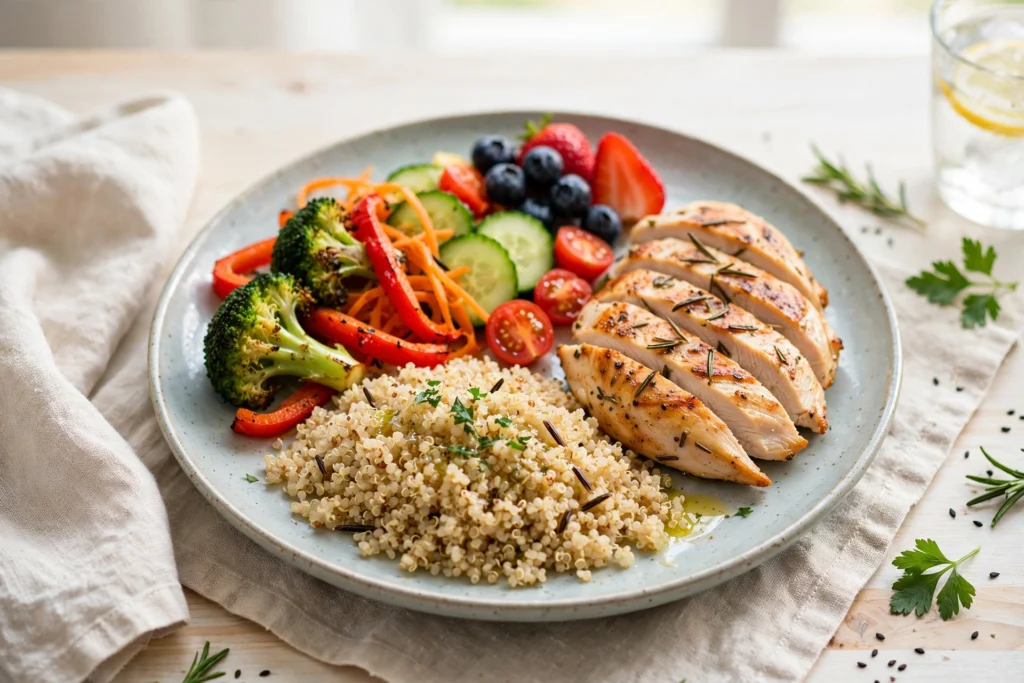
This complete guide to nutrition for healthy aging after 50 explains how protein, calcium, vitamin D, B12, fiber, and heart-smart eating habits support strength, bones, immunity, and independence in a South Asian diet.
Turning 50 is a milestone worth celebrating — and it is also the point where your body starts asking for a slightly different kind of care. Metabolism slows a little, muscles lose strength more easily, bones thin out, and the way your body absorbs certain nutrients quietly changes. The good news is that what you put on your plate remains one of the most powerful tools you have for staying active, independent, and energetic through your fifties, sixties, and beyond.
Research on ageing and nutrition consistently shows that dietary habits in midlife are strongly linked to how well people function in later years — their grip strength, walking speed, bone density, and even cognitive sharpness. You do not need expensive imported supplements or fad diets to benefit. A well-planned desi kitchen, with its daal, dahi, seasonal sabzi, and sensible roti portions, can supply almost everything science recommends for ageing well.
In this guide, you will learn:
– How your nutrient needs shift after age 50 — and why
– Exactly how much protein, calcium, vitamin D, and fibre you likely need
– How to protect muscle mass and prevent sarcopenia (age-related muscle loss)
– What to eat for stronger bones, a healthier heart, and better digestion
– Why vitamin B12 absorption declines with age and what to do about it
– How hydration, metabolism, and medications change the nutrition picture
– A South Asian meal framework with practical desi food swaps
– A sample day’s meal plan tailored to Pakistan
Medical disclaimer: This article is for education only and is not medical advice. If you have diabetes, kidney disease, heart disease, or take regular medications, discuss dietary changes with your doctor or a registered nutritionist before making major changes.
How Your Body’s Needs Change After 50
Ageing is not a disease, but it does bring measurable physiological shifts. Understanding them helps you eat with purpose rather than guesswork.
A slower metabolism
After 50, basal metabolic rate typically drops by about 1–2% per decade, mainly because muscle mass declines and hormonal profiles change. This means the same plate that maintained your weight at 40 may gradually add weight at 55 — not because you are doing anything wrong, but because your engine idles lower. The answer is not crash dieting (which can strip away precious muscle); it is slightly smaller portions of energy-dense foods and more nutrient-dense ones.
Less efficient absorption
The stomach produces less acid and less intrinsic factor with age, which directly reduces vitamin B12 absorption from food. The gut also becomes slightly less efficient at absorbing some minerals. This is why needs for certain micronutrients actually increase even as calorie needs fall — a double challenge that calls for smarter food choices.
Changing body composition
Fat tends to redistribute toward the abdomen after 50, especially in South Asians, who are genetically more prone to visceral fat at lower body weights. This pattern is linked with higher risk of type 2 diabetes and heart disease. Strength-supporting protein and regular movement matter more now than ever.
Protein: Your First Line of Defence Against Muscle Loss
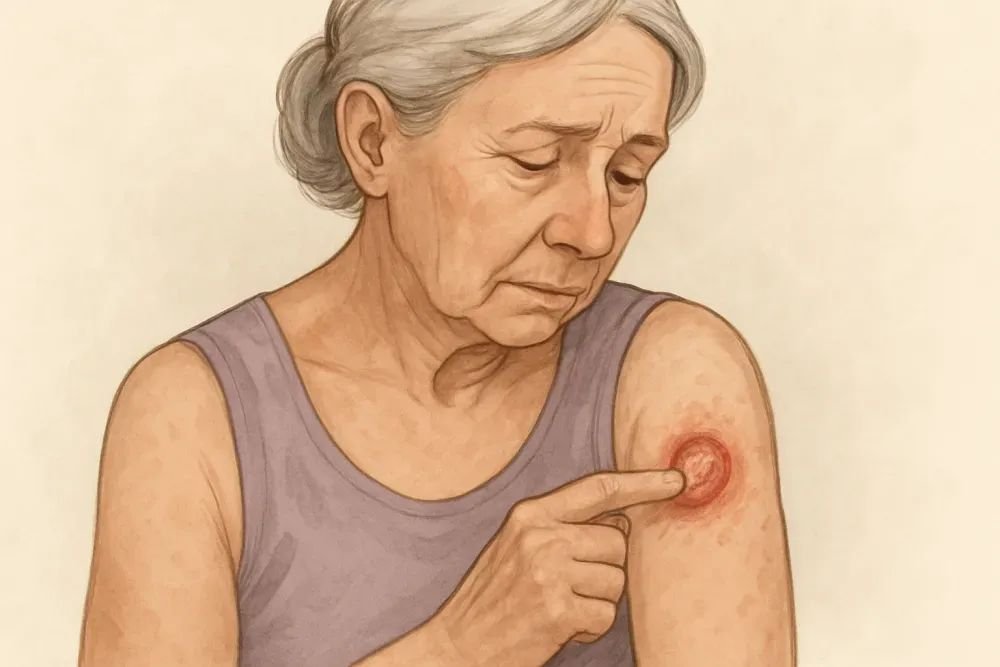
Sarcopenia — the gradual loss of muscle mass and strength — affects roughly 5–13% of people in their sixties and up to half of those over 80, according to research reviews. It creeps in quietly: jars get harder to open, stairs feel steeper, balance gets wobblier. Protein is the raw material your body uses to slow this down, but only if you eat enough of it, spread through the day.
How much protein do you need?
The classic RDA of 0.8 g per kilogram of body weight was designed as a minimum to avoid deficiency in young adults — not as an optimal target for ageing adults. Research in older populations suggests 1.0–1.2 g of protein per kg of body weight per day may better support muscle maintenance, with some experts recommending up to 1.5 g/kg for those who are very active or recovering from illness.
For a 65 kg adult, that means roughly 65–78 g of protein daily. That is very achievable with desi foods:
– 1 cup cooked daal (masoor/moong): ~12–14 g
– 1 cup dahi (yogurt): ~8–10 g
– 1 boiled egg: ~6 g
– 100 g chicken breast: ~30 g
– A handful of roasted chana or peanuts: ~6–7 g
Spread protein across meals
Your muscles respond best when protein is distributed evenly rather than loaded into one heavy dinner. Aim for 25–30 g of protein at each of three meals. A practical desi pattern: dahi or eggs at breakfast, daal + chicken/fish at lunch, and paneer, eggs, or lean meat with sabzi at dinner.
Protein and kidney concerns
A common worry: “Will more protein harm my kidneys?” In people with healthy kidneys, research has not shown that moderately higher protein intakes (up to ~1.5 g/kg) cause kidney damage. However, if you have chronic kidney disease, protein intake must be individualised — follow your nephrologist’s guidance.
Calcium and Vitamin D: The Bone-Health Duo
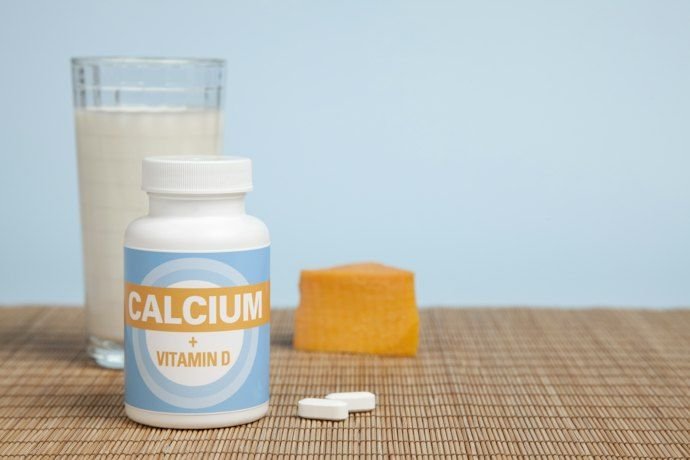
Bone loss accelerates after 50 — sharply in women after menopause, and steadily in men. Fractures of the hip or spine can be life-changing, so bone nutrition deserves serious attention.
Calcium: how much and from where
Adults over 50 need about 1,000–1,200 mg of calcium daily. Desi kitchens have excellent sources:
– 1 glass of doodh (250 ml): ~300 mg
– 1 cup dahi: ~250–300 mg
– A small piece of paneer (50 g): ~200 mg
– Sesame seeds (til), almonds, and leafy greens like saag and methi add smaller but meaningful amounts
If you are lactose intolerant — common in South Asia — dahi and hard cheeses are often better tolerated than milk, and lactose-free doodh is now widely available in Pakistan.
Vitamin D: the sunshine vitamin
Vitamin D helps your gut absorb calcium, and deficiency is widespread in Pakistan despite abundant sunshine, partly because of indoor lifestyles and clothing that limits sun exposure. Adults over 50 may need 800–1,000 IU daily from a combination of safe sun exposure, foods (fatty fish like salmon or local options, egg yolks, fortified milk), and supplements if blood levels are low. Ask your doctor about checking your vitamin D level; supplementation should be based on actual deficiency rather than guesswork.
Weight-bearing movement matters too
Nutrition builds the raw material, but bones also need mechanical loading — walking, stair climbing, and light resistance exercises signal bones to stay dense. Food and movement work as a team.
Vitamin B12: The Nutrient That Gets Harder to Absorb
Vitamin B12 keeps your nerves and red blood cells healthy, and low levels are linked with fatigue, memory problems, and numbness or tingling in the hands and feet — symptoms too often dismissed as “just old age.”
Why absorption declines
B12 from food must be separated from protein by stomach acid and then bound to intrinsic factor before absorption. Both steps weaken with age. In addition, long-term use of acid-reducing medicines (PPIs) and the diabetes drug metformin can further lower B12 levels. Studies suggest a meaningful share of older adults have borderline or low B12.
Getting enough B12
B12 comes almost exclusively from animal foods: doodh, dahi, eggs, meat, and fish. Vegetarians who avoid eggs and dairy are at particular risk and may need fortified foods or a supplement. Because the absorption problem is in the gut, not the diet, some older adults need higher-dose oral supplements or injections — something to discuss with your doctor, ideally guided by a blood test rather than self-diagnosis.
Fibre: Small Change, Big Difference for Digestion
Constipation becomes more common after 50 as gut motility slows and activity levels drop. Fibre, along with water, is the simplest fix.
How much fibre?
Aim for 25–30 g of fibre daily. The traditional desi diet is naturally fibre-friendly if you keep the right habits:
– Choose whole-wheat atta roti over refined flour (maida) products
– Keep the skins on daals where possible (e.g., sabut masoor, chilka moong)
– Eat seasonal sabzi daily — bhindi, tori, kaddu, palak, gobi
– Add a small portion of fruit — amrood (guava), kinoo, or papita are excellent local choices
– A tablespoon of isabgol (psyllium husk) in water can help, but introduce it gradually
Increase fibre slowly over a week or two to avoid bloating, and always pair it with adequate water.
Eating for Heart Health After 50
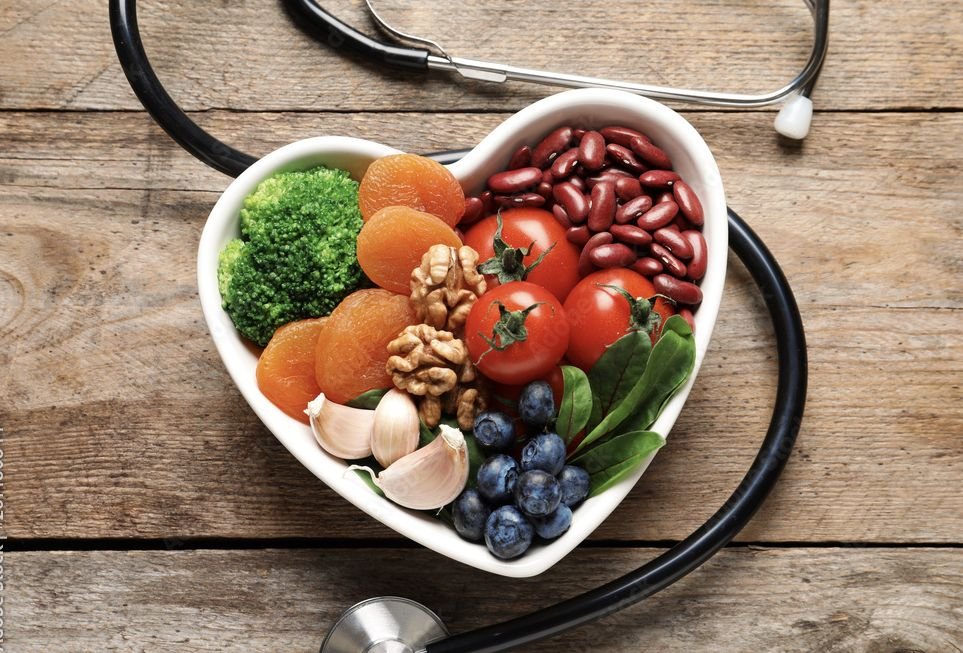
Cardiovascular disease remains the leading cause of death globally, and risk rises with age. South Asians face higher risk at younger ages and lower body weights than many other populations, so heart-smart eating after 50 is especially important.
Fats: choose wisely
- Cut back on trans fats and excessive saturated fat: limit frequent deep-fried snacks (samosay, pakoray), vanaspati ghee, and fatty red-meat portions. Occasional enjoyment is fine; daily habit is the problem.
- Favour unsaturated fats: mustard oil, olive oil, or canola oil for cooking; a small handful of almonds or walnuts daily; fatty fish twice a week if you eat fish.
- Desi ghee: a teaspoon for taste is not the enemy, but it should not be your primary cooking fat given its saturated-fat content.
Salt, blood pressure, and the desi kitchen
High blood pressure affects a large share of adults over 50. The traditional diet can be salty — pickles (achaar), papad, packaged masalas, and heavily salted curries add up. Practical steps: taste before adding salt, use lemon, imli, and fresh herbs for flavour, rinse canned items, and keep achaar as a small condiment rather than a side dish.
What the research supports
Dietary patterns rich in vegetables, fruits, whole grains, legumes, and healthy fats — such as the Mediterranean and DASH patterns — are consistently associated with lower cardiovascular risk. You do not need imported foods to follow the same principles: a plate of sabzi, daal, whole-wheat roti, dahi, and a drizzle of healthy oil follows the same logic beautifully.
Hydration: The Forgotten Nutrient
Thirst sensation dulls with age, and older adults are more prone to dehydration — which can cause fatigue, constipation, dizziness, and even confusion that mimics cognitive decline.
How much water?
A reasonable target is 8–10 glasses (about 2–2.5 litres) daily for most adults, more in hot weather or if you are active. Do not wait to feel thirsty. Keep a bottle or jug visible through the day.
Chai habits: enjoy, but adjust
Chai is woven into Pakistani life, and there is no need to give it up. But 4–5 cups of strong doodh patti daily adds significant sugar, calories, and caffeine, which can disturb sleep and raise blood pressure in sensitive people. Consider: reducing sugar gradually, switching one or two cups to doodh-free qehwa or green tea, and avoiding chai late in the evening. Haldi doodh (turmeric milk) in the evening can be a soothing, lower-caffeine alternative — its anti-inflammatory reputation is popular, though strong clinical evidence in humans is still limited.
Medication-Nutrient Interactions Worth Knowing
After 50, many people take daily medications, and some common ones interact with nutrition:
- Blood thinners (warfarin): vitamin K from leafy greens (palak, saag, methi) affects clotting. The key is consistency — do not suddenly double or drop your saag intake; keep it steady and tell your doctor about changes.
- Blood pressure medicines: some (like ACE inhibitors) raise potassium, so check before loading up on potassium-rich foods or salt substitutes.
- Metformin: may lower vitamin B12 over time — worth monitoring with your doctor.
- Statins: grapefruit is the famous interaction, but it is uncommon in Pakistan; still, mention all regular foods and supplements to your doctor or pharmacist.
- Calcium and iron supplements: take them at different times of day, as calcium can reduce iron absorption.
Never stop or adjust a prescribed medicine because of something you read — always discuss interactions with your doctor or pharmacist.
The South Asian Kitchen: Your Healthy-Ageing Toolkit
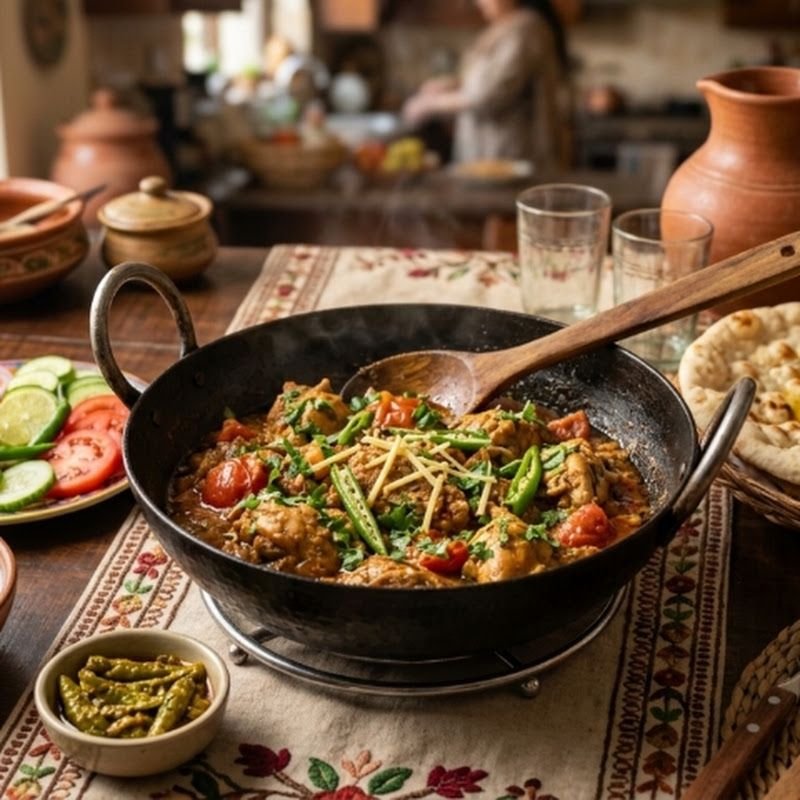
You do not need a Western diet to age well. The desi kitchen, cooked thoughtfully, already contains nearly everything this guide recommends.
Smart desi cooking methods
How you cook matters as much as what you cook:
– Prefer: steaming, boiling, slow-simmering (dum), grilling, and light sautéing with measured oil
– Limit: repeated deep-frying in the same oil, which creates harmful compounds — if you fry, use fresh oil and drain well
– Measure cooking oil with a spoon rather than pouring freely; 3–4 teaspoons per person per day for curries is a reasonable ceiling for most households
Roti portions and whole grains
Roti is not the enemy — portion and quality are what count. Two medium whole-wheat rotis per meal is reasonable for many adults over 50 with moderate activity; adjust to your weight goals. Mixing besan (chickpea flour) or jau (barley) flour into atta boosts protein and fibre.
Seasonal sabzi and fruit
Eating with the seasons gives you variety, lower prices, and peak nutrient content. Winter brings saag, methi, gajar, and kinoo; summer offers tori, bhindi, kaddu, and mangoes (in moderation for blood-sugar watchers). Aim for at least 3–4 servings of vegetables and 1–2 of fruit daily.
A Sample Day’s Meal Plan (Pakistani Style)
This is a template, not a prescription — adjust portions to your appetite, weight goals, and medical conditions.
Early morning: 1 glass warm water; a small handful of soaked almonds (5–6)
Breakfast: 1–2 whole-wheat rotis or a bowl of oatmeal/dalia + 1 cup dahi or 2 boiled eggs + seasonal fruit
Mid-morning: 1 glass lassi (thin, lightly salted) or a piece of fruit; water
Lunch: 1 cup cooked daal (masoor/moong) + 1 cup seasonal sabzi + 2 rotis + small kachumber salad + 1 cup dahi
Evening: 1 cup doodh patti (light sugar) or qehwa + a small handful of roasted chana or peanuts
Dinner (light and early): Grilled/baked chicken or fish (palm-sized portion) or paneer + 1 cup sabzi + 1 roti; or a hearty daal-soup with vegetables
Before bed: 1 small glass of warm haldi doodh (optional)
This pattern delivers protein at every meal, calcium from dairy, fibre from whole grains and vegetables, and keeps dinner lighter — which many older adults find improves sleep and digestion.
Frequently Asked Questions
Should I take a multivitamin after 50?
A standard multivitamin is reasonable insurance for some older adults, especially if your diet is limited — but it cannot replace real food, and more is not better. High-dose single nutrients (like iron or vitamin A) can be harmful. Vitamin D and B12 are the two most commonly needed individual supplements after 50, ideally guided by blood tests and your doctor’s advice.
Is it too late to benefit from better nutrition at 60 or 70?
Not at all. Research shows that even in the seventies and eighties, increased protein plus resistance exercise can rebuild muscle strength, and dietary improvements are still associated with better heart and bone outcomes. The body remains responsive — it simply needs consistent input.
How does menopause change nutritional needs?
Falling oestrogen accelerates bone loss and shifts fat toward the abdomen, raising heart-disease risk. After menopause, calcium and vitamin D become even more important, protein needs stay elevated to protect muscle, and watching portions helps counter the metabolic slowdown. Phytoestrogen-rich foods like soy are sometimes discussed, but evidence for meaningful symptom relief is mixed — discuss options with your doctor.
Can diet really prevent dementia?
No diet has been proven to prevent dementia, and anyone promising that is overselling. However, dietary patterns rich in vegetables, fruits, whole grains, fish, and healthy fats (like the Mediterranean and MIND patterns) are associated with slower cognitive decline in observational research. Eating well is a sensible part of brain-health habits that also include physical activity, social engagement, and managing blood pressure.
What is the single most important change I can make after 50?
If you must pick one: eat enough protein at every meal and pair it with regular movement — even daily brisk walking plus simple bodyweight exercises. Preserving muscle protects your independence more than almost any other single factor, and it improves blood sugar, bone density, and balance as a bonus.
Conclusion: Age Well, One Plate at a Time

Healthy ageing is not about perfection or expensive imported superfoods. It is about consistent, sensible choices: enough protein to keep your muscles, enough calcium and vitamin D to keep your bones, enough fibre and water to keep your digestion comfortable, and a heart-friendly approach to fats and salt. Your desi kitchen — daal, dahi, doodh, seasonal sabzi, and sensibly portioned roti — is already one of the best toolkits for the job.
Small, steady changes compound over the years. Start with one or two from this guide this week, and build from there.
Ready for a plan built around you? Everybody’s health picture is different — your medicines, blood reports, weight goals, and food preferences all matter. Book a one-on-one nutrition consultation with our team and get a personalised healthy-ageing eating plan designed for your life and your kitchen.
Common Nutrition Mistakes After 50 and Easy Fixes
Even people who eat reasonably well can slip into habits that quietly work against them after 50. Most of these mistakes are easy to fix once you spot them. Here are the ones worth checking in your own kitchen.
Too little protein, especially at breakfast
Many older adults eat a light breakfast of chai and a single roti, then load most of their protein into dinner. Muscles respond better when protein is spread across the day. The fix is simple. Add dahi, eggs, or a handful of peanuts to your morning meal so every meal carries some protein.
Skipping meals to control weight
After 50, skipping meals often backfires. It can lead to muscle loss, low energy, and overeating later in the day. Your body needs steady fuel. The fix is to eat three balanced meals with one or two small snacks, even on days you feel less hungry. Keep portions moderate rather than skipping entirely.
Counting chai as hydration
Four or five cups of doodh patti feel comforting, but they add sugar and caffeine while doing little for hydration. The fix is to keep your chai ritual and simply add water alongside it. A glass of water with each cup of chai keeps you hydrated without giving up anything you enjoy.
Overcooking vegetables until they lose their value
Long cooking times destroy heat-sensitive nutrients like vitamin C and folate. Boiling sabzi for twenty minutes and throwing away the water sends good nutrition down the drain. The fix is to cook vegetables lightly, use the cooking water in daal or soups, and favor steaming or quick sauteFearing all fats and dairy
Many people over 50 cut out ghee, doodh, and dahi completely, worried about cholesterol. In doing so they lose calcium, protein, and vitamin D from some of the most affordable sources available. The fix is to keep sensible portions. A glass of doodh, a cup of dahi, and a teaspoon of ghee for taste fit well within a balanced diet.
None of these fixes require expensive foods or complicated plans. Pick one mistake that sounds familiar, change it this week, and notice how you feel. Small corrections, kept up over months, are what healthy aging is built on.
Keep Reading
For a deeper look at the nutrient this guide mentions most often, read Protein Needs for Older Adults next.