If you have ever wondered why nutritionists keep talking about vitamin C when the topic turns to skin, there is a good reason. Vitamin C — known chemically as L-ascorbic acid — is one of the few nutrients with a direct, well-documented role in how your skin builds itself, defends itself, and repairs itself. It helps your body make collagen, the structural protein that keeps skin firm. It works as an antioxidant inside skin cells, helping neutralise the free radicals generated by sunlight and pollution. It supports the skin’s response to UV exposure, plays a part in wound healing, and influences the pathways behind dark spots and uneven tone. This vitamin C foods for skin health guide explains the science, the best desi foods for firm and bright skin, and a sample day of eating for a healthy glow.
The encouraging part is that you do not need expensive products to get these benefits from the inside. Many everyday foods — including several that are cheap and widely available across South Asia — are exceptionally rich in vitamin C. Amla, guava, kinnow, lemons, green chillies, and capsicum can supply far more vitamin C per serving than most people realise.
In this guide, you will learn:
- How vitamin C supports skin at the biological level — collagen synthesis, antioxidant defence, photoprotection, wound healing, and pigmentation control
- Exactly how much vitamin C you need each day (RDA values for adults, pregnancy, and breastfeeding)
- A full comparison of the top vitamin C foods, with vitamin C content in milligrams per serving
- Why South Asian foods like amla and guava are among the best vitamin C sources in the world
- How to cook and store foods so you do not destroy the vitamin C in them
- The signs of vitamin C deficiency that can show up on your skin
- Whether supplements or food are better for skin, and how vitamin C pairs with iron absorption
- A sample one-day meal plan and the common mistakes that waste vitamin C
Medical disclaimer: This article is for education only and is not medical advice. If you have a skin condition, are pregnant or breastfeeding, take medication, or are considering high-dose supplements, speak to a qualified healthcare professional or registered nutritionist first.
Why Vitamin C Matters for Your Skin
Vitamin C is a water-soluble vitamin, which means your body cannot store large amounts of it and you need a steady supply from your diet. It concentrates in both layers of the skin — the epidermis (outer layer) and the dermis (deeper layer) — where it performs several distinct jobs. Let us look at each one.
Vitamin C and Collagen Synthesis
Collagen is the most abundant protein in your skin. It forms the scaffolding that gives skin its firmness and structure, and the body’s ability to keep producing it is closely tied to vitamin C status.
Vitamin C acts as a cofactor (a helper molecule) for two enzymes — prolyl hydroxylase and lysyl hydroxylase — that are required to stabilise the collagen molecule. Without these enzymes working properly, the collagen fibres your body produces are weak and unstable. This is not a vague “supports skin health” claim; it is specific biochemistry. Scurvy, the disease of severe vitamin C deficiency, is essentially a disease of failed collagen: gums bleed, old wounds reopen, and skin becomes fragile — because the body can no longer make functional collagen.
For people with adequate vitamin C intake, the practical takeaway is this: your skin’s collagen-making machinery runs on vitamin C every single day. Smokers, people with limited fruit and vegetable intake, and those recovering from injury or surgery may have higher needs and should pay particular attention.
Antioxidant Protection Inside Skin Cells
Every day, your skin is exposed to factors that generate free radicals — unstable molecules that can damage cells. The biggest sources are ultraviolet (UV) radiation from sunlight, air pollution, and cigarette smoke. Vitamin C is a potent antioxidant: it donates electrons to neutralise free radicals before they can damage skin cells, lipids, and DNA.
Importantly, vitamin C works as part of the skin’s antioxidant network rather than alone. It helps regenerate vitamin E (another fat-soluble antioxidant in skin) after vitamin E has neutralised a free radical, effectively recycling it. Research also shows that vitamin C and vitamin E together offer stronger photoprotection than either one alone — a good reason to eat foods rich in both, such as nuts, seeds, and leafy greens alongside your vitamin C sources.
How Vitamin C Helps Protect Skin from Sun Damage
To be clear: vitamin C is not sunscreen, and eating vitamin C foods does not replace sun protection. But there is solid evidence that adequate vitamin C status supports the skin’s natural defence against UV damage — a concept researchers call photoprotection.
UV exposure depletes vitamin C in the skin, particularly in the epidermis. Studies have found that UV irradiation can significantly reduce skin vitamin C levels, and that replenishing vitamin C (through diet or topical application) helps the skin cope with UV-induced oxidative stress. Vitamin C appears to reduce UV-related damage to skin cells and may lessen the inflammatory response to sun exposure.
The practical message: a diet consistently rich in vitamin C, combined with proper sunscreen use and sun avoidance during peak hours, gives your skin layered protection. One does not substitute for the other.
Vitamin C and Wound Healing
When skin is injured — a cut, a burn, a surgical incision — the body must rapidly produce new collagen to rebuild tissue. Because vitamin C is essential for collagen synthesis, wound healing is one of the processes most sensitive to vitamin C status.
Clinical observations going back decades show that people with low vitamin C levels heal more slowly, and that wounds in vitamin C-deficient individuals can break down. This is why hospitals pay attention to vitamin C intake in surgical and burn patients. For everyday life, the lesson is relevant after any skin injury, cosmetic procedure, or surgery: meeting (not massively exceeding) your vitamin C needs supports normal healing.
Vitamin C for Hyperpigmentation and Even Skin Tone
Dark spots, melasma, and post-inflammatory marks (the dark patches left after acne or irritation) are among the most common skin concerns, particularly in South Asian skin, which is more prone to post-inflammatory hyperpigmentation.
Vitamin C influences pigmentation through its interaction with tyrosinase, the enzyme that controls melanin production. In laboratory studies, vitamin C has been shown to reduce melanin formation by interfering with this pathway. This is the basis for vitamin C serums used in dermatology for brightening.
Dietary vitamin C works more indirectly than a serum applied to the skin — eating an orange will not fade a dark spot the way a targeted topical might. But maintaining good vitamin C status supports the skin’s overall antioxidant defences and normal cell turnover, which are part of healthy, even-toned skin. Think of diet as the foundation and any topical treatment as the targeted tool, ideally guided by a dermatologist.
How Much Vitamin C Do You Need Each Day?
Getting the amount right matters. Too little over time leads to deficiency; megadoses offer little extra benefit and can cause digestive upset. Here are the widely used reference values (recommended dietary allowances, RDA):
| Group | RDA (mg/day) |
|---|---|
| Adult men (19+) | 90 mg |
| Adult women (19+) | 75 mg |
| Pregnant women | 85 mg |
| Breastfeeding women | 120 mg |
| Smokers (additional) | +35 mg above the above values |
These figures are the amounts considered sufficient to maintain near-maximal body stores for most healthy people. Children and teenagers have lower RDAs, roughly 15–75 mg depending on age.
Who Might Need More?
- Smokers: Smoking increases oxidative stress and lowers vitamin C levels in the blood, which is why guidelines add an extra 35 mg per day.
- People with very low fruit and vegetable intake: If your diet rarely includes fresh produce, you may be getting far less than you think.
- Pregnant and breastfeeding women: Needs rise to support the baby and milk production.
- Older adults and people recovering from illness, injury, or surgery: Higher oxidative stress and tissue repair demands.
The tolerable upper intake level for adults is generally set at 2,000 mg per day from all sources. Regularly exceeding this with supplements commonly causes diarrhoea, nausea, and stomach cramps. Very high doses may also increase the risk of kidney stones in susceptible individuals. More is not better — consistent, adequate intake is the goal.
Top Vitamin C Foods for Skin Health: Full Comparison

The table below lists widely available foods with their approximate vitamin C content per common serving. Values are based on standard food composition data (such as the USDA database) and can vary with variety, ripeness, and growing conditions.
| Food | Serving | Vitamin C (approx. mg) |
|---|---|---|
| Amla (Indian gooseberry), raw | 1 medium fruit (~30 g) | 150–180 mg |
| Guava (amrood), raw | 1 medium fruit (~100 g) | 200–230 mg |
| Red bell pepper / capsicum (shimla mirch) | 1 medium (~120 g) | 140–170 mg |
| Kinnow / mandarin orange | 1 medium (~130 g) | 40–55 mg |
| Orange | 1 medium (~130 g) | 70–85 mg |
| Lemon (nimbu), juice | 1 lemon (~50 ml juice) | 25–30 mg |
| Papaya, ripe | 1 cup cubed (~145 g) | 85–95 mg |
| Strawberries | 1 cup (~150 g) | 85–95 mg |
| Kiwi | 1 medium (~75 g) | 65–70 mg |
| Green chillies, raw | 2–3 chillies (~15 g) | 35–45 mg |
| Tomatoes, raw | 1 medium (~120 g) | 20–25 mg |
| Mango, ripe | 1 cup sliced (~165 g) | 60–65 mg |
| Pineapple | 1 cup chunks (~165 g) | 80–85 mg |
| Potatoes, boiled | 1 medium (~150 g) | 15–20 mg |
| Broccoli, lightly steamed | 1 cup (~150 g) | 80–100 mg |
| Spinach, raw | 1 cup (~30 g) | 8–10 mg |
A few things stand out. First, one guava or one amla can single-handedly cover — and exceed — the entire daily requirement. Second, vegetables like capsicum and green chillies are vitamin C heavyweights that many people overlook because they think of vitamin C as a “fruit vitamin.” Third, potatoes contribute meaningfully in diets where they are eaten daily in quantity, even though their per-serving content is modest.
South Asian Powerhouse Foods: Local Sources That Beat Imported Ones
One of the best things about vitamin C for readers in Pakistan and across South Asia is that the richest sources are local, seasonal, and inexpensive. There is no need for imported “superfoods.”
Amla (Indian Gooseberry): The Vitamin C Champion
Amla is arguably the most concentrated natural source of vitamin C commonly eaten anywhere. A single medium amla can provide roughly twice the adult daily requirement. It is traditionally eaten fresh, as murabba (preserve), in chutneys, or as juice. A word of caution: commercial amla juices and candies often contain large amounts of added sugar, which works against skin health — excess sugar intake is linked to glycation, a process that can damage collagen. Fresh amla, or amla powder without added sugar, is the better choice.
Guava (Amrood): The Everyday Winner
Guava season in Pakistan brings one of the most practical vitamin C foods in existence: cheap, widely available, eaten raw with no preparation, and delivering over 200 mg of vitamin C per fruit. Eating guava with the skin on preserves the most nutrients — just wash it well. For skin-focused eating, a daily guava in season is one of the simplest habits you can build.
Kinnow, Oranges, and Lemons (Nimbu)
Winter in Pakistan is citrus season, and kinnow — the local mandarin — is everywhere. A couple of kinnows a day comfortably covers vitamin C needs while also providing hydration and fibre. Fresh lemon juice squeezed over food (daal, salads, chaat) is another easy, traditional way to add vitamin C to meals you are already eating. Note that vitamin C in juice degrades with time and exposure to air, so squeeze fresh and drink or use promptly rather than storing juice for hours.
Green Chillies and Capsicum (Shimla Mirch)
Green chillies are a quiet giant: just two or three provide around half the daily requirement. Because they are eaten raw or lightly cooked in chutneys and salads, most of the vitamin C survives. Capsicum — especially the red and yellow varieties, which contain more vitamin C than green — is excellent in stir-fries and salads. Add capsicum near the end of cooking to limit heat exposure.
Papaya, Tomatoes, and Strawberries
Ripe papaya is a strong source and gentle on digestion. Tomatoes contribute vitamin C plus lycopene, another skin-friendly antioxidant — and interestingly, cooking tomatoes increases lycopene availability even as some vitamin C is lost, so both raw and cooked tomatoes have a place. Strawberries, now increasingly grown locally, offer nearly a full day’s vitamin C per cup along with beneficial plant compounds.
Potatoes: The Underestimated Contributor
Potatoes are rarely praised for vitamin C, but in diets where they are eaten daily, they add up. A medium boiled potato retains a useful amount, especially when cooked in its skin. Frying at very high temperatures and discarding cooking water both reduce the content, so boiling or steaming is preferable.
How to Preserve Vitamin C While Cooking

Vitamin C is one of the most fragile nutrients in the kitchen. It is destroyed by heat, lost into cooking water, and broken down by exposure to air and light. Studies suggest that boiling vegetables can destroy 30–50% of their vitamin C, while gentler methods preserve far more. These practices make a real difference:
Cook Briefly and Gently
- Steam instead of boil. Steaming keeps vegetables out of direct contact with water, dramatically reducing leaching.
- Stir-fry quickly on high heat. Short cooking times preserve more vitamin C than long, slow simmering.
- Microwave with minimal water. Despite its reputation, microwaving with a splash of water is one of the better methods for vitamin C retention because cooking times are short.
- Add vitamin C vegetables late. In curries and mixed dishes, add capsicum, tomatoes, or peas toward the end of cooking.
Keep Water, Air, and Light Away
- Use cooking water. If you do boil vegetables, reuse the water in soups, daal, or gravies so the leached vitamin C is not thrown away.
- Cut just before cooking. Vitamin C oxidises once food is cut and exposed to air, so chop vegetables close to cooking time rather than hours ahead.
- Eat some sources raw. Guava, amla, citrus fruits, and strawberries are usually eaten raw anyway — that is ideal. Salads with raw capsicum and tomatoes are excellent vitamin C vehicles.
- Store produce properly. Keep fruits and vegetables cool and out of direct sunlight; vitamin C degrades during prolonged warm storage.
A Note on Juices
Fresh juice loses vitamin C quickly once exposed to air. If you make kinnow or lemon juice, drink it within 15–20 minutes. Commercially packaged juices may have far less vitamin C than the label suggests by the time you drink them, plus added sugars. Whole fruit is almost always the better option: you get the fibre, slower sugar absorption, and the full nutrient package.
Signs of Vitamin C Deficiency That Can Show Up on Skin
True scurvy is rare today, but suboptimal vitamin C intake is more common than many realise, particularly among people who eat few fruits and vegetables, smokers, and those with very restricted diets. Early signs can include:
- Slow wound healing — cuts and scrapes taking longer than usual to close
- Easy bruising — small bumps leaving noticeable bruises (fragile blood vessel walls relate to weak collagen)
- Rough, bumpy skin — small rough bumps, sometimes called keratosis pilaris-like changes, have been noted in low vitamin C states
- Bleeding gums — a classic early sign
- Fatigue and weakness — general symptoms that often accompany low intake
- Corkscrew body hairs and tiny red spots around hair follicles — seen in more advanced deficiency
If several of these sound familiar and your diet is low in fresh produce, increasing vitamin C foods is a sensible first step — but persistent symptoms deserve a proper medical assessment, since they can have other causes too.
Food vs Supplements: Which Is Better for Skin?
This is one of the most asked questions, and the evidence-based answer is nuanced.
Food first, for most people. Fruits and vegetables deliver vitamin C alongside fibre, potassium, folate, carotenoids, flavonoids, and hundreds of other plant compounds that work together. No pill replicates that package. For a healthy person eating a varied diet with daily fruits and vegetables, supplements add little.
Supplements have a place in specific situations: diagnosed deficiency, very restricted diets, malabsorption conditions, or periods of increased need (such as recovery from surgery or burns) under professional guidance. Vitamin C supplements are generally well absorbed at moderate doses (around 200 mg or less per dose); absorption efficiency drops as single doses get larger.
Be wary of megadose claims. Some products market 1,000 mg+ doses for “glowing skin.” The body’s tissues saturate at intakes around 200 mg per day — beyond that, the excess is largely excreted in urine. Megadoses do not supercharge collagen production; the enzymes involved need adequate vitamin C, not extreme amounts. High doses can cause digestive discomfort and, in susceptible people, kidney stones.
Topical vitamin C is a separate matter. Serums containing L-ascorbic acid deliver vitamin C directly to skin and have the strongest evidence for brightening and photoprotection support. They complement — not replace — dietary intake. If you are considering one, a dermatologist can advise on concentration and formulation, since stability and skin penetration vary widely between products.
Pairing Vitamin C with Iron for Better Absorption

Here is a benefit that goes beyond skin but is worth knowing: vitamin C dramatically improves the absorption of non-haem iron — the form of iron found in plant foods like lentils, chickpeas, spinach, and fortified cereals.
Non-haem iron is poorly absorbed on its own, and iron deficiency (anaemia) is widespread among women in South Asia. Vitamin C converts iron into a more absorbable form in the gut, and studies show it can increase non-haem iron absorption several-fold when eaten in the same meal. Healthy iron levels matter for skin too: anaemia often shows up as paleness and can worsen dark under-eye circles.
Practical pairings common in Pakistani meals:
- Squeeze lemon over daal, lentils, or chickpea chaat
- Serve palak (spinach) with tomatoes or a side of citrus
- Eat guava or kinnow as a snack after a bean- or lentil-based meal
- Add raw onion-tomato-green chilli salad alongside meals
Conversely, tea and coffee drunk with meals can inhibit iron absorption due to their tannins — a relevant habit to note, since doodh patti with meals is common. Keeping a gap between iron-rich meals and chai is a small change with a real effect.
Sample One-Day Meal Plan: Vitamin C for Skin
Here is what a day of skin-supportive, vitamin C-rich eating can look like using accessible Pakistani foods. This is an example, not a prescription — adjust portions to your needs.
Breakfast: Vegetable omelette with tomatoes, capsicum, and green chillies, plus a whole-wheat roti and a cup of strawberries or a small bowl of papaya on the side.
Mid-morning snack: One medium guava (in season) or one kinnow.
Lunch: Daal with a generous squeeze of fresh lemon, mixed vegetable sabzi (add capsicum near the end of cooking), roti or brown rice, and a raw salad of tomatoes, cucumber, and onion.
Evening snack: Fresh amla (when available) or a small bowl of pineapple chunks. Amla powder stirred into water is an off-season alternative.
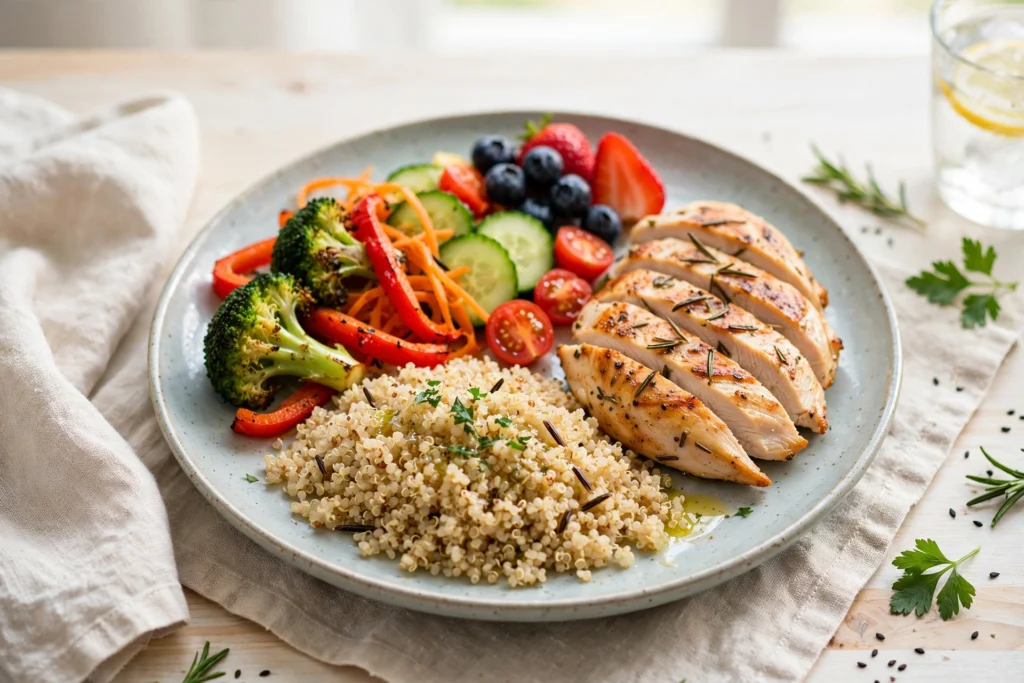
Dinner: Chicken or chickpea curry with tomatoes, lightly steamed broccoli or stir-fried mixed vegetables added at the end, and roti.
After dinner: Herbal tea (caffeine-free, kept apart from the iron-rich dinner) — or simply water with fresh lemon.
This pattern delivers well over 200 mg of vitamin C across the day, plus fibre, carotenoids, and the iron-absorption benefit at lunch.
Common Mistakes That Waste Vitamin C
- Boiling vegetables and throwing away the water. Up to half the vitamin C can leach out. Steam, or reuse the water.
- Chopping vegetables hours before cooking. Cut surfaces oxidise; chop closer to cooking time.
- Storing fresh juice for later. Vitamin C degrades in air within hours. Drink fresh juice promptly or eat whole fruit.
- Overcooking sabzi until vegetables are mushy. Long cooking destroys vitamin C. Tender-crisp is better.
- Relying on packaged juices. Often high in sugar and lower in vitamin C than claimed by the time of drinking.
- Drinking chai with every meal. Fine as a habit in itself, but its tannins reduce iron absorption from the meal — separate them by an hour if anaemia is a concern.
- Assuming supplements replace vegetables. A 1,000 mg tablet does not provide the fibre, flavonoids, and carotenoids that whole foods do.
- Peeling fruits unnecessarily. Much of the nutrient content sits near the skin — wash well and eat guava and similar fruits unpeeled.
Frequently Asked Questions
1. Which fruit has the most vitamin C for skin?
Amla (Indian gooseberry) and guava are the two most concentrated common sources. A single guava provides over 200 mg of vitamin C — more than double the adult daily requirement — and one medium amla provides roughly 150–180 mg. Both far exceed oranges on a per-fruit basis. For everyday eating, guava is the most practical choice in Pakistan because it is cheap, widely available in season, and eaten raw with no preparation.
2. Can eating vitamin C foods really improve my skin, or do I need a serum?
Both work, but differently. Dietary vitamin C supplies the raw material your skin needs for collagen synthesis and antioxidant defence from the inside — this is foundational and well established. Topical vitamin C serums deliver L-ascorbic acid directly to the skin surface and have stronger evidence for fading dark spots and supporting photoprotection. They complement each other. No diet or serum can override the effects of unprotected sun exposure, smoking, or chronic sleep deprivation, so those basics matter most.
3. How long does it take to see skin benefits from eating more vitamin C?
Skin is a slow-turnover organ. The epidermis renews itself roughly every 28–40 days (longer with age), so dietary changes typically need 6–12 weeks of consistent intake before visible differences in brightness or texture could plausibly appear. Anyone promising glowing skin in a week from a diet change is overselling. Consistency over months is what counts.
4. Is it safe to take vitamin C supplements every day for skin?
For most healthy adults, a moderate daily supplement (at or below the RDA level, or a standard multivitamin) is safe. But megadoses of 1,000 mg or more daily offer no proven extra skin benefit — tissues saturate at around 200 mg of intake per day — and can cause diarrhoea, nausea, and stomach cramps. People prone to kidney stones should be particularly cautious with high doses. If you already eat several servings of fruits and vegetables daily, a supplement is unlikely to add anything. Speak to a healthcare professional before starting high-dose supplementation, especially if you are pregnant, breastfeeding, or take medication.
5. Does cooking destroy all the vitamin C in food?
Not all, but a significant portion. Boiling can destroy 30–50%, and long, slow cooking is worse. Steaming, quick stir-frying, and microwaving with minimal water preserve much more. Eating some vitamin C sources raw — guava, citrus, amla, strawberries, salads — guarantees full retention. The realistic approach is a mix: some raw sources daily, plus gently cooked vegetables.
Conclusion: Feed Your Skin from the Inside

Vitamin C earns its reputation in skin nutrition honestly. It is a required cofactor for collagen synthesis, a frontline antioxidant in both skin layers, a supporter of the skin’s UV defences and wound repair, and a modulator of melanin production. These are specific, evidence-based roles — not marketing claims.
The best part is how achievable adequate intake is. You do not need imported powders or expensive products. A daily guava in season, a couple of kinnows in winter, lemon squeezed over your daal, green chillies and capsicum in your cooking, and tomatoes in your salads will comfortably cover your needs and then some. Cook gently, eat some sources raw, and give it time — skin rewards consistency.
If you want personalised guidance — whether for persistent skin concerns, pigmentation, slow healing, or simply building a diet that supports healthy skin alongside your other goals — professional advice makes the difference between guessing and knowing.
Ready for a skin-friendly nutrition plan built around your needs? Book an appointment with our UK-Registered Associate Nutritionist for one-to-one, evidence-based dietary guidance tailored to you.
This article is for educational purposes only and does not replace professional medical or dermatological advice. Nutrient values are approximate and vary by variety, ripeness, and preparation. If you have a medical condition or take regular medication, consult a qualified professional before making significant dietary or supplement changes.
Keep Reading
- Skin and Hair Nutrition Guide — the pillar page for this topic cluster.
- Best Foods for Glowing Skin: What a Nutritionist Recommends
- Best Anti-Aging Foods for Skin and Body
- Health Disclaimer — please read before acting on any nutrition advice on this site.
References
- World Health Organization. Healthy diet (fact sheet).