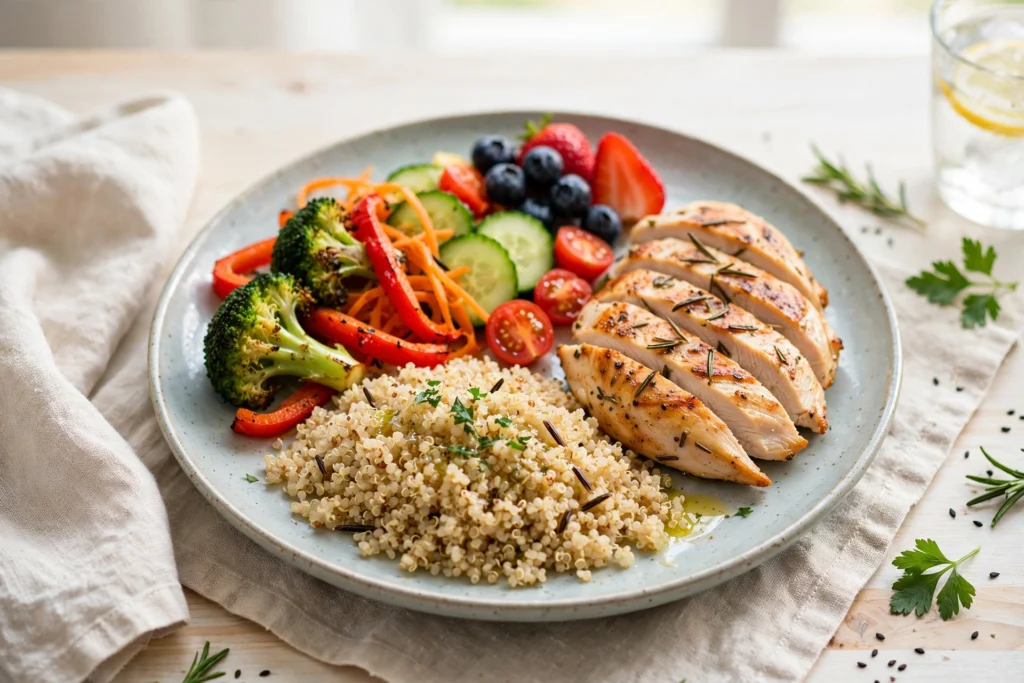
Polycystic Ovary Syndrome disrupts multiple hormonal systems simultaneously: insulin runs too high, androgens (male hormones) are elevated, progesterone may be low, and chronic inflammation amplifies everything. While medication has its place, food is a powerful hormonal lever that most women with PCOS underutilize.
This guide to the 12 best pcos hormone foods explains how specific foods influence which hormones — and how to build your daily diet around the foods with the strongest evidence for PCOS hormonal balance. This is not about “superfoods” or miracle cures. It is about practical, evidence-informed eating that works alongside your medical care.
Important: Dietary strategies complement medical treatment for PCOS. If you take hormonal contraceptives, metformin, spironolactone, or other PCOS medications, discuss significant dietary changes with your doctor. Never adjust prescribed medication based on dietary changes alone. Please also read our Health Disclaimer.
How Diet Influences PCOS Hormones: The Three Pathways
Before the specific foods, understand the three hormonal pathways that diet directly affects:
Pathway 1: Insulin → Androgens
This is the most important connection. When you eat high-glycemic foods, insulin surges. High insulin stimulates the ovaries to produce more testosterone and reduces sex hormone-binding globulin (SHBG) — the protein that keeps testosterone in check. Result: more free (active) testosterone circulating.
Dietary lever: Low-GI foods → less insulin → less ovarian testosterone stimulation → more SHBG → less free testosterone. Every low-GI meal is an anti-androgen intervention. Our glycemic index chart shows which common foods rank low, medium, and high.
Pathway 2: Inflammation → Hormonal Disruption
Women with PCOS have elevated inflammatory markers even at healthy weights. Chronic inflammation worsens insulin resistance (amplifying Pathway 1), disrupts ovulation, and directly stimulates androgen production by the ovaries and adrenal glands.
Dietary lever: Anti-inflammatory foods (omega-3s, antioxidants, polyphenols) → lower inflammation → improved insulin sensitivity + reduced androgen production + better ovulation.
Pathway 3: Gut Health → Estrogen Metabolism
Your gut bacteria play a surprising role in hormonal balance. Certain gut bacteria produce an enzyme (beta-glucuronidase) that deconjugates estrogen, allowing it to be reabsorbed rather than eliminated. An unhealthy gut microbiome can contribute to estrogen dominance or dysregulation.
Dietary lever: High-fiber, fermented, and diverse plant foods → healthier gut microbiome → better estrogen metabolism and elimination.
The 12 foods below target one or more of these pathways. Together, they form a hormonal-balancing dietary foundation.
Foods That Improve Insulin Sensitivity (Lowering Androgens)
1. Lentils and Legumes (All Types)
If you eat one food daily for PCOS hormonal balance, make it lentils. With GIs of 25–35, they produce minimal insulin response. Their soluble fiber feeds beneficial gut bacteria (Pathway 3), and their plant protein supports satiety without insulin spikes.
Hormonal impact: Replacing high-GI carbs with lentils reduces fasting insulin by 15–20% in clinical trials. Lower insulin directly translates to lower ovarian testosterone production and higher SHBG.
How to eat daily:
– 1.5 cups of any daal (masoor, moong, arhar, urad) at lunch or dinner
– Add chickpeas or kidney beans to salads
– Moong daal cheela for breakfast (high protein + low GI)
– Sprouted moong as a snack (sprouting increases nutrient bioavailability)
Target: At least one generous serving (1.5 cups cooked) every single day.
2. Fatty Fish (Salmon, Sardines, Mackerel/Surmai)
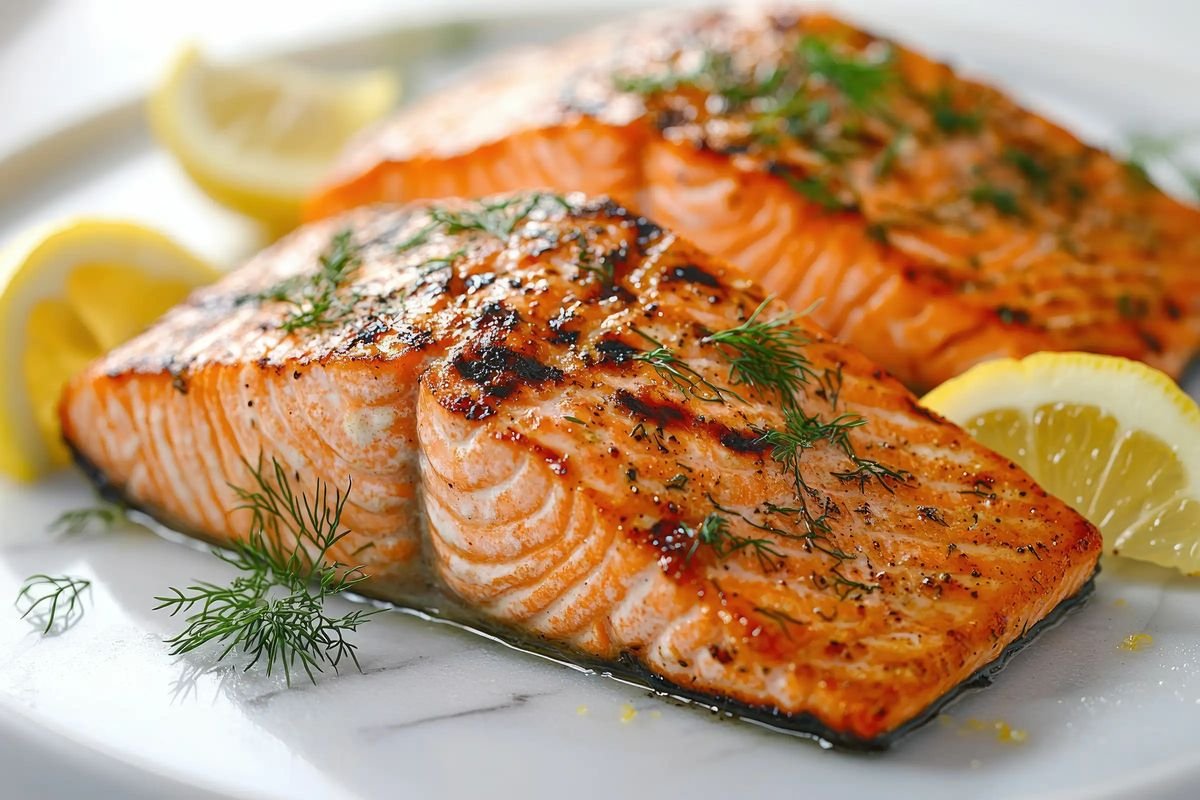
Omega-3 fatty acids (EPA and DHA) are among the most potent dietary anti-inflammatories. For PCOS specifically, omega-3 supplementation has been shown to reduce testosterone levels, improve insulin sensitivity, and support more regular menstrual cycles.
Hormonal impact: Directly targets Pathway 2 (inflammation). A meta-analysis of PCOS trials found that omega-3 supplementation significantly reduced androgen levels and improved metabolic markers.
How to eat:
– Fatty fish twice weekly minimum (120–150 g per serving)
– South Asian options: surmai (king mackerel), sardines, hilsa, rohu
– Grill, bake, or cook in light curries — avoid deep-frying
– If you do not eat fish: consider a high-quality fish oil supplement (1–2 g combined EPA+DHA daily, discuss with your doctor)
3. Cinnamon (Ceylon Preferred)
Cinnamon contains compounds (cinnamaldehyde, proanthocyanidins) that improve insulin signaling at the cellular level. In PCOS trials, cinnamon supplementation improved insulin sensitivity and supported more regular menstrual cycles.
Hormonal impact: Targets Pathway 1 — better insulin sensitivity means less compensatory hyperinsulinemia, which means less androgen stimulation.
How to use:
– 1–2 g daily (about half to one teaspoon)
– Add to oatmeal, smoothies, warm milk, or chai
– Choose Ceylon (“true”) cinnamon for daily use — it has negligible coumarin (a liver toxin in high doses) compared to cassia cinnamon
Note: Cinnamon is a supportive addition, not a primary treatment. Its effects are modest but real, and it is essentially free of side effects at culinary doses.
4. Fenugreek (Methi Seeds and Leaves)
Fenugreek has specific clinical evidence for PCOS. Its active compounds (diosgenin, 4-hydroxyisoleucine) improve insulin sensitivity and may directly support ovarian function. Traditional South Asian medicine has used methi for women’s hormonal health for centuries — modern research is catching up.
Hormonal impact: Targets Pathways 1 and 2. Studies show fenugreek supplementation improves insulin sensitivity and may help normalize menstrual cycles in PCOS.
How to use:
– Soak 1 tablespoon of methi seeds overnight; drink the water and eat the seeds in the morning
– Add methi leaves (fresh or dried kasuri methi) to daal, sabzi, and roti dough
– Methi powder (1 teaspoon) in warm water before meals
Caution: Fenugreek can lower blood sugar — if you take diabetes medication, monitor levels (see our guide on how to lower blood sugar naturally). It is not recommended in large medicinal doses during pregnancy.
Foods That Directly Influence Androgens
5. Spearmint Tea
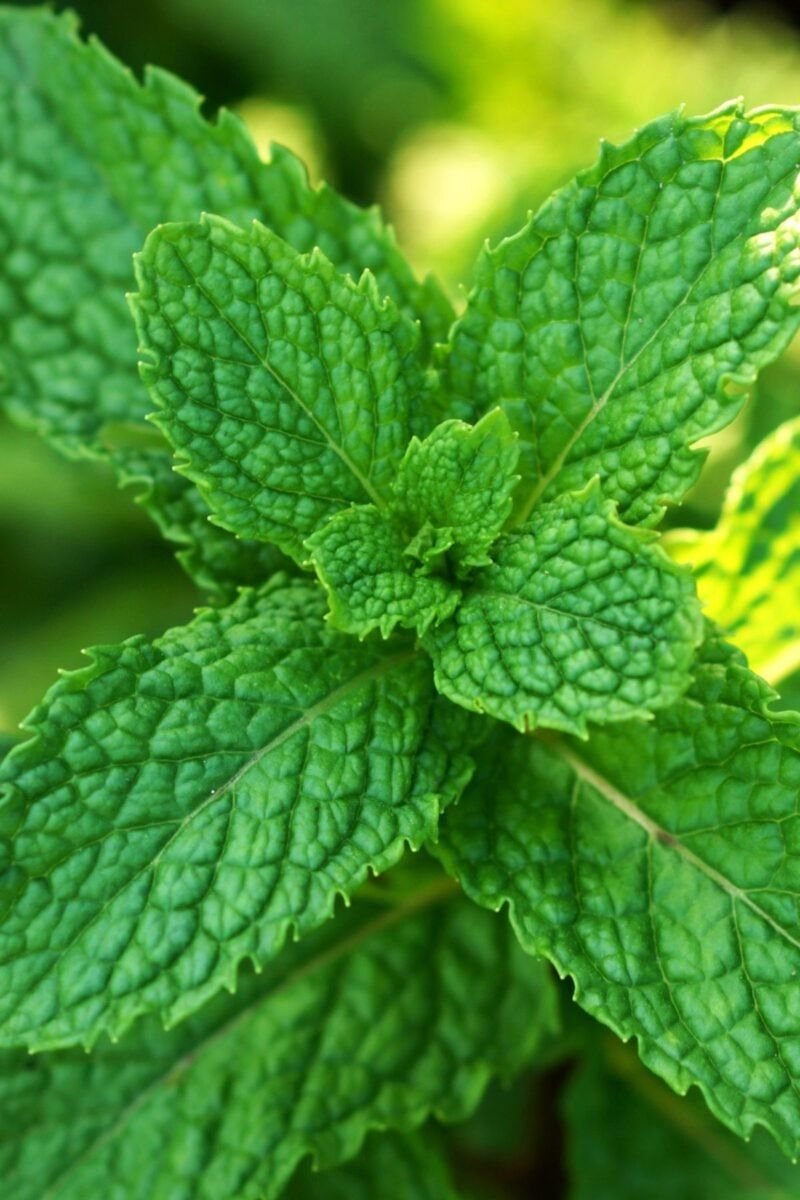
This is the most directly anti-androgenic food known. Two cups of spearmint tea daily reduced free testosterone levels in women with PCOS in randomized clinical trials. The effect is attributed to spearmint’s ability to influence 5-alpha-reductase activity (the enzyme converting testosterone to its more potent form, DHT).
Hormonal impact: Directly targets elevated androgens — the pathway responsible for acne, unwanted hair growth, and hair thinning in PCOS.
How to use:
– 2 cups daily (morning and evening)
– Steep 1 tablespoon of dried spearmint leaves (or a tea bag) in hot water for 5–10 minutes
– Replace one regular chai or coffee serving — you are swapping, not adding
Timeline: Studies showed significant testosterone reduction after 30 days of consistent use. This is a long-game intervention.
6. Flaxseeds (Alsi)
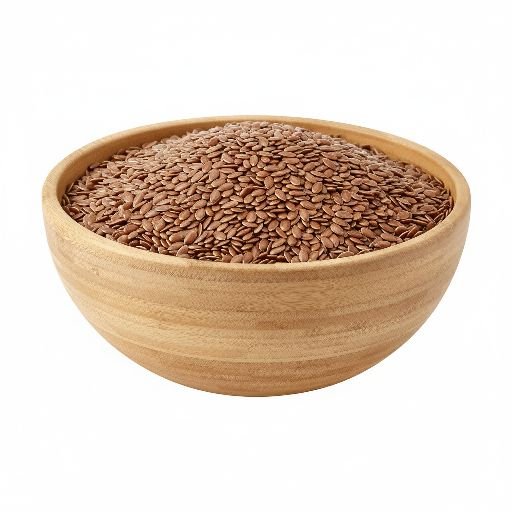
Flaxseeds are the richest plant source of lignans — phytoestrogen compounds that modulate hormonal activity. Lignans can bind to estrogen receptors (exerting weak estrogenic or anti-estrogenic effects depending on context) and may help reduce androgen levels. Flaxseeds also provide ALA omega-3s (anti-inflammatory) and exceptional fiber (gut health).
Hormonal impact: Targets all three pathways — lignans modulate sex hormones, omega-3s reduce inflammation, fiber supports gut-mediated estrogen metabolism.
How to use:
– 1–2 tablespoons of ground flaxseed daily (whole seeds pass through undigested)
– Grind fresh weekly (pre-ground goes rancid); store in the refrigerator
– Add to smoothies, oatmeal, yogurt, roti dough, or salads
– Flaxseed oil is not a substitute — it lacks the lignans and fiber
7. Green Leafy Vegetables (Spinach, Kale, Methi, Mustard Greens)
Leafy greens address PCOS hormones through multiple mechanisms: magnesium (directly involved in insulin signaling — deficiency worsens insulin resistance), folate (supports healthy ovulation and reduces homocysteine, often elevated in PCOS), and antioxidants (combat the oxidative stress that disrupts ovarian function).
Hormonal impact: Magnesium alone is significant — studies show that magnesium supplementation improves insulin sensitivity in PCOS. Food sources are preferable to supplements for sustained intake.
How to eat:
– Minimum 2–3 cups daily (cooked or raw)
– Add spinach to daal, smoothies, omelettes
– Sarson ka saag, palak paneer (light on oil), methi thepla
– Massaged kale salads with olive oil and lemon
Foods That Reduce Inflammation
8. Berries (All Types)
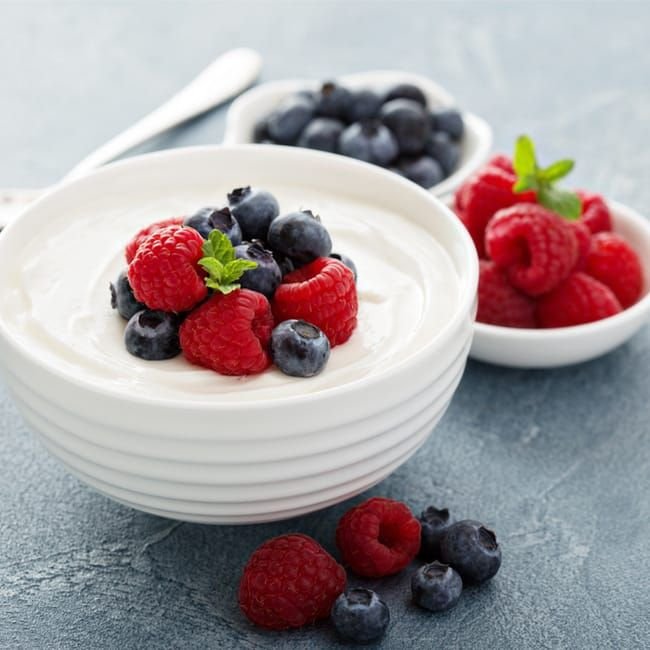
Berries have the highest antioxidant density of any fruit family. Their anthocyanins (the pigments making them red, blue, and purple) are potent anti-inflammatories that specifically combat the oxidative stress elevated in PCOS. They are also low-GI (GI 25), so they do not spike insulin.
Hormonal impact: Targets Pathway 2. Reducing oxidative stress improves ovarian function and insulin sensitivity simultaneously.
How to eat:
– 1 cup of mixed berries daily (fresh or frozen — frozen are equally nutritious and more affordable)
– Add to Greek yogurt, oatmeal, or smoothies
– In South Asia: look for mulberries (shahtoot), which are rich in anthocyanins and often overlooked
9. Extra Virgin Olive Oil
The cornerstone fat of the Mediterranean diet — the dietary pattern with the strongest evidence for PCOS management. Olive oil’s oleocanthal has ibuprofen-like anti-inflammatory properties, and its monounsaturated fats improve insulin sensitivity.
Hormonal impact: Targets Pathways 1 and 2. Replacing saturated and refined fats with olive oil improves both insulin sensitivity and inflammatory markers.
How to use:
– 2–3 tablespoons daily
– Drizzle on salads, cooked vegetables, and soups
– Use for low-heat cooking (despite myths, good quality olive oil is stable at moderate cooking temperatures)
– For high-heat South Asian cooking (tadka, deep sautéing), mustard oil is the better traditional choice
10. Turmeric (with Black Pepper)
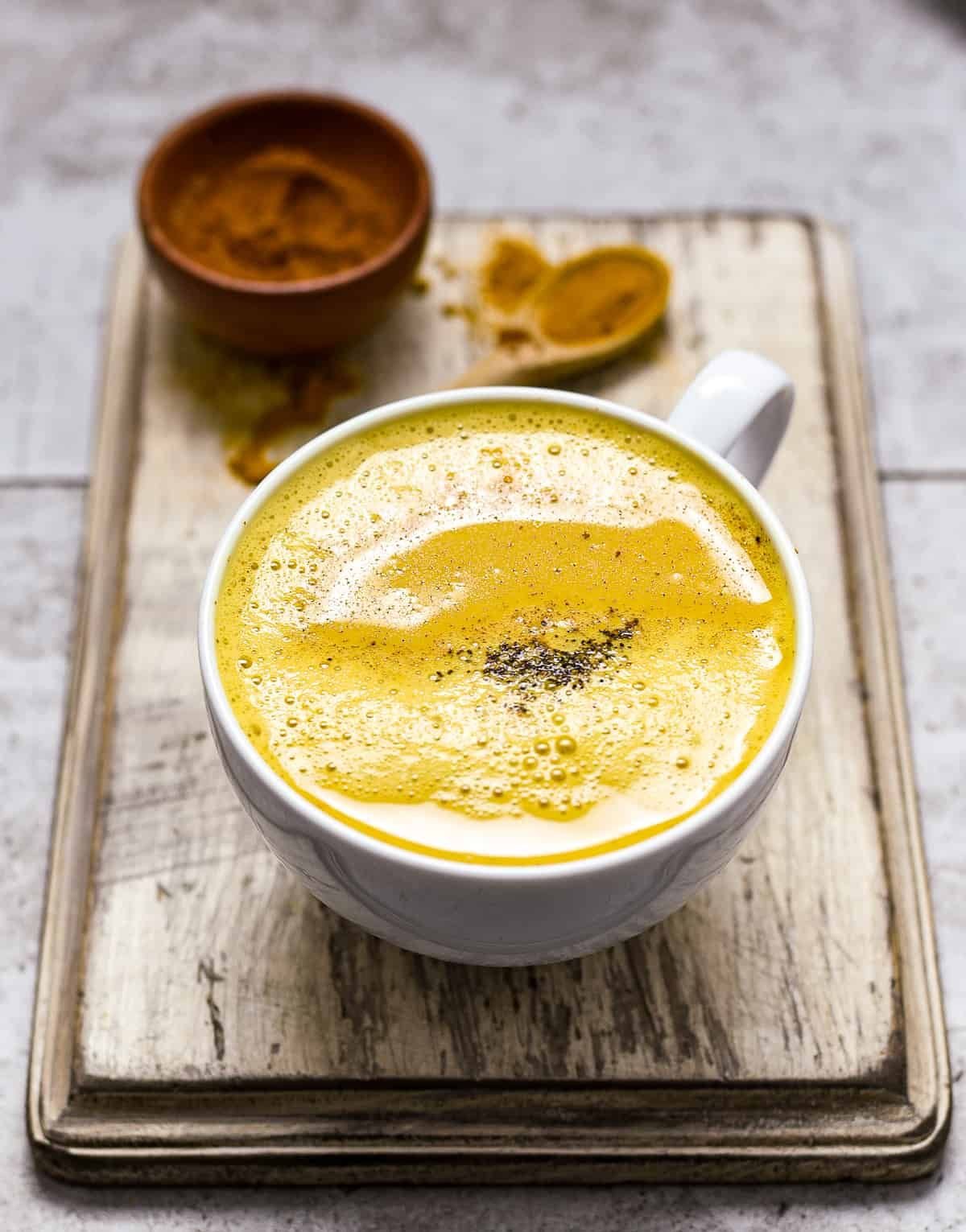
Curcumin, turmeric’s active compound, is one of the most researched natural anti-inflammatories. In PCOS specifically, curcumin supplementation has shown benefits for insulin sensitivity, androgen levels, and inflammatory markers.
Hormonal impact: Targets Pathways 1 and 2 — anti-inflammatory effects improve both insulin signaling and ovarian function.
How to use:
– Use generously in daily cooking (you likely already do)
– Golden milk: warm milk with half a teaspoon of turmeric, a pinch of black pepper, and cinnamon (no sugar)
– Critical: Always combine with black pepper — piperine increases curcumin absorption by 2000%. Without it, most curcumin passes through unabsorbed.
– Also combine with fat (milk, oil) — curcumin is fat-soluble
Foods That Support Gut-Mediated Hormonal Balance
11. Fermented Foods (Dahi, Kefir, Kimchi, Sauerkraut)
Fermented foods provide live probiotics that directly improve gut microbiome diversity. For PCOS, this matters because gut bacteria influence estrogen metabolism (Pathway 3), produce short-chain fatty acids that improve insulin sensitivity, and modulate systemic inflammation.
Hormonal impact: Targets Pathway 3 primarily, with secondary benefits to Pathways 1 and 2 through improved gut barrier function and reduced endotoxin-driven inflammation.
How to eat:
– 1 cup of plain dahi or Greek yogurt daily (not sweetened)
– Homemade dahi is ideal — commercial varieties may have fewer live cultures
– Kefir (if available) has more diverse probiotic strains than yogurt
– Small servings of kimchi, sauerkraut, or other fermented vegetables as condiments
– Kanji (fermented carrot/beet drink) — traditional North Indian probiotic
Avoid: Sweetened yogurts, “fruit” dahi, and flavored lassi — the added sugar negates probiotic benefits.
12. High-Fiber Vegetables and Prebiotic Foods
Prebiotic fiber feeds beneficial gut bacteria — it is as important as probiotics. The best prebiotic foods include garlic, onions, leeks, asparagus, bananas (slightly green), oats, barley, and legumes.
Hormonal impact: Targets Pathway 3. A high-fiber diet increases gut bacterial diversity, improves the metabolism and elimination of excess estrogen, and produces butyrate (a short-chain fatty acid that improves insulin sensitivity).
How to eat:
– Include garlic and onions in daily cooking (you likely already do — this is a PCOS advantage of South Asian cuisine)
– Eat the full rainbow of vegetables — diversity feeds diversity
– Target 30–35 g of total fiber daily from varied sources
– Asparagus, artichokes, and leeks are exceptional prebiotics if available
Nutrients of Concern: What to Watch
Beyond specific foods, women with PCOS should monitor these commonly deficient nutrients:
| Nutrient | Why it matters for PCOS | Best food sources | Consider testing? |
|---|---|---|---|
| Vitamin D | Deficiency (extremely common in PCOS) worsens insulin resistance | Sunlight, fatty fish, fortified foods | Yes — very common |
| Magnesium | Involved in insulin signaling; deficiency impairs glucose control | Leafy greens, nuts, dark chocolate, lentils | If symptoms suggest |
| Inositol | Second messenger for insulin; disrupted in PCOS | Citrus, beans, nuts (supplement often needed) | Discuss with doctor |
| Zinc | Supports ovulation; deficiency linked to acne and hair loss | Pumpkin seeds, chickpeas, meat | If hair/skin issues |
| B vitamins | B12 and folate support ovulation and reduce homocysteine | Eggs, dairy, leafy greens, lentils | Especially if on metformin |
| Iron | Heavy periods (common in PCOS) cause deficiency; but do not supplement without testing | Red meat, lentils, spinach + vitamin C | Yes, if fatigue |
Metformin users take note: Metformin depletes vitamin B12 over time. If you take metformin long-term, have your B12 levels checked annually and supplement if needed.
Foods That Disrupt PCOS Hormones (Limit or Avoid)
Just as important as what to eat is what to minimize:
- Sugary drinks and sweets — the fastest route to insulin spikes and androgen elevation
- Refined carbohydrates as dietary staples — white rice, white bread, pastries in large daily amounts
- Trans fats (vanaspati, deep-fried snacks) — directly worsen insulin resistance and inflammation
- Excessive alcohol — disrupts estrogen metabolism, adds empty calories, impairs sleep
- Highly processed foods — combine refined carbs, unhealthy fats, and additives that promote inflammation
- Large amounts of cow’s milk — some women find it worsens acne (possibly due to IGF-1); yogurt and cheese are usually better tolerated
- Caffeine in excess — moderate (1–2 cups) is fine; excessive intake elevates cortisol, which worsens PCOS
Putting It Together: A Hormonally-Balanced Day
Morning: Warm water with soaked methi seeds → Spearmint tea → Vegetable omelette (3 eggs, spinach) with 1 small whole wheat roti → 1 teaspoon ground flaxseed in a glass of water
Midday: Large bowl of masoor daal (1.5 cups) → Mixed sabzi with turmeric and black pepper (1.5 cups) → 1 roti → Cucumber-tomato salad with olive oil dressing → 1 cup plain dahi
Afternoon: Green tea → Small handful of walnuts and a few berries
Evening: Spearmint tea (second cup) → Grilled fish or chicken (130 g) with roasted vegetables → Half cup of barley or quinoa → Side salad with flaxseed oil dressing
Before bed (optional): Golden milk (warm milk, turmeric, black pepper, cinnamon — no sugar)
Daily hormonal checklist:
– [ ] Lentils or beans (insulin control)
– [ ] 2 cups spearmint tea (androgen reduction)
– [ ] Ground flaxseed (hormonal modulation)
– [ ] Leafy greens 2+ cups (magnesium, folate)
– [ ] Fatty fish or omega-3 source (anti-inflammatory)
– [ ] Fermented food (gut health)
– [ ] Turmeric with black pepper (anti-inflammatory)
– [ ] No sugary drinks (insulin protection)
Your PCOS Hormone Grocery List
Turn the 12 foods into a weekly shop. Keep this list on your phone:
Proteins and legumes: masoor, moong, and chana daal; chickpeas; kidney beans; eggs; chicken; fatty fish (surmai, sardines, or salmon)
Vegetables: spinach, kale, methi, mustard greens; mixed sabzi vegetables; garlic; onions; leeks
Fruits: mixed berries (fresh or frozen); mulberries (shahtoot) in season; citrus fruits; slightly green bananas
Healthy fats: extra virgin olive oil; mustard oil (for high-heat cooking); walnuts; ground flaxseed; avocados
Dairy and fermented: plain dahi or Greek yogurt (unsweetened); paneer in moderation
Spices and teas: Ceylon cinnamon; turmeric; black pepper; fenugreek (methi) seeds; spearmint tea; green tea
Whole grains: barley; quinoa; oats; whole wheat atta
Pantry helpers: apple cider vinegar (for salad dressings); dark chocolate (85%+, small amounts)
Shop the perimeter of the store first — produce, dairy, fish — and spend less time in the processed-food aisles. If a food on this list is unavailable or too expensive, swap it for the closest local equivalent rather than skipping the category.
Eating Out and Social Events with PCOS
PCOS-friendly eating has to survive real life — weddings, dawats, office lunches, and late-night cravings. A few strategies:
At restaurants: Start with a salad or clear soup, choose grilled or tandoori proteins over deep-fried, ask for roti instead of naan, and keep rice to a small portion alongside plenty of daal and vegetables. Skip the sugary drink — sparkling water with lemon works fine.
At weddings and dawats: Eat a small protein-rich snack before you go so you arrive steady, not starving. Fill half your plate with salad and sabzi first, take modest portions of biryani or qorma, and choose one dessert (not three). Nobody is watching your plate as closely as you think.
Chai and social tea: You do not have to give up chai culture. Have your chai, but keep sugar minimal or skip it — the milk and spices are the enjoyable part anyway. Your second daily cup of spearmint tea can be your evening wind-down ritual.
Late-night hunger: Keep Greek yogurt with berries, a handful of walnuts, or warm golden milk as your default instead of biscuits or chips. If you ate a proper dinner with protein and fiber, genuine hunger at midnight is rare — thirst and habit are the usual culprits.
Frequently Asked Questions
How long does it take for diet to affect PCOS hormones?
Insulin sensitivity can improve within 2–4 weeks of consistent dietary changes. Noticeable hormonal effects (better skin, reduced cravings, more energy) typically appear within 2–3 months. Menstrual regularity may take 3–6 months. Spearmint tea’s testosterone-lowering effect was significant at 30 days in clinical trials. Patience and consistency matter more than perfection.
Can diet alone manage PCOS without medication?
For mild to moderate PCOS, many women achieve excellent symptom control through diet and lifestyle alone. For more severe cases (significant insulin resistance, infertility, severe hyperandrogenism), diet is a powerful complement to — but not always a replacement for — medication. Work with your doctor to find the right combination. Never stop prescribed medication without medical guidance.
Is soy bad for PCOS hormones?
Moderate soy consumption (tofu, edamame, tempeh — 1–2 servings daily) is safe and may even be beneficial due to isoflavones’ weak estrogenic effects. Concerns about soy are largely overstated. However, highly processed soy products (isolates, textured vegetable protein in junk food) are less desirable. Whole soy foods in moderation are fine.
Should I avoid dairy completely with PCOS?
Not necessarily. The evidence is mixed and individual. Some women notice skin improvement when reducing cow’s milk specifically (possibly due to IGF-1). However, yogurt/dahi (fermented) and paneer are usually well-tolerated and provide valuable protein, calcium, and probiotics. Try a 4-week experiment reducing milk (keeping yogurt) and observe your skin and symptoms. Make decisions based on your body’s response, not blanket rules.
Do I need to take inositol supplements, or can I get enough from food?
Food sources of inositol (citrus fruits, beans, nuts, whole grains) provide modest amounts, but therapeutic doses for PCOS (2–4 g daily) are difficult to achieve through diet alone. Most clinical trials showing PCOS benefits used supplements. If you have insulin-resistant PCOS, discuss myo-inositol supplementation with your doctor — it has an excellent safety profile and strong evidence.
Can I eat rice with PCOS?
You do not have to give up rice completely, but how you eat it matters. White rice is high-GI and can spike insulin, so keep portions small (about half a cup cooked), always pair it with daal, sabzi, or protein, and consider switching partly to brown rice or barley. Eating rice as part of a balanced plate — not as the main event — keeps its hormonal impact modest.
Is intermittent fasting safe for PCOS hormones?
For many women with PCOS, a gentle fasting window (such as 12–14 hours overnight) is safe and can improve insulin sensitivity. Longer fasts (16+ hours) are more individual — some women feel great, others notice increased stress, disrupted sleep, or cycle changes. Start gently, eat enough during your window, and stop if your cycle worsens. Read our beginner’s guide to intermittent fasting 16:8 before trying longer fasts.
Which cooking oil is best for PCOS?
Use extra virgin olive oil for dressings, salads, and low-heat cooking, and mustard oil for high-heat South Asian cooking like tadka — both support better insulin sensitivity than refined seed oils or vanaspati. Avoid vanaspati and reused deep-frying oil entirely, since trans fats directly worsen insulin resistance and inflammation.
When to See a Doctor
Diet is powerful, but it is not a substitute for medical care. See your doctor promptly if you experience: periods absent for more than 3 months (and you are not pregnant); severe pelvic pain; rapid or unexplained weight gain; signs of high blood sugar (excessive thirst, frequent urination, constant fatigue); depression or anxiety that interferes with daily life; or no improvement after 3–4 months of consistent dietary changes. Bring a food and symptom diary to your appointment — it helps your doctor see patterns. Please also read our Health Disclaimer.
The Bottom Line
Hormonal balance in PCOS is not achieved through any single food — it comes from a dietary pattern that simultaneously improves insulin sensitivity, reduces inflammation, and supports gut health. The 12 foods in this guide target these pathways through different mechanisms, and their effects are synergistic.
You do not need to overhaul everything overnight. Start with the highest-impact changes: eat lentils daily, drink 2 cups of spearmint tea, add ground flaxseed to your routine, and eliminate sugary drinks. These four changes alone address all three hormonal pathways.
Track your symptoms monthly — energy, skin, cravings, cycle regularity. Improvements in these areas signal that your hormones are responding, often before lab values change.
For a complete structured plan, see our PCOS diet plan for weight loss and our guide on how to lose weight with PCOS naturally.
For a personalized PCOS nutrition plan targeting your specific hormonal profile and symptoms, book an online consultation with our nutritionists. We will analyze your labs, symptoms, and eating patterns to build a hormonal-balancing strategy designed for your body.
References and Further Reading
– WHO healthy diet fact sheet
– American Diabetes Association (diabetes.org)