Polycystic Ovary Syndrome (PCOS) affects 8–15% of women of reproductive age, and weight management is one of its most frustrating challenges. If you have PCOS, you have probably noticed that weight comes on easily but refuses to budge — even when you eat less than friends who stay slim effortlessly.
This is not your fault, and it is not about willpower. PCOS fundamentally alters how your body processes food, stores fat, and regulates hunger. Understanding why weight loss is harder with PCOS is the first step to a PCOS diet plan that actually works.
This guide provides a complete, evidence-based PCOS diet plan for weight loss: the science of why PCOS causes weight gain, exactly what to eat, what to avoid, a 7-day meal plan, and the lifestyle factors that accelerate results.
Important: PCOS is a medical condition that requires proper diagnosis and management. This dietary guide complements — never replaces — your doctor’s treatment plan. If you take metformin, hormonal contraceptives, or other PCOS medications, discuss dietary changes with your healthcare provider.

Why PCOS Makes Weight Loss Harder: The Science
Three interconnected hormonal disruptions make weight management uniquely challenging with PCOS:
1. Insulin Resistance (Affects 50–70% of Women with PCOS)
Insulin resistance means your cells do not respond efficiently to insulin, so your pancreas produces extra. High insulin levels directly promote fat storage — especially visceral (belly) fat — and increase hunger. It is a vicious cycle: insulin resistance causes weight gain, and weight gain worsens insulin resistance.
The practical link: Women with PCOS and insulin resistance who follow a low-glycemic diet tend to manage weight better than those on standard calorie-restricted diets, even at similar calorie intakes. The type of food matters as much as the amount. Our guide on how to lower blood sugar naturally explains these mechanisms in more depth.
2. Elevated Androgens (Male Hormones)
PCOS causes higher-than-normal levels of androgens (testosterone and related hormones). Elevated androgens promote abdominal fat storage (the “apple” body shape), increase appetite, and can cause acne and unwanted hair growth.
Diet influences androgens: high-sugar diets increase insulin, which stimulates the ovaries to produce more testosterone. Low-glycemic diets and specific nutrients (inositol, omega-3s, spearmint) help normalize androgen levels.
3. Chronic Low-Grade Inflammation
Women with PCOS have elevated inflammatory markers (CRP, IL-6, TNF-alpha) even at normal weight. Chronic inflammation worsens insulin resistance and disrupts ovulation. An anti-inflammatory eating pattern — rich in vegetables, omega-3s, and antioxidants — directly targets this driver.
The bottom line: A PCOS diet plan must do three things simultaneously: improve insulin sensitivity, calm inflammation, and keep you full on fewer calories. Every recommendation below serves at least one of these goals.
Core Principles of the PCOS Weight Loss Diet
Principle 1: Prioritize Low-Glycemic Foods
This is the most important dietary principle for PCOS. Low-GI foods (55 or below) produce gentle blood sugar rises instead of spikes, which means less insulin and less fat storage. Use our glycemic index chart as your quick reference.
Build every meal around low-GI foundations:
- All lentils and beans (GI 25–35) — daal should be a daily staple
- Whole grains: barley (GI 28), steel-cut oats (GI 42), quinoa (GI 53), brown rice (GI 55)
- Most vegetables (negligible GI)
- Low-GI fruits: berries, apples, pears, oranges, guava, jamun
Strictly limit high-GI foods:
- White rice, white bread, naan, bakery products
- Sugary drinks, fruit juice, sweetened chai
- Pastries, cakes, biscuits, mithai
- Instant oats, cornflakes, sugary cereals
- Potatoes (use sweet potatoes instead)
Principle 2: Eat Protein at Every Meal
Higher protein intake is particularly beneficial for PCOS. Protein improves satiety (reducing the constant hunger that high insulin causes), preserves muscle during weight loss, and has minimal impact on blood sugar.
Target: For a 70 kg woman, aim for 110–140 g of protein daily.
Best protein sources for PCOS:
- Lentils and chickpeas (18–19 g per cup cooked)
- Eggs (6 g each — excellent for breakfast)
- Chicken breast (31 g per 100 g)
- Fish, especially fatty fish (20–25 g per 100 g plus anti-inflammatory omega-3s)
- Greek yogurt / plain dahi (15–20 g per cup)
- Paneer (18 g per 100 g — watch portions due to calories)
- Tofu and soy products (complete plant protein)
Distribute protein evenly: Aim for 25–35 g at each main meal rather than loading it all at dinner. An even spread keeps hunger steady all day.
Principle 3: Embrace Anti-Inflammatory Fats
Replace inflammatory fats with anti-inflammatory ones. This directly addresses the chronic inflammation driving PCOS.

Choose:
- Extra virgin olive oil (for salads and low-heat cooking)
- Mustard oil (for traditional high-heat cooking — rich in monounsaturated fats)
- Fatty fish: salmon, sardines, mackerel (surmai) — omega-3s twice weekly minimum
- Walnuts (best plant omega-3 source)
- Flaxseeds (ground — lignans may help hormonal balance)
- Avocados
Limit: Ghee, butter, coconut oil (high saturated fat — small amounts for flavor are fine, but do not make them your main cooking fats).
Eliminate: Vanaspati/dalda (trans fats — directly worsen insulin resistance and inflammation).
Principle 4: Maximize Fiber (Target: 30–35 g Daily)
Fiber is a PCOS superpower. It slows glucose absorption (improving insulin sensitivity), feeds beneficial gut bacteria, and keeps you full for hours.
Best fiber sources:
- Lentils and beans (12–15 g per cup)
- Vegetables (4–5 g per cup)
- Chia seeds (10 g per 2 tablespoons)
- Flaxseeds (8 g per 2 tablespoons)
- Oats and barley (4–5 g per serving)
- Whole fruits with skin (3–4 g per piece)
- Nuts (3 g per 30 g serving)
Increase gradually: If your current fiber intake is low, add 5 g per week to avoid bloating, and drink plenty of water.
Principle 5: Time Your Meals Strategically
Eat breakfast: Women with PCOS who skip breakfast tend to have worse insulin sensitivity and stronger evening cravings. A protein-rich breakfast sets the tone for the whole day.
Front-load calories: Eating a larger breakfast, moderate lunch, and lighter dinner aligns with your natural insulin rhythm, which is most efficient in the morning.
Consider time-restricted eating: A 12–14 hour overnight fast (for example, dinner at 7:30 pm and breakfast at 8:30 am) gives insulin levels time to reset. Discuss longer fasts with your doctor first.
Meal sequencing: Eat vegetables and protein before carbs. This simple reordering reduces the glucose spike of the meal.
Foods That Specifically Help PCOS
Beyond general principles, these foods have specific supportive roles in PCOS management:
Inositol-Rich Foods
Inositol (particularly myo-inositol) is one of the most researched PCOS nutrients — it improves insulin signaling and supports ovulation. Food sources include citrus fruits, beans, nuts, and whole grains. While food alone rarely provides therapeutic doses (which is why supplements are discussed below), building these foods into your daily diet is a sensible foundation.
Spearmint Tea

Two cups of spearmint tea daily has been shown in clinical trials to reduce free testosterone levels in women with PCOS. It is caffeine-free, so you can drink it in the evening. Brew fresh or dried spearmint leaves for 5 minutes — and skip the sugar.
Cinnamon
1–2 g daily (about half a teaspoon) may improve insulin sensitivity and support more regular menstrual cycles in PCOS. Add true cinnamon (Ceylon) to oats, yogurt, smoothies, or warm milk. It also satisfies sweet cravings without sugar.
Fenugreek (Methi)
Methi seeds have specific traditional and emerging evidence for improving insulin sensitivity and supporting hormonal balance. Soak a teaspoon overnight and drink the water in the morning, or add methi leaves (fresh or dried kasuri methi) to sabzi and daal. Start with small amounts — methi can cause digestive discomfort in large doses.
Fatty Fish and Omega-3s
Omega-3 fatty acids reduce inflammation and may improve androgen levels in PCOS. If you do not eat fish twice a week, walnuts and ground flaxseeds are reasonable plant alternatives, though fish remains the richest source.
Green Leafy Vegetables
Rich in magnesium, folate, and antioxidants. Magnesium shortfall is common in PCOS and worsens insulin resistance — spinach, methi leaves, and sarson are excellent local options. Aim for at least two servings daily.
Berries
Low-glycemic, high in antioxidants that combat the oxidative stress associated with PCOS. A daily serving of strawberries, jamun, or mixed berries makes an ideal snack or yogurt topping.
The 7-Day PCOS Weight Loss Meal Plan
This plan provides approximately 1,500–1,700 calories daily with 110–130 g protein, 30+ g fiber, and a low average glycemic load. Adjust portions to your appetite and activity level — the patterns matter more than exact numbers.

Day 1
- Breakfast: Vegetable omelette (3 eggs, spinach, mushrooms, tomatoes) + 1 small whole wheat roti
- Mid-morning: 1 cup green tea + 10 almonds
- Lunch: 1.5 cups masoor daal + 1.5 cups mixed sabzi + 1 roti + cucumber raita
- Evening: 1 cup spearmint tea + 1 small bowl roasted chickpeas
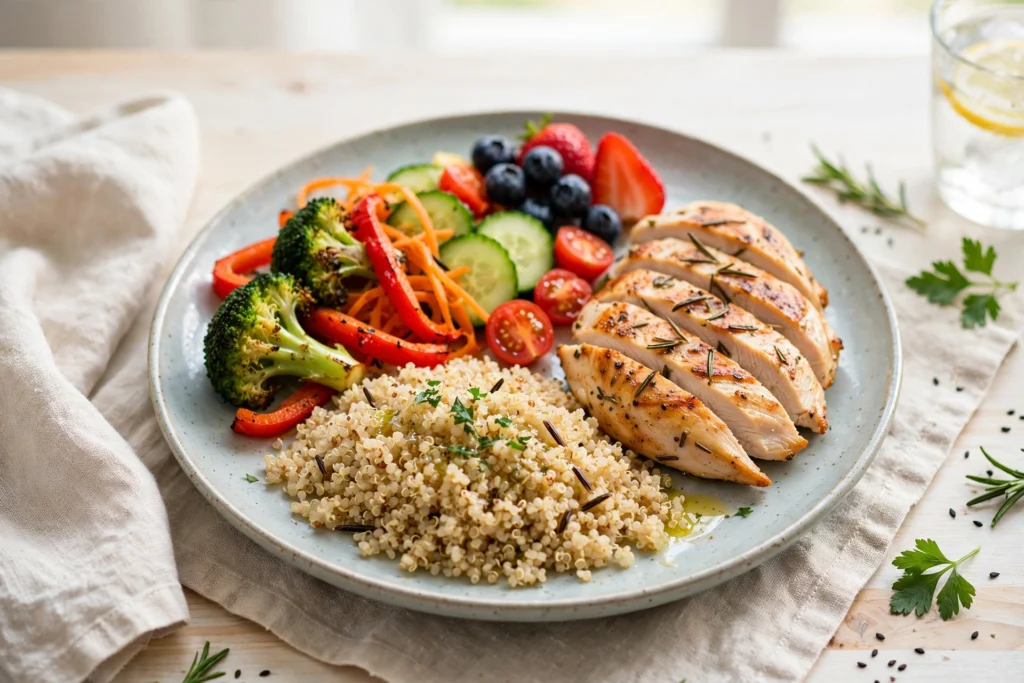
- Dinner: Grilled chicken breast (130 g) + large salad + half cup quinoa
Day 2
- Breakfast: Overnight oats (45 g rolled oats, Greek yogurt, chia seeds, berries, cinnamon)
- Mid-morning: 1 boiled egg + 1 small orange
- Lunch: 1.5 cups rajma + 1 cup bhindi sabzi + 1 roti + plain dahi
- Evening: Buttermilk with roasted cumin + 6 walnut halves
- Dinner: Baked fish (130 g) with herbs + roasted vegetables + half cup barley
Day 3
- Breakfast: Moong daal cheela (3, with vegetables) + mint chutney + 1 cup dahi
- Mid-morning: 1 pear + 1 tablespoon peanut butter
- Lunch: 1.5 cups kala chana curry + 1.5 cups cabbage sabzi + 1 roti
- Evening: 1 cup spearmint tea + 2 tablespoons mixed seeds
- Dinner: Paneer tikka (120 g, grilled with vegetables) + large salad
Day 4
- Breakfast: Smoothie (spinach, half banana, Greek yogurt, chia seeds, flaxseed, cinnamon)
- Mid-morning: 10 pistachios + 1 small apple
- Lunch: 1.5 cups arhar daal + 1.5 cups palak sabzi + 1 roti + salad
- Evening: Vegetable soup (large bowl)
- Dinner: Chicken and vegetable stir-fry (150 g chicken) + half cup brown rice
Day 5
- Breakfast: 2 besan cheelas with vegetables + 1 cup plain dahi + 1 boiled egg
- Mid-morning: 1 cup papaya + 8 almonds
- Lunch: 1.5 cups white chana + 1.5 cups mixed vegetable sabzi + 1 roti
- Evening: 1 cup spearmint tea + 1 small bowl sprouts chaat
- Dinner: Grilled fish (130 g) + large portion of sautéed greens + half sweet potato
Day 6
- Breakfast: Vegetable upma (made with oats) + 2 boiled eggs
- Mid-morning: 1 orange + 1 tablespoon sunflower seeds
- Lunch: 1.5 cups moong daal + 1.5 cups baingan sabzi + 1 roti + raita
- Evening: Coconut water (unsweetened) + 5 walnuts
- Dinner: Turkey or chicken meatballs (150 g) with tomato sauce + zucchini noodles
Day 7
- Breakfast: Greek yogurt bowl (1.5 cups) with berries, chia seeds, flaxseed, and cinnamon
- Mid-morning: 1 guava + 1 cup green tea
- Lunch: 1.5 cups masoor daal + 1.5 cups gobhi matar + 1 roti + cucumber salad
- Evening: 1 cup warm milk with turmeric and cinnamon (no sugar)
- Dinner: Baked chicken thighs (150 g, skin removed) with roasted vegetables
Key patterns to notice: Every breakfast has 20+ g protein. Every lunch and dinner has a low-glycemic base (daal, beans, or whole grains) plus abundant vegetables. Snacks pair fiber with protein or healthy fat — never naked carbs.
Exercise for PCOS Weight Loss
Diet is primary, but exercise dramatically accelerates PCOS weight loss and directly improves hormonal balance — it is the most potent insulin sensitizer available without a prescription.

The Optimal PCOS Exercise Prescription
1. Strength training (3x per week) — highest priority
Muscle is your metabolic engine. More muscle means better insulin sensitivity, higher resting metabolism, and easier fat loss.
- Start: 20 minutes, 2x per week (bodyweight or light dumbbells)
- Build to: 30–40 minutes, 3x per week
2. Moderate cardio (150 min/week)
Brisk walking, cycling, swimming, or dancing. Break it into manageable chunks — three 10-minute walks count the same as one 30-minute session.
3. Post-meal walks (10–15 minutes)
Walking after meals is disproportionately effective for PCOS — it directly blunts the glucose spike when insulin sensitivity is lowest.
4. Stress-reducing movement
Yoga, stretching, or gentle walking. Chronic stress elevates cortisol, which worsens PCOS. Even 15 minutes of yoga improves both stress and insulin markers.
What to avoid: Excessive high-intensity exercise (daily intense HIIT or long-distance running) can raise cortisol and worsen PCOS symptoms. More is not always better — consistency beats intensity.
Supplements Worth Discussing With Your Doctor
These supplements have the strongest supportive evidence for PCOS. Always discuss with your healthcare provider before starting — especially if you take metformin or hormonal medications.
- Myo-inositol (2–4 g daily): The most evidence-backed PCOS supplement. Improves insulin sensitivity and supports ovulation.
- Vitamin D: Shortfall is extremely common in PCOS and worsens insulin resistance. Get your levels tested before supplementing.
- Omega-3 fish oil: Reduces inflammation and may improve androgen levels.
- Magnesium: Supports insulin function and sleep quality. Glycinate or citrate forms are best absorbed.
- Spearmint capsules: Concentrated form of the tea; some women prefer capsules to brewing two cups daily.
- Berberine: A potent plant compound for insulin sensitivity — but it interacts with several medications, so medical supervision is essential.
Foods and Habits to Avoid
- Sugary drinks — the fastest path to insulin spikes
- Refined carbohydrates as meal centers (large plates of white rice, white bread, naan)
- Excessive dairy — some women with PCOS find that large amounts of milk worsen acne; yogurt and paneer in moderation are usually fine
- Processed soy in excess — moderate soy (tofu, edamame) is fine; highly processed soy products are best limited
- Alcohol — disrupts hormones, adds empty calories, impairs sleep
- Skipping meals — triggers overeating and worsens insulin resistance
- Chronic sleep deprivation — less than 6 hours of sleep impairs insulin sensitivity significantly
- Endocrine disruptors — reduce use of plastic food containers (especially heated); choose glass or steel for food storage
Tracking Progress: Beyond the Scale
With PCOS, the scale can be misleading — hormonal fluctuations cause water retention that masks fat loss. Track these instead:
Monthly:
- Weight (same time of day, same conditions)
- Waist circumference (more important than weight — measures visceral fat)
- Hip circumference (waist-to-hip ratio should decrease)
Ongoing:
- Energy levels and mood
- Skin clarity (acne improvement signals androgen reduction)
- Menstrual regularity (returning cycles signal hormonal improvement)
- Sleep quality
- Craving intensity (should decrease as insulin sensitivity improves)
Every 3 months:
- HbA1c (blood sugar control)
- Fasting insulin (insulin sensitivity)
- Testosterone levels (androgen status)
- Vitamin D (common shortfall)
Realistic timeline:
- Weeks 1–4: Reduced bloating, better energy, fewer cravings
- Months 2–3: Measurable weight loss (0.5 kg/week is excellent for PCOS), improved skin
- Months 4–6: Significant weight loss, more regular cycles, improved lab values
- Months 6–12: Sustained results, normalized hormones for many women
Important perspective: Weight loss with PCOS is typically slower than without — 0.25–0.5 kg per week is a genuine success, not a failure. For more on realistic expectations, see our weight loss nutrition guide.
Your PCOS Grocery List
Take this list to the market and stock a PCOS-friendly kitchen:
Proteins: Eggs, chicken breast, fish (rohu, salmon, sardines), masoor/mong/kala chana/rajma, Greek yogurt or plain dahi, paneer, tofu.
Low-glycemic grains: Barley, steel-cut oats, quinoa, brown basmati rice, whole wheat atta, besan.
Vegetables: Spinach, methi leaves, cauliflower, broccoli, okra, eggplant, bell peppers, cucumbers, tomatoes, mushrooms.
Fruits: Berries, jamun, apples, pears, guava, oranges, pomegranate.
Healthy fats: Walnuts, almonds, flaxseeds, chia seeds, extra virgin olive oil, mustard oil.
PCOS-support foods: Spearmint tea, cinnamon (Ceylon), methi seeds.
Limit or skip: White rice in bulk, white bread, sugary cereals, fruit juice, soda, mithai, biscuits, vanaspati.
Eating Out and Social Events with PCOS
You do not need to avoid restaurants or family dinners — you need a strategy:
- Preview the menu and pick grilled, tandoori, or steamed dishes before hunger decides for you.
- Start with salad or soup — it blunts the glucose spike of whatever follows.
- Choose daal, grilled kebabs, or fish curries over biryani and creamy karahis.
- One roti, not three — ask for extra sabzi instead of extra bread.
- Skip the sugary drink — order water, sparkling water, or unsweetened iced tea.
- Dessert: share one portion or choose fresh fruit. An occasional treat will not undo your progress; a weekly pattern will.
Frequently Asked Questions
Why can’t I lose weight with PCOS even when I eat very little?
Severe calorie restriction often backfires with PCOS. Very low-calorie diets increase cortisol (stress hormone), slow your metabolism, and trigger intense cravings — while doing nothing for insulin resistance. A moderate deficit (300–500 calories below maintenance) with high protein and low-glycemic foods works far better than crash dieting.
Do I need to go gluten-free or dairy-free for PCOS?
Not necessarily. There is no strong evidence that gluten worsens PCOS unless you have celiac disease or a genuine sensitivity. For dairy, some women notice more acne with large amounts of milk — if that is you, try reducing milk while keeping yogurt and paneer, and observe for a month.
Can PCOS be cured with diet?
PCOS cannot be “cured” — it is a chronic hormonal condition. However, its symptoms (irregular periods, acne, weight gain, excess hair) can improve dramatically, and many women restore regular ovulation through sustained diet and lifestyle changes. Think management, not cure.
How does inositol help PCOS, and should I take it?
Myo-inositol acts as a secondary messenger for insulin — it helps your cells respond to insulin properly, which is exactly what goes wrong in PCOS. Typical studied doses are 2–4 g daily. Discuss it with your doctor, especially if you take metformin, since the combination needs monitoring.
Will losing weight cure my PCOS symptoms?
For many women, yes — significantly. Even 5–10% weight loss can restore ovulation, improve insulin sensitivity, reduce androgens, and regulate cycles. You do not need to reach an “ideal” weight to see real hormonal benefits.
Can I eat rice with PCOS?
Yes, in smart portions. Choose brown basmati (GI 50) over white rice, keep it to half to three-quarter cup cooked, and always pair it with daal, vegetables, and protein. Cooling cooked rice before eating (for example, in a salad) also lowers its effective glycemic impact. See our glycemic index chart for details.
Is intermittent fasting safe for PCOS?
A gentle 12–14 hour overnight fast is generally fine and may improve insulin sensitivity. Longer fasts (16+ hours) are more controversial for PCOS — some women thrive, others see worsened cravings and hormonal disruption. Start with 12 hours, track your energy and cycles, and discuss longer fasts with your doctor.
Does dairy worsen PCOS?
The evidence is mixed. Large amounts of milk may worsen acne in some women, possibly due to natural hormones in milk. Fermented dairy (yogurt, dahi) and paneer in moderate portions are usually well tolerated and provide valuable protein and calcium. If you suspect dairy is an issue, try a 4-week reduction and track your skin and symptoms.
When to See a Doctor
Diet is powerful, but it is not a substitute for medical care. See your doctor promptly if you experience:
- No menstrual period for more than 3 months
- Rapid or unexplained weight gain
- Severe acne or hair loss that does not improve
- Signs of high blood sugar (excessive thirst, frequent urination, fatigue)
- Difficulty conceiving after 12 months of trying (6 months if over 35)
- Depression or anxiety affecting daily life
As with all health advice on this site, please read our health disclaimer — this article is educational and does not replace personalized medical advice.
The Bottom Line
PCOS weight loss requires a different approach than generic dieting — one that addresses insulin resistance, inflammation, and hunger hormones together. Low-glycemic eating, protein at every meal, anti-inflammatory fats, daily fiber, smart meal timing, strength training, and consistent sleep form the complete package.
You do not need perfection. Start with three changes: eat protein at breakfast, make daal or beans a daily staple, and walk for 10 minutes after dinner. Build from there.
For a personalized PCOS management plan addressing your specific symptoms, lab results, and food preferences, book an online consultation with our nutritionists.
Keep reading: How to Lose Weight with PCOS Naturally · Glycemic Index Chart: 100+ Common Foods Ranked · Weight Loss Nutrition Guide
References and Further Reading
The dietary principles in this guide are drawn from published nutrition research on PCOS, insulin resistance, and glycemic index. For broader guidance on eating patterns that support hormonal health and healthy blood sugar, see the WHO healthy diet fact sheet and the resources at diabetes.org.