
This honest guide to lemon water benefits for detox separates real science from popular myth, covering hydration, vitamin C, and kidney-stone evidence.
Every morning, millions of people squeeze half a lemon into warm water and drink it before anything else. Scroll through social media and you will find bold promises: it “flushes toxins,” “melts belly fat,” “alkalizes your blood,” and “detoxes your liver.” Friends and family in Pakistan and India pass the habit along like a family recipe — nimbu pani for health, taken first thing on an empty stomach.
So, what does the science actually say? As a nutrition educator, I want to be honest with you: lemon water is a genuinely useful habit, but not for most of the reasons you’ve been told. It won’t change your blood pH, it won’t wash toxins out of your liver, and it won’t melt fat. What it can do is help you drink more water, give you a meaningful dose of vitamin C, make digestion a little more comfortable for some people, and provide citrate — a compound with real, published evidence behind kidney-stone prevention.
This article gives you the full, honest picture. You will get the real nutrition numbers, the strongest evidence (and where it stops), practical desi-friendly recipes like honey-ginger and mint lemon water, and the cautions nobody talks about — like what lemon water does to your tooth enamel.
In this guide, you will learn:
- Exactly what’s in a glass of lemon water (real nutrition numbers, not guesses)
- How lemon water helps hydration — and why that matters more than any “detox” claim
- What vitamin C in lemons can and cannot do for your immunity
- The citrate–kidney stone connection: the strongest real evidence for lemon water
- Whether lemon water helps digestion, skin, and weight loss (honest answers)
- Why the “alkaline body” claim is scientifically wrong — explained simply
- How to make lemon water properly: plain, honey-ginger, and mint recipes
- When to drink it, who should be careful, and how lemon compares to other citrus
A quick note on honesty: Any article that promises lemon water will “detox your body” is misleading you. Your liver and kidneys already handle detoxification around the clock. No drink can replace that. What follows is what lemon water actually does — the useful, proven, and practical truth.
1. What’s Actually in a Glass of Lemon Water? (Nutrition Facts)

Before judging any health claim, let’s look at what’s actually in the glass. A typical serving is the juice of half to one medium lemon (about 30–60 ml of juice) mixed into 250–350 ml of water.
Vitamin C content
One medium lemon (about 58 grams) contains roughly 30–40 mg of vitamin C. Lemon juice itself provides about 38–39 mg of vitamin C per 100 grams. So a full lemon squeezed into water gives you roughly 30–40% of the adult daily requirement (about 75–90 mg/day for adults).
That is meaningful — it’s a solid contribution from a nearly zero-calorie drink — but it is not the mega-dose that some articles imply. One lemon won’t supply your whole day’s vitamin C, and it certainly won’t “supercharge” your immune system by itself.
Citric acid and citrate
Lemons are among the richest natural sources of citric acid. The juice of one lemon contains roughly 1.4–2 grams of citric acid. Once in your body, citric acid becomes citrate, and citrate is the compound behind lemon water’s most evidence-backed benefit (kidney-stone prevention — more on that in section 4).
Calories, sugar, and minerals
- Calories: nearly zero — the juice of one lemon has only about 10–12 calories
- Sugar: about 1–2 grams of natural sugar per lemon
- Potassium: small amounts (about 80 mg per lemon)
- Flavonoids: lemons contain plant compounds like eriocitrin and hesperidin, which act as antioxidants in laboratory studies — though the amounts in one glass are modest
The honest summary: lemon water is a flavoured, very-low-calorie drink that delivers a useful amount of vitamin C and citric acid. That’s a good start — but it tells you nothing about “detoxing,” which we’ll come to.
2. The Hydration Benefit: The Most Underrated Advantage
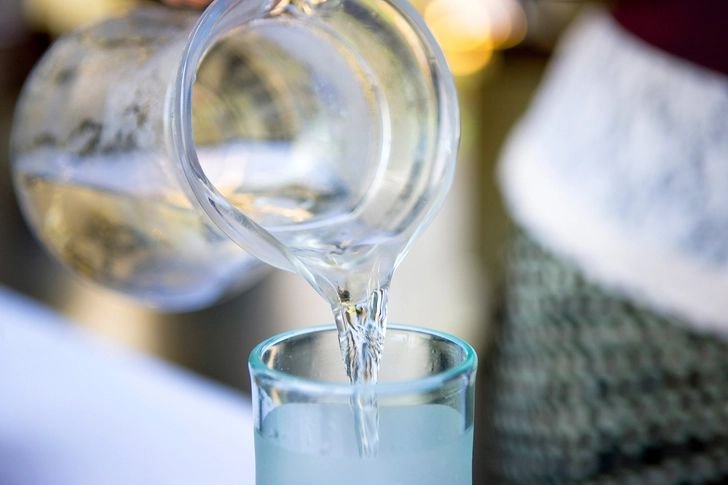
Here is the claim almost nobody makes about lemon water, even though it’s the most defensible one: it helps you drink more water.
Why flavour matters for hydration
Many people simply don’t drink enough plain water because they find it boring. Studies on beverage intake consistently show that people drink more when water has flavour. If squeezing lemon into your water turns a glass you would have skipped into one you actually finish, lemon water has done something genuinely valuable.
In South Asia, this is familiar territory. Nimbu pani has been the go-to summer cooler for generations precisely because plain water felt insufficient in the heat. A chilled glass of nimbu pani with a pinch of salt is, at its core, a flavoured hydration drink — and a sensible one.
How much water do you actually need?
A practical target for most adults is around 2–2.5 litres of total fluids per day for women and 2.5–3 litres for men, with more in hot weather or with physical activity. About 20% of that usually comes from food. If a morning glass of lemon water helps you start the day hydrated instead of reaching straight for chai, that is a real win — no detox magic required.
Hydration and how you feel
Even mild dehydration — as little as 1–2% of body weight — is linked to headaches, poorer concentration, fatigue, and worse mood. Many of the “energy boost” stories people attribute to lemon water’s detox powers are more plausibly explained by one simple thing: they finally drank a proper glass of water first thing in the morning.
Bottom line: Lemon water’s biggest honest benefit is that it’s water you will actually drink. That counts.
3. Vitamin C and Immunity: Useful, Not Magical
Vitamin C is a genuine essential nutrient. It supports immune cell function, helps with iron absorption from plant foods, is needed for collagen formation (important for skin and wound healing), and acts as an antioxidant. Getting enough vitamin C matters — and lemon water contributes.
What the evidence supports
Regular vitamin C intake supports normal immune function. For people who don’t get much fruit in their diet, a daily lemon in water is a meaningful step toward the daily requirement. Vitamin C also helps your body absorb non-haem iron from foods like daal, spinach (palak), and chickpeas — particularly relevant for South Asian vegetarian diets where iron deficiency is common. Drinking lemon water with or after a meal can modestly improve iron uptake from that meal.
What the evidence does NOT support
Vitamin C does not prevent colds in the general population, and mega-doses do not “boost” immunity beyond normal function. Your immune system is not a muscle you can bulk up with lemon water. One lemon’s worth of vitamin C helps you meet your needs; it does not give you extra protection.
A practical desi tip
Squeeze lemon over your daal, sabzi, or salad instead of only drinking it in water. The vitamin C helps iron absorption, and you get the same nutrition in a form your family already enjoys.
Bottom line: Lemon water is a legitimate small contributor to your vitamin C intake. It supports normal immune function — it just doesn’t supercharge anything.
4. Citrate and Kidney Stones: The Strongest Real Evidence
If lemon water has a star benefit, this is it. And unlike most detox claims, it rests on published research.
How citrate helps
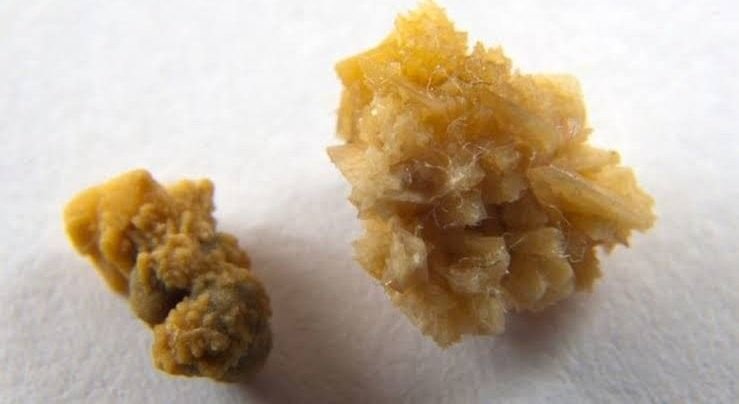
Kidney stones — most commonly calcium oxalate stones — form when urine is too concentrated with stone-forming minerals. Citrate in urine binds calcium and makes it harder for stones to form and grow. Raising urinary citrate is a recognised strategy in kidney-stone prevention, and dietary citrate from citrus juice contributes to it.
What the studies found
Research on “lemonade therapy” (notably work published by urology researchers including Kang and colleagues, and earlier work by Seltzer and colleagues) found that drinking lemonade made with about 120 ml of lemon juice per day — providing roughly 5.9 grams of citric acid — increased urinary citrate levels in people prone to stones. Odvina’s well-known comparison found lemon juice raised urinary citrate comparably to orange juice.
To be transparent about the limits: these studies were small, and they measured urinary citrate (a risk marker), not a dramatic drop in actual stone events. Doctors still prescribe potassium citrate medication for high-risk patients — lemon juice is a dietary complement, not a replacement. But the mechanism is real, the direction of effect is consistent, and it is far more evidence than any “detox” claim has.
Practical takeaway
If you have a history of kidney stones — or a family history, which is common — regular citrus juice including lemon water is a sensible, low-cost dietary habit worth discussing with your doctor. Don’t sweeten it heavily (sugar-sweetened lemonade is not what the studies used), and don’t stop prescribed treatment.
Bottom line: Citrate and kidney-stone prevention is lemon water’s most scientifically credible benefit. It’s still modest, but it’s real.
5. Lemon Water and Digestion: Examined Honestly
“Betters digestion” is one of the most common lemon water claims. Let’s separate what holds up.
What may genuinely help
- Warm fluid in the morning can stimulate gut motility for some people — but plain warm water does this too. The lemon isn’t the active ingredient here; the warmth and the water are.
- Flavour and routine: A pleasant morning ritual can reduce the rushed, stressed start that worsens digestive discomfort. Ritual matters more than people think.
- Bitter taste and saliva: Sour and bitter flavours stimulate saliva production, which is the first step of digestion. This is a small, plausible effect — not a transformation.
What doesn’t hold up
Lemon water does not “cleanse your colon,” “flush your intestines,” or “reset your gut.” Your digestive system doesn’t accumulate sludge that needs washing out with lemon. Claims about lemon water “stimulating bile” to detox the liver are exaggerated well beyond what any human study shows.
The other side: heartburn
For people with GERD (acid reflux) or a sensitive stomach, lemon water — especially on an empty stomach — can trigger heartburn or nausea. The acidity that some people praise is exactly what bothers others. If lemon water gives you acidity, that’s your body giving you useful feedback: dilute it more, drink it with food, or skip it.
Bottom line: Lemon water may make mornings feel easier digestively, mostly because warm water and routine do. It doesn’t cleanse anything, and it can worsen reflux in susceptible people.
6. Skin and “Glow” Claims: Sorting Hype from Reality
“Drink lemon water for glowing skin” is everywhere on beauty pages. Here’s the honest version.
The kernel of truth
Vitamin C is genuinely needed for collagen synthesis — the protein that gives skin its structure. Severe vitamin C deficiency causes skin problems (that’s scurvy). Good hydration also helps skin look less dull, because dehydrated skin shows fine lines more. So if lemon water helps you stay hydrated and tops up vitamin C, your skin may look marginally better — but through those two ordinary pathways, not through “flushing toxins from the skin.”
The exaggeration
No drink “detoxes” your skin. Acne, pigmentation, and dullness have causes — hormones, sun exposure, genetics, skincare habits — that a morning drink cannot override. Before-and-after photos crediting lemon water for transformed skin are attributing to one glass what was likely better sleep, skincare, lighting, or simply time.
A warning worth hearing
Some people apply lemon juice directly to their skin. Don’t. Lemon juice on skin plus sunlight can cause phytophotodermatitis — painful blistering burns. This is a real dermatological condition, not a rare freak event. Drink your lemon water; keep it off your face.
Bottom line: Hydration plus vitamin C can modestly support skin health. “Glow from detox” is marketing, and putting lemon on your skin is actively risky.
7. The “Alkaline Body” Myth: Why It Doesn’t Work That Way
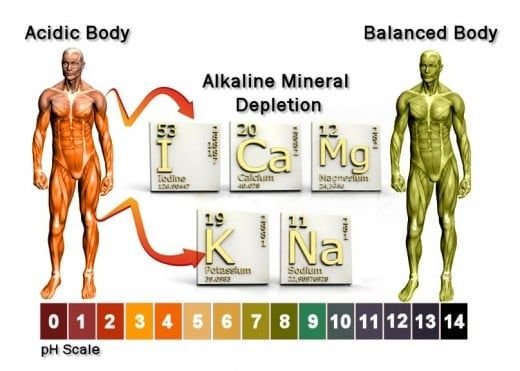
This is the claim that needs the firmest correction, because it sounds scientific while being wrong: “Lemon water alkalizes your body and an alkaline body fights disease.”
Your blood pH is not adjustable by diet
Human blood pH is held in an extremely narrow range — about 7.35 to 7.45 — by your lungs and kidneys working together. If your blood pH moved meaningfully outside that range, you would be in a medical emergency, not in better health. No food or drink, lemon water included, can or should change your blood pH. Your body regulates this with exquisite precision, and that regulation is not something you want to override.
Where the confusion comes from
Lemons are acidic (lemon juice has a pH around 2–3), yet they are classified as “alkaline-forming” in some diet charts. That classification refers to the ash left after metabolism — a chemistry-lab concept, not a measure of what happens in your blood. Proponents took this narrow technical label and stretched it into “lemon water alkalizes your blood,” which is simply false.
What about urine pH?
Citrate can slightly raise urine pH — that’s part of how it helps with kidney stones. But urine pH is not blood pH, and “alkaline urine” is not a health goal in itself. Conflating the two is the central error of the alkaline-diet story.
Bottom line, stated kindly but firmly: Lemon water does not alkalize your blood, and an “alkaline body” is not a real health target. Your body already keeps its pH exactly where it needs to be. Anyone selling you alkalization is selling you a misunderstanding.
8. Weight-Loss Claims: Examined Honestly
“Lemon water melts fat” and “drink this to lose 5 kg in a week” are among the most shared — and least honest — claims online. Let’s look at what the evidence actually supports.
What lemon water can contribute to weight management
- Replacing sugary drinks: If your morning lemon water replaces a sweetened chai, a soft drink, or packaged juice, you cut real calories. A 250 ml soft drink has about 100+ calories; lemon water has about 10. That swap, repeated daily, genuinely adds up.
- Pre-meal water: Drinking water before meals can slightly reduce how much people eat at that meal. Lemon-flavoured water works the same as plain water here.
- Routine and mindfulness: A deliberate morning habit can anchor other healthy choices through the day. Small, but real.
What it cannot do
Lemon water does not “melt” fat, “burn” calories in any meaningful amount, “speed up metabolism” beyond the trivial thermic effect of drinking water, or “flush out” fat cells. Fat loss comes from a sustained calorie deficit, and no drink creates one by itself. Studies sometimes cited for lemon polyphenols and weight used concentrated extracts in mice — not a squeezed lemon in a human’s glass. Mice are not people, and extracts are not breakfast.
The honest framing
Think of lemon water as a supporting habit in a weight-management plan: nearly zero calories, pleasant to drink, a good substitute for caloric drinks. That’s genuinely useful. Anyone promising it will melt belly fat is selling you something — possibly literally.
Bottom line: Lemon water supports weight management only as a low-calorie drink and a sugary-drink replacement. It does not burn fat.
9. How to Make Lemon Water the Right Way
Preparation matters — mostly for your teeth and stomach, not for magic. Here are practical, desi-kitchen-friendly recipes.
The basic recipe
- Juice of half to one lemon
- 250–350 ml of water — warm (not hot), room temperature, or cold, as you prefer
- Drink fresh; don’t batch-prep for days, as vitamin C degrades with time and light
Temperature note: Boiling water destroys some vitamin C and can make the drink harsh on an empty stomach. Warm — comfortable to sip — is ideal.
Recipe 1: Classic morning lemon water
Half a lemon squeezed into a glass of lukewarm water. Simple, effective, and the version with the most evidence behind it. Add nothing else.
Recipe 2: Honey-ginger lemon water (shahad-adrak)
- Half a lemon’s juice in warm water
- 1 teaspoon of honey (stir in after the water cools to lukewarm — very hot water degrades honey’s delicate compounds)
- 2–3 thin slices of fresh adrak (ginger), steeped for 3–4 minutes, then removed — or a small piece lightly crushed
Ginger has reasonable evidence for easing nausea and mild digestive discomfort. Honey makes the drink pleasant, but remember: it’s still sugar — about 20 calories per teaspoon. Fine in moderation; not “free.”
Recipe 3: Mint lemon water (pudina nimbu pani)
- Half a lemon’s juice in cool water
- 6–8 fresh pudina (mint) leaves, lightly crushed to release flavour
- Optional: a tiny pinch of kala namak (black salt) or roasted zeera (cumin) powder for the classic nimbu-pani taste
This is the summer version — refreshing, traditional, and a far better choice than packaged soft drinks at a dawat.
Recipe 4: Lemon in desi cooking (don’t forget food)
You don’t have to drink all your lemon. Squeeze it over daal, chana chaat, grilled fish, or salads. You get the vitamin C and flavour with zero dental risk (food buffers the acid far better than water does).
Protect your teeth: the essential rules
This is the caution most lemon-water articles bury, and it matters:
- Use a straw when drinking lemon water, to reduce acid contact with your teeth.
- Don’t brush immediately after — acid softens enamel, and brushing right away wears it off. Wait at least 30 minutes.
- Rinse with plain water after finishing your glass.
- Don’t sip all day. One or two glasses, finished in a reasonable time, is far kinder to enamel than nursing an acidic drink for hours. Dentists see real enamel erosion in habitual all-day lemon-water drinkers.
10. When to Drink It: Timing, Routine, and Realistic Expectations
Morning: the popular choice
Drinking lemon water first thing in the morning is fine and pleasant for most people. It rehydrates you after sleep, establishes a healthy ritual, and the evidence-backed benefits (hydration, vitamin C, citrate) apply at any time of day. Morning has no special detox power — it’s just a convenient anchor for the habit.
With or after meals
Drinking it with food is actually the gentlest option for sensitive stomachs, and vitamin C alongside a meal helps iron absorption from daal, palak, and other plant foods. If plain lemon water on an empty stomach gives you acidity, switch to with-meal timing before giving up on it.
Before bed: probably skip it
There’s no benefit to lemon water at night, and the acidity can provoke reflux when you lie down. Plain water is the better night-time choice.
How much is sensible?
One to two glasses a day (half to one lemon each) is a sensible range. More than that increases dental and stomach risks without adding benefits — vitamin C absorption plateaus, and your kidneys can only use so much citrate. “More is better” does not apply here.
Set honest expectations
Judge lemon water after a month by realistic measures: Are you drinking more water overall? Fewer sugary drinks? Feeling better hydrated? Those are the wins it can deliver. If you were hoping it would detox your liver or melt fat, you’ll be disappointed — but that’s the false promise failing, not the drink.
11. Who Should Be Careful? (Cautions and Contraindications)
Lemon water is safe for most people, but “natural” doesn’t mean “risk-free for everyone.”
Tooth enamel erosion
The most well-documented risk. Lemon juice has a pH of 2–3 — firmly in the enamel-dissolving zone. Daily undiluted lemon water, sipped over long periods, measurably erodes enamel over time. Follow the straw, rinse, and 30-minute rules from section 9.
GERD, heartburn, and sensitive stomachs
If you have acid reflux, gastritis, or ulcers, lemon water — especially on an empty stomach — can worsen symptoms. Dilute it well, drink it with food, or avoid it and get your vitamin C from whole fruit instead.
Kidney considerations
While citrate helps many stone-formers, people with certain kidney conditions or those on potassium-restricted diets should check with their doctor before making citrus juice a daily therapy-level habit. And to repeat: lemon water complements prescribed treatment; it doesn’t replace it.
Medication interactions (worth knowing)
Grapefruit is the famous citrus for drug interactions (it affects enzymes that metabolise many medicines). Lemons don’t share grapefruit’s strong interaction profile, but if you take regular medication and plan large daily amounts of any citrus, mentioning it to your doctor or pharmacist is sensible.
Allergies
Citrus allergy is uncommon but real. Itching, swelling, or mouth irritation after lemon means: stop, and don’t push through it.
Medical disclaimer: This article is for education, not medical advice. If you have kidney disease, GERD, or take regular medication, talk to your doctor before making lemon water a daily habit.
12. Lemon vs Other Citrus: Is Lemon Actually Special?
Lemons get the spotlight, but how do they compare?
Oranges and grapefruit
Oranges have more vitamin C per fruit but also more sugar and calories. Grapefruit has the drug-interaction issue noted above. For a near-zero-calorie vitamin C drink, lemon wins on practicality.
Limes
Nutritionally, limes are very close to lemons — similar vitamin C, similar citric acid. In desi kitchens they’re often interchangeable. Use whichever is fresh and affordable; the health difference is negligible.
Amla (Indian gooseberry)
Worth a special mention for South Asian readers: amla is far richer in vitamin C than lemon — among the richest natural sources known. If your goal is vitamin C specifically, amla (fresh, as murabba in moderation, or as powder) outperforms lemon water substantially. Lemon’s unique edge remains citrate content and its role as a pleasant water flavouring.
The verdict
Lemon isn’t magic — it’s just convenient, cheap, low-calorie, and well-studied for citrate. No citrus “detoxes” you. Pick the fruit you enjoy and will actually consume regularly; consistency beats exoticism.
Frequently Asked Questions
Does lemon water really detox your body?
No — not in the way detox is usually marketed. Your liver and kidneys detoxify your body continuously; no drink can do this job for them or “flush toxins” faster. What lemon water honestly does is support hydration, provide vitamin C and citrate, and replace sugary drinks. Those are real benefits — they just aren’t detoxification.
Can lemon water help me lose belly fat?
No drink melts fat, including lemon water. It can support weight management indirectly: it has almost no calories, so replacing sweetened drinks with lemon water cuts calorie intake, and drinking water before meals may slightly reduce appetite. Sustainable fat loss still requires an overall calorie deficit through diet and activity.
Is it safe to drink lemon water every day?
For most healthy people, yes — one to two glasses daily is fine. The main precautions are dental: use a straw, rinse with plain water afterwards, and wait 30 minutes before brushing. People with acid reflux, gastritis, or certain kidney conditions should be cautious and ideally check with a doctor first.
Should I drink lemon water on an empty stomach?
You can, but you don’t have to — there’s no special detox power in empty-stomach timing. Many people tolerate it better with or after food, and vitamin C alongside meals helps iron absorption. If it gives you acidity or nausea on an empty stomach, switch to with-meal timing rather than forcing it.
Does lemon water alkalize your blood?
No. Blood pH is tightly regulated between about 7.35 and 7.45 by your lungs and kidneys, and no food or drink can meaningfully change it. The “alkaline body” claim confuses a laboratory classification of food ash with what actually happens in your bloodstream. Citrate can slightly affect urine pH, which is a different thing entirely.
Conclusion: An Honest Habit Worth Keeping — For the Right Reasons

Let’s end where we started: with honesty. Lemon water will not detox your liver, alkalize your blood, melt your belly fat, or give you flawless skin. Anyone who told you otherwise was either mistaken or selling something.
But here’s what makes lemon water genuinely worth your mornings: it’s water you’ll actually drink. It gives you a solid dose of vitamin C for almost no calories. Its citrate has real, published evidence behind kidney-stone prevention. It can anchor a calmer morning routine, support iron absorption from your daal and palak, and replace sugary drinks that were doing you no favours.
That’s not a miracle. It’s better than a miracle — it’s something true, sustainable, and kind to your body. Make it with warm water, protect your teeth, enjoy your honey-ginger or pudina versions, and let go of the detox fantasy. The habit is good enough without it.
If you’d like personalised guidance — whether it’s building sustainable nutrition habits, managing weight honestly, or understanding what your body actually needs — you don’t have to figure it out from social media claims. Book a one-on-one consultation with our nutrition team, and let’s build a plan grounded in real science, tailored to your life, your kitchen, and your goals.<
Keep Reading
For a practical plan that puts these ideas into a daily routine, read 3-Day Detox Diet Plan next.
References