Losing fat while building muscle — the combined pursuit of fat loss and muscle gain — is one of the most common fitness goals, and one of the most misunderstood. Social media is full of extreme diets, “magic” meal plans and 30-day transformations that rarely last. The truth is less dramatic but far more useful: sustainable results come from a few proven nutrition principles, applied consistently, with foods you actually eat.
This guide breaks down those principles and shows how to apply them with everyday Pakistani foods — no imported superfoods required.
Can You Lose Fat and Gain Muscle at the Same Time?
Yes — with conditions. Beginners, people returning to training after a break, and those carrying extra body fat can often do both at once, a process called body recomposition. It works best when you eat around maintenance calories (not a deep deficit), eat enough protein, and do resistance training.
If you are already lean and experienced, the two goals usually need separate phases: a moderate calorie deficit for fat loss, then a slight surplus for muscle gain. Either way, the nutrition foundations below are the same.
How to Set Your Calorie and Protein Targets
Before you change a single meal, it helps to know your two numbers: daily protein and daily calories. Both come straight from the ranges in this guide — nothing here requires a calculator app, though one can help at the start.
Step 1: protein. Multiply your body weight in kilograms by 1.6 for the low end and 2.2 for the high end. A 70 kg person lands at 110–155 grams per day. If you carry a lot of extra body fat, use your target (leaner) weight rather than your current weight so you do not overshoot.
Step 2: calories. Eat as usual for two weeks while weighing yourself once a week. If your weight is steady, that is roughly your maintenance. Then choose your phase: subtract 300–500 calories for fat loss, add 200–300 for muscle gain, or hold steady for recomposition.
Step 3: reassess. After 2–3 weeks, check the trend. Losing faster than about 0.5 kg per week while chasing fat loss? Eat a little more. Gaining weight but your lifts are stalling? Check your protein first, then your surplus. Small adjustments beat big overhauls every time.
Foundation 1: Protein Comes First
Protein is the single most important nutrient for this goal. It repairs and builds muscle, keeps you full while losing fat, and protects lean mass during a calorie deficit.
A well-supported target is 1.6 to 2.2 grams of protein per kilogram of body weight per day. For a 70 kg person, that is roughly 110–155 grams daily. Spread it across 3–4 meals so your body gets a steady supply through the day.
Affordable Pakistani protein sources:
- Eggs — whole eggs are fine for most people
- Chicken breast and lean beef or mutton, grilled or cooked in curry with less oil
- Fish such as rohu, when available
- Daals and chickpeas (masoor, moong, kala chana) — pair with rice or roti for complete protein
- Milk, yogurt (dahi) and paneer
- Soy chunks — one of the cheapest concentrated protein sources available
Here is what that looks like in practice: if your target is 130 grams a day, aim for roughly 30–40 grams at each of three meals, plus a protein-rich snack. A palm-and-a-half of chicken, three eggs, or a generous bowl of daal with dahi each get you most of the way there in a single sitting.
Protein Targets by Body Weight: A Quick-Reference Table
Use this table to find your daily protein range at a glance. Every figure comes from the 1.6–2.2 g/kg guideline above — pick the lower end when you are in a calorie deficit and training moderately, and the higher end when you are gaining or training hard.
| Body weight | Daily protein (lower end) | Daily protein (higher end) |
|---|---|---|
| 50 kg | 80 g | 110 g |
| 60 kg | 96 g | 132 g |
| 70 kg | 112 g | 154 g |
| 80 kg | 128 g | 176 g |
| 90 kg | 144 g | 198 g |
| 100 kg | 160 g | 220 g |
A quick example: if you weigh 80 kg and are focused on fat loss, aim for the lower half of your range (around 130–150 grams). The same 80 kg person in a muscle-gain phase would push toward 150–175 grams. When in doubt, start in the middle and adjust after a few weeks of tracking.
Foundation 2: Get Calories Right
- For fat loss: a moderate deficit of about 300–500 calories below maintenance typically produces steady loss of around 0.25–0.5 kg per week. Aggressive deficits backfire — they cost you muscle, energy and consistency.
- For muscle gain: a small surplus of roughly 200–300 calories above maintenance, so the extra energy builds muscle rather than fat.
- For recomposition: eat at roughly maintenance calories and let training drive the change.
You do not need perfect numbers from day one. Start with sensible portions, watch your weight trend over 2–3 weeks, and adjust. Getting this part right is what makes fat loss and muscle gain possible on the same plan.
Foundation 3: Don’t Fear Carbs or Fats
Carbohydrates fuel your workouts — roti, rice, oats, potatoes and fruit all have a place. The problem is rarely carbs themselves; it is portions and preparation (two rotis versus six, or rice swimming in oil).
Fats support hormones and overall health. Include nuts (peanuts, almonds, walnuts), seeds, and cooking oils in reasonable amounts. Desi ghee is fine in small quantities — a teaspoon for flavour, not a flood.
This matches what global nutrition guidance says too: the WHO’s healthy diet fact sheet recommends meals built around whole grains, legumes, vegetables and fruit, with fats kept moderate — essentially the desi plate described below.
Building Your Plate the Desi Way
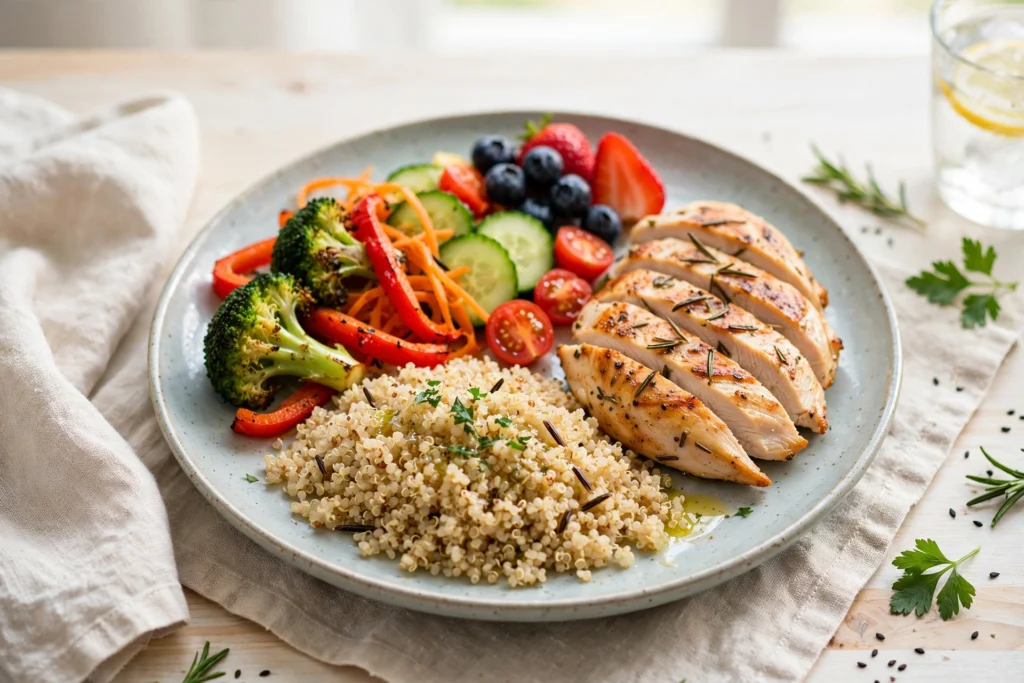
This plate works for every phase of fat loss and muscle gain. Use the simple plate method:
- Half the plate: vegetables and salad (sabzi, kachumber)
- One quarter: protein (chicken, eggs, daal, fish)
- One quarter: whole grains or starchy carbs (roti, rice, oats)
- On the side: a small bowl of dahi
Sample day (fat-loss focus):
- Breakfast: 3-egg omelette with vegetables + 1 whole-wheat roti
- Mid-morning: a bowl of dahi or a glass of milk + a piece of fruit
- Lunch: grilled chicken (a palm-and-a-half portion) + 1–2 rotis + sabzi + salad
- Evening: roasted chana or peanuts (a small handful) + green tea
- Dinner: daal or chicken curry made with less oil + 1 roti + salad
For muscle gain, add a glass of milk, an extra roti, or a banana-and-peanut shake — small additions, not double portions.
Eating for Muscle Gain: Small Additions That Work
If your main goal right now is the “muscle gain” half of fat loss and muscle gain, resist the urge to double every portion. Big jumps in food usually add fat faster than muscle, and then you spend months dieting it off. The smarter move is to add 200–300 calories through foods that also bring protein and nutrients.
Practical additions that work in a Pakistani kitchen:
- A glass of milk with breakfast — easy calories plus around 8 grams of protein
- An extra roti at lunch, especially on training days
- A banana-and-peanut shake after training — blend a banana, a tablespoon of peanut butter and a glass of milk
- A small handful of peanuts or almonds with your evening chai
- A bowl of dahi with dinner, or a few extra spoonfuls of daal
Eating enough without feeling stuffed is a skill. Calorie-dense but nutritious foods — peanut butter, nuts, dried fruit, full-fat milk, eggs — add energy without adding much volume. And if your appetite is the limiting factor, liquid calories like milk and shakes are your best friend: they go down easily and rarely spoil the next meal.
What to Eat Before and After Training
Meal timing will not make or break your results — your total protein and calories for the day matter far more — but eating well around training helps your energy, and that helps your workouts, which is what actually drives fat loss and muscle gain.
1–2 hours before training: eat something with easily digested carbs and a little protein. A banana with a glass of milk, a roti with honey, or a couple of dates with chai all work. Avoid a heavy, oily meal right before training — it will sit in your stomach and slow you down.
Within a couple of hours after training: eat a proper meal with protein and carbs. Eggs with roti, chicken with rice, daal with rice and dahi, or a whey shake with a banana if you use one — all do the job. Your muscles are most receptive to nutrients after training, but the “30-minute anabolic window” is mostly a myth; just don’t skip the meal entirely.
Hydration: drink water before, during and after training. Even mild dehydration makes workouts feel harder and recovery slower. In Pakistani summers, this matters even more — keep a water bottle with you, not just at the gym.
A 7-Day Pakistani Meal Plan for Fat Loss and Muscle Gain
Below is a full week built entirely from the foods in this guide. It is written at a fat-loss level of portions — roughly the sample day above. If you are in a muscle-gain phase, add one item from the “small additions” list to each day: a glass of milk, an extra roti, or a banana-and-peanut shake.
| Day | Breakfast | Lunch | Dinner | Snacks |
|---|---|---|---|---|
| Day 1 | 3-egg vegetable omelette + 1 whole-wheat roti | Grilled chicken + 1–2 rotis + sabzi + salad | Moong daal + 1 roti + kachumber | Dahi + an apple |
| Day 2 | Oats cooked in milk + peanuts + banana slices | Kala chana chaat + 1 roti + salad | Fish (rohu) curry + 1 roti + sabzi | Roasted chana + green tea |
| Day 3 | 2 besan cheelas + a bowl of dahi | Chicken pulao (moderate portion) + raita + salad | Palak paneer + 1 roti | Milk + 2 dates |
| Day 4 | 2 boiled eggs + 1 roti + a piece of fruit | Masoor daal + 1–2 rotis + salad | Chicken tikka pieces + sabzi + 1 roti | Small handful of peanuts + green tea |
| Day 5 | Dahi + roasted chana + banana | Lean beef or mutton curry (less oil) + 1 roti + kachumber | Mixed vegetable sabzi + daal + 1 roti | Fruit + a glass of milk |
| Day 6 | 1 vegetable paratha (light oil) + dahi | Safed chana curry + 1–2 rotis + salad | Grilled fish or chicken + sabzi | Roasted peanuts or soy-chunk snack |
| Day 7 | 2 eggs any style + 1 roti + milk | Daal + 1 cup cooked rice + salad + dahi | Light chicken shorba-style curry + 1 roti | Fruit chaat |
A few notes on using this plan: swap any meal you dislike for another day’s equivalent — the structure matters more than the exact dish. Keep cooking oil modest (a teaspoon or two per serving), drink water through the day, and repeat your favourite days rather than forcing variety you will not enjoy. This plan is a template for fat loss and muscle gain, not a prescription: adjust portions to your calorie target and appetite.
Habits That Make or Break Results
- Strength train 3–4 times a week. Nutrition without resistance training builds far less muscle. Bodyweight exercises count if you keep progressing them.
- Sleep 7–8 hours. Poor sleep raises hunger hormones and slows recovery.
- Drink enough water. Aim for 8–10 glasses a day; thirst often disguises itself as hunger.
- Walk daily. 7,000–10,000 steps quietly adds up.
- Track simply. A weekly weigh-in (same day, same time) plus a waist measurement tells you more than daily scale drama.
Nail these five and your fat loss and muscle gain plan runs on autopilot; neglect them and even a perfect diet stalls.
Supplements: What Actually Matters
Whole food comes first. Beyond that:
- Whey protein is convenient, not magical — useful if you struggle to reach your protein target from food.
- Vitamin D: deficiency is common in Pakistan. Get tested and follow your doctor’s advice rather than guessing doses.
- Creatine monohydrate is one of the most studied sports supplements, but it is optional and worth discussing with a qualified professional first.
- Skip fat burners. Most are caffeine-heavy blends with exaggerated claims and real side effects.
That short list covers nearly everything worth spending money on for fat loss and muscle gain — the rest is mostly marketing.
Eating Out, Dawaats, and Family Dinners
Pakistani social life revolves around food, and no fat loss and muscle gain plan survives if it requires you to skip every daawat. The goal is damage control, not perfection.
Before you go, eat a protein-rich snack — a boiled egg, a bowl of dahi, or a handful of peanuts. Arriving starving is how one plate becomes four. At the table, fill half your plate with salad or sabzi first, then add your protein (tikka, kebab, or chicken pieces are usually the best options), then a modest amount of rice or one roti.
Choose grilled, tandoori, or karahi-style dishes over deep-fried ones, drink water instead of sugary sodas, and treat dessert as a tasting portion — a few spoonfuls, shared if you like. One generous meal will not undo your fat loss and muscle gain progress; it is the pattern across weeks that counts. If you know a heavy weekend is coming, keep the days around it a little lighter and keep training — balance, not guilt.
How to Track Progress Beyond the Scale
The bathroom scale is the noisiest measure of fat loss and muscle gain. Your weight can swing a kilogram or more day to day from water, food volume, and glycogen — none of which is fat or muscle. Judge yourself on trends and on measures that actually reflect body composition.
- Weekly average weight: weigh yourself 2–3 mornings a week, same conditions, and compare weekly averages — not single readings.
- Waist measurement: measure at the navel once a week. A shrinking waist with steady weight usually means fat loss and muscle gain happening together.
- Strength log: if your lifts or reps are going up over weeks, you are building or at least keeping muscle.
- Photos and clothes: a monthly photo in the same light and clothing tells the truth the scale hides.
- Energy and hunger: steady energy and manageable hunger mean your calorie target is about right; constant exhaustion or ravenous hunger means eat more.
Give any adjustment 3 weeks before judging it. If nothing is moving after three honest weeks, shift calories by about 200 in the needed direction and watch again. Patience is a tracking tool too.
Mistakes That Stall Progress
- Crash dieting, then rebounding harder
- Skipping meals all day and overeating at night
- Copying a celebrity’s diet chart without adjusting for your own life
- Expecting visible change in two weeks — give any plan 8–12 weeks of consistency
- Ignoring medical conditions: if you have diabetes, thyroid issues, PCOS or heart disease, get a personalised plan from a qualified dietitian instead of following generic advice
Avoid these five traps and your fat loss and muscle gain journey stays on track for the full 8–12 weeks it needs.
Frequently Asked Questions About Fat Loss and Muscle Gain
Here are the questions I hear most often about fat loss and muscle gain, answered plainly.
Can I really lose fat and gain muscle at the same time?
Yes, under the right conditions. Beginners, people returning to training, and those carrying extra body fat can achieve both at once through body recomposition — eating around maintenance calories, eating enough protein, and doing resistance training. If you are already lean and experienced, expect to focus on one goal at a time: a moderate deficit for fat loss, then a slight surplus for muscle gain.
How much protein do I actually need?
Aim for 1.6–2.2 grams per kilogram of body weight per day. For a 70 kg person, that is roughly 110–155 grams daily, spread across 3–4 meals. The quick-reference table above gives you the exact range for your weight.
Do I have to give up roti and rice?
No. Roti, rice, oats and potatoes all have a place — the issue is portions and preparation, not the foods themselves. One or two rotis with a protein-rich salan is a perfectly good meal; six rotis with oily salan is where progress stalls. Measure your rice for a week and you will quickly learn what a sensible serving looks like.
How fast will I see results?
With a moderate deficit, expect steady fat loss of around 0.25–0.5 kg per week. Visible changes in the mirror usually take 8–12 weeks of consistency. Muscle gain is slower and quieter — track your strength and measurements, not just the scale.
Is this approach safe if I have diabetes, thyroid issues or PCOS?
The general principles still apply, but your calorie targets, meal timing and food choices may need adjusting for your condition and medication. Get a personalised plan from a qualified dietitian rather than following generic advice alone — and keep your doctor in the loop.
Do I need protein powder or fat burners?
Neither is required. Whole food comes first; whey protein is simply convenient if you struggle to reach your protein target from food. Skip fat burners entirely — most are caffeine-heavy blends with exaggerated claims and real side effects.
Fat Loss and Muscle Gain in Pictures
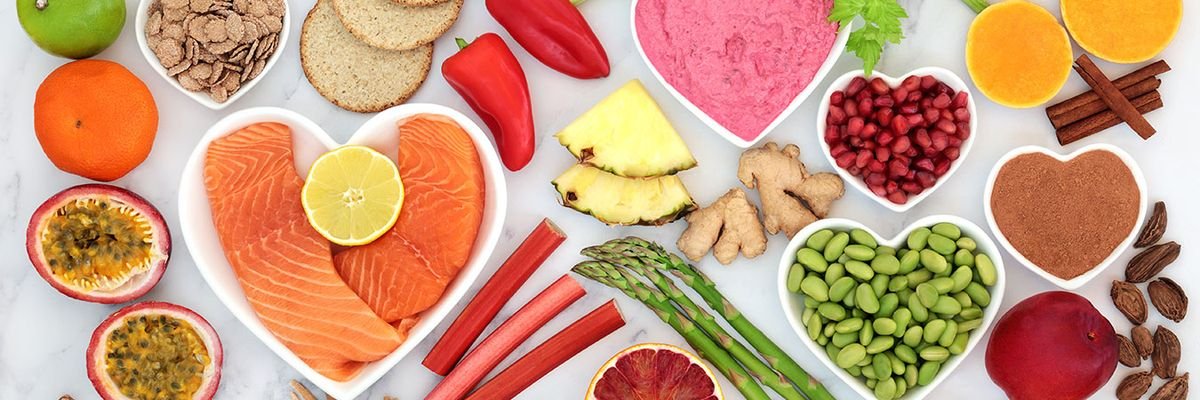
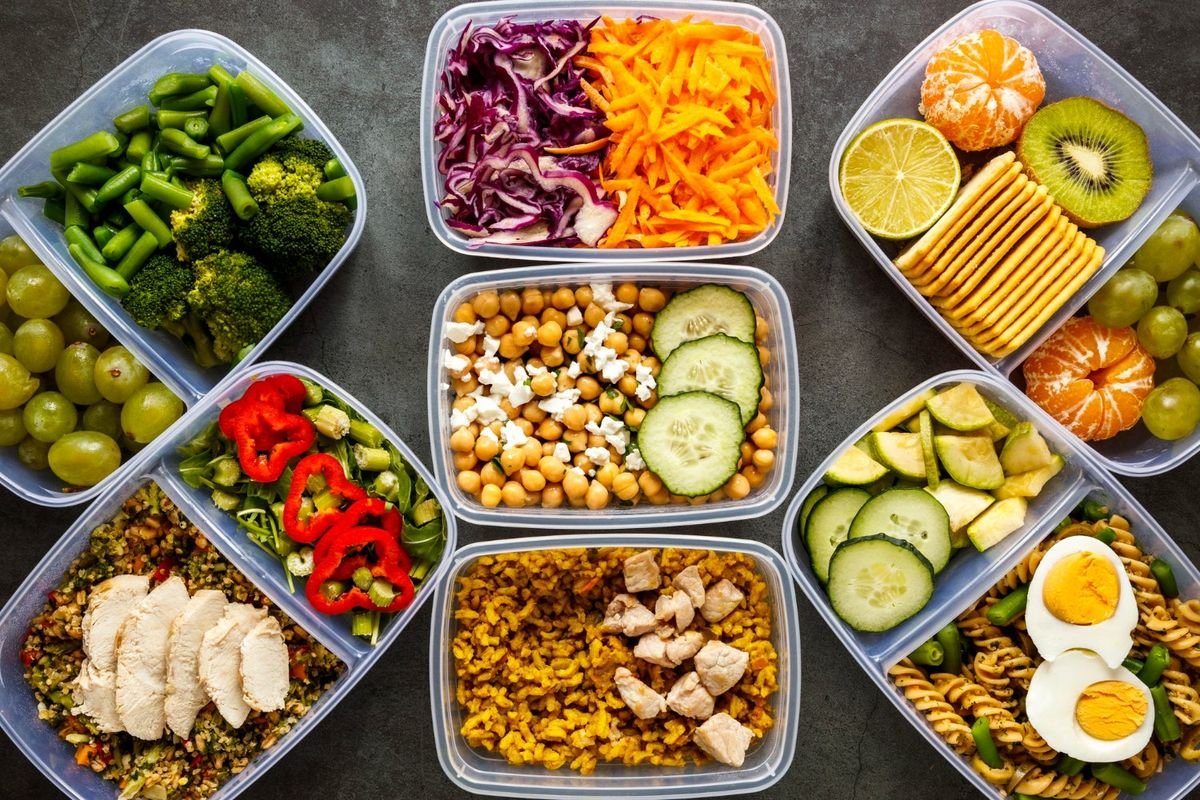
Sometimes a picture explains the plate better than paragraphs. Here is the kind of colourful, protein-centred eating this guide is built on.

The Bottom Line
Fat loss and muscle gain are not about finding a secret diet — they are about enough protein, sensible calories, real Pakistani food, regular training and patience. Start with one change this week: fix your protein, or fix your portions. Small, consistent steps beat perfect plans you abandon.
Health note: this guide is general information, not medical advice. If you have diabetes, thyroid disease, PCOS, heart disease, kidney disease, or any other medical condition, talk to your doctor or a qualified dietitian before changing your diet. Our Health Disclaimer explains this in full.
Keep reading: for a deeper dive into sustainable weight loss, see our Weight Loss Nutrition Guide, and for training-focused eating, our Fitness Nutrition Guide.
Want a plan built for your body, schedule and food preferences? Visit our Online Nutrition Consultation page or book an appointment — we’ll design your nutrition around your goals, not someone else’s template.