
Fitness Nutrition: The Complete Guide to Fueling Workouts and Building Muscle
Whether you are lifting weights, jogging at dawn, or just starting to move more, fitness nutrition decides how much your effort pays off. Training creates the demand; food supplies the building blocks and the fuel. This fitness nutrition guide brings together everything you need — what to eat before and after exercise, how much protein you really need, the truth about creatine, and how fat loss and muscle gain can happen together. It is the hub for our fitness nutrition articles, each linked below, so you can go as deep as you like on any topic.
What Is Fitness Nutrition, in Simple Terms?
Think of your body as a construction site. Exercise is the architect’s plan — it tells your muscles, bones, and heart what to build or repair. Fitness nutrition is the supply of materials: protein to build and repair muscle, carbohydrates to fuel the work, fats for hormones and long-term energy, water and minerals to keep everything running, and enough total calories to support the project.
Get the balance right and recovery feels quicker, strength climbs steadily, and workouts feel energizing rather than draining. Get it wrong — too little food, protein at the wrong times, chronic dehydration — and even perfect training stalls. No supplement or shortcut can outrun that reality.
The Key Nutrients in Fitness Nutrition
Protein matters most because muscle is built from it. Active people need more of it than sedentary people, and most Pakistani diets, heavy on bread and rice but light on protein sources, come up short. Eggs, dal, chickpeas, milk, yogurt, chicken, fish, and nuts are the everyday heroes of fitness nutrition.
Carbohydrates are your training fuel. Roti, rice, oats, potatoes, and fruit refill the glycogen your muscles burn during exercise. Eating enough carbs protects your protein — it stops your body from burning muscle for energy.
Healthy fats support hormones and joints. A little ghee or olive oil, nuts, and seeds are enough; excess fried food just adds calories without helping performance. Water and minerals like sodium, potassium, and magnesium keep muscles contracting properly and prevent cramps.

Protein-rich foods — eggs, dal, chickpeas, milk, chicken, and nuts — are the foundation of fitness nutrition.
Protein: The Cornerstone of Fitness Nutrition
How much protein do you actually need? The answer depends on your training. Regular exercisers generally thrive on more protein than the basic daily minimum, spread across three to five meals rather than loaded into one giant dinner. Your body uses protein best in doses it can actually process at once.
Practical protein targets in Pakistani food terms: an egg gives you quality protein at breakfast, a bowl of dal or chickpeas at lunch adds a solid share, and a palm-sized piece of chicken, fish, or a bowl of yogurt at dinner completes the picture. Vegetarians can absolutely build muscle — they just need to combine dal, chickpeas, lentils, dairy, and soy thoughtfully. Our guide to the 30+ best high-protein foods for muscle building lists desi options with their protein content, and our protein-per-day guide works out exactly how much your body needs.
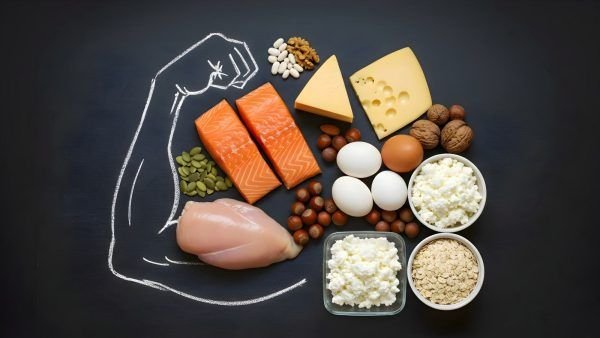
Spread protein across three to five meals a day for the best muscle-building results.
Pre-Workout Meals: What to Eat Before Exercise
Training on an empty stomach usually means a weak, short session; training on a heavy stomach means discomfort. The sweet spot is a small meal one to two hours before exercise, built mostly from easy carbohydrates with a little protein and low fat and fiber. In Pakistani kitchens that can be a banana with a few dates, a small bowl of oatmeal, two slices of toast with honey, or half a roti with jam.
If you train early in the morning, a light snack 30 to 60 minutes before — a banana, a handful of dates, or a small glass of milk — is enough to lift your energy without weighing you down. Avoid fried foods, very spicy food, and heavy desi breakfasts right before training; they sit in the stomach and slow you down. Our complete pre-workout meal guide lays out timing, portions, and desi meal ideas for every training schedule.
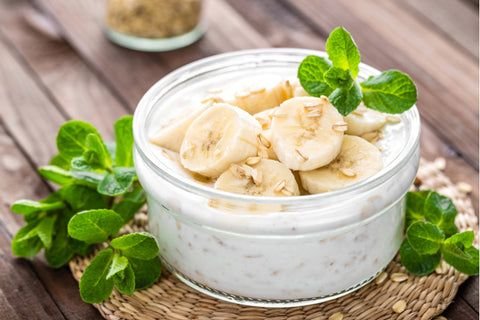
A small carb-rich snack one to two hours before training keeps energy high without heaviness.
Post-Workout Recovery Foods
After training, your muscles are ready to refuel and repair. A meal within a couple of hours that combines protein with carbohydrates does the job: it restarts muscle building and refills glycogen. Classic desi recovery meals work beautifully — chicken with rice and vegetables, dal with roti, eggs with toast, or a big glass of milk with dates.
Chocolate milk earns its reputation here: it delivers protein, carbs, and fluids in one convenient glass. Avoid the trap of an all-protein, zero-carb recovery meal — without carbs, your body recovers more slowly. And do not skip the post-workout meal entirely; consistent recovery eating is what turns training into visible progress. Our guide to the 15 best post-workout recovery foods ranks dietitian-approved options with desi choices.
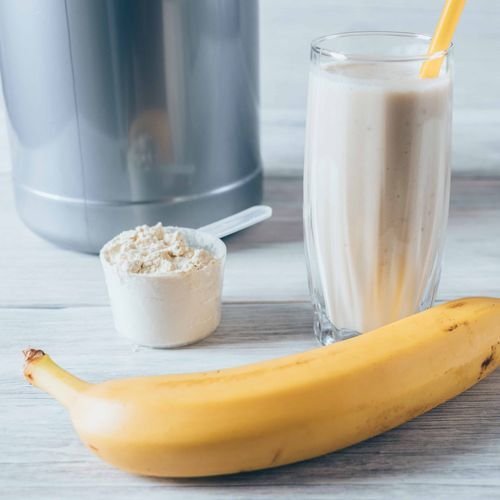
Protein plus carbohydrates within a couple of hours after training speeds recovery.
Creatine: Benefits, Dosage and Safety
Creatine is one of the most studied sports supplements in the world. It helps your muscles produce quick energy during short, intense efforts like lifting and sprinting, and consistent use alongside training can improve strength and muscle gains. For most healthy adults, it is considered safe at standard doses — but it is not magic, and it does not replace food or training.
Practical points: creatine works best with proper hydration, a small daily dose works as well as complicated loading routines for most people, and anyone with kidney problems or on long-term medication should talk to a doctor first. Teenagers should focus on food, sleep, and training consistency rather than supplements. Our complete creatine guide separates what the research actually supports from gym-floor myths.
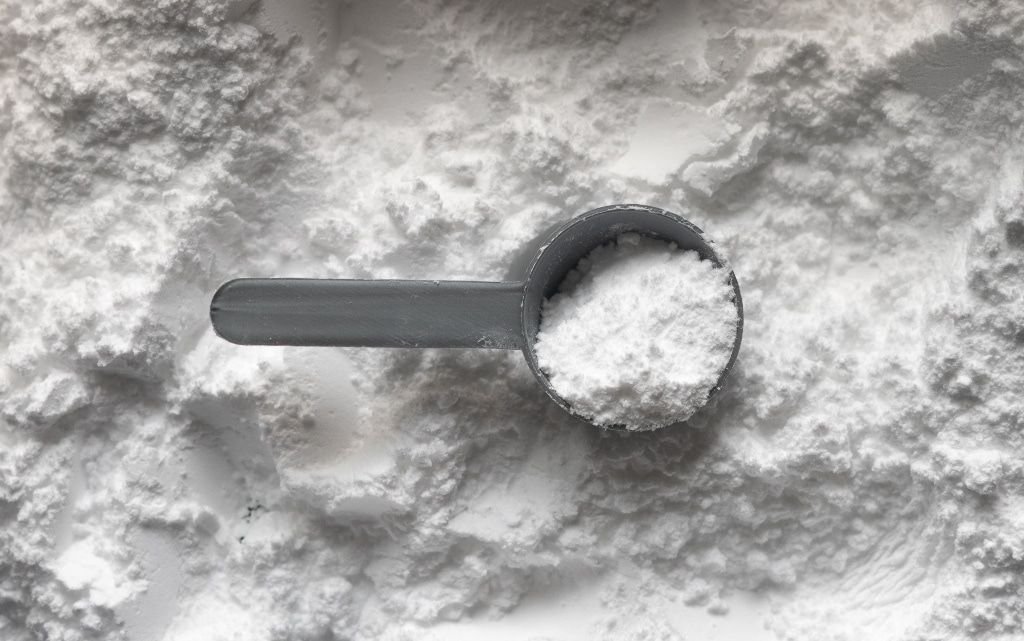
Creatine is well-studied and safe for most healthy adults, but it only works alongside real training and food.
Fat Loss and Muscle Gain Together
Can you lose fat and build muscle at the same time? For beginners, returning exercisers, and people with higher body fat, yes — a phase often called body recomposition. It needs three things at once: consistent resistance training, enough protein to protect and build muscle, and a small calorie deficit rather than a crash diet.
The Pakistani eating pattern needs a few adjustments for this to work: trim the extra oil, sugary drinks, and oversized rice portions; keep protein high at every meal; and train progressively. Expect slow, steady change — the scale may barely move while your waist shrinks and strength grows, because muscle is denser than fat. Our practical nutrition plan for fat loss and muscle gain gives a full Pakistani-style framework with sample days.
Fitness Nutrition at a Glance
Use this table as a quick reference for the habits that matter most in fitness nutrition:
| Habit | Why It Matters | Best Desi Sources |
|---|---|---|
| Eat before training | Fuels a strong session | Banana, dates, oats, toast 1-2 hours before |
| Protein at every meal | Builds and repairs muscle | Eggs, dal, chickpeas, milk, chicken, fish |
| Recover after training | Refills glycogen, restarts repair | Chicken-rice, dal-roti, eggs, milk with dates |
| Stay hydrated | Prevents cramps and fatigue | Water, nimbu pani, milk; more in heat |
| Enough total calories | Training needs fuel to work | Balanced meals; never crash-diet while training |
| Sleep 7-9 hours | Muscle grows during rest | Consistent bedtime, dark cool room |
| Be patient | Muscle builds over months | Track strength and measurements, not just weight |
What to Eat Day to Day: A Practical Fitness Nutrition Framework
Put fitness nutrition into practice with a simple daily rhythm built from Pakistani foods. Morning: eggs or oats with milk and fruit, plus water. Mid-morning: a banana or a handful of peanuts. Lunch: dal or chickpeas with one or two rotis and a big vegetable portion.
Pre-workout: a light carb snack one to two hours before training. Post-workout: protein plus carbs — chicken with rice, eggs with roti, or milk with dates. Dinner: a palm-sized protein portion with vegetables and a modest carb serving. Through the day: keep water visible and drink steadily, more in hot weather.
Explore All Our Fitness Nutrition Guides
These six guides cover the cluster in depth:
- 15 Best Post-Workout Recovery Foods (Dietitian Guide)
- Pre-Workout Meal: What to Eat Before Exercise (Complete Guide)
- Creatine Benefits, Dosage & Safety: Complete Guide
- 30+ Best High-Protein Foods for Muscle Building
- How Much Protein Per Day for Muscle Gain? (2026 Guide)
- Nutrition Plan for Fat Loss and Muscle Gain: A Practical Guide for Pakistan
Fitness Nutrition FAQs
Do I need protein powder to build muscle?
No. Protein powder is a convenience, not a requirement. Whole foods — eggs, dal, milk, chicken — can fully meet your protein needs. Powder only helps if you struggle to eat enough protein from food.
Should I eat before morning workouts?
A light snack 30 to 60 minutes before — a banana or a few dates — usually improves performance compared to training completely fasted, especially for longer or intense sessions.
Is creatine safe for my kidneys?
In healthy adults at standard doses, research has not shown kidney harm. But anyone with existing kidney problems, high blood pressure, or long-term medication should check with a doctor first.
Can I build muscle on a vegetarian Pakistani diet?
Yes. Combine dal, chickpeas, lentils, milk, yogurt, paneer, and soy across the day, eat enough total calories, and train with progressive resistance. Many lifters in Pakistan build impressive strength this way.
The Bottom Line on Fitness Nutrition
Fitness nutrition is simpler than the supplement industry wants you to believe. Eat enough protein across the day, fuel before training, recover with protein and carbs after, drink plenty of water, and sleep well. Do those basics consistently and your training will reward you.
For a global overview of what healthy eating looks like, the World Health Organization’s healthy diet fact sheet is a reliable reference.
This article is for general education and does not replace medical advice. See our Health Disclaimer.