Pregnancy asks more of your body than almost any other time in your life — and iron feels the pressure first. Your blood volume expands by roughly half, your baby is building their own blood supply and brain tissue, and your red blood cells are working overtime to carry oxygen for two. It is no surprise that iron deficiency is the most common nutritional deficiency in pregnancy worldwide, with the World Health Organization estimating that around 4 in 10 pregnant women globally are anaemic.
The frustrating part is that the early signs — constant tiredness, breathlessness on the stairs, looking a little pale — are easily brushed off as “just pregnancy.” Many women only discover their iron is low when a routine blood test flags it in the second trimester, by which point rebuilding stores takes weeks.
This guide takes a food-first approach. Supplements have their place (covered below), but what you eat each day — and how you combine and time your foods — can make an enormous difference to how much iron your body actually absorbs. The advice is written for South Asian kitchens as well as Western ones, because daal, palak, and bajra deserve the same scientific respect as steak and spinach.
In this guide to iron-rich foods for pregnant women, you will learn:
- Why your body needs nearly double the iron during pregnancy
- How to recognise iron deficiency anaemia before it becomes serious
- The difference between heme and non-heme iron, and why it changes your meal planning
- The best animal-source iron foods, with portions and milligrams per serving
- The best plant-based iron foods: daals, leafy greens, millets, fortified grains
- How vitamin C can multiply iron absorption several times over
- Which everyday foods and drinks block iron, and how to time them
- When iron supplements are genuinely needed, their side effects, and how to take them
- A complete South Asian iron-rich day meal plan with estimated milligrams
- Free cooking tricks (iron kadhai, lemon on daal) that add iron to every meal
- When to get your haemoglobin and ferritin tested, and what the numbers mean
Why Your Iron Needs Nearly Double in Pregnancy
What iron does during pregnancy
Iron’s headline job is making haemoglobin, the protein in red blood cells that carries oxygen. In pregnancy, oxygen demand rises sharply: your heart works harder, your metabolism speeds up, and your baby depends entirely on your blood supply. Iron is also essential for the baby’s brain development, for building the placenta, and for stocking the baby’s own iron reserves — laid down mostly in the third trimester and meant to last roughly the first six months after birth.
The 27 mg/day target — and how UK guidance differs
For non-pregnant women of childbearing age, the widely used reference intake is 18 mg of iron per day. In pregnancy, the US Institute of Medicine sets the Recommended Dietary Allowance at 27 mg per day — nearly double — to cover extra blood production, the placenta, and the baby. Most international pregnancy nutrition guidance is built around this 27 mg figure.
One nuance for UK readers: the UK’s COMA set the Reference Nutrient Intake for women aged 11–50 at 14.8 mg/day with no separate pregnancy increment (a position reviewed by SACN in 2010). In practice, dietary surveys show many women fall short of even the baseline, and most obstetric guidance — including the WHO’s recommendation of 30–60 mg of supplemental elemental iron daily where anaemia is common — treats pregnancy as a high-need period. The practical target used in this article: aim for around 27 mg of iron per day from food where possible, and let your blood tests and doctor decide on supplements.
Why blood volume expansion drives the need
By around 32–34 weeks, your plasma volume has expanded by roughly 40–50% (about an extra litre to a litre and a half of blood). Red cell mass rises too, but more slowly — so the blood is naturally a little more “diluted,” which is why haemoglobin concentration dips in mid-pregnancy even in healthy women (the physiological anaemia of pregnancy). All those millions of new red blood cells need iron to make their haemoglobin, which is a large part of why the requirement nearly doubles.
What happens when iron runs low
Mild deficiency may show only as tiredness. As stores deplete further, consequences can include poor concentration, reduced tolerance of blood loss at delivery, and — with severe anaemia — a higher risk of preterm birth and low birth weight. Babies born to severely anaemic mothers also start life with lower iron stores of their own. The reassuring news: iron deficiency is among the most preventable and treatable nutritional problems in pregnancy, if caught in time.
Iron Deficiency Anaemia in Pregnancy: Symptoms to Watch For
True iron deficiency anaemia goes beyond the normal mid-pregnancy dilution of haemoglobin. Its symptoms deserve attention rather than dismissal as “pregnancy tiredness.”
| Symptom | What to notice |
|---|---|
| Persistent fatigue | Tiredness that rest doesn’t fix; drained by ordinary tasks |
| Pallor | Pale inner eyelids, gums, or nail beds |
| Breathlessness | Winded by stairs or walks that used to be easy |
| Dizziness | Lightheadedness, especially standing up quickly |
| Palpitations | Heart pounding or racing at rest |
| Headaches | Frequent dull headaches with no other obvious cause |
| Restless legs | Uncomfortable urge to move the legs, worse at night |
| Brittle nails, hair shedding | Nails chipping easily; more hair in the brush |
| Pica | Craving clay/soil (mitti), ice, uncooked rice, chalk |
| Cold hands and feet | Cold extremities even in warm weather |
Pica deserves special mention: craving clay or ice is a recognised sign of iron deficiency, not a personal failing. Mention it to your doctor or midwife rather than feeling embarrassed about it.
Seek prompt medical advice for fainting, chest pain, a racing heartbeat at rest, severe breathlessness, or extreme pallor — these can indicate significant anaemia needing treatment beyond dietary changes.
Heme vs Non-Heme Iron: The Two Types Explained
All dietary iron comes in one of two forms, and the distinction genuinely matters for meal planning — especially for vegetarian diets, which are common across South Asia.
Heme iron (animal sources)
Found in the haemoglobin and myoglobin of meat, poultry, and fish, heme iron is absorbed through a dedicated gut pathway, largely intact. Roughly 15–35% of it is absorbed, and — importantly — its absorption is only mildly affected by other foods and drinks. Your cup of chai interferes with it far less than with plant iron.
Non-heme iron (plant sources, eggs, dairy)
This is the form in lentils, beans, leafy greens, grains, nuts, eggs, and fortified foods. In the gut it is mostly ferric iron (Fe³⁺) and must be converted to ferrous iron (Fe²⁺) before absorption — a step other dietary components can help or hinder. Typical absorption is only 2–20%, swinging widely with what else is on the plate.
| Heme iron | Non-heme iron | |
|---|---|---|
| Found in | Meat, poultry, fish | Lentils, beans, greens, grains, nuts, eggs, fortified foods |
| Typical absorption | 15–35% | 2–20% |
| Affected by tea/coffee | Mildly | Strongly reduced |
| Boosted by vitamin C | Modestly | Strongly (several-fold) |
Why it matters for your plate
Meat-eaters have a head start, but vegetarians can absolutely meet their needs — it just requires deliberate strategy: generous portions of pulses and greens, vitamin C at every iron-rich meal, and keeping inhibitors like chai away from mealtimes. Note too that meat releases peptides during digestion (“meat factor”) that boost absorption of non-heme iron eaten in the same meal — so even a small amount of chicken alongside daal helps the daal’s iron count for more.
Best Heme Iron Foods for Pregnant Women
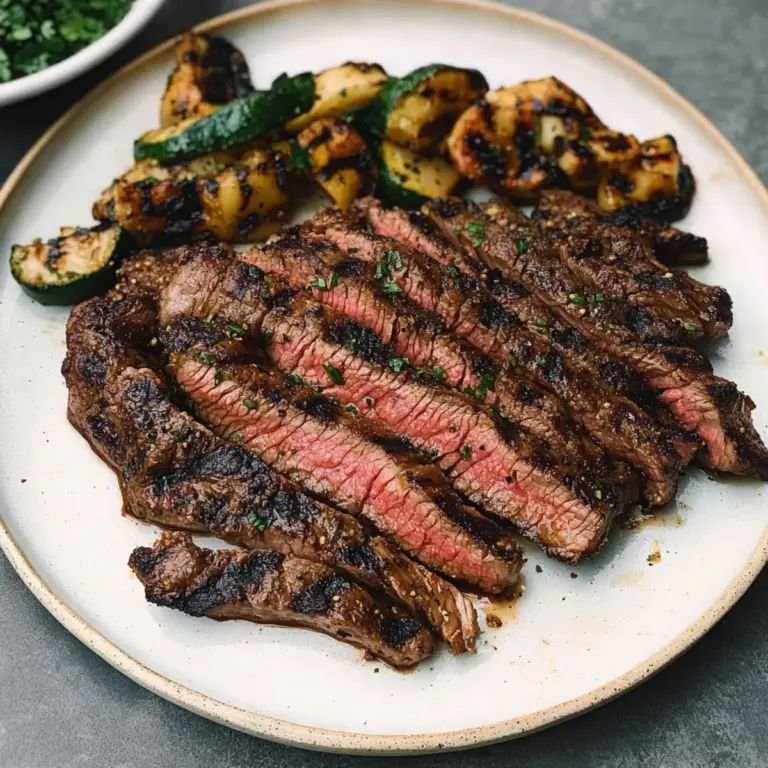
Approximate iron per serving (rounded from standard food composition data; exact values vary by cut, cooking, and brand):
| Food | Portion | Iron (approx.) |
|---|---|---|
| Beef, lean, cooked | 100 g | 3.0 mg |
| Mutton/goat, lean, cooked | 100 g | 2.5 mg |
| Sardines, canned, drained | 100 g | 2.9 mg |
| Tuna, canned in water, drained | 100 g | 1.4 mg |
| Chicken thigh, cooked, skin removed | 100 g | 1.3 mg |
| Chicken breast, cooked | 100 g | 1.0 mg |
| Egg, boiled | 1 large | ~1.0 mg (non-heme) |
Lean red meat
A palm-sized portion (~100 g cooked) of lean beef or mutton delivers roughly a tenth of the daily target in one of the most absorbable forms. Choose lean cuts, trim visible fat, and favour grilling, roasting, or slow-cooking. Limit processed meats (sausages, salami) — high in salt and additives, not everyday pregnancy foods.
Poultry
Chicken is lower in iron than red meat but eaten more often, so it adds up — and darker meat (thigh, leg) contains slightly more than breast. A chicken salan with daal does double duty: its own iron plus the meat factor that helps you absorb the daal’s iron too.
Fish and seafood
Sardines are among the best iron-per-bite fish and also provide calcium and omega-3s. Safety rules for pregnancy: avoid shark, swordfish, and marlin entirely (high mercury); the NHS advises limiting tuna to no more than two fresh steaks or four medium cans per week, and oily fish to two portions per week. Local fish such as rohu are fine as part of a varied diet — always thoroughly cooked.
A careful word on kaleji (liver)
Chicken and mutton liver are extraordinarily iron-rich — chicken liver holds around 11 mg per 100 g. But liver is also extremely high in preformed vitamin A (retinol), and excess vitamin A in pregnancy can harm the developing baby. The NHS therefore advises pregnant women to avoid liver and liver products. If kaleji is a beloved family food, keep it very occasional and in a small portion — but don’t rely on it as a routine iron source. The meal plan below reaches the target without it.
Best Plant-Based Iron Foods for Pregnant Women

The workhorses for vegetarian readers — and for everyone on meat-free days. Pair them with vitamin C (next section) and they punch well above their raw numbers.
| Food | Portion | Iron (approx.) |
|---|---|---|
| Masoor daal (red lentils), cooked | 1 cup (~200 g) | 6.6 mg |
| Rajma (kidney beans), cooked | 1 cup | 5.2 mg |
| Kabuli chana (chickpeas), cooked | 1 cup | 4.7 mg |
| Kale chane (black chickpeas), cooked | 1 cup | ~4.5 mg |
| Moong daal, cooked | 1 cup | ~2.8 mg |
| Palak (spinach), cooked | 100 g | 3.6 mg |
| Iron-fortified wheat cereal | 40 g bowl | 4.5–8 mg (check label) |
| Bajra (pearl millet), cooked | 1 cup | ~2 mg |
| Whole wheat atta roti | 1 medium (~40 g flour) | ~1.4 mg |
| Sarson (mustard greens), cooked | 100 g | ~1.6 mg |
| Pumpkin seeds | 28 g (small handful) | 2.5 mg |
| Sesame seeds (til) | 1 tablespoon | 1.3 mg |
| Gur (jaggery) | 1 tablespoon (~20 g) | ~0.8 mg |
| Anar (pomegranate) | 1 medium fruit | ~0.5 mg |
| Khajoor (dates) | 5 dates (~35 g) | ~0.4 mg |
Daals and pulses: the backbone
Lentils and beans are the most important plant iron source in a South Asian diet — cheap, familiar, genuinely iron-dense. A generous bowl of masoor daal can supply nearly a quarter of the daily target. Rotate masoor, moong, rajma, kabuli chana, and kale chane through the week, and cook them with tomatoes (acidity plus vitamin C both help).
Leafy greens: palak, sarson, methi
Cooked spinach is a classic, but a big bag of fresh palak wilts to very little — you need a genuinely large cooked portion for that 3–4 mg. Sarson ka saag, methi, and chaulai are all worthwhile. Always add lemon juice or tomatoes: greens are high in oxalates, which mildly inhibit iron absorption, and vitamin C counteracts this.
Millets, atta, and fortified grains
Whole grains contribute meaningful iron because they’re eaten at nearly every meal. Bajra is one of the more iron-rich grains — excellent as winter roti or porridge. Check whether your atta is fortified (in the UK, wheat flour is fortified with iron by law; several Pakistani and Indian brands now sell iron-fortified atta). Fortified breakfast cereals are among the most concentrated sources available — a genuinely useful pregnancy tool even if they aren’t traditional.
Nuts, seeds, and dried fruit — an honest framing
Khajoor, anar, and gur carry deep cultural weight as “blood-building” foods and contain iron plus other valuable nutrients — but the honest numbers are modest: a few dates or a spoonful of jaggery contribute well under 1 mg. Enjoy them as supporters, not stars. Pumpkin and sesame seeds are the more concentrated options here; sprinkle them over chaat, salads, and porridge.
Vitamin C Pairing: Multiply Your Iron Absorption

If one habit transforms a vegetarian pregnancy diet, it is this: put a vitamin C source on the plate at the same meal as your iron-rich food. The effect is among the best-documented interactions in nutrition science.
How vitamin C works
Ascorbic acid converts ferric iron (Fe³⁺) into absorbable ferrous iron (Fe²⁺) and forms soluble complexes that keep iron available in the gut. Research (notably Hallberg and colleagues) shows as little as 25 mg of vitamin C with a meal can roughly double non-heme iron absorption, and 100 mg+ can increase it three- to six-fold — partly overcoming inhibitors like tea. Squeezing lemon over daal can matter as much as eating a bigger portion of daal.
Iron + vitamin C combos that work
| Iron-rich base | Add this vitamin C source |
|---|---|
| Masoor daal + roti | 2 tbsp lemon juice stirred in + tomato-onion salad |
| Palak or sarson ka saag | Chopped tomatoes cooked in + lemon on top |
| Chana chaat | Lemon juice + diced raw capsicum (richer in vitamin C than oranges) |
| Rajma or kale chane | Amla pickle or fresh amla in season |
| Iron-fortified cereal | 125 ml fresh orange/mosambi juice (~50 mg vitamin C) |
| Chicken salan + moong khichdi | Kachumber salad with lemon dressing |
| Bajra khichdi | Tomato tadka + lemon |
Timing is everything: the vitamin C must be in the same meal, not hours later. Other strong sources to rotate: guava (amrood, often 200+ mg per fruit), strawberries, kiwi, and papaya. Prefer whole fruit over juice for blood-sugar control — but a small glass of fresh juice specifically alongside an iron-rich meal is a reasonable trade-off.
Foods and Drinks That Block Iron Absorption
Just as vitamin C opens the door for iron, several everyday items quietly close it. You don’t need to give them up — you need to time them.
Tea and coffee — including doodh patti
Tannins and polyphenols in tea and coffee bind non-heme iron into forms your body can’t absorb. A cup of tea with a meal can cut non-heme iron absorption by 60% or more; coffee has a similar, slightly weaker effect. This is the biggest dietary iron-blocker in South Asian households, because chai is so often drunk with or right after meals.
The rule: keep tea and coffee 1–2 hours away from iron-rich meals and iron tablets. Lunch at 1 pm means doodh patti at 3:30–4 pm, not 1:30. Herbal teas without true tea leaves (ginger, saunf/fennel, chamomile) lack these tannins and are fine nearer meals — though check specific herbs with your doctor in pregnancy.
Calcium: milk, dahi, and calcium supplements
Around 300–600 mg of calcium — a large glass of milk, a bowl of dahi, a calcium tablet — taken at the same time as iron can reduce iron absorption by an estimated 30–50%. Practical fixes, not panic:
- Keep milk and dahi at meals that aren’t your main iron meals (dahi at breakfast or as an evening snack; daal-heavy lunch without it).
- Take calcium supplements at a different time of day from iron, with at least a 2-hour gap.
- You still need ~1,000 mg of calcium daily for your baby’s bones — the goal is separation, not elimination.
Phytates, oxalates, and other mild inhibitors
- Phytates (whole grains, legumes, bran) bind iron modestly — reduced by soaking daals/beans before cooking, sprouting moong, and fermenting batters (dosa, idli). Traditional wisdom, validated by science.
- Oxalates (spinach and some greens) mildly inhibit absorption — another reason to pair saag with lemon or tomatoes.
- High-dose zinc supplements and some antacids can interfere; keep them a couple of hours from iron tablets and mention them to your doctor.
- Eggs contain phosvitin, which slightly reduces iron absorption from the rest of the meal — no reason to avoid eggs (excellent in pregnancy), just not the ideal centrepiece of your highest-iron meal.
Timing cheat-sheet
| Iron source at… | Keep chai/coffee/milk/dahi… |
|---|---|
| Breakfast 8:00 am (fortified cereal) | Before 7:00 am or after 9:30 am |
| Lunch 1:00 pm (daal + palak) | Chai at 3:00–4:00 pm, not 1:30 pm |
| Iron tablet at bedtime 10:30 pm | Last doodh patti by ~8:30 pm |
| Dinner 8:00 pm (chicken + khichdi) | Bedtime milk is fine (2+ hours later) |
Iron Supplements in Pregnancy: When You Need Them and How to Take Them
Food first — but food isn’t always enough, and there’s no prize for struggling through anaemia unaided. Supplements are a tool, not a failure.
When supplements are needed
Your doctor or midwife will likely recommend iron if you have anaemia or low ferritin on blood tests, are vegetarian with limited intake, are carrying twins, have closely spaced pregnancies, had anaemia before pregnancy, or live where anaemia is common (the WHO recommends routine 30–60 mg elemental iron daily, usually with folic acid, in such settings). In the UK, iron isn’t routinely prescribed to every pregnant woman — it’s given when tests indicate need; in Pakistan and India, routine prescription is more common. Either way, the decision belongs with your clinician and your blood reports.
Types and doses
Common forms: ferrous sulfate, ferrous fumarate, ferrous gluconate. What matters is elemental iron — much smaller than the tablet weight (e.g. 200 mg ferrous sulfate ≈ 65 mg elemental iron). Compare elemental iron across brands, not tablet weights.
Side effects and what helps
| Side effect | What helps |
|---|---|
| Constipation | More water and fibre (isabgol/psyllium, vegetables, prunes), daily walks; ask about dose/form adjustment |
| Nausea, stomach cramps | Take at bedtime or with a small snack; ginger tea may help |
| Dark stools | Harmless and expected — unabsorbed iron; don’t stop the tablet for this |
| Metallic taste | Take with orange juice; usually fades after a week or two |
Getting the most from your tablet
- Empty stomach absorbs best (1 hour before or 2 hours after meals) — but with food beats skipping it if nausea strikes.
- Take it with vitamin C — orange juice alongside meaningfully improves absorption.
- Keep the 2-hour rule — no tea, coffee, milk, dahi, calcium, or antacids within two hours either side.
- Bedtime is often the sweet spot — asleep through nausea, naturally far from meals.
- Don’t double up after a missed dose; just resume normally.
- Don’t self-dose high amounts — excess iron can damage the gut, drive oxidative stress, and block zinc absorption. Dose, duration, and follow-up tests come from your doctor.
A Full Iron-Rich Day: Sample South Asian Meal Plan

Every meal built around iron, vitamin C placed deliberately, chai timed sensibly. Totals use the food values above and land at roughly 26–28 mg — right at the 27 mg/day target, before any supplement.
| Time | Meal | Iron (est.) |
|---|---|---|
| 8:00 am | Iron-fortified wheat cereal (40 g) with banana + 125 ml fresh orange/mosambi juice | ~6 mg |
| 11:00 am | Handful of roasted kale chane (30 g) + half an anar | ~1.5 mg |
| 1:00 pm | 1½ cups masoor daal with tomatoes + 2 rotis + 1 cup palak sabzi + kachumber with 2 tbsp lemon | ~13.5 mg |
| 3:30 pm | Doodh patti — 2+ hours after lunch, so tannins never meet the meal’s iron | 0 mg (that’s the point) |
| 6:00 pm | Guava (amrood) or mixed fruit bowl | ~0.5 mg + vit C |
| 8:00 pm | Chicken thigh curry (100 g) + 1 cup moong-bajra khichdi + steamed methi/sarson with lemon | ~5 mg |
| 10:30 pm | Warm milk + 2–3 khajoor (calcium fine here — hours from iron-heavy meals) | ~0.3 mg |
Daily total from food: ~26–28 mg.
Swaps and notes: vegetarian? Replace chicken curry with 1 cup rajma curry (~5 mg) plus extra lemon-tomato salad — the day still totals ~27 mg, but vitamin C at every meal becomes non-negotiable. Twins or diagnosed anaemia? This plan supports treatment, but your doctor will almost certainly add a supplement. First-trimester nausea? Eat what stays down — small frequent meals beat an ideal plan you can’t keep; iron optimisation matters across weeks, not single queasy days. And don’t chase precision: the habits matter more than hitting 27.0 exactly.
Cooking Tips That Add Iron to Every Meal

Cook in an iron kadhai
Cooking — especially acidic foods like tomato salan, daal with tomatoes, or imli chutney — in uncoated iron cookware leaches small amounts of iron into food: studies measure roughly 1–2 mg extra per serving. Across a day of daal, sabzi, and salan, that’s meaningful. Season the kadhai well and dry it after washing to prevent rust.
Squeeze lemon on daal and saag — every time
The highest-return habit in this guide: lemon juice (or amchur, or tomatoes) on lentils and greens at serving time. Five seconds, almost no cost, and it can double or triple the iron you absorb from the meal.
Soak, sprout, ferment
Soaking daals and beans before cooking, sprouting moong, and fermenting batters break down phytates that bind iron — grandmother’s kitchen doing nutritional biochemistry before it had a name.
Keep the green water
Blanching or boiling palak leaches minerals into the water — use it to cook daal or knead atta instead of discarding it. Better still, sauté or steam greens rather than boiling them hard.
Build tomatoes into the tadka
Starting daal and sabzi on a tomato-onion base gives vitamin C and acidity maximum contact time with the food — quiet iron work in every curry.
When to Get Tested: Haemoglobin and Ferritin
Diet works best when you know your starting point. Two blood tests tell you nearly everything.
Haemoglobin (Hb)
Checked at the booking visit and around 28 weeks under UK (NICE) antenatal guidance. Common thresholds in pregnancy: below 110 g/L (11 g/dL) in the first and third trimesters = anaemia (WHO); below 105 g/L (10.5 g/dL) in the second trimester = anaemia (CDC, reflecting normal mid-pregnancy dilution). If your Hb sits just above these cut-offs but you have symptoms, ask about ferritin.
Ferritin
Ferritin reflects iron reserves and flags deficiency before haemoglobin falls — the more sensitive early-warning test. In pregnancy, below 30 µg/L is widely used to define iron deficiency (British Committee for Standards in Haematology guidance), even with normal haemoglobin. If your clinic doesn’t routinely test it, requesting it is reasonable — especially if you’re vegetarian, have closely spaced pregnancies, or have symptoms with “normal” Hb.
How often, and what else to ask
- Booking and ~28 weeks as standard; sooner if symptoms appear. In Pakistan and India both tests are inexpensive at private labs — consider once per trimester if your doctor agrees.
- If anaemia doesn’t improve with iron, ask about vitamin B12 and folate — deficiencies there cause a different anaemia that iron alone won’t fix.
- Keep a simple log of Hb and ferritin across trimesters (a phone note is fine). Trends tell a clearer story than any single number.
A Note of Caution (Medical Disclaimer)
This article is for educational purposes only and is not medical advice. Every pregnancy differs: your iron needs depend on your blood reports, diet, trimester, and medical history. Do not start high-dose iron supplements on your own, do not stop a prescribed supplement over side effects without talking to your clinician, and remember that excessive iron intake can be harmful. Always discuss your diet, supplements, and test results with your doctor or midwife.
Frequently Asked Questions
1. How much iron does a pregnant woman actually need per day?
The most widely used international figure is 27 mg per day (US Institute of Medicine) — nearly double the 18 mg for non-pregnant women of childbearing age — covering expanded blood volume, the placenta, and the baby. UK guidance sets 14.8 mg/day for adult women with no separate pregnancy increment, but most obstetric practice treats pregnancy as high-need, and the WHO recommends 30–60 mg of supplemental elemental iron daily where anaemia is common. Practically: aim for ~27 mg from food daily, and let your blood tests and doctor decide on supplements.
2. Can I get enough iron from food alone, or will I need a tablet?
Many women can with deliberate planning — the meal plan above reaches ~27 mg from food. But many still need supplements: anaemia or low ferritin on tests, twin pregnancy, closely spaced pregnancies, or nausea limiting intake. Think of food as the foundation and supplements as the top-up your test results call for — not competing options.
3. Is kaleji (liver) safe to eat during pregnancy?
Liver is one of the richest iron foods in existence, but the NHS advises pregnant women to avoid liver and liver products because very high preformed vitamin A (retinol) can harm the baby’s development. An occasional very small portion is unlikely to cause harm, but liver shouldn’t be a routine iron strategy in pregnancy. The daal, greens, meat, and fish options in this guide are safer everyday choices.
4. Why does my doctor say not to drink chai with meals?
Tannins and polyphenols in tea (and coffee) bind non-heme iron — the type in daals, greens, and grains — and can cut absorption by more than half when drunk with a meal. The ask isn’t to give up chai, only to move it: keep tea and coffee 1–2 hours away from iron-rich meals and iron tablets. The same applies to doodh patti, green tea, and strong black tea.
5. Should I take my iron tablet in the morning or at night?
Whichever time you’ll take consistently. Absorption is best on an empty stomach (one hour before or two hours after food), but that causes nausea for many — in which case bedtime is often ideal: asleep through the nausea, naturally far from meals, and pairable with orange juice for a vitamin C boost. Keep tea, coffee, milk, calcium, and antacids at least two hours away on either side.
The Bottom Line
Iron in pregnancy isn’t complicated, but it is deliberate: pulses and greens generously, some meat, poultry, or fish if you eat them, vitamin C on the plate at every iron-rich meal, chai a couple of hours from food, the iron kadhai doing quiet work, and haemoglobin and ferritin checked on schedule. These small, repeatable habits add up to the ~27 mg a day your body is asking for — steadier energy for you, and a stronger start for your baby.
For a plan tailored to your blood reports, trimester, and food preferences, book a one-to-one consultation — and bring your latest Hb and ferritin results along.
Keep Reading
For more on eating well through pregnancy, see our Pregnancy Nutrition Guide and the Anemia Nutrition Guide. This article is educational, not medical advice — please read our Health Disclaimer.
References
- World Health Organization. Healthy diet — fact sheet.