

Pregnancy Nutrition: The Complete Guide to a Healthy Pregnancy
Pregnancy changes a woman’s nutritional needs from the very first weeks. Eating well during pregnancy is not about eating twice as much — it is about getting the right nutrients at the right times, from foods you already know. Good pregnancy nutrition supports the baby’s growth, protects the mother’s health, and makes recovery easier after delivery.
This page is the central hub for our pregnancy nutrition articles. Below you will find the essentials — the nutrients that matter most, what to eat and what to avoid, how needs shift across the months, and a practical desi framework — plus links to our six in-depth guides, each covering one topic in full detail. Read this page for the big picture, then explore whichever guide matches your own stage or concern.
Why Pregnancy Nutrition Matters So Much
During pregnancy, the body builds an entirely new person. That construction work needs extra iron for blood supply, folate for the baby’s developing nervous system, calcium and vitamin D for bones, protein for tissue growth, and steady energy from balanced meals. Shortfalls are common in Pakistan — iron deficiency and vitamin D deficiency, for instance, affect many expecting mothers — which makes everyday food choices genuinely consequential.
The encouraging part: small, steady habits cover most needs. A varied desi diet — daal, sabzi, roti, dairy, fruit, and eggs or meat — already provides the foundation. Supplements prescribed by your doctor (usually iron, folic acid, and vitamin D) fill the gaps food cannot. Pregnancy nutrition is a partnership between your plate and your antenatal care, not either one alone.
The Key Nutrients in Pregnancy Nutrition
Seven nutrients deserve special attention during pregnancy:
- Folate (vitamin B9). Critical in the earliest weeks for the baby’s brain and spinal development — ideally even before conception. Leafy greens (palak, methi, sarson), oranges, lentils, and chickpeas are rich sources. Your doctor will also prescribe folic acid tablets; food and tablets work together.
- Iron. Blood volume rises sharply during pregnancy, so iron needs rise too. Red meat, liver (in moderation), daal, chana, spinach with lemon, and iron-fortified foods help; vitamin C at the same meal improves absorption.
- Calcium. For the baby’s bones and teeth, and to protect the mother’s own bone reserves. Milk, yogurt (dahi), lassi, paneer, and sesame seeds are the desi staples.
- Vitamin D. Helps the body use calcium. Safe morning sunlight, fortified milk, and eggs contribute; deficiency is common enough that doctors routinely test and supplement it.
- Protein. Builds the baby’s tissues and the placenta. Aim for protein at every meal — eggs, daal, meat, chicken, fish, milk, yogurt, nuts, and soy.
- Iodine. Supports the baby’s brain development; iodized salt used normally covers it — no extra salt is needed, just make sure your household salt is iodized.
- Omega-3 (DHA). Supports the baby’s brain and eyes. Fish once or twice a week, walnuts, and flaxseed are the practical sources.
For deep dives on the two most critical nutrients, see Folate-Rich Foods for Pregnancy: What Every Expecting Mother Should Eat and Iron-Rich Foods for Pregnant Women: The Complete Evidence-Based Guide.
What to Eat During Pregnancy: The Desi Staples That Deliver
You do not need exotic foods. The best pregnancy foods are already in Pakistani kitchens: whole wheat roti and brown rice for energy; daal, chana, and rajma for iron, folate, and protein; palak, methi, and sarson ka saag for folate and iron; milk, dahi, and lassi for calcium and protein; eggs for protein, choline, and vitamin D; oranges, guava, and mangoes (in season) for vitamin C and folate; almonds and walnuts in small handfuls for healthy fats and minerals; and dates, which many Pakistani families already value during pregnancy, for quick energy and fiber.
The full evidence-based food list, with portions and trimester notes, is in Best Foods to Eat During Pregnancy: An Evidence-Based Guide.
Foods to Avoid or Limit During Pregnancy
A few foods carry real risks in pregnancy and are worth avoiding: raw or undercooked meat and eggs (cook everything through), unpasteurized milk and soft cheeses made from it, high-mercury fish such as shark and swordfish (ordinary local fish in normal amounts is fine), and alcohol, which has no safe level in pregnancy. Caffeine is best kept modest — one small cup of chai or coffee a day is the usual guidance, not the large mugs. Street food and raw salads from unknown sources are risky mainly for food-borne infection, so eat them fresh, hot, and from trusted places.
Myths also circulate — papaya, pineapple, and “hot” foods being the famous ones. Ripe papaya in normal amounts is not the danger unripe papaya latex is sometimes claimed to be, but many families simply avoid papaya in pregnancy, which is harmless caution. The complete, myth-busting safety guide is Foods to Avoid During Pregnancy: A Complete Evidence-Based Safety Guide.
Pregnancy Nutrition Month by Month
Needs shift as pregnancy progresses. The first trimester is about folate and managing nausea — small, frequent meals, dry foods like crackers or toast before getting up, ginger, and avoiding strong smells that trigger sickness. The second trimester is usually the most comfortable eating period: appetite returns, and it is the best time to build iron and calcium stores steadily. The third trimester brings a growing baby pressing on the stomach — smaller, more frequent meals help, and fiber plus water matter as digestion slows.
Weight gain should be gradual and will be monitored at antenatal visits; the exact right range depends on pre-pregnancy weight, so follow your own doctor’s chart rather than a generic number. Our month-by-month plan with sample menus is Pregnancy Diet Chart Month by Month: A Complete Guide with Meal Plans.
Gestational Diabetes: Eating for Healthy Blood Sugar
Some women develop high blood sugar during pregnancy — gestational diabetes. It is common, manageable, and usually resolves after delivery, but it needs attention because it affects both mother and baby. The dietary approach is familiar: regular meals that pair whole grains with protein, vegetables with every meal, limited sugary foods and drinks, fruit in whole form rather than juice, and walking after meals where the doctor allows it.
If your screening test comes back high, do not panic — a structured eating plan controls most cases without medication. Read Gestational Diabetes Diet Plan: Your Complete Guide to Healthy Blood Sugar in Pregnancy, and keep your follow-up appointments so the plan can be adjusted to your readings.
What to Eat Day to Day: A Practical Pregnancy Framework
Here is a pregnancy-friendly day built from ordinary Pakistani meals:
- Early morning: A few almonds or a banana before getting out of bed if nausea is an issue; otherwise a glass of warm milk.
- Nashta (breakfast): Two whole wheat rotis or paratha with an omelette or daal, plus a glass of milk. Add fruit on the side.
- Mid-morning: Fruit — orange, guava, or apple — with a small handful of walnuts.
- Lunch: Palak or mixed daal with two rotis, a kachumber salad with lemon, and a bowl of dahi.
- Evening: Roasted chana, a fruit chaat, or a small bowl of yogurt with dates.
- Dinner: Chicken or fish curry (well cooked) with sabzi and one or two rotis; lighter than lunch, finished two hours before sleep.
- Before bed: A glass of warm milk — a classic for good reason.
Across the day: eat something every three to four hours, drink plenty of water, take your prescribed supplements with food as directed, and keep iodized salt as your normal cooking salt.
Explore All Our Pregnancy Nutrition Guides
Each guide below goes deep on one part of pregnancy nutrition. Start with whichever matches your stage or concern:
- Best Foods to Eat During Pregnancy: An Evidence-Based Guide — the best food choices, with portions.
- Folate-Rich Foods for Pregnancy: What Every Expecting Mother Should Eat — folate sources and timing.
- Iron-Rich Foods for Pregnant Women: The Complete Evidence-Based Guide — iron sources and absorption.
- Pregnancy Diet Chart Month by Month: A Complete Guide with Meal Plans — trimester-wise menus.
- Foods to Avoid During Pregnancy: A Complete Evidence-Based Safety Guide — food safety and myths.
- Gestational Diabetes Diet Plan: Your Complete Guide to Healthy Blood Sugar in Pregnancy — blood sugar control.
Pregnancy Nutrition FAQs
How much extra should I eat during pregnancy?
Not twice as much. Energy needs rise only modestly — roughly one extra small meal a day in the second and third trimesters. Nutrient needs rise much more than calorie needs, so focus on nutrient-rich foods rather than simply larger portions.
Can I drink chai or coffee while pregnant?
Modest caffeine is considered acceptable — about one small cup a day. Keep it to that, and avoid energy drinks entirely. Herbal teas vary in safety, so check with your doctor about specific ones.
Are prenatal supplements enough without a good diet?
No. Supplements are designed to fill specific gaps (folic acid, iron, vitamin D), not to replace food. They work best on top of a varied diet — think of them as insurance, not the main policy.
What if I cannot keep food down in the first trimester?
Severe nausea is common and usually eases after the first trimester. Eat whatever stays down — small, frequent, bland meals — stay hydrated, and take folic acid as prescribed. Tell your doctor if you cannot keep fluids down or are losing weight; that needs medical attention, not just dietary tweaks.
The Bottom Line on Pregnancy Nutrition
Pregnancy nutrition comes down to a few steady habits: folate and iron from greens, lentils, and fruit; calcium and protein from dairy and eggs; balanced meals every few hours; iodized salt; safe, well-cooked food; prescribed supplements taken consistently; and regular antenatal check-ups to catch what food alone cannot fix. Build it from your own kitchen, and let the six guides above carry you deeper wherever you need detail.
For a global overview of healthy eating principles that underpin everything on this page, the World Health Organization’s healthy diet fact sheet is a useful, trustworthy reference.
This page is for general education only and is not medical advice. Every pregnancy is different — please read our Health Disclaimer and follow your own doctor’s guidance on diet, supplements, and weight gain.
Pregnancy Nutrition in Pictures: Explore the Guides
Prefer to browse visually? Each picture below opens one of the in-depth pregnancy guides in this cluster — from folate to month-by-month meal plans.

The best foods to eat during pregnancy — an evidence-based guide with portions and trimester notes.
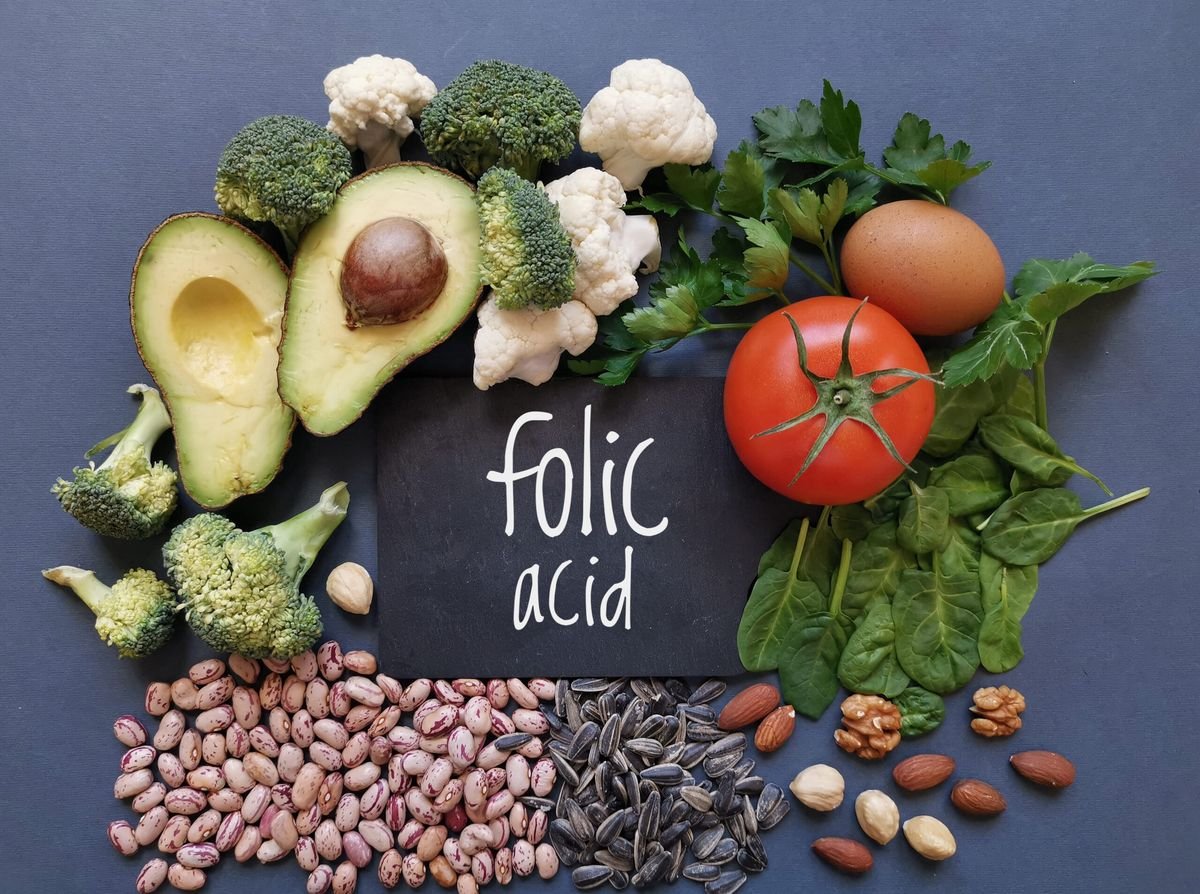
Folate-rich foods for pregnancy: what every expecting mother should eat, especially in the early weeks.

Iron-rich foods for pregnant women — the complete evidence-based guide to healthy blood.
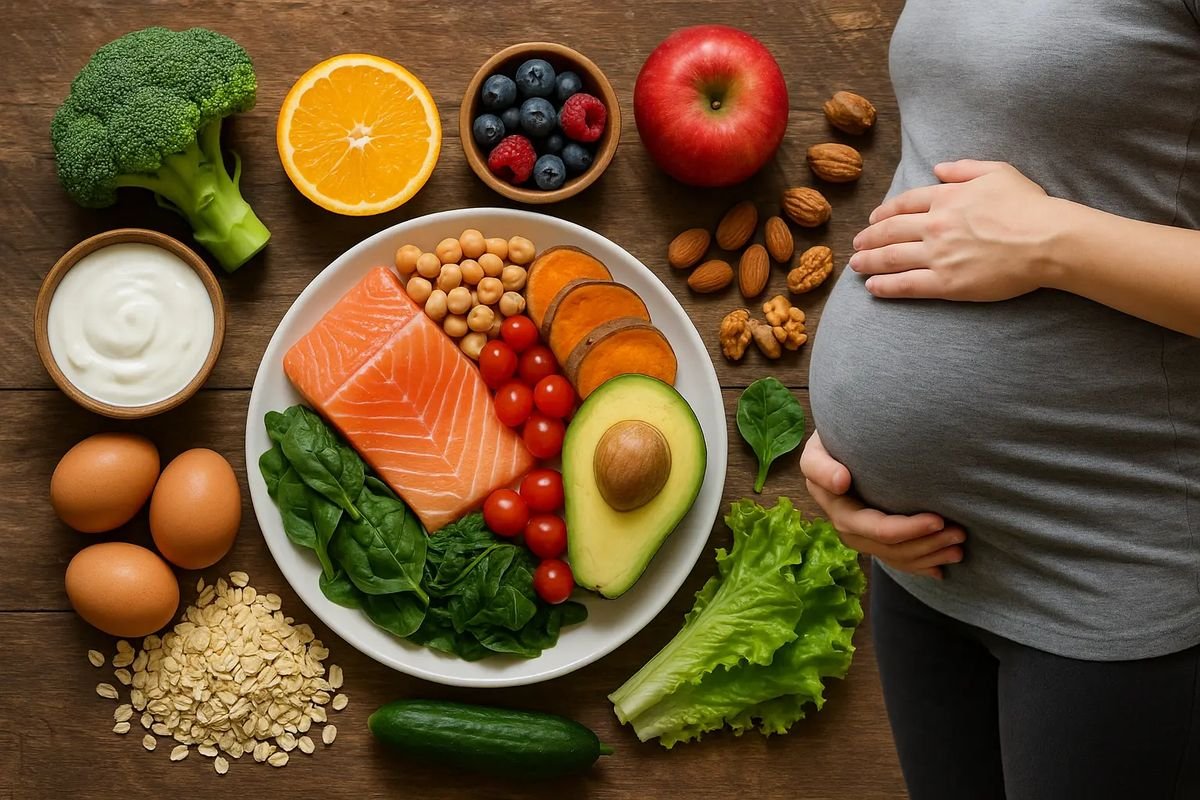
The pregnancy diet chart month by month — a complete guide with meal plans for every stage.
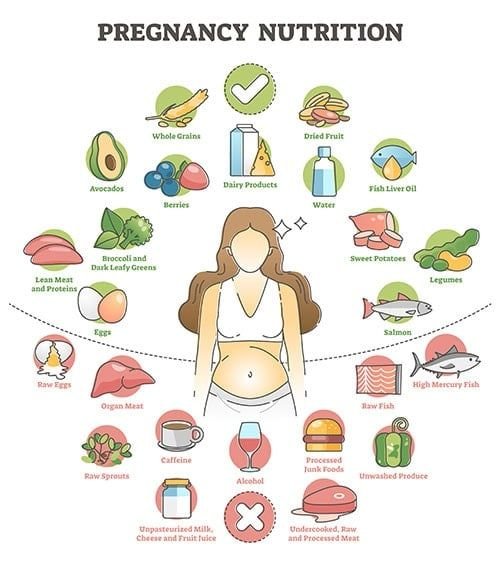
Foods to avoid during pregnancy — a complete, evidence-based safety guide (and the myths it busts).

The gestational diabetes diet plan — your complete guide to healthy blood sugar in pregnancy.