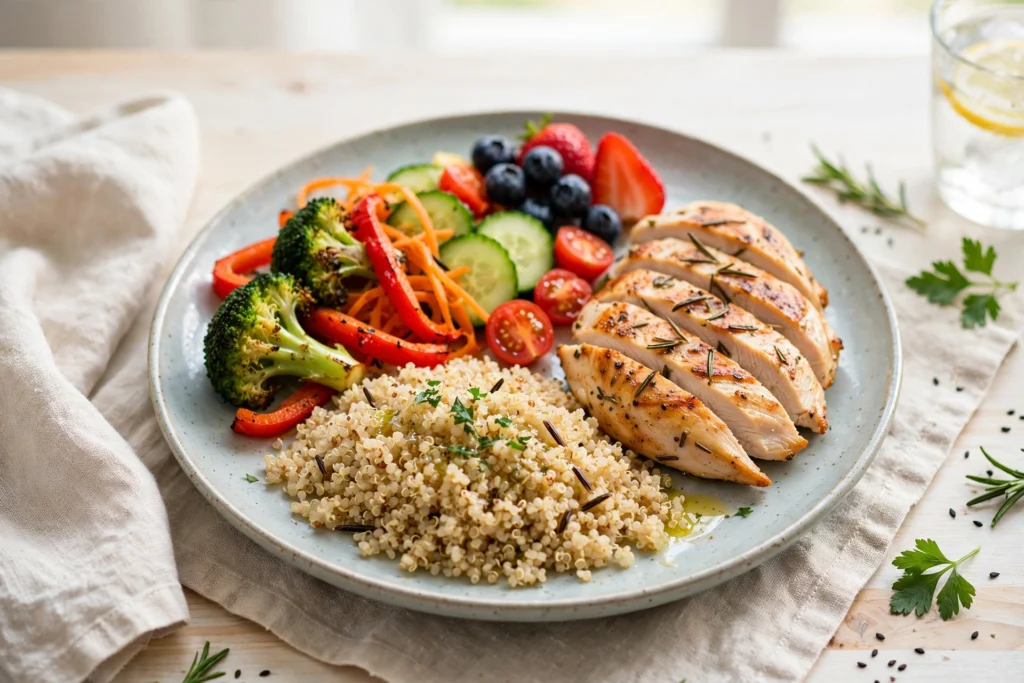
Your thyroid is a small, butterfly-shaped gland at the base of your neck, but its influence reaches almost every system in your body. It produces two hormones — thyroxine (T4) and triiodothyronine (T3) — that regulate your metabolism, energy levels, heart rate, body temperature, and even your mood. When the thyroid underperforms or overperforms, you feel it: fatigue, weight changes, hair thinning, sensitivity to cold or heat, and sluggish thinking are among the most common signs.
The pituitary gland in your brain monitors thyroid hormone levels and releases thyroid-stimulating hormone (TSH) to keep the system balanced. High TSH usually signals an underactive thyroid (hypothyroidism), while very low TSH can point to an overactive thyroid (hyperthyroidism). The two most common causes are autoimmune conditions: Hashimoto’s thyroiditis, where the immune system gradually damages the thyroid and causes hypothyroidism, and Graves’ disease, where antibodies overstimulate the thyroid and cause hyperthyroidism. These are different diseases with different treatment paths, so nutritional advice that is helpful for one may be unhelpful — or even counterproductive — for the other.
Food cannot cure thyroid disease, and no diet replaces medication. But the right nutrients can support normal thyroid function, help your medication work as intended, and reduce the risk of deficiency-driven complications. In this guide, you will learn:
- Which nutrients matter most for thyroid function, and why
- The best foods for thyroid health, with practical South Asian meal ideas
- The truth about goitrogenic foods like sarson ka saag, broccoli, and soy
- How to time your levothyroxine medication with food and supplements
- A sample day of eating that supports thyroid health
How the Thyroid Works: The Hormones and Nutrients Behind It
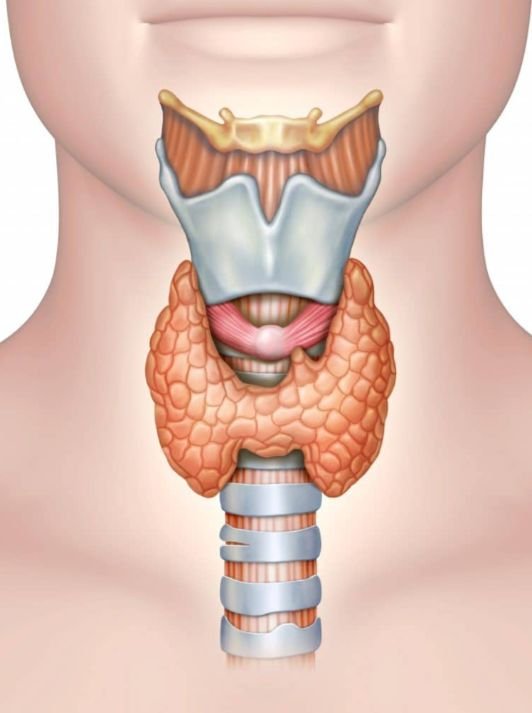
The thyroid follicular cells pull iodine from the bloodstream and combine it with the amino acid tyrosine to build T4 and T3. T4 is the storage form; the body converts it into the more active T3 in tissues including the liver, kidneys, and muscle. This conversion depends on enzymes called deiodinases, which need selenium to function. Zinc and iron support hormone synthesis and the immune balance relevant to autoimmune thyroid disease, while vitamin D appears linked to thyroid autoimmunity in observational research. Understanding this chemistry explains why certain nutrients appear in nearly every evidence-based thyroid diet recommendation.
Iodine: The Thyroid’s Most Famous Nutrient
Why iodine matters
Iodine is an irreplaceable building block of T3 and T4 — the “3” and “4” in their names literally count iodine atoms. Without enough iodine, the thyroid cannot produce adequate hormone, and the gland may enlarge as it works harder, forming a goitre. Iodine deficiency remains the leading cause of preventable thyroid enlargement worldwide, though it is less common in countries with iodized salt programs.
How much you need
The recommended dietary allowance for iodine is 150 micrograms per day for adults, rising to 220 micrograms in pregnancy and 290 micrograms during lactation, because the developing baby’s brain depends on maternal thyroid hormone. More is not better: excessive iodine intake can paradoxically disrupt thyroid function, especially in people with existing thyroid disease, so high-dose supplements should only be taken on medical advice.
Best iodine sources in a South Asian diet
The simplest and most reliable source is iodized salt — check that the packet is labelled iodized, store it in a closed container away from heat and light, and add it toward the end of cooking where possible, since iodine can be lost during prolonged high-heat cooking. Machli (fish) and other seafood are excellent natural sources; sea fish such as surmai (kingfish), pomfret, and bangda (mackerel) provide useful amounts. Dahi (yogurt), milk, and anda (eggs) contribute smaller but meaningful amounts, which is one more reason a balanced desi diet already covers much of the iodine base.
Selenium: The Converter Mineral
The role of selenium in T3/T4
Selenium sits at the heart of the enzymes that convert T4 into active T3, and it also forms part of glutathione peroxidases — antioxidant enzymes that protect the thyroid gland itself from oxidative damage during hormone production. Research suggests that selenium status may influence thyroid antibody levels in Hashimoto’s thyroiditis, although supplementation trials have shown mixed results and routine high-dose supplementation is not recommended without a doctor’s guidance. The RDA for selenium is 55 micrograms per day for adults, with a tolerable upper limit of 400 micrograms — Brazil nuts are so rich that just one or two a day can meet needs, but they should not be eaten by the handful.
Selenium-rich foods for a desi kitchen
Just one Brazil nut (akhrot-like, but distinct) can provide a full day’s selenium. More everyday options include anda (eggs), machli, chicken, surajmukhi ke beej (sunflower seeds), and whole grains. A small handful of sunflower seeds sprinkled on dahi or added to a salad is an easy daily habit. Research suggests that correcting a genuine selenium deficiency may help thyroid function, but in people who are already sufficient, extra selenium adds little — food sources are the safest way to stay in the optimal range.
Zinc, Iron, and Vitamin D: The Supporting Cast
Zinc
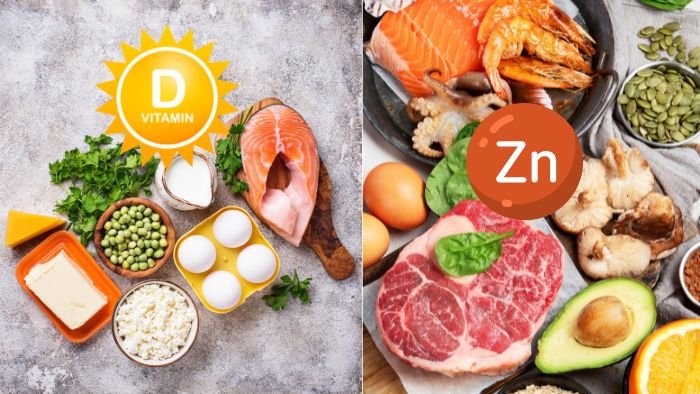
Zinc is required for the synthesis of thyroid hormones and for healthy TSH regulation, and it also supports immune function — relevant because most thyroid disease in iodine-sufficient regions is autoimmune. Good sources include anda, meat, chickpeas (kabuli chana), daal, akhrot (walnuts), and pumpkin seeds. Phytates in whole grains and legumes can reduce zinc absorption, so varied sources across the day help.
Iron
Iron deficiency can impair thyroid hormone synthesis and worsen the fatigue that hypothyroid patients already experience. Women of childbearing age are the group most at risk of low iron. Heme iron from meat and machli is best absorbed; non-heme iron from daal, spinach (palak), and fortified cereals is absorbed better when paired with vitamin C — a squeeze of lemon on daal is not just flavour, it is nutrition strategy. Tea and coffee with meals can reduce iron absorption, so keep that gap in mind.
Vitamin D
Observational studies have repeatedly found lower vitamin D levels in people with Hashimoto’s thyroiditis compared with controls, though whether this is cause or effect is unresolved. Sensible sun exposure and dietary sources — anda ki zardi (egg yolk), machli, fortified milk — help maintain status. If blood tests show deficiency, your doctor may recommend a supplement; this is one nutrient where testing before supplementing is the correct approach.
Protein and the Amino Acid Tyrosine
Because thyroid hormones are built on a tyrosine backbone, adequate protein intake matters. Most people eating a varied diet get enough tyrosine without thinking about it. Anda, dahi, paneer, chicken, machli, daal, chickpeas, and soya all supply it. Aim for a palm-sized protein portion at each main meal — this also stabilizes energy and appetite, which hypothyroid patients often struggle with.
The Best Foods for Thyroid Health: A Practical List
Pulling it together, here are the foods research most consistently supports:
- Machli (fish and seafood) — iodine plus selenium, especially sea fish; aim for 2 servings a week.
- Anda (eggs) — selenium, iodine, vitamin D, and complete protein in one affordable package.
- Dahi and milk — iodine, calcium, and protein; choose plain dahi to avoid added sugars.
- Akhrot (walnuts) and surajmukhi ke beej (sunflower seeds) — selenium, zinc, and healthy fats.
- Daal, chickpeas, and beans — zinc, iron, protein, and fibre.
- Haldi doodh (turmeric milk) — dairy nutrition plus curcumin; research on curcumin and thyroid autoimmunity is early but promising, and it is a comforting, low-risk habit.
- Fruits and vegetables of all colours — antioxidants that support general health; berries, citrus, and leafy greens all belong.
- Whole grains — B-vitamins and selenium; choose whole wheat roti, brown rice, and oats over refined versions.
Goitrogens: Should You Fear Sarson ka Saag and Broccoli?
What goitrogens are
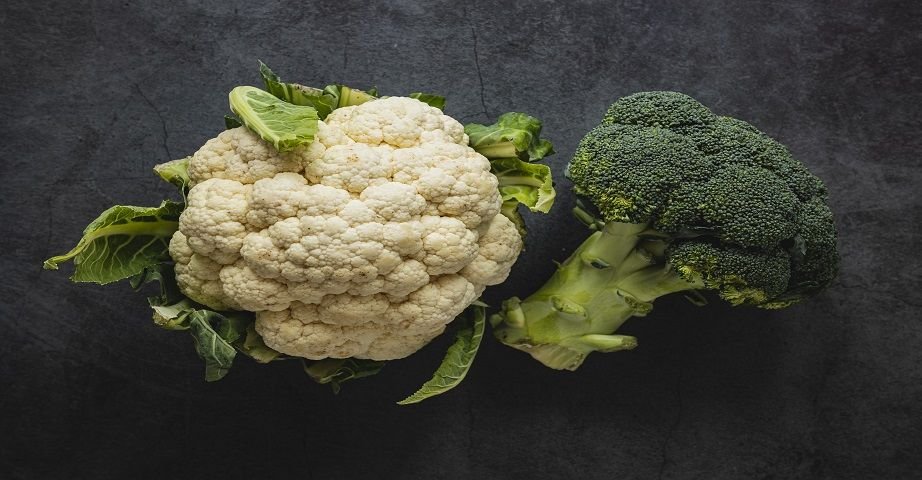
Goitrogens are naturally occurring compounds in cruciferous vegetables (cabbage, broccoli, cauliflower, kale, sarson/mustard greens) and a few other foods that can interfere with iodine uptake by the thyroid — in laboratory and animal studies, at very high doses. This is where internet fear-mongering starts, and where nuance matters.
The evidence, realistically
Research suggests that normal dietary portions of cooked cruciferous vegetables do not harm thyroid function in people with adequate iodine intake. Cooking substantially deactivates goitrogenic compounds, and the amounts in a normal serving of sarson ka saag or gobi are far below the levels used in worrying animal studies. The realistic concern applies mainly to people who are iodine-deficient and consume very large amounts of raw cruciferous vegetables daily — an unusual combination. If you have hypothyroidism and enjoy these vegetables, eat them cooked, keep your iodine intake adequate, and do not eliminate an entire nutritious food group on the basis of headlines.
Soy, Thyroid Medication, and Timing
Soy foods contain isoflavones that may affect the absorption of levothyroxine — the standard synthetic T4 medication for hypothyroidism — if taken close together. The evidence does not show that moderate soy consumption harms thyroid function in people with adequate iodine who are not on medication, but timing matters for those who are. The practical rule: take levothyroxine on an empty stomach with water, 30–60 minutes before food or coffee, and keep soy milk, tofu, or soy-heavy meals in a later meal. Consistency matters more than perfection — take it the same way every day.
Medication Timing: Getting Levothyroxine Right
This deserves its own section because absorption errors are one of the most common — and most fixable — reasons for unstable thyroid labs:
- Take levothyroxine first thing in the morning on an empty stomach, with a full glass of water, 30–60 minutes before breakfast or coffee.
- Separate calcium and iron supplements by at least 4 hours from your dose — these minerals bind the drug in the gut and reduce absorption.
- Keep your routine consistent: same time, same conditions, every day.
- Tell your doctor about antacids, multivitamins, and herbal products, which can also interfere.
- If you miss a dose, follow your doctor’s instructions rather than doubling up on your own.
Sample Day: Desi Meals That Support Thyroid Health
Here is one practical day built from the foods above — adjust portions to your needs:
- Subah (on waking): Levothyroxine with water. Wait 30–60 minutes.
- Nashta: 2 boiled anday + 1 whole wheat paratha (light oil) + a bowl of dahi + a small handful of akhrot.
- Mid-morning: A banana or seasonal fruit; haldi doodh if you prefer it here.
- Lunch: Grilled or curry machli (surmai or bangda) + 1–2 roti + daal + salad with lemon + cooked sabzi (gobi, palak, or sarson ka saag in season).
- Evening snack: Roasted surajmukhi ke beej + chana, or fruit with a few Brazil nuts (1–2 only).
- Dinner: Chicken or daal + mixed vegetables + roti or brown rice. Keep dinner moderate and at least 2–3 hours before sleep.
- Calcium/iron supplements (if prescribed): with lunch or dinner — at least 4 hours after levothyroxine.
Hashimoto’s vs Graves’: Why the Same Diet Advice Doesn’t Fit Both
In Hashimoto’s hypothyroidism, the priority is supporting hormone production within a well-absorbed medication routine and correcting deficiencies (iodine, selenium, iron, vitamin D). In Graves’ hyperthyroidism, the thyroid is overproducing hormone — excess iodine can worsen the condition, and nutritional priorities shift toward managing symptoms (adequate calcium and vitamin D for bone health, enough calories to counter weight loss, limiting stimulants like excess caffeine). Anyone with Graves’ disease should discuss iodine intake and any supplement plans with their endocrinologist before making changes.
Foods and Habits to Limit
- Highly processed foods high in refined sugar and trans fats — they displace nutrient-dense foods and worsen metabolic risk.
- Excessive alcohol, which can interfere with thyroid hormone metabolism.
- Very high-dose iodine supplements, kelp tablets, or “thyroid support” blends bought online — these can destabilize thyroid function, especially with autoimmune disease.
- Crash diets and severe calorie restriction, which can lower T3 levels and worsen hypothyroid symptoms.
Frequently Asked Questions
1. Which single food is best for thyroid health?
No single food does it all, but if one food had to win, anda (eggs) make a strong case: they provide selenium, iodine, vitamin D, tyrosine-rich protein, and zinc in an affordable package. A varied diet built around eggs, machli, dahi, daal, nuts, and seeds covers the thyroid’s nutrient needs better than any superfood.
2. Is sarson ka saag safe if I have hypothyroidism?
Yes — normal cooked portions are fine for most people. Research suggests goitrogenic effects only become a realistic concern with very large amounts of raw cruciferous vegetables combined with iodine deficiency. Enjoy your sarson ka saag cooked, keep using iodized salt, and take your medication as prescribed.
3. Can diet cure Hashimoto’s or hypothyroidism?
No. Hashimoto’s is an autoimmune condition and hypothyroidism typically requires lifelong hormone replacement. Good nutrition can support your thyroid, may help you feel better, and helps medication work properly — but be cautious of anyone promising a dietary cure. That claim is not supported by evidence.
4. Should I take selenium or iodine supplements for my thyroid?
Food sources are the safest first step. Selenium supplements have shown mixed results in trials, and excess iodine can harm thyroid function. Get your levels tested and supplement only on your doctor’s or endocrinologist’s advice — self-prescribing thyroid-targeted supplements carries real risks.
5. Why does coffee matter with thyroid medication?
Coffee — and food generally — taken too soon after levothyroxine can reduce how much of the drug your body absorbs, leading to unstable TSH levels. The standard guidance is to wait 30–60 minutes after your dose before coffee or breakfast, and to keep the routine consistent every day.
Conclusion

The best foods for thyroid health are not exotic or expensive — they are the nutrient-dense staples many South Asian kitchens already stock: machli, anday, dahi, daal, akhrot, surajmukhi ke beej, iodized salt, and plenty of cooked vegetables including sarson ka saag. Pair these with correct levothyroxine timing, adequate iodine (but not excess), and regular monitoring with your doctor, and you give your thyroid the steadiest foundation nutrition can provide.
This article is for education only and is not medical advice. Thyroid conditions need proper diagnosis and monitoring — always work with your doctor or endocrinologist on treatment and supplement decisions.
Want a thyroid-friendly eating plan built around your labs, medication, and food preferences? Book an appointment with our registered nutritionist for personalised, evidence-based guidance.
Thyroid-Friendly Grocery List
Turning the science into a shopping list makes it easier to eat for your thyroid without overthinking every meal. Here is a practical list built for a South Asian kitchen — tick off what you already buy and add what is missing.
Proteins
- Anday (eggs) — a dozen for the week; versatile for nashta and snacks.
- Machli (fish) — surmai, pomfret, or bangda, fresh or frozen, 2 servings a week.
- Chicken — lean cuts for curries and grills.
- Daal, chickpeas, rajma, and lobia — dried or canned, the backbone of affordable protein.
Dairy and fats
- Dahi (plain yogurt) — a daily bowl supports iodine and protein intake.
- Milk — for haldi doodh and everyday use.
- Desi ghee or mustard oil — in moderate amounts for cooking.
Nuts, seeds, and fruit
- Akhrot (walnuts) and surajmukhi ke beej (sunflower seeds) — small daily handfuls.
- Seasonal fruit — bananas, guava, oranges, and mangoes in season.
Vegetables and grains
- Mixed sabzi — including cooked cruciferous vegetables without fear.
- Whole wheat atta, brown rice, and oats — for roti, rice, and porridge.
- Iodized salt — check the label says “iodized” and store it properly.
Eating Out and Thyroid Health
Restaurant meals and dawats do not have to derail thyroid-friendly eating. A few practical strategies help:
- Choose grilled or tandoori proteins — fish, chicken tikka, or seekh kebab over deep-fried options.
- Ask for extra sabzi — most restaurants will add a vegetable side on request.
- Keep medication timing sacred — if a late dinner is planned, still take levothyroxine on an empty stomach in the morning and keep supplements 4 hours away.
- Watch the soy — some restaurant sauces and marinades contain soy; occasional exposure is fine, but be consistent day to day so your dose stays calibrated.
More Thyroid Questions, Answered
6. Does gluten affect Hashimoto’s?
Some people with Hashimoto’s also have coeliac disease, and those individuals must avoid gluten strictly. For Hashimoto’s patients without coeliac disease, the evidence for a gluten-free diet improving thyroid outcomes is limited and mixed. Do not cut out whole food groups without testing and medical guidance — get screened for coeliac disease first if you suspect an issue.
7. Can stress affect my thyroid?
Chronic stress raises cortisol, which can influence the conversion of T4 to T3 and worsen the fatigue and weight changes of thyroid disease. Stress management — sleep, gentle movement, and realistic workloads — supports overall health, though it does not replace medication. Think of it as removing an extra burden rather than treating the thyroid directly.
8. Are “thyroid support” supplements worth it?
Most “thyroid support” blends combine iodine, selenium, and herbal ingredients at doses that are either too low to matter or high enough to cause harm — especially excess iodine, which can trigger or worsen thyroid dysfunction. Food sources are safer and better studied. If blood tests show a genuine deficiency, take the specific nutrient your doctor prescribes, at the prescribed dose, rather than a blend.
Keep Reading
- Health Disclaimer — please read before acting on any health article.
- Online Nutrition Consultation — work with our registered nutritionist for personalised, evidence-based guidance.
References
- WHO Healthy Diet Fact Sheet — World Health Organization guidance on healthy eating patterns.
Thyroid Health on a Budget: Eating Well Without Overspending
Thyroid-friendly eating does not require imported superfoods or expensive supplements. In fact, some of the most nutrient-dense choices for thyroid health are also the most affordable in a Pakistani market:
- Anday (eggs) — among the cheapest complete proteins available, rich in selenium and iodine.
- Daal, chickpeas, and lobia — pennies per serving, packed with zinc, iron, and protein.
- Seasonal sabzi — buy what is in season; it is cheaper, fresher, and more nutrient-dense.
- Iodized salt — costs the same as non-iodized salt but protects your thyroid.
- Surajmukhi ke beej (sunflower seeds) — far cheaper than imported nuts, with good selenium and vitamin E.
Plan meals around these staples, cook at home most days, and reserve fish and chicken for 2–3 meals a week. Your thyroid — and your wallet — will both benefit.
Understanding Your Thyroid Blood Tests
Nutrition works best when it is guided by actual numbers. If you have thyroid disease, you have likely seen these tests:
- TSH (thyroid-stimulating hormone) — the most common screening test; high TSH usually means hypothyroidism, low TSH suggests hyperthyroidism.
- Free T4 — the actual circulating hormone; low in hypothyroidism, high in hyperthyroidism.
- Free T3 — the active hormone; sometimes checked when symptoms persist despite normal TSH.
- Anti-TPO and anti-thyroglobulin antibodies — markers of Hashimoto’s autoimmunity.
Bring your latest results to your nutrition consultation. A dietitian can tailor food recommendations to your specific pattern — for example, emphasizing iron-rich foods if ferritin is low, or vitamin D sources if levels are insufficient. Do not try to interpret borderline results on your own; trends over time matter more than any single value.
Key Takeaways
- The best foods for thyroid health are everyday nutrient-dense staples: anday, machli, dahi, daal, akhrot, sunflower seeds, colorful sabzi, whole grains, and iodized salt.
- Iodine, selenium, zinc, iron, vitamin D, and protein are the nutrients that matter most — get them from food first.
- Cooked cruciferous vegetables like sarson ka saag are safe in normal portions; do not fear them.
- Take levothyroxine on an empty stomach, 30–60 minutes before food or coffee, and separate calcium/iron by 4 hours.
- Food supports but does not replace medication — keep your doctor in the loop on all nutrition and supplement changes.
Thyroid Health for Women: Special Considerations
Thyroid disorders affect women far more often than men, and certain life stages demand extra attention to nutrition:
- Pregnancy — iodine needs rise to 220 micrograms daily; adequate intake supports the baby’s brain development. Take prenatal vitamins as prescribed and keep taking levothyroxine — untreated hypothyroidism poses real risks in pregnancy.
- Postpartum — thyroiditis can appear in the months after delivery, causing temporary hyperthyroidism followed by hypothyroidism. If new fatigue, palpitations, or mood changes appear, get your TSH checked rather than assuming it is “just” new-parent exhaustion.
- Perimenopause — thyroid symptoms (fatigue, weight gain, mood shifts) overlap heavily with menopause symptoms. Do not assume every change is hormonal aging; a simple TSH test clarifies whether the thyroid is involved.
Women with thyroid disease should also watch iron and vitamin D more closely, since both deficiencies are common and both worsen thyroid-related fatigue.
9. Can children have thyroid problems?
Yes, though less commonly than adults. Congenital hypothyroidism is screened at birth in many countries because untreated it impairs brain development. Older children can develop Hashimoto’s too — poor growth, persistent fatigue, or difficulty concentrating warrant a pediatric check. Iodized salt in family cooking protects the whole household.
10. How long before diet changes help my thyroid?
Nutrition supports thyroid health gradually, not overnight. Correcting an iron or vitamin D deficiency typically takes 8–12 weeks of consistent intake. Medication dose adjustments are guided by TSH trends over 6–8 weeks. Give any eating pattern at least two to three months of consistent effort before judging its impact — and keep monitoring with your doctor throughout.