Your bones are doing quiet, remarkable work right now. Every step you take, every weight you lift, every meal you eat — your skeleton is responding, adapting, and slowly rebuilding itself. Yet most of us give our bones almost no thought until something goes wrong: a fracture from a minor fall, a stooped posture in a parent, or a diagnosis of osteopenia or osteoporosis that arrives decades after the damage quietly began. This best foods for bone health and density guide explains the science, the best desi foods for strong bones, and a sample day of eating for better bone density.
Here is the part that should change how you eat: bone loss is not an inevitable sentence. Research consistently shows that nutrition across the lifespan — especially during childhood, adolescence, and the years before peak bone mass — plays a decisive role in how dense and resilient your bones become. And in Pakistan and across South Asia, where vitamin D deficiency is surprisingly common despite abundant sunshine, and where dairy, leafy greens, sesame, and lentils are already part of the traditional plate, the raw materials for strong bones are often within arm’s reach.
The challenge is knowing which foods genuinely matter for bone health, which nutrients do the heavy lifting, and how to assemble them into everyday desi meals. That is exactly what this guide does.
In this guide, you will learn:
- How bone remodeling works and why peak bone mass around age 30 matters so much
- The exact nutrient team your bones need: calcium, vitamin D, vitamin K2, magnesium, potassium, phosphorus, and protein
- Which Pakistani and South Asian foods — doodh, dahi, sarson ka saag, methi, ragi, til, almonds, fish, and lentils — deliver these nutrients best
- The foods and habits that quietly weaken bones, from excess salt to smoking
- A full day of bone-healthy desi eating you can actually follow
- Who is most at risk of osteoporosis and when to seek professional assessment
Your Bones Are Alive: Understanding Bone Remodeling
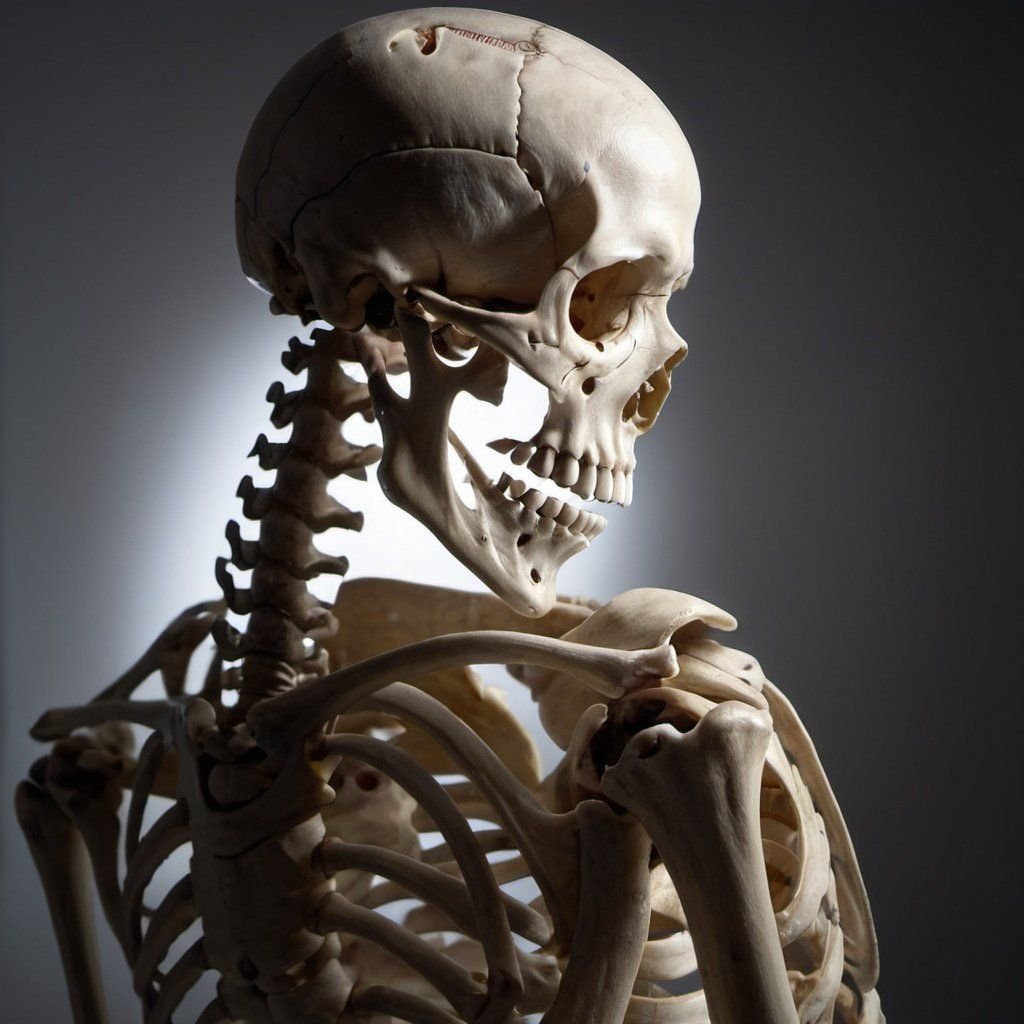
Most people picture the skeleton as a fixed, lifeless frame. In reality, bone is living tissue in a constant state of renewal. Understanding this process is the key to understanding why food matters so much.
How Bone Remodeling Works
Throughout your life, two types of specialized cells work in tandem: osteoclasts break down old, worn-out bone tissue, while osteoblasts build new bone in its place. This coupled cycle is called bone remodeling, and it replaces a significant portion of your skeleton over the course of several years. When you were young, bone formation outpaced bone breakdown, so your bones grew denser and stronger. In later adulthood, the balance gradually shifts, and resorption can outpace formation — leading to a slow, steady loss of bone density.
This is where nutrition enters the picture. Osteoblasts cannot build quality bone without adequate calcium, phosphorus, and protein, and the whole process depends on vitamin D, vitamin K2, and magnesium to run properly. Research shows that people who consistently consume the right nutrients maintain better bone mineral density as they age than those who do not.
Peak Bone Mass: The Bank Account You Build Before 30
Here is a fact worth remembering: you reach your peak bone mass — the greatest amount of bone you will ever have — at roughly age 30. Think of it as a bank account. Everything you deposit through good nutrition, weight-bearing exercise, and healthy habits before 30 determines your starting balance. After that point, the goal shifts from building to preserving, slowing the natural withdrawal that comes with aging.
This is why the diet of children, teenagers, and young adults matters enormously, even though osteoporosis feels like a distant concern. Studies suggest that even a modest increase in peak bone mass during youth may substantially reduce fracture risk decades later. If you are a parent, the meals you serve your children today are literally shaping the skeleton they will carry into old age.
Calcium: The Primary Building Block
Calcium is the most abundant mineral in the human body, and about 99 percent of it is stored in bones and teeth, where it provides hardness and structure. The remaining 1 percent circulates in the blood and supports nerve function, muscle contraction, and hormone signaling — and the body will happily pull calcium from bone to keep blood levels steady if dietary intake falls short. That is why consistent daily intake matters more than occasional large doses.
How Much Calcium Do You Actually Need?
The recommended dietary allowance (RDA) for calcium is approximately 1,000 mg per day for most adults, rising to about 1,200 mg per day for women over 50 and men over 70, whose bone loss accelerates. Adolescents in their growth years need around 1,300 mg daily. These figures come from international nutrition authorities and are widely used as reference standards in university-level nutrition education.
Spreading calcium intake across meals is smarter than loading it all into one sitting, because the body absorbs calcium more efficiently in smaller amounts. Three calcium-rich meals a day will serve your bones better than a single heavy one.
Best Food Sources of Calcium
Dairy products are the most concentrated and best-absorbed sources. A single glass of milk (about 250 ml) provides roughly 300 mg of calcium, and a cup of dahi (yogurt) offers a similar amount along with probiotics that support gut health. Paneer, made from milk, is another strong option, though its calcium content varies with preparation.
Non-dairy sources matter too, especially for those who are lactose intolerant — a condition research suggests is common among South Asian adults. Sesame seeds (til) are remarkably rich in calcium; just two tablespoons can provide around 180 mg. Ragi (finger millet), a traditional grain in parts of South Asia, contains roughly 340 mg of calcium per 100 grams — far more than wheat or rice. Leafy greens like sarson ka saag and methi, almonds, and small dried fish eaten with their bones (such as dried anchovies) all contribute meaningful amounts.
Vitamin D: Without It, Calcium Cannot Work
You could drink milk all day and still end up calcium-deficient if your vitamin D levels are low. Vitamin D is the gatekeeper nutrient: it dramatically increases calcium absorption in the intestines, and without enough of it, only a small fraction of dietary calcium makes its way into your bloodstream and bones. It also supports muscle function, which reduces fall risk — a major factor in fractures among older adults.
The Sunshine Paradox in Pakistan
Pakistan receives abundant sunlight, yet studies repeatedly find vitamin D deficiency to be widespread across the country. How? Limited direct sun exposure plays a big role: indoor work, full-body clothing, sunscreen use, and darker skin (which needs more sun exposure to produce the same amount of vitamin D) all reduce synthesis. Air pollution in cities like Lahore and Karachi can further filter the UVB rays the skin needs.
Research suggests that brief, regular midday sun exposure of the face, arms, and legs — without sunscreen — for about 10 to 20 minutes a few times a week may help many people maintain healthy levels, though the right amount varies with skin tone, season, and location. If you spend most of your day indoors, work night shifts, or rarely get direct sun, a blood test for vitamin D is a sensible step before considering supplementation, since excess vitamin D from high-dose supplements carries its own risks.
Dietary Sources of Vitamin D
Few foods are naturally rich in vitamin D, which is part of why deficiency is so common. Fatty fish are among the best sources: salmon, mackerel (surmai), and sardines all provide meaningful amounts. Egg yolks contribute a modest amount. Some mushrooms exposed to sunlight contain vitamin D2. In Pakistan, fortified milk and fortified cooking oils are increasingly available and can help bridge the gap — check labels, as fortification levels vary. For people with confirmed deficiency, a clinician may recommend supplements; this is a decision to make with a doctor, not on guesswork.
Vitamin K2: Directing Calcium to Your Bones
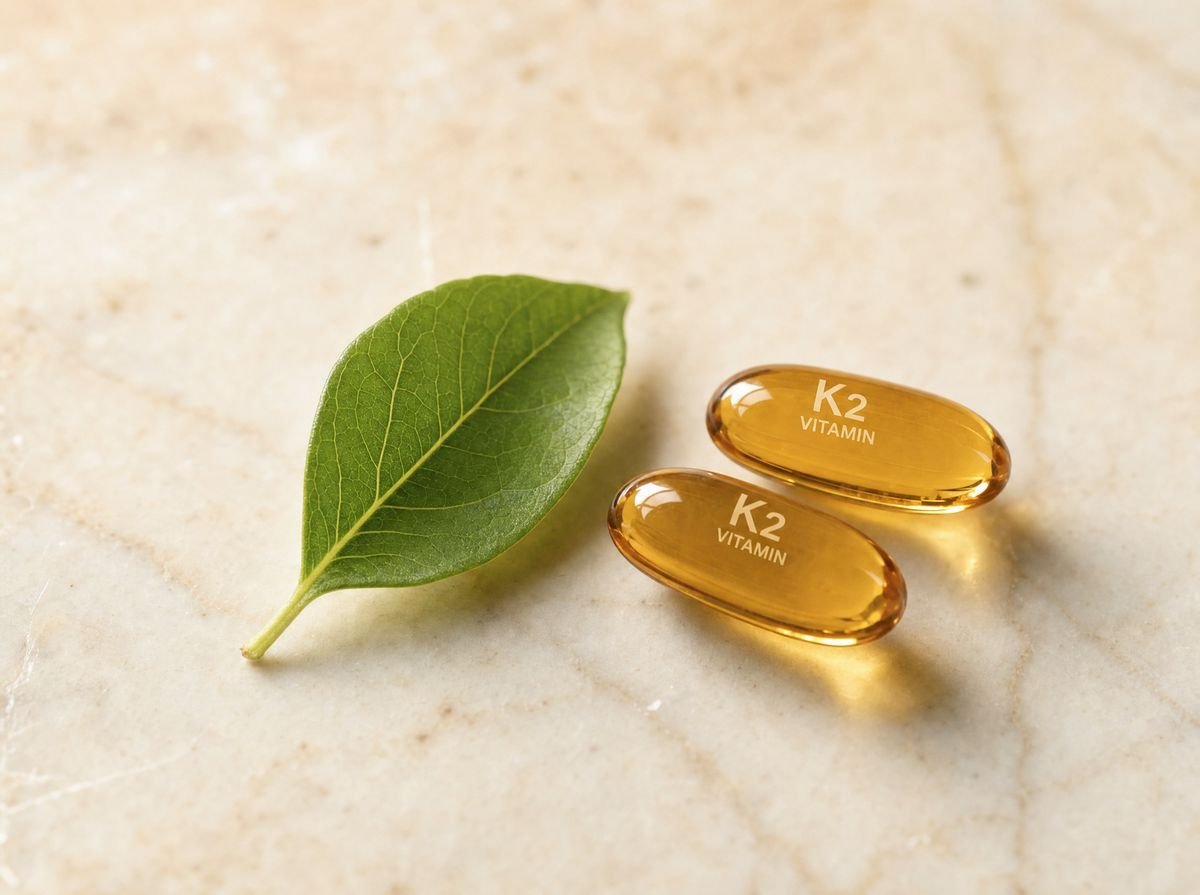
Here is a nutrient most bone-health articles overlook, but university nutrition courses emphasize: vitamin K2. Calcium gets the headlines, but calcium needs direction. Once calcium enters your bloodstream, something has to tell it where to go — into bone, not into artery walls or soft tissue. That traffic controller is a protein called osteocalcin, and vitamin K2 is what activates it.
Osteocalcin Carboxylation: Why K2 Matters
Osteocalcin is produced by osteoblasts, the bone-building cells. But in its inactive form, it cannot bind calcium effectively. Vitamin K2 drives a chemical step called carboxylation, which switches osteocalcin into its active form, allowing it to lock calcium into the bone matrix. Research shows that adequate vitamin K2 status is associated with better bone mineral density and may help reduce fracture risk, though scientists continue to study the strength of this relationship.
Vitamin K1 (found in leafy greens) and vitamin K2 serve different primary roles, though the body can convert some K1 to K2. For bone health specifically, K2 — found in fermented foods, egg yolks, certain cheeses, and animal products — appears to be the more direct player.
Where to Find Vitamin K2 in a Desi Diet
Fermented dairy is the standout source: aged cheeses and traditionally fermented foods contain menaquinones, the family of compounds that make up vitamin K2. Dahi (yogurt) provides some, particularly when traditionally cultured. Egg yolks from desi (free-range) hens, chicken liver (kaleji), and butter from grass-fed animals also contribute. Natto, the Japanese fermented soybean dish, is the richest known source, though it is not part of Pakistani cuisine. Including a daily serving of dahi or cheese alongside your calcium sources is a practical way to support this pathway.
A note on blood thinners: Vitamin K interacts with warfarin and similar anticoagulant medications. If you take blood thinners, do not suddenly increase vitamin K intake without speaking to your doctor.
Magnesium: The Quiet Contributor
Magnesium rarely makes the bone-health posters, yet roughly 60 percent of the body’s magnesium is stored in bone, where it influences bone crystal formation and the activity of both osteoblasts and osteoclasts. It also plays a role in converting vitamin D into its active form — meaning a magnesium shortfall can quietly undermine your vitamin D status too.
Why Magnesium Deficiency Is Easy to Miss
Magnesium is involved in hundreds of biochemical reactions, and mild deficiency often produces no obvious symptoms. Diets heavy in refined flour (maida), white rice, and processed foods — while light on whole grains, legumes, nuts, and greens — tend to fall short. Research shows that higher magnesium intake is associated with greater bone mineral density in both men and women, particularly older adults.
Magnesium-Rich Desi Foods
The traditional Pakistani kitchen is actually well stocked with magnesium. Whole wheat roti made from atta (whole grain flour) retains far more magnesium than white bread or naan made from refined flour. Lentils and legumes — daal masoor, daal moong, chana, lobia — are excellent sources. Almonds, peanuts, and sesame seeds contribute generously. Dark leafy greens like palak (spinach) and methi add more, as do bananas. A diet built around whole grains, daal, sabzi, and a handful of nuts covers magnesium without any special effort.
Potassium and Phosphorus: The Balance Keepers
These two minerals work behind the scenes, and getting their balance right matters more than most people realize.
Potassium: Protecting Bone from Acid Load
Potassium helps neutralize the mild acid load produced by protein-rich and grain-heavy diets. When the body needs to buffer acidity, it can draw on alkaline minerals from bone if dietary sources are lacking — a slow drain on your skeleton. Diets rich in fruits and vegetables, which supply potassium along with bicarbonate precursors, have been linked in research to better bone mineral density and reduced markers of bone breakdown. Bananas, oranges, potatoes (aloo), tomatoes, and leafy greens are everyday Pakistani staples that deliver potassium in abundance.
Phosphorus: Calcium’s Structural Partner
Phosphorus is the second most abundant mineral in bone, where it combines with calcium to form hydroxyapatite — the crystal structure that gives bone its hardness. Most diets provide plenty of phosphorus through dairy, meat, fish, eggs, lentils, and whole grains, so deficiency is rare. The caution here runs the other way: excessive phosphorus from cola drinks and heavily processed foods, combined with low calcium intake, may disturb the calcium-phosphorus balance. The practical takeaway is simple — keep calcium intake up and go easy on soft drinks.
Protein: Building the Bone Matrix
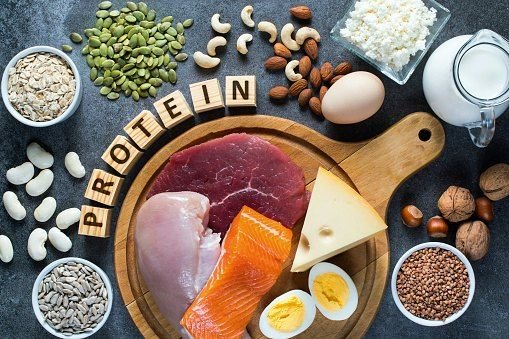
Many people associate protein only with muscles, but roughly half of bone’s volume is made of protein — primarily collagen, which forms the flexible scaffold that calcium crystals attach to. Without enough protein, bones can become brittle even when calcium intake looks adequate.
How Much Protein Do Your Bones Need?
Research indicates that older adults, in particular, often eat too little protein for optimal bone health. Studies suggest that protein intakes moderately above the basic RDA — roughly 1.0 to 1.2 grams per kilogram of body weight per day for older adults — are associated with better bone density and slower bone loss, provided calcium intake is also sufficient. For a 65 kg adult, that translates to about 65 to 78 grams of protein daily — entirely achievable with a balanced desi diet.
An old myth claimed that high protein intake “leaches” calcium from bones. Current research has largely overturned this idea: when calcium intake is adequate, higher protein intake appears to support rather than harm bone health.
Protein Sources That Support Bones
Dairy once again earns its place: milk, dahi, and paneer deliver high-quality protein alongside calcium. Eggs are an affordable, complete protein source widely available in Pakistan. Lentils, chickpeas (chana), and beans provide plant protein plus magnesium and potassium — a combination few foods can match. Fish and chicken add lean protein, and a small daily handful of almonds or peanuts contributes both protein and minerals. Spreading protein across breakfast, lunch, and dinner supports steady use by the body.
Doodh and Dahi: Pakistan’s Everyday Bone Builders
Walk through any Pakistani neighborhood at dawn and you will hear it: the doodh wala’s arrival. Milk is woven into the rhythm of daily life here — in morning chai, in a glass for growing children, in the dahi set overnight in clay pots. Nutritionally, this habit is one of the strongest bone-health traditions in the culture.
Doodh (Milk): The Complete Package
A 250 ml glass of milk delivers approximately 300 mg of calcium, about 8 grams of high-quality protein, phosphorus, potassium, and meaningful amounts of vitamin B12 and riboflavin. If the milk is fortified with vitamin D — increasingly common in packaged milk in Pakistan — it becomes a genuinely complete bone food. For children and teenagers building peak bone mass, a daily glass or two of milk is one of the simplest high-impact habits a family can adopt.
Those who cannot tolerate milk sugar (lactose) need not abandon dairy entirely. Lactose-free milk is available, and many people with mild intolerance handle small amounts, or fermented options, without trouble.
Dahi (Yogurt): Fermented and Formidable
Dahi deserves special attention. A cup of plain dahi provides roughly the same calcium as milk, plus live probiotic cultures that research suggests may improve gut health and possibly support calcium absorption. It also supplies some vitamin K2 from fermentation and is often easier to digest than milk for people with mild lactose intolerance, since the cultures pre-digest much of the lactose.
In Pakistani homes, dahi appears as raita alongside biryani, as lassi (though sweetened versions add significant sugar — plain or lightly salted lassi is the better daily choice), and as the base of kadhi. A bowl of plain dahi with lunch is a quiet bone-health habit hiding in plain sight.
Paneer and Cheese
Fresh paneer, made by curdling milk, retains much of its protein and a good portion of its calcium. Aged cheeses concentrate calcium further and add vitamin K2, though they are saltier and should be eaten in moderation. A small cube of cheese or a serving of palak paneer a few times a week fits comfortably into a bone-friendly pattern.
Saag and Green Leaves: Calcium from the Fields
Winter in Punjab brings one of Pakistan’s great food traditions: sarson ka saag, slow-cooked mustard greens served with makai ki roti and a dollop of desi ghee. Beyond comfort, this dish is a genuine bone-health asset.
Sarson ka Saag: A Calcium Powerhouse
Mustard greens are rich in calcium, vitamin K1, vitamin C (which supports collagen formation), and potassium. A generous serving of sarson ka saag can contribute several hundred milligrams of calcium — comparable to a glass of milk — along with the vitamin K that supports bone proteins. The traditional pairing with makai ki roti (whole cornmeal flatbread) adds whole-grain magnesium, making the combination nutritionally coherent, not just delicious.
Methi (Fenugreek Leaves)
Methi, whether cooked as methi aloo, stirred into daal, or kneaded into parathas as methi thepla-style roti, brings calcium, magnesium, iron, and vitamin K to the plate. Fresh methi is widely available in Pakistani sabzi markets in winter, and dried kasuri methi keeps its mineral content well. Adding a handful of chopped methi to atta when making roti is a small change with a real nutritional payoff.
Palak and Other Greens
Spinach (palak) is nutritious but carries a caveat: it is high in oxalates, compounds that bind calcium and reduce how much of it the body absorbs. Palak still contributes magnesium, potassium, folate, and vitamin K, so it earns its place — just do not count it as your primary calcium source. Bathua (chenopodium), chaulai (amaranth leaves), and cabbage-family greens like band gobhi offer calcium with fewer oxalates and deserve more space on the plate.
Ragi, Til, Almonds, and Fish: Small Foods, Big Minerals
Some of the most potent bone foods come in small packages. These deserve deliberate space in your weekly diet rather than occasional appearances.
Ragi (Finger Millet)
Ragi is the calcium champion among grains, with roughly 340 mg of calcium per 100 grams — about ten times the calcium of white rice. It also provides magnesium, phosphorus, and iron. While more common in southern India than in Pakistan, ragi flour is available in larger Pakistani cities and online. Ragi porridge for breakfast, ragi rotis mixed with wheat atta, or ragi malt as an evening drink are all practical ways to use it. For families open to one new grain, ragi offers the biggest calcium return of any swap.
Til (Sesame Seeds)
Two tablespoons of sesame seeds deliver around 180 mg of calcium plus magnesium, phosphorus, and healthy fats. In Pakistani kitchens, til appears in winter sweets like til ke ladoo and rewri, in til chutney, and sprinkled over breads. A spoonful of tahini-style sesame paste, or simply chewing a small handful of roasted til as a snack, turns a confectionery ingredient into a daily mineral habit. Sesame oil used in cooking adds flavor, though the calcium stays mostly in the seed itself.
Almonds (Badam) and Other Nuts
A small handful of almonds (about 28 grams) provides roughly 75 mg of calcium along with magnesium, protein, and vitamin E. Soaking almonds overnight — a common Pakistani practice — softens them and is traditionally believed to aid digestion. Peanuts (moong phali), abundant and cheap in winter, add magnesium and protein. Walnuts contribute omega-3 fatty acids, which emerging research links to bone metabolism. Nuts are calorie-dense, so a small handful daily is the right portion.
Fish, Including Dried Fish with Bones
Fatty fish like surmai (king mackerel), salmon, and sardines supply vitamin D and omega-3s. But for pure calcium, small fish eaten whole — bones and all — are extraordinary. Dried anchovies (commonly sold in coastal markets and increasingly in city stores), canned sardines, and small fried fish eaten with their soft bones can provide several hundred milligrams of calcium per serving, because fish bones are essentially concentrated calcium phosphate. If whole small fish are not to your taste, even regular fish curry twice a week supports the vitamin D side of the equation.
Lentils and Legumes: The Supporting Cast
Daal masoor, daal moong, chana, lobia, and rajma will not top any calcium chart, but they earn their place through magnesium, potassium, phosphorus, plant protein, and folate — nearly the entire supporting cast for bone health in one affordable pot. A household that eats daal daily already has a strong foundation; pairing it with the calcium stars above completes the picture.
Foods and Habits That Quietly Weaken Bones
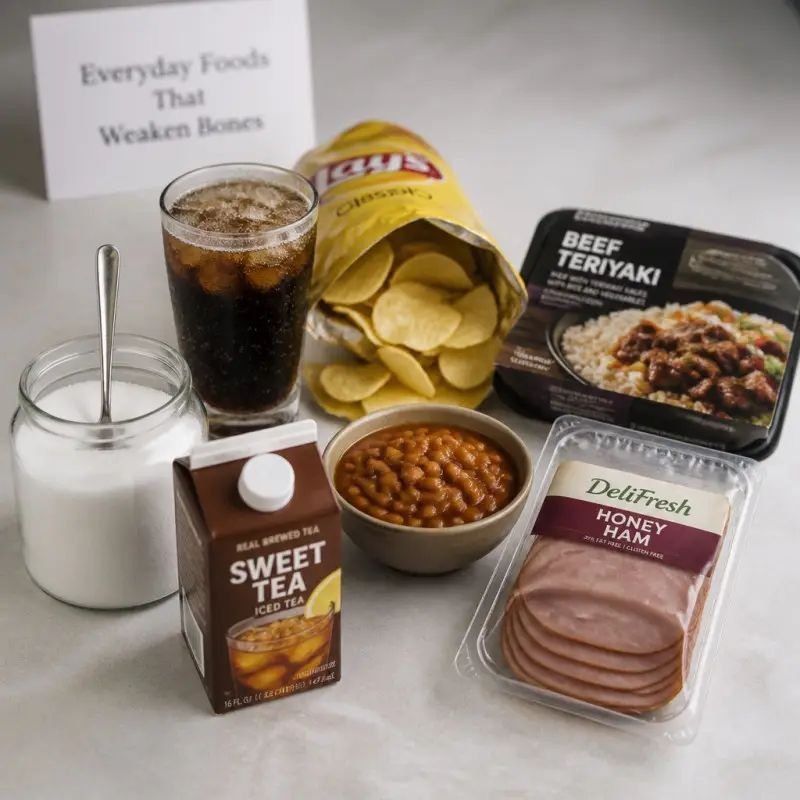
Building bone is only half the equation. Certain dietary patterns and habits actively work against your skeleton, and they are worth addressing honestly.
Excess Salt
High sodium intake increases calcium loss through urine. The body excretes sodium and calcium together, so a very salty diet can drain calcium even when intake looks fine on paper. Pakistani cuisine can be generous with salt — in pickles (achaar), papar, processed snacks, and heavily salted restaurant food. You do not need bland food; you need measured salt in home cooking and restraint with the saltiest extras. Research suggests that moderating sodium is a meaningful, underappreciated lever for calcium retention.
Alcohol and Smoking
Heavy alcohol consumption interferes with calcium absorption, disrupts vitamin D metabolism, and impairs the bone-building activity of osteoblasts. Chronic heavy drinking is a recognized risk factor for osteoporosis and fractures. Smoking is equally damaging: it reduces blood supply to bone, interferes with calcium absorption, lowers estrogen levels (accelerating bone loss in women), and is consistently linked in research to lower bone density and higher fracture risk. Quitting smoking benefits nearly every system in the body — the skeleton included.
Excess Caffeine and Cola Drinks
Moderate chai or coffee — one to three cups a day — is unlikely to harm bones in people with adequate calcium intake. But very high caffeine consumption may slightly increase calcium excretion. Cola drinks deserve more caution: their phosphoric acid content, combined with the way they often replace milk in young people’s diets, has been associated in observational research with lower bone mineral density. A teenager who drinks cola instead of doodh is making two bone-health mistakes at once.
Crash Dieting and Very Low Body Weight
Severely restricting calories — especially during the teens and twenties — deprives the body of the energy and nutrients needed to build peak bone mass. Low body weight is itself a risk factor for low bone density, partly because body weight provides the mechanical loading that stimulates bone formation. Fad diets that eliminate entire food groups (no dairy, no grains) without proper substitutes can quietly strip calcium, protein, and magnesium from the diet for months.
A Full Day of Bone-Healthy Eating: A Desi Meal Plan
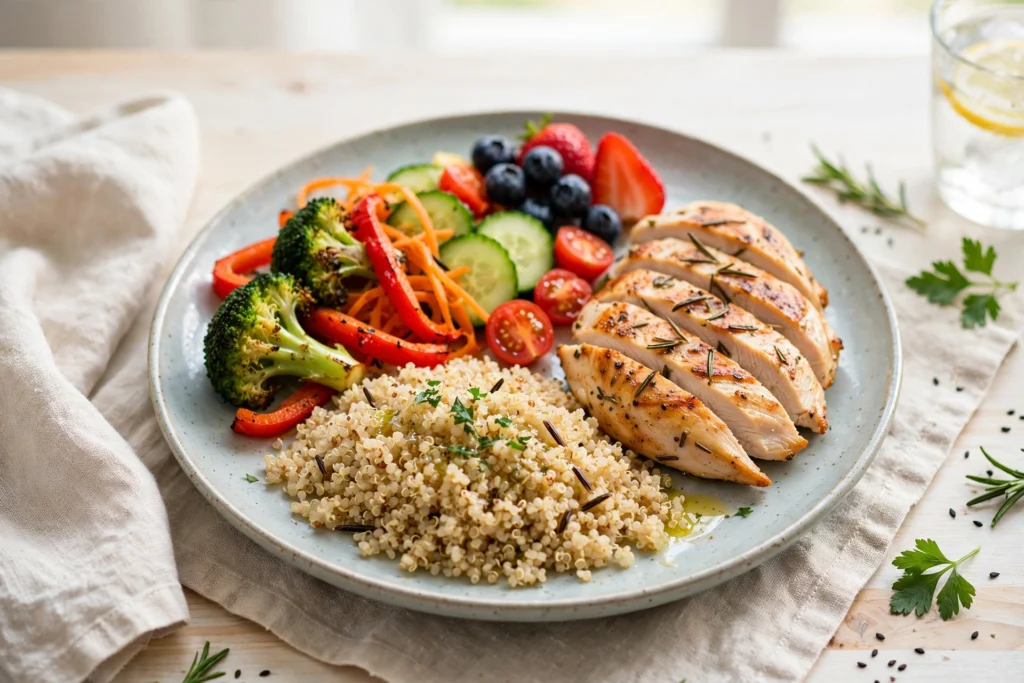
Theory is useful; a plate is better. Here is what a bone-supporting day can look like using ordinary Pakistani foods. Adjust portions to your appetite and energy needs.
Breakfast
Start with a bowl of ragi or oatmeal porridge made with milk, topped with sliced banana and a tablespoon of crushed almonds. Alternatively: two whole-wheat parathas with a boiled egg and a glass of doodh. Both options deliver calcium, protein, magnesium, and potassium before the day has properly begun. If you take your morning chai, consider having it after — rather than with — your calcium-rich foods, since tea compounds can slightly reduce mineral absorption.
Mid-Morning Snack
A small handful of roasted peanuts or almonds with a piece of seasonal fruit — an orange in winter, a mango in summer. The fruit adds potassium and vitamin C; the nuts add magnesium, protein, and calcium.
Lunch
Two whole-wheat rotis with a generous serving of daal (masoor or moong) and a bowl of plain dahi on the side. Add a mixed salad of cucumber, tomato, and onion. This classic combination covers protein, calcium, magnesium, potassium, and phosphorus in one sitting. Twice a week, swap the daal for sarson ka saag or palak paneer in winter, or bhindi or karelay in summer, keeping the dahi constant.
Evening
A glass of warm milk — the traditional Pakistani evening habit — or a small cup of plain lassi. For children, this can be non-negotiable family policy; for adults, it is an easy 300 mg of calcium.
Dinner
Grilled or curried fish (surmai or rohu) twice a week with roti and sabzi; on other days, chicken or chana curry with whole-wheat roti and a side of steamed greens. Finish with a small bowl of dahi if you skipped it at lunch. Keep dinner moderate in salt, since the day’s calcium deserves to stay in your body, not leave through excess sodium excretion.
Who Is Most at Risk for Weak Bones?
Some people need to pay closer attention to bone nutrition than others. If any of the following describe you or a family member, consider the guidance in this article especially relevant — and discuss screening with a healthcare professional.
Women After Menopause
Estrogen plays a protective role in bone remodeling, and its sharp decline at menopause accelerates bone loss significantly — women can lose a substantial portion of bone density in the years following menopause. This makes the menopausal transition the single highest-risk period for osteoporosis in women. Adequate calcium, vitamin D, protein, and weight-bearing exercise matter more, not less, at this stage, and some women may need medication — a decision for a doctor, not a diet article.
Other Key Risk Factors
Research identifies several additional risk factors: low body weight or low BMI, a family history of osteoporosis or hip fracture, long-term use of corticosteroid medications, smoking, heavy alcohol use, and certain medical conditions such as rheumatoid arthritis, thyroid disorders, and malabsorption conditions like celiac disease. Men are not exempt — roughly one in five osteoporosis-related fractures occurs in men, and male bone loss is simply less discussed.
When to Get a Bone Density Test
A DEXA scan (dual-energy X-ray absorptiometry) is the standard test for measuring bone mineral density. Doctors typically recommend it for women over 65, men over 70, younger people with significant risk factors, and anyone who has had a fragility fracture — a break from a minor fall or bump. In Pakistan’s major cities, DEXA scans are available at larger hospitals and diagnostic centers. If you are unsure whether you need one, that uncertainty itself is a good reason to ask your doctor.
Frequently Asked Questions
How much calcium do I need each day?
For most adults, the recommended dietary allowance is about 1,000 mg of calcium per day, increasing to around 1,200 mg for women over 50 and adults over 70. Teenagers need roughly 1,300 mg during their growth years. In practical terms, this means aiming for three calcium-rich servings daily — for example, a glass of milk, a bowl of dahi, and a serving of sarson ka saag or sesame seeds. Spreading intake across meals improves absorption.
Can I get enough vitamin D from sunlight in Pakistan?
Possibly, but deficiency remains common despite the sunny climate. Indoor lifestyles, full clothing cover, darker skin tones, and urban air pollution all reduce vitamin D synthesis. Brief midday sun exposure of the face, arms, and legs a few times a week may help many people, but the only way to know your status is a blood test. If you work indoors all day or rarely get direct sun, ask your doctor about testing before starting supplements.
Is dahi (yogurt) good for bone health?
Yes — dahi is one of the best bone foods in the Pakistani diet. A cup provides calcium comparable to milk, high-quality protein, phosphorus, and beneficial probiotic cultures. Traditionally fermented dahi may also contribute some vitamin K2. It is often better tolerated than milk by people with mild lactose intolerance. Plain dahi is the healthiest choice; heavily sweetened commercial yogurts add sugar without adding bone benefit.
Do I need calcium or vitamin D supplements for strong bones?
Food first is the guiding principle. Most people can meet their calcium needs through dairy, leafy greens, sesame seeds, nuts, and fish — and many can maintain vitamin D through sensible sun exposure plus dietary sources. Supplements make sense when diet falls short, when a blood test confirms deficiency, or when a doctor recommends them (for example, after menopause or with osteoporosis). Because excessive doses of calcium and vitamin D carry risks, supplementation decisions belong with a qualified clinician.
Can diet reverse osteoporosis once it has developed?
Diet alone cannot reverse established osteoporosis, and anyone claiming otherwise is overselling. However, nutrition remains a critical part of managing the condition: adequate calcium, vitamin D, protein, and overall diet quality support whatever bone-building treatment a doctor prescribes and may help slow further loss. Osteoporosis treatment typically involves medication alongside nutrition and exercise — all three working together give the best results.
Conclusion: Start Building Stronger Bones Today

Your skeleton is not a static frame — it is living tissue that responds to every meal you eat, rebuilding itself day after day through the quiet cycle of bone remodeling. The nutrients it needs are not exotic or expensive: calcium from doodh, dahi, and sarson ka saag; vitamin D from sensible sunlight and fish; vitamin K2 from fermented dairy; magnesium from whole grains, daal, and nuts; protein from eggs, lentils, and milk; potassium from fruits and vegetables. The traditional Pakistani plate, eaten thoughtfully, already contains most of what strong bones require.
The most important window is before age 30, when peak bone mass is set — but it is never too late to slow bone loss and protect what you have. Small, consistent changes beat dramatic overhauls: a daily glass of milk, a bowl of dahi with lunch, saag in winter, a handful of almonds, less salt, and a few minutes of midday sun. And if you carry risk factors — menopause, low body weight, smoking, long-term medication use, or a family history of fractures — pair good nutrition with professional assessment.
Strong bones are built one meal at a time, over years. Start with your next one.
Ready for guidance tailored to your body, your health conditions, and your kitchen? Book a personalized nutrition appointment with Shahjee Nutrition and get a bone-health eating plan designed around your needs, your medical history, and the foods your family actually eats.
Medical Disclaimer: This article is for educational purposes only and is not medical advice. Bone health involves individual factors including age, hormones, medications, and existing conditions. Nutritional needs vary from person to person. Always consult a qualified doctor or registered dietitian before making significant dietary changes, starting supplements, or altering treatment — especially if you have osteoporosis, take bone-related medications (such as bisphosphonates) or blood thinners, or have kidney disease or other conditions affecting mineral metabolism. Calcium, vitamin D, and vitamin K supplements can interact with prescription medications. Nothing in this article replaces professional medical evaluation or a bone density assessment.
Keep Reading
- Bones and Joints Nutrition: The Complete Guide to Strong Bones and Joints — the pillar page for this topic cluster
- Calcium-Rich Foods for Strong Bones: A Complete, Evidence-Based Guide
- Vitamin K2 Foods for Bones: The Missing Nutrient Your Skeleton Needs
- Foods for Bone Density After 60: A Nutritionist’s Guide to Eating for Stronger Bones
- Health Disclaimer — please read before acting on any nutrition advice on this site
References
- World Health Organization. Healthy diet, fact sheet. https://www.who.int/news-room/fact-sheets/detail/healthy-diet