
Bones and Joints Nutrition: The Complete Guide to Strong Bones and Joints
Your skeleton is the silent scaffolding of your life. It holds you upright, protects your organs, and — thanks to your joints — lets you move, walk, bend, and play. Bones and joints nutrition is the everyday practice of feeding that structure what it needs to stay dense, flexible, and pain-free. This page is the hub of our bones and joints nutrition guides: six in-depth articles covering calcium, vitamin D, vitamin K2, collagen, joint pain, and eating well after 60. Read the overview here, then explore the guides that match your needs.
What Bones and Joints Nutrition Actually Means
Bones are living tissue. They constantly rebuild themselves: old bone is broken down and new bone is laid down in a process called remodeling. Up to about age 30, you build more bone than you lose; after that, loss gradually outpaces gain, and it accelerates for women after menopause.
Joints, meanwhile, depend on cartilage, synovial fluid, ligaments, and the muscles around them. Bones and joints nutrition is about supplying every one of these tissues with the raw materials — minerals, protein, and vitamins — and avoiding dietary habits that quietly weaken them, such as very low calcium intake, vitamin D deficiency, excess salt, or a diet that keeps you inflamed.
The Key Nutrients in Bones and Joints Nutrition
Calcium is the headline mineral: bones are your body’s calcium bank, and when your diet provides too little, the body withdraws calcium from bone to keep blood levels steady. Dairy foods — milk, yogurt, lassi, paneer — are the most concentrated sources, but leafy greens (spinach, mustard greens/sarson, fenugreek/methi), sesame seeds (til), almonds, and calcium-set tofu contribute too.
Vitamin D is calcium’s partner: without it, you absorb only a fraction of the calcium you eat. In Pakistan, where many people work indoors or cover up in the sun, deficiency is surprisingly common, so a blood test and sensible supplementation are often part of the picture.
Vitamin K2 is the lesser-known director — it helps direct calcium into bone and teeth rather than soft tissues, and our dedicated guide explains where to find it. Protein matters as well: about half of bone’s volume is protein matrix, and collagen is the main protein in both bone and cartilage. Magnesium, phosphorus, and vitamin C play supporting roles in bone mineralization and collagen formation.
Calcium-Rich Foods for Strong Bones
Getting enough calcium does not have to mean drinking a gallon of milk. Our guide to calcium-rich foods for strong bones walks through dairy and non-dairy sources with practical desi serving ideas: a glass of milk at breakfast, a bowl of dahi at lunch, a handful of sesame seeds on your salad, and sarson or methi saag a few times a week. It also covers how much calcium adults and older adults actually need, and how to combine sources across the day so the total adds up without feeling forced. For the big-picture foundation, see also our complete nutrition guide to the best foods for bone health and density.
Vitamin K2: The Missing Nutrient Your Skeleton Needs
Most people have heard of calcium and vitamin D; far fewer know about vitamin K2 foods for bones. K2 activates proteins that bind calcium into the bone matrix — think of it as the foreman directing the building crew. Fermented foods such as natto are the richest sources, with smaller amounts in aged cheeses, egg yolks, and butter from grass-fed animals. Because K2 interacts with blood-thinning medicines such as warfarin, anyone on anticoagulants should talk to their doctor before supplementing — one more reason to read the full guide before acting.
Collagen for Joints: Does It Work?
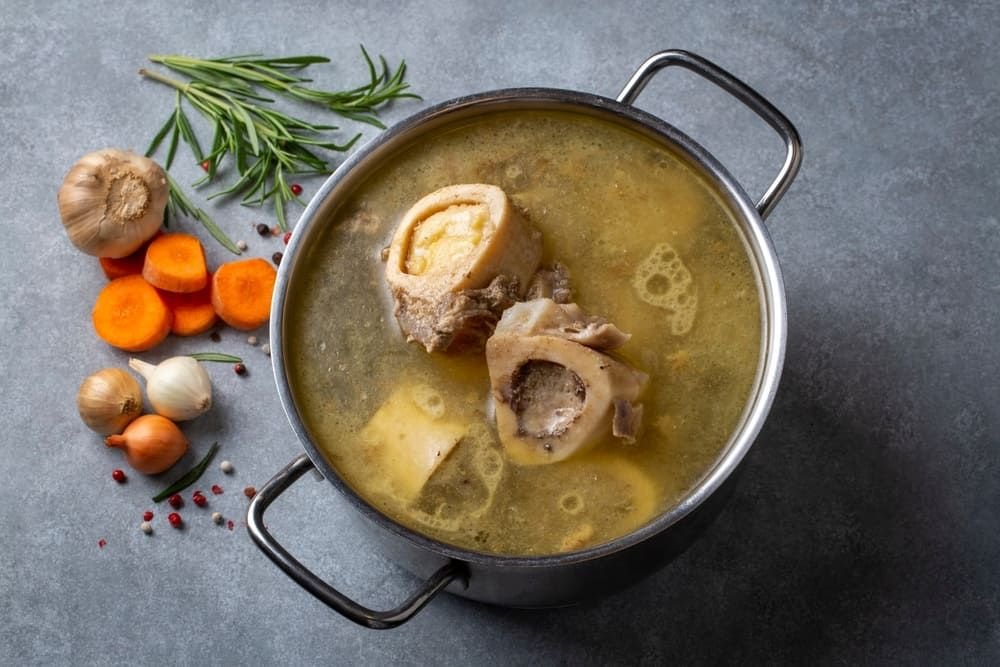
Walk through any pharmacy and you will see collagen powders promising younger joints. Our article Collagen for Joints: Does It Work? takes an honest, evidence-based look: what collagen is, how it is digested, what the research actually shows for joint comfort and cartilage, and how to get collagen-supporting nutrients from food — bone broth (yakhni), vitamin C-rich foods like amla and citrus that help your body make its own collagen, and adequate protein overall. If you are tempted by a supplement, read the guide first so you know exactly what to expect and what to ask your clinician.
Foods for Joint Pain Relief and Arthritis
Stiff, achy knees and fingers are among the most common complaints we hear from readers over 40. Our evidence-based guide to foods for joint pain relief and arthritis explains which foods support joint comfort — fatty fish and other omega-3 sources, colorful fruits and vegetables, ginger and turmeric, olive oil, nuts — and which patterns tend to worsen pain, such as very sugary diets, excess refined oils, and weight gain that loads the knees. It also covers the anti-inflammatory eating pattern honestly: food can meaningfully ease symptoms and protect joints, but it is not a replacement for medical treatment of diagnosed arthritis.
Eating for Bone Density After 60
After 60, the priorities shift: protecting bone density, preserving muscle (which protects bone), and getting enough vitamin D and protein become more urgent than ever. Our nutritionist’s guide to foods for bone density after 60 tailors everything to this stage of life — easy-to-chew calcium sources, vitamin D testing, protein at every meal to fight sarcopenia, and foods that fit the realities of smaller appetites. It pairs naturally with the calcium and K2 guides above; together they form a complete after-60 bone-protection plan.
What to Eat Day to Day: A Practical Bones and Joints Framework
Put the pieces together with a simple daily rhythm. Morning: milk or fortified soy milk with breakfast, plus a few minutes of sunlight for vitamin D. Midday: a meal built around leafy greens, lentils or beans, and yogurt — sarson ka saag with makki ki roti and a bowl of dahi is practically a bones-and-joints-nutrition prescription. Snacks: a small handful of almonds or sesame-seed til-patti, and fruit rich in vitamin C such as amla, guava, or oranges.
Evening: a protein-forward dinner — eggs, fish, chicken, or paneer — with vegetables, so bones get protein and joints get anti-inflammatory color. Through the week: fatty fish or flaxseed twice a week for omega-3s, and fermented foods for K2. If you are over 50 or have risk factors for osteoporosis, add a bone-density conversation with your doctor to this food plan.
Explore All Our Bones and Joints Nutrition Guides
These six guides cover the cluster in depth:
- Best Foods for Bone Health and Density: A Complete Nutrition Guide
- Calcium-Rich Foods for Strong Bones: A Complete, Evidence-Based Guide
- Vitamin K2 Foods for Bones: The Missing Nutrient Your Skeleton Needs
- Foods for Bone Density After 60: A Nutritionist’s Guide to Eating for Stronger Bones
- Collagen for Joints: Does It Work?
- Foods for Joint Pain Relief and Arthritis: What the Science Actually Says
Bones and Joints Nutrition FAQs
Can food really strengthen bones, or do I need medicine? Food is the foundation — adequate calcium, vitamin D, protein, and exercise protect bone across your whole life. If you already have osteoporosis or fractures, your doctor may also prescribe medication; food and medicine work together, not against each other.
How much calcium do adults need? General guidance is around 1000 mg daily for most adults, rising to about 1200 mg for women over 50 and men over 70 — but check our calcium guide for food-first ways to reach it.
Is vitamin D really a problem in a sunny country? Yes — indoor work, clothing, and darker skin all reduce vitamin D production. A simple blood test tells you where you stand.
Do collagen supplements help joint pain? The evidence is modest but promising for some people; whole-food support (protein, vitamin C, yakhni) is the safe baseline. Read our collagen article for the full evidence picture.
The Bottom Line on Bones and Joints Nutrition
Bones and joints nutrition is a long game: calcium and vitamin D for mineral strength, vitamin K2 to direct calcium properly, protein and collagen support for the bone and cartilage matrix, and anti-inflammatory foods to keep joints comfortable. Start with the best foods for bone health, add the calcium and K2 guides to your routine, and use the joint-pain and after-60 guides when those needs arise.
For a global overview of what healthy eating looks like, the World Health Organization’s healthy diet fact sheet is a reliable reference. And if you have persistent joint pain, swelling, or a fracture risk, see your clinician — food is powerful, but it works best alongside proper medical care.
This article is for general education and does not replace medical advice. See our Health Disclaimer.
Bones and Joints Nutrition in Pictures: Explore the Guides
Prefer to browse visually? Each picture below opens one of the in-depth bones and joints guides in this cluster.