Anemia Nutrition: The Complete Guide to Healthy Blood
Feeling tired all the time, even after a full night’s sleep? Pale skin, brittle nails, hair fall, or getting breathless climbing a flight of stairs? These are among the most common complaints we hear — and they often point to the same underlying issue: blood that is not carrying oxygen as efficiently as it should. The good news is that anemia nutrition — the way you eat to build and maintain healthy blood — can make a remarkable difference.
Anemia nutrition is not about a single “superfood” or a quick fix. It is about understanding which nutrients your body needs to make healthy red blood cells, which everyday Pakistani foods provide them, and — just as important — how to combine and prepare foods so your body actually absorbs the nutrients you eat. Get these three things right, and food becomes a powerful tool for healthy blood.
This pillar page is your complete hub for anemia nutrition on Shahjee Nutrition. Below, you will find the essential concepts explained simply, practical desi meal guidance, and links to all nine of our in-depth anemia and blood health articles — each one tackling a specific piece of the puzzle, from iron-rich foods to vitamin B12 deficiency symptoms.
What Is Anemia, in Simple Terms?
Your blood contains red blood cells, and each red blood cell contains hemoglobin — the protein that picks up oxygen in your lungs and delivers it to every tissue in your body. When you do not have enough healthy red blood cells or enough hemoglobin, your tissues receive less oxygen than they need. That shortage is what doctors call anemia.
Anemia has several causes, but the most common nutritional ones are deficiencies of iron, vitamin B12, or folate — the three nutrients most directly involved in making red blood cells. This is why anemia nutrition focuses so heavily on these nutrients. Importantly, anemia is a medical condition that should be diagnosed with a blood test; food supports treatment and prevention, but it does not replace medical advice. If you suspect anemia, see your doctor for proper testing.
The Key Nutrients in Anemia Nutrition
Healthy blood depends on a team of nutrients working together. Here are the ones that matter most in anemia nutrition:
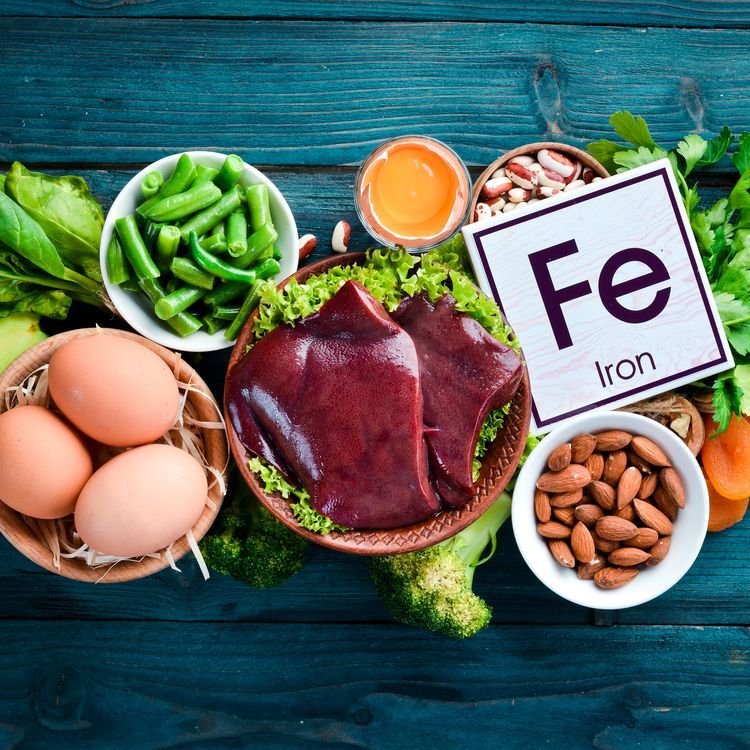
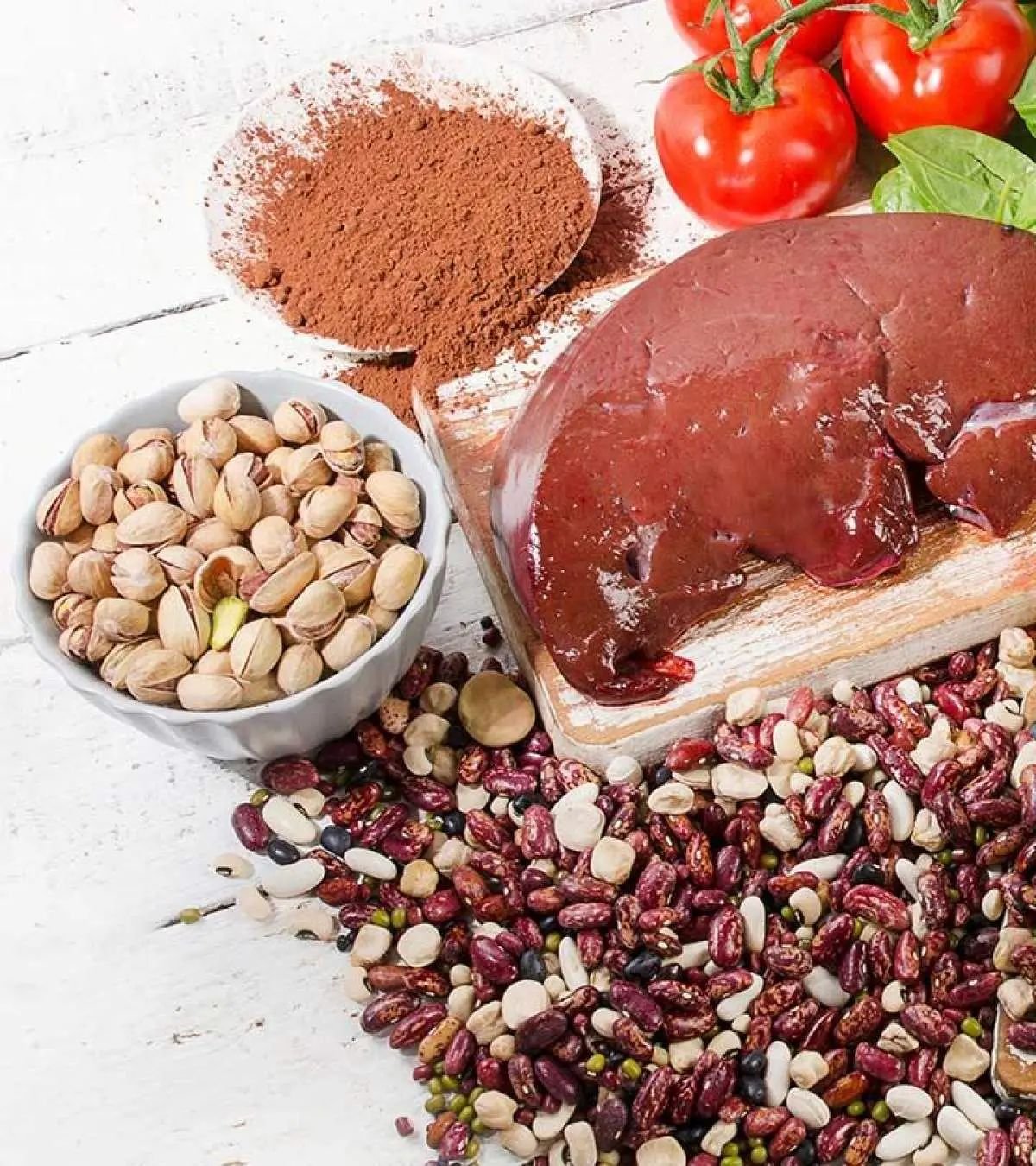
Iron. Iron sits at the center of the hemoglobin molecule — without enough iron, your body simply cannot make enough hemoglobin. Iron deficiency is the most common nutritional cause of anemia worldwide. Good sources include red meat, liver (kaleji), eggs, masoor dal (red lentils), chickpeas, spinach (palak), and iron-fortified foods.
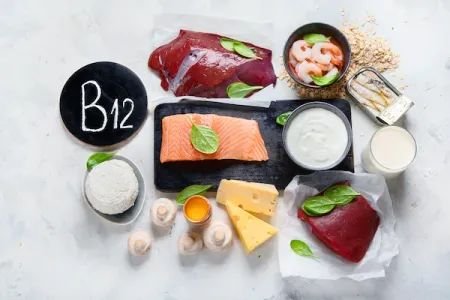
Vitamin B12. B12 is essential for red blood cell formation in the bone marrow. A deficiency leads to larger-than-normal, poorly functioning red blood cells. Because B12 comes almost entirely from animal foods — meat, eggs, dairy — vegetarians and older adults are at higher risk. Our vitamin B12 deficiency symptoms guide explains the warning signs in detail.
Folate (vitamin B9). Folate works hand-in-hand with B12 in red blood cell production. Leafy greens, lentils, chickpeas, and citrus fruits are good sources. Folate is especially critical during pregnancy.
Vitamin C. Vitamin C does not build blood directly, but it dramatically improves the absorption of iron from plant foods. A squeeze of lemon on dal or a kinnow with your meal is a simple, traditional habit that boosts iron uptake.
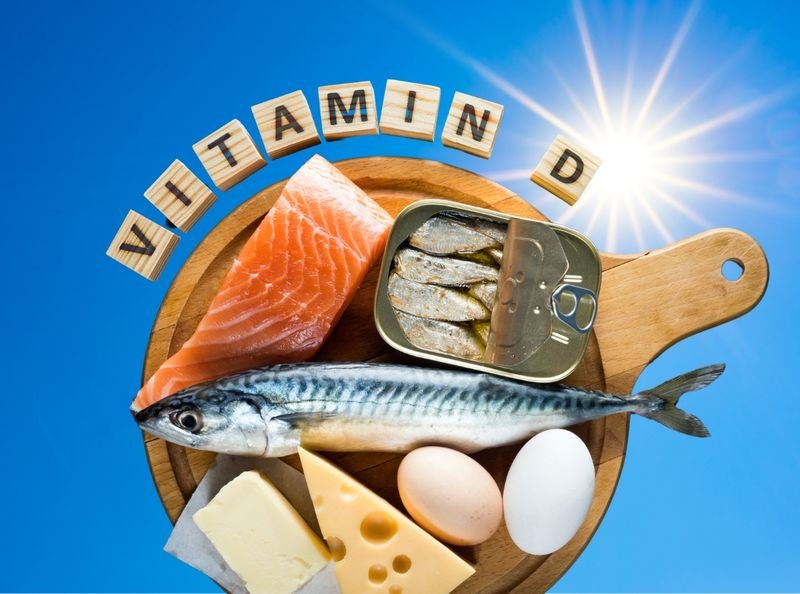
Vitamin D. Vitamin D supports red blood cell production and overall immune health. Deficiency is widespread in Pakistan despite abundant sunshine, partly because of indoor lifestyles. Our guide on how to increase vitamin D naturally covers safe sun exposure and food sources.
Iron: The Cornerstone of Anemia Nutrition
If there is one nutrient that defines anemia nutrition, it is iron. But eating iron-rich foods is only half the story — absorbing the iron is the other half, and this is where most people go wrong.
Iron from animal foods (called heme iron) is absorbed efficiently. Iron from plant foods (non-heme iron) is absorbed less well — but you can significantly improve absorption by pairing plant iron sources with vitamin C, and by avoiding tea or coffee with meals. The tannins in chai inhibit iron absorption, so wait an hour or two after eating before your doodh patti.
Our two comprehensive iron guides cover this topic from complementary angles. Start with Best Iron-Rich Foods for Anemia: 40+ Foods & Meal Plan — an encyclopedia of iron-rich foods with per-serving values and a full 7-day meal plan. Then read Best Iron-Rich Foods for Anemia: A Complete Guide for the absorption-focused companion, with per-100-gram values and daily requirement tables. Together, they give you both the “what to eat” and the “how to absorb it.”
For a broader strategy, How to Increase Hemoglobin Naturally walks through the full dietary and lifestyle approach to raising hemoglobin.
Recognizing Iron Deficiency: Symptoms and Treatment
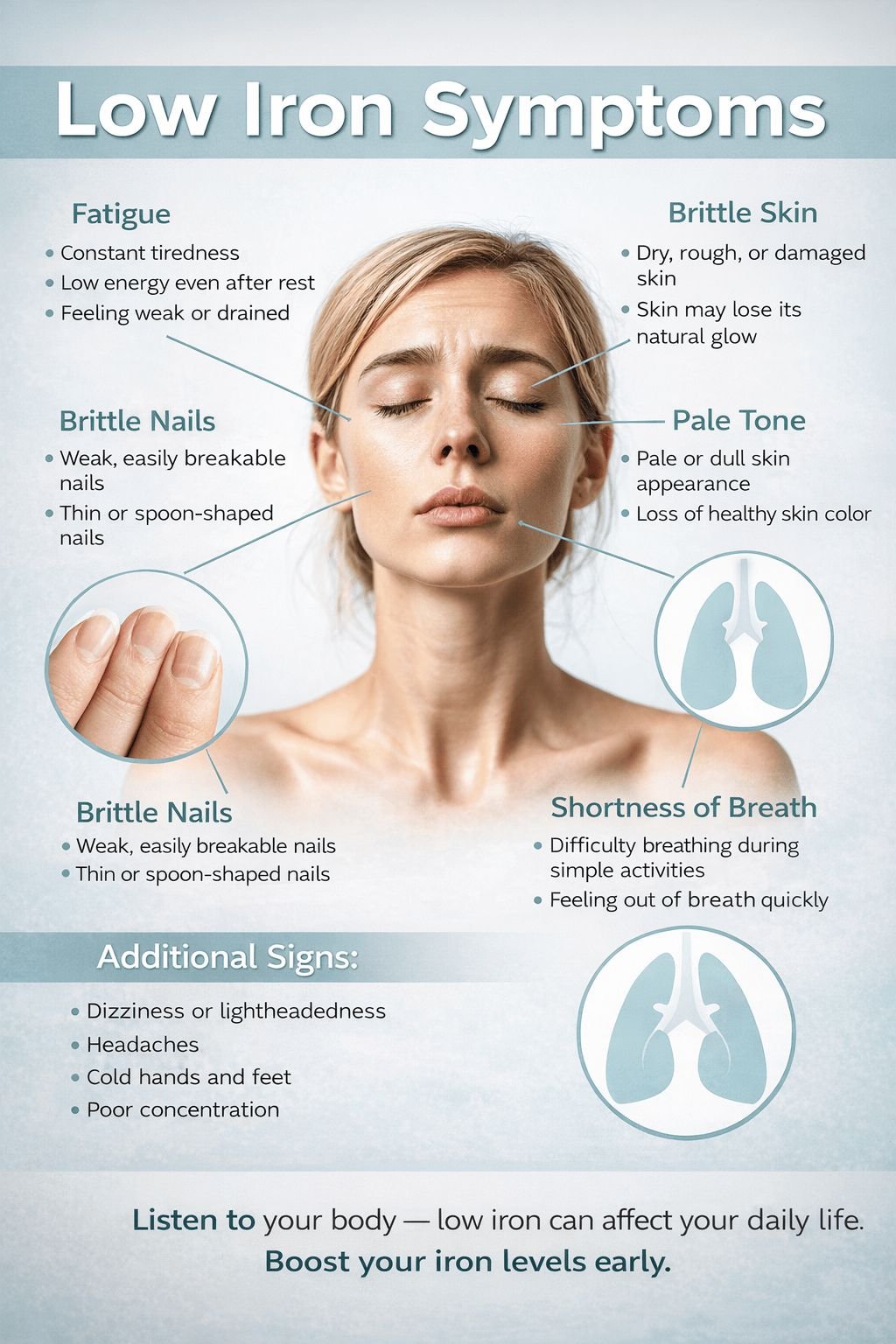
Knowing the symptoms helps you seek testing early. Iron Deficiency Symptoms and Treatment covers the full picture — from fatigue and pale skin to restless legs and unusual cravings — along with how iron deficiency is diagnosed and treated.
Women of childbearing age lose iron monthly and have higher needs. Iron Deficiency Symptoms in Women focuses specifically on the signs women should watch for and the dietary strategies that help most.
Vitamin B12: The Overlooked Piece of Anemia Nutrition
Vitamin B12 deficiency is common and frequently missed, because its symptoms — fatigue, numbness or tingling in the hands and feet, memory problems, a sore or swollen tongue — develop gradually and mimic other conditions. In South Asian diets that are low in meat, B12 deserves special attention in any anemia nutrition plan.
We have two detailed B12 guides, each with a different strength. Vitamin B12 Deficiency Symptoms: Signs, Causes & Treatment organizes the topic systematically, with a food-content table and a walkthrough of how B12 is absorbed. Vitamin B12 Deficiency Symptoms: 12 Signs to Know takes a symptom-by-symptom approach with a stronger desi focus and a practical “common mistakes” section. Read both to get the complete picture.
Vitamin D and Blood Health
Vitamin D is best known for bones, but it also plays a role in red blood cell production and immune function. How to Increase Vitamin D Naturally explains safe sun exposure and dietary sources, while Vitamin D Deficiency Symptoms helps you recognize the warning signs early.
Anemia Nutrition During Pregnancy
Pregnancy increases iron needs substantially, and anemia during pregnancy affects both mother and baby. If you are expecting, pair the general anemia nutrition guidance on this page with pregnancy-specific advice: see Iron-Rich Foods for Pregnant Women for safe, trimester-appropriate food strategies.
Practical Anemia Nutrition: A Desi Meal Framework
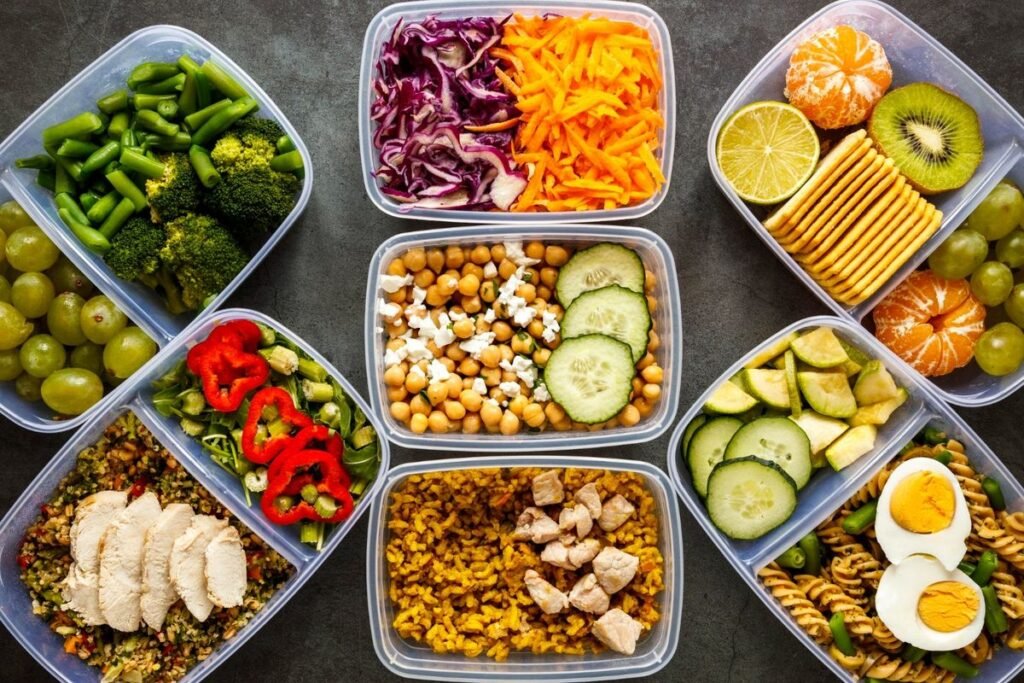
Theory is useful, but plates are what matter. Here is how to apply anemia nutrition in a typical Pakistani kitchen:
Build iron into every main meal. Add masoor dal, kaleji (liver) once a week if you eat meat, or palak to rotis and salans. Eggs at breakfast provide both iron and B12.
Always pair plant iron with vitamin C. Lemon squeezed on dal, imli in cooking, kinnow or amrood after meals, tomatoes in salan — these traditional pairings are absorption science in action.
Time your chai wisely. Doodh patti with or right after meals reduces iron absorption. Enjoy your chai an hour or two after eating instead — a small habit change with a real impact.
Do not forget B12. If you eat little or no meat, include eggs and dairy daily, and discuss B12 testing with your doctor — food alone may not be enough, and a simple blood test settles the question.
Explore All Our Anemia Nutrition Guides
This pillar page connects to every anemia and blood health article on Shahjee Nutrition. Bookmark this page and work through the cluster:
- How to Increase Hemoglobin Naturally — the full diet-and-lifestyle strategy for raising hemoglobin.
- Best Iron-Rich Foods for Anemia: 40+ Foods & Meal Plan — per-serving iron encyclopedia with a 7-day meal plan.
- Best Iron-Rich Foods for Anemia: A Complete Guide — the absorption-focused companion with daily requirements.
- Iron Deficiency Symptoms and Treatment — recognize the signs and understand treatment options.
- Iron Deficiency Symptoms in Women — what women specifically should watch for.
- Vitamin B12 Deficiency Symptoms: Signs, Causes & Treatment — the systematic guide with food tables.
- Vitamin B12 Deficiency Symptoms: 12 Signs to Know — symptom-by-symptom with desi focus.
- How to Increase Vitamin D Naturally — sun, food, and safe strategies.
- Vitamin D Deficiency Symptoms — recognize the warning signs early.
- Iron-Rich Foods for Pregnant Women — related reading: anemia nutrition during pregnancy.
Anemia Nutrition FAQs
Can food alone cure anemia? Food is essential for prevention and supports treatment, but diagnosed anemia — especially moderate or severe — usually needs medical treatment such as iron supplements. Always get a blood test and follow your doctor’s advice; use anemia nutrition as the dietary foundation alongside medical care.
How long does it take for diet to improve hemoglobin? Red blood cells renew over weeks to months, so dietary changes take time to show in blood tests. Consistency over two to three months matters more than any single meal.
Is tea really a problem for iron absorption? Tea and coffee contain compounds that inhibit non-heme iron absorption when consumed with meals. Waiting an hour or two after eating before having chai is a simple, effective habit.
Do I need supplements? Some people do — particularly those with diagnosed deficiency, pregnant women, or strict vegetarians low in B12. But supplements should be based on blood test results and medical advice, not guesswork.
The Bottom Line on Anemia Nutrition
Healthy blood is built meal by meal. Focus on iron-rich foods, protect your B12 and folate intake, pair plant iron with vitamin C, time your chai wisely, and get tested if symptoms persist. Anemia nutrition is one of the highest-impact changes a Pakistani family can make — because when your blood carries oxygen well, everything from energy to immunity to mental clarity improves.
Health disclaimer: This page is for general education only and is not medical advice, diagnosis, or treatment. See our Health Disclaimer. If you suspect anemia, consult your doctor for blood testing and proper treatment.
For a global overview of how common anemia is and who it affects most, the World Health Organization’s anaemia fact sheet is a useful, trustworthy reference.
Anemia Nutrition in Pictures: Explore the Guides
Prefer to browse visually? Each picture below opens one of the in-depth guides in this anemia nutrition collection.