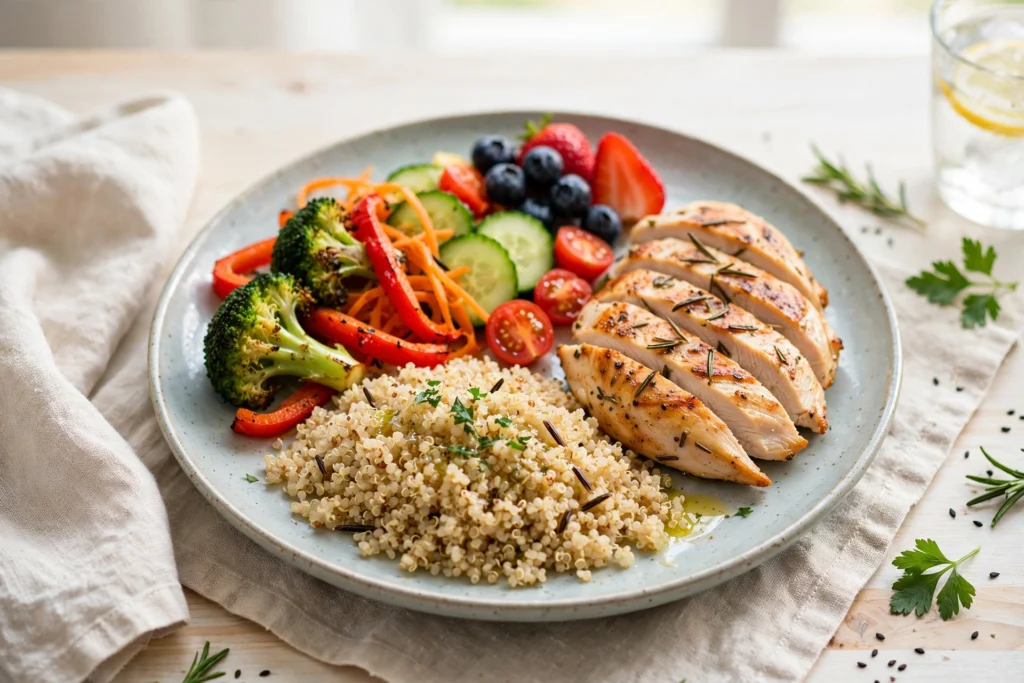
Feeling tired even after a full night’s sleep? Noticing your skin looks paler than usual, or that you run out of breath climbing stairs you used to take easily? These are some of the most common early signs of iron-deficiency anemia — a condition that affects roughly one in four people worldwide and is especially common among women of childbearing age, teenagers, and anyone following a plant-based diet.
The good news is that diet is one of the most powerful tools for preventing and managing iron deficiency. But not all iron-rich foods are equal. Some deliver iron your body absorbs easily; others look impressive on paper but pass through largely unused unless you pair them correctly. Knowing the difference — and the small cooking and timing habits that multiply absorption — can transform your plate from a problem into a solution.
In this guide, you will learn:
- What iron actually does in your body and how anemia develops
- The crucial difference between heme and non-heme iron (and their absorption rates)
- The top heme iron foods with exact mg per serving
- The top plant-based iron foods with exact mg per serving, including South Asian staples
- A complete iron content table comparing 40+ foods side by side
- Which vitamin C foods boost absorption — and exactly how to pair them
- What blocks iron absorption (tea, coffee, calcium, phytates) and how to time around it
- A full 7-day iron-rich meal plan
- Desi and South Asian meal ideas, from daal to sarson ka saag
- Cooking tips that add iron to food (cast iron, sprouting, smart soaking)
- Honest answers on jaggery, spinach, and other myths
- When food is enough — and when supplements need a doctor’s involvement
- Special guidance for pregnant women, vegetarians, teens, and athletes
What Iron Does in Your Body and Why Anemia Develops
Iron is best known for one job: helping your red blood cells carry oxygen. It sits at the heart of haemoglobin, the protein in red blood cells that picks up oxygen in your lungs and delivers it to your muscles, brain, and organs. Iron is also part of myoglobin in muscle tissue and plays a role in immune function and cognitive development.
When your body runs low on iron, it first empties its iron stores (measured by a blood test called ferritin) before haemoglobin levels drop. This early stage is called iron deficiency. If the deficiency continues, your body can no longer produce enough healthy red blood cells, and you develop iron-deficiency anemia — defined by low haemoglobin along with depleted iron stores.
Anemia develops when iron intake, absorption, or retention falls short of what the body uses and loses. Common reasons include:
- Inadequate dietary intake — the most common and most fixable cause worldwide
- Increased needs — pregnancy (blood volume expands by roughly 40–50%), adolescence (rapid growth), endurance training
- Blood loss — heavy menstrual periods, frequent blood donation, gastrointestinal bleeding
- Poor absorption — gut conditions such as coeliac disease or inflammatory bowel disease, or stomach surgery
- Chronic illness or inflammation, which can trap iron in stores and keep it from being used
Symptoms build gradually: persistent fatigue, pale skin, shortness of breath on exertion, cold hands and feet, brittle nails, hair shedding, restless legs, and unusual cravings for non-food items such as ice or clay (a condition called pica). Because these symptoms creep up slowly, many people normalise them for months before getting tested.
The standard diagnostic workup is simple: a full blood count (FBC) plus ferritin, and sometimes transferrin saturation and serum iron. Treatment depends on severity — dietary changes are the foundation of prevention and mild cases, while moderate to severe anemia usually needs iron supplements or further medical investigation, always under a clinician’s guidance.
Heme vs Non-Heme Iron: Why the Difference Matters for Absorption
This is the single most important concept in the entire guide. Iron in food comes in two forms, and your body treats them very differently.
Heme iron
Heme iron is found in animal foods — meat, poultry, and fish. It arrives already packaged inside haemoglobin and myoglobin molecules, and your gut absorbs it through a dedicated pathway. Absorption rates are high and relatively stable: roughly 15–35% of heme iron is absorbed, and this rate is less affected by what else is on your plate.
Non-heme iron
Non-heme iron is found in plant foods (lentils, beans, spinach, grains, seeds) and also in eggs and dairy. Your gut must convert it from its ferric form to a ferrous form before absorbing it, and the process is inefficient and easily disrupted. Absorption rates are low and highly variable: roughly 2–20%. Whether you absorb closer to 2% or closer to 20% depends almost entirely on what you eat with it — vitamin C can multiply absorption several-fold, while tea, coffee, and calcium can cut it dramatically.
This matters enormously for meal planning. A cup of cooked lentils contains about 6.6 mg of iron — more than a serving of chicken — but without vitamin C alongside it, your body may only absorb a fraction of that amount. Later in this guide, you’ll see exactly how to pair foods so plant-based iron counts for far more.
A useful rule of thumb:
| Type | Sources | Absorption |
|---|---|---|
| Heme iron | Meat, poultry, fish, shellfish | 15–35% |
| Non-heme iron | Lentils, beans, spinach, grains, nuts, seeds | 2–20% |
Research also shows a helpful bonus effect: small amounts of meat, poultry, or fish eaten alongside plant foods can enhance the absorption of the non-heme iron in the same meal (the so-called “meat factor”). Vegetarians can achieve a similar boost using vitamin C-rich foods instead.
Best Heme Iron Foods (With mg per Serving)
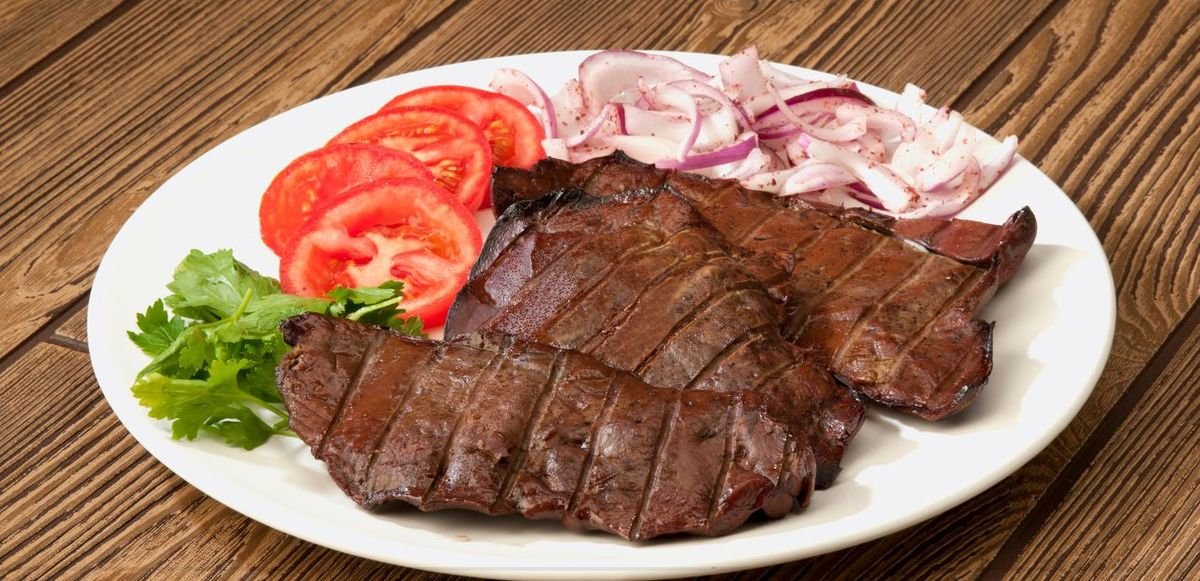
Because heme iron absorbs at 15–35%, these foods give you the most reliable return per bite. Serving sizes below reflect cooked weights unless noted.
Liver — the single richest source
- Chicken liver: ~100 g (about 4 pieces) delivers ~11 mg of iron. It is also exceptionally rich in vitamin A and B12, so once or twice a week is plenty — daily consumption can push vitamin A intake too high.
- Beef liver: ~85 g (3 oz) delivers ~5.4 mg of iron. Lamb liver is similar at roughly 5 mg per 85 g serving.
- Kaleji (liver curry): the classic South Asian preparation — 100 g of cooked mutton or chicken kaleji provides roughly 5–11 mg depending on the animal. Pairing it with lemon juice or a tomato-based gravy further improves absorption.
Red meat
- Lean beef (minced or steak): 100 g cooked provides ~2.6 mg of iron.
- Lamb/mutton: 100 g cooked provides ~1.9–2.5 mg.
- Keema (minced meat curry): a 100 g portion of lean keema provides roughly 2–2.5 mg, and the onion-tomato base adds vitamin C to help absorption.
Poultry
- Chicken thigh (dark meat), skinless: 100 g cooked provides ~1.3 mg.
- Chicken breast: 100 g cooked provides ~0.7–1.0 mg — dark meat is the better choice for iron.
- Turkey (dark meat): 100 g cooked provides ~1.4 mg.
- Chicken curry: a typical 100 g meat portion in curry delivers about 1 mg of iron, with the added benefit that the meat factor improves absorption of iron from any lentils, chickpeas, or rice served alongside.
Fish and shellfish
- Clams: 100 g provides an extraordinary ~14–28 mg depending on variety and canning liquid — among the highest iron concentrations of any food.
- Mussels: 100 g cooked provides ~6.7 mg.
- Oysters: 6 medium oysters (about 85 g) provide ~6–8 mg.
- Sardines (canned in oil, drained): 100 g provides ~2.9 mg, plus calcium and omega-3 fats.
- Tuna (canned in water, drained): 100 g provides ~1.3 mg.
- Salmon: 100 g cooked provides ~0.9 mg.
- Prawns/shrimp: 100 g cooked provides ~0.5 mg — modest, but useful in mixed meals.
Eggs
- One large whole egg provides ~0.9 mg of iron, mostly in the yolk (~0.6 mg). The iron is non-heme and egg yolk also contains phosphoproteins that mildly inhibit absorption — so eggs are best eaten as part of an iron-rich meal (for example, an omelette with spinach and tomatoes) rather than relied on as a primary source.
A note on processed meats: sausages, salami, and processed cold cuts do contain heme iron, but their links to colorectal cancer and cardiovascular disease mean they should not be your iron strategy. Stick to unprocessed meat, poultry, and fish.
Best Plant-Based Iron Foods (With mg per Serving)
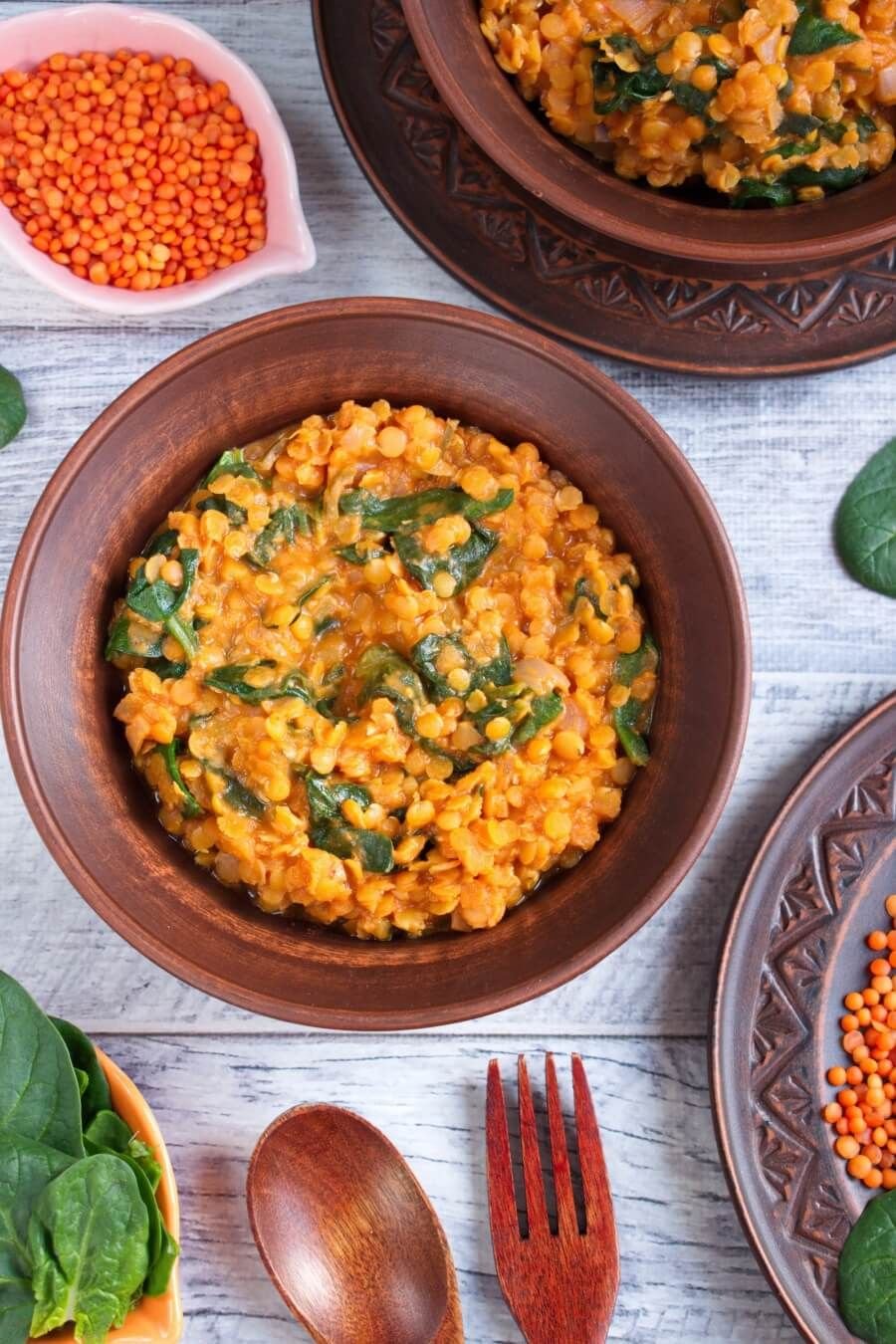
Non-heme iron absorbs at only 2–20%, but these foods are so iron-dense — and so easy to pair with vitamin C — that they can fully meet iron needs, including on vegetarian diets. Amounts below are for cooked foods unless noted.
Lentils (daal)
- Masoor daal (red lentils): 1 cup cooked (198 g) provides ~6.6 mg.
- Moong daal (split mung): 1 cup cooked provides ~2.8 mg.
- Urad daal (black gram): 1 cup cooked provides ~3.6 mg.
- Arhar/toor daal (pigeon pea): 1 cup cooked provides ~2.2 mg.
- Whole masoor (brown lentils): 1 cup cooked provides ~6.6 mg.
A squeeze of lemon over daal — or a small amla pickle on the side — is one of the simplest absorption upgrades in South Asian cooking.
Beans and chickpeas
- Soybeans (edamame): 1 cup cooked provides ~8.8 mg — one of the richest plant sources available.
- Kidney beans (rajma): 1 cup cooked provides ~5.2 mg.
- Kala chana (black chickpeas): 1 cup cooked provides ~4.8 mg.
- Kabuli chana (white chickpeas): 1 cup cooked provides ~4.7 mg.
- White/cannellini beans: 1 cup cooked provides ~5.1 mg.
- Black beans: 1 cup cooked provides ~3.6 mg.
- Lobia (black-eyed peas): 1 cup cooked provides ~4.3 mg.
Soy products
- Firm tofu: 100 g provides ~5.4 mg (calcium-set tofu may be slightly lower in absorbable iron due to its calcium content — pair it with vitamin C).
- Tempeh: 100 g provides ~2.7 mg; fermentation reduces phytates, modestly improving absorption.
Leafy greens
- Spinach: 1 cup cooked (180 g) provides ~6.4 mg. Note: spinach is high in oxalates, which limit its own iron absorption — it is still a worthwhile source, especially cooked, but don’t rely on it alone.
- Sarson ka saag (mustard greens): 1 cup cooked provides ~2.5–3 mg.
- Methi (fenugreek leaves): 1 cup cooked provides ~2.0 mg.
- Amaranth leaves (chaulai): 1 cup cooked provides ~5.2 mg.
- Kale: 1 cup cooked provides ~1.2 mg.
Cooking greens reduces their volume dramatically, letting you eat far more iron per serving than a raw salad ever could — a key reason saag-style preparations beat raw salads for iron.
Whole grains and millets
- Quinoa: 1 cup cooked (185 g) provides ~2.8 mg.
- Bajra (pearl millet): 1 cup cooked provides ~3.0 mg.
- Ragi (finger millet): 100 g of flour provides ~3.9 mg; one ragi roti (about 30 g flour) gives roughly 1.2 mg.
- Whole wheat flour (atta): 100 g provides ~3.6 mg; one medium roti (about 30 g flour) gives roughly 1.1 mg. Two or three rotis across the day add up meaningfully.
- Oats: 1 cup cooked provides ~2.1 mg.
- Brown rice: 1 cup cooked provides ~0.8 mg.
- Fortified breakfast cereals: a 30–40 g serving provides ~4.5–18 mg depending on the brand — always check the label, as fortification levels vary enormously.
Nuts, seeds, and dried fruit
- Pumpkin seeds: 28 g (1 oz, about 3 tablespoons) provides ~4.2 mg.
- Sesame seeds (til): 28 g provides ~4.1 mg — til laddoo and tahini both count.
- Hemp seeds: 28 g provides ~2.2 mg.
- Chia seeds: 28 g provides ~2.2 mg.
- Cashews: 28 g provides ~1.9 mg.
- Peanuts: 28 g provides ~1.3 mg.
- Dark chocolate (70–85% cocoa): 28 g provides ~3.4 mg.
- Dried apricots: ½ cup (65 g) provides ~1.7 mg.
- Anjeer (dried figs): 2 large figs provide ~0.8 mg.
- Dates (khajoor): 4 dates provide ~0.3 mg — a pleasant snack, but far too little to treat deficiency on its own (more on this myth below).
Other useful contributors
- Potato with skin: 1 medium potato provides ~1.1 mg; the vitamin C in the potato helps its own iron absorb.
- Broccoli: 1 cup cooked provides ~1.0 mg, with vitamin C built in.
- Tomato paste: 2 tablespoons provide ~1.3 mg, plus vitamin C.
- Blackstrap molasses: 1 tablespoon provides ~3.5 mg.
Complete Iron Content Table: 40+ Foods Compared
The table below puts heme and non-heme sources side by side. Values are approximate per common serving; check labels for fortified products.
| Food | Serving | Iron (mg) | Type |
|---|---|---|---|
| Clams | 100 g | 14–28 | Heme |
| Chicken liver | 100 g | ~11 | Heme |
| Soybeans, cooked | 1 cup | 8.8 | Non-heme |
| Mussels | 100 g | 6.7 | Heme |
| Red lentils (masoor daal), cooked | 1 cup | 6.6 | Non-heme |
| Whole brown lentils, cooked | 1 cup | 6.6 | Non-heme |
| Oysters | 6 medium | 6–8 | Heme |
| Spinach, cooked | 1 cup | 6.4 | Non-heme |
| Beef liver | 85 g | 5.4 | Heme |
| Tofu, firm | 100 g | 5.4 | Non-heme |
| Kidney beans (rajma), cooked | 1 cup | 5.2 | Non-heme |
| Amaranth leaves (chaulai), cooked | 1 cup | 5.2 | Non-heme |
| White beans, cooked | 1 cup | 5.1 | Non-heme |
| Kala chana, cooked | 1 cup | 4.8 | Non-heme |
| Kabuli chana, cooked | 1 cup | 4.7 | Non-heme |
| Fortified cereal | 30–40 g | 4.5–18 | Non-heme |
| Lobia (black-eyed peas), cooked | 1 cup | 4.3 | Non-heme |
| Pumpkin seeds | 28 g | 4.2 | Non-heme |
| Sesame seeds (til) | 28 g | 4.1 | Non-heme |
| Ragi flour | 100 g | 3.9 | Non-heme |
| Urad daal, cooked | 1 cup | 3.6 | Non-heme |
| Whole wheat flour (atta) | 100 g | 3.6 | Non-heme |
| Black beans, cooked | 1 cup | 3.6 | Non-heme |
| Blackstrap molasses | 1 tbsp | 3.5 | Non-heme |
| Dark chocolate (70–85%) | 28 g | 3.4 | Non-heme |
| Bajra, cooked | 1 cup | 3.0 | Non-heme |
| Sardines, canned | 100 g | 2.9 | Heme |
| Moong daal, cooked | 1 cup | 2.8 | Non-heme |
| Quinoa, cooked | 1 cup | 2.8 | Non-heme |
| Tempeh | 100 g | 2.7 | Non-heme |
| Beef, lean, cooked | 100 g | 2.6 | Heme |
| Sarson ka saag, cooked | 1 cup | 2.5–3 | Non-heme |
| Lamb/mutton, cooked | 100 g | 1.9–2.5 | Heme |
| Cashews | 28 g | 1.9 | Non-heme |
| Dried apricots | ½ cup | 1.7 | Non-heme |
| Methi, cooked | 1 cup | 2.0 | Non-heme |
| Oats, cooked | 1 cup | 2.1 | Non-heme |
| Arhar/toor daal, cooked | 1 cup | 2.2 | Non-heme |
| Hemp seeds | 28 g | 2.2 | Non-heme |
| Chia seeds | 28 g | 2.2 | Non-heme |
| Chicken thigh, cooked | 100 g | 1.3 | Heme |
| Tuna, canned | 100 g | 1.3 | Heme |
| Tomato paste | 2 tbsp | 1.3 | Non-heme |
| Peanuts | 28 g | 1.3 | Non-heme |
| Kale, cooked | 1 cup | 1.2 | Non-heme |
| Roti (whole wheat) | 1 medium | 1.1 | Non-heme |
| Potato with skin | 1 medium | 1.1 | Non-heme |
| Broccoli, cooked | 1 cup | 1.0 | Non-heme |
| Chicken breast, cooked | 100 g | 0.7–1.0 | Heme |
| Egg, whole | 1 large | 0.9 | Non-heme |
| Salmon, cooked | 100 g | 0.9 | Heme |
| Brown rice, cooked | 1 cup | 0.8 | Non-heme |
| Anjeer (dried figs) | 2 large | 0.8 | Non-heme |
| Prawns, cooked | 100 g | 0.5 | Heme |
| Dates (khajoor) | 4 dates | 0.3 | Non-heme |
How to Boost Iron Absorption: The Vitamin C Pairing Guide
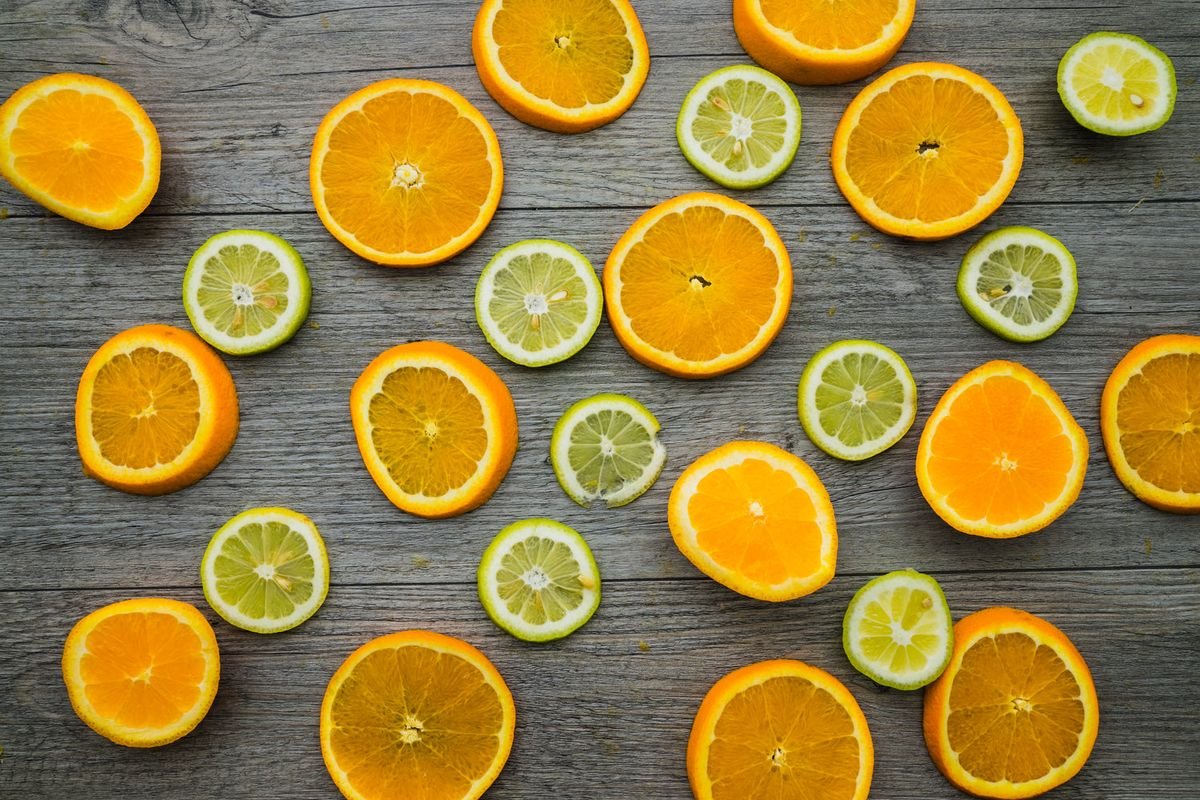
Vitamin C (ascorbic acid) is the single most powerful dietary tool for non-heme iron absorption. It converts ferric iron to the absorbable ferrous form and forms a soluble complex that keeps iron available in the gut. Research shows that vitamin C consumed in the same meal can increase non-heme iron absorption several-fold — in some studies, absorption roughly doubled or more when vitamin C-rich foods accompanied iron-rich plant foods.
Practical pairing strategies:
Vitamin C content of common foods
| Food | Serving | Vitamin C (approx.) |
|---|---|---|
| Amla (Indian gooseberry) | 1 fruit (~30 g) | ~180 mg |
| Guava | 1 medium | ~125 mg |
| Red bell pepper | 1 cup chopped | ~120 mg |
| Orange | 1 medium | ~70 mg |
| Lemon juice | 2 tbsp | ~12 mg |
| Tomato | 1 medium | ~28 mg |
| Broccoli, cooked | 1 cup | ~100 mg |
| Mango | 1 cup | ~60 mg |
| Strawberries | 1 cup | ~90 mg |
| Green chilli | 1 medium | ~65 mg |
Pairings that work in real meals
- Daal + lemon: squeeze half a lemon over masoor daal, or serve daal with a wedge of lemon. The citric acid and vitamin C both help.
- Roti + tomato-onion sabzi: tomato-based curries and gravies add vitamin C to every wheat-based meal.
- Kala chana chaat: boiled black chickpeas tossed with chopped tomatoes, lemon juice, and raw onion — iron plus vitamin C in one bowl.
- Sarson ka saag + makki ki roti: saag supplies the iron; add a side of pickled amla or a glass of fresh orange juice.
- Fortified cereal + berries: a bowl of fortified bran with strawberries or kiwi at breakfast.
- Palak paneer reconsidered: paneer (dairy calcium) can blunt iron absorption from the spinach, so either use tofu instead or squeeze lemon over the dish and eat it with a vitamin C-rich side.
- Amla as a habit: even a small piece of amla pickle or amla murabba with lunch supplies a meaningful vitamin C dose alongside daal-roti.
A general target: including 25–100 mg of vitamin C in an iron-rich meal (roughly one orange, a cup of strawberries, or two tablespoons of lemon juice) is enough to make a measurable difference.
What Blocks Iron Absorption — and How to Time Around It
Several common foods and drinks interfere mainly with non-heme iron absorption. You don’t have to give them up — you just need to separate them from iron-rich meals.
Tea and coffee
Tannins in black tea, green tea, and coffee bind non-heme iron and can reduce its absorption by 60–90% when consumed with a meal. This matters enormously in South Asia, where chai with meals is the norm.
Timing strategy: drink chai or coffee at least 1–2 hours after a meal (or before it), not with it. If you habitually have doodh patti with breakfast parathas, shift the chai to mid-morning. Herbal teas without tannins (ginger, fennel) are safer choices closer to meals.
Calcium and dairy
Calcium is the one mineral that can inhibit both heme and non-heme iron absorption. A single high-calcium load — a large glass of milk, a calcium supplement, or a very cheesy meal — can reduce iron absorption measurably.
Timing strategy: don’t take calcium supplements with iron-rich meals; separate them by about 2 hours. You don’t need to drop dairy from meals entirely — moderate amounts (a small bowl of dahi, a splash of milk in cooking) have a much smaller effect than a 500 ml glass of milk. The biggest gains come from separating supplements, not from fearing yogurt.
Phytates (in whole grains, legumes, nuts)
Phytates in whole wheat, bran, lentils, beans, and seeds bind iron in the gut. Traditional South Asian food preparation already solved much of this:
- Soaking: soak lentils, chickpeas, and rajma for 8–12 hours and discard the soaking water before cooking.
- Sprouting: sprouted moong and sprouted chana have lower phytate levels and slightly better mineral bioavailability than their unsprouted versions.
- Fermentation: idli, dosa, dhokla, and sourdough fermentation breaks down phytates. Fermented batters are genuinely better for mineral absorption than the same flours cooked unfermented.
- Leavening and longer cooking: prolonged simmering of daal and beans also helps.
Oxalates (spinach, chard)
Oxalates bind iron within the same food — this is why spinach’s impressive 6.4 mg per cup doesn’t absorb as well as its number suggests. Cooking reduces oxalate content somewhat, but the main fix is variety: don’t rely on spinach alone; rotate through saag, methi, chaulai, and legumes.
A note on fibre and bran
Very high-bran meals eaten at the same time as iron-rich foods can modestly reduce absorption. If you eat a high-fibre bran cereal for iron, the fortification usually outweighs this — but pairing it with vitamin C still helps.
The one-line summary: keep tea, coffee, and calcium supplements 1–2 hours away from your main iron-rich meals, soak and sprout your legumes, and put something vitamin C-rich on every iron-heavy plate.
7-Day Iron-Rich Meal Plan for Anemia
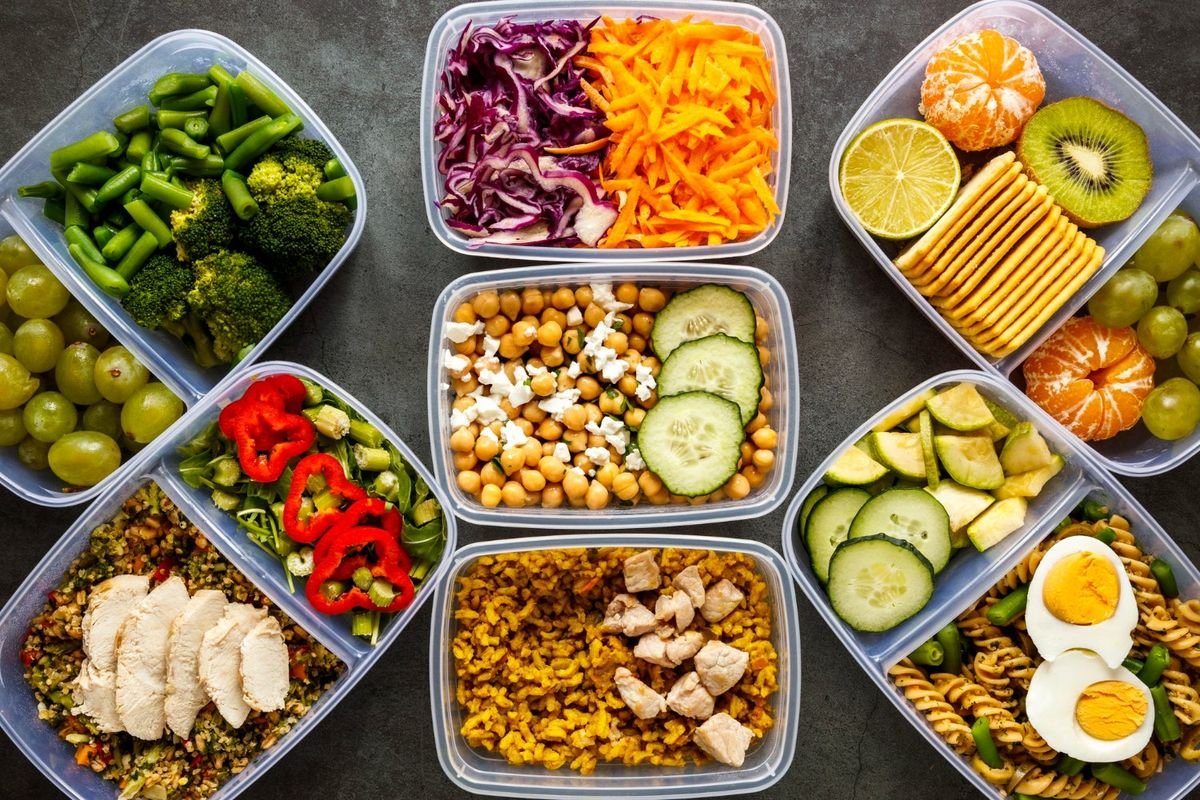
Each day targets the foods and pairings discussed above. Chai is scheduled mid-morning and mid-afternoon — never with the main meals. Portions are for an average adult; adjust to your appetite.
Day 1
- Breakfast: Fortified whole-grain cereal (40 g) with milk and a cup of strawberries; a small glass of orange juice.
- Mid-morning: Chai (1–2 hours after breakfast).
- Lunch: Masoor daal (1½ cups) with lemon squeezed over, 2 whole-wheat rotis, and a tomato-onion salad.
- Snack: A handful (28 g) of pumpkin seeds and an orange.
- Dinner: Chicken thigh curry (100–120 g meat) with tomato-based gravy, brown rice, and steamed broccoli.
Day 2
- Breakfast: Oat porridge cooked in milk with dried apricots, chia seeds, and a sliced kiwi.
- Mid-morning: Chai.
- Lunch: Kala chana chaat — 1½ cups boiled black chickpeas tossed with chopped tomatoes, raw onion, green chilli, lemon juice, and roasted cumin.
- Snack: Til (sesame) laddoo and a guava.
- Dinner: Rajma curry (1½ cups) with brown rice and a side of stir-fried spinach with garlic.
Day 3
- Breakfast: 2-egg spinach and tomato omelette with 1 whole-wheat toast; a glass of fresh orange juice.
- Mid-morning: Chai.
- Lunch: Keema (lean minced lamb or beef, 100 g) with peas in a tomato-onion masala, 2 rotis, and a lemon wedge.
- Snack: Roasted peanuts (a small handful) and mango slices.
- Dinner: Sarson ka saag (2 cups) with makki ki roti, a piece of amla pickle, and a small bowl of dahi on the side.
Day 4
- Breakfast: Fortified cereal (40 g) with yogurt and mixed berries.
- Mid-morning: Chai.
- Lunch: Moong daal (1½ cups) with a tadka of garlic and whole red chillies, 2 rotis, and a tomato-cucumber salad with lemon dressing.
- Snack: Dark chocolate (a 28 g square of 70%+) and an orange.
- Dinner: Grilled salmon (100–120 g) with lemon, quinoa (1 cup), and roasted red peppers.
Day 5
- Breakfast: Ragi porridge (or ragi dosa) with jaggery kept minimal and a side of orange slices.
- Mid-morning: Chai.
- Lunch: Chicken kaleji (liver) curry (100 g) once this week — with lemon wedges and 2 rotis. (If liver isn’t your preference, substitute chicken thigh curry.)
- Snack: Sprouted moong chaat with chopped tomato, onion, and lemon.
- Dinner: Urad daal (1½ cups) with 2 rotis and methi sabzi (1 cup cooked).
Day 6
- Breakfast: Tofu and vegetable scramble (150 g firm tofu) with turmeric, tomatoes, and peppers; 1 whole-wheat toast.
- Mid-morning: Chai.
- Lunch: Lobia (black-eyed pea) curry (1½ cups) with brown rice and a side of raw bell-pepper sticks.
- Snack: Amla murabba (2 pieces) and a small handful of cashews.
- Dinner: Beef or lamb stir-fry (100 g) with broccoli, bell peppers, and soy-ginger sauce over quinoa.
Day 7
- Breakfast: Besan (chickpea flour) cheela (2 pieces) stuffed with chopped spinach, tomato, and onion; a glass of fresh guava juice.
- Mid-morning: Chai.
- Lunch: Arhar daal (1½ cups) with lemon, 2 rotis, amaranth (chaulai) sabzi (1 cup), and a tomato salad.
- Snack: Roasted chana (a handful) and strawberries.
- Dinner: Sardine curry or tuna steak (100 g) with brown rice and a lemon-dressed green salad.
Across the week, this pattern delivers iron from heme sources on 4–5 days, legumes and leafy greens daily, vitamin C at nearly every meal, and tea/coffee kept clear of iron absorption windows. Vegetarians can swap the meat and fish meals for extra tofu, tempeh, soybean, and egg dishes with the same vitamin C pairings.
Desi and South Asian Iron-Rich Meal Ideas
South Asian home cooking is already well-positioned for iron — the fixes are mostly about pairing and timing, not new ingredients.
- Daal-roti with a vitamin C twist: any daal (masoor, moong, urad, arhar) plus lemon juice, a tomato-based tadka, or amla pickle. Whole masoor and urad daal are the strongest choices.
- Kala chana and rajma weeks: rotate black chickpeas, kidney beans, and lobia through the week; always soak overnight and cook in fresh water.
- Saag season strategy: sarson ka saag, palak saag, and methi saag with makki or bajra rotis; add lemon or serve with a vitamin C-rich side rather than relying on the greens alone.
- Keema and kaleji: minced-meat curries and liver curries are among the most iron-dense dishes in the cuisine; a weekly kaleji meal covers a large share of needs for meat-eaters.
- Bajra and ragi rotis: swapping even a few wheat rotis per week for bajra or ragi adds meaningful iron — ragi dosa and bajra khichdi work too.
- Sprouted moong chaat: breakfast or snack; sprouting reduces phytates and the lemon-tomato dressing adds vitamin C.
- Til and peanut chikki: sesame and peanut bars as snacks deliver 2–4 mg per serving.
- Imli (tamarind) and tomato gravies: sour, acidic gravies both add vitamin C and — when cooked in cast iron — leach extra iron into the food.
- Chai timing: the single highest-impact habit change. Move doodh patti to at least an hour after meals. Ginger or fennel tea is a gentler option near mealtimes.
Cooking Tips That Add (or Protect) Iron in Your Food
Cook acidic foods in cast iron
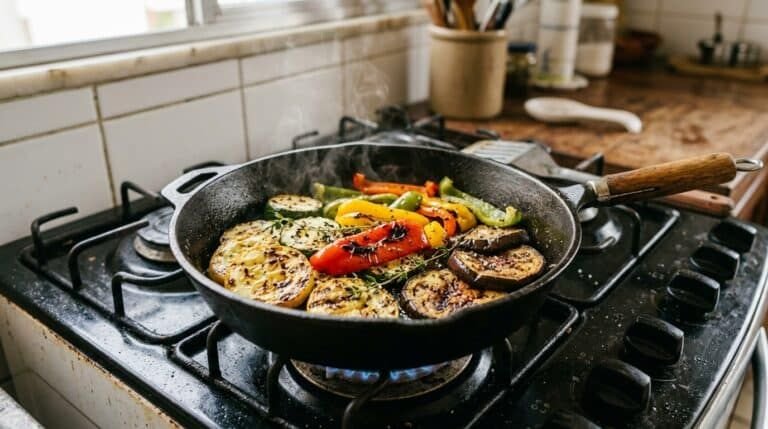
Cooking acidic foods — tomato curries, tamarind-based gravies, lemon-heavy daals — in a cast-iron kadhai or pan can leach meaningful amounts of iron into the food. Studies have found increases of roughly 1–2 mg or more per serving depending on acidity, cooking time, and the pan’s seasoning. Slow-simmered tomato or imli gravies benefit the most. This is genuine, measurable iron — particularly useful for vegetarian households.
Don’t over-boil leafy greens
Boiling spinach, saag, or methi in large amounts of water and discarding the water washes away water-soluble nutrients including vitamin C and some minerals. Steam, sauté, or pressure-cook greens with minimal water instead — and keep the cooking liquid in the dish where possible (as in saag).
Soak, sprout, and ferment
As covered under blockers: soaking legumes 8–12 hours, sprouting moong and chana, and fermenting batters (idli, dosa, dhokla) all reduce phytates and improve mineral bioavailability. These aren’t folk traditions by accident — the biochemistry backs them up.
Keep the vitamin C fresh
Vitamin C degrades with heat and time. Add lemon juice, fresh tomatoes, or raw onion after cooking rather than boiling them to mush. A fresh salad or chutney alongside a cooked meal preserves far more vitamin C than the same ingredients cooked for an hour.
Avoid cooking iron-rich greens with heavy dairy
Palak paneer is delicious, but the calcium in paneer measurably blunts iron absorption from the spinach. If it’s a favourite, add lemon generously and don’t make it your only greens dish of the week.
Myths Worth Dropping: Jaggery, Spinach, and Other Half-Truths
“Gur (jaggery) cures anemia.” Jaggery contains only about 0.3 mg of iron per typical 10–15 g piece — a trivial amount against a daily need of 15–27 mg. Some traditional claims trace back to iron picked up from the iron vessels used in old-fashioned jaggery processing, not the sugarcane itself. A spoonful of gur in your chai is fine as a sweetener; it is not an anemia treatment.
“Just eat more spinach like Popeye.” Spinach’s iron number looks excellent (6.4 mg per cooked cup), but oxalates limit how much of it your body can use. Spinach is a good part of an iron-rich diet, not a standalone fix.
“Dates and anjeer will fix low iron.” Dates provide roughly 0.3 mg per four dates; dried figs about 0.8 mg per two. Enjoyable snacks, negligible therapy.
“Pomegranate juice builds blood fast.” Pomegranate is nutritious and its vitamin C helps absorption of iron from the rest of the meal — but the juice itself contains only modest iron. Pair it with iron-rich food rather than drinking it alone as a cure.
“Beetroot increases haemoglobin.” Beetroot is rich in folate and nitrates, both valuable — and folate deficiency can itself cause anemia. But beetroot’s iron content is low (~0.8 mg per 100 g). It supports the picture; it doesn’t fix iron deficiency by itself.
“Iron tablets make you fat / are dangerous.” Iron supplements don’t cause weight gain. They can cause constipation, dark stools, and nausea in some people — manageable by discussing dose and timing with a doctor. The real danger is unsupervised high-dose iron, which can cause iron overload in people who don’t need it. That is why supplements belong on medical advice, not self-prescription.
Food First or Supplements? A Practical Framework
For prevention and mild deficiency, food-first is the right approach: heme sources where acceptable, legumes and greens daily, vitamin C at every iron-rich meal, and tea/coffee/dairy timed away from meals. Many people correct borderline ferritin this way within a few months.
Supplements enter the picture when:
- Blood tests show established anemia (low haemoglobin, not just low ferritin)
- Dietary changes alone haven’t moved the numbers after 2–3 months
- Needs are sharply elevated (pregnancy, heavy menstrual bleeding, post-surgery)
- Absorption is impaired (coeliac disease, IBD, bariatric surgery)
- A clinician has identified a cause that food alone cannot outpace, such as ongoing blood loss
Common prescription forms include ferrous sulfate, ferrous fumarate, and ferrous gluconate. Practical points your doctor or pharmacist will typically cover: take on an empty stomach with water or orange juice for best absorption if tolerated (with a small meal if it causes nausea), avoid tea, coffee, dairy, and antacids within 2 hours of the dose, and expect dark stools — that’s normal. Never share iron tablets or take someone else’s prescription: iron overdose is a leading cause of poisoning in young children, so store them securely.
The decision tree is simple: test first, then decide. A ferritin and haemoglobin check tells you whether you’re preventing, correcting, or dealing with something that needs investigation beyond diet.
Who Needs Extra Attention
Pregnant women
Iron needs jump to 27 mg/day (US NIH) during pregnancy to support expanded blood volume and the baby’s iron stores. Diet alone rarely covers this in full — most guidelines recommend a prenatal supplement containing iron alongside an iron-rich diet, with the diet maximising absorption so the supplement dose can stay modest. Tea with meals is an especially costly habit during pregnancy. Discuss supplementation with your obstetrician rather than self-dosing.
Vegetarians and vegans
Without heme iron, the strategy is volume plus pairing: legumes daily, soy products, fortified cereals, seeds, and vitamin C at every meal. Vegetarians may need roughly 1.8 times the standard iron intake to compensate for lower absorption — so a vegetarian woman aiming for the equivalent of 18 mg may need to plan for around 32 mg of dietary iron. That sounds high, but a day of fortified cereal, masoor daal with lemon, tofu stir-fry, and pumpkin seeds gets there. Regular ferritin checks (once or twice a year) are sensible.
Teenagers
Rapid growth plus, for girls, the start of menstruation makes adolescence a high-risk window — teen girls need about 15 mg/day. School-canteen patterns (skipped breakfasts, tea with meals, low meat intake) work against them. Fortified breakfast cereal with fruit, daal-roti lunches with lemon, and keeping chai away from meals are the highest-yield habits.
Athletes and endurance trainers
Endurance athletes lose iron through sweat, gastrointestinal micro-bleeding, foot-strike haemolysis (in runners), and inflammation-driven hepcidin increases that temporarily block absorption after hard training. Female endurance athletes are among the most iron-deficient groups in sports medicine. Strategy: iron-rich meals in the hours after the post-exercise hepcidin window (a few hours post-workout rather than immediately), vitamin C pairings, and periodic ferritin testing — treating sports anemia with diet plus medical guidance when ferritin stays low.
Frequently Asked Questions
1. Which food has the most iron for anemia?
Per serving, clams and chicken liver top the list (roughly 11–28 mg per 100 g), followed by soybeans (8.8 mg per cup), cooked lentils and spinach (about 6.4–6.6 mg per cup), and fortified cereals (up to 18 mg per serving). But the “best” food also depends on absorption: 6 mg of heme iron from meat delivers more usable iron than 6 mg of non-heme iron from lentils eaten without vitamin C. For most people, the practical winners are liver (weekly), red meat or poultry, lentils with lemon, fortified cereal with fruit, and pumpkin or sesame seeds as snacks.
2. How can I increase iron absorption from vegetarian food?
Four habits make the biggest difference: (1) include a vitamin C source at every iron-rich meal — lemon on daal, tomatoes in curries, amla pickle, guava or orange as a side; (2) soak legumes 8–12 hours, sprout moong/chana, and use fermented batters (idli, dosa) to reduce phytates; (3) cook acidic dishes in a cast-iron kadhai to add leached iron; and (4) keep chai, coffee, and calcium supplements at least 1–2 hours away from meals. Together, these can shift non-heme absorption from the low end of the 2–20% range toward the high end.
3. Does drinking tea with meals really cause iron deficiency?
Tea doesn’t cause deficiency on its own, but tannins in black and green tea can reduce non-heme iron absorption from a meal by 60–90%. For someone already borderline — a vegetarian woman with heavy periods, for example — daily chai with every meal can be the factor that tips borderline ferritin into deficiency. The fix is timing, not quitting: enjoy your chai 1–2 hours after eating.
4. Can food alone cure anemia, or do I need iron tablets?
It depends on severity. Borderline low ferritin with normal haemoglobin often responds to 2–3 months of consistent dietary changes. Established anemia (low haemoglobin) usually needs iron supplements to rebuild stores in a reasonable timeframe, because diet alone adds iron slowly — even a perfect diet may only add a few milligrams of absorbed iron per day against a deficit of hundreds of milligrams. Get tested first: the blood results tell you which situation you’re in, and a doctor should guide any supplement use.
5. How long does it take to raise iron levels with diet?
Ferritin typically begins to move within 4–8 weeks of consistent dietary improvement, but rebuilding depleted stores fully often takes 3–6 months of sustained effort. Haemoglobin rises more slowly than ferritin recovers. Re-test after about 3 months to check progress. If levels haven’t budged despite genuine dietary change, that is useful information — it points toward an absorption problem or ongoing loss that needs medical investigation, not just more spinach.
Conclusion
Iron-deficiency anemia is one of the most common — and most fixable — nutritional problems in the world. The strategy is straightforward: eat iron-dense foods every day, favour heme sources where they fit your diet, pair every plant-based iron food with vitamin C, keep tea, coffee, and calcium away from iron-rich meals, and use traditional preparation methods — soaking, sprouting, fermenting, cast-iron cooking — that quietly multiply what your body absorbs.
Small, consistent habits beat occasional heroic efforts. Lemon on your daal, chai an hour after lunch, pumpkin seeds as a snack, a weekly liver or keema meal — these ordinary choices, repeated daily, are what rebuild iron stores over months.
If fatigue, paleness, or breathlessness persist despite dietary changes, or if you suspect anemia, get a ferritin and full blood count test and discuss the results with your doctor — food is powerful, but it works best alongside proper diagnosis.
Ready for personalised guidance? Book an appointment with our nutrition team for a tailored iron-rich meal plan built around your diet, preferences, blood results, and health goals.
Medical disclaimer: This article is for educational purposes only and is not medical advice. Food alone may not correct established anemia. If you have symptoms of anemia or abnormal blood results, please see a doctor for proper diagnosis and treatment. Iron supplements should only be taken on medical advice — unsupervised iron supplementation can be harmful, particularly for children and people with iron overload conditions.
Keep Reading
- Anemia Nutrition: The Complete Guide to Healthy Blood — our pillar guide to understanding and managing anemia through diet.
- Iron Deficiency Symptoms in Women: 12 Signs to Know — learn to recognise the warning signs of low iron early.
- Health Disclaimer — please read before acting on any health information on this site.
References
- World Health Organization. Healthy diet — fact sheet on balanced nutrition.