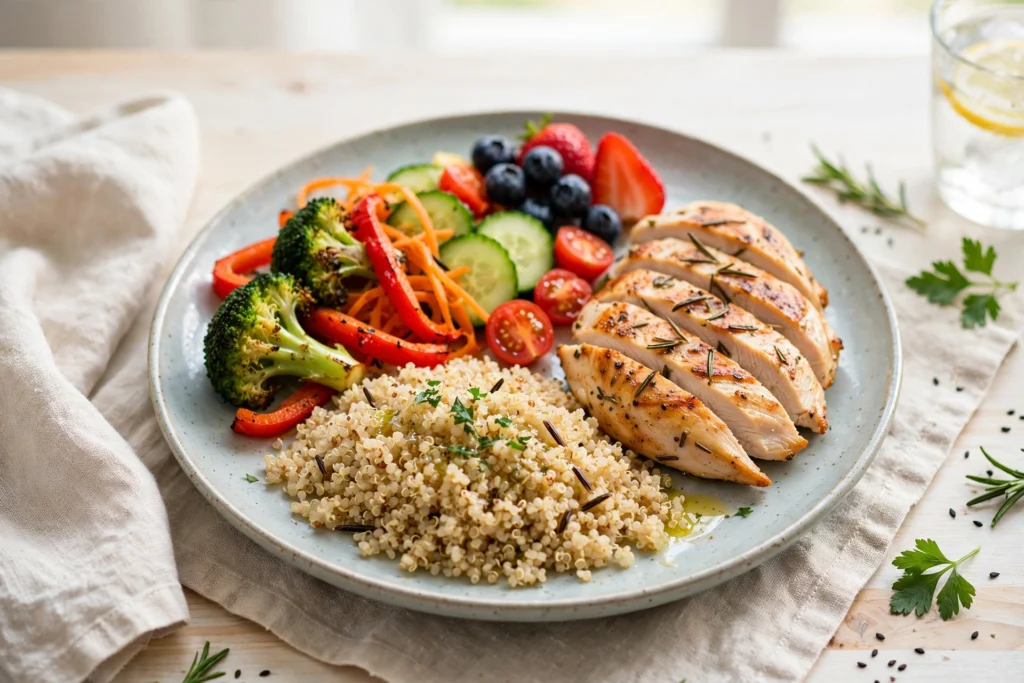
This guide to a brain-healthy diet for seniors explains what the MIND diet research actually shows, which nutrients matter most for memory and thinking skills, and how to build these foods into a South Asian kitchen.
Worrying about a parent’s forgetfulness — the misplaced keys, the repeated question, the name that used to come instantly — is one of the quietest anxieties of midlife. And it raises a practical question: does what an older person eats actually change how well their brain ages? Over the past decade, researchers have stopped treating diet and dementia as loosely connected topics and started testing them with serious, long-running studies. The answer that has emerged is cautiously encouraging: no food or supplement can prevent or cure dementia, but the overall pattern of what someone eats, year after year, does appear to influence the trajectory of cognitive ageing.
In this guide, you will learn:
- What the MIND diet actually is — and what the landmark research found, with honest effect sizes
- Why omega-3 fats (DHA and EPA) matter for the ageing brain, and how well plant ALA converts
- How B vitamins, homocysteine, and folate connect to memory and thinking skills
- The role of antioxidants, hydration, and the gut-brain axis in cognitive health
- Why diabetes and high blood pressure are major risk factors for dementia — and how diet addresses them
- How to build this into a South Asian kitchen, with akhrot, alsi, machli, haldi, saag, and dahi
Medical disclaimer: This article is for education only and is not medical advice. If you or a family member have memory concerns, diabetes, hypertension, kidney disease, or take blood-thinning or other medications, speak with a qualified health professional or registered nutritionist before making dietary changes. Some foods and supplements discussed here interact with medicines.
The MIND Diet: What the Research Actually Shows

The MIND diet (Mediterranean-DASH Intervention for Neurodegenerative Delay) was developed by researchers at Rush University in the United States by combining the best-supported elements of the Mediterranean diet and the DASH (blood-pressure-lowering) diet, specifically with brain health in mind. It emphasises green leafy vegetables, other vegetables, nuts, berries, beans, whole grains, fish, poultry, olive oil, and limited red meat, butter, cheese, pastries, and fried foods.
The observational evidence is striking. In a long-running study of older adults in Chicago, those whose diets most closely matched the MIND pattern had substantially slower rates of cognitive decline over nearly five years — the highest scorers performed as though their brains were roughly 7.5 years younger than the lowest scorers. Similar studies in other countries have found the same direction of effect: people eating most like the MIND diet show slower memory decline and a lower risk of developing Alzheimer’s dementia over time.
Being honest about the effect sizes
However — and this matters — observational studies show association, not causation. People who eat well also tend to exercise more, smoke less, and see doctors more often, so diet may be taking some credit that belongs to a generally healthier lifestyle. The field’s biggest randomised trial of the MIND diet, published in 2023, found a more modest result: after three years, the MIND-diet group did not decline significantly more slowly than a control group that received general healthy-eating advice (both groups improved their diets and both declined slowly). This does not mean the diet “failed” — it means the effect of diet alone, separated from everything else, is likely modest rather than dramatic. A reasonable reading of the evidence: a MIND-style eating pattern is one of the most sensible dietary bets for the ageing brain, but it is not a shield against dementia.
Omega-3 Fats: DHA, EPA, and the ALA Conversion Problem
The human brain is nearly 60% fat by dry weight, and one fat — DHA (docosahexaenoic acid) — is a structural building block of brain cell membranes. DHA influences membrane fluidity, which affects how efficiently neurons communicate. EPA (eicosapentaenoic acid) appears more involved in regulating inflammation, which is increasingly implicated in cognitive decline.
Large observational studies suggest that older adults who eat fish regularly — typically one to two servings per week — have slower rates of cognitive decline and a lower dementia risk than those who rarely eat fish. But randomised trials of fish-oil supplements in older adults have produced mixed results: some show small benefits in people with mild cognitive impairment, while most find little or no effect in healthy older adults or in people who already have dementia. This gap suggests that fish as a whole food — with its protein, selenium, vitamin D, and other nutrients — may matter more than isolated omega-3 capsules.
The ALA conversion rate: a caution for vegetarians
ALA (alpha-linolenic acid), found in alsi (flaxseeds), akhrot (walnuts), and chia seeds, is the plant form of omega-3. The human body can convert ALA into DHA and EPA, but it does so inefficiently — research suggests conversion rates of roughly 5–10% to EPA and under 1% to DHA. This means a vegetarian or vegan senior cannot rely on alsi and akhrot alone to match the DHA that oily fish provides. Options include algae-based DHA supplements (which supply DHA directly without fish), though older adults should discuss dosing with a clinician, especially alongside medications.
South Asian fish for brain health
For families in Pakistan, machli options rich in omega-3s include rohu and other freshwater fish, though their omega-3 content is generally lower than marine oily fish like salmon, mackerel (surmai), or sardines. Aim for machli twice a week, prepared steamed, grilled, or in a light curry rather than deep-fried — deep frying oxidises the very fats you are trying to protect.
B Vitamins, Folate, and Homocysteine: The Memory Link
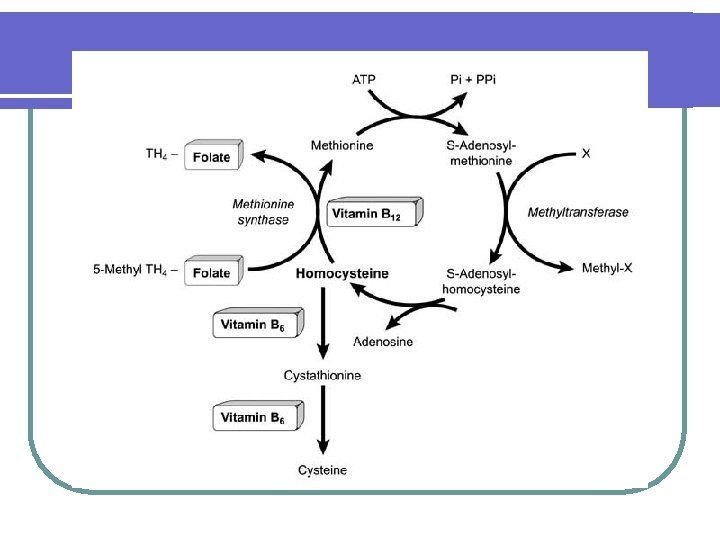
Folate (vitamin B9), vitamin B6, and vitamin B12 work together to break down homocysteine, an amino acid that circulates in the blood. Elevated homocysteine has been consistently linked in observational studies to faster brain shrinkage, poorer memory, and a higher risk of dementia. Older adults are particularly vulnerable to B-vitamin shortfalls: absorption of B12 declines with age, stomach acid changes reduce it further, and common medicines — including metformin for diabetes and acid-suppressing drugs — can lower B12 status.
Randomised trials of B-vitamin supplements have shown that lowering homocysteine can slow the rate of brain shrinkage in older adults with mild cognitive impairment, but most trials have not translated this into clear improvements in memory test scores. The practical takeaway: ensure adequate B12 and folate intake — don’t expect a supplement to reverse memory problems. Green leafy saag (spinach, sarson, bathua), daal, chana, and eggs are excellent folate sources; B12 comes almost exclusively from animal foods (dahi, doodh, eggs, meat, fish), so vegetarian seniors should be especially alert to B12 deficiency and ask their doctor about testing.
Antioxidants, Berries, and Leafy Greens: Fighting Oxidative Stress
The brain consumes roughly 20% of the body’s oxygen despite being only 2% of its weight, making it especially exposed to oxidative stress — damage from unstable molecules called free radicals that accumulate with age. Antioxidants from food help neutralise this process. Two MIND-diet standouts have the strongest evidence:
Green leafy vegetables. In the Rush University cohort, people who ate roughly one serving of leafy greens daily had markedly slower cognitive decline — equivalent to being about 11 years younger in brain age. The likely contributors are vitamin K, lutein, folate, and beta-carotene working together.
Berries. Blueberries and strawberries have the best-studied link to brain health. In long-running nurses’ studies, women who ate more berries experienced slower cognitive ageing — by roughly 2.5 years. The anthocyanins that give berries their deep colour appear to support blood flow in the brain and reduce inflammation.
South Asian antioxidant swaps
Fresh blueberries are expensive and seasonal in Pakistan, but the principle holds for deeply coloured seasonal fruit: jamun, falsa, anar (pomegranate), strawberries when in season, and dark grapes all supply anthocyanins. Haldi (turmeric) deserves a mention: its active compound curcumin has anti-inflammatory properties, and some trials suggest modest cognitive benefits, though absorption from food is low and the clinical evidence remains early. Using haldi in daily cooking with a little oil and black pepper (which aids absorption) is a sensible traditional habit, not a therapy.
Hydration and Cognition: The Overlooked Factor
Dehydration is one of the most common and most correctable causes of confusion and poor concentration in older adults. The thirst signal weakens with age, kidney function changes, and some seniors deliberately drink less to avoid frequent bathroom trips. Even mild dehydration — a loss of 1–2% of body weight in fluids — has been shown in studies to impair attention, working memory, and reaction time. In hospitals, dehydration is a frequent contributor to delirium, which families sometimes mistake for sudden dementia.
Practical hydration targets: around 1.5–2 litres of fluid daily for most seniors, adjusted for climate, activity, and medical conditions (heart failure and kidney disease may require fluid restriction — follow the doctor’s guidance). Water and doodh count fully; dahi-based drinks like lassi count too. Caffeine is fine in moderation, but see the chai note below.
Chai moderation: a balanced view
Chai is deeply woven into South Asian senior life, and the picture is genuinely mixed. Tea provides L-theanine and polyphenols, and several observational studies associate moderate tea drinking (2–4 cups daily) with slightly slower cognitive decline. The downsides for seniors: heavy chai with lots of sugar adds empty calories relevant to diabetes risk; very strong tea can interfere with iron absorption when drunk with meals; and evening chai disrupts sleep, which itself harms memory consolidation. A sensible rule: enjoy 2–3 cups of lightly sweetened or unsweetened chai, keep it before late afternoon, and avoid drinking it alongside iron-rich meals if anaemia is a concern.
The Gut-Brain Axis: Why Fibre Feeds the Brain
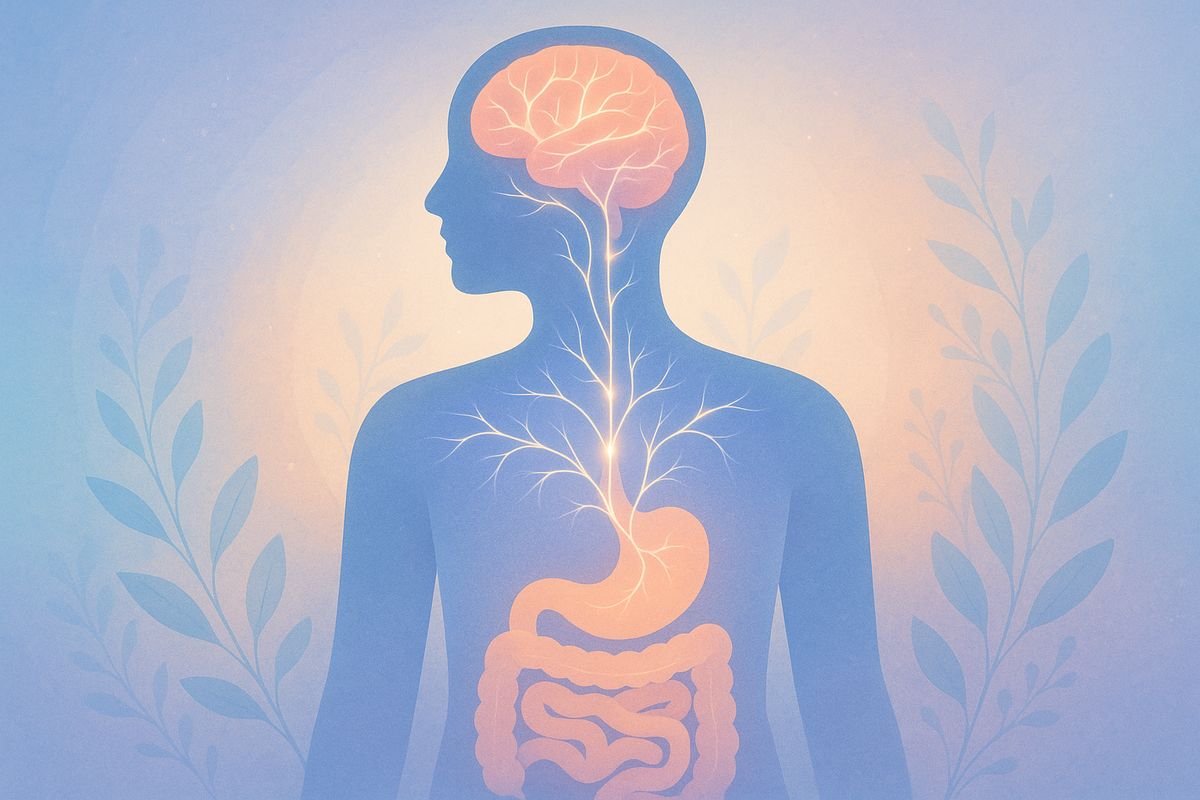
The “gut-brain axis” describes the two-way communication between the digestive system and the brain via the vagus nerve, hormones, and the immune system. Gut microbes ferment dietary fibre into short-chain fatty acids, which research suggests help regulate inflammation and even influence the blood-brain barrier. Diets low in fibre and high in ultra-processed food are associated with less diverse gut microbes and higher markers of inflammation — and chronic inflammation is increasingly linked to cognitive decline.
For seniors, the fibre message doubles as a constipation remedy, since sluggish bowels are one of the commonest complaints after age 60. Target 25–30g of fibre daily: whole-wheat roti, brown rice, daal, chana, lobia, sabzi, seasonal fruit with skin, and a spoonful of alsi ground fresh. Dahi and other fermented foods (like kanji or traditional pickles in small amounts) support a healthy gut microbial community — though pickles should be limited for those with hypertension because of their salt.
Diabetes and Hypertension: The Two Biggest Modifiable Dementia Risks
Few people realise that midlife and late-life diabetes and high blood pressure are among the strongest modifiable risk factors for dementia. Diabetes roughly doubles the risk of dementia: persistently high blood sugar damages small blood vessels in the brain and impairs how brain cells use glucose. Hypertension damages the brain’s delicate vessels over decades, contributing to both vascular dementia and Alzheimer’s pathology. Research suggests that controlling blood pressure in midlife is one of the most effective dementia-prevention strategies we have.
The brain-healthy diet is, in practice, a blood-sugar- and blood-pressure-friendly diet:
- For blood sugar: favour whole grains and daal over refined flour and white rice; pair carbohydrates with protein, fibre, and healthy fats to slow glucose spikes; limit sugary drinks, mithai, and bakery items.
- For blood pressure: follow the DASH principles — plenty of fruit, vegetables, and dahi; go easy on salt (aim under 5g daily), processed meats, and salty snacks; keep alcohol minimal or absent.
- Weight and movement: even modest weight loss and a daily 30-minute walk improve insulin sensitivity and blood pressure, multiplying the diet’s benefits.
Building the Plate: A South Asian Brain-Healthy Day
Theory helps; plates help more. Here is what a brain-healthy day can look like in a Pakistani kitchen:
Breakfast: A bowl of dahi with ground alsi and seasonal fruit (anar or banana), plus one boiled egg or a small portion of besan cheela.
Midday meal: Two whole-wheat rotis, a generous serving of sarson or palak saag cooked in a small amount of mustard or olive oil, a bowl of daal, and a side salad of cucumber, tomato, and onion with lemon.
Evening: A handful of akhrot (about 30g) with unsweetened chai — or a piece of seasonal fruit.
Dinner: Grilled or lightly curried machli (rohu or surmai) with brown rice or one roti and mixed sabzi.
Through the day: 6–8 glasses of water; haldi and black pepper in cooking; minimal added sugar; fruit rather than mithai for dessert.
Foods to limit, honestly
No food needs banning, but the evidence points to limiting: deep-fried foods (samosas, pakoras as daily habits rather than occasional treats), processed and red meats, full-fat butter and ghee in large quantities, sugary drinks, and heavily salted packaged snacks. The MIND diet research found benefits even with moderate — not perfect — adherence, so aim for consistent improvement, not dietary perfection.
Supplements: What the Evidence Does and Doesn’t Support

Families often ask whether a “brain pill” would be simpler. The honest summary of the evidence:
- Fish oil / omega-3 capsules: mixed trial results; not recommended as a blanket dementia-prevention strategy, though a doctor may advise them for heart reasons.
- Ginkgo biloba: large trials found no meaningful prevention of dementia or cognitive decline.
- Vitamin E supplements: no consistent cognitive benefit, and high doses carry risks.
- B-complex for low B12: appropriate when a blood test shows deficiency — a genuine deficiency can cause reversible memory problems, which is why testing matters.
- Vitamin D: deficiency is extremely common in South Asian seniors (limited sun exposure, covered clothing); low vitamin D is associated with poorer cognition, and correcting a deficiency is worthwhile for bones and general health, even if the cognitive evidence is observational.
The recurring lesson: nutrients from food patterns outperform isolated pills, with the exception of correcting a documented deficiency. If an older adult’s memory is declining, the single most valuable “supplement” step is a medical review — thyroid function, B12 levels, medication side effects, sleep apnoea, and depression can all mimic dementia and are often treatable.
Making It Stick: Practical Tips for Families
Dietary change fails most often on logistics, not knowledge. For a senior household:
- Change the default, not the willpower. Keep akhrot and fruit visible; keep mithai and chips out of the house.
- Cook once, eat twice. Daal, sabzi, and grilled machli reheat well — batch cooking reduces the temptation of processed shortcuts.
- Involve the senior. A parent who chooses between two healthy options owns the change; a parent handed a diet plan resists it.
- Eat together. Social meals are themselves associated with better cognitive outcomes, and shared meals make new habits pleasant rather than punitive.
- Track small wins. Note weekly fish servings or daily leafy greens on the fridge — visible progress sustains motivation.
- Review medicines with the doctor. Some drugs dull appetite or cognition; a medication review is part of brain health too.
Frequently Asked Questions
Can diet really prevent Alzheimer’s disease?
No diet has been proven to prevent Alzheimer’s, and anyone promising that is overselling the evidence. What research suggests is more modest but still meaningful: a MIND-style eating pattern is associated with slower cognitive decline and a lower risk of dementia over many years. Think of diet as one dial among several — alongside blood pressure control, physical activity, sleep, social engagement, and not smoking — that together shape brain ageing.
Is coconut oil good for the brain?
Despite popular claims, there is no reliable evidence that coconut oil improves memory or treats Alzheimer’s. It is high in saturated fat, which the MIND diet limits. Small amounts in cooking are fine, but it should not be treated as a brain-health intervention.
How much fish should a senior eat each week?
Research points to about two servings of fish per week, ideally including oily fish. For vegetarian seniors, include daily alsi and akhrot, and discuss an algae-based DHA supplement with a doctor — remembering that plant ALA converts to DHA very poorly.
My father has diabetes. Does that change the advice?
It sharpens it. Diabetes roughly doubles dementia risk, so blood-sugar control is itself brain protection. The brain-healthy pattern already suits diabetes — whole grains, daal, vegetables, lean protein, minimal sugar — but carbohydrate portions and medicines need individualising with a doctor or nutritionist.
Are memory supplements advertised on TV worth buying?
Most have little or no evidence behind them. Ginkgo, “brain booster” blends, and high-dose vitamin E have failed to show meaningful benefits in large trials. Spend that money on fish, nuts, fruit, and vegetables instead — and get B12 and thyroid levels checked if memory is a concern.
Conclusion: Small Plates, Long Memories

No single food will keep a brain young, and no article should promise otherwise. But the accumulated evidence — from the MIND diet cohorts, the fish and berry studies, the homocysteine trials, and the blood-pressure research — points in one consistent direction: a pattern of eating built on leafy greens, colourful fruit, nuts, beans, whole grains, fish, and fermented dairy, with sugar, salt, and deep-fried foods kept modest, supports not only the heart and metabolism but the ageing mind as well. The encouraging part is that this pattern fits naturally into a South Asian kitchen — saag, daal, dahi, machli, akhrot, alsi, and haldi were brain-friendly long before the research gave them the name.
If you are caring for an ageing parent — or planning your own later decades — you don’t need a perfect diet starting tomorrow. Start with two servings of fish a week, a daily handful of leafy greens, akhrot instead of biscuits, and water instead of a third sugary chai. Small, sustained changes are what the longest-lived, sharpest-minded study participants had in common.
Ready for a plan built around your family’s health, medicines, and kitchen? Book a one-to-one nutrition appointment and get personalised, evidence-based guidance from a UK-registered nutritionist — for yourself or for the parent you want to protect.
A Simple Way to Start This Week
Big dietary overhauls rarely last. If this guide feels like a lot, start with three changes that give the most brain-health value for the least effort.
First, add one serving of leafy greens to your daily meals: a handful of palak in daal, a side of sarson ka saag, or a simple salad. Second, eat fish twice this week if you eat machli, or add a tablespoon of ground alsi to dahi or roti dough if you are vegetarian. Third, replace one sugary drink or mithai serving with fruit or unsweetened chai. These three steps cover the MIND diet’s highest-impact foods, and they fit naturally into a South Asian kitchen.
Keep Reading
For a broader look at eating well in later life, read Nutrition for Healthy Aging After 50 next.