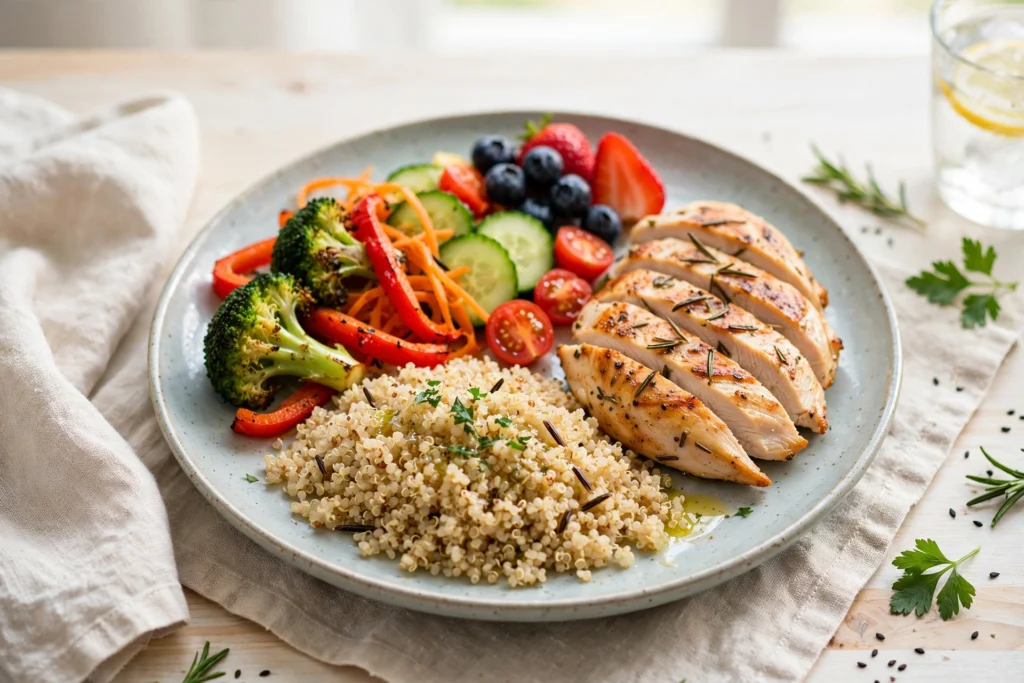
Your kidneys filter roughly 180 litres of blood every single day — removing waste, balancing fluids, regulating blood pressure, and keeping your electrolytes in check. They do this quietly, without complaint, until something goes wrong. By the time symptoms of kidney trouble appear, significant damage may already have occurred. That is why what you eat every day matters so much: the right foods genuinely support kidney function, while the wrong patterns — excess sodium, added sugars, heavily processed foods, and too much phosphorus from additives — steadily raise the risk of chronic kidney disease (CKD).
The good news is that kidney-friendly eating is not a bland, restrictive diet. It is built on colourful fruits and vegetables, healthy fats, adequate (not excessive) protein, and smart sodium habits. Below, we break down exactly how your kidneys work, which foods support them and why, how this advice differs if you already have CKD, and how to make it all work in a South Asian kitchen — with a full sample day plan and grocery list. This guide to the best foods for kidney health explains which foods genuinely support your kidneys and why, in plain language with the nutrient evidence behind each choice.
In this guide, you will learn:
– How your kidneys function and why diet affects them so directly
– The 12 best foods for kidney health, with the nutrient evidence behind each one
– Why high-potassium foods are great for healthy kidneys but risky in advanced CKD
– Honest hydration guidance — without the “8 glasses” myth
– The truth about protein and kidney damage (myth vs. evidence)
– How to read labels for hidden sodium and phosphorus
– Low-salt desi cooking tips: daal, roti, sabzi, and chai done kidney-smart
– A full sample day plan and a practical grocery list
– Red-flag symptoms that mean you should see a doctor promptly
Medical disclaimer: This article is general nutrition education, not medical advice. If you have chronic kidney disease, kidney stones, are on dialysis, or take kidney-related medication, follow the specific potassium, phosphorus, sodium, protein, and fluid limits set by your nephrologist or renal dietitian — some foods recommended here may be restricted in your case. Nothing here replaces professional medical guidance.

How Your Kidneys Work — and Why Food Matters

Each kidney contains about a million tiny filtering units called nephrons. Blood enters the glomerulus (a knot of capillaries), water, waste products like urea and creatinine, and excess electrolytes pass into the tubules, and the useful stuff — most of the water, glucose, amino acids, and the right amount of sodium, potassium, and calcium — is reabsorbed back into the blood. The rest becomes urine.
Your kidneys also do jobs that go well beyond “making urine”:
– Electrolyte balance — keeping potassium, sodium, calcium, and phosphate in narrow, safe ranges. Too much potassium (hyperkalaemia) can cause dangerous heart rhythm changes; too little sodium disrupts fluid balance.
– Blood pressure regulation — through the renin-angiotensin-aldosterone system and by controlling blood volume. High sodium intake raises blood pressure, and high blood pressure is the second-leading cause of CKD after diabetes.
– Acid-base balance — excreting excess acid from metabolism.
– Hormone production — erythropoietin (stimulates red blood cell production), active vitamin D (calcitriol, for bone health), and renin.
Diet intersects with nearly all of these. Sodium directly affects blood pressure and fluid retention. Potassium supports healthy blood pressure and kidney function — in healthy people. Protein is metabolised into urea, which the kidneys must excrete. Fruits and vegetables provide alkali that eases the kidneys’ acid load. And processed foods deliver sodium, phosphate additives, and advanced glycation end-products that strain the system over time.
A Critical Distinction: Healthy-Kidney Eating vs. CKD Diets
This is the most important section of this article, so please read it carefully.
For people with healthy kidneys, the goal is a diet that protects kidney function over the long term: plenty of fruits and vegetables (including potassium-rich ones), moderate sodium, healthy fats, adequate hydration, and controlled added sugars. High-potassium foods like bananas, oranges, potatoes, and spinach are genuinely beneficial in this context — potassium helps the kidneys excrete more sodium, supports healthy blood pressure, and is associated with lower CKD risk in population studies.
For people with advanced CKD (typically stages 3b–5), kidney failure, or those on dialysis, the situation reverses. Damaged kidneys cannot clear potassium efficiently, and high blood potassium can trigger cardiac arrest. These patients are usually told to limit potassium, phosphorus, sodium, and sometimes fluid. A “kidney-friendly” food list for healthy people can be dangerous for someone in late-stage CKD.
In short:
| Situation | Potassium approach | Protein approach |
|---|---|---|
| Healthy kidneys / early prevention | Eat potassium-rich foods freely (good for blood pressure) | Adequate intake per guidelines; no need to restrict |
| Advanced CKD (stages 3b–5), dialysis | Follow your dietitian’s potassium limit | Often restricted; follow professional plan |
If you have CKD and are unsure which stage you are at, ask your doctor — do not guess. The food list below is written for kidney health maintenance and prevention in people without diagnosed kidney disease.
The 12 Best Foods for Kidney Health

1. Blueberries and Other Berries
Berries — blueberries, strawberries, raspberries, cranberries — are among the best fruits you can eat for your kidneys. They are low in sodium and potassium relative to many fruits, rich in anthocyanins (the pigments that give them their deep colour), and strong in vitamin C and manganese.
Anthocyanins are potent antioxidants that reduce oxidative stress — one of the key drivers of kidney tissue damage in diabetes and hypertension. Cranberries additionally contain proanthocyanidins that may reduce urinary tract infections, and recurrent UTIs can, in some cases, contribute to kidney complications. A practical note for desi households: frozen berries are just as nutritious as fresh and far more affordable in Pakistan and the UK alike.
2. Red Bell Peppers
Red bell peppers (shimla mirch) are a standout kidney-friendly vegetable. They are low in potassium, rich in vitamin C, vitamin A, vitamin B6, folic acid, and fibre, and contain lycopene, an antioxidant linked to protection against certain cancers and oxidative kidney damage.
Their low-potassium profile makes them one of the rare vegetables that appear on both healthy-kidney and renal-diet lists. Use them liberally in salads, stir-fries, and omelettes.
3. Cauliflower
Cauliflower provides vitamin C, folate, and fibre with a modest potassium load. It is also a good source of indoles, glucosinolates, and thiocyanates — compounds that support the liver’s detoxification pathways and help neutralise potentially harmful compounds before they reach the kidneys. Mashed cauliflower makes an excellent lower-carb, kidney-friendly alternative to mashed potatoes.
4. Cabbage
Cabbage (band gobhi) is cheap, available everywhere, and genuinely excellent for kidneys: low in potassium, high in vitamins K and C, fibre, and vitamin B6, plus phytochemicals that help the body break down free radicals. It also contains compounds that support vascular health — and what protects your blood vessels protects your kidneys’ delicate filtering capillaries.
5. Garlic
Garlic earns its place through multiple mechanisms. Its active compound, allicin, has anti-inflammatory and mild blood-pressure-lowering effects — both directly relevant to kidney protection, since hypertension damages nephrons over time. Garlic also reduces the need for added salt: a generous tadka of garlic in hot oil adds enormous flavour, letting you cut salt without the food tasting bland. Studies on garlic supplementation show modest reductions in systolic and diastolic blood pressure.
6. Olive Oil
Olive oil is a cornerstone of the Mediterranean dietary pattern, which is consistently associated with slower CKD progression in observational research. It is rich in oleic acid (a monounsaturated fat) and polyphenols with anti-inflammatory effects. People with kidney concerns should note that olive oil is also phosphorus-free, unlike many animal fats — an advantage in any kidney-conscious diet. Use extra-virgin olive oil for salad dressings and light cooking.
7. Fatty Fish (Salmon, Mackerel, Sardines)
Fatty fish provide EPA and DHA omega-3 fatty acids, which reduce inflammation and may help lower blood pressure and blood triglycerides — two major kidney risk factors. Salmon is the best-studied option, but sardines and mackerel (widely available and affordable in both the UK and Pakistan) are excellent too. Aim for two servings per week. If you eat fish curry, cook it with minimal oil and salt, and avoid deep-frying.
8. Egg Whites
Egg whites provide high-quality, complete protein with less phosphorus than whole eggs or meat — which is why they appear on renal diet lists worldwide. For healthy individuals, whole eggs are perfectly fine; the white is highlighted here because it delivers protein with minimal phosphorus and potassium, making it useful across the spectrum. Two egg whites provide about 7 grams of protein.
9. Apples
Apples are high in fibre (including pectin, a soluble fibre that may help lower blood sugar and cholesterol) and anti-inflammatory compounds like quercetin. They are low in sodium and potassium, making them safe for almost everyone. Pectin also feeds beneficial gut bacteria, and emerging research links gut health to kidney health via the “gut-kidney axis.” An apple a day is genuinely decent preventive advice.
10. Onions
Onions are low in potassium and rich in flavonoids (especially quercetin) and sulphur compounds with antioxidant effects. Like garlic, they add deep flavour to cooking without sodium — caramelised onions can carry an entire sabzi with barely any salt. They also contain prebiotic fibres that support gut health.
11. Leafy Greens (in the Right Context)
Spinach, kale, and collard greens are nutritional powerhouses — rich in vitamins A and C, iron, folate, and nitrates that support healthy blood pressure. For healthy kidneys, eat them freely. But note the critical caveat from the section above: they are high in potassium and oxalates, so people with advanced CKD or a history of calcium-oxalate kidney stones should follow their doctor’s guidance on portions. Context is everything.
12. Whole Grains in Moderation: Bulgur and Buckwheat
Bulgur wheat is lower in potassium and phosphorus than many other whole grains, making it a kidney-smart carbohydrate base. Buckwheat is naturally low in sodium and provides quality plant protein. Both are better choices than refined white flour products when eaten in sensible portions — though, as discussed below, whole roti made at home without added salt remains perfectly fine for healthy kidneys.
Hydration: How Much Water Do Your Kidneys Actually Need?
You have probably heard “drink 8 glasses of water a day.” That figure is not based on strong science, and it is not a universal requirement. Your water needs depend on body size, activity level, climate, diet (fruits, vegetables, daal, and soups all contain water), and medical conditions.
What the evidence actually supports:
– Chronic low fluid intake is associated with higher CKD risk — consistently pale-yellow urine is a reasonable practical target for most healthy adults.
– Forcing excessive water does not “flush” or “cleanse” the kidneys beyond what they already do, and overhydration can be dangerous for people with advanced CKD or heart failure, who are often on fluid restriction.
– What you drink matters too. Water is the best choice. Sugary drinks are linked to higher CKD risk; excessive cola consumption has been specifically associated with kidney damage in studies, partly due to phosphoric acid. Unsweetened chai in moderation is fine; just watch the added sugar.
Practical guidance: drink to thirst, keep urine light yellow, drink more in hot weather or during exercise, and if you have CKD, heart failure, or take diuretics, follow your doctor’s fluid guidance — not a generic rule.
Protein and Kidneys: Separating Myth from Evidence
This topic is clouded by confusion, so let us be precise.
The myth: “High-protein diets damage healthy kidneys.”
The evidence: In people with healthy kidneys, studies — including randomised trials of high-protein weight-loss diets lasting up to two years — have not shown kidney damage from protein intakes well above the RDA (up to roughly 2 g/kg/day in healthy adults). Healthy kidneys are built to handle the urea load from protein metabolism; glomerular filtration temporarily rises after a high-protein meal, which is a normal adaptive response, not damage.
The important nuance: In people who already have CKD, excess protein increases the kidneys’ workload and accelerates decline — which is why renal diets restrict protein. Protein restriction is a treatment for damaged kidneys, not a requirement for healthy ones. Similarly, people with a single kidney or early-stage CKD should discuss protein targets with their doctor rather than following bodybuilding-level intakes.
The practical takeaway for healthy readers: Eat adequate protein — roughly 0.8–1.2 g per kg of body weight daily for most adults, higher if you are active or older (to protect muscle). Do not fear protein, and do not megadose it without reason. Spread it across meals, favour fish, legumes, eggs, and poultry over processed meats.
Sodium: The Single Biggest Dietary Threat to Kidneys

If one dietary change protects kidneys most, it is cutting sodium. High sodium intake raises blood pressure, causes fluid retention, increases protein in the urine (proteinuria — a marker of kidney damage), and accelerates CKD progression. The WHO recommends under 2,000 mg of sodium per day (about 5 g of salt); most people in the UK, US, and Pakistan consume far more.
The catch: most sodium does not come from your salt shaker. It hides in processed foods — bread, breakfast cereals, cheese, sauces, stock cubes, crisps, processed meats, restaurant food, and takeaways. In desi cooking, the big contributors are added salt in every salan, pickles (achaar), papad, salted snacks, and stock cubes.
How to Read Labels for Kidney Health
- Sodium: Aim for foods with less than 140 mg sodium per serving (“low sodium”); anything above 400 mg per serving is high. Check the per 100 g column for fair comparisons.
- Ingredient order: Ingredients are listed by weight. If salt (or sodium, monosodium glutamate, baking soda, or phosphate additives) appears in the first three ingredients, think twice.
- Phosphorus additives: Look for words containing “phos” — dicalcium phosphate, sodium phosphate, phosphoric acid. Added phosphates are absorbed far more readily than natural phosphorus and strain the kidneys.
- Serving-size tricks: A label may look reasonable “per serving” while the pack contains three servings. Always do the maths.
Kidney-Smart Desi Cooking: Daal, Roti, Sabzi, Dahi, Chai
South Asian food can be wonderfully kidney-friendly — lentils, vegetables, and yoghurt are all excellent — but traditional cooking habits often add far more salt and oil than needed. Small adjustments make a big difference:
Daal (Lentils)
Daal is a superb kidney-friendly protein source: high in fibre, folate, and plant protein, with no cholesterol. Cook it with half your usual salt, and build flavour with garlic, ginger, cumin, turmeric, tomatoes, and lemon juice instead. A squeeze of lemon at the end brightens the whole dish and compensates for less salt. Portion guidance: one katori (about 150–200 ml cooked) per meal is a sensible serving.
Roti
Homemade whole-wheat roti without added salt is perfectly fine for healthy kidneys — whole grains provide fibre and B vitamins. Keep portions moderate (2 medium rotis per meal for most adults) and skip the ghee brushing if you are watching calories; a light brush is fine otherwise. Avoid bakery naan and paratha made with excess salt, baking soda, or hydrogenated fats.
Sabzi (Vegetables)
Load your plate with sabzi — cabbage, cauliflower, bell peppers, bhindi, tinda, and onions are all excellent. Cook with minimal oil, add salt at the end of cooking (you will need less, because it sits on the surface), and use the garlic-ginger-tomato base generously. Go easy on potato-heavy dishes if you are watching potassium for medical reasons.
Dahi (Yoghurt)
Plain dahi is a good source of protein, calcium, and probiotics. Choose unsalted raita over salted lassi, or flavour lassi with a little roasted cumin instead of salt. If you have advanced CKD, note that dairy is a significant phosphorus source — discuss portions with your dietitian.
Chai
Doodh patti in moderation is fine, but two common problems appear: excess sugar (linked to diabetes, the top cause of CKD) and excessive milk adding up across 4–5 cups a day. Keep it to 1–2 cups, cut the sugar gradually, and consider elaichi or adrak for flavour instead of extra sweetness.
The Pickle Problem
Achaar is delicious but extremely high in salt — a single tablespoon can contain a quarter of your daily sodium limit. Enjoy it as an occasional tiny condiment, not a daily side. The same applies to papad and salted namkeen.
A Sample Kidney-Friendly Day Plan (Desi Style)
Breakfast: Vegetable omelette (2 eggs + spinach, tomatoes, onions) with 1 whole-wheat roti; 1 apple; unsweetened chai (1 cup).
Mid-morning: A small bowl of plain dahi with a pinch of roasted cumin, or a handful of unsalted mixed nuts (about 30 g).
Lunch: 1.5 katori moong masoor daal (cooked with garlic, ginger, tomatoes, half salt, lemon finish); 2 rotis; a large cabbage-carrot salad with olive oil and lemon dressing; 1 glass of water.
Evening: 1 cup green tea or unsweetened chai; a small bowl of mixed berries or 1 orange.
Dinner: Grilled or baked fish (salmon, mackerel, or rohu — about 120 g) or a second daal/chana portion; stir-fried bell peppers, cauliflower, and onions in 1 tsp olive oil with garlic; 1–2 rotis or a small portion of bulgur; cucumber raita (unsalted, with mint).
Before bed: Warm water or caffeine-free herbal tea. Avoid late-night salty snacks.
This plan is illustrative for healthy adults — adjust portions to your energy needs, and if you have CKD, have your dietitian adapt it to your potassium, phosphorus, and fluid limits.
Your Kidney-Friendly Grocery List

Vegetables: red bell peppers, cauliflower, cabbage, onions, garlic, ginger, spinach, bhindi, carrots, cucumbers, tomatoes, lemons.
Fruits: apples, blueberries (frozen is fine), strawberries, cranberries, oranges, pears.
Proteins: eggs, salmon/mackerel/sardines/rohu, skinless chicken, moong daal, masoor daal, chana, lobia, plain dahi, unsalted nuts (in small portions).
Grains: whole-wheat atta, bulgur wheat, oats, brown rice (in moderation).
Fats & flavour: extra-virgin olive oil, turmeric, cumin, coriander, black pepper, elaichi, fresh herbs (dhania, podina).
Avoid or minimise: stock cubes, processed meats, crisps and salted namkeen, pickles in large amounts, sugary drinks, cola, instant noodles, bakery items high in salt and trans fats.
Red Flags: When to See a Doctor
Kidney disease is often silent until advanced, so do not wait for dramatic symptoms. See a doctor promptly if you notice:
– Swelling of the feet, ankles, face, or around the eyes (fluid retention)
– Foamy or bubbly urine that persists, or blood in the urine
– Unusual fatigue, weakness, or difficulty concentrating
– Changes in urination — frequency, urgency, or volume
– Persistent high blood pressure that is hard to control
– Loss of appetite, nausea, or a metallic taste in the mouth
If you have diabetes or hypertension — the two leading causes of CKD — ask your doctor about regular kidney function tests (eGFR and urine albumin). Early detection changes outcomes dramatically.
Frequently Asked Questions
Are bananas bad for kidneys?
For healthy kidneys, no — bananas are nutritious, potassium-rich fruits that support healthy blood pressure, and potassium is beneficial when your kidneys function normally. However, people with advanced CKD who have been told to restrict potassium should limit bananas and follow their dietitian’s guidance, because damaged kidneys cannot clear excess potassium safely.
Can drinking more water “cleanse” my kidneys?
Your kidneys already clean your blood continuously — no drink, detox tea, or juice cleanse improves on that. Adequate hydration supports normal kidney function, and chronic dehydration is a risk factor, but forcing excessive water intake offers no extra benefit and can be harmful for people with CKD or heart failure. Drink to thirst and aim for pale-yellow urine.
Is a high-protein diet dangerous for healthy kidneys?
Current evidence says no: studies of high-protein diets in people with healthy kidneys have not shown kidney damage. The kidneys adapt to handle protein’s waste products. Protein restriction is important for people who already have CKD, because it reduces the workload on damaged kidneys — but that is a treatment, not a prevention rule for healthy people.
Which foods should kidney patients avoid?
People with diagnosed CKD commonly need to limit sodium, potassium, phosphorus, and sometimes protein and fluids — but the exact limits depend on the CKD stage and lab results, so there is no universal “avoid” list. Your nephrologist or renal dietitian will personalise it. In general, CKD patients are often advised to limit processed foods, salt, cola, star fruit (which contains a neurotoxin dangerous in kidney failure), and high-potassium foods if their potassium runs high.
Does salt really damage kidneys, or is that exaggerated?
The link is well established: high sodium intake raises blood pressure — the second-leading cause of chronic kidney disease — and independently increases urinary protein excretion, a marker of kidney damage. Reducing sodium to under 2,000 mg per day supports both blood pressure control and long-term kidney protection. It is one of the highest-impact dietary changes you can make.
Conclusion

Protecting your kidneys is not about a short detox or a superfood — it is about a consistent, everyday pattern: colourful vegetables and fruits like berries, bell peppers, cauliflower, and cabbage; healthy fats from olive oil and fatty fish; adequate protein from eggs, daal, and fish; garlic and onions for flavour instead of excess salt; sensible portions of roti and dahi; and water as your main drink. If you have CKD, work with your medical team to adapt these principles to your potassium, phosphorus, and fluid limits. And if you notice swelling, foamy urine, or persistent fatigue, do not wait — get your kidney function checked.
Small, steady changes in your kitchen compound over years into genuinely healthier kidneys. Start with one: halve the salt in tonight’s daal and add extra garlic and lemon instead — your kidneys will thank you for decades.
Want a kidney-friendly eating plan tailored to your health, lab results, and food preferences? Book a one-to-one nutrition appointment with our UK-registered nutritionist and get personalised guidance built around your life — not a generic diet sheet.
Keep Reading
- Liver and Kidney Health: The Complete Guide to Healthy Organs
- Best Foods for Liver Health Detox: What Science Actually Says
- Foods to Avoid for Fatty Liver: What the Science Actually Says
- Health Disclaimer