

Liver and Kidney Health: The Complete Guide to Healthy Organs
Your liver and kidneys work around the clock, quietly filtering your blood, balancing fluids, and processing everything you eat. When they are healthy, you rarely notice them. When they struggle, almost nothing feels right. Liver and kidney health is not about expensive cleanses or extreme diets — it is about everyday eating habits that protect these two hard-working organs. This guide is the hub for our liver and kidney health collection: it explains what these organs do, which foods help them, which foods harm them, and how to eat day to day in a practical, desi-friendly way.
What Are Liver and Kidney Health, in Simple Terms?
Think of your liver as the body’s main processing plant. It handles nutrients from your food, breaks down medicines and alcohol, stores energy, and clears out waste products. It even helps with blood clotting and immune defenses.
Your kidneys are the filtration system — two fist-sized organs that filter your blood around the clock, balance salt and water, control blood pressure, and remove waste through urine.
Both organs share something important: they respond quickly to what you eat. Too much alcohol, sugar, salt, and fried food strains them. Fiber-rich vegetables, fruits, whole grains, and enough water ease their workload. That is the entire foundation of liver and kidney health — steady, protective eating rather than occasional crash detoxes.
The Key Nutrients in Liver and Kidney Health
Several nutrients matter most for liver and kidney health. Fiber slows sugar absorption, easing the liver’s workload and preventing the fat buildup behind fatty liver. Antioxidants from colorful vegetables and fruits protect liver cells from damage. B vitamins support the liver’s energy-processing work.
For the kidneys, less sodium matters more than almost anything — high salt intake raises blood pressure, which directly damages kidneys over time. Potassium helps balance sodium’s effects. Staying well hydrated helps the kidneys flush waste efficiently. The guides below go deeper into each of these nutrients and how to get them from everyday Pakistani foods.

Colorful vegetables, fruits, and leafy greens are the foundation of liver and kidney health.
Foods That Support the Liver
The liver does not need dramatic cleanses — it cleanses itself when you feed it well. Leafy greens, cruciferous vegetables like cabbage and broccoli, citrus fruits, garlic, and turmeric all support the liver’s natural processes. Green tea and moderate coffee intake have been linked with better liver markers in research.
Whole grains and legumes keep blood sugar steady, which reduces the fat buildup that leads to fatty liver. Healthy fats from nuts and olive oil beat fried and processed fats. Our guide to foods that cleanse the liver naturally walks through the science behind each of these foods and separates evidence from hype.

Fresh vegetables, fruits, and plant foods support the liver’s natural detox work.
Foods to Avoid for Fatty Liver
Fatty liver has become common in Pakistan, driven by sugary drinks, fried foods, refined flour, and excess alcohol. The most damaging items are sugar-sweetened beverages, deep-fried snacks, bakery products made with refined flour, and frequent alcohol. Even large amounts of fruit juice can add up.
Cutting these back matters far more than adding any single “superfood.” Read labels on packaged foods, cook fresh at home, and swap sugary drinks for water or unsweetened nimbu pani. Our guide to foods to avoid for fatty liver gives the complete list with practical desi swaps.
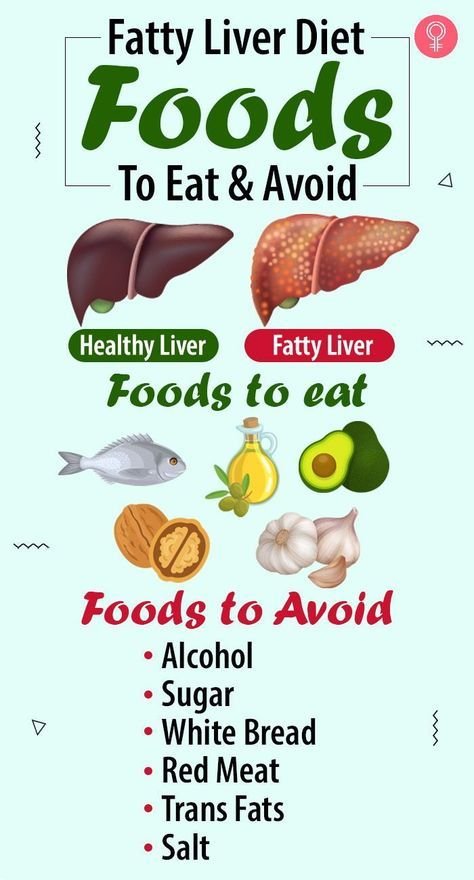
Cutting back on fried foods, sugary drinks, and alcohol is the most important step for liver and kidney health.
Foods That Support the Kidneys
Kidneys thrive on steady blood pressure and balanced hydration. Berries, red grapes, cauliflower, cabbage, bell peppers, garlic, and olive oil are all kidney-friendly staples. Adequate protein — not excessive — matters, since very high protein loads can strain already-weakened kidneys.
Water is the kidneys’ best friend; chronic dehydration forces them to work harder. Limit processed meats and salty packaged foods, which load the kidneys with sodium. Our evidence-based guide to the best foods for kidney health explains exactly which foods protect your kidneys and which ones to limit.

Berries, vegetables, and balanced meals support long-term kidney health.
Low-Sodium Eating for Kidney Disease
If you have kidney disease or high blood pressure, sodium is the nutrient to watch most closely. The biggest hidden sources are not the salt shaker — they are processed foods, packaged snacks, pickles, papad, restaurant curries, salted nuts, and instant noodles.
Cooking fresh at home, flavoring with lemon, herbs, and spices, and reading nutrition labels are the practical fixes. Our complete guide to a low-sodium diet for kidney disease gives realistic targets, food lists, and desi cooking tips that keep meals flavorful.

Cooking fresh with herbs, lemon, and spices makes low-sodium eating flavorful.
Who Should Pay Extra Attention to Liver and Kidney Health
Some people need to guard liver and kidney health more carefully. Anyone with diabetes or high blood pressure faces higher kidney risk. People carrying extra weight around the waist are more prone to fatty liver. Regular alcohol drinkers put direct strain on the liver. Those with a family history of kidney disease should watch sodium and get their kidney function checked periodically.
If you take medicines long-term, remember that the liver and kidneys process them — never skip doses, but do tell your doctor about all supplements and herbal products you use. When in doubt, a checkup with basic liver and kidney function tests gives you a clear baseline.
Liver and Kidney Health at a Glance
Use this table as a quick reference for the habits that matter most in liver and kidney health:
| Habit | Why It Matters | Best Desi Sources |
|---|---|---|
| Eat more fiber | Eases the liver’s sugar load | Whole wheat roti, oats, dal, vegetables, fruits |
| Cut added sugar | Prevents fatty liver buildup | Replace sodas and mithai with fruit and nuts |
| Reduce sodium | Protects kidneys and blood pressure | Cook fresh; use lemon, herbs, spices |
| Stay hydrated | Helps kidneys flush waste | Water, unsweetened nimbu pani, herbal teas |
| Antioxidant foods | Protect liver cells | Berries, leafy greens, turmeric, citrus |
| Moderate protein | Avoids straining weak kidneys | Dal, eggs, dahi, fish in sensible portions |
| Limit alcohol | Prevents liver damage | Less or none; never binge |
What to Eat Day to Day: A Practical Liver and Kidney Health Framework
Put liver and kidney health into practice with a simple daily rhythm. Morning: start with water and a fiber-rich breakfast like oats or whole wheat porridge.
Midday: build lunch around vegetables and dal with one whole wheat roti — flavor with herbs and lemon instead of extra salt. Evening: snack on fruit or unsalted nuts instead of packaged chips.
Dinner: keep it light and early, with vegetables and a modest protein portion. Through the day: sip water regularly and skip sugary drinks. Small, steady habits protect both organs far better than occasional intense cleanses.
Explore All Our Liver and Kidney Health Guides
These five guides cover the cluster in depth:
- Foods That Cleanse Liver Naturally: What the Science Actually Says
- Best Foods for Liver Health Detox: What Science Actually Says
- Foods to Avoid for Fatty Liver: What the Science Actually Says
- Low-Sodium Diet for Kidney Disease: A Complete Guide to Protecting Your Kidneys
- Best Foods for Kidney Health: An Evidence-Based Nutritionist’s Guide
Liver and Kidney Health FAQs
Can food really “cleanse” the liver?
Your liver cleanses itself — no food or juice does the job for it. But fiber-rich foods, vegetables, and antioxidants support its natural work, while sugar, alcohol, and fried foods make that work harder.
How much salt is safe for kidney health?
Most adults should keep sodium moderate, and people with kidney disease or high blood pressure need stricter limits set with their doctor. Cooking fresh and cutting processed foods is the biggest lever.
Is coffee good or bad for the liver?
Moderate coffee consumption has been linked with better liver markers in research. Keep it moderate, watch the added sugar, and skip it if it bothers your stomach or sleep.
Can kidney damage be reversed with diet?
Diet cannot undo serious kidney damage, but it can slow progression and ease symptoms significantly. Work with your doctor and a dietitian for a plan matched to your kidney function.
The Bottom Line on Liver and Kidney Health
Liver and kidney health comes down to steady protection, not quick fixes. Eat fiber-rich whole foods, cut back on sugar, salt, alcohol, and fried foods, drink enough water, and let these quiet organs do their work. Start with one change today — swap one sugary drink for water or one packaged snack for fruit — and build from there.
For a global overview of what healthy eating looks like, the World Health Organization’s healthy diet fact sheet is a reliable reference.
This article is for general education and does not replace medical advice. See our Health Disclaimer.