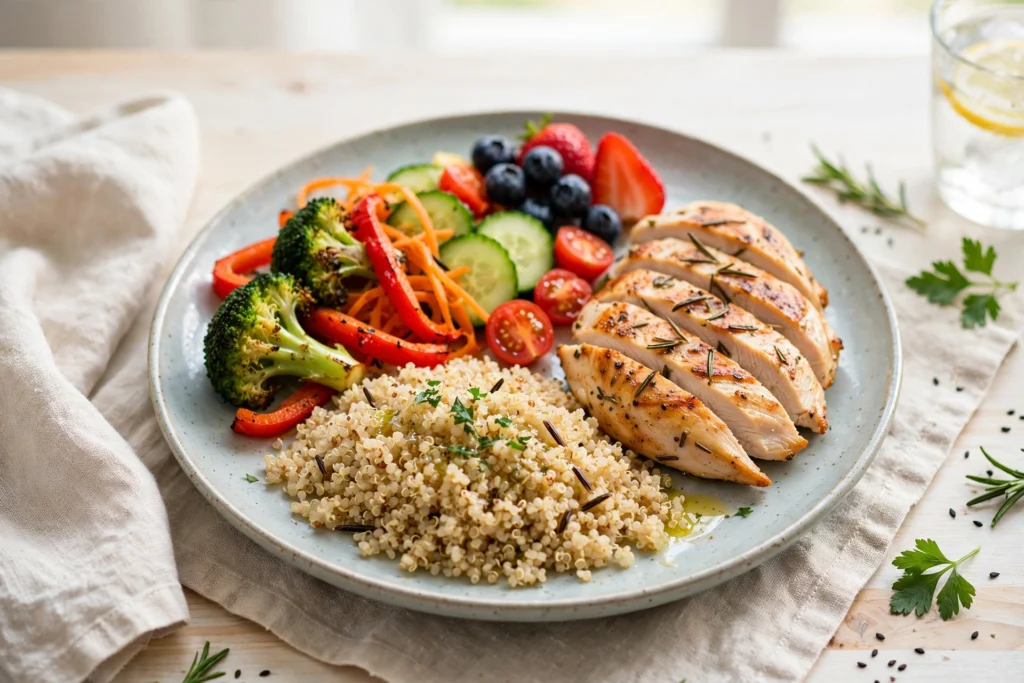
If your healthy eating falls apart every week around Wednesday, the problem is probably not your willpower. It is your Wednesday. When you come home tired, hungry, and facing an empty fridge, takeaway apps and frozen pizza win — not because you don’t care about your health, but because convenience wins when there is nothing else ready. This meal prep for beginners guide walks you through a simple weekly system of planning, shopping, prepping and storing, with desi-friendly ideas that fit a Pakistani kitchen.
Meal prep changes that equation. Instead of deciding what to eat five times a day under pressure, you make most of those decisions once, on a calm weekend day, and then simply eat what is already there. This guide walks you through the whole process from a beginner’s starting point: what meal prep really is, why it works for weight management, health, and budget, a simple five-step system, the food-safety rules that keep it safe, a complete seven-day plan with a two-hour Sunday session timeline, and plenty of ideas that fit South Asian kitchens and tastes.
In this guide, you will learn:
- What meal prep really is (and the common myths about it)
- Why meal prepping works for health, weight goals, and your budget
- A simple 5-step system any beginner can follow
- The essential equipment you need (and what you can skip)
- Food-safety rules that matter: the 2-hour rule, fridge limits, and reheating temperatures
- Batch-cooking formulas for building endless healthy combos
- A complete 7-day meal prep plan with a 2-hour Sunday session timeline
- Desi meal-prep ideas: daal, chana, karahi, overnight oats, and roti dough
- What not to prep, how to reheat properly, and mistakes beginners make
What Meal Prep Actually Is (And What It Isn’t)
The simple definition
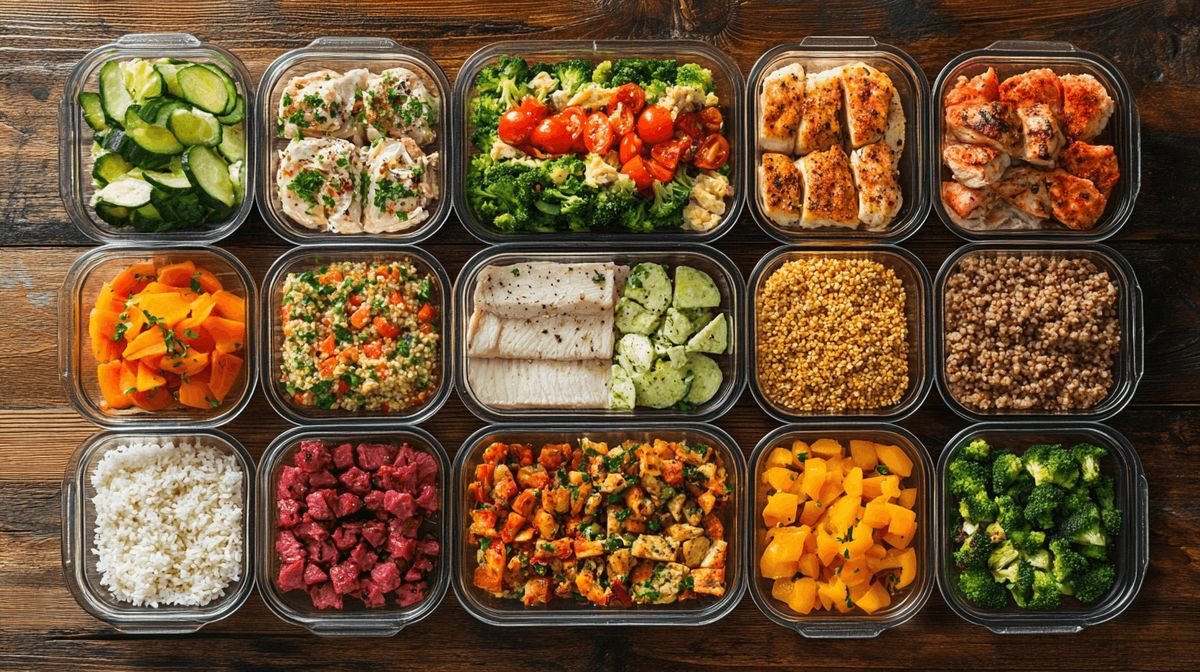
Meal prep is the practice of preparing some or all of your meals (or their components) ahead of time, so that eating well during the week becomes the default rather than a daily negotiation. That is the whole concept. It does not require you to eat the same chicken and rice five days in a row, buy special containers in matching colours, or spend your entire Sunday in the kitchen.
Three styles of meal prep
Most people use one of three approaches, and many combine them:
- Full-meal prep: You cook complete meals and portion them into containers. Monday’s lunch is a finished box of chicken curry with brown rice. This is the most hands-off option during the week.
- Ingredient prep (batch cooking): You cook components — a tray of roasted vegetables, a pot of quinoa, a batch of grilled chicken, a jar of dressing — and assemble different meals from them each day. This gives the most variety.
- Prep-ahead: You do the boring groundwork — wash and chop vegetables, marinate meat, cook grains, portion snacks — so that actual cooking on the day takes ten minutes instead of forty.
What meal prep isn’t
It is not a diet. Meal prep is a tool — a way of organising food. What you prep determines whether it supports your goals, but the act of prepping itself is neutral. It also isn’t about perfection: if you prep three lunches and leave the rest flexible, that still counts. And it certainly isn’t only for fitness influencers with grey meal-prep containers lined up on a marble counter.
Why Meal Prep Works: Health, Weight, and Money
You eat better without deciding to
Nutrition research consistently shows that eating decisions made under stress, hunger, and time pressure skew towards energy-dense, nutrient-poor options. Meal prep moves the decision point to a moment when you are calm and rational. A home-cooked meal of daal, brown rice, and sabzi is not only cheaper than a takeaway; it is built from ingredients you chose, with portion sizes you controlled. Over weeks, that shift compounds into real differences in diet quality — more vegetables, more fibre, more protein, less added sugar and oil.
It supports weight goals without counting every calorie
For weight management, the biggest lever is rarely exotic superfoods — it is consistency. People who plan and prepare meals tend to eat fewer calories overall, simply because they are not improvising hungry. Prepped meals also make portion control visual: one container is one meal. If your goal is weight loss, slightly smaller containers do the portion work for you. If your goal is to maintain or gain muscle, larger portions with an extra protein serving do it. The system adapts to the goal.
It saves serious money
Eating out or ordering in three or four times a week drains a budget quietly. A homemade lunch typically costs a fraction of a bought one — especially when you buy staples like lentils, rice, chickpeas, seasonal vegetables, and chicken in bulk. Many beginners find their weekly food spending drops by a third or more once they prep regularly. The savings come from buying fewer impulse snacks too, because food is already waiting at home.
It buys back your evenings
The honest appeal for most people is time. A focused two-hour session on Sunday replaces an hour of daily cooking, cleaning, and “what’s for dinner” deliberation. That is five hours of weekday cooking compressed into two, plus five evenings freed from the 6pm question. Beginners often report that this — not the nutrition — is the benefit that keeps them prepping.
The 5-Step Beginner System
You don’t need a complicated method. Follow these five steps every week until they feel automatic.
Step 1: Plan your meals (15 minutes)
Pick the meals you actually want to prep. For your first week, start small: prep three to four lunches and two to three dinners, and leave breakfasts and the rest flexible. Choose recipes that share ingredients (chicken appears in two meals, rice in two), which halves your shopping list. Check what you already have in the fridge, freezer, and pantry first — planning around existing ingredients saves money and reduces waste.
Beginner tip: Don’t prep meals you don’t enjoy eating. If you hate plain grilled chicken, don’t prep five portions of it. Boredom is the number one reason beginners quit, and it is entirely avoidable.
Step 2: Write your shopping list
Turn your meal plan into a list, organised by section: proteins, grains and carbs, vegetables and fruit, dairy and fats, spices and pantry. This takes five minutes and stops the supermarket from adding impulse items to your trolley. Stick to the list.
Step 3: Shop once
Do one proper weekly shop. Buy vegetables that are in season — they are cheaper, fresher, and better tasting. For meat and fish, buy from a butcher or fishmonger you trust, and check that everything goes straight into the fridge within an hour or two of purchase (cold-chain discipline starts at the shop, not at home).
Step 4: Prep day (the 2-hour session)
This is the main event — covered in detail in the Sunday timeline below. The golden rule of a prep session is parallel cooking: the oven, the stovetop, and the chopping board should all be working at once. While rice cooks, chicken roasts, and you chop vegetables. Beginners who cook one thing at a time spend four hours; efficient parallel cooks spend two.
Step 5: Store everything correctly
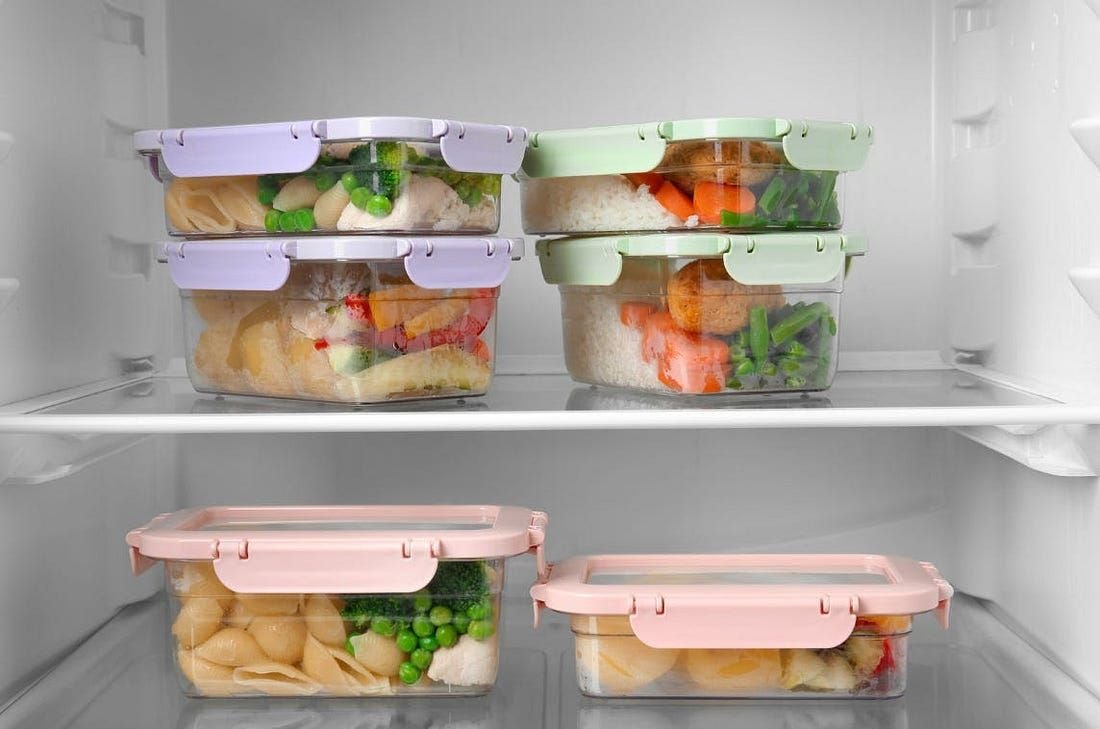
Cool cooked food promptly, portion it into containers, label with the date, and refrigerate or freeze. Food safety here is non-negotiable — see the rules in the next sections. Most prepped meals go into the fridge for eating within three to four days; anything for later in the week goes into the freezer.
Essential Equipment (You Need Less Than You Think)
You do not need a kitchen overhaul. Here is the honest essentials list:
Containers
- 5–8 airtight containers (glass or BPA-free plastic) for meals. Glass reheats better and doesn’t stain from turmeric and tomato — worth the small investment if you cook desi food.
- 2–3 smaller containers or jars for sauces, dressings, dahi, and snacks.
- Freezer bags (reusable silicone ones are ideal) for freezing portions flat, which saves freezer space and thaws faster.
Cooking gear
- A large pot for grains, daal, and soups.
- A large oven tray or two for roasting vegetables and proteins in bulk.
- A sharp chef’s knife and a decent chopping board — prep day is mostly chopping, and a blunt knife makes it miserable.
- A kitchen scale (optional but useful) for consistent portions, especially if you are tracking intake.
Nice-to-haves, not must-haves
A slow cooker or pressure cooker (excellent for bulk daal and chickpeas), a food processor for quick chopping and chutneys, and a rice cooker if you eat rice daily. Buy these only once meal prep is already a habit — equipment has never made anyone consistent; systems do.
Food-Safety Rules That Actually Matter
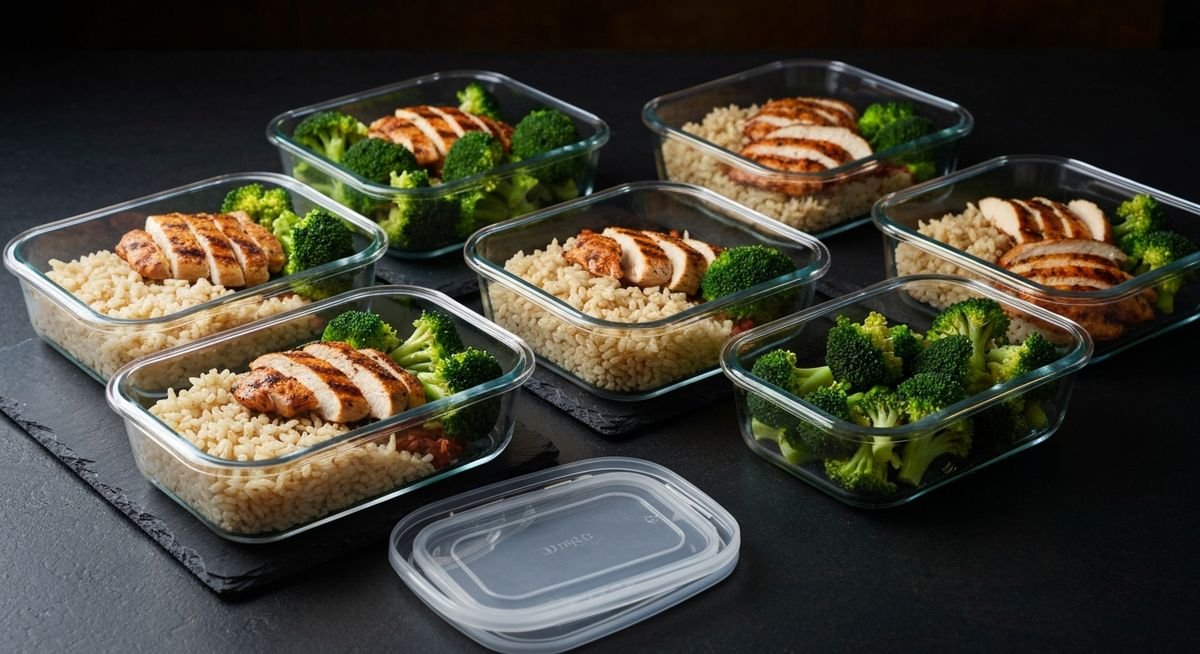
This section is the most important in the whole guide. Meal prep means cooked food sits around for days, so safety rules are not optional background information — they are the operating manual.
The 2-hour rule
Cooked food should not sit at room temperature for more than 2 hours total — from the moment it finishes cooking to the moment it goes into the fridge. In hot weather (above about 32°C/90°F), that window shrinks to 1 hour. This is because bacteria multiply rapidly in the “danger zone” between roughly 4°C and 60°C (40°F–140°F). After cooking, spread food in shallow containers so it cools faster, then refrigerate.
Fridge limits: 3 to 4 days
Cooked meat, poultry, fish, rice, pasta, and most prepared dishes are safe in the fridge for 3 to 4 days. After that, discard them — even if they look and smell fine, because the bacteria that cause foodborne illness don’t always change a food’s appearance. A practical system: prep Sunday for Monday–Wednesday, then do a small mid-week top-up (or freeze Thursday–Friday portions on Sunday and thaw them Wednesday evening).
Cook poultry to 74°C (165°F)
Poultry is the highest-risk common prep protein. Chicken and turkey must reach an internal temperature of 74°C (165°F) with no pink meat and clear juices. A cheap food thermometer removes all guesswork and is one of the best purchases a beginner can make. Ground/minced meat also needs 74°C; whole cuts of beef, lamb, and pork steaks need at least 63°C (145°F) with a short rest, while fish should reach 63°C and flake easily.
Freezer guidance
Most cooked meals freeze well for 2 to 3 months at -18°C (0°F) or below, though quality is best within the first month. Freeze in portion-sized flat bags, squeeze out the air, and label with the contents and date. Thaw safely: in the fridge overnight, never on the countertop. Once thawed, eat within 24 hours and do not refreeze thawed food.
Reheating: steaming hot throughout
Reheat leftovers until they are steaming hot all the way through — ideally reaching 74°C (165°F) again. Stir soups, curries, and stews midway so heat distributes evenly. Reheat each portion only once; repeated cooling and reheating cycles are where risk climbs.
Rice deserves special mention
Cooked rice can harbour Bacillus cereus, a bacterium whose spores survive cooking and multiply fast at room temperature. Cool rice quickly (spread it on a tray), refrigerate within an hour if possible, and eat within 24 hours — stricter than the general 3–4 day rule. Never leave cooked rice out overnight.
The Batch-Cooking Formula: Protein + Grain + Veg
If you only learn one meal-prep concept, make it this. Every balanced meal-prep box follows a simple formula:
1 palm-and-a-half of protein + 1 fist of whole grain or starchy carb + 2 fists of vegetables + 1–2 thumbs of healthy fat + flavour (spices, herbs, sauce).
Cook each component in bulk, then mix and match through the week. Here are ready-made combinations using the formula:
Formula combos
- Chicken + brown rice + roasted carrots and broccoli + tahini drizzle. Season the chicken with smoked paprika and garlic.
- Chana (chickpeas) + wholewheat couscous + cucumber-tomato salad + olive oil and lemon. A no-reheat lunch that improves overnight.
- Tandoori-spiced chicken thighs + quinoa + sautéed spinach and peppers. Marinate the chicken the night before prep day for deeper flavour.
- Masoor daal + basmati or brown rice + roasted cauliflower + a spoon of dahi. Classic, cheap, and freezes beautifully.
- Baked salmon or mackerel + sweet potato wedges + green beans + mustard dressing. Oily fish covers your omega-3s.
- Turkey or beef mince keema + wholewheat wraps (kept separate) + shredded cabbage-carrot slaw + mint chutney. Assemble at mealtime so wraps don’t go soggy.
- Tofu or paneer tikka + millet or bulgur + charred peppers and onions + coriander chutney. A solid vegetarian option with real protein.
Notice how swapping one component creates a “new” meal — that’s how you eat five different lunches from one prep session.
Your Complete 7-Day Meal Prep Plan
Here is a full week built for a beginner: realistic, varied, and safe within the 3–4 day fridge rule. Sunday prep covers Monday–Wednesday; a 30-minute Wednesday top-up covers Thursday–Friday; the weekend stays flexible.
Sunday prep list (covers Mon–Wed)
- Lunches (3): Tandoori chicken thighs with quinoa, roasted peppers, and spinach.
- Dinners (3): Masoor daal with brown rice and roasted cauliflower; a spoon of dahi on the side.
- Breakfasts (3): Overnight oats with milk, chia seeds, banana, and a spoon of peanut butter.
- Snacks: Boiled eggs, cut cucumber and carrots with hummus, a handful of almonds portioned into small bags.
Wednesday top-up (30 minutes, covers Thu–Fri)
- Lunches (2): Chana chaat-style chickpea salad with cucumber, tomato, onion, lemon, and chaat masala — no cooking required.
- Dinners (2): Keema (turkey or beef mince) with peas, served with wholewheat wraps and slaw, assembled fresh.
- Breakfasts (2): Greek yoghurt with oats, honey, and mixed berries (or seasonal fruit).
Saturday–Sunday: flexible
Eat fresh, eat out, or cook something you enjoy. Rest days from the system keep it sustainable. If you like, freeze two extra portions of daal or curry on Sunday prep day — they become emergency meals for the following week.
A note on variety and nutrition
No single meal, however “healthy”, covers all your nutrient needs. The strength of this plan is that it rotates proteins (chicken, lentils, chickpeas, eggs, fish, mince), grains (quinoa, rice, oats, wraps), and a rainbow of vegetables across the week. Variety isn’t just anti-boredom — it is how you cover your vitamin, mineral, and fibre bases. If you eat the same three meals every week for months, rotate your recipes monthly.
The 2-Hour Sunday Session: Minute-by-Minute Timeline
Here is exactly how to spend your two hours. The trick is overlapping: nothing waits for anything else.
0:00 – 0:10 — Set up. Preheat the oven to 200°C (400°F). Put the quinoa and brown rice on to cook in separate pots (they take 15–20 minutes unattended). Get out containers, chopping board, and knife.
0:10 – 0:25 — Marinate and season. Toss chicken thighs with yoghurt, tandoori masala, garlic, ginger, lemon, and salt. Spread on a tray with chopped peppers and cauliflower tossed in oil, salt, and turmeric. Into the oven.
0:25 – 0:40 — Start the daal. In a large pot: red lentils, water, turmeric, chopped onion, garlic, ginger. Simmer. Meanwhile, chop cucumber, carrots, and spinach; wash salad ingredients.
0:40 – 0:55 — Boil eggs and assemble oats. Eggs on to boil (10 minutes). Mix overnight oats in three jars: oats, milk, chia seeds, sliced banana, peanut butter. Into the fridge.
0:55 – 1:10 — Temper the daal. Heat oil, add cumin seeds, mustard seeds, dried red chillies, and curry leaves; pour over the daal. Check the chicken (flip if needed) and the grains.
1:10 – 1:25 — Everything comes off heat. Chicken out (check 74°C/165°F inside), grains fluffed, daal done, eggs into cold water. Spread rice/grains on trays to cool quickly.
1:25 – 1:45 — Portion and pack. Divide into containers: lunches, dinners, snacks. Label each with the day and contents.
1:45 – 2:00 — Cool, store, clean. Get everything into the fridge within the 2-hour window. Wash up. Done.
Two hours, one session, five days of lunches and dinners handled.
Desi Meal-Prep Ideas That Actually Work
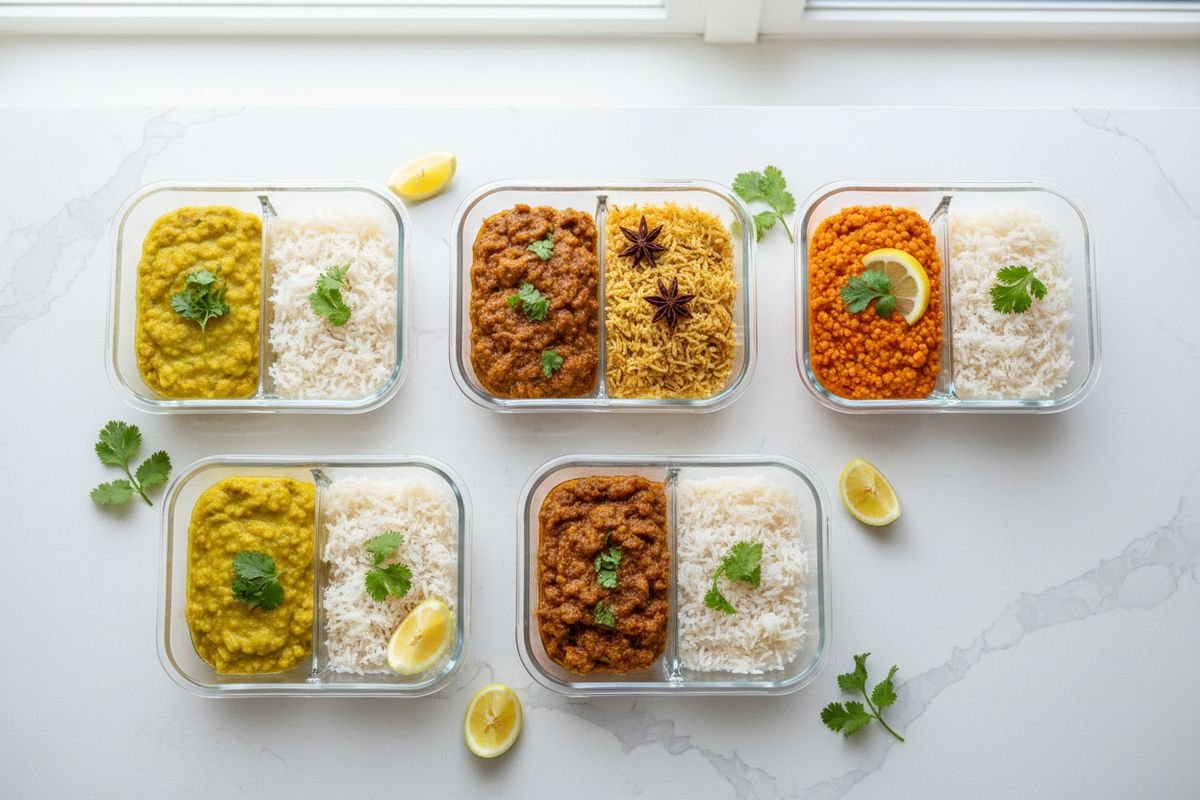
Meal prep advice written for Western kitchens often ignores the foods South Asian families actually eat. These ideas are built for desi cooking from the start.
Bulk dishes that prep beautifully
- Daal (masoor, moong, or chana daal): Cheaper than almost any protein source, high in fibre and plant protein, and tastes better the next day as flavours meld. Freezes perfectly for up to 3 months. Portion into single servings.
- Kala chana or safed chana curry: Holds its texture for 4 days refrigerated, reheats brilliantly, and works as a curry, a chaat base, or a wrap filling.
- Chicken karahi in bulk: Cook a double batch with tomatoes, ginger, and green chillies — but hold back half the fresh coriander and julienned ginger to add fresh when reheating, so it tastes just-cooked. Refrigerate 3–4 days or freeze.
- Keema with peas or potatoes: One of the most versatile prep proteins — stuff it into wraps, serve over rice, or eat with roti. Mince must hit 74°C (165°F) during cooking.
Prep-ahead desi staples
- Roti dough: Knead a batch and store it in an airtight container in the fridge for 2–3 days. Bring to room temperature 20 minutes before rolling. Fresh roti in five minutes transforms a prepped curry from “leftovers” to a proper meal.
- Overnight oats, desi style: Oats soaked in milk with cardamom, chopped dates or banana, and a spoon of peanut butter or crushed almonds. A make-ahead breakfast that suits South Asian palates.
- Dahi: Set a batch of yoghurt at home or buy plain yoghurt in bulk; portion into small containers for the week. A spoon of dahi alongside daal or karahi adds protein, calcium, and probiotics.
- Chutneys and pickles: Mint-coriander chutney keeps 4–5 days refrigerated in a sealed jar and lifts every bland prep box. Keep a lemon pickle or mango pickle on hand for flavour without extra cooking.
- Seasonal sabzi: Whatever is cheap and in season — bhindi, tori, gobi, saag — cooked simply with onion, tomato, and spices. Seasonal vegetables prep well for 3 days.
Spice strategy
Toast and grind a week’s worth of your core spice needs, or simply keep a ready “tarka kit”: cumin seeds, mustard seeds, dried chillies, and curry leaves portioned together. Small flavour systems like this are what stop prepped food tasting repetitive.
What NOT to Meal Prep
Some foods simply don’t survive days in a container. Knowing what to skip saves you from the soggy disappointments that make beginners quit.
- Dressed salads: Greens wilt and go slimy. Prep the components (washed greens, chopped veg, dressing in a separate jar) and assemble at mealtime.
- Crispy fried foods: Pakoras, fried chicken, and samosas lose all crispness. If you must, reheat in an oven or air fryer — never the microwave.
- Roti/chapati (cooked): Goes leathery. Store the dough instead and cook fresh, or use wholewheat wraps for the week.
- Dishes with fresh garnish built in: Add fresh coriander, lemon juice, and raw onion at serving time, not prep time.
- Avocado and cut apples/bananas: Brown and mushy within hours. Add fresh or squeeze lemon over cut fruit if you must prep it.
- Pasta in sauce for 4+ days: It keeps absorbing liquid and turns to mush. Slightly undercook pasta at prep time, or keep sauce separate.
- Seafood beyond 2 days: Cooked fish is best eaten within 1–2 days of refrigeration — plan fish meals for Monday/Tuesday after a Sunday prep.
How to Reheat Without Ruining Texture
Reheating is a skill, and it is the difference between “just like fresh” and “microwaved sadness”.
The microwave method (fast)
Sprinkle a spoon of water over rice, grains, and curries before microwaving — the steam revives them. Cover the container (lid ajar or a damp paper towel) to trap moisture. Heat in intervals, stirring midway, until steaming hot throughout (74°C/165°F). Let it stand a minute so heat evens out.
The stovetop method (best for curries and daal)
Add a splash of water, heat gently, and stir. Daal thickens in the fridge; it loosens back to perfect consistency with water and two minutes of simmering. Finish with fresh coriander or a squeeze of lemon.
The oven/air fryer method (best for roasted things)
Roasted vegetables, chicken pieces, and anything that was crispy: 180°C (350°F) for 8–12 minutes. The dry heat re-crisps instead of steaming. This is the only acceptable way to revive anything fried.
The no-reheat option
Design some meals to be eaten cold on purpose: chickpea salads, overnight oats, yoghurt bowls, wraps assembled fresh. On days you can’t be bothered to reheat, these are your backup — and they taste intentional, not like failed leftovers.
Beginner Mistakes (And How to Avoid Them)
Mistake 1: Prepping too much, too soon
Cooking seven days of identical meals in week one is a recipe for food waste and burnout. Start with 3–4 lunches. Scale up once the habit sticks.
Mistake 2: Ignoring the 2-hour cooling rule
Leaving pots on the counter “to cool” for the afternoon is the single most common food-safety error in home meal prep. Set a timer. Shallow containers and the fridge do the rest.
Mistake 3: No variety
Five identical boxes of chicken and rice is why “meal prep” has a reputation for misery. Use the protein + grain + veg formula to rotate components, change spice profiles (tandoori one week, Mediterranean the next), and include at least one no-cook meal.
Mistake 4: Prepping food you don’t actually like
Be honest about what you’ll eat on Thursday when motivation dips. Prep the foods you genuinely enjoy — even if they’re “simple”. A simple daal-chawal you love beats an elaborate macro-perfect bowl you dread.
Mistake 5: Forgetting snacks
If snacks aren’t prepped, the 4pm vending-machine run happens. Boiled eggs, fruit, yoghurt, nuts in portioned bags, and cut vegetables with hummus take ten minutes to prepare and protect the whole plan.
Mistake 6: Skipping labels and dates
By Wednesday, three identical containers of brownish curry are indistinguishable. Label everything with contents and the prep date. It takes seconds and prevents both waste and risky guesses.
Meal Prep FAQ
How long does meal prepped food last in the fridge?
Most cooked meals — meat, poultry, cooked grains, curries, roasted vegetables — stay safe for 3 to 4 days in a fridge at or below 4°C (40°F). Cooked rice is the exception: eat it within 24 hours. Cooked fish is best within 1–2 days. When in doubt, follow the rule: if you prepped on Sunday, eat refrigerated portions by Wednesday, and freeze anything meant for Thursday onwards.
Is meal prep good for weight loss?
Meal prep can strongly support weight loss, but it is a tool, not a diet — the foods you prep determine the outcome. It helps because it removes hungry, impulsive decisions, controls portions visually, and makes healthy food the easiest option. For weight loss, build boxes around lean proteins, plenty of vegetables, whole grains, and measured fats, and keep the system consistent for weeks rather than chasing perfection for days.
How do I start meal prepping as a complete beginner?
Start small: pick 3–4 lunches for the coming week, shop once, and cook them in a single session using parallel cooking (oven, stovetop, and chopping board working together). Follow the five steps — plan, list, shop, prep, store — and obey the food-safety basics: refrigerate within 2 hours and eat within 3–4 days. Don’t buy special equipment until the habit sticks; your existing pots and containers are enough.
Can I meal prep desi food like daal, curry, and roti?
Absolutely — desi food is some of the best for meal prep. Daal, chana curry, keema, and chicken karahi all hold up for 3–4 days refrigerated and freeze well for months. Cooked roti goes leathery, so store roti dough in the fridge (2–3 days) and cook fresh instead. Add fresh coriander, lemon, and raw onion at serving time, and keep chutneys and dahi portioned for the week.
Do I need special containers for meal prep?
No. Any airtight containers you already own will work for your first few weeks. If you buy some later, glass containers are the best upgrade — they reheat evenly, don’t stain from turmeric and tomato, and don’t absorb odours. Look for airtight lids, portion-appropriate sizes, and freezer-safe materials. Freezer bags laid flat are excellent for freezing curries and daal.
Conclusion: Start This Sunday
Meal prep is not about eating like a robot or spending your weekends chained to the stove. It is about making one calm decision — “I will cook for two hours on Sunday” — that quietly upgrades every meal that follows. You will eat more vegetables, spend less money, waste less food, and free your weekday evenings from the daily dinner dilemma.
Start small this week: three lunches, one shopping trip, one two-hour session. Follow the food-safety rules, rotate your proteins and vegetables for real nutritional variety, and remember that meal prep is a flexible tool — not a rigid diet. Adjust it until it fits your life, your kitchen, and your tastes.
If you want personalised help building a meal-prep plan around your health goals, dietary needs, or medical conditions, professional guidance makes all the difference. Book an appointment with our registered Associate Nutritionist (ANutr) for a one-to-one consultation tailored to you.
Keep Reading
- Healthy Eating Basics: The Complete Beginner’s Guide — the pillar page for this whole beginner series
- Healthy Eating Habits for Beginners: A Simple Guide — build the habits that make meal prep stick
- Mediterranean Diet for Beginners — a proven eating pattern to prep around
- Health Disclaimer — read this before changing your diet