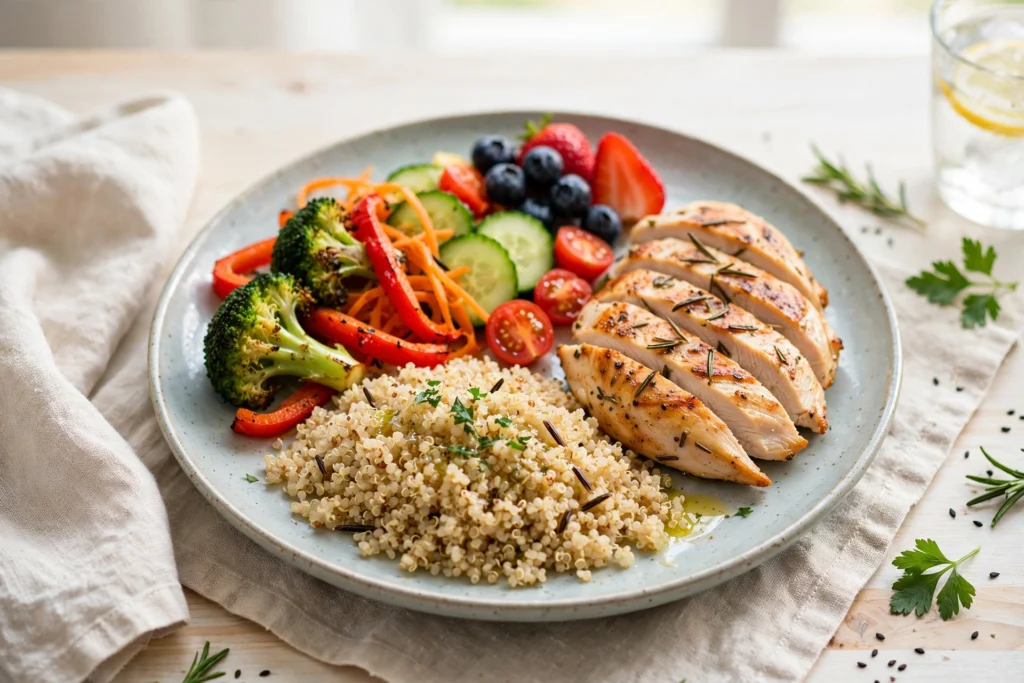
There is a quiet conversation happening between your plate and your mind — and researchers have been listening to it for decades. While no single meal can turn a difficult day into a joyful one, the nutrients you eat regularly shape the brain chemistry behind how you feel: the serotonin that steadies you, the dopamine that motivates you, and the steady energy that keeps your patience intact.
This is not about “happy foods” as a marketing slogan. It is about understanding which nutrients genuinely influence mood, where to find them in everyday South Asian kitchens, and how to build a day of eating that supports a calmer, more balanced mind. Whether you are a student managing exam pressure, a professional juggling long hours, or simply someone who wants to feel more even through the day, this guide gives you practical, evidence-informed steps. The sections below walk through the foods that improve mood naturally, the nutrients behind them, and a sample day of mood-boosting desi meals.
In this guide, you will learn:
– How food influences mood through brain chemistry and the gut-brain connection
– The 10 key mood-supporting nutrients and exactly how each one works
– 15 specific foods that improve mood naturally, with South Asian options for each
– A complete sample day of mood-boosting desi meals
– Which foods and habits quietly drag your mood down — and what to eat instead
– Answers to the most common questions about food and mental well-being
A note of honesty: Food is a powerful support for mental well-being, but it is not a treatment. If you experience persistent low mood, anxiety, or depression, nutrition should complement — never replace — professional help. The information here is educational and general in nature; individual needs vary.
How Food Affects Your Mood: The Science
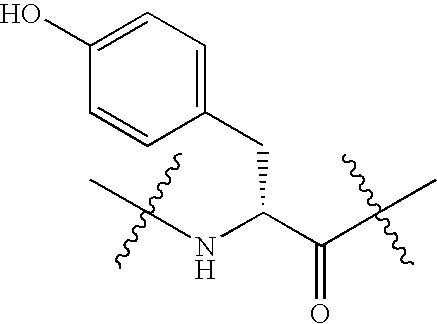
Your brain is an energy-hungry organ. It makes up roughly 2% of your body weight but consumes around 20% of your daily energy. It also manufactures the neurotransmitters that govern how you feel — serotonin (calm and contentment), dopamine (motivation and reward), and norepinephrine (alertness) — from the raw materials in your food.
Three mechanisms connect diet and mood:
Brain chemistry runs on nutrients
Neurotransmitters are built from amino acids and converted by enzymes that need specific vitamins and minerals to work. Tryptophan becomes serotonin; tyrosine becomes dopamine and norepinephrine. Without enough B vitamins, magnesium, iron, or zinc, these production lines slow down. This is biochemistry, not philosophy — the brain literally cannot manufacture balanced chemistry from deficient raw materials.
Blood sugar stability protects emotional stability
Sharp spikes and crashes in blood glucose affect concentration, irritability, and anxiety. A breakfast of only white bread and sugary chai can send you on a rollercoaster by mid-morning; a breakfast with protein, fibre, and complex carbohydrates keeps glucose — and temperament — steadier.
The gut-brain axis is real
Around 95% of the body’s serotonin is produced in the gut, and the trillions of microbes in your digestive system communicate with your brain through the vagus nerve, immune signals, and the compounds they produce. A diet rich in fibre and fermented foods supports a healthier gut environment, which in turn supports mood. This field is still evolving, but the direction of the evidence is consistent.
With that foundation, let us look at the nutrients that matter most — and the foods that carry them.
1. Complex Carbohydrates: The Serotonin Connection
Carbohydrates get an unfairly bad reputation. Your brain’s preferred fuel is glucose, and complex carbohydrates — the kind wrapped in fibre — deliver it slowly and steadily rather than in a flood.
More interestingly, carbohydrates play a supporting role in serotonin production. Eating carbs triggers insulin release, which helps clear competing amino acids from the bloodstream, allowing more tryptophan to reach the brain, where it can be converted into serotonin. This does not mean a plate of white rice is a mood cure — refined carbs spike blood sugar and then crash it, which can worsen irritability. The key is complex carbohydrates: whole grains, legumes, and starchy vegetables.
Best sources in a South Asian kitchen
- Oats / dalia (broken wheat): A bowl of dalia porridge or overnight oats provides slow-release energy plus B vitamins. Dalia cooked in milk with a little honey and nuts is a traditional breakfast that happens to be excellent for mood stability.
- Brown rice: A better swap for white rice at lunch, offering more fibre and magnesium.
- Whole-wheat roti: Keep the atta whole-grain rather than refined (maida).
- Shakarkandi (sweet potato): Naturally sweet, rich in fibre and beta-carotene, and deeply satisfying — roasted shakarkandi makes an excellent evening snack.
- Legumes (daal, chana, rajma, lobia): Protein plus complex carbs in one, which also keeps blood sugar steady.
2. Omega-3 Fatty Acids: Brain Structure and Mood
Omega-3s — particularly EPA and DHA — are structural components of brain cell membranes. They influence how efficiently brain cells communicate, and they have mild anti-inflammatory properties. Several population studies have found that people with higher omega-3 intakes report fewer symptoms of low mood, and clinical research has explored omega-3 supplementation as an adjunct (add-on) approach. The evidence is supportive but not conclusive — omega-3s are best understood as one important piece of a mood-supporting diet, not a standalone remedy.
Best sources
- Fatty fish: Salmon, mackerel (surmai), and sardines are the richest sources of EPA and DHA. For readers in Pakistan, rohu and other local fish contain some omega-3s, though less than cold-water fatty fish; eating fish 2–3 times a week is a sensible target.
- Akhrot (walnuts): One of the best plant sources of ALA (a precursor omega-3). A small handful (about 30 g) daily is a practical habit.
- Alsi (flaxseeds): Grind them fresh — whole flaxseeds pass through undigested. One tablespoon of ground alsi in dahi, dalia, or a smoothie adds ALA and fibre.
- Eggs (especially omega-3 enriched): A convenient daily source.
Practical tip: Make a weekly habit — fish twice a week, a daily spoonful of ground alsi, and a small handful of akhrot most days.
3. B Vitamins: Folate, B6, and B12
The B-vitamin family works as a team in brain chemistry. Folate (B9) and vitamin B12 are involved in the production of serotonin, dopamine, and other neurotransmitters, while vitamin B6 is a required cofactor in converting tryptophan to serotonin. Deficiencies in B12 and folate have been linked in research to low mood and fatigue — and B12 deficiency is notably common among people who eat little or no animal products, including many vegetarians.
Best sources
- Leafy greens (palak, saag, methi): Excellent sources of folate. A daily serving of cooked greens is one of the simplest mood-supporting habits.
- Eggs: Provide B12 and B6 in a highly absorbable form.
- Dahi (yogurt) and milk: Good sources of B12 for vegetarians.
- Legumes and lentils: Folate-rich; masoor and moong daal are staples worth keeping central.
- Bananas: A modest but real source of B6 — and conveniently portable.
A word for vegetarians: If you rarely eat eggs, dairy, or meat, consider having your B12 levels checked. A deficiency develops slowly and can masquerade as low mood or tiredness.
4. Vitamin D: The Sunshine Nutrient
Vitamin D receptors are found throughout the brain, including regions involved in mood regulation. Low vitamin D status is common — especially among people who spend most of their day indoors, wear covering clothing, or live through long winters (relevant for our UK-based readers and students). Observational research has linked low vitamin D levels with low mood, though trials of supplementation show mixed results. Sensible sun exposure and dietary sources remain the foundation.
Best sources
- Sunlight: 15–20 minutes of midday sun on face and arms, a few times a week (balanced against skin-protection needs).
- Fatty fish and egg yolks: Modest dietary amounts.
- Fortified milk: Available in some markets; check labels.
5. Magnesium: The Calm Mineral
Magnesium is involved in over 300 enzymatic reactions, including those that regulate the stress response and support healthy sleep — and poor sleep is one of the fastest routes to a low mood. Some research suggests magnesium intake is associated with milder symptoms of low mood, particularly in people with low dietary intake. Modern diets heavy in refined foods often fall short of magnesium.
Best sources
- Badam (almonds): A handful provides a meaningful amount of magnesium.
- Pumpkin seeds: Among the richest food sources; roast them lightly with a pinch of salt for a snack.
- Til (sesame seeds): Sprinkle on salads, or use tahini.
- Bananas, dark leafy greens, and whole grains: Everyday contributors that add up.
6. Iron: Oxygen for an Alert Mind
Iron carries oxygen in the blood, and the brain is exquisitely sensitive to oxygen supply. Iron deficiency — extremely common among women of reproductive age in South Asia — causes fatigue, poor concentration, and a flat, low-energy mood that is easy to mistake for purely emotional causes. Before assuming low mood is “all in your head,” it is worth ruling out iron deficiency, especially if fatigue is part of the picture.
Best sources
- Heme iron (best absorbed): Red meat, liver (kaleji), and fish.
- Non-heme iron: Masoor daal, chana, palak, and fortified atta.
- Absorption trick: Vitamin C dramatically improves iron absorption from plant foods. Squeeze lemon over your daal, or eat an orange or amla alongside palak — a traditional pairing that happens to be nutritionally brilliant.
- Avoid: Drinking strong chai or coffee with iron-rich meals, as tannins reduce absorption. Keep a 1–2 hour gap.
7. Protein and Tyrosine: Fuel for Dopamine
Dopamine drives motivation, focus, and the sense of reward — the “get up and go” feeling. It is built from the amino acid tyrosine, which comes from dietary protein. Meals very low in protein can leave you feeling sluggish and unmotivated by afternoon.
Best sources
- Eggs: Complete protein with tyrosine.
- Dahi and paneer: Excellent vegetarian options.
- Chicken, fish, and lean meat: Reliable tyrosine sources.
- Daal, chana, rajma, and soya: Plant proteins; combine legumes with grains (daal + rice, chana + roti) for complete amino acid profiles.
- Nuts and seeds: Badam, akhrot, and pumpkin seeds contribute protein alongside their minerals.
Rule of thumb: Include a palm-sized portion of protein at every main meal. This single habit stabilises both energy and motivation through the day.
8. Probiotics and Fermented Foods: Feeding the Gut-Brain Axis
Given the gut’s role in neurotransmitter production, supporting gut health is a legitimate mood strategy. Fermented foods supply live beneficial bacteria, while prebiotic fibre (in onions, garlic, bananas, oats, and legumes) feeds the good microbes you already have. Early clinical research on probiotics and mood is promising but preliminary — treat fermented foods as a sensible daily habit, not a therapy.
Best sources in a desi kitchen
- Dahi: The most natural probiotic in South Asian cuisine. A bowl of plain dahi daily — or raita, lassi (unsweetened), or chaas — is both traditional and evidence-aligned.
- Kanji, pickles in brine (not vinegar), and fermented batters (dosa/idli): Additional traditional sources.
- Prebiotic partners: Pyaaz (onions), lehsan (garlic), bananas, and whole grains feed beneficial bacteria.
Caution: Commercial “probiotic” drinks loaded with sugar do more harm than good. Stick to plain, traditional fermented foods.
9. Antioxidants: Protecting the Brain from Oxidative Stress
The brain consumes a lot of oxygen, which generates free radicals — and chronic oxidative stress has been associated with low mood in research. Antioxidant-rich foods help the body’s defences. Berries are the most studied, but local options are equally valuable.
Best sources
- Dark chocolate (70%+ cocoa): Contains flavonoids plus small amounts of compounds that influence feel-good chemistry. Keep it to 20–30 g — it is a treat with benefits, not a health food in quantity.
- Berries: Blueberries and strawberries when available; locally, falsa, jamun, and anar (pomegranate) are antioxidant powerhouses.
- Amla (Indian gooseberry): Exceptionally rich in vitamin C and polyphenols.
- Haldi (turmeric): Curcumin is studied for its anti-inflammatory properties; traditional haldi doodh (golden milk) pairs it with fat (milk) and black pepper, which aids absorption — folk wisdom that science later validated.
- Colourful vegetables: Gajar (carrots), palak, tomatoes, and bell peppers.
10. Hydration: The Overlooked Mood Factor

Even mild dehydration — as little as 1–2% of body weight in fluid loss — has been shown in studies to impair concentration, increase perceived fatigue, and worsen mood. Many people walk around mildly dehydrated without realising it, blaming their afternoon slump on everything except water.
Practical hydration habits
- Start the day with water before chai or coffee.
- Keep a bottle visible at your desk or study table; aim for 8–10 glasses daily (more in hot weather or with exercise).
- Nimbu pani, coconut water, and unsweetened lassi hydrate while adding a little nutrition.
- Limit: Excessive caffeine and sugary drinks, which can worsen anxiety and energy crashes.
15 Foods That Improve Mood Naturally — At a Glance
| # | Food | Key mood nutrient(s) | Easy desi way to eat it |
|---|---|---|---|
| 1 | Oats / dalia | Complex carbs, B vitamins, fibre | Dalia porridge with milk, banana, badam |
| 2 | Salmon / surmai / sardines | Omega-3 (EPA/DHA) | Grilled or curry, 2–3x per week |
| 3 | Akhrot (walnuts) | ALA omega-3, antioxidants | Small handful daily |
| 4 | Badam (almonds) | Magnesium, protein, vitamin E | Soaked overnight, morning handful |
| 5 | Dahi (yogurt) | Probiotics, B12, protein | Plain bowl daily or raita |
| 6 | Bananas (kela) | B6, carbs, prebiotic fibre | Breakfast or pre-study snack |
| 7 | Palak / leafy greens | Folate, magnesium, iron | Saag, palak paneer, daal-palak |
| 8 | Eggs (anday) | B12, protein, tyrosine | Boiled, omelette, or curry |
| 9 | Masoor daal / legumes | Folate, iron, protein, fibre | Daily daal with lemon squeezed on top |
| 10 | Alsi (flaxseeds) | ALA omega-3, fibre | 1 tbsp ground, in dahi or dalia |
| 11 | Pumpkin seeds | Magnesium, zinc, protein | Lightly roasted snack |
| 12 | Dark chocolate (70%+) | Flavonoids | 20–30 g as an evening treat |
| 13 | Shakarkandi | Complex carbs, beta-carotene | Roasted evening snack |
| 14 | Haldi doodh | Curcumin (anti-inflammatory) | Warm milk + turmeric + pinch of black pepper |
| 15 | Anar / amla / berries | Antioxidants, vitamin C | Fresh fruit or juice, with iron-rich meals |
A Sample Mood-Boosting Day of Desi Meals
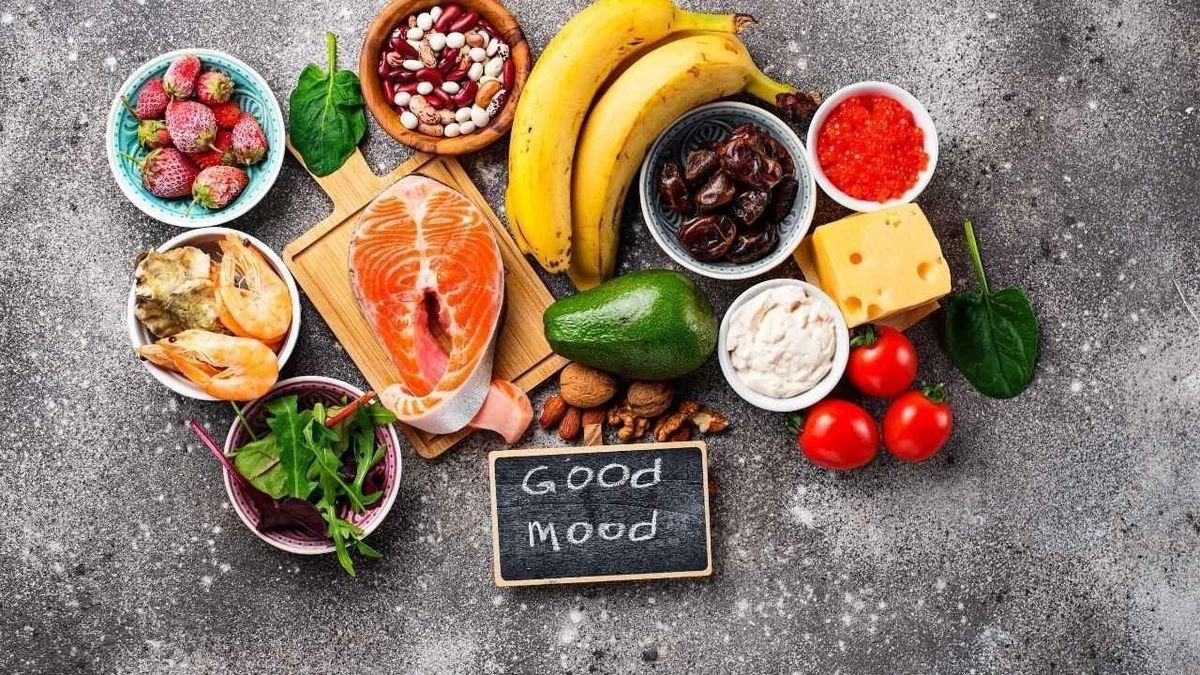
Theory is useful; a plate is better. Here is a full day built from the foods above — balanced, realistic, and built for a South Asian kitchen:
Subah (breakfast, ~8:00): Dalia porridge cooked in milk with sliced banana, 5–6 soaked badam, 1 tablespoon ground alsi, and a pinch of cinnamon. One glass of water before eating; chai after breakfast, not instead of it.
Mid-morning (~11:00): A small bowl of plain dahi or a banana. Keep a water bottle at your desk.
Dopahar (lunch, ~1:30): Brown rice or 2 whole-wheat rotis + masoor daal with lemon squeezed over it + palak sabzi + a small kachumber salad. This plate delivers complex carbs, folate, iron (with vitamin C for absorption), protein, and fibre.
Evening (~5:00): Roasted shakarkandi or a handful of roasted pumpkin seeds + nimbu pani. This is the danger zone for sugary snacks — a satisfying, fibre-rich snack here prevents the 6 p.m. crash.
Raat (dinner, ~8:00): Grilled or curried fish (surmai/salmon) twice a week; on other days, chicken or chana curry + mixed sabzi + 1–2 rotis. Keep dinner moderate and finish 2–3 hours before sleep.
Before bed: A small cup of warm haldi doodh (skip if dinner was heavy). Screens off 30 minutes before sleep — no nutrient compensates for chronic sleep deprivation.
Foods and Habits That Quietly Drag Your Mood Down
Knowing what to limit matters as much as knowing what to add:
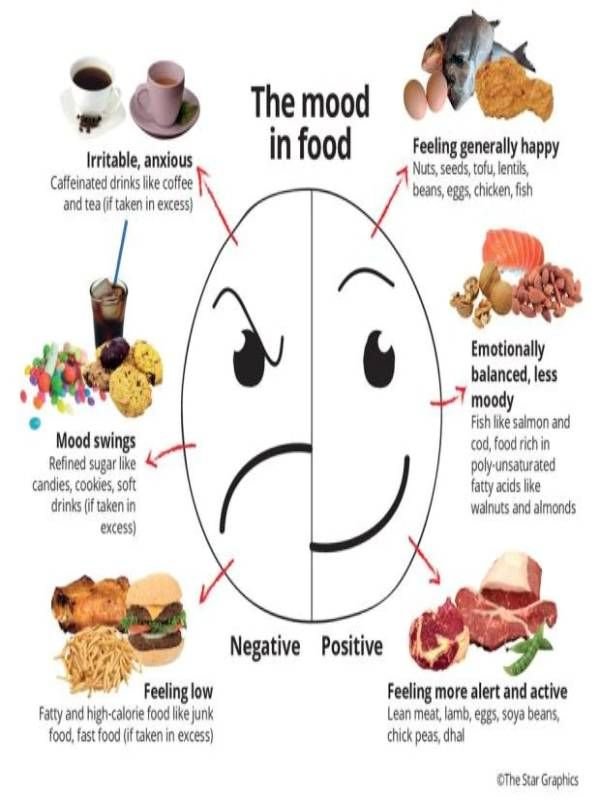
- Sugary drinks and sweets in excess: The spike-and-crash cycle worsens irritability and anxiety. Occasional mithai at celebrations is fine; daily soft drinks are not.
- Ultra-processed snacks: Chips, packaged cakes, and instant noodles are typically low in the very nutrients your brain needs, while being high in refined starch, unhealthy fats, and sodium.
- Excessive caffeine: Beyond 2–3 cups of chai/coffee daily, caffeine commonly increases jitteriness and anxiety and disrupts sleep — which then worsens mood the next day.
- Alcohol: A depressant that disrupts sleep architecture and depletes B vitamins. If you drink, keep it minimal and infrequent.
- Skipping meals: Long gaps without food drop blood sugar and reliably worsen irritability and concentration (“hanger” is biochemistry, not weakness).
- Very-low-carb crash diets: The brain needs glucose; severely restricting carbohydrates can flatten mood and energy in many people.
The pattern is consistent: ultra-processed, sugary, nutrient-poor eating is associated with worse mood outcomes in population research, while whole-food dietary patterns (like the Mediterranean pattern, and by extension a traditional whole-food desi pattern) are associated with better ones.
Frequently Asked Questions
1. Can food really improve my mood, or is that just wellness marketing?
Food genuinely influences mood through established mechanisms: neurotransmitter production (serotonin, dopamine), blood-sugar stability, and the gut-brain axis. Population studies consistently link whole-food dietary patterns with better mood outcomes. But the effect is supportive and gradual — think weeks of consistent eating, not a single “happy meal.” Be sceptical of anyone promising instant transformation from one superfood.
2. Which single nutrient matters most for mood?
There is no single winner — brain chemistry needs the full team. If forced to prioritise, most nutrition professionals would point to overall dietary pattern first, then commonly deficient nutrients: vitamin D, B12 (especially for vegetarians), iron (especially for women), magnesium, and omega-3s. A varied diet of whole foods covers more ground than any one supplement.
3. I feel low every afternoon around 4–5 p.m. Is that food-related?
Often, yes. The afternoon slump usually traces back to a low-protein, high-refined-carb lunch, dehydration, too much morning caffeine, or simply not eating since lunch. Try a protein-and-fibre-rich lunch, water through the afternoon, and a planned 5 p.m. snack (nuts, roasted seeds, or fruit with dahi) instead of reaching for biscuits or a sugary drink.
4. Should I take supplements for mood instead of changing my diet?
Food first, always. Whole foods deliver nutrients in balanced combinations with fibre and thousands of plant compounds that pills cannot replicate. Supplements have a place when a deficiency is confirmed (for example, B12 for vegetarians or vitamin D in winter) — ideally guided by a blood test and a qualified professional, not self-prescribed from internet lists.
5. Can diet replace medication for depression or anxiety?
No. Nutrition is a valuable support — it can improve resilience, energy, and the effectiveness of other treatments — but clinical depression and anxiety disorders are medical conditions that need professional diagnosis and treatment. Never stop prescribed medication in favour of dietary changes. If low mood persists beyond two weeks or interferes with daily life, please speak to a doctor or mental-health professional.
Conclusion: Eat for a Steadier Mind

Improving your mood through food is not about chasing exotic superfoods — it is about returning to a pattern your grandmother would recognise: whole grains, daal, sabzi, dahi, nuts, seeds, fish, fruit, and water, eaten regularly and without long gaps. The science of nutritional psychiatry increasingly confirms what traditional food cultures already practised: a varied, whole-food diet gives your brain the raw materials it needs to keep you balanced, motivated, and resilient.
Start small. Pick two or three changes from this guide — a daily bowl of dahi, a handful of badam and akhrot, lemon on your daal — and build from there. Consistency beats perfection, and your mind will notice the difference before your mirror does.
If you want personalised guidance — for low energy, stress-related eating, nutrient deficiencies, or a meal plan built around your routine and health conditions — professional support makes the journey faster and safer. Book a one-on-one consultation with our qualified nutrition team, and let us build a plan around your life, not a generic template. Your mind deserves the same care you give the rest of your body.
Keep Reading
- Brain Health Nutrition: The Complete Guide
- Gut-Brain Connection Diet: How What You Eat Shapes Your Mental Health
- Best Foods for Anxiety and Depression: What Nutrition Science Suggests
- Health Disclaimer