Best Summer Fruits in Pakistan: 10 Fruits to Beat the Heat
Pakistani summers are intense — temperatures regularly cross 40°C, and staying hydrated becomes a daily challenge. Fortunately, nature provides exactly what the season demands: summer fruits that are juicy, hydrating and full of nutrients.
From the undisputed king, the mango, to the humble watermelon sold on every street corner, Pakistan’s summer fruit basket is one of the richest in the world. This guide covers the best summer fruits in Pakistan, their nutritional strengths, and how to enjoy them wisely.
Why Summer Fruits Matter
In hot weather, your body loses more water through sweat, and your appetite for heavy meals often drops. Summer fruits help on both counts: most are 80–90% water, naturally cooling, and easy to digest. They also supply vitamins A and C, potassium (an electrolyte lost in sweat), and fibre.
Choosing seasonal fruit in summer is also economical — mangoes, melons and guavas are at their cheapest and most flavourful at peak season.
1. Mango (Aam): The King of Fruits
No list of summer fruits in Pakistan can begin anywhere else. Pakistan is among the world’s top mango producers, and varieties like Anwar Ratol, Chaunsa, Sindhri, Dussehri and Langra are celebrated globally for their sweetness and aroma.
Mangoes are rich in vitamin A (as beta-carotene, which gives them their golden colour), vitamin C and folate. They provide natural sugars for quick energy — useful in draining summer heat — along with fibre.
How to enjoy: Eat ripe slices fresh, blend into lassi or smoothies, or make traditional mango desserts. Because mangoes are naturally high in sugar, enjoy them in reasonable portions — one medium mango a day is plenty for most people — rather than eating several at a sitting.
2. Watermelon (Tarbooz)
Watermelon is the ultimate summer hydrator. It is over 90% water and also provides lycopene — the antioxidant pigment behind its red flesh — along with vitamins A and C and potassium.
In Pakistan, chilled watermelon slices are a fixture at picnics, iftar tables and roadside stalls all summer long.
How to enjoy: Eat it chilled and fresh. A traditional tip worth keeping: avoid drinking water immediately after eating melon if it upsets your stomach — and always buy cut melon from hygienic vendors, or better, cut a whole melon at home.
3. Guava (Amrood)
Guava appears in both summer and winter in Pakistan, and the summer crop is just as valuable. It remains one of the most concentrated natural sources of vitamin C and is high in fibre, which supports digestion during a season when stomach upsets are common.
How to enjoy: Fresh with a pinch of black salt, in juices, or as jam. Choose firm, fragrant fruits.
4. Lychee (Litchi)
Lychee is a fragrant, delicate summer fruit grown in Punjab and parts of Khyber Pakhtunkhwa. Its translucent white flesh is sweet and floral, rich in vitamin C and copper. The season is short — usually just a few weeks in early summer — which makes it a seasonal treat worth savouring.
How to enjoy: Eat fresh and chilled. Because of its high natural sugar content, a small bowlful is enough. Lychees are also popular in desserts, sherbets and ice creams.
5. Papaya (Papita)
Papaya is a tropical fruit available through much of the summer. Its vibrant orange flesh signals high beta-carotene (vitamin A) content, and it also provides vitamin C, folate and an enzyme called papain, which is traditionally associated with easing digestion.
How to enjoy: Eat ripe papaya for breakfast, add to fruit salads, or blend into smoothies. The black seeds are edible but peppery — most people scoop them out.
6. Apricot (Khubani)
Fresh apricots arrive in early summer, many coming from Gilgit-Baltistan, where they are a staple crop. Apricots are a good source of vitamin A, vitamin C and potassium, and they work well both fresh and dried.
Dried apricots (khubani) are a concentrated source of nutrients — but also of natural sugars — so a small handful is the right portion.
How to enjoy: Fresh as a snack, dried as a travel-friendly energy food, or stewed into desserts and chutneys.
7. Jamun (Java Plum)
Jamun is Pakistan’s distinctive purple summer fruit — tangy, slightly astringent, and unlike anything else. It is rich in anthocyanin antioxidants (which give it its deep colour), vitamin C and iron. In traditional Pakistani and Unani practice, jamun has long been associated with blood-sugar-friendly properties, and its seeds are used in herbal preparations — though anyone managing diabetes should rely on their doctor’s guidance, not fruit alone.
How to enjoy: Eat fresh with a little black salt, which beautifully balances its tartness. Its juice famously stains — eat it outdoors or over a plate.
8. Cherries
Cherries are a relatively newer presence in Pakistani markets, grown in the northern areas and increasingly available in cities. They provide vitamin C, potassium and anthocyanin antioxidants, and they are one of the few natural food sources of melatonin, the compound involved in sleep regulation.
How to enjoy: Fresh as a snack or dessert topping. They are pricier than most summer fruits, so buy in small quantities at peak season.
9. Plum (Aloo Bukhara)
Known locally as aloo bukhara, plums are sweet-tart summer fruits enjoyed fresh across Pakistan. They provide vitamin C, vitamin K and fibre. Dried plums (prunes) are well known for supporting digestion thanks to their fibre and sorbitol content.
How to enjoy: Fresh out of hand, in chutneys, or dried. Plum chutney is a classic accompaniment to Pakistani meals.
10. Peach (Aadoo)
Peaches, or aadoo, round out the summer stone fruits. Juicy and fragrant, they provide vitamins A and C, potassium and fibre. Pakistani peaches — from Swat and other northern orchards — are at their best in midsummer.
How to enjoy: Eat fresh and ripe, grill halves for a simple dessert, or slice into salads and fruit compotes.
Nutrition Benefits of Summer Fruits
Hydration and Electrolytes
Watermelon, lychee and citrus-type fruits are mostly water, and fruits like mango, banana and apricot supply potassium — an electrolyte lost through sweat. In extreme heat, fruit complements (but does not replace) drinking enough water.
Immune Support
Guava, mango, lychee and papaya are all strong sources of vitamin C, supporting normal immune function during a season when food-borne stomach upsets are more common.
Skin and Eye Health
The beta-carotene in mango, papaya and apricots converts to vitamin A in the body, supporting vision and skin health — both tested by harsh summer sun.
Digestive Comfort
Fibre from guava, jamun, plums and pears keeps digestion moving, which matters in summer when heavy, oily foods and irregular meal timings can cause discomfort.
Smart Tips for Eating Summer Fruit
- Wash everything thoroughly. Summer heat speeds up spoilage and contamination — wash fruits under clean running water, even those you peel.
- Prefer whole fruit to packaged juice. Whole fruit gives you fibre; packaged juices add sugar and lose nutrients.
- Time it right. Fruit makes an excellent mid-morning or evening snack; avoid eating large quantities of very sweet fruit late at night.
- Watch portions of high-sugar fruits. Mango, lychee and grapes are nutritious but sugary — enjoy them in moderate servings.
- Buy ripe, eat soon. Summer fruit spoils fast. Buy in smaller quantities and refrigerate what you won’t eat the same day.
- If you have diabetes, enjoy fruit in measured portions, preferably paired with protein or nuts, and follow your doctor’s advice on which fruits and how much suit you.
Final Word
Pakistan’s summer may be fierce, but its fruits are a perfect response — hydrating, nourishing and deeply rooted in the country’s food culture. From a Chaunsa mango eaten over the sink to a chilled slice of watermelon on a June afternoon, these are some of life’s simplest pleasures and smartest nutrition choices.
Want a personalised summer eating plan? Visit our Online Nutrition Consultation page or book an appointment — we’ll help you enjoy the season’s best while keeping your health goals on track.
Summer Fruit Season Calendar: When to Buy What in Pakistan
One of the smartest ways to enjoy summer fruits in Pakistan is to buy each fruit at its peak. Peak-season fruit is cheaper, more flavourful, and more nutritious than early or late arrivals that have travelled far or been stored long. The table below gives a general guide to when each of the ten fruits in this article is at its best in Pakistani markets. Exact timing shifts a little with the weather each year, and with whether you are shopping in Multan, Lahore, Karachi, or the northern areas.
| Fruit | Peak season in Pakistan | Buying tip |
|---|---|---|
| Mango (Aam) | May to August; best June–July | Buy Chaunsa in July, Anwar Ratol in June; the fruit should smell sweet at the stem end |
| Watermelon (Tarbooz) | April to August | Choose heavy, symmetrical melons; a creamy yellow field spot means it ripened on the vine |
| Guava (Amrood) | Summer crop June to August | Pick firm, fragrant fruits; avoid ones with soft spots |
| Lychee (Litchi) | May to June; very short season | Buy quickly when you see them; the season lasts only a few weeks |
| Papaya (Papita) | Available most of the year; good through summer | Choose fruits that yield slightly to pressure and have more yellow than green skin |
| Apricot (Khubani) | June to July | Fresh apricots from Gilgit-Baltistan arrive early summer; dried khubani is available year-round |
| Jamun (Java plum) | June to July | Look for deep purple, plump fruits; they stain, so eat over a plate |
| Cherries | June to July | Northern-area cherries are pricier; buy small quantities at peak ripeness |
| Plum (Aloo Bukhara) | May to July | Ripe plums smell sweet and give slightly when pressed |
| Peach (Aadoo) | May to August | Swat peaches peak in midsummer; avoid rock-hard or mushy ones |
If you enjoy planning your eating around the seasons, our guide to winter fruits in Pakistan covers the colder half of the year the same way.
How to Choose Ripe Fruit at the Bazaar
Buying good fruit is a skill, and in Pakistan it is usually learned at the rehri (cart) rather than from a book. Still, a few principles help whether you are shopping at a roadside stall in Multan or a supermarket in Karachi.
Smell first. Ripe mangoes, peaches, apricots, and plums all announce themselves with a sweet fragrance at the stem end. If a mango smells like nothing, it was probably picked too early. This single test will improve your fruit buying more than any other.
Feel, do not squeeze. A ripe peach or apricot yields gently to palm pressure; a rock-hard one needs days, and a mushy one is past its prime. Watermelons should feel heavy for their size — heaviness means juiciness. Guavas should be firm, not hard.
Look at the colour, but do not trust it alone. Sellers sometimes display the reddest side of every fruit. Turn the fruit over. For watermelon, the field spot (where it sat on the ground) should be creamy yellow, not white or green. For papaya, more yellow than green skin means ripeness.
Buy in season and in small quantities. Summer heat ripens fruit fast and spoils it fast. A week’s worth of mangoes bought on Monday becomes a fruit-fly farm by Friday. Buy what your family will eat in two to three days, and go back for more. It is cheaper than throwing away spoiled fruit.
Ask the vendor. The rehri wala who has sold fruit on the same corner for ten years usually knows which crate is sweetest today. A good vendor is worth more than any ripeness chart.
Summer Fruits for Specific Needs
All ten fruits in this guide are healthy, but different situations call for different choices. Here is how to match summer fruits in Pakistan to common needs.
Best Summer Fruits for Hydration
When the temperature crosses 40°C and you are sweating through your clothes, water-rich fruit is genuinely functional food. Watermelon leads by a distance — it is over 90% water — followed by peaches, plums, and oranges. A big bowl of chilled watermelon after coming in from the heat replaces fluid and a little salt and potassium lost in sweat. But remember the World Health Organization’s healthy diet fact sheet principle: fruit complements drinking enough water, it does not replace it. Keep a water bottle with you no matter how much fruit you eat.
Summer Fruits for People Managing Diabetes
If you have diabetes, you do not need to fear summer fruits — but portions and pairing matter. Choose lower-sugar options more often: guava, papaya, jamun, and watermelon in measured servings. Eat fruit with or after a meal containing protein or fat (a handful of nuts, a bowl of dahi) rather than alone on an empty stomach, which blunts the blood sugar rise. One medium mango is very different from three. And always follow your own doctor’s guidance on fruit portions, since medication and individual response vary. Our nutrient-rich foods guide has more on building balanced meals around fruit.
Summer Fruits for Children
Summer is the easiest season to get fruit into children, because the fruit sells itself. Mango slices, watermelon wedges, and lychees rarely need persuasion. For toddlers, cut grapes and cherries in half lengthwise and remove stones from plums and peaches to avoid choking. Frozen mango or peach chunks make a better-than-ice-cream snack on hot afternoons. And fruit chaat — diced mixed fruit with a squeeze of lemon and a pinch of chaat masala — turns a fussy eater’s snack into something they will ask for.
Summer Fruits for Weight Management
Fruit supports weight management when it replaces higher-calorie snacks, not when it is added on top of them. A bowl of watermelon or papaya at 4 pm kills the samosa craving with far fewer calories and much more water and fibre. Whole fruit beats fruit juice every time — juicing removes the fibre that keeps you full. And watch the dried fruit: a small handful of dried apricots (khubani) is a fine energy snack, but it is easy to eat five handfuls without noticing, because the water is gone and the sugars are concentrated.
Storing Summer Fruit Safely in the Heat
Pakistani summer heat is the enemy of fresh fruit. A few storage habits save money and prevent stomach upsets.
Refrigerate what you will not eat today. Mangoes, peaches, plums, apricots, cherries, and jamun all keep better in the fridge once ripe. Watermelon keeps at room temperature until cut; once cut, wrap it and refrigerate, and eat within two to three days.
Do not wash before storing. Wash fruit just before eating, not when you bring it home. Moisture on the skin speeds up mould, especially on soft fruits like apricots and plums. The exception is fruit you will eat within hours.
Keep cut fruit covered and cold. Cut melon from roadside stalls is the classic summer stomach-upset culprit — flies, dust, and warm temperatures. At home, the same rule applies: cut fruit goes in a covered container in the fridge, not on the counter.
Freeze the surplus. When mangoes are at their cheapest in July, peel and cube the extras and freeze them in bags. Frozen mango makes instant lassi and smoothies for months, and you will thank yourself in September when prices triple.
Easy Summer Fruit Ideas Beyond Eating Fresh
Fresh fruit needs no recipe, but summer is long and variety keeps the habit alive. These are Pakistani-kitchen staples, not chef projects.
Mango lassi. Blend one ripe mango with a cup of dahi, a little milk, ice, and a pinch of cardamom. It is breakfast, dessert, and heat relief in one glass. Go easy on added sugar — a ripe Chaunsa rarely needs any.
Fruit chaat. Dice mango, watermelon, peach, plum, and banana; toss with lemon juice, chaat masala, and a pinch of black salt. Serve chilled. This is the single best way to get children and guests to eat a rainbow of fruit.
Watermelon and mint cooler. Blend watermelon chunks with fresh mint leaves, a squeeze of lemon, and ice. Strain if you like. No sugar needed.
Grilled peaches. Halve ripe peaches, brush lightly with oil, and grill cut-side down for two to three minutes. The heat caramelises the natural sugars. Serve with a spoon of dahi.
Overnight fruity oats. Not traditional, but practical: mix oats with milk or dahi, diced mango or peach, and refrigerate overnight. A cool, ready breakfast for hot mornings when the stove feels like punishment.
Summer Fruits in Pakistan FAQs
How many mangoes can I eat in a day? For most people, one medium mango a day fits comfortably in a balanced diet. Mangoes are nutritious but naturally high in sugar, so eating three or four at a sitting — tempting in June — is where the calories and blood sugar load add up. Enjoy the season, just keep portions sane.
Is it true you should not drink water after eating watermelon? This is a traditional belief in Pakistan. There is no strong scientific basis for harm in drinking water after melon, but many people do find that large amounts of water right after a big serving of watermelon causes stomach discomfort — probably because the stomach is already full of watery fruit. Listen to your own body.
Which summer fruit is best for weight loss? The ones you will eat instead of higher-calorie snacks. Watermelon, papaya, and guava are all high in water and fibre relative to their calories, which helps fullness. But no single fruit causes weight loss — it is the overall pattern that matters, as our healthy diet benefits guide explains.
Can people with diabetes eat mangoes? In measured portions, usually yes — but this is individual. A small serving of mango with a meal, rather than a large mango on an empty stomach, has a much gentler effect on blood sugar. Always follow your doctor’s advice, since diabetes management is personal.
Are dried apricots (khubani) as healthy as fresh? They contain similar nutrients in concentrated form, but also concentrated natural sugars and calories, with the water and much of the fullness removed. Treat dried fruit as a small snack or energy food, not as an unlimited substitute for fresh fruit.
How do I keep fruit from spoiling so fast in summer? Buy in small quantities, refrigerate ripe fruit, do not wash before storing, and freeze surpluses. See the storage section above for the full routine.
What is the cheapest way to eat more fruit in summer? Buy at peak season from local vendors rather than supermarkets, choose whatever is most abundant that week (that is when prices crash), and do not pay premium prices for out-of-season fruit. A crate of peak-season mangoes shared with family is the best nutrition bargain of the Pakistani summer.
Health disclaimer: This article is for general education only and is not medical advice. If you have diabetes, kidney disease, or any condition that affects what you can eat, talk to your doctor or a qualified dietitian about fruit portions that suit you. Read our full Health Disclaimer.
Summer Fruits in Pakistan in Pictures
A visual tour of the summer fruits in Pakistan featured in this guide — from colorful market displays to simple serving ideas you can try at home.
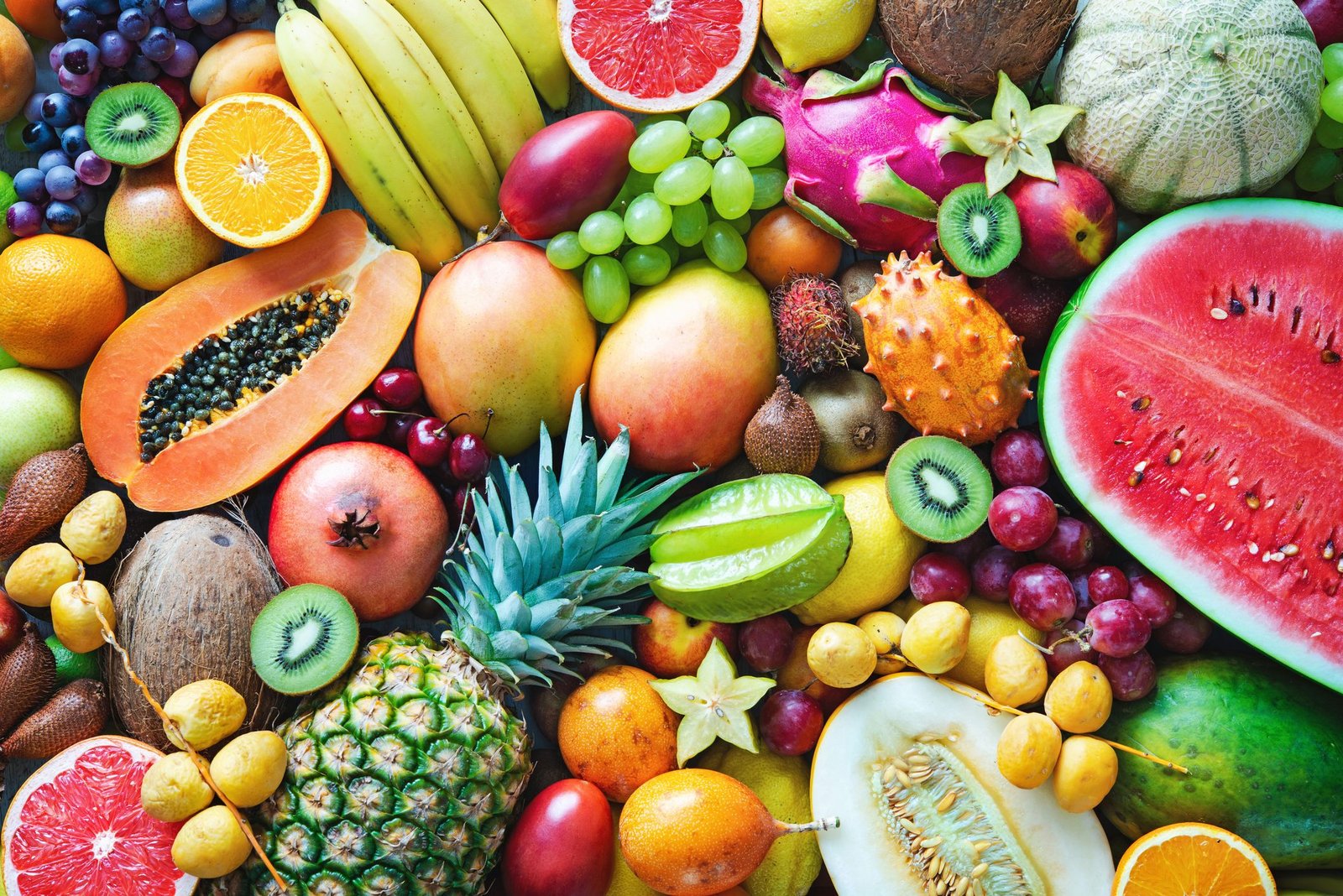

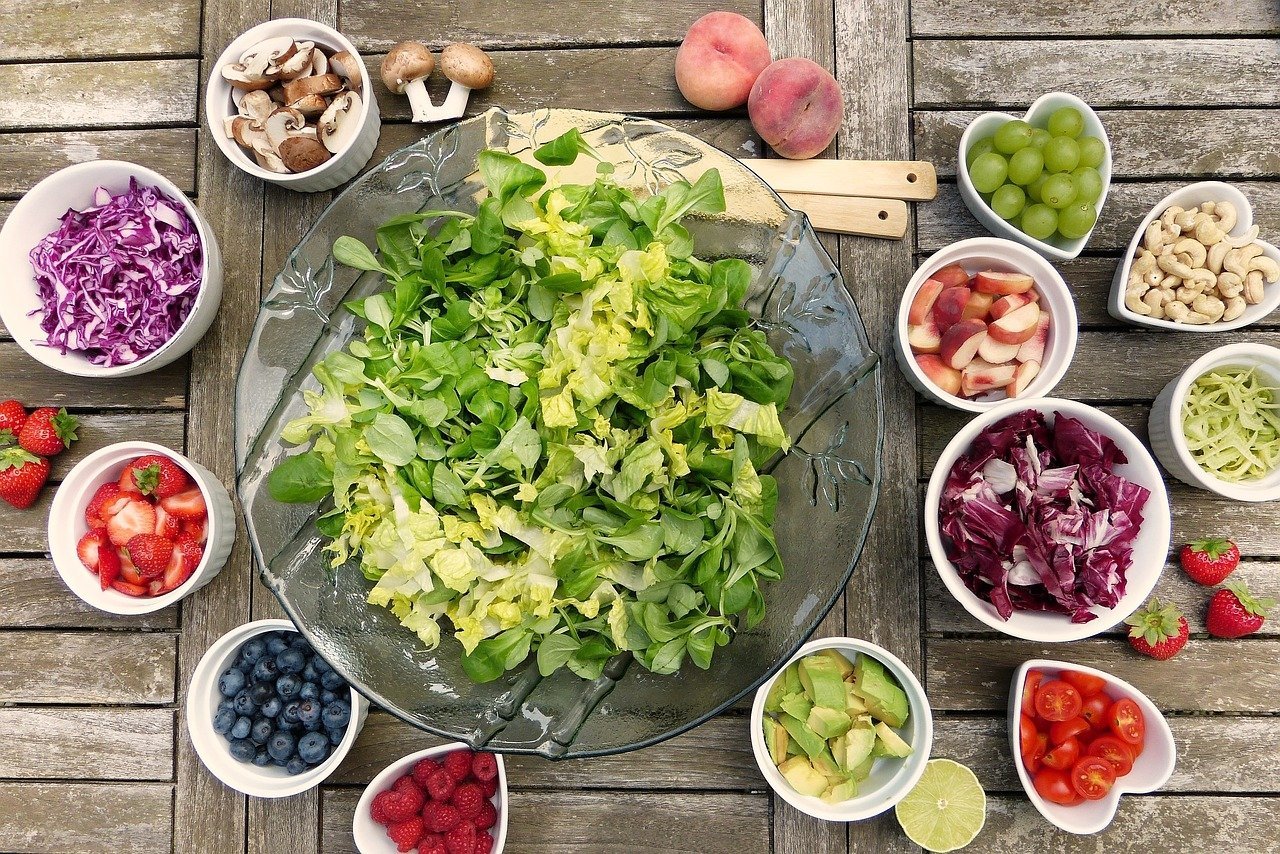
Whether you are shopping at a bustling bazaar in Lahore or a quiet rehri in Multan, the summer fruits in Pakistan offer something for every taste and budget. From the king of summer fruits in Pakistan — the mango — to the hydrating watermelon that defines Pakistani summers, these seasonal treasures make healthy eating both affordable and delicious. The variety of summer fruits in Pakistan means you never have to eat the same thing twice, and buying at peak season keeps prices low. Make the most of the summer fruits in Pakistan this season — your body will thank you for choosing fresh, local, and in-season produce.