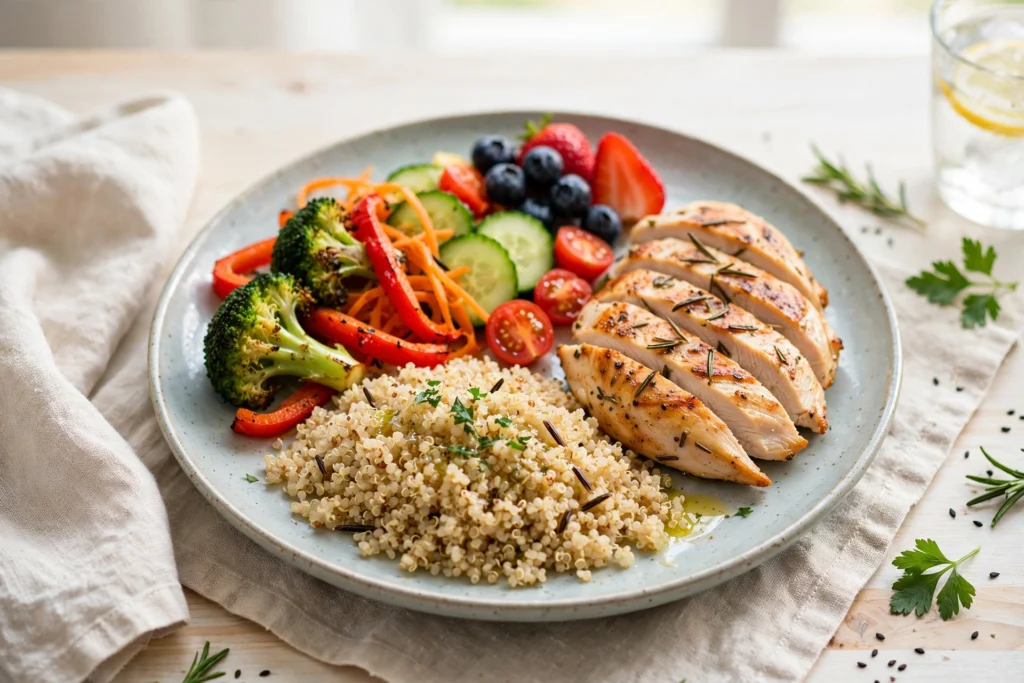
Nutrient-Rich Foods: Pakistan’s Most Nutritious Foods
Not all calories are equal. A glass of cola and a bowl of dal may both give your body energy, but only one of them also delivers protein, fibre, iron, folate and B vitamins. Foods that pack a lot of nutrients into relatively few calories are called nutrient-dense or nutrient-rich foods — and building your diet around them is one of the smartest things you can do for your health.
The good news for Pakistani families: many of the most nutrient-rich foods in the world are already in our kitchens. They are affordable, familiar and deeply part of our food culture.
What Does “Nutrient-Rich” Actually Mean?
A nutrient-rich food provides a high amount of vitamins, minerals, protein, fibre or beneficial plant compounds relative to its calorie content. Think of it as nutritional value for money. Leafy greens, lentils, eggs and fish score very high; sugary drinks, sweets and deep-fried snacks score very low — they provide energy but almost nothing your body can build with.
Eating nutrient-rich foods matters because most of us have a limited “calorie budget” each day. Spending it on nutrient-dense foods means your body gets what it needs without excess.
Pakistan’s Most Nutrient-Rich Foods
1. Lentils and Beans (Dal, Chana, Lobia, Masoor, Moong)
If there is one food group that defines affordable nutrition in Pakistan, it is pulses. Lentils and beans are rich in plant protein, fibre, iron, folate, magnesium and B vitamins. A simple bowl of masoor dal with roti delivers more nutrition than most expensive “health foods.” Eat them several times a week — as dal, in khichdi, as chana chaat or as lobia curry.
2. Leafy Green Vegetables (Palak, Sarson, Methi)
Dark leafy greens are among the most nutrient-dense foods on earth. Palak, sarson ka saag and methi provide vitamins A, C and K, folate, iron, calcium and antioxidants at very few calories. Traditional slow-cooked saag with a little oil or ghee is not just delicious — the fat actually helps your body absorb the fat-soluble vitamins in the greens.
3. Eggs
One egg contains high-quality protein, B vitamins (including B12), vitamin D, choline for brain health, and minerals like selenium — all in a small, inexpensive package. Eggs are one of the most complete and affordable nutrient sources available. Unless your doctor has advised otherwise, eggs fit well into a balanced diet.
4. Fish
Fish provides excellent protein, omega-3 fatty acids (important for heart and brain health), vitamin D, iodine and B vitamins. In Pakistan, options like rohu, sole and pomfret are widely available. Aim for fish once or twice a week, prepared grilled, steamed or in a light curry rather than deep-fried.
5. Nuts and Seeds (Badam, Akhrot, Moong Phali, Till, Alsi)
Small but mighty: almonds, walnuts, peanuts, sesame and flaxseeds provide healthy fats, protein, fibre, vitamin E, magnesium and plant omega-3s. A small handful a day is enough — they are nutritious but calorie-dense, so portions matter.
6. Yogurt (Dahi)
A staple of the Pakistani table, dahi provides protein, calcium, B vitamins and beneficial probiotic bacteria that support gut health. Choose plain yogurt over sweetened flavoured versions. A bowl of dahi with lunch or as raita is an easy daily habit.
7. Whole Grains (Whole Wheat, Barley, Oats)
Whole wheat atta — the basis of our daily roti — provides fibre, B vitamins, iron, magnesium and sustained energy. Barley (jo) and oats add variety with similar benefits. Choosing whole grains over refined flour is one of the simplest upgrades a family can make.
8. Seasonal Fruits (Amrood, Kinnow, Mango, Papita)
Fruits earn their place through vitamin C, vitamin A (as beta-carotene), potassium, fibre and protective plant compounds. Guava is one of the richest natural sources of vitamin C; kinnow and oranges keep winter immunity supported; mangoes and papaya deliver beta-carotene in summer. Seasonal fruit is also the cheapest fruit — eat what’s in season.
9. Milk
Milk provides calcium, protein, vitamin B12, iodine and — when fortified — vitamin D. For growing children, teenagers, pregnant women and older adults, dairy is a practical way to cover calcium needs. Those who don’t tolerate milk can use dahi or calcium-set alternatives.
10. Colourful Vegetables (Gajar, Tomatoes, Phool Gobhi, Band Gobhi)
Beyond leafy greens, the everyday sabzi basket counts: carrots for beta-carotene, tomatoes for lycopene and vitamin C, cauliflower and cabbage for vitamin C, K and fibre. The rule is simple — the more colours on your plate, the broader the nutrients.
How to Build Nutrient-Dense Desi Meals
You don’t need a new cuisine — just a better-assembled plate:
- Dal + roti + salad + dahi — protein, fibre, whole grains, calcium and raw vegetables in one meal
- Palak gosht or palak paneer + whole wheat roti — iron-rich greens with vitamin C from tomatoes for absorption
- Fish curry + brown rice + steamed sabzi — omega-3s, whole grains and vegetables
- Khichdi (dal + rice) with a spoon of dahi — complete, gentle and deeply nutritious
- Breakfast: vegetable omelette + whole wheat toast + a seasonal fruit — protein, fibre and vitamins to start the day
The pattern is always the same: a protein source, a whole grain, plenty of vegetables, and something fermented or dairy on the side.
A Responsible Word on Supplements
Supplements have their place — for diagnosed deficiencies, pregnancy, or specific medical conditions — but they cannot replace a balanced diet. Whole foods provide nutrients in combinations and forms your body absorbs and uses best, along with fibre and plant compounds no pill replicates. Take supplements only on a doctor’s or dietitian’s advice, not as a shortcut around eating well.
The Bottom Line
Nutrient-rich eating is not about exotic ingredients or big budgets. It is about recognising the nutritional wealth already in Pakistani kitchens — dals, greens, eggs, fish, nuts, dahi and seasonal produce — and putting them at the centre of your plate, every day.
Want help turning these foods into a structured plan for your family’s needs? Visit our Online Nutrition Consultation page or book an appointment — we’ll design practical, affordable meal plans around the foods you already love.
Nutrient-Rich Foods: Common Questions
Do I need expensive or imported foods to eat nutrient-rich foods? No. Many of the most nutrient-rich foods — dal, palak, dahi, eggs and seasonal fruit — are already part of everyday Pakistani cooking and are affordable.
Can supplements replace nutrient-rich foods? No. Supplements have their place for diagnosed deficiencies, pregnancy, or specific medical conditions, but the article’s advice is to get nutrients from food first and to discuss any supplement with a professional.
What does a nutrient-dense desi plate look like? A protein source, a whole grain, plenty of vegetables, and something fermented or dairy — for example dal + roti + salad + dahi, or palak paneer + whole wheat roti.
Health disclaimer: This article is for general education only and is not medical advice, diagnosis, or treatment. If you have a diagnosed deficiency, are pregnant, or have a medical condition, discuss diet changes and supplements with your doctor or a registered dietitian. Please read our full Health Disclaimer. For more everyday nutrition guides, see our Food Exchange List guide, and for the World Health Organization’s principles of a healthy diet, see its healthy diet fact sheet.
Nutrient-Rich Foods for Every Budget
Eating nutrient-rich foods does not require a big grocery bill. In fact, some of the most nutrient-dense foods in a Pakistani kitchen are also the cheapest. The trick is knowing where the value lies — and where money quietly gets wasted.
Buy seasonal, buy local. A kinnow in winter costs a fraction of an imported apple and delivers more vitamin C. Palak in its season is practically given away at sabzi mandis, while out-of-season greens cost triple. Seasonal produce is not only cheaper — it is usually fresher, which means more of its vitamins survive the journey to your plate.
Make pulses the anchor. Masoor, moong, chana, lobia — a kilogram of any daal costs less than a single fast-food meal and provides several family dinners’ worth of protein, iron, folate and fibre. No other food group delivers this much nutrition per rupee. If your budget is tight, build the week around daal and spend the savings on vegetables and fruit.
Eggs are the budget superfood. One of the cheapest sources of complete protein, vitamin B12, vitamin D and choline. A family that eats eggs regularly covers several key nutrients for very little money. Even a few eggs a week make a measurable difference to a tight food budget.
Shop the mandi, not just the supermarket. Fresh sabzi mandis and local vendors usually beat supermarket prices on vegetables, fruit and dahi — and the produce is often fresher because it has travelled less. Buy in the morning for the best selection, and do not be shy about buying the slightly ripe fruit at a discount; it is perfect for today.
Waste less. The most expensive food is the food you throw away. Plan meals around what is already in the kitchen, store leafy greens properly (wrapped loosely in a damp cloth in the fridge), and turn leftover sabzi into paratha filling or soup the next day. A family that wastes little can eat better on the same budget.
Frozen is fine. Frozen peas, for example, are picked and frozen at peak ripeness and can retain their nutrients well. Do not feel guilty about using them when fresh peas are out of season or overpriced. The same goes for frozen mixed vegetables — they are a practical backup, not a compromise.
A 7-Day Nutrient-Rich Desi Meal Plan
Here is a full week showing how the ten food groups above fit into real Pakistani meals. Each day follows the same formula: a protein source, a whole grain, plenty of vegetables, and something fermented or dairy. Adjust portions to your family’s appetite — the structure matters more than exact quantities.
Day 1 (Monday): Breakfast — vegetable omelette (2 eggs, onion, tomato, green chilli) with 2 whole wheat rotis and a kinnow. Lunch — masoor daal, steamed rice, mixed salad (cucumber, tomato, onion) with lemon, and a bowl of dahi. Dinner — palak chicken with 2 rotis. Snack — a handful of roasted peanuts and an amrood.
Day 2 (Tuesday): Breakfast — dahi with a sliced banana and a spoon of honey, plus a boiled egg. Lunch — chana chaat (boiled chickpeas, onion, tomato, lemon, chaat masala) with 2 rotis. Dinner — fish curry (rohu or any local fish) with brown rice and steamed band gobhi. Snack — a small bowl of roasted chana and a seasonal fruit.
Day 3 (Wednesday): Breakfast — oats cooked in milk topped with sliced dates and crushed badam. Lunch — moong daal, 2 rotis, bhindi sabzi, and kachumber salad. Dinner — daal khichdi (rice and moong daal cooked together) with a spoon of dahi and achaar. Snack — an apple or amrood with a few akhrot halves.
Day 4 (Thursday): Breakfast — 2 boiled eggs, 2 whole wheat toast slices, and a glass of milk. Lunch — lobia curry, steamed rice, gajar-matar sabzi, and dahi. Dinner — chicken qorma made with less oil, served with 2 rotis and a big mixed salad. Snack — popcorn (air-popped, lightly salted) and a kinnow.
Day 5 (Friday): Breakfast — besan cheela (gram-flour pancakes with onion and tomato) with dahi. Lunch — palak daal, 2 rotis, aloo-gajar sabzi. Dinner — baked or grilled fish with roasted vegetables and 1 roti. Snack — a handful of mixed nuts (badam, moong phali, akhrot) and a banana.
Day 6 (Saturday): Breakfast — vegetable paratha (stuffed with palak or mooli) with dahi and achaar. Lunch — rajma (kidney beans) curry with steamed rice and cucumber raita. Dinner — mixed vegetable pulao with chicken pieces and a side salad. Snack — fresh fruit chaat with chaat masala and lemon.
Day 7 (Sunday): Breakfast — milk shake made with banana, dates and a spoon of peanut butter. Lunch — sarson ka saag (or palak) with makkai ki roti, plus lassi. Dinner — light khichdi with dahi for an easy end to the week. Snack — roasted makhana (fox nuts) lightly salted.
Notice what this week never includes: sugary drinks, packaged chips, or bakery items as daily staples. Those are occasional treats, not the foundation. The foundation is always the same — pulses, eggs, vegetables, whole grains, dahi, fruit, and nuts.
Nutrient-Rich Foods for Children and Teenagers
Growing bodies need the same nutrient-rich foods adults need — just in the right amounts and in forms children will actually eat. The goal is not a separate “kids’ menu” of nuggets and fries; it is the family food, presented well and offered consistently.
Protein for growth: Eggs, daal, chicken, fish, dahi and milk cover the protein children need for muscles, immunity and steady growth. An egg at breakfast is one of the simplest upgrades a parent can make — it keeps children fuller through the school morning than a purely starchy breakfast.
Calcium and vitamin D for bones: Milk, dahi and fortified foods matter most during the bone-building years of childhood and adolescence. Children who skip dairy need careful alternatives — discuss this with a dietitian rather than guessing, because growing bones do not get a second chance.
Iron for energy and focus: Iron deficiency is common in school-age children, especially girls approaching adolescence. Daal with a squeeze of lemon (vitamin C boosts iron absorption), palak, and occasional red meat all help. A tired, pale child who struggles to concentrate is worth checking for anaemia rather than just pushing harder at schoolwork.
The lunchbox formula: A protein (boiled egg, chicken roll, chana chaat), a whole grain (roti roll, brown bread sandwich), a vegetable or fruit (cucumber sticks, banana, amrood), and water. Skip the juice boxes and chips — they add calories without nutrients and train children to expect hyper-palatable snacks.
For picky eaters: Do not force; do persist. Offer the new food alongside a liked food, keep the portion small, and let children see adults enjoying it. It can take many exposures before a child accepts a new vegetable — that is normal, not failure. Pressure and bribery around food usually backfire; calm, repeated availability works.
Getting More from Your Food: Cooking and Pairing Tips
Choosing nutrient-rich foods is only half the job. How you cook and combine them decides how much nutrition actually reaches your body. A few smart habits can multiply the value of the same ingredients.
Pair iron with vitamin C. The iron in daal, palak and other plant foods is absorbed much better when eaten with vitamin C. A squeeze of lemon over daal, tomato cooked into palak, or a kinnow after the meal — small habits, big difference. This single pairing is one of the most powerful tricks in desi nutrition, and it costs nothing.
Add a little healthy fat. Vitamins A, D, E and K are fat-soluble, meaning your body needs some fat to absorb them. The beta-carotene in gajar and palak is better absorbed when the sabzi is cooked with a little oil rather than boiled plain. You do not need much — the teaspoon of oil in a normal tadka is enough. This is one reason traditional desi cooking, with its tadka base, is nutritionally smarter than fat-free boiling.
Do not overcook vegetables. Long, fierce boiling leaches water-soluble vitamins (C and B vitamins) into the cooking water. Steam, stir-fry or cook sabzi just until tender-crisp. If you do boil vegetables, use the water — turn it into shorba or use it to knead atta, so the vitamins stay in the meal instead of going down the drain.
Keep the daal water. When daal is soaked or boiled, some B vitamins and minerals move into the water. Do not throw it away — cook the daal in it. The same applies to the water used to soak chana or lobia; it carries nutrition worth keeping.
Go easy on the deep-fryer. Occasional pakoras are fine and nobody is suggesting you give them up. But daily deep-frying adds a lot of oil calories without adding nutrients, and very high heat can damage some vitamins. Shallow-frying, baking or air-frying gives crunch with less oil — and your heart will thank you over the years.
Eat the rainbow. Different colours signal different protective plant compounds — orange (beta-carotene in gajar and mango), red (lycopene in tomato), green (folate and vitamin K in palak), purple (anthocyanins in jamun and red cabbage). A colourful plate is usually a nutrient-rich plate, so let colour guide your sabzi shopping.
Common Mistakes That Drain Nutrients from Desi Cooking
Even good ingredients lose their value through common kitchen habits. Watch for these quiet nutrient thieves:
Peeling everything thickly. Much of the fibre and some vitamins sit just under the skin of vegetables and fruit. Peel thinly — or scrub well and leave the skin on where it is edible, like with gajar and aloo. Those peels you throw away are nutrition you paid for.
Chopping vegetables hours before cooking. Cut surfaces exposed to air lose vitamin C over time. Chop closer to cooking time, especially for salad vegetables. If you must prep ahead, keep chopped vegetables covered in the fridge.
Overcooking saag. Sarson ka saag simmered for hours is delicious and culturally precious — keep making it. But very long cooking reduces vitamin C, so balance tradition with nutrition by making sure vitamin C comes from elsewhere that day: a kachumber salad, a kinnow, or an amrood.
Serving chai with meals. The tannins in chai and coffee reduce iron absorption from the meal you just ate. If iron matters for you — pregnancy, anaemia, growing children, or heavy periods — keep a gap of an hour or two between the meal and the chai. Enjoy your doodh patti; just time it right.
Skipping the salad. Cooked sabzi is wonderful, but raw salad adds vitamin C and crunch that cooking destroys. A simple kachumber alongside the main meal costs almost nothing and adds real nutrition. Make salad a non-negotiable part of lunch and dinner, not an afterthought.
More Nutrient-Rich Foods Questions
Are frozen vegetables as good as fresh? Often yes. Vegetables frozen at peak ripeness can retain their vitamins well — sometimes better than “fresh” produce that has spent days in transport and storage. Use frozen peas, corn or mixed vegetables without guilt when fresh is unavailable or overpriced. They are a practical backup, not a compromise.
Is brown rice really better than white rice? Brown rice keeps the bran and germ, so it has more fibre, B vitamins and minerals. But white rice is not “bad” — especially when the rest of the meal is nutrient-rich (daal, sabzi, dahi). If your family will not eat brown rice, do not fight that battle; win the vegetable and protein battles instead. Nutrition is about the whole plate, not one ingredient.
How do I get my family to eat more vegetables? Make them unavoidable and delicious: a salad that is always on the table, vegetables mixed into daal and keema, roasted vegetables as snacks, and adults eating them with visible enjoyment. Pressure backfires; availability works. Children copy what they see, so the most powerful vegetable strategy is parents eating vegetables happily.
This guide is part of our Healthy Eating Basics collection. Explore all eight beginner guides there, from meal prep and grocery lists to reading food labels and building habits that last.
Making Nutrient-Rich Foods a Habit
Reading about nutrient-rich foods is the easy part; making them a daily habit is where the real benefit lies. Start small: add one more vegetable to dinner, swap one sugary snack for fruit, or put dahi on the table every day. These tiny shifts, repeated daily, turn nutrient-rich foods from a concept into the way your family actually eats.
Remember that nutrient-rich eating is flexible, not rigid. There is no single perfect meal — there is only the overall pattern. A week built mostly on nutrient-rich foods, with the occasional treat, is far healthier than striving for perfection and giving up by Wednesday. Build the pattern, trust the process, and let Pakistan’s own nutrient-rich foods do the heavy lifting for your family’s health.