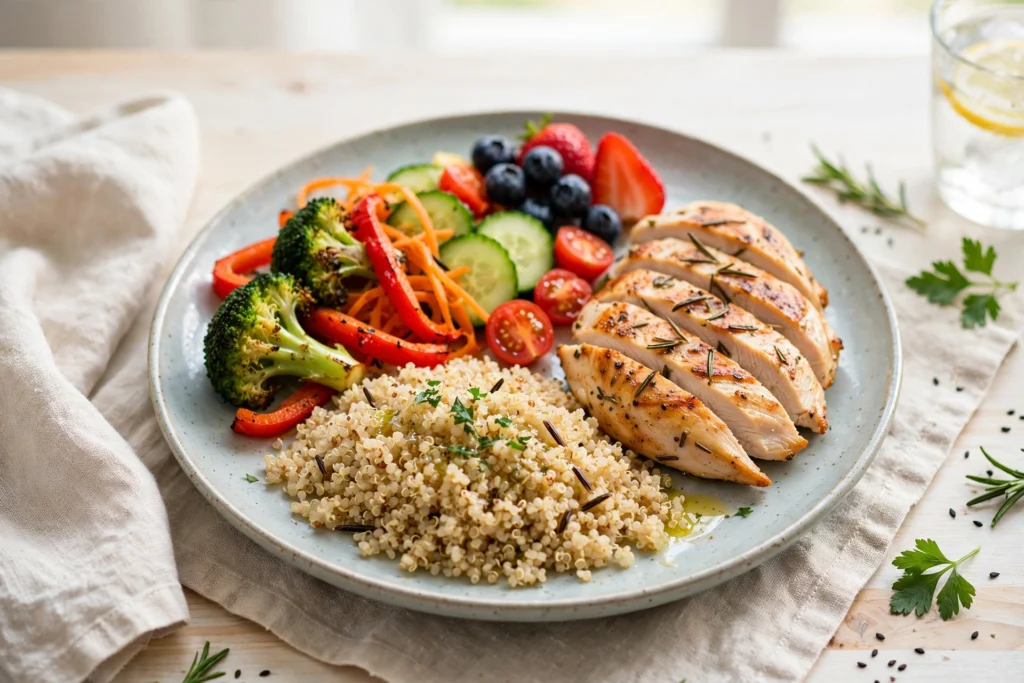
Healthy Christmas appetizers can change the whole feeling of the holiday table. Instead of arriving at the main course already full, tired, and uncomfortable, guests can graze, talk, laugh, and still enjoy the meal that follows. Healthy Christmas side dishes work the same way. They keep the colours, the warmth, and the celebration, while giving the body more fibre, more vegetables, more protein, and a steadier supply of energy.
This guide is for the host who wants a lighter festive table without serving food that feels like a compromise. You will find practical appetizer ideas, side dish ideas, smart swaps for classic dishes, portion and balance tips, and answers to the questions readers ask most often. Every idea is designed to be made ahead where possible, shared easily, and enjoyed by people with different tastes and appetites. Nothing here requires unusual equipment or hard-to-find ingredients, and most dishes can be adjusted for vegetarian guests, for people who prefer gluten-free options, or for anyone watching salt, sugar, or saturated fat.
Think of Christmas appetizers and sides as the supporting cast. They are not meant to compete with the centrepiece. Their job is to open the meal gently, to add freshness and crunch, and to make sure there is something satisfying on the table for everyone. When those dishes are built around vegetables, legumes, whole grains, lean protein, nuts, seeds, herbs, and good-quality fats, the meal becomes more balanced almost by itself.
Why Do Appetizers and Sides Matter So Much at Christmas?
At Christmas, the first hour of the celebration often sets the tone for the rest of the day. Guests arrive hungry, sometimes after travel, and the food put out first is eaten quickly and without much thought. If that food is only fried, salty, and very rich, it is easy to feel uncomfortably full before the main meal has even begun. A thoughtful starter table slows that rush down. It gives people something to hold, something to talk about, and time to settle in.
Appetizers also solve a practical hosting problem. A large festive meal takes time to prepare, and guests do not all arrive at the same moment. Small plates and finger foods bridge that gap. They keep early arrivals fed and happy while the host finishes the final cooking, and they reduce the pressure to serve everything at exactly the same second.
Side dishes matter for a different reason. They are where most of the variety on a Christmas plate comes from. The main protein may be one dish, but the sides can provide five or six different flavours, textures, and colours. That variety is an opportunity. A plate with roasted vegetables, a fresh salad, a grain dish, and a lighter version of a creamy classic is far more interesting, and far more nourishing, than a plate dominated by one heavy starch and one rich sauce.
There is also a nutritional point that is easy to miss. Appetizers and sides are often where fibre is won or lost. Fibre slows digestion, helps with fullness, supports gut health, and helps blunt sharp rises in blood sugar after a large meal. Vegetables, beans, lentils, whole grains, and fruit all contribute fibre. When at least half of the starter and side table is made from those foods, the whole meal tends to feel better, even if richer dishes are still enjoyed in smaller amounts.
Finally, appetizers and sides carry the festive feeling. A bright pomegranate salad, a tray of roasted vegetables with herbs, a bowl of warm spiced nuts, or a platter of colourful dips looks celebratory. Healthy food at Christmas does not have to look restrained or plain. In fact, the most naturally colourful foods are often the healthiest ones on the table.
What Makes a Christmas Appetizer Healthy?
A healthy Christmas appetizer is not defined by being low in calories alone. It is defined by what it adds: vegetables or fruit, protein or fibre, and flavour from herbs, spices, citrus, and good fats rather than from large amounts of salt, sugar, or frying. A good appetizer should leave you feeling satisfied, not sluggish, and it should be easy to eat in a small portion while standing and talking.
Start with a base of vegetables. Cucumber rounds, bell pepper strips, celery sticks, cherry tomatoes, radishes, and roasted sweet potato rounds all make excellent carriers for dips and toppings. They add crunch, water, and fibre, and they help balance richer toppings such as cheese or nuts. Next, add protein. Protein is what turns a snack into a satisfying starter. Hummus, white bean dip, Greek yoghurt dip, smoked salmon, prawns, chicken skewers, eggs, and cheese in modest amounts all work well.
Then add flavour without heaviness. Fresh herbs such as mint, parsley, dill, and coriander brighten rich foods. Lemon zest, lime juice, and vinegar cut through fat. Chilli, black pepper, cumin, smoked paprika, and garlic add warmth without calories. A drizzle of olive oil, a spoonful of tahini, or a scattering of toasted seeds can make a simple vegetable plate taste complete.
Portion design matters too. Small, individual portions help guests pace themselves. Stuffed mushrooms, lettuce cups, skewers, and small toasts are easier to enjoy mindfully than a large bowl of chips that disappears without anyone noticing how much has been eaten. Aim for a mix: one or two fresh and crunchy options, one warm option, one protein-rich dip, and one slightly more indulgent option for balance. That mix keeps the table interesting without making every choice a heavy one.
Which Healthy Christmas Appetizers Work Best for a Crowd?
The best crowd appetizers share three qualities: they can be prepared in batches, they hold well at room temperature for a short time, and they do not require last-minute frying or complicated plating. The ideas below are grouped by style, so you can choose one from each group and build a balanced starter table without repeating the same flavour.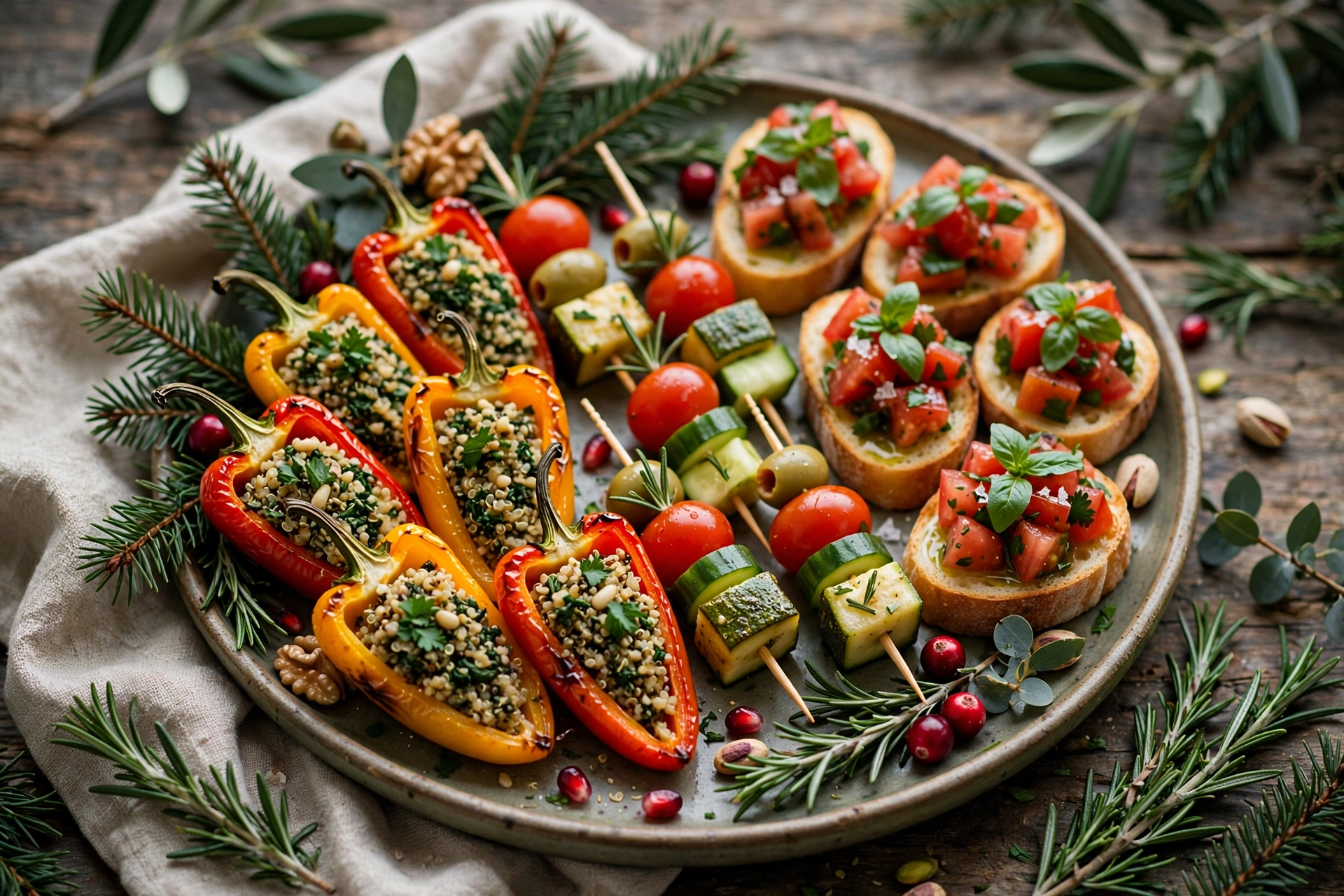
Fresh and Crunchy Starters
Start with a large vegetable platter, but make it feel festive rather than ordinary. Arrange cucumber, carrots, celery, radishes, sugar snap peas, and bell peppers in colour blocks, and serve them with two dips instead of one. A classic hummus provides plant protein and fibre, while a Greek yoghurt and herb dip adds a cool, tangy contrast. Add a small bowl of olives and a handful of toasted pumpkin seeds for salt and crunch. This kind of platter is naturally gluten-free, easy to scale up, and gives every guest an immediate healthy option.
Bruschetta can also be lightened without losing its appeal. Use small slices of whole-grain bread, toasted until crisp, and top them with chopped tomatoes, basil, garlic, and a little olive oil. A second topping of white beans mashed with lemon, rosemary, and garlic offers protein and a creamy texture. Keep the toppings in separate bowls and let guests assemble their own, so the bread stays crisp.
Warm and Comforting Starters
Warm appetizers feel especially welcoming in winter. Stuffed mushrooms are a good example. Fill large mushroom caps with a mixture of spinach, garlic, whole-grain breadcrumbs, and a modest amount of feta or Parmesan, then bake until golden. They are rich in flavour, portion-controlled, and far lighter than pastry-wrapped or deep-fried alternatives.
Roasted sweet potato rounds are another strong choice. Slice sweet potatoes into thick rounds, roast with olive oil and smoked paprika until tender, and top with a spoonful of Greek yoghurt, a few pomegranate seeds, and chopped herbs. The result is sweet, savoury, and colourful, and it introduces a vegetable that many guests will already associate with holiday meals.
For a protein-rich warm option, try herb and lemon chicken skewers or prawn skewers with garlic and parsley. Skewers are easy to serve, easy to portion, and easy to adapt. Use a light marinade of olive oil, lemon juice, garlic, and herbs rather than a sugary glaze, and serve with a simple yoghurt or salsa dip on the side.
Dips, Spreads, and Small Plates
Dips deserve a central place on a Christmas starter table because they encourage sharing and grazing. Beetroot and white bean dip, made by blending cooked beetroot with white beans, tahini, lemon, and cumin, is vivid pink, naturally festive, and high in fibre. Guacamole made fresh with avocado, lime, tomato, coriander, and a little chilli is another crowd-pleaser, provided it is served with vegetable sticks and whole-grain crackers rather than only fried chips.
Smoked salmon is a traditional festive starter that can be kept light. Serve small pieces on cucumber rounds or whole-grain blinis with a little cream cheese or Greek yoghurt, dill, capers, and lemon. The salmon provides omega-3 fats and protein, while the cucumber keeps the bite fresh and crisp. Devilled eggs, made with a filling of mashed yolk, Greek yoghurt, mustard, and herbs instead of only mayonnaise, offer a similar balance of tradition and lightness.
When planning quantities, a useful rule is to offer four to six appetizer options for a larger gathering and three to four for a smaller one. More choice does not always mean more food eaten. It usually means guests find something they genuinely enjoy and stop sooner, rather than filling up on the first rich option available.
What Are the Best Healthy Christmas Side Dishes?
Healthy Christmas side dishes should do more than fill the plate. They should add colour, texture, and nutrients, and they should taste like celebration food, not diet food. The best sides use seasonal winter vegetables, whole grains, and fresh herbs, and they rely on roasting, steaming, and light dressings rather than heavy cream, large amounts of butter, or deep frying.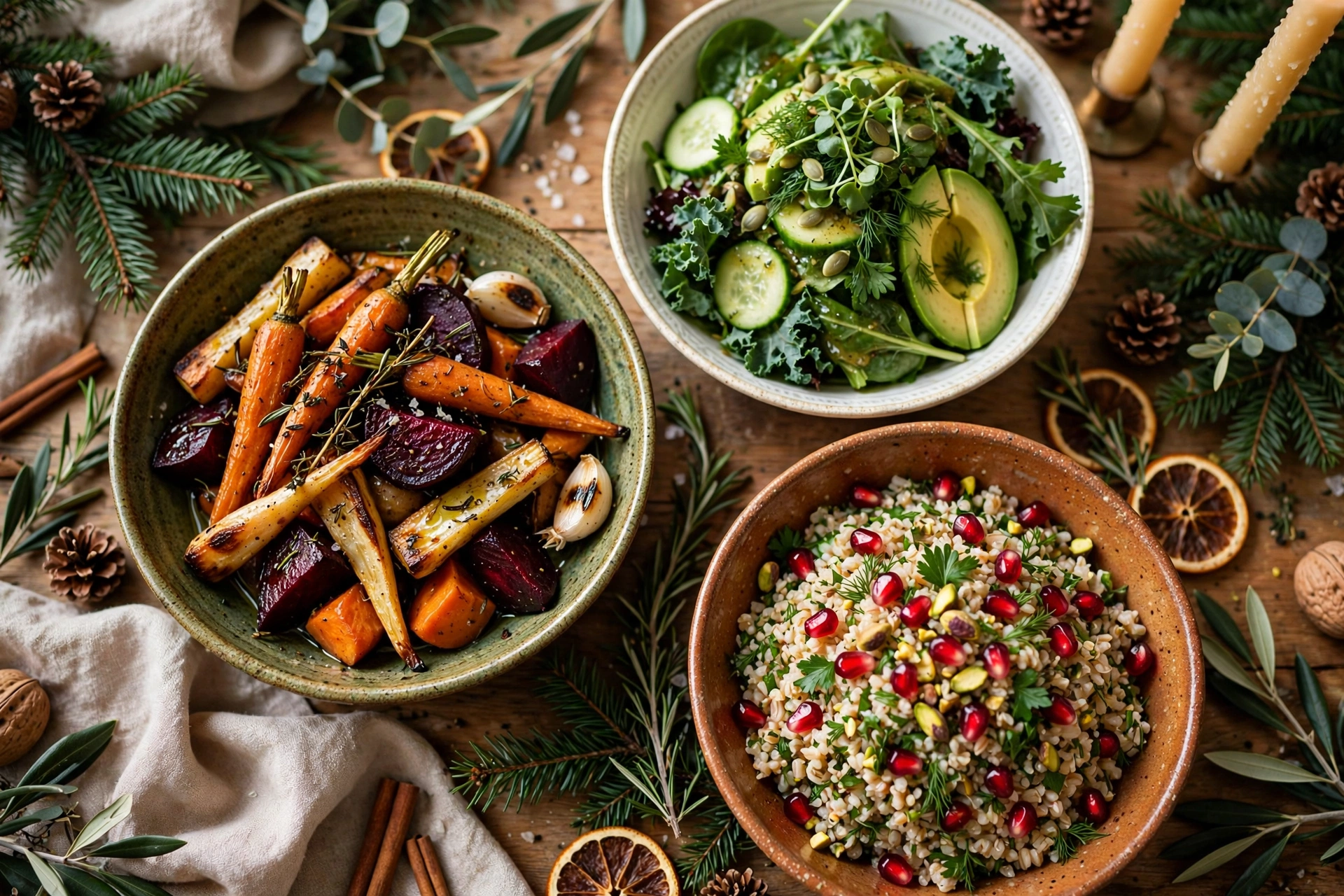
Roasted and Seasonal Vegetables
Roasting is the simplest way to make vegetables taste festive. Brussels sprouts roasted with olive oil, garlic, and a squeeze of lemon become crisp at the edges and sweet inside. Add toasted walnuts or hazelnuts for crunch and a little pomegranate for colour. Roasted carrots with cumin, honey in a very small amount, and fresh parsley are sweet, earthy, and beautiful on a platter. Roasted parsnips, cauliflower, and red onions can be cooked on the same tray, which saves oven space on a busy cooking day.
For a dish that feels special, try a roasted vegetable and grain tray. Roast butternut squash, red onion, and courgette, then toss with cooked quinoa or bulgur wheat, chopped herbs, lemon zest, and toasted seeds. This dish can be served warm or at room temperature, which makes it ideal for a buffet. It also gives vegetarian guests a satisfying, protein-containing side that does not feel like an afterthought.
Winter vegetables are particularly useful at Christmas because they are in season, affordable, and sturdy. Cabbage, kale, leeks, and root vegetables hold their texture well and pair naturally with festive flavours such as sage, thyme, rosemary, chestnuts, and citrus. A simple braised red cabbage with apple, vinegar, and a little cinnamon, for example, adds acidity and brightness that balances richer foods on the plate.
Fresh Salads That Belong on a Festive Table
A fresh salad is not a token healthy option. When it is built well, it is often the dish guests return to for a second helping. A winter salad of mixed leaves, sliced pear or apple, toasted walnuts, and a light mustard and olive oil dressing offers sweetness, crunch, and freshness. A pomegranate, orange, and rocket salad with a little feta provides jewel-like colour and a sharp, refreshing contrast to roasted dishes.
Another excellent option is a shredded Brussels sprout and kale salad with lemon, olive oil, toasted seeds, and shaved Parmesan. Massaging the kale briefly with lemon juice softens it, and the raw vegetables keep their crunch even if the salad sits for a while. Serve dressings on the side when possible, so salads stay crisp and guests can control how much they use.
For more on seasonal winter eating, see Winter Foods for Immunity, which explores how winter produce can support a varied, nutrient-rich diet during the colder months.
Grains, Beans, and Satisfying Alternatives
Whole grains and legumes make sides more filling without making them heavy. A wild rice and mushroom pilaf, cooked with vegetable stock, garlic, thyme, and toasted almonds, feels festive and substantial. A lentil and roasted vegetable salad, dressed with lemon and herbs, adds plant protein and fibre and works well for guests who do not eat meat.
Bean dishes can also be adapted for Christmas. White beans baked with tomatoes, garlic, and rosemary make a warm, comforting side that is rich in fibre and plant protein. Chickpeas roasted with smoked paprika and cumin can be scattered over salads or served as a crunchy topping. These dishes are inexpensive, easy to prepare in large batches, and reheat well, which is a real advantage when hosting.
How Can You Make Classic Christmas Sides Healthier Without Losing Them?
Most families have classic sides they return to every year, and there is no need to remove them entirely. Smart swaps keep the familiar dish recognisable while improving its nutritional profile. The goal is not perfection. It is a better balance across the whole plate.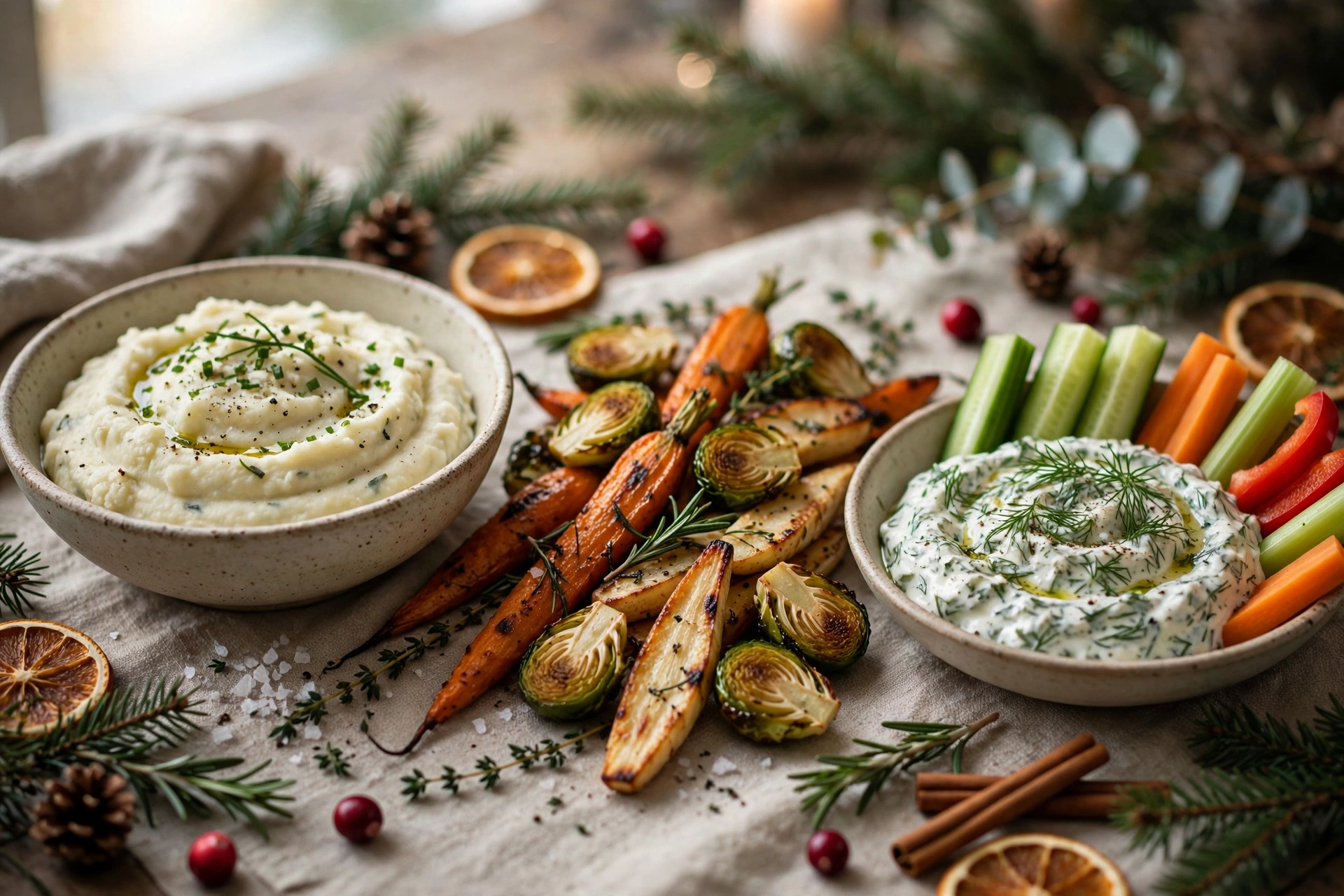
Mashed potatoes are a good starting point. Instead of using only white potatoes with large amounts of butter and full-fat milk, try a half-and-half mash: half potato and half cauliflower or celeriac, mashed with a little olive oil, warm milk, garlic, and herbs. The texture remains creamy, the flavour remains comforting, and the dish gains fibre while becoming lighter. Adding roasted garlic or a spoonful of Greek yoghurt can increase flavour without adding much fat.
For stuffing, choose a whole-grain bread base and load it with vegetables. Mushrooms, celery, onion, and herbs add bulk and flavour, while toasted chestnuts or walnuts add texture. Use stock and a small amount of olive oil to moisten the mixture rather than large amounts of butter. If sausage is traditional in your family, use a smaller amount as a flavouring ingredient rather than the main component, and balance it with plenty of vegetables and whole grains.
Creamy sauces can be lightened in a similar way. A sauce made with Greek yoghurt, mustard, lemon, and herbs can replace a heavy mayonnaise-based dressing for salads and vegetable dishes. For a warm sauce, a cauliflower-based sauce blended with a little cheese, garlic, and nutmeg can give a creamy feel with less saturated fat. The key is to season well. A light sauce that tastes bland will not satisfy anyone, while a well-seasoned light sauce can be genuinely enjoyable.
Gravy also benefits from a lighter approach. Make it from roasted vegetable stock and pan juices, skim off excess fat, and thicken with a smaller amount of flour or cornstarch. Serve gravy in a jug rather than pouring it over everything in advance, so guests can choose their own portion. The same principle applies to cranberry sauce. A homemade version made with fresh cranberries, orange zest, and a modest amount of sweetener will usually contain far less added sugar than a highly sweetened commercial version, and it will taste fresher.
Roast potatoes can be kept, too. Cut them smaller so more surface becomes crisp, toss them in a moderate amount of olive oil rather than animal fat, and roast them at a high temperature with rosemary and garlic. Serve a smaller portion of roast potatoes alongside a larger portion of roasted vegetables, so the plate still feels festive and generous. For guests watching sodium, herbs, citrus, garlic, and vinegar can provide flavour without relying on salt. Readers who want more detail on that approach may find How to Lower Blood Pressure with Diet helpful, as it discusses food choices that support healthier blood pressure.
How Do You Balance Portions at a Festive Meal?
Portion balance at Christmas is less about strict measuring and more about building a plate that feels satisfying in the moment and comfortable afterwards. A simple visual guide works well: fill about half the plate with vegetables and salad, about a quarter with protein, and about a quarter with a starchy side or grain dish. Add a small spoonful of sauce rather than covering the plate, and leave room to enjoy a dessert later if you want one.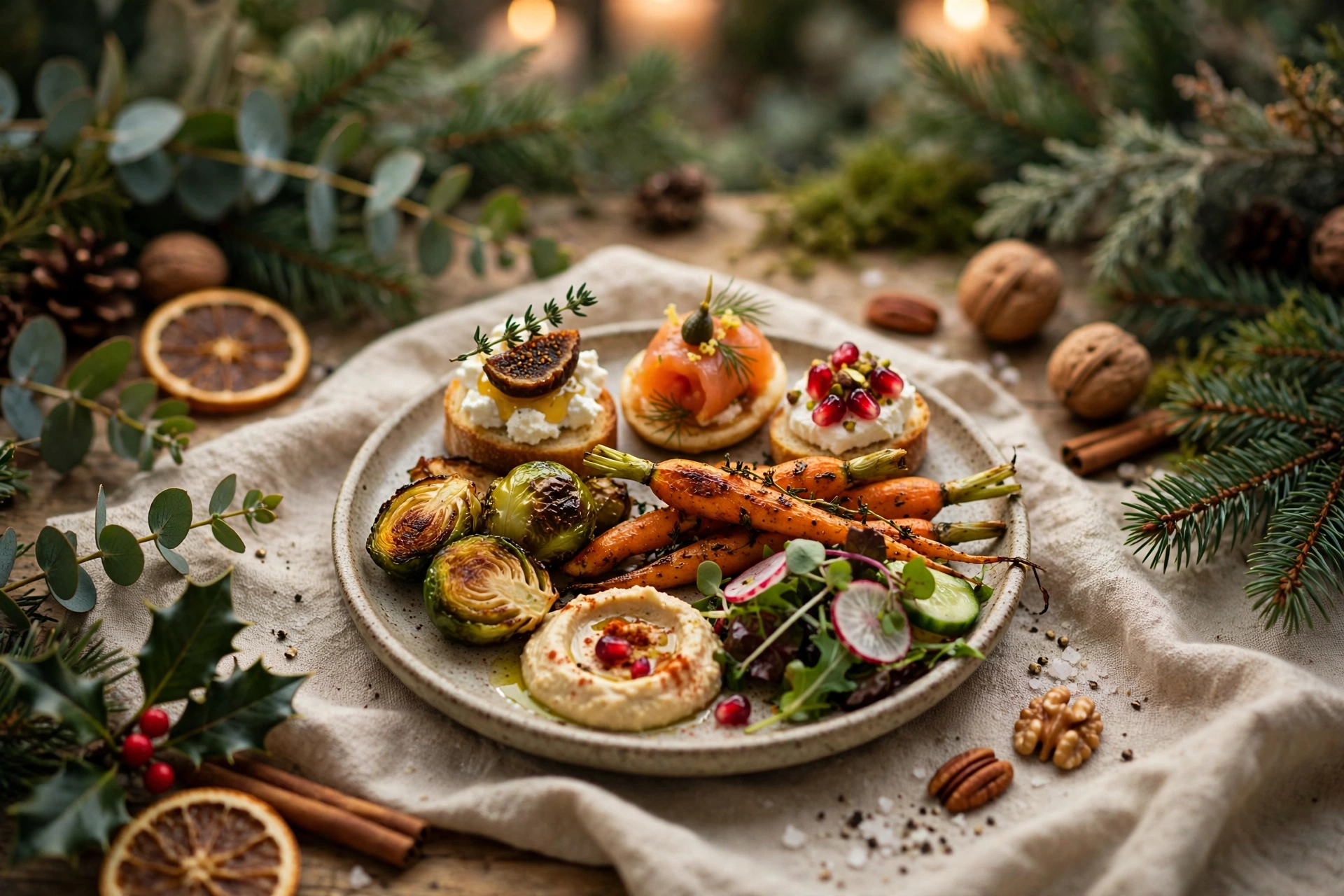
Start with the foods you enjoy most, not the foods you feel you should eat first out of duty. If roasted vegetables and a fresh salad are genuinely appealing, start there. If a particular classic side is the highlight of Christmas for you, include a moderate portion of it and balance it with lighter choices elsewhere. Restriction tends to backfire at celebrations, while conscious choice tends to feel sustainable.
Appetizers require a slightly different approach because they are eaten over a longer period and often while standing. Choose a small plate if one is available, and refill it thoughtfully rather than grazing continuously from a large platter. Alternate richer bites with vegetable-based bites. Drink water regularly, especially if alcoholic drinks are being served, and pause between rounds of food to check whether you are still hungry or simply enjoying the social moment.
Hosts can support balance without drawing attention to it. Offer smaller plates for starters, place vegetable dishes at the front of a buffet, and keep water visible and easy to reach. Label dishes clearly for common dietary needs, such as vegetarian, gluten-free, or nut-containing, so guests can choose confidently without needing to ask repeatedly. These small hosting choices make a healthier table feel welcoming rather than restrictive.
For guests managing blood sugar, pairing starchy sides with protein, fibre, and vegetables is particularly helpful. A small portion of potatoes or grain, eaten alongside vegetables, salad, and a protein-rich main dish, will usually be better tolerated than a large portion of starch eaten alone. Planning the overall menu in advance can also help. Meal Planning for Diabetics offers practical structure for building balanced meals around individual needs, and the same principles apply to a festive menu: plan the plate, keep portions moderate, and include fibre and protein at every meal.
How Can You Plan a Healthy Christmas Starter and Side Menu?
Planning a menu in advance reduces stress and prevents a last-minute reliance on fried or highly processed options. Begin by choosing your centrepiece, then build the sides around it. If the main dish is rich, choose lighter, fresher sides. If the main dish is lean, such as roast turkey or fish, you can afford a slightly richer side or two without unbalancing the meal.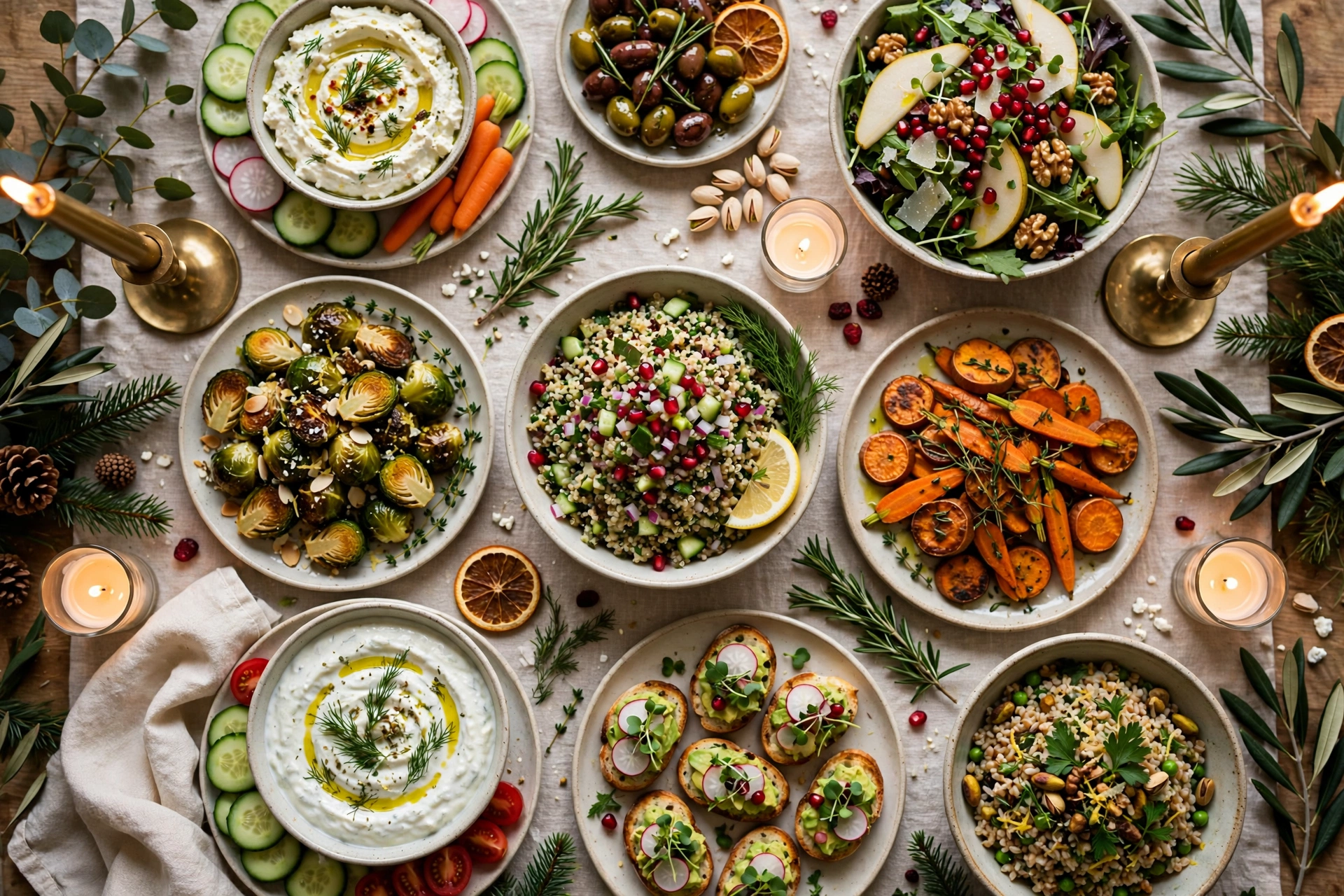
A balanced example menu might include a vegetable platter with hummus and yoghurt dip, stuffed mushrooms, and smoked salmon cucumber bites as appetizers. For sides, offer roasted Brussels sprouts with walnuts, a pomegranate and orange salad, a lighter mashed potato and cauliflower dish, and a quinoa and roasted squash salad. This combination covers fresh, warm, crunchy, creamy, sweet, and savoury flavours, and it includes protein, fibre, and vegetables at every stage.
Make-ahead planning is essential. Dips, salads that use sturdy vegetables, grain dishes, and roasted vegetables that can be reheated all reduce pressure on Christmas Day. Prepare dips the day before, wash and cut vegetables in advance, and cook grains ahead of time. On the day itself, focus on final roasting and assembly. A calmer host usually means a more enjoyable meal for everyone.
Consider the needs of your guests early. Ask about vegetarian, vegan, gluten-free, dairy-free, or nut allergy requirements before finalising the menu, and make sure at least one appetizer and one substantial side suit each guest. A guest who can eat only a plain salad while everyone else enjoys a feast will not remember the meal fondly, however healthy it was. Inclusion is part of good hosting.
Frequently Asked Questions About Healthy Christmas Appetizers and Side Dishes
How Many Appetizers Should I Serve at Christmas?
For a gathering of eight to twelve guests, four to six appetizer options are usually enough. For a smaller group, three well-chosen options will feel generous without creating waste. Focus on variety rather than quantity: one fresh option, one warm option, one dip, and one protein-rich option will cover most tastes. Remember that appetizers are a prelude, not the main event, so guests do not need a full meal before dinner.
Can Healthy Christmas Sides Still Taste Festive?
Yes, because festive flavour comes from herbs, roasting, citrus, spices, and seasonal produce, not only from butter, cream, and sugar. Roasted vegetables with sage and thyme, a bright pomegranate salad, and a well-seasoned grain dish all taste celebratory. The key is to season generously, to include contrasting textures, and to present dishes attractively. A colourful, well-arranged table signals celebration just as clearly as a rich one.
What Are the Easiest Make-Ahead Healthy Sides?
Dips, grain salads, braised red cabbage, and roasted vegetable salads are among the easiest make-ahead sides because they taste just as good, or even better, after resting. Prepare dips and grain dishes the day before, and roast vegetables a few hours ahead and reheat them briefly before serving. Salads made with sturdy vegetables such as kale, shredded Brussels sprouts, and cabbage also hold well, especially if dressing is added shortly before serving.
How Do I Cater for Vegetarian and Gluten-Free Guests?
Build the menu around dishes that are naturally suitable rather than creating separate, lesser versions. Vegetable platters with hummus, stuffed mushrooms, roasted vegetables, grain salads made with quinoa, and bean dishes are naturally vegetarian and often gluten-free. Check labels on stock, sauces, and crackers, keep nut-containing dishes clearly labelled, and avoid cross-contamination where allergies are involved. When every guest has at least one substantial appetizer and one substantial side, no one feels excluded.
Are Nuts a Healthy Christmas Appetizer?
Nuts can be a healthy appetizer in moderate portions because they provide healthy fats, protein, fibre, and minerals. A small handful per person is a sensible guide, and unsalted or lightly salted nuts are preferable to heavily salted or sugar-coated varieties. Because nuts are energy-dense, serve them in small bowls rather than large piles, and always label them clearly for guests with allergies.
How Can I Avoid Feeling Overfull at Christmas?
Eat slowly, start with vegetables and salad, choose moderate portions of richer dishes, and pause before deciding on seconds. Drinking water throughout the meal, taking a short walk after eating, and saving dessert for later rather than eating it immediately after the main course can all help. A lighter starter and side table supports this approach naturally, because it gives you satisfying foods to enjoy without relying solely on the richest dishes.
Keep Reading
Healthy eating at Christmas is easier when the whole season is planned with balance in mind. For longer-term structure beyond a single festive meal, Healthy Weekly Meal Plan for Weight Loss shows how balanced plates, portion awareness, and varied foods can fit into an ordinary week. If you enjoy the Mediterranean style of eating reflected in many of the dips, salads, and olive oil-based dishes in this guide, Mediterranean Diet for Beginners explains that pattern in practical, beginner-friendly terms. Together, these guides can help you carry the lighter, fresher habits of a well-planned Christmas table into the new year.
Medical Disclaimer
This article is for general information only and is not medical advice. It does not diagnose, treat, or replace professional advice for any health condition, including diabetes, heart disease, kidney disease, food allergies, or digestive disorders. Individual nutritional needs vary, and some ingredients mentioned here, such as nuts, dairy, gluten, fish, and shellfish, may not be suitable for everyone. If you have a medical condition, take medication, are pregnant, or follow a therapeutic diet, speak with your doctor or a qualified registered dietitian before making significant changes to your diet. If you experience symptoms after eating a particular food, seek appropriate medical attention. Always check ingredient labels and inform your host about allergies or dietary requirements in advance.
A lighter Christmas table is not about giving up the foods you love. It is about making room for freshness, colour, and balance alongside tradition. With a few thoughtful appetizers, a generous selection of vegetable and grain sides, and a calm approach to portions, you can host a festive meal that feels abundant, tastes wonderful, and leaves everyone comfortable enough to enjoy the rest of the celebration.