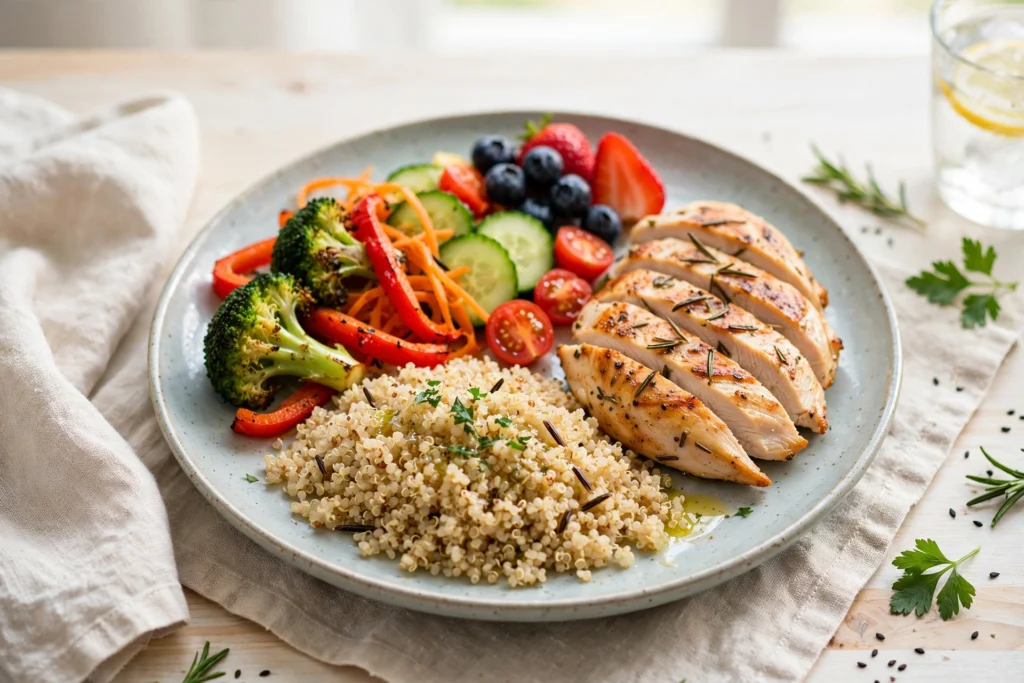
Healthy Christmas cookies can still smell like cinnamon, crackle at the edges, and disappear from the plate before the kettle has boiled. The difference is not willpower or a joyless substitute. It is a smarter recipe: a little less added sugar, a little more fibre, a satisfying fat, and a flavour built from spices, citrus zest, nuts, and real chocolate rather than from sweetness alone. When those choices come together, you can enjoy the ritual of baking and sharing without the heavy sugar crash that so often follows a tin of traditional biscuits.
This guide shows you how to make that switch without losing the holiday feeling. You will learn which ingredients genuinely help, which swaps work in a cookie dough, and which ones turn a batch dry, flat, or strangely flavoured. You will also find low-sugar cookie ideas, lighter Christmas desserts, and practical portion tips for parties, gift boxes, and family baking days. Whether you are baking for children, for guests with diabetes, or simply for yourself, the aim is the same: food that tastes festive first and happens to be kinder to your blood sugar, digestion, and energy.
Why Can Christmas Treats Be Healthier Without Losing the Fun?
Christmas treats do not have to be an all-or-nothing choice between a strict diet and a free-for-all. Most traditional cookies are built from the same few ingredients, and small changes to each one add up. Reducing sugar by one-quarter to one-third, for example, often leaves a cookie noticeably less sweet but still recognisably itself, especially when vanilla, cinnamon, ginger, nutmeg, and orange zest are doing more of the flavour work. Replacing part of the white flour with wholemeal flour or oat flour adds fibre and a deeper, toastier taste. Adding nuts or seeds gives crunch and helps you feel full sooner.
That balance matters because Christmas eating is rarely about one cookie. It is about tasting several things over several days, often while routines change, sleep shortens, and meals become larger and later. A cookie that is mostly refined flour and sugar can leave you hungry again quickly and may make the next serving harder to resist. A cookie with fibre, protein, and healthy fats slows that cycle down. It is still a treat, but it behaves more like food and less like a sugar rush.
Healthier baking also protects the social side of Christmas. When a tray includes a lower-sugar option, a naturally gluten-free almond cookie, or a dairy-free oat biscuit, more people can join in without needing a separate meal or an awkward explanation. The goal is inclusion, not restriction. Keep the traditional favourites you love, if you want them, and add one or two thoughtful recipes alongside them. A smaller tin of excellent cookies is often more enjoyable than a mountain of mediocre ones.
It helps to think in terms of what you are adding, not only what you are removing. Warm spices add aroma without calories. Toasted nuts add texture and staying power. Dark chocolate adds intensity, so a smaller amount feels richer. Dried fruit adds chew and natural sweetness, although it is still concentrated sugar, so a handful rather than a cup is usually enough. Fresh citrus zest brightens a dough in a way that sugar cannot. When a recipe is built around those flavours, the reduced sugar feels like a choice rather than a sacrifice.
What Are the Healthiest Ingredients for Christmas Cookies?
A good healthy cookie starts with a strong base. Wholemeal flour, oat flour, and almond flour each bring something different. Wholemeal flour adds fibre and a wholesome, slightly nutty flavour that suits
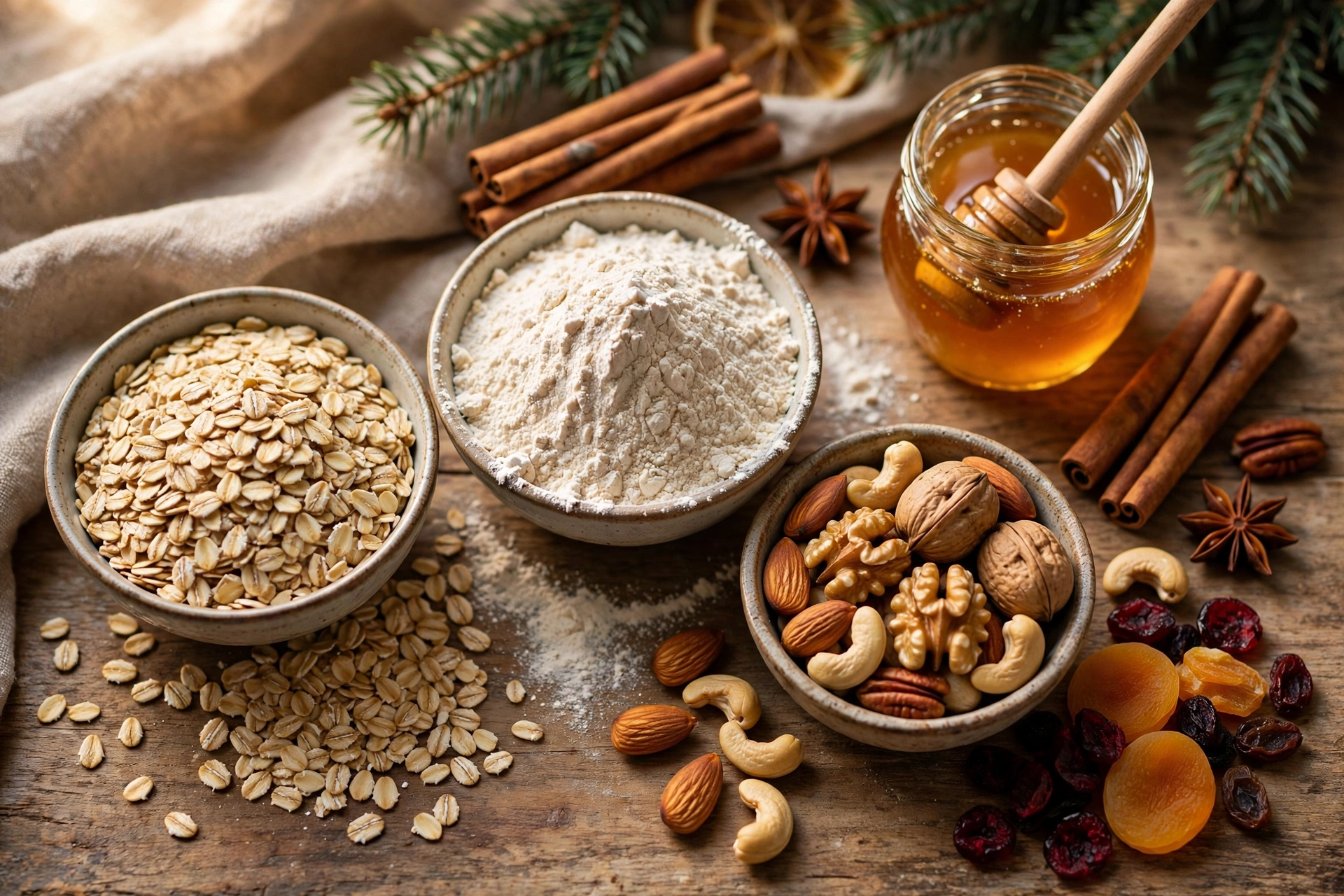 gingerbread and spice cookies. Oat flour, made by blending rolled oats, gives a soft, tender crumb and works well in oatmeal cookies. Almond flour creates a rich, buttery texture and is naturally low in carbohydrate, which makes it useful for flourless or low-sugar recipes. Many bakers get the best result by blending flours, such as half white flour and half wholemeal, rather than replacing everything at once.
Fat is another place where quality matters more than fear. Butter gives the classic cookie flavour, and there is no need to ban it completely. Using a little less butter and adding nut butter, olive oil, or mashed avocado in selected recipes can improve the fat profile while keeping the texture pleasant. Peanut butter and almond butter add protein and make cookies more filling. Olive oil works surprisingly well in citrus and rosemary shortbread-style biscuits, although it changes the flavour, so it suits recipes where that savoury note is welcome. Whatever fat you choose, measure it rather than pouring freely; cookies are energy-dense even when the ingredients are wholesome.
Sweeteners deserve honest expectations. Honey, maple syrup, date paste, and mashed banana can add flavour and moisture, but they still contain sugars and still raise blood glucose. They are useful because they let you use less total sweetener while adding depth, not because they are free foods. Date paste, for example, brings fibre and a caramel-like flavour that suits gingerbread. Mashed banana adds moisture and natural sweetness to soft cookies. If you use a sugar substitute, choose one you tolerate well and follow the manufacturer’s conversion guidance, because some sweeteners behave differently in baking and can leave a cooling aftertaste when used in large amounts.
For a seasonal perspective, winter foods for immunity can inspire useful additions such as citrus zest, ginger, cinnamon, and nuts, all of which are already at home in Christmas baking. Those ingredients do not turn a cookie into medicine, but they do make a festive recipe more flavourful and nutrient-dense. Think of them as a bonus, not a justification for eating twice as many.
How Do You Swap Ingredients Without Ruining a Cookie?
The safest way to adapt a favourite recipe is to change one thing at a time and bake a small test batch first. That way, if the texture changes, you know which swap caused it. Start with sugar. In most drop cookies and gingerbread, you can reduce the sugar by about 25 percent with little adjustment. If you go further, add a little extra vanilla, spice, or zest to keep the flavour interesting, and watch the baking time, because lower-sugar doughs can brown differently. In crisp biscuits, sugar also contributes to spread and crunch, so a large reduction may produce a softer, cakier result. That is not a failure; it is simply a different style of cookie.
Flour swaps need a similar test-and-learn approach. Wholemeal flour absorbs more liquid than white flour, so a dough made entirely with wholemeal flour can feel dry. A blend usually works better. Oat flour has no gluten, so using it alone can make cookies crumbly; combining it with wheat flour or adding an egg helps the dough hold together. Almond flour is rich and moist, but it browns quickly and can make cookies spread, so slightly smaller scoops and a watchful eye near the end of baking help. In every case, let the dough rest for ten to fifteen minutes after mixing. This gives the flour time to hydrate and often improves both flavour and texture.
Butter and eggs also play structural roles. Replacing all the butter with oil or fruit puree often gives a cake-like cookie rather than a crisp one. A better approach is to replace one-third to one-half of the butter with nut butter or oil, depending on the recipe. Applesauce can replace part of the fat in soft, cake-like cookies, but it adds moisture, so reduce another liquid slightly or add a spoonful of oats. Eggs bind the dough and add richness. If you need an egg-free version, a flax egg made from ground flaxseed and water works in many soft cookies, although the result is usually denser than the original.
Chocolate and decoration choices matter more than people expect. Dark chocolate with at least 70 percent cocoa gives a stronger chocolate flavour, so you can use fewer chips and still taste chocolate in every bite. Mini chips distribute more evenly than large chunks, which helps when you reduce the amount. For decoration, a thin drizzle of melted dark chocolate looks festive and uses less sugar than a thick layer of icing. Crushed pistachios, freeze-dried raspberries, toasted coconut, and a dusting of cinnamon can replace some of the coloured sugar without making the cookie look plain.
When you are checking a packaged ingredient, remember that sugar hides under many names, including syrup, cane juice, maltodextrin, and fruit juice concentrate. Learning to spot those names on a label can help you choose a genuinely lower-sugar base for baking. Our guide on how to read nutrition labels explains what to look for beyond the headline claim on the front of the pack.
What Are the Best Low-Sugar Christmas Cookie Ideas?
Low-sugar Christmas cookies work best when the recipe was designed around flavour rather than simply having sugar removed. The ideas below are starting points, not rigid rules. Adjust the sweetness to your
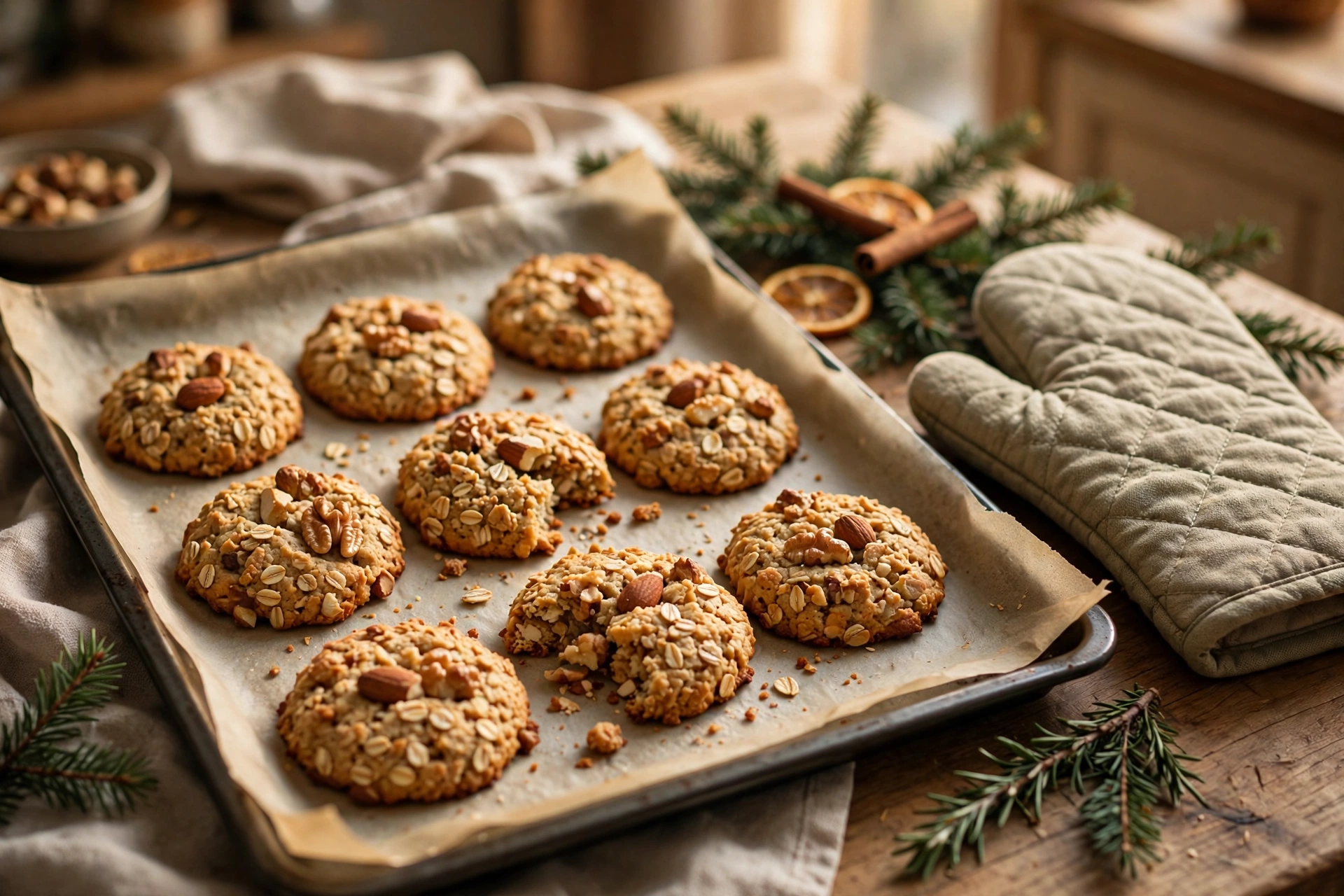 taste, but keep the structure in mind: fibre for body, fat for richness, spice for aroma, and a contrasting texture for interest.
1. Spiced Oat and Ginger Cookies
Oat cookies are naturally forgiving. Rolled oats give chew, fibre, and a toasty flavour that pairs well with ginger, cinnamon, and a little black pepper. Use a blend of oat flour and wholemeal flour, a modest amount of date paste or brown sugar, and a spoonful of molasses for colour and depth. Molasses is still a sugar, so use it for flavour rather than as a main sweetener. Add grated fresh ginger if you like a stronger bite. These cookies are excellent for gift boxes because they stay soft for several days in an airtight tin.
2. Almond and Orange Shortbread Rounds
Almond flour shortbread feels luxurious without needing a heavy icing. Combine almond flour with a little plain flour, soft butter, orange zest, vanilla, and just enough sugar or a suitable sweetener to balance the bitterness of the zest. Press the dough into rounds, prick with a fork, and bake until the edges are lightly golden. A drizzle of dark chocolate and a sprinkle of chopped pistachios make them look festive. Because almond flour is energy-dense, smaller rounds are a sensible and elegant choice.
3. Peanut Butter and Dark Chocolate Cookies
Peanut butter cookies are naturally satisfying because they contain protein and fat. Choose a peanut butter with no added sugar or hydrogenated oil if possible, and check the label carefully. Combine it with an egg, a little oat flour, vanilla, and a small amount of sweetener. Press the tops with a fork in the traditional crosshatch pattern, then add a few dark chocolate chips to each cookie rather than mixing a large quantity through the dough. The result is rich, so one cookie is usually enough to feel satisfied.
4. Cranberry, Pistachio, and White Chocolate Bites
This is a good recipe for colour and crunch. Dried cranberries add a tart chew, pistachios add green colour and healthy fats, and a small amount of white chocolate adds sweetness. Because dried cranberries are often sweetened, look for an unsweetened version or use a smaller quantity and add fresh orange zest to lift the flavour. Bake these as small bites rather than large cookies. They look beautiful in a mixed tin and help with portion control without anyone feeling short-changed.
5. Cinnamon Stars and Nut Biscuits
Traditional cinnamon stars are made mainly from ground almonds, egg white, cinnamon, and sugar. By reducing the sugar and adding extra cinnamon, lemon zest, and vanilla, you can keep the festive flavour while making a lighter version. These biscuits are naturally gluten-free when made with almond flour, although you should check all ingredients if you are baking for someone with coeliac disease. They are also a good option for people who prefer a crisp, spiced biscuit over a soft, chocolate-heavy cookie.
For readers watching blood sugar, planning matters as much as the recipe itself. Pairing a cookie with a protein-rich meal or snack, rather than eating several cookies on an empty stomach, can help blunt a sharp glucose rise. Our article on meal planning for diabetics explains how to build meals that keep you fuller and more stable, which is especially useful during a season full of sweet foods.
What Are the Best Healthy Christmas Desserts Beyond Cookies?
Cookies are only one part of the Christmas table. If you offer a lighter dessert alongside them, guests can enjoy something sweet after a large meal without feeling overloaded. The best healthy Christmas desserts
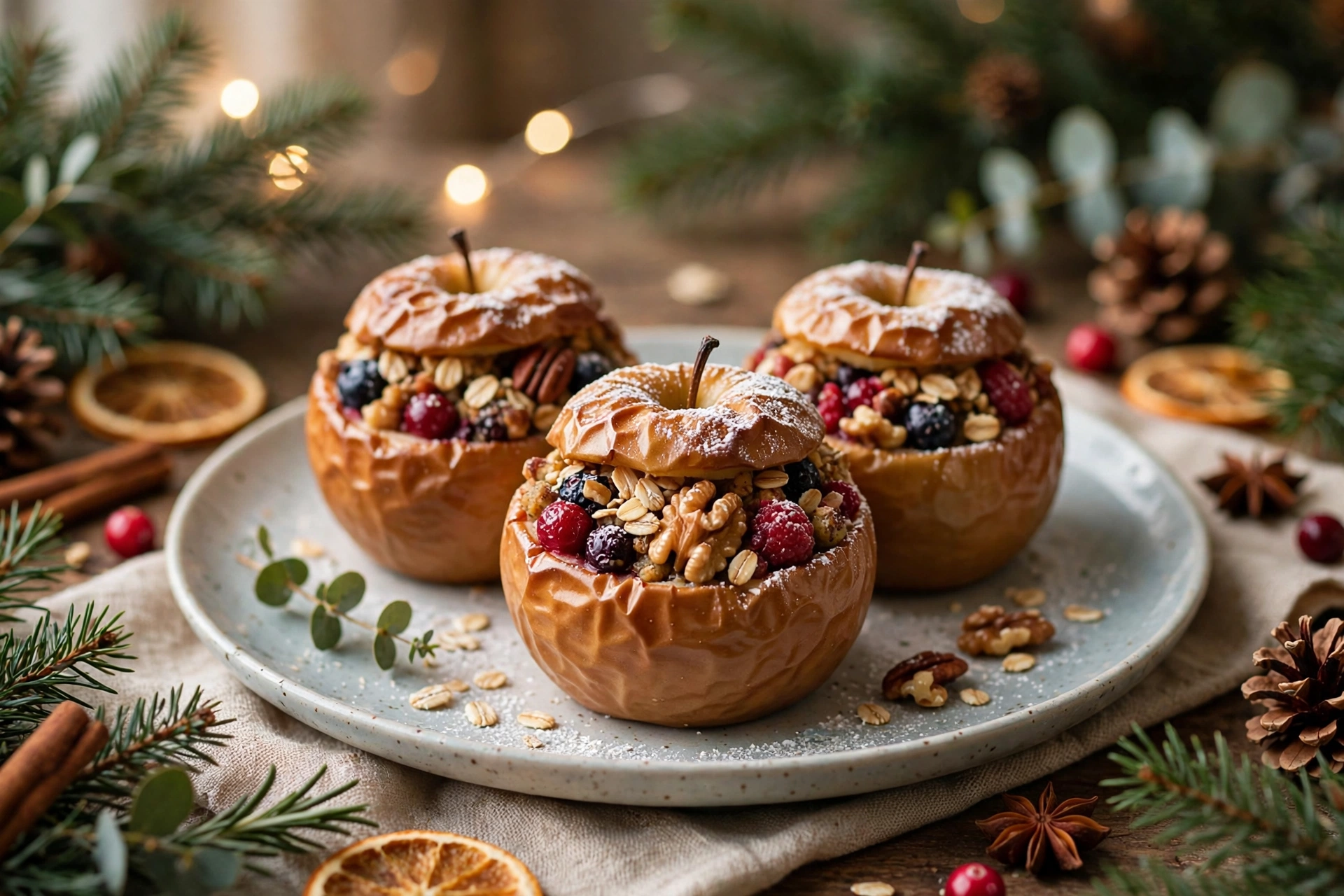 keep the familiar flavours of the season — spice, citrus, berries, chocolate, and cream — while changing the proportions and the base.
Baked Apples with Oats and Spices
Baked apples are one of the simplest festive desserts. Core eating apples, fill them with oats, chopped walnuts, raisins, cinnamon, and a little orange zest, and bake until soft. The apple provides natural sweetness and fibre, the oats add body, and the nuts add crunch. Serve with a spoonful of Greek yoghurt instead of thick cream. The yoghurt adds protein and a pleasant tang that balances the sweetness. This dessert is warm, fragrant, and easy to scale up for a crowd.
Dark Chocolate and Berry Pots
Small chocolate pots feel indulgent even in a modest portion. Melt dark chocolate with a little milk or a plant-based alternative, stir in vanilla and a pinch of salt, and pour into small ramekins. Chill until just set, then top with fresh raspberries or pomegranate seeds. The berries add colour, acidity, and fibre, while the small pot keeps the portion naturally controlled. This is a good choice after a rich main course because it is intense rather than bulky.
Spiced Pear and Yoghurt Parfait
Poach pears gently in water with cinnamon, star anise, and orange peel until tender. Slice and layer them in glasses with Greek yoghurt, crushed ginger biscuits, and a few toasted hazelnuts. The layers look impressive, the preparation is mostly hands-off, and the dessert can be assembled shortly before serving. Using yoghurt instead of sweetened cream reduces added sugar while adding protein. Keep the biscuit layer thin; it is there for crunch, not as the main event.
Lighter Christmas Pudding and Mince Pies
If Christmas pudding and mince pies are part of your tradition, you do not need to abandon them. Make mini versions instead of full-sized servings, and use a fruit-rich filling with less added sugar. A smaller mince pie with a good-quality filling and a thin pastry lid can be more satisfying than a large, very sweet one. Serve with a spoonful of yoghurt or a small amount of custard rather than a large pour of brandy butter. The flavour remains festive, but the portion and sugar load are easier to manage.
Fruit, Cheese, and Nut Platter
A fruit and nut platter is an underrated Christmas dessert. Offer grapes, clementines, figs, dates, walnuts, almonds, and a small selection of cheese. The combination of sweet fruit, salty cheese, and crunchy nuts satisfies many cravings at once and gives guests a choice. Keep dried fruit in a small bowl rather than a large pile, because it is easy to eat a lot of it without noticing. Fresh fruit should take up most of the platter. This option also works well for guests who do not want a baked dessert.
How Can You Enjoy Portions and Balance at Christmas?
Portion advice often sounds like permission to eat less joyfully, but it works best as a way to taste more things without feeling unwell. At a party, choose two or three treats that genuinely appeal to you rather than
 sampling everything out of politeness. Eat slowly, put your plate down between bites, and notice which flavours you actually enjoy. Many people find that the first cookie is the most satisfying and the third is eaten mostly out of habit. That observation is not a rule; it is useful information for the next occasion.
Balance across the day matters more than perfection at one meal. If you know that dessert will be generous, make lunch lighter and include vegetables, protein, and water. If you bake in the morning, taste as you go but avoid treating tasting as a separate meal. A short walk after a large meal can help with digestion and energy, and it is a pleasant Christmas tradition in its own right. None of this requires counting every calorie. It simply means keeping the overall pattern in view.
For children, the same principles apply with a lighter touch. Involve them in baking, let them decorate a small number of cookies, and offer fruit, cheese, and water alongside the treats. Avoid making any food forbidden or overly moralised. Children learn more from a relaxed, varied table than from strict rules that make sweets seem more exciting. A small cookie, eaten slowly and enjoyed, is a better experience than a large plate eaten quickly while distracted.
Gift boxes deserve a little planning too. A mixed box with two or three types of cookies, a few nuts, and a small bag of spiced tea looks generous and thoughtful. Wrap cookies in pairs or small bundles so the recipient can enjoy them over several days rather than feeling obliged to finish them at once. Label any cookies that contain nuts, gluten, dairy, or eggs clearly. That small detail shows care and helps guests with allergies enjoy the gift safely.
Finally, remember that Christmas food is also about memory and connection. A recipe passed down through a family may be worth keeping exactly as it is, even if it is not the healthiest option. Healthier baking does not have to replace every tradition. It can sit alongside them, giving you more choice and a table that works for more people. The healthiest Christmas is usually the one where you enjoy good food, good company, and enough balance to feel well the next morning.
Frequently Asked Questions About Healthy Christmas Cookies
Are healthy Christmas cookies really lower in sugar, or just marketed that way?
It depends on the recipe, which is why the ingredient list matters more than a health claim. A cookie labelled healthy can still contain a large amount of honey, maple syrup, date paste, or dried fruit, all of which contribute sugar. A genuinely lower-sugar cookie usually contains less total sweetener, uses whole grains or nuts for body, and relies on spices and zest for flavour. Check the recipe quantities and, for packaged products, the nutrition label. If the first ingredients are refined flour and a syrup, the product is probably closer to a traditional cookie than its packaging suggests.
How much sugar can I remove from a cookie recipe without ruining it?
For most drop cookies, gingerbread, and shortbread-style recipes, a reduction of about 25 percent is a safe starting point. Many recipes still work with a one-third reduction, especially when you add vanilla, cinnamon, ginger, or citrus zest. Beyond that, texture often changes: cookies may spread less, feel drier, or taste flat. If you want a much lower-sugar result, it is usually better to choose a recipe designed for that purpose, such as an almond-flour cookie or a peanut-butter cookie, rather than stripping most of the sugar from a traditional recipe.
Are sugar substitutes safe for Christmas baking?
Most approved sugar substitutes are considered safe for general use when consumed in normal amounts, but individual tolerance varies. Some people experience digestive discomfort from sugar alcohols such as erythritol, sorbitol, or xylitol, especially in larger quantities. Xylitol is also toxic to dogs, so keep xylitol-sweetened treats well away from pets. If you are pregnant, breastfeeding, or managing a medical condition, ask your clinician or dietitian about the sweetener that best fits your situation. Always follow the product’s baking guidance, because substitutes do not always measure like sugar.
Can people with diabetes eat Christmas cookies?
Many people with diabetes can enjoy a cookie as part of an overall eating pattern, but portion size, timing, and what else is eaten matter. A smaller cookie, eaten after a balanced meal containing protein and fibre, is generally easier to manage than several large cookies eaten alone. Almond-flour and nut-based cookies tend to have less carbohydrate than flour-heavy cookies, although they are still energy-dense. Monitor your own blood glucose response, because individual reactions vary, and discuss your personal targets with your clinician or dietitian rather than relying on a general recipe claim.
How do I make Christmas cookies gluten-free?
Almond-flour cookies, flourless peanut-butter cookies, and recipes based on oats certified gluten-free are good starting points. A gluten-free flour blend can also work, although the texture may differ from wheat flour. If you are baking for someone with coeliac disease, check every ingredient, including oats, baking powder, chocolate, and decorations, and avoid cross-contact with wheat flour in your kitchen. Label the finished cookies clearly so guests can choose with confidence.
How long do healthy Christmas cookies keep?
Most cookies keep well for five to seven days in an airtight container at room temperature. Crisp biscuits keep best when completely cool before storage, while soft cookies benefit from a slice of bread in the tin to maintain moisture, although this should be replaced regularly. Many cookie doughs freeze well for up to three months; shape the dough into balls, freeze them on a tray, then transfer them to a sealed bag. Bake from frozen, adding a few extra minutes to the baking time. Baked cookies can also be frozen, although crisp cookies may soften slightly after thawing.
What is the best way to decorate cookies without adding a lot of sugar?
A thin drizzle of dark chocolate, a dusting of cinnamon or cocoa, chopped nuts, seeds, freeze-dried berries, and citrus zest all add colour and flavour with less sugar than thick icing. If you enjoy royal icing, use it
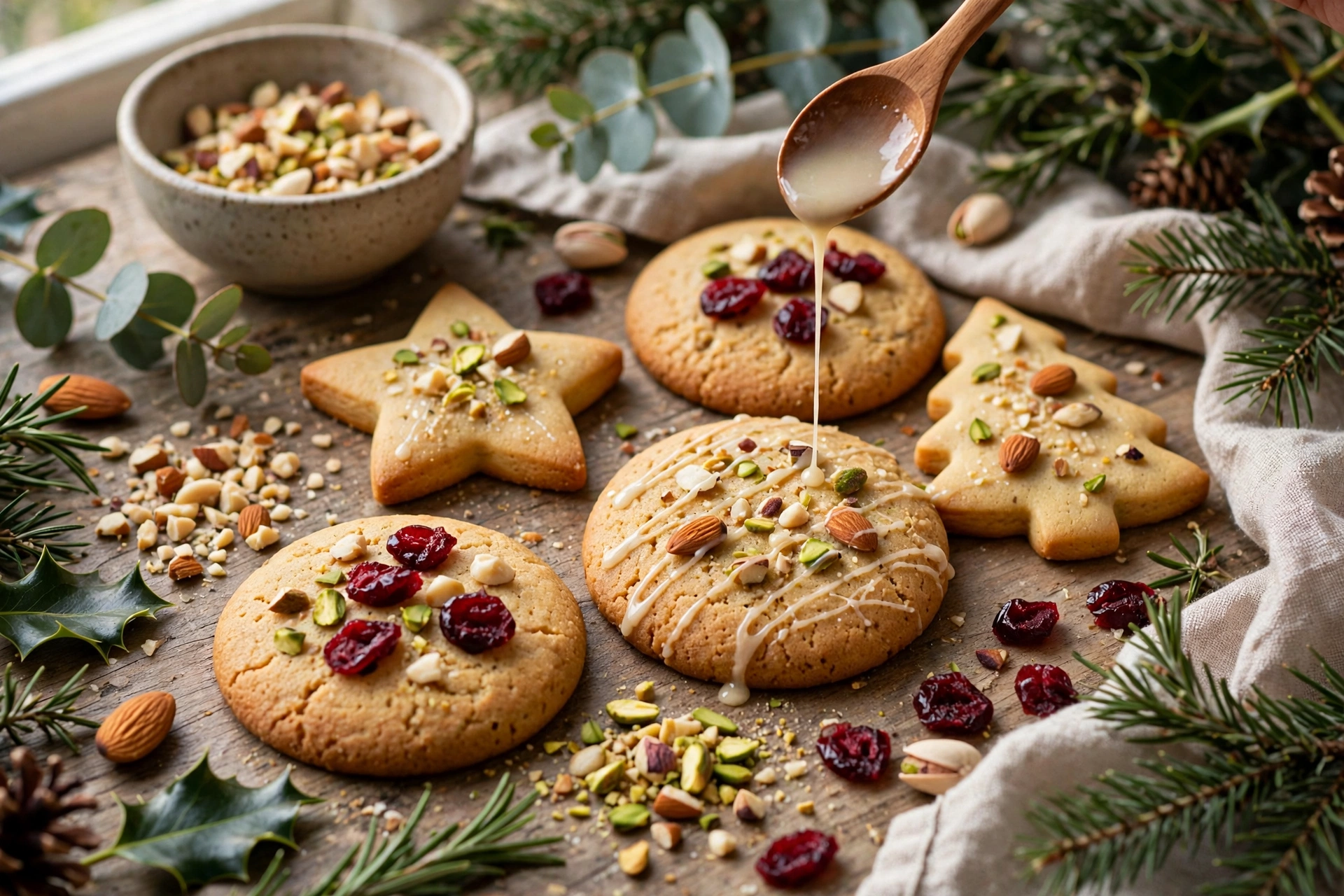 sparingly as an outline or a small detail rather than covering the whole cookie. For children, a decorating station with small bowls of toppings lets them be creative while naturally limiting the amount of icing on each cookie. The cookie underneath should taste good on its own; decoration should enhance it, not carry it.
Keep Reading
If you enjoyed this guide, these published articles from Shahjee Nutrition can help you plan the rest of the festive season. Learn how seasonal ingredients can support your winter meals in Winter Foods for Immunity. For steadier blood sugar around sweet foods, read Meal Planning for Diabetics. And before you buy baking ingredients, brush up on How to Read Nutrition Labels so you can spot added sugars and misleading health claims. Together, these guides make it easier to enjoy Christmas food with confidence, flavour, and balance.
Medical Disclaimer
This article is for general information only and is not medical advice. It does not diagnose, treat, or replace professional advice for any health condition, including diabetes, coeliac disease, food allergies, pregnancy, or eating disorders. Nutritional needs vary by age, health status, medication, and individual circumstances. If you have a medical condition, take medication that affects blood sugar, or are unsure whether a food or sweetener is suitable for you, speak with your doctor or a registered dietitian before changing your diet. If you experience symptoms of an allergic reaction, seek urgent medical care. Always check ingredient labels and follow food safety guidance when baking and storing food.
How Can You Start Your Healthier Christmas Baking This Week?
Start with one recipe, not a complete overhaul. Choose the spiced oat cookie or the almond and orange shortbread, bake a small batch, and taste it with fresh eyes the next day. Notice whether it is sweet enough, whether the texture pleases you, and whether you would happily serve it to guests. If it needs more spice, add it. If it needs a touch more sweetness, add a spoonful rather than doubling the sugar. Keep notes on what worked, store the successful batch properly, and build your Christmas tin gradually. Small, confident steps are how a healthier holiday tradition actually takes hold, and they leave room for the classic recipes you still love.