

Healthy Aging Nutrition: The Complete Guide to Vibrant Years After 50
Aging is inevitable, but how you age is shaped every day by what you eat. Healthy aging nutrition is the practice of eating in ways that protect your muscles, bones, brain, and metabolism as the decades pass — so your fifties, sixties, and beyond stay active and independent. This guide is the hub for our healthy aging nutrition collection: it explains what changes with age, which nutrients matter most, and how to build a practical desi eating pattern that supports a vibrant later life.
What Is Healthy Aging Nutrition, in Simple Terms?
Think of your body after 50 as a well-loved house that needs smarter maintenance. Muscle mass gradually declines, bones lose density, metabolism slows, and nutrient absorption becomes less efficient. Healthy aging nutrition is the maintenance plan: enough protein to hold onto muscle, calcium and vitamin D for bones, omega-3s and antioxidants for the brain, and fiber for digestion and heart health. It is not about restrictive dieting — it is about eating deliberately and joyfully, with foods you already know.
The Key Nutrients in Healthy Aging Nutrition
Several nutrients deserve special attention as you age. Protein becomes more important, not less, because older muscles respond less efficiently to it. Calcium and vitamin D work together to slow bone loss. Omega-3 fats support brain and heart health. Fiber keeps digestion comfortable and helps manage cholesterol. Vitamin B12 absorption often declines with age, so B12-rich foods or tested supplementation matter. Our complete guide to nutrition for healthy aging after 50 walks through these nutrients with practical food lists.
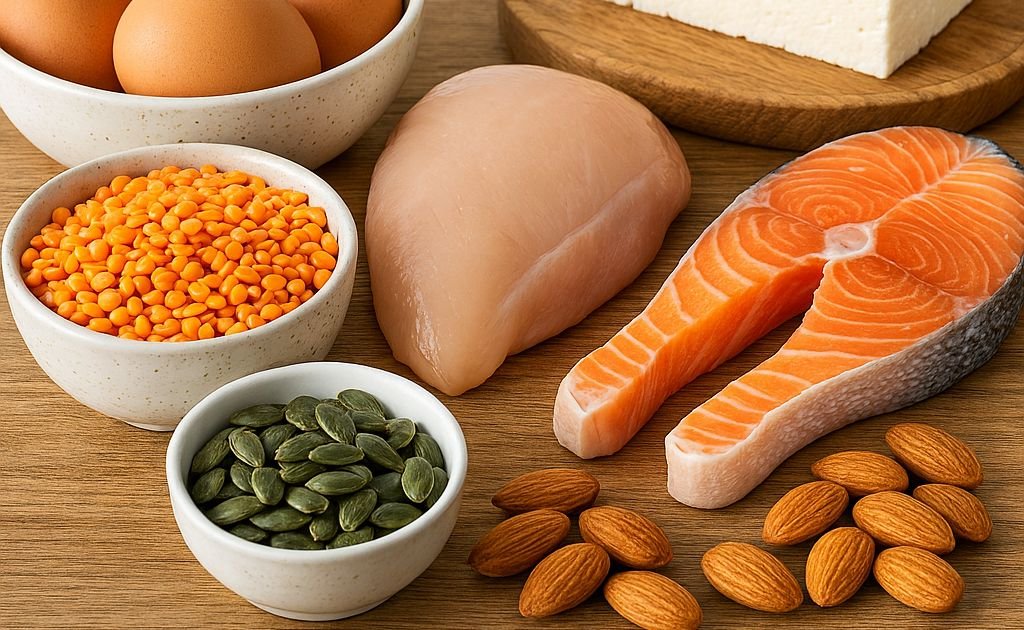
Protein-rich foods such as eggs, lentils, dairy, fish, and nuts are the foundation of healthy aging nutrition, helping protect muscle as you age.
Protein: The Cornerstone of Healthy Aging Nutrition
After 50, the body needs more protein per meal to trigger muscle maintenance — yet many older adults eat less of it. Aim to include a palm-sized portion of protein at each meal: eggs or dahi at breakfast, dal or chicken at lunch, fish or lentils at dinner. Milk, yogurt, paneer, chickpeas, and peanuts are affordable desi staples that deliver. Spreading protein across the day works better than loading it into one meal. For detailed targets and desi meal ideas, see our research-backed guide to protein needs for older adults.
Brain Foods for Seniors
What you eat influences how your brain ages. Leafy greens like spinach and saag, fatty fish, walnuts, berries, and turmeric all show associations with better cognitive aging in research. The pattern matters more than any single food: regular meals built on vegetables, whole grains, legumes, nuts, and healthy fats. Staying hydrated matters too, since older adults feel thirst less keenly. Our evidence-based brain-healthy diet guide for seniors explains the science in plain language with a desi-friendly food plan.

Leafy greens, walnuts, fish, and berries are standout brain foods in healthy aging nutrition.
Eating for Bone Density After 60
Bone loss accelerates after 60, especially in women after menopause, but nutrition can slow it meaningfully. Calcium from milk, dahi, sesame seeds (til), and leafy greens; vitamin D from sensible sun exposure and fortified foods; vitamin K2 from fermented foods and egg yolks; and protein to support the bone matrix — all work together. Weight-bearing movement amplifies the benefit. Our nutritionist’s guide to foods for bone density after 60 gives a complete eating plan for stronger bones.

Dairy, sesame seeds, and leafy greens supply the calcium and vitamin K that bones need after 60.
Metabolism After 40: What Changes and What to Do
Metabolism naturally slows from the forties onward as muscle mass declines and hormones shift. The fix is not crash dieting — it is protecting muscle with protein and resistance-type activity, eating regular balanced meals instead of skipping them, getting enough sleep, and keeping highly processed snacks from displacing real food. Small, consistent habits beat dramatic overhauls. Our guide to speeding up metabolism after 40 shares nine proven, practical strategies.

Regular balanced meals, protein, and daily movement keep metabolism healthier after 40.
Anti-Aging Foods: What Nutrition Science Actually Says
No food stops aging, but some foods genuinely support the systems that age fastest. Colorful fruits and vegetables supply antioxidants that protect cells. Nuts and olive oil support heart and skin health. Green tea, turmeric, and garlic have interesting research behind them. The honest version of “anti-aging” eating is simply a varied, colorful, minimally processed diet — eaten consistently for years. Our guide to the best anti-aging foods separates what nutrition science actually supports from the hype.
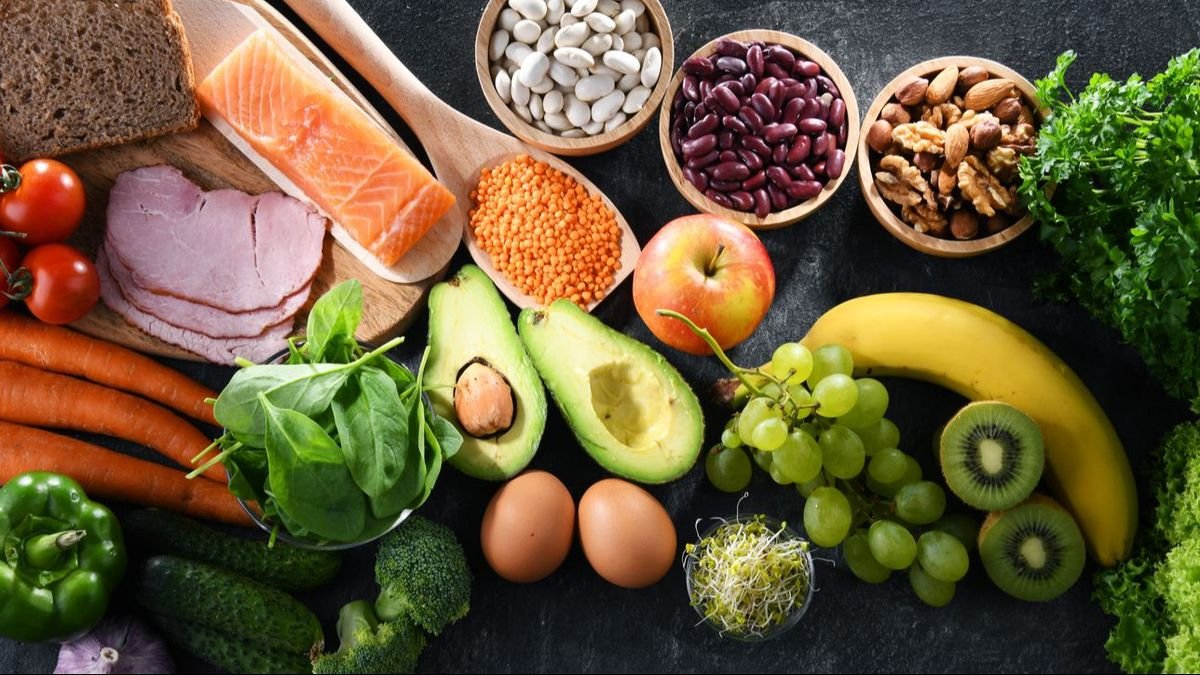
A colorful, varied diet is the most honest version of anti-aging eating.
Healthy Aging Nutrition at a Glance
Use this table as a quick reference for the nutrients that matter most in healthy aging nutrition and where to find them in desi foods.
| Nutrient | Why It Matters After 50 | Best Desi Sources |
|---|---|---|
| Protein | Protects muscle mass and strength | Eggs, chicken, fish, dal, chickpeas, dahi, milk, peanuts |
| Calcium | Slows bone density loss | Milk, dahi, paneer, sesame seeds (til), saag |
| Vitamin D | Bone health, muscle function, immunity | Sunlight, fortified milk, eggs, fatty fish |
| Omega-3 fats | Brain and heart health | Fatty fish, walnuts, flaxseeds (alsi) |
| Fiber | Digestion, cholesterol, blood sugar | Whole wheat, oats, lentils, vegetables, fruits |
| Vitamin B12 | Nerve health; absorption declines with age | Eggs, dairy, fish, meat; test levels if deficient |
| Antioxidants | Protect cells from age-related damage | Berries, colorful vegetables, green tea, turmeric |
What to Eat Day to Day: A Practical Healthy Aging Framework
Put healthy aging nutrition into practice with a simple daily rhythm. Morning: protein at breakfast — eggs, besan cheela, or dahi with nuts — plus fruit. Midday: a balanced plate of whole-grain roti, dal or lean meat, sabzi, and salad. Evening: a light but protein-containing dinner, such as vegetable soup with lentils or grilled fish with vegetables. Through the day: water before thirst strikes, a small handful of nuts, and sunlight for vitamin D. Keep meals regular; skipping meals costs older adults more muscle than it saves in calories.
Explore All Our Healthy Aging Nutrition Guides
These six guides cover the cluster in depth:
- Protein Needs for Older Adults: A Complete Research-Backed Guide
- Brain-Healthy Diet for Seniors: The Complete Evidence-Based Guide
- Foods for Bone Density After 60: A Nutritionist’s Guide to Eating for Stronger Bones
- Nutrition for Healthy Aging After 50: The Complete Guide
- Best Anti-Aging Foods for Skin and Body: What Nutrition Science Actually Says
- How to Speed Up Metabolism After 40: 9 Proven Strategies
Healthy Aging Nutrition FAQs
Do I really need more protein after 50?
Yes. Older muscles need a larger protein dose per meal to maintain themselves, yet appetite often shrinks. Including protein at every meal — not just dinner — is the simplest fix.
Can diet really protect my memory?
Diet is one piece of brain health, alongside sleep, activity, and social engagement. Eating patterns rich in vegetables, fish, nuts, and whole grains are associated with slower cognitive decline.
Is it too late to start eating better at 60 or 70?
It is never too late. Studies show that improving diet quality at any age is linked with better strength, bone health, and independence. Start with one change, such as protein at breakfast.
Should older adults take supplements?
Food first. Vitamin D and B12 are the two most commonly needed supplements in older adults, but test levels and talk to your doctor rather than guessing. See our nutrition for healthy aging after 50 guide for details.
The Bottom Line on Healthy Aging Nutrition
Healthy aging nutrition is not about fighting your age — it is about feeding the body you have so it carries you well. Protein at every meal, colorful plants daily, calcium and vitamin D for bones, omega-3s for the brain, and regular meals instead of skipped ones. These simple habits, kept for years, do more for vibrant aging than any supplement or superfood.
For a global overview of what healthy eating looks like, the World Health Organization’s healthy diet fact sheet is a reliable reference.
This article is for general education and does not replace medical advice. See our Health Disclaimer.