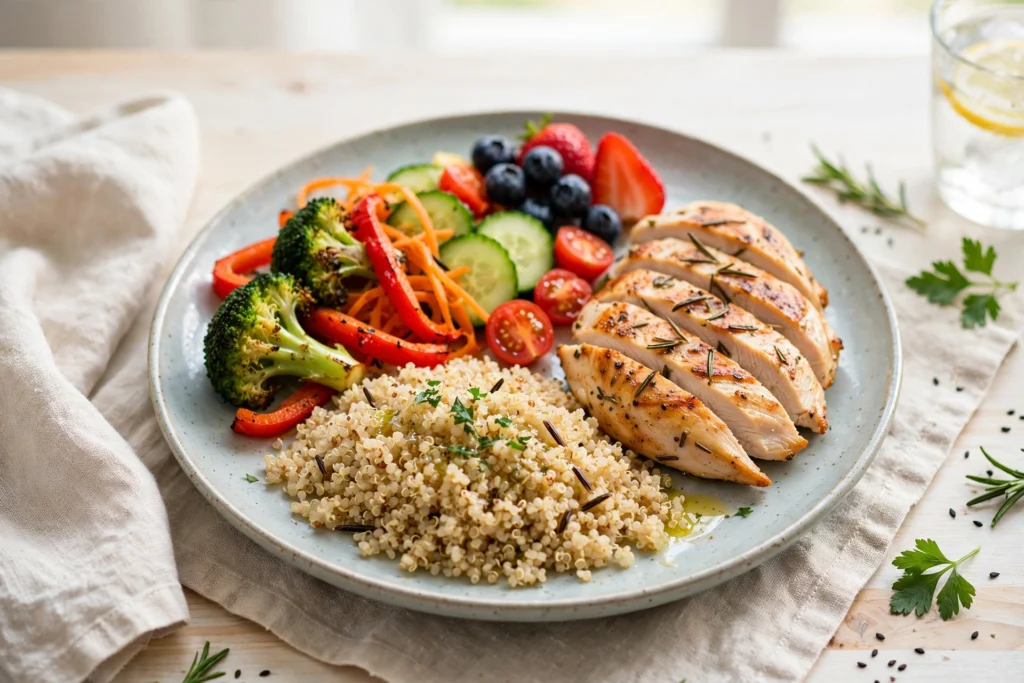
Feeling anxious or low is something nearly everyone experiences. When these feelings persist, though, they can begin to interfere with work, relationships, and daily life. While food alone cannot replace professional treatment for anxiety or depression, a growing body of nutrition research suggests that what you eat may play a meaningful supporting role in how your brain functions and how you feel.
Your brain is a metabolically demanding organ. It needs a steady supply of specific nutrients — omega-3 fatty acids, folate, magnesium, B vitamins, zinc, vitamin D, and amino acids like tryptophan — to produce and regulate neurotransmitters such as serotonin and dopamine. When your diet falls short of these nutrients, mood regulation may suffer. The good news is that many of these nutrients are found in everyday South Asian foods: daal, dahi, sarson ka saag, akhrot, alsi, haldi, and chana are all strong contenders.
This guide walks through the evidence, the key nutrients, and practical meal ideas you can start using in your own kitchen.
In this guide, you will learn:
- How nutrition connects to mood through the gut-brain axis and neurotransmitter pathways
- Which key nutrients research links to better mental well-being — and where to find them
- The best foods for anxiety and depression, including familiar desi staples
- What to eat for breakfast, lunch, dinner, and snacks to support steady energy and mood
- Which foods and drinks may worsen anxiety or low mood (and should be limited)
- A sample 3-day South Asian meal plan built around mood-supporting nutrients
- Answers to common questions about food, anxiety, and depression
Important disclaimer: This article is for educational purposes only and is not medical advice. If you are experiencing persistent anxiety, depression, or thoughts of self-harm, please speak with a qualified mental health professional or your doctor. Nutrition supports treatment — it does not replace diagnosis or therapy. In Pakistan, you can call the Umang helpline at 0317-4288665 for support.
How Food Affects Mood: The Gut-Brain Connection
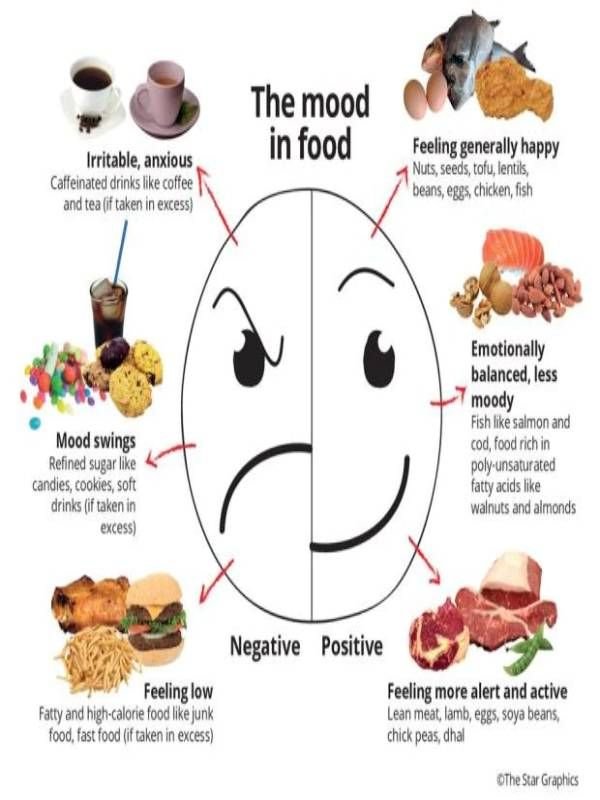
The link between diet and mental health is not just folk wisdom — it is an active area of scientific research. Observational studies, including large cohort studies in Europe and Australia, have found that people whose diets are rich in vegetables, fruits, whole grains, fish, legumes, and nuts tend to report fewer symptoms of depression than those whose diets rely heavily on ultra-processed foods.
Several mechanisms may explain this:
- Neurotransmitter production. Serotonin, often called the “feel-good” chemical, is made from the amino acid tryptophan, with the help of folate, vitamin B6, and vitamin B12. Dopamine and norepinephrine synthesis also depend on B vitamins, iron, and other cofactors. A diet low in these nutrients may limit your brain’s ability to maintain healthy neurotransmitter balance.
- The gut-brain axis. Roughly 90% of the body’s serotonin is produced in the gut. The trillions of microbes living in your intestines communicate with the brain through the vagus nerve, immune signals, and metabolic byproducts. A fiber-rich, diverse diet supports a healthier gut microbiome, which research suggests is associated with better mood regulation.
- Inflammation. Chronic low-grade inflammation has been linked to depressive symptoms in several studies. Omega-3 fatty acids, polyphenols, and antioxidant vitamins found in whole plant foods may help moderate inflammatory pathways.
- Blood sugar stability. Sharp spikes and crashes in blood glucose can trigger irritability, fatigue, and anxiety-like symptoms. Balanced meals containing protein, fiber, and healthy fats help keep energy and mood steadier through the day.
None of this means a single meal can fix anxiety or depression. But consistent dietary patterns built around nutrient-dense whole foods may support mental well-being over time — which is exactly where familiar, affordable South Asian cooking has a real advantage.
Key Nutrients Linked to Mental Well-Being
Before we get to specific foods, it helps to know the nutrients researchers focus on most:
| Nutrient | Why it matters | Good sources |
|---|---|---|
| Omega-3 fatty acids (EPA/DHA) | Research suggests these fats support brain cell membranes and may be associated with lower depression risk | Fatty fish, akhrot (walnuts), alsi (flaxseed) |
| Folate | Involved in serotonin production; low folate intake has been linked to depressive symptoms | Leafy greens, daal, chana, oranges |
| Magnesium | Helps regulate the stress response; low levels are associated with anxiety symptoms | Nuts, seeds, leafy greens, whole grains |
| Vitamin B6 | Cofactor in serotonin and dopamine synthesis | Poultry, fish, potatoes, bananas, chickpeas |
| Vitamin B12 | Supports nervous system function; deficiency can cause fatigue and low mood | Eggs, dairy, meat, fortified foods |
| Zinc | Involved in neurotransmitter signaling; low zinc has been associated with depressive symptoms | Meat, pumpkin seeds, lentils, chickpeas |
| Vitamin D | Receptors are found throughout the brain; deficiency is common and linked to low mood | Sunlight, eggs, fortified milk, fatty fish |
| Tryptophan | Amino acid precursor to serotonin | Daal, milk, yogurt, eggs, poultry, oats |
| Antioxidants (vitamin C, polyphenols) | May help protect brain cells from oxidative stress | Berries, citrus, colorful vegetables, haldi |
You do not need supplements to get these — most are readily available in everyday foods, including many desi staples.
1. Fatty Fish: The Omega-3 Powerhouse
Fatty fish such as salmon, sardines, and mackerel are among the most studied foods in mood research. They are rich in the long-chain omega-3 fatty acids EPA and DHA, which are structural components of brain cell membranes. Meta-analyses of clinical trials suggest that omega-3 supplementation — particularly formulas higher in EPA — may have modest benefits for people with depressive symptoms, though results vary and more research is ongoing.
In Pakistan, fresh salmon can be expensive, but sardines (sardina machli) and rohu are more affordable options that still provide useful omega-3s. Try grilled or baked machli twice a week with a squeeze of lemon and a side of salad.
Practical tip: If fresh fish is hard to find, canned sardines in olive oil make an excellent, budget-friendly addition to sandwiches or salads.
2. Leafy Green Vegetables: Folate and Magnesium
Dark leafy greens are some of the most nutrient-dense foods on the planet. Sarson ka saag, spinach (palak), and methi (fenugreek) provide generous amounts of folate and magnesium — two nutrients directly involved in mood regulation. Folate participates in the synthesis of serotonin, dopamine, and norepinephrine, while magnesium helps calm the nervous system’s stress response.
Observational research has linked higher folate intake with lower rates of depressive symptoms, and magnesium supplementation trials have shown modest improvements in mild anxiety in some studies — though the evidence is stronger for whole-food intake patterns than for any single supplement.
Desi meal idea: A bowl of sarson ka saag with one or two whole-wheat rotis and a glass of lassi makes a folate-, magnesium-, and probiotic-rich lunch. Add a drizzle of desi ghee or mustard oil for flavor and to aid absorption of fat-soluble nutrients.
3. Eggs: B Vitamins, Choline, and Protein
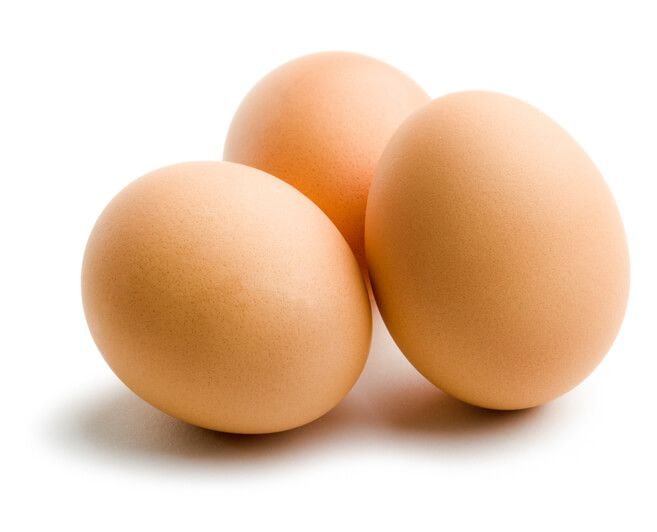
Eggs are one of the most complete and affordable foods available in Pakistan. They provide vitamin B12 (one of the few reliable dietary sources, especially important if you eat little meat), vitamin B6, choline (needed for neurotransmitter production), vitamin D, and high-quality protein that includes tryptophan.
Vitamin B12 deficiency is surprisingly common in South Asia and can cause fatigue, brain fog, and low mood — symptoms that overlap with depression. If you follow a mostly vegetarian diet, eggs and dairy become especially important sources of B12.
Breakfast idea: Two boiled or omelette-style eggs with whole-wheat toast or paratha and a cup of doodh gives you B12, B6, choline, and tryptophan to start the day.
4. Nuts and Seeds: Akhrot, Alsi, and Badam
Akhrot (Walnuts)
Walnuts are one of the best plant sources of ALA, a plant-based omega-3 fatty acid. They also provide magnesium, polyphenols, and melatonin-related compounds. A large cross-sectional study found that walnut consumers reported lower depression scores than non-consumers — though such studies show association, not causation, and walnut eaters also tend to have healthier overall diets.
Alsi (Flaxseed)
Flaxseed is rich in ALA omega-3s and fiber that feeds beneficial gut bacteria. Grind alsi seeds before eating — whole seeds often pass through undigested. A tablespoon of ground alsi in dahi, porridge, or a smoothie is an easy daily habit.
Badam (Almonds) and Pumpkin Seeds
Almonds supply magnesium and vitamin E; pumpkin seeds (kaddu ke beej) are one of the best vegetarian sources of zinc. A small handful of mixed nuts as an evening snack is far more mood-friendly than chips or biscuits.
Portion note: Nuts are calorie-dense, so stick to a small handful (about 25–30 grams) per day.
5. Fermented Dairy: Dahi and Lassi for the Gut-Brain Axis

Traditional fermented foods may support the gut-brain connection. Dahi (yogurt) and lassi contain live beneficial bacteria that research suggests may influence gut health, and through it, mood. A 2023 meta-analysis of probiotic trials found modest improvements in depressive symptoms among participants taking probiotics compared to placebo — though effects were small and strain-specific.
Beyond probiotics, dahi provides calcium, protein, B12, and tryptophan. Having a bowl of dahi with lunch or a glass of namkeen lassi in the afternoon is a deeply desi way to support gut health.
What to choose: Plain, unsweetened dahi is best. Flavored commercial yogurts often contain large amounts of added sugar, which can work against the benefits.
6. Daal, Chana, and Whole Grains: Steady Fuel for the Brain
Pulses and whole grains form the backbone of the desi diet — and they happen to be excellent mood-supporting foods:
- Daal (masoor, moong, arhar) provides folate, iron, magnesium, and plant protein including tryptophan. Iron is needed for dopamine synthesis, and iron deficiency (common among Pakistani women) can cause fatigue and low mood.
- Chana (chickpeas) are rich in folate, magnesium, zinc, and vitamin B6 — nearly the full mood-nutrient panel in one humble legume.
- Whole-wheat roti and brown rice provide B vitamins, magnesium, and fiber that slows digestion, keeping blood sugar — and mood — steadier than refined white flour products.
Meal idea: A plate of masoor daal, one or two whole-wheat rotis, mixed sabzi, and dahi covers folate, magnesium, iron, B vitamins, protein, probiotics, and fiber in a single affordable meal.
7. Haldi (Turmeric): The Curcumin Question
Haldi is central to desi cooking, and its active compound curcumin has attracted serious research attention. Several small clinical trials have found that curcumin supplementation may modestly improve depressive symptoms, possibly through anti-inflammatory and antioxidant effects. However, most trials used concentrated extracts (often with piperine from black pepper to improve absorption) — not the amount in a typical curry.
Haldi doodh (golden milk) — warm milk with half a teaspoon of haldi and a pinch of black pepper — is a comforting evening ritual. The black pepper’s piperine may increase curcumin absorption, and warm milk provides tryptophan. While haldi doodh alone will not treat depression, it is a soothing, low-risk addition to an evening routine.
8. Berries, Citrus, and Colorful Fruit
Vitamin C and polyphenols in colorful fruits act as antioxidants that may help protect brain cells from oxidative stress — a factor implicated in mood disorders. Citrus fruits (oranges, kinnow, lemons) also provide folate.
- Kinnow and oranges in winter are cheap, abundant in Pakistan, and rich in vitamin C and folate.
- Berries (imported ones can be costly, but local options like falsa and jamun in season provide similar polyphenols) make excellent snacks or smoothie additions.
- Bananas provide vitamin B6, which the body needs to convert tryptophan into serotonin.
Snack idea: A bowl of mixed fruit chaat with a squeeze of lemon — vitamin C, folate, fiber, and natural sweetness without refined sugar.
9. Khajoor (Dates): Natural Sweetness with Nutrients
Khajoor are more than a Ramadan staple. They provide natural sugars for quick energy, plus magnesium, potassium, B vitamins, and fiber. For someone cutting back on refined sugar (a sensible step for mood stability), dates are a far better sweetener choice — they satisfy a sweet craving while delivering fiber and micronutrients that slow the blood-sugar response.
Tip: Two to three khajoor with a small handful of akhrot makes a balanced, mood-friendly evening snack — natural sweetness, healthy fats, magnesium, and omega-3s together.
10. Vitamin D: Sunshine and Supporting Foods
Vitamin D deficiency is extremely common in Pakistan despite abundant sunshine, partly because of indoor lifestyles and covered clothing. Research has linked low vitamin D levels with higher rates of depressive symptoms, and some trials suggest supplementation may help people who are deficient — though benefits appear limited to those who are actually low.
Practical steps:
- Aim for 15–20 minutes of morning sunlight on your face and arms a few times a week.
- Include vitamin D food sources: eggs (especially the yolk), fatty fish, and fortified milk.
- If you suspect deficiency (persistent fatigue, low mood, bone aches), ask your doctor for a blood test rather than self-supplementing blindly.
11. Dark Chocolate: A Small Pleasure with Polyphenols
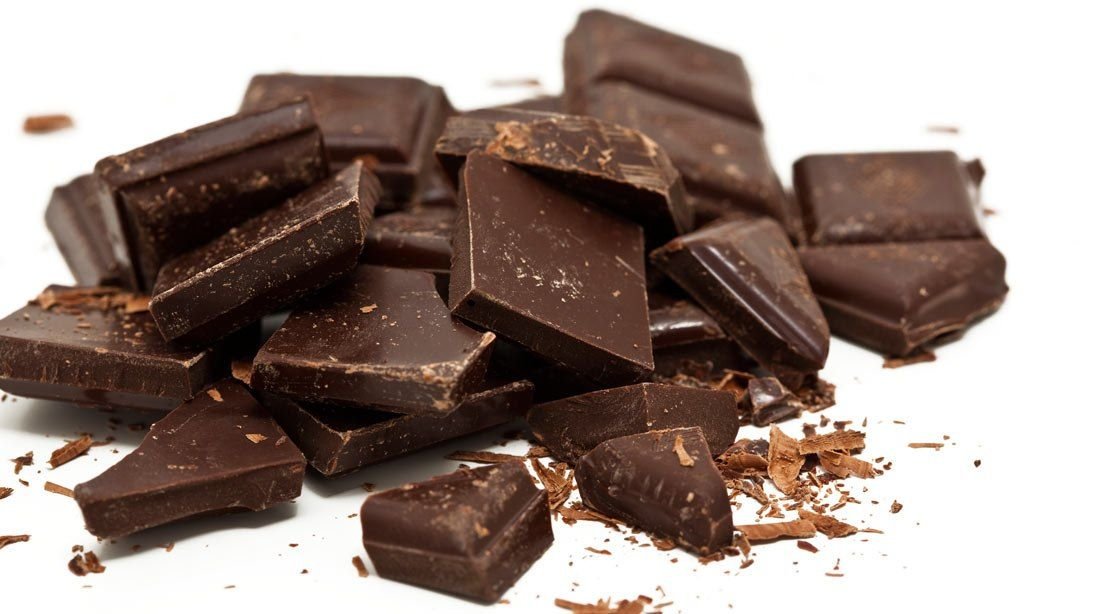
Dark chocolate (70% cocoa or higher) contains polyphenols, magnesium, and small amounts of compounds that may influence mood. A few small studies suggest dark chocolate consumption is associated with modestly improved mood — though the effect is likely small, and milk chocolate’s high sugar content cancels out most benefits.
Guideline: One or two small squares of dark chocolate as an occasional treat is fine. It is a pleasure, not a prescription.
Foods and Drinks to Limit for Better Mood
Just as some foods may support mental well-being, others may work against it. Research suggests limiting:
Excessive Caffeine
Moderate chai or coffee (1–2 cups daily) is fine for most people, but heavy caffeine intake can increase jitteriness, disrupt sleep, and worsen anxiety symptoms. If you feel on edge, try cutting back to morning-only chai and switching to doodh patti alternatives or herbal teas (like qehwa) later in the day.
Alcohol
Alcohol is a depressant that disrupts sleep quality and can worsen both anxiety and depression, even though it may feel relaxing in the moment. Limiting or avoiding alcohol is one of the most impactful dietary steps for mental health.
Ultra-Processed Foods and Added Sugar
Large observational studies — including a notable 2023 study linking ultra-processed food intake with higher depression risk — suggest that diets heavy in packaged snacks, sugary drinks, fast food, and processed meats are associated with worse mental health outcomes. The mechanism may involve inflammation, blood-sugar instability, and displacement of nutrient-dense foods.
Practical swaps for desi households:
- Sugary cola or packaged juice → fresh nimbu pani or lassi
- Biscuits and bakery items → roasted chana, peanuts, or fruit
- Instant noodles → a quick bowl of daal with roti
- Deep-fried daily snacks → baked or air-fried versions
Skipping Meals
Irregular eating and skipped meals can cause blood-sugar dips that mimic anxiety symptoms — shakiness, irritability, difficulty concentrating. Regular, balanced meals are themselves a mood-supporting habit.
A Sample 3-Day South Asian Meal Plan
Here is how these foods can come together in a practical, affordable desi meal plan:
Day 1
- Breakfast: Vegetable omelette (2 eggs) with whole-wheat paratha and a glass of doodh
- Mid-morning: One banana and a small handful of badam
- Lunch: Masoor daal, 2 whole-wheat rotis, palak sabzi, and a bowl of dahi
- Evening: Namkeen lassi and 2 khajoor with akhrot
- Dinner: Grilled rohu machli with mixed salad and brown rice
Day 2
- Breakfast: Oats porridge with doodh, ground alsi, and sliced banana
- Mid-morning: One kinnow (orange)
- Lunch: Chana curry, 2 rotis, cucumber-tomato salad, dahi
- Evening: Roasted chana and peanuts
- Dinner: Sarson ka saag, 2 rotis, and haldi doodh before bed
Day 3
- Breakfast: 2 boiled eggs, whole-wheat toast, and a glass of doodh
- Mid-morning: Seasonal fruit chaat (falsa, jamun, or mixed fruit) with lemon
- Lunch: Moong daal, brown rice, bhindi sabzi, dahi
- Evening: Fruit smoothie with dahi, banana, and ground alsi
- Dinner: Chicken and vegetable soup with whole-wheat roti
Drink water throughout the day. Keep chai to the morning, and avoid heavy, greasy late-night meals that can disturb sleep — poor sleep and low mood feed each other.
Practical Tips for Eating Well When Motivation Is Low
Depression and anxiety can drain the energy needed to cook. These strategies help:
- Batch-cook daal and rice once or twice a week — reheating is easier than starting from scratch.
- Keep no-cook options ready: dahi, bananas, khajoor, roasted chana, boiled eggs, nuts.
- Eat regularly even when appetite is low — small, frequent meals beat skipped ones.
- Cook with someone when possible; shared meals support both nutrition and connection.
- Start with one change, not ten — for example, adding dahi to lunch daily or swapping cola for lassi.
Frequently Asked Questions
Can food cure anxiety or depression?
No. Anxiety and depression are complex conditions influenced by genetics, life circumstances, brain chemistry, and more. Research suggests that a nutrient-rich diet may support mental well-being and complement professional treatment, but food cannot replace therapy, medication, or professional diagnosis. If symptoms persist, please seek help from a qualified mental health professional.
Which single food is best for anxiety?
There is no single “best” food. Research points to overall dietary patterns — rich in vegetables, fruits, whole grains, fish, legumes, nuts, and fermented foods — rather than any one superfood. That said, fatty fish (for omega-3s), leafy greens like palak and sarson ka saag (for folate and magnesium), and fermented dahi (for gut health) are among the most evidence-backed choices.
Are there foods I should avoid if I have anxiety?
Many people find that excessive caffeine, alcohol, and high-sugar or ultra-processed foods worsen anxiety symptoms — caffeine can increase jitteriness, alcohol disrupts sleep, and blood-sugar crashes can mimic anxiety. Limiting these while eating regular, balanced meals with protein, fiber, and healthy fats is a sensible approach.
How long does it take for diet changes to affect mood?
There is no fixed timeline. Some people notice steadier energy within a couple of weeks of eating more regularly and cutting back on sugar and caffeine. Research trials on dietary patterns and depression typically measure changes over 8–12 weeks. Think of nutrition as long-term support for your brain, not a quick fix.
Should I take supplements for anxiety or depression?
Whole foods should come first, since they provide nutrients in balanced combinations along with fiber. Supplements may be appropriate if a blood test confirms a deficiency (vitamin D and B12 deficiencies are common in South Asia), but discuss this with your doctor. Some supplements can interact with medications, so professional guidance matters — especially if you are taking antidepressants or anti-anxiety medication.
Conclusion

The connection between food and mood is real, supported by a growing body of research — and it points in an encouraging direction for South Asian kitchens. You do not need expensive imported superfoods. Daal, chana, sarson ka saag, dahi, lassi, haldi, akhrot, alsi, khajoor, machli, and eggs already provide the omega-3s, folate, magnesium, B vitamins, zinc, and tryptophan that research links to better mental well-being.
The most important takeaways: eat regular, balanced meals; build your plate around whole foods; limit caffeine, alcohol, and ultra-processed snacks; and remember that nutrition supports — but does not replace — professional care for anxiety and depression.
If you would like personalized nutrition guidance tailored to your health, lifestyle, and budget, our team at Pak Nutri Services would be glad to help. Book a one-on-one consultation with our nutrition experts and take the next step toward better health — body and mind.