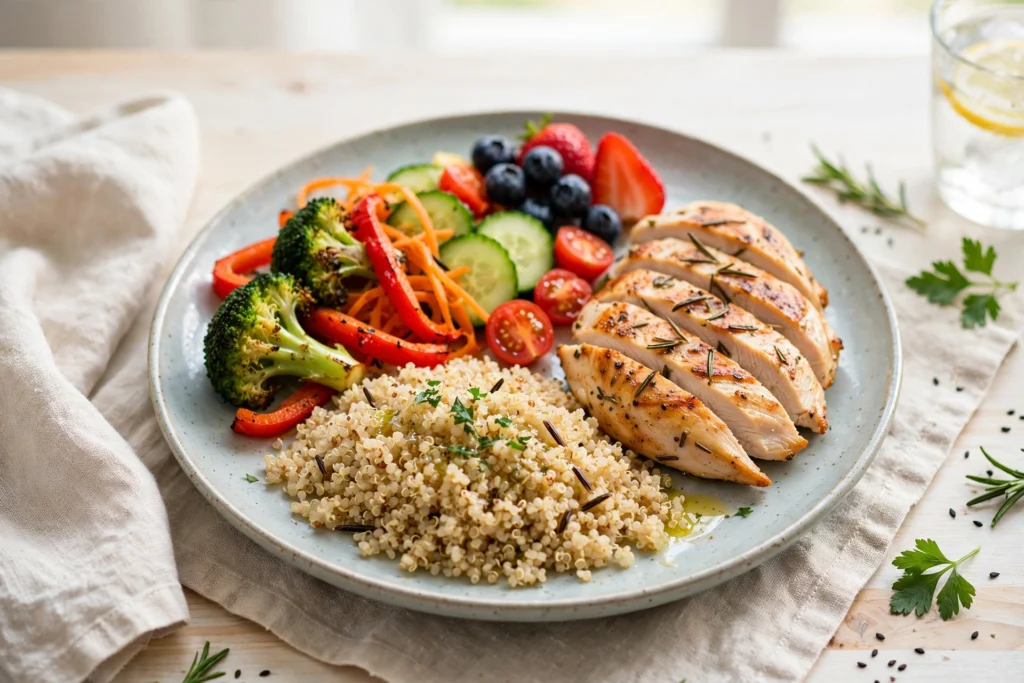
If you have ever tried to “eat more protein” and ended up confused — how much is enough, which foods actually count, and whether your kidneys are at risk — you are not alone. Protein advice on the internet swings between extremes: one camp tells you that daal alone covers your needs, another warns that anything above a chicken breast will damage your kidneys. The reality, as research shows, sits in the middle and depends on your body weight, your activity level, and how you distribute protein across the day.
This guide gives you a complete high-protein weekly meal plan built on current nutrition science and grounded in South Asian food realities — soya chunks, paneer, daal, besan, eggs, dahi, chicken, and milk — because advice only works when the foods are ones you can actually buy, cook, and enjoy.
In this guide, you will learn:
– Exactly how much protein you need per day (with a simple formula based on your body weight)
– Why eating 30 g of protein at each meal may matter more than your daily total
– The leucine threshold and what it means for your breakfast choices
– Who should be cautious with high protein intake — and why healthy kidneys are generally fine
– The honest protein numbers behind daal, paneer, soya chunks, besan, eggs, and dahi
– A full 7-day meal plan with approximate protein grams per meal
– How to adjust the plan for muscle gain, fat loss, or vegetarian eating
– Meal-prep strategies and the most common mistakes to avoid
Why Protein Deserves a Dedicated Plan

Protein is the only macronutrient your body cannot store in reserve the way it stores carbohydrate (as glycogen) or fat (as adipose tissue). Your muscles, enzymes, hormones, antibodies, skin, and hair all depend on a steady daily supply of amino acids — and if that supply falls short, the body quietly borrows from its own muscle tissue.
Research consistently links adequate protein intake to several outcomes. First, satiety: protein is the most filling macronutrient, and studies show that higher-protein diets may reduce overall calorie intake simply because people feel fuller for longer. Second, muscle preservation: during weight loss, eating enough protein helps the body lose fat rather than lean tissue — a point supported by multiple randomised trials. Third, thermic effect: roughly 20–30% of protein’s calories are burned during digestion itself, compared with 5–10% for carbohydrate and 0–3% for fat.
None of this means protein is magic. It means that when your intake is planned rather than accidental, you get more benefit from the same effort you are already putting into eating well. That is the entire point of a structured weekly plan: removing guesswork so that good intentions turn into consistent intake.
How Much Protein Do You Actually Need?
The Baseline: 0.8 g per Kilogram of Body Weight
The widely cited figure of 0.8 grams of protein per kilogram of body weight per day is the Recommended Dietary Allowance (RDA). It is important to understand what this number is: a minimum designed to prevent deficiency in sedentary adults — not an optimum for an active person. For a 70 kg adult, that works out to about 56 g per day. For a 60 kg adult, about 48 g.
Many people are surprised to learn how easy it is to fall below even this baseline, particularly if breakfast is a cup of chai with a paratha and lunch is a small portion of daal with roti. This guide’s South Asian protein reality check below will show you why.
For Active People and Muscle Goals: 1.2–2.0 g/kg
If you exercise regularly, lift weights, play sports, or are trying to build muscle, research supports a higher range. The International Society of Sports Nutrition (ISSN) position stand suggests 1.4–2.0 g/kg per day for building and maintaining muscle mass in active individuals, while endurance athletes and older adults preserving muscle may aim for around 1.2–1.6 g/kg.
A 70 kg person doing regular resistance training would therefore target roughly 100–140 g of protein daily. That number is the anchor for the 7-day plan below: each day is designed to land near 110–130 g, which sits comfortably within the evidence-based range for an active adult of average build. If you weigh significantly more or less, the adjustment section shows you how to scale it.
The Older-Adult Exception
Adults over 60 may benefit from the higher end of intake (around 1.2–1.5 g/kg) because ageing muscle becomes less responsive to protein — a phenomenon researchers call anabolic resistance. If this applies to you or a parent you cook for, spreading protein evenly across meals matters even more, as discussed next.
The Leucine Threshold: Why Each Meal Counts

What Muscle Protein Synthesis Needs
Your muscles are in a constant cycle of breakdown and rebuilding, and the rebuilding phase — muscle protein synthesis (MPS) — is switched on most strongly by the amino acid leucine. Research suggests that a dose of roughly 2.5–3 g of leucine in a single meal is needed to maximally trigger MPS in most adults. In practical terms, that usually means 25–40 g of quality protein per meal (or about 0.25–0.4 g/kg).
Below that threshold, the meal still contributes to your daily total, but it may not fully “switch on” the muscle-building signal. This is the scientific basis for the single most useful habit in this guide: put a serious protein source at every meal, not just dinner.
Distribution Beats Skipping
A common eating pattern looks like this: a light, low-protein breakfast (10 g), a modest lunch (20 g), and a heavy dinner (60 g). The daily total — 90 g — might look fine on paper. But research on protein distribution suggests that spreading intake across three to four meals, each hitting the leucine threshold, may stimulate MPS more effectively over 24 hours than the same total skewed into one meal.
The practical rule is simple: aim for 25–35 g of protein at breakfast, lunch, and dinner, plus a protein-containing snack. Every day in this meal plan follows that structure, so you never have to calculate it yourself.
Protein, Kidneys, and Who Should Be Careful
The Myth and the Reality
The most persistent protein myth is that high protein intake damages healthy kidneys. The evidence does not support this for people with normal kidney function: multiple reviews and clinical trials have found no harmful effect of higher protein intakes (up to around 2.0–2.5 g/kg in studies) on kidney function in healthy adults. Your kidneys are built to filter the waste products of protein metabolism, and in a healthy person, they handle it routinely.
When Caution Is Genuinely Warranted
The caution applies to people who already have chronic kidney disease (CKD) or significantly reduced kidney function. In that situation, research indicates that high protein intake may accelerate the decline of remaining kidney function, and protein is typically restricted under medical supervision. The same caution may apply to those with a history of kidney stones of certain types — worth discussing with a doctor.
Medical disclaimer: This article is educational and is not medical advice. If you have kidney disease, diabetes with kidney involvement, liver disease, or any condition affecting how your body handles protein, speak to your doctor or a registered dietitian before increasing your intake. Pregnant and breastfeeding women should follow guidance from their healthcare provider rather than general fitness targets.
The South Asian Protein Landscape: Honest Numbers
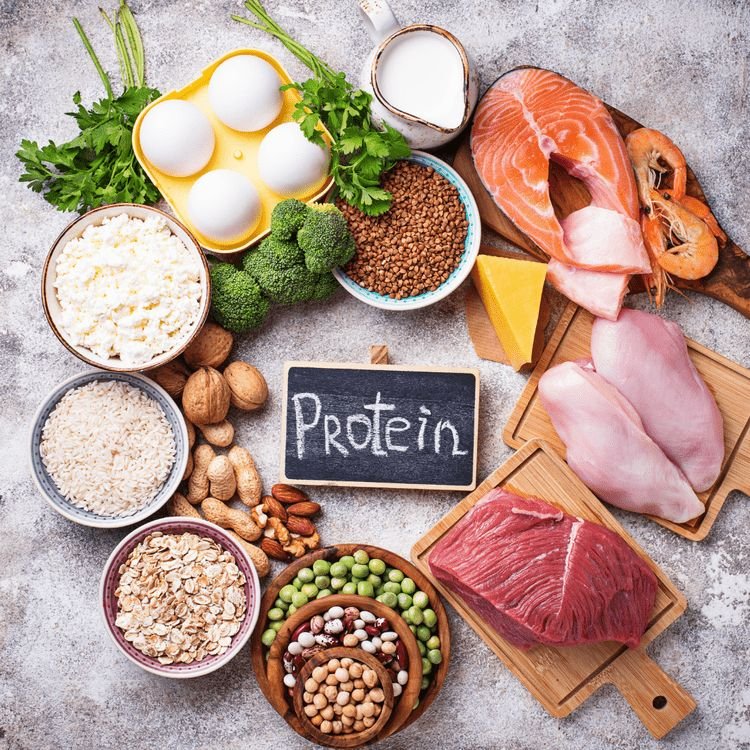
Before the meal plan, you need accurate expectations about the foods you will actually eat. South Asian diets are rich and varied, but they are often carbohydrate-heavy and protein-light by default — a large plate of rice with a thin daal can easily deliver 60 g of carbohydrate and under 10 g of protein. Here is the honest picture, per typical servings:
Daal: Good, But Not a Protein Powerhouse
A cooked cup of masoor or moong daal (about 200 g) provides roughly 12–14 g of protein — respectable, but not the 20+ g people often assume. Daal is also lower in the amino acid methionine, which is why the traditional pairing of daal with rice or roti (as in khichdi) is nutritionally smarter than it looks: the grains supply what the lentils lack, improving the overall amino acid profile. For a high-protein plan, daal works best as a contributor, not the centrepiece — eat a generous portion, but pair it with dahi, eggs, or paneer.
Soya Chunks: The Vegetarian Heavyweight
Dried soya chunks (nutri / meal maker) contain about 52 g of protein per 100 g dry weight — the densest plant protein in the South Asian pantry. A 50 g dry portion (which swells to a satisfying curry serving) delivers roughly 25 g of protein. Two caveats: they are high in sodium, so rinse and avoid over-salting the curry; and variety still matters, so rotate them with other sources rather than eating them three times a day.
Paneer: Solid, Calorie-Dense
Paneer provides about 18 g of protein per 100 g, but also roughly 260–300 calories, because it carries significant fat. A 100 g portion in a palak paneer or grilled tikka is a legitimate protein anchor for a meal — just account for the calories if fat loss is your goal. Lower-fat paneer options, where available, improve the protein-to-calorie ratio.
Eggs, Dahi, Chicken, Besan, and Milk
- Eggs: about 6 g of protein each, with an excellent amino acid profile and high leucine content. Two to three eggs at breakfast is one of the simplest ways to hit the per-meal threshold.
- Dahi / Greek yoghurt: regular dahi gives roughly 5–6 g per 150 g bowl; strained Greek-style yoghurt doubles that to about 12–15 g. A bowl of dahi with lunch is a quiet protein upgrade.
- Chicken breast: about 31 g of protein per 100 g cooked — the benchmark lean animal protein. Thigh and leg pieces are slightly lower in protein and higher in fat but still valuable.
- Besan (gram flour): roughly 22 g of protein per 100 g flour. A besan cheela made with 40–50 g of flour plus vegetables delivers 10–12 g — a genuinely useful vegetarian breakfast base, especially with a side of dahi.
- Milk: about 8 g per 250 ml glass. It is a contributor rather than a solution on its own, but a glass with breakfast or before bed adds up across the week.
How This 7-Day Plan Is Built
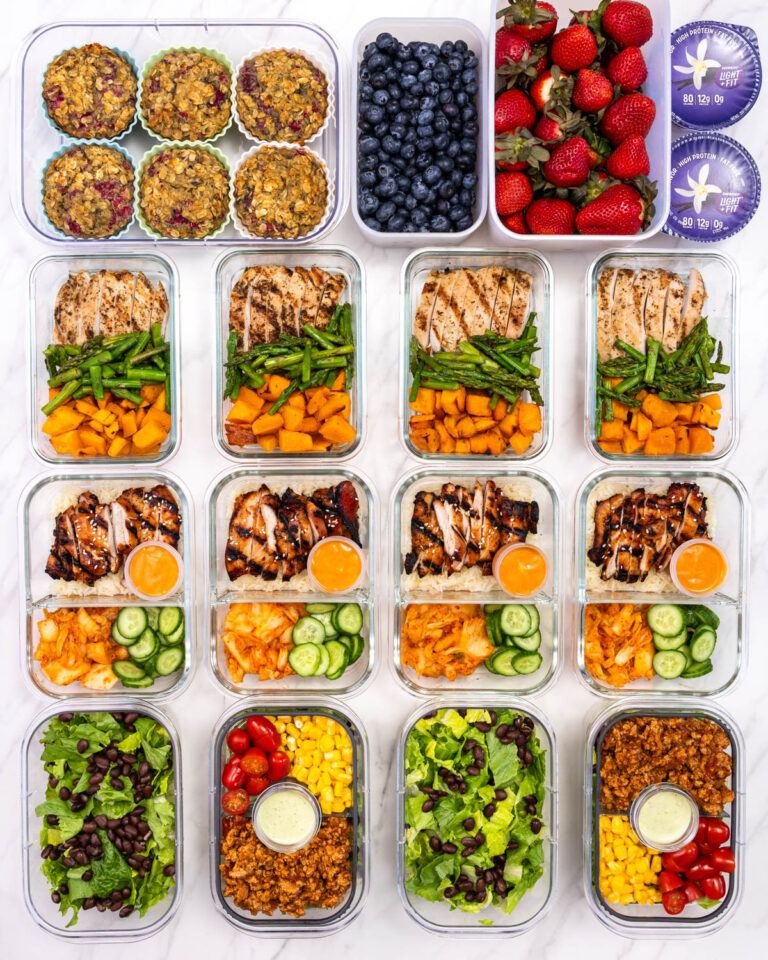
Before the day-by-day layout, here are the design principles so you can trust — and later modify — what you eat:
- Protein at every meal. Each breakfast, lunch, and dinner targets 25–35 g of protein to clear the leucine threshold discussed above. Snacks contribute 10–20 g each.
- Daily total of roughly 110–130 g. This suits an active adult weighing around 60–75 kg. Lighter or heavier readers can scale portions (see the adjustment section).
- South Asian kitchen first. Every meal uses ingredients from a typical Pakistani or Indian grocery run. No imported protein powders are required, though one optional whey shake appears as a convenience snack.
- Fibre and vegetables included. High-protein plans sometimes crowd out fibre. Each day includes vegetables, fruit, or whole grains to support digestion and gut health.
- Repeatable structure. Breakfasts and snacks rotate between a few templates so you can batch-cook without boredom.
Approximate protein figures are given per meal. They are estimates based on standard nutrition data — your exact numbers will vary with portion sizes and brands, and that is fine. Consistency matters more than precision.
The 7-Day High-Protein Weekly Meal Plan

Day 1 — Monday (~120 g protein)
- Breakfast (~28 g): 3-egg masala omelette with onion, tomato, and spinach + 1 whole-wheat roti + 150 g dahi
- Lunch (~32 g): 120 g grilled chicken breast + 1.5 cups cooked brown or white rice + mixed salad with lemon
- Snack (~15 g): 200 g Greek-style yoghurt with a handful of peanuts
- Dinner (~30 g): 50 g (dry weight) soya chunk curry with peas + 2 rotis
- Before bed (~12 g): 250 ml warm milk with a pinch of turmeric
Day 2 — Tuesday (~118 g protein)
- Breakfast (~25 g): Besan cheela (50 g besan) stuffed with crumbled paneer (50 g) + mint chutney + 150 g dahi
- Lunch (~30 g): 1.5 cups masoor daal (generous portion) + 1 cup rice + 150 g dahi + cucumber salad
- Snack (~18 g): 40 g roasted chickpeas (kala chana) + 30 g roasted peanuts
- Dinner (~32 g): 120 g chicken karahi (breast pieces) + 2 rotis + salad
- Before bed (~12 g): 250 ml milk
Day 3 — Wednesday (~122 g protein)
- Breakfast (~30 g): 200 g Greek yoghurt + 30 g oats + 1 banana + 1 tbsp mixed seeds
- Lunch (~30 g): 100 g palak paneer (paneer portion ~80 g) + 2 rotis + 150 g dahi
- Snack (~15 g): 2 boiled eggs with chaat masala
- Dinner (~32 g): 50 g (dry) soya chunk pulao with vegetables + 150 g dahi
- Before bed (~12 g): 250 ml milk + 10 almonds
Day 4 — Thursday (~115 g protein)
- Breakfast (~27 g): 3-egg bhurji (anda bhurji) with capsicum and onion + 2 small rotis
- Lunch (~33 g): 120 g tandoori chicken (leg/breast mix, skin removed) + 1 cup rice + mint raita (150 g dahi)
- Snack (~14 g): Besan roasted snack — 40 g roasted besan mixed with yoghurt dip
- Dinner (~28 g): Moong daal khichdi (1 cup daal + 0.5 cup rice cooked together) in 1 tsp ghee + 150 g dahi
- Before bed (~12 g): 250 ml milk
Day 5 — Friday (~120 g protein)
- Breakfast (~26 g): Paneer bhurji (100 g paneer) with peas + 2 rotis
- Lunch (~30 g): 120 g chicken yakhni pulao (chicken pieces ~100 g meat) + 150 g dahi + salad
- Snack (~20 g): Whey or milk-protein shake with water or 250 ml milk + 30 g peanuts (if avoiding supplements)
- Dinner (~30 g): 1.5 cups chana daal or kala chana curry + 2 rotis + 100 g dahi
- Before bed (~12 g): 250 ml warm milk
Day 6 — Saturday (~117 g protein)
- Breakfast (~28 g): 3-egg Spanish-style omelette with potatoes and onion + 150 g dahi
- Lunch (~30 g): 50 g (dry) soya chunk and vegetable curry + 1.5 cups rice + 150 g dahi
- Snack (~15 g): 200 g Greek yoghurt with honey and walnuts (small handful)
- Dinner (~32 g): 120 g grilled fish or chicken tikka + 2 rotis + green salad
- Before bed (~12 g): 250 ml milk
Day 7 — Sunday (~119 g protein)
- Breakfast (~25 g): Besan cheela (50 g besan) + 2 boiled eggs on the side + chutney
- Lunch (~33 g): Chicken biryani with a generous chicken portion (~120 g meat) + 200 g raita
- Snack (~15 g): 40 g roasted soya nuts or roasted chickpeas
- Dinner (~30 g): 100 g matar paneer + 1 cup masoor daal + 1 roti
- Before bed (~12 g): 250 ml milk
How to Adjust the Plan for Your Goals
For Muscle Gain
If your target is closer to 1.6–2.0 g/kg (say 130–150 g for a 75 kg lifter), add one more protein anchor rather than enlarging every meal: an extra 3-egg omelette, an additional 100 g of paneer or chicken, or a second protein shake. Research suggests a small calorie surplus supports muscle gain, so add the protein alongside slightly larger carbohydrate portions (an extra roti or half cup of rice) on training days.
For Fat Loss
Keep protein at the high end (around 1.6–2.0 g/kg of your target body weight) while trimming calories from fats and refined carbohydrates — for example, choose grilled chicken over karahi made with extra oil, use low-fat dahi, and keep the before-bed milk to 150 ml. Because protein is highly satiating, many people find a high-protein calorie deficit noticeably easier to sustain, which is one reason research favours protein-rich diets for weight management.
For Vegetarians
Replace chicken and fish portions gram-for-gram of protein with soya chunks, paneer, or extra daal plus dahi. A reliable swap: 120 g chicken breast (~35 g protein) ≈ 60 g dry soya chunks (~30 g protein) ≈ 150 g paneer (~27 g protein) + 150 g dahi (~8 g). The plan already includes four vegetarian-leaning days; with these swaps, all seven days work without meat or eggs (replace eggs with extra besan cheela or tofu-style paneer scramble).
For Larger or Smaller Body Weights
Scale the protein anchors proportionally. A 90 kg active person targeting ~150 g/day can multiply the chicken, paneer, soya, and egg portions by about 1.25. A 50 kg person targeting ~80–90 g/day can reduce each anchor by roughly a quarter and drop the before-bed milk. The structure — protein at every meal — stays the same.
What a Day of Macros Looks Like
Taking Day 1 as an example, the approximate breakdown is:
| Nutrient | Approximate amount |
|---|---|
| Protein | 118–122 g |
| Carbohydrates | 220–250 g |
| Fat | 55–70 g |
| Fibre | 25–35 g |
| Energy | ~2,000–2,200 kcal |
These are ballpark figures, not laboratory measurements. Your totals will shift with oil used in cooking, exact portion sizes, and brands. The takeaway is the pattern: protein distributed across the day, adequate fibre, and enough total energy to support an active lifestyle. If you are tracking precisely, a food scale for one week will calibrate your eye far better than any table.
Meal-Prep Tips That Keep Protein High All Week
A plan only works if you can execute it on a busy Tuesday. These five habits make the week nearly automatic:
- Boil a dozen eggs on Sunday. Boiled eggs keep 5–7 days refrigerated and turn any meal or snack into a 12 g protein addition in seconds.
- Batch-cook two protein curries. A large pot of soya chunk curry and a large pot of daal cover four to five lunches. Portion into containers so the decision is already made.
- Marinate chicken in bulk. Yoghurt, lemon, garlic, and spices on 500 g of chicken breast, refrigerated overnight, gives you three days of quick grilling or karahi.
- Keep emergency proteins stocked. Roasted chickpeas, peanuts, Greek yoghurt, and milk have long shelf lives and rescue the days when cooking does not happen.
- Prep breakfast components, not full breakfasts. Crumbled paneer for bhurji, besan batter, and chopped omelette vegetables can sit ready in the fridge; assembly takes five minutes each morning.
Common Mistakes That Sabotage a High-Protein Diet
- Counting daal as 25 g of protein. A normal serving is closer to 12–14 g. Measure honestly for one week so your expectations match reality.
- Saving all protein for dinner. As the leucine research shows, a 60 g dinner does not compensate for a 10 g breakfast when it comes to muscle signalling. Front-load your day.
- Fearing all fat with protein. Paneer, eggs, and chicken thighs include fats that carry fat-soluble vitamins and keep meals satisfying. Trim excess oil; do not chase zero fat.
- Relying on a single source. Eating soya chunks at every meal may work on paper, but variety protects you against nutrient gaps and boredom-driven quitting. Rotate across at least four protein sources weekly.
- Ignoring total calories. Protein supports muscle and satiety, but fat loss still requires a calorie deficit and muscle gain still benefits from adequate energy. Protein is a lever, not a loophole.
- Skipping fibre. Very high-protein, low-fibre eating can cause constipation and an unhappy gut. The vegetables, daal, and whole grains in this plan are there for a reason.
Frequently Asked Questions
Q1: Can I follow this plan if I am vegetarian?
Yes. Days 1, 3, 4, and 6 are already vegetarian-friendly or easily adapted, and the adjustment section gives exact swaps for the chicken and fish meals — soya chunks, paneer, and daal-plus-dahi combinations replace meat gram-for-gram of protein. Lacto-vegetarians will find this plan straightforward; vegans would need to replace dahi, paneer, eggs, and milk with tofu, soy milk, and larger legume portions.
Q2: Will eating this much protein damage my kidneys?
For healthy adults, research does not show kidney damage from protein intakes in the ranges used here (around 1.2–2.0 g/kg). The genuine caution applies to people with existing chronic kidney disease, where high protein may accelerate decline — those individuals should follow their doctor’s guidance. If you have any kidney condition, diabetes with kidney involvement, or a history of kidney stones, check with your healthcare provider before increasing protein.
Q3: Do I need protein powder to hit these targets?
No. The plan reaches 110–130 g daily from whole foods alone; the single optional shake on Day 5 can be replaced with milk and peanuts, as noted. Protein powder is a convenience tool, not a requirement. If you do use one, treat it as a supplement to meals — not a meal replacement — and choose a reputable brand.
Q4: How fast will I see results from a high-protein meal plan?
It depends on the goal and on training, sleep, and total calories — protein is one variable among several. Research suggests that noticeable changes in body composition typically take 8–12 weeks of consistent eating combined with resistance training. Be cautious of any plan promising dramatic results in days; sustainable change is measured in weeks and months, not headlines.
Q5: Is soya safe to eat daily? I have heard it affects hormones.
Soya contains phytoestrogens (isoflavones), which has generated concern, but human research — including meta-analyses of clinical trials — has not found that normal soya consumption meaningfully alters testosterone or estrogen levels in men or women. Eating soya chunks several times a week as part of a varied diet is considered safe by major food safety authorities. As with any single food, variety across protein sources is still the wiser pattern.
Conclusion: Protein Is a Habit, Not a Hack
A high-protein diet does not require exotic supplements or punishing restriction. It requires a simple, repeatable structure: a real protein source at breakfast, lunch, and dinner, a protein-containing snack, and honest portions of the foods already in your kitchen — daal paired with grains, soya chunks, paneer, eggs, dahi, chicken, besan, and milk. Follow the 7-day plan above for two to three weeks, adjust portions to your body weight and goal, and you will have built the single most impactful nutrition habit there is.
If you want this plan personalised — adjusted for your weight, training schedule, medical conditions, vegetarian preferences, or fat-loss versus muscle-gain goals — professional guidance makes the difference between a good template and a plan built for your body.
Book a one-to-one nutrition consultation with our UK-Registered Associate Nutritionist and get a protein strategy tailored to your life, your kitchen, and your goals.
Disclaimer: This article is for educational purposes only and does not replace personalised medical or dietetic advice. If you have kidney disease, liver disease, diabetes, or any medical condition, please consult your doctor or a registered dietitian before making significant dietary changes.
Keep Reading
To see how these protein principles apply when weight loss is the goal, read Healthy Weekly Meal Plan for Weight Loss: A Complete 7-Day Guide next.