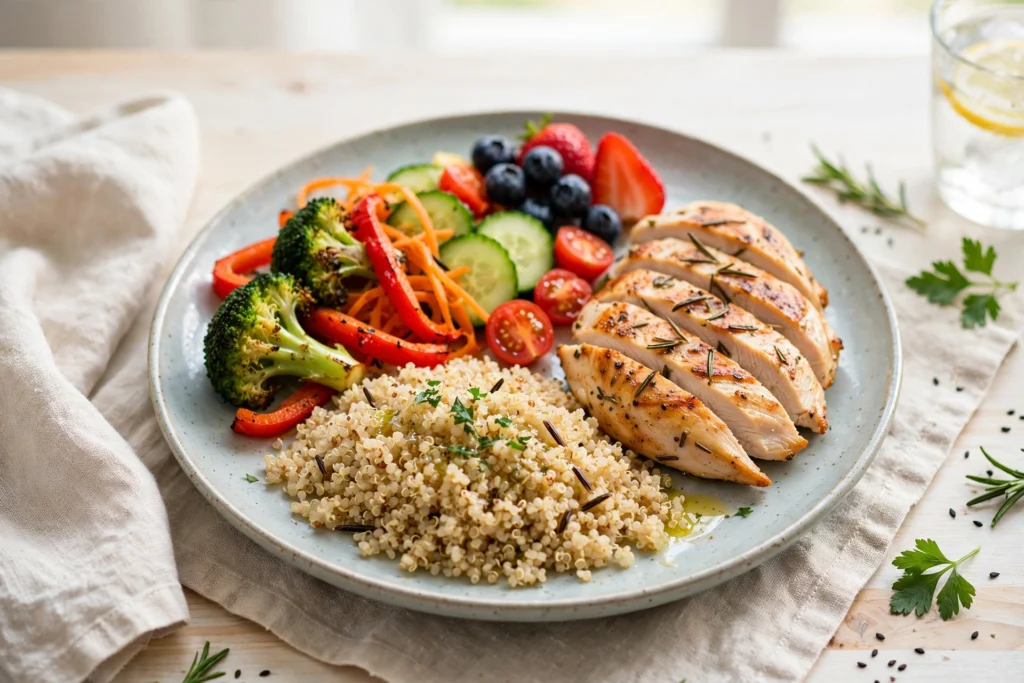
This honest, evidence-based guide to top 20 superfoods for overall health separates real science from marketing hype, with Pakistani prices and practical ways to eat them.
Walk through any supermarket in Lahore or Karachi, or scroll through health pages on your phone, and you will find the word “superfood” printed on everything from seed packets to chocolate bars. Marketers love the word because it sells. But does the label mean anything real? As nutrition educators, we believe the honest answer is a careful yes — not because any single food is magic, but because some foods genuinely deliver far more nutrition per bite than others, and the human research behind several of them is unusually strong.
This guide separates solid science from marketing noise. Every food on this list is supported by large human studies or pooled analyses, and every claim is worded the way a university lecture would phrase it: with qualifiers, numbers, and limits. We have also written this list for Pakistani kitchens. You will find approximate prices in rupees, foods available at your local sabzi mandi, and practical ways to add each item to daal, roti, chawal, and dahi without turning your eating habits upside down.
In this guide, you will learn:
- What the term “superfood” actually means — and where its limits lie
- The 20 most evidence-backed, nutrient-dense foods for overall health
- Exact nutrient numbers per 100 grams for each food
- What major studies (PREDIMED, the Nurses’ Health Study, large meta-analyses) actually found
- Pakistani prices, seasonal availability, and affordable local alternatives
- Practical meal ideas, a weekly grocery list, and budget-friendly swaps
Medical disclaimer: This article is for education only and is not medical advice. If you have diabetes, heart disease, kidney disease, high blood pressure, or take regular medication (especially blood thinners or diabetes drugs), discuss dietary changes with your doctor or a registered nutritionist before making major changes.
1. What “Superfood” Really Means — An Honest Explanation

The word “superfood” has no legal definition and no entry in any official nutrition textbook. It began as a marketing term in the early 1900s and was picked up by the food industry because it sounds authoritative. The European Union went so far as to restrict the word on food labels unless the claim is backed by authorised scientific evidence.
That does not mean the idea behind it is empty. Nutrition scientists do recognise nutrient density: the amount of vitamins, minerals, fibre, protein, and protective plant compounds a food provides per calorie. A food that is high in nutrient density and low in empty calories is, in plain language, a better nutritional bargain. Researchers have even built scoring systems for this, such as the Nutrient Rich Foods index, which ranks foods by their beneficial nutrients relative to calories.
Three honest limits you should know before reading further:
- No single food prevents or cures disease. Studies link dietary patterns — such as the Mediterranean or traditional South Asian plant-rich patterns — to better outcomes. Individual foods contribute to the pattern; they do not carry it alone.
- Dose and context matter. A spoon of haldi in doodh is not the same as a concentrated curcumin capsule used in a trial, and a handful of almonds helps only if it replaces something less healthy, like a packet of chips.
- Marketing stretches the truth. Imported “superfoods” are often sold in Pakistan at ten times the price of local foods with similar nutrition. Wherever a local alternative exists, we name it.
We chose the 20 foods below using three criteria: high nutrient density, consistent evidence from human studies, and realistic availability for readers in Pakistan. Let us begin.
2. Berries: Blueberries, Strawberries, Jamun, and Falsa
Berries are among the most studied fruits in nutrition science, largely because of their deep colour. That colour comes from anthocyanins, plant pigments that act as antioxidants in laboratory studies and are linked to vascular benefits in human trials.
Key nutrients (per 100 g, raw)
- Blueberries: ~57 kcal, 2.4 g fibre, 9.7 mg vitamin C, 19.3 mcg vitamin K, rich in anthocyanins
- Strawberries: ~32 kcal, 2 g fibre, 58.8 mg vitamin C (more than an orange), folate, manganese
- Jamun (black plum): ~60 kcal, 0.7 g protein, vitamin C, iron, and jamboline, a compound traditionally studied for blood-sugar effects
What the research says
In the Nurses’ Health Study and Health Professionals Follow-Up Study, women who ate at least three servings of blueberries or strawberries per week had a roughly 30% lower risk of heart attack compared with those who rarely ate them, after adjusting for other risk factors (Cassidy et al., Circulation, 2013). A 2020 meta-analysis of randomised trials found berry intake modestly improved blood pressure and markers of blood-sugar control. Jamun has a long history in Unani and Ayurvedic practice for blood-sugar management; animal and small human studies are promising, but large human trials are still limited — so treat jamun as a nutritious fruit, not a diabetes treatment.
How to eat them in Pakistan
Imported blueberries cost Rs 800–1,500 for a small box in big-city supermarkets, which is not realistic for most families. Strawberries are affordable in winter (Rs 200–400/kg). But do not overlook desi berries: jamun in summer (Rs 150–300/kg) and falsa (Rs 200–350/kg) offer similar pigment compounds at a fraction of the price. Add a small bowl to breakfast, blend falsa into a sharbat with minimal sugar, or top dahi with sliced strawberries.
3. Leafy Green Vegetables: Palak, Methi, Sarson, and Kale
If any food group deserves the “superfood” label, it is leafy greens. They deliver the highest nutrient return per calorie of almost any food, and large cohort studies consistently link higher green-vegetable intake with lower cardiovascular and diabetes risk.
Key nutrients (per 100 g, raw)
- Spinach (palak): ~23 kcal, 2.9 g protein, 2.2 g fibre, 2.7 mg iron, 194 mcg folate, and 483 mcg vitamin K (over 400% of the daily need)
- Methi leaves: ~49 kcal, 4.4 g protein, vitamin C, iron, and soluble fibre linked to gentler blood-sugar rises
- Sarson (mustard greens): ~27 kcal, rich in vitamins A, C, and K, plus glucosinolates studied for cellular protection
What the research says
A 2016 meta-analysis in the Journal of the Royal Society of Medicine pooling multiple cohort studies found that each additional daily serving of green leafy vegetables was associated with about a 13% lower risk of type 2 diabetes. Leafy greens are also the top dietary source of nitrates, which the body converts to nitric oxide — a molecule that helps blood vessels relax. Trials of nitrate-rich greens show modest blood-pressure reductions, especially in people with elevated readings.
How to eat them in Pakistan
This is the easiest win on the list: palak, methi, and sarson cost Rs 60–150 per bunch at any mandi. Make palak gosht or daal palak, cook sarson ka saag in winter with makai ki roti, add chopped methi to atta for parathas, or blend a handful of palak into daal. Wash greens thoroughly, and avoid overcooking — 5 to 7 minutes preserves more folate and vitamin C than 30 minutes of boiling.
4. Quinoa: The Complete-Protein Grain
Quinoa (pronounced keen-wah) is a seed from the Andes that cooks like a grain. Its claim to fame is that it contains all nine essential amino acids, making it one of the few plant foods considered a complete protein.
Key nutrients (per 100 g, cooked)
- ~120 kcal, 4.4 g protein, 2.8 g fibre, 64 mg magnesium, 1.5 mg iron, plus manganese and folate
- Naturally gluten-free, with a low-to-medium glycaemic response compared with white rice
What the research says
Quinoa-specific human trials are smaller than those for oats or wheat, but the evidence for whole grains as a category is very strong: a 2016 BMJ meta-analysis of 45 studies found that three daily servings of whole grains were associated with lower risks of heart disease, stroke, diabetes, and colorectal cancer. Quinoa contributes to that pattern while adding complete protein, which is useful for vegetarians who rely on daal and chana.
How to eat them in Pakistan
Honest note: quinoa is imported and costs Rs 1,200–1,800/kg — expensive. Use it strategically rather than daily: mix half quinoa with half brown rice or bulgur to stretch it, use it in salads, or cook it like upma with vegetables. If the budget does not allow it, brown rice, barley (jau), and whole-wheat daliya give you most of the whole-grain benefit at one-tenth of the price.
5. Oats: The Heart-Friendly Breakfast Grain
Oats are the most studied breakfast grain in the world, and their benefit comes mainly from beta-glucan, a soluble fibre that forms a gel in the gut.
Key nutrients (per 100 g, dry rolled oats)
- ~389 kcal, 16.9 g protein, 10.6 g fibre (about 4–5 g beta-glucan), 177 mg magnesium, 4.7 mg iron, 1.1 mg thiamine
What the research says
The cholesterol-lowering effect of oat beta-glucan is one of the few food claims approved by both the US FDA and the European Food Safety Authority: about 3 g of beta-glucan per day (roughly a large bowl of porridge) may reduce LDL cholesterol by around 5–10% in people with elevated levels. Meta-analyses also link regular oat intake with improved blood-sugar control and greater fullness after meals, which helps with weight management.
How to eat them in Pakistan
Rolled oats cost Rs 400–600/kg and are now widely available. Cook them as namkeen daliya with vegetables and haldi for a desi-style porridge, make overnight oats with dahi and seasonal fruit, or grind oats into flour to mix 25% into whole-wheat atta for rotis. Choose plain oats, not flavoured instant packets, which often contain 3–4 teaspoons of added sugar per serving.
6. Almonds (Badam): Vitamin E and Steady Energy
A small handful of almonds is one of the simplest upgrades to a Pakistani snack routine — replacing fried nimko or biscuits with something that actively supports heart and metabolic health.
Key nutrients (per 100 g)
- ~579 kcal, 21 g protein, 12.5 g fibre, 25.6 mg vitamin E (about 170% of daily needs), 270 mg magnesium, 733 mg potassium
- A 28 g handful (about 23 almonds): ~164 kcal, 6 g protein, 3.5 g fibre
What the research says
A 2017 meta-analysis in Nutrients pooling randomised trials found that almond intake lowered LDL cholesterol and total cholesterol without reducing protective HDL. Almonds’ combination of protein, fibre, and healthy fats slows digestion, producing a gentler blood-sugar rise — useful alongside roti-based meals. Soaked overnight and peeled, as many Pakistani families traditionally do, they are easier to chew and digest.
How to eat them in Pakistan
Almonds cost Rs 1,800–2,400/kg, so portion control doubles as budget control: 8–10 almonds a day is enough. Soak them overnight for the traditional morning habit, add slivered almonds to kheer made with less sugar, or grind with dates for homemade energy bites. Store in an airtight jar away from heat to protect their unsaturated fats from going rancid.
7. Walnuts (Akhrot): The Brain-Shaped Omega-3 Nut

Walnuts are the only common tree nut with a significant amount of ALA, the plant form of omega-3 fatty acid — and they happen to grow in northern Pakistan, which keeps local varieties affordable.
Key nutrients (per 100 g)
- ~654 kcal, 15 g protein, 6.7 g fibre, 9.1 g ALA omega-3, 158 mg magnesium, plus polyphenols concentrated in the papery skin
What the research says
The landmark PREDIMED trial (published in the New England Journal of Medicine, 2013, republished 2018) found that a Mediterranean diet supplemented with 30 g of mixed nuts daily reduced major cardiovascular events by about 30% in high-risk adults. Walnut-specific trials show improvements in blood-vessel function and modest LDL reductions. A 2020 Journal of Nutrition trial also linked daily walnut intake with small improvements in gut bacteria diversity. The body converts ALA to EPA and DHA only partially, so walnuts complement — but do not replace — fish for omega-3s.
How to eat them in Pakistan
Local akhrot from Gilgit-Baltistan and Kashmir cost Rs 1,200–1,800/kg in shell — cheaper than imported. Eat 3–4 halves (about 28 g) daily: crush over salads, add to morning porridge, or mix into homemade granola with oats and desi ghee in small amounts. Keep the thin skin on; that is where many polyphenols live.
8. Salmon and Oily Fish: The Omega-3 Standard
Fatty fish is the most reliable food source of EPA and DHA, the long-chain omega-3 fats linked to heart and brain health. Salmon is the international reference, but Pakistani waters and farms offer worthy alternatives.
Key nutrients (per 100 g, cooked Atlantic salmon)
- ~206 kcal, 22 g protein, 1.2–2.5 g EPA + DHA, 11 mcg vitamin D, 2.8 g potassium-rich minerals, selenium, and B12
What the research says
Large cohort studies, including analyses of over 400,000 people, link one to two servings of oily fish per week with lower rates of fatal heart disease. The American Heart Association’s advisory, reviewing decades of evidence, concludes that fish omega-3s are associated with reduced cardiac death, particularly in people with existing heart disease. Randomised trials of fish-oil supplements show smaller effects than eating actual fish, suggesting the whole food — protein, selenium, vitamin D included — matters.
How to eat them in Pakistan
Honest note: salmon is imported and costs Rs 3,500+/kg frozen in Pakistan — a luxury, not a staple. Local alternatives make more sense: rohu, thaila, and surmai (kingfish) provide meaningful omega-3s at Rs 600–1,200/kg. Grill, bake, or steam fish with ajwain, haldi, and lemon instead of deep-frying, which adds oxidised oil calories. Aim for fish twice a week; for vegetarians, walnuts and flaxseed partly fill the gap (see sections 7 and 12 for the full picture).
9. Eggs: The Complete, Affordable Protein
Few foods match the egg for nutrition per rupee. One large egg delivers high-quality protein plus nutrients that are hard to get elsewhere — at a price almost every family can afford.
Key nutrients (per large egg, ~50 g)
- ~72 kcal, 6.3 g protein with all essential amino acids, 147 mg choline (important for brain and liver), vitamin D, B12, selenium, and lutein/zeaxanthin for eye health
What the research says
Eggs were once feared for their cholesterol (~186 mg per yolk), but large modern studies changed the picture. A 2020 analysis of over 1.7 million people in the BMJ found no significant association between moderate egg intake (up to one a day) and heart disease risk in healthy people. A Chinese cohort of half a million adults (Heart, 2018) even linked daily egg eating with lower cardiovascular risk. The yolk holds nearly all the vitamins — skipping it discards most of the benefit. People with diabetes or familial high cholesterol should still discuss portions with their doctor.
How to eat them in Pakistan
At Rs 380–450 per dozen, eggs are the cheapest complete protein in the mandi. Boil them for lunchboxes, make anda bhurji with tomatoes and palak, or add a boiled egg to daal chawal for a protein boost. One egg a day fits comfortably into most healthy diets; athletes and growing teenagers can often handle two.
10. Sweet Potato (Shakarkandi): Beta-Carotene on a Budget
The orange flesh of sweet potato signals beta-carotene, which the body converts to vitamin A — a nutrient still deficient in parts of South Asia, especially among children.
Key nutrients (per 100 g, baked)
- ~90 kcal, 4.2 g fibre, 709 mcg RAE vitamin A (nearly a full day’s need), 337 mg potassium, vitamin C, and manganese
What the research says
As a category, orange-fleshed root vegetables are among the most effective food-based strategies against vitamin-A deficiency, according to WHO-aligned reviews. Sweet potato’s fibre and resistant starch (which increases when cooked and cooled) feed beneficial gut bacteria and blunt blood-sugar spikes compared with white potato. Its glycaemic index is medium — lower than white rice — making it a reasonable swap for people watching blood sugar.
How to eat them in Pakistan
Shakarkandi costs Rs 150–250/kg in winter, when street vendors roast it with chaat masala and lemon — already a near-perfect snack. At home, bake wedges with a little mustard oil and zeera, mash with dahi for a side dish, or cube into mixed sabzi. Keep the skin on after scrubbing; it holds extra fibre.
11. Yogurt and Dahi: Protein Plus Probiotics
Fermented dairy is one of humanity’s oldest functional foods, and the Pakistani tradition of homemade dahi is a genuine nutritional asset — live cultures, protein, and calcium in one bowl.
Key nutrients (per 100 g, plain whole-milk dahi)
- ~61 kcal, 3.5 g protein (strained/Greek-style: ~10 g), 110 mg calcium, B12, riboflavin, and live Lactobacillus and Streptococcus cultures in traditionally set dahi
What the research says
A 2017 meta-analysis in the American Journal of Clinical Nutrition found that higher yogurt intake was associated with lower risk of type 2 diabetes — about 14% lower per daily serving in pooled cohorts. Fermentation partially breaks down lactose, so many lactose-sensitive people tolerate dahi better than milk. The live cultures may modestly support gut regularity and immune markers, though effects vary by strain. Choose plain dahi; flavoured commercial yogurts can contain 4–6 teaspoons of added sugar per cup.
How to eat them in Pakistan
Homemade dahi from Rs 200–280/kg milk is cheaper and more live-cultured than most packaged cups. Eat a bowl with lunch (the traditional raita habit is nutritionally sound), make lassi with minimal sugar and extra water, use dahi as a marinade to tenderise chicken, or strain it overnight for creamy Greek-style yogurt. For weight management, hung curd with cucumber makes a high-protein, low-effort snack.
12. Lentils and Daal: Pakistan’s Everyday Superfood

If this list had to crown one food for Pakistan, it would be daal. Lentils combine plant protein, fibre, iron, and folate at the lowest price per gram of protein of any food on this list.
Key nutrients (per 100 g, cooked masoor/moong)
- ~116 kcal, 9 g protein, 8 g fibre, 3.3 mg iron, 181 mcg folate (45% of daily needs), potassium, and polyphenols
What the research says
A 2019 meta-analysis in Advances in Nutrition found that legume intake was associated with lower risks of heart disease and high blood pressure. The fibre in lentils — a mix of soluble and insoluble — slows glucose absorption, giving daal a low glycaemic index despite being a carbohydrate-rich food. The classic combination of daal with rice or roti is nutritionally clever: grains supply methionine and lentils supply lysine, together forming a near-complete amino-acid profile.
How to eat them in Pakistan
At Rs 300–420/kg, masoor and moong daal are the backbone of affordable nutrition. Eat daal 4–5 times a week: tarka daal with lehsan, daal palak, khichdi for easy digestion, or sprouted moong chaat. Add a squeeze of lemon or amla — vitamin C multiplies iron absorption from daal several-fold, which matters for the many Pakistani women with low iron. Avoid pressure-cooking into mush if you prefer lower glycaemic impact; slightly firm lentils digest more slowly.
13. Chickpeas (Kabuli Chana and Kala Chana): Fibre and Fullness
Chickpeas are the world’s most eaten legume after soy, and in Pakistan they appear everywhere from chana chaat to halwa puri Sundays. The humble kala chana may be the healthier of the two.
Key nutrients (per 100 g, cooked)
- Kabuli chana: ~164 kcal, 9 g protein, 7.6 g fibre, 2.9 mg iron, 172 mcg folate, manganese
- Kala chana (with skin): slightly more fibre and polyphenols thanks to the dark seed coat
What the research says
Randomised trials show chickpea-based meals improve fullness and reduce subsequent calorie intake compared with refined-carbohydrate meals — the protein-fibre combination again. A 2021 review in Nutrients linked regular chickpea consumption with better blood-sugar and cholesterol markers. Their resistant starch feeds butyrate-producing gut bacteria, which emerging research connects to colon and metabolic health.
How to eat them in Pakistan
Chana costs Rs 350–480/kg dry — one kilo cooks into roughly three kilos of food. Keep boiled chana ready in the fridge for chaat with imli, dahi, and pyaz; roast kala chana with chaat masala for a crunchy snack that beats chips; make hummus with tahini or simply peanut butter in a pinch; add chickpeas to pulao for a one-pot protein meal. Soak 8–10 hours and discard the soaking water to reduce gas-forming compounds.
14. Turmeric (Haldi): Respect the Spice, Skip the Hype
Turmeric’s active compound, curcumin, is one of the most researched plant compounds in the world — and one of the most oversold. Here is the balanced picture.
Key nutrients (per tablespoon, ~7 g ground haldi)
- ~24 kcal, 1.8 g fibre, 1.2 mg iron, manganese, and curcumin at roughly 2–8% of the powder’s weight (so about 140–560 mg per tablespoon)
What the research says
Curcumin shows anti-inflammatory and antioxidant activity in hundreds of laboratory studies, and human trials suggest modest benefits for knee-osteoarthritis pain and some inflammatory markers. But there is a catch: curcumin is poorly absorbed, and most positive trials used concentrated extracts (500–1,000 mg curcumin), not kitchen turmeric. Traditional Pakistani practice is smarter than it looks: combining haldi with black pepper (kali mirch) — whose piperine can raise curcumin absorption substantially — and with fat (doodh or oil) mirrors what pharmacology studies recommend.
How to eat them in Pakistan
Ground haldi costs Rs 600–900/kg and every kitchen has it. Add 1/2 teaspoon to curries, daal, and doodh; make haldi doodh with a pinch of kali mirch and warm milk before bed; toss roasted vegetables in haldi and oil. Do not expect kitchen doses to treat arthritis or disease — and note that high-dose curcumin supplements can interact with blood thinners and iron absorption, so discuss supplements, not food, with your doctor.
15. Green Tea (Sabz Qehwa): Catechins in a Cup
Green tea is the least processed tea, retaining EGCG and other catechins that are largely oxidised away in black chai. Pakistan’s own qehwa culture makes this an easy adoption.
Key nutrients (per cup, brewed)
- ~2 kcal, 50–100 mg catechins (including EGCG), 30–50 mg caffeine (about half of coffee), and L-theanine, an amino acid linked to calm alertness
What the research says
A 2020 Cochrane-style review and multiple meta-analyses find green-tea catechins associated with small reductions in LDL cholesterol and blood pressure, and modest support for fat metabolism during exercise. Observational studies in East Asia link habitual green-tea drinking with lower cardiovascular mortality, though lifestyle confounding is possible. The caffeine-plus-theanine combination is one of the few natural pairings with trial evidence for improved attention without the jitters of coffee.
How to eat them in Pakistan
Good green tea costs Rs 300–600 per 100 g. Brew 2–3 cups a day: water just off the boil, steep 2–3 minutes (longer turns bitter). Drink it as qehwa after heavy meals, add fresh mint or a slice of adrak, and avoid adding sugar — which cancels the metabolic point. Limit intake after Maghrib if caffeine affects your sleep, and note that very high-dose green-tea extract pills (not the drink) have rare liver-safety concerns.
16. Garlic (Lehsan): Small Clove, Measurable Effects
Garlic’s pungency comes from allicin, formed when a clove is crushed — and it is one of the few kitchen spices with blood-pressure trial data.
Key nutrients (per 100 g)
- ~149 kcal, 6.4 g protein, 2.1 g fibre, vitamin C, B6, manganese, selenium, and sulphur compounds including allicin (formed on crushing)
What the research says
A 2020 meta-analysis of 12 randomised trials in Experimental and Therapeutic Medicine found garlic supplementation reduced systolic blood pressure by about 8 mmHg and diastolic by about 5 mmHg in people with hypertension — a clinically meaningful shift, though smaller than medication. Effects on cholesterol are modest. Importantly, allicin forms only when garlic is crushed or chopped and allowed to sit for about 10 minutes before heating; prolonged high heat destroys much of it.
How to eat them in Pakistan
Lehsan costs Rs 300–500/kg and is already in every tarka. To capture more benefit: crush or chop garlic and rest it 10 minutes before adding to the pan, add some raw or lightly cooked garlic to chutneys and raita, and roast whole heads with a little oil for a mellow spread. People on blood thinners or with upcoming surgery should mention heavy garlic-supplement use to their doctor, as it can modestly slow clotting.
17. Olive Oil: The PREDIMED-Proven Fat

If one food best represents the Mediterranean diet’s success, it is extra-virgin olive oil — and its story includes an honest lesson for Pakistan about local oils.
Key nutrients (per tablespoon, ~14 g)
- ~119 kcal, 10 g monounsaturated fat (oleic acid), vitamin E, vitamin K, and polyphenols (oleocanthal, hydroxytyrosol) that give good oil its peppery bite
What the research says
The PREDIMED trial randomised over 7,000 high-risk Spanish adults to a Mediterranean diet plus either extra-virgin olive oil (about 4 tablespoons a day) or nuts, versus a low-fat control diet. The Mediterranean groups had roughly 30% fewer major cardiovascular events (New England Journal of Medicine, 2013; republished 2018). Follow-up analyses link the polyphenols in extra-virgin — not refined — olive oil to much of the benefit.
Mustard oil vs. olive oil: the honest Pakistani answer
Extra-virgin olive oil costs Rs 2,500–4,000 per litre in Pakistan — prohibitive for daily tarka. Here is the honest comparison: sarson (mustard) oil at Rs 500–700/litre is rich in ALA omega-3 and monounsaturated fats and has supported Punjabi cooking for generations; its erucic-acid content is a debated concern, and heating it to smoking point (the traditional karwana) reduces pungency. Use mustard oil for high-heat desi cooking, and keep a small bottle of extra-virgin olive oil for salads, drizzling over daal, and low-heat finishing — that split gives you most of the benefit at a fraction of the cost. Avoid repeatedly reheating any oil, and discard oil that foams, smokes early, or smells off.
18. Dark Chocolate (70%+ Cocoa): A Treat With Trial Data
Chocolate on a superfood list sounds like a trick, but cocoa flavanols have genuine — if modest — cardiovascular trial data. The key is cocoa percentage and portion.
Key nutrients (per 100 g, 70–85% dark chocolate)
- ~598 kcal, 11 g fibre, 12 mg iron, 228 mg magnesium, and flavanols (epicatechin) — with far less sugar than milk chocolate
What the research says
The COSMOS trial (2022), randomising over 21,000 older Americans to cocoa-flavanol extract or placebo, found a 27% reduction in cardiovascular death in the cocoa group — though the primary composite endpoint was not significant, so interpret cautiously. Smaller trials consistently show cocoa flavanols modestly improve blood-vessel dilation and lower blood pressure by 2–3 mmHg. The catch is calories: benefits appear at 20–30 g a day, not a full bar.
How to eat them in Pakistan
Imported 70%+ bars cost Rs 400–800 per 100 g — treat it as a portioned indulgence, not a staple. Eat 2–3 small squares (20–30 g) after dinner instead of mithai, grate dark chocolate over fruit, or stir a teaspoon of unsweetened cocoa powder into warm doodh. Read labels: “dark” without a percentage often means 50% cocoa and plenty of sugar.
19. Avocado: Potassium, Fibre, and Monounsaturated Fat
Avocado is the rare fruit that behaves like a healthy fat — creamy, filling, and more potassium per gram than a banana.
Key nutrients (per 100 g)
- ~160 kcal, 7 g fibre, 485 mg potassium, 10 g monounsaturated fat, folate, vitamin K, and lutein for eye health
What the research says
Randomised trials replacing saturated-fat calories with avocado show modest LDL reductions and improved fullness. A 2022 analysis of two large US cohorts (over 110,000 people) linked eating at least two servings of avocado a week with lower cardiovascular risk. Its fibre-plus-fat combination slows stomach emptying, which helps portion control at meals built around roti and chawal.
How to eat them in Pakistan
Honest note: avocados are imported and cost Rs 400–700 each — a garnish, not a grocery staple. If you buy one, mash it on whole-wheat toast with lemon and chaat masala, dice into salads, or blend into lassi for creaminess. If the price stings, remember that peanuts (moong phali, Rs 400–600/kg) and dahi deliver much of the same fullness factor locally.
20. Citrus, Amla, and Guava: Pakistan’s Vitamin-C Powerhouses
Oranges and lemons are the famous vitamin-C fruits, but Pakistan grows two that outperform them: amla (Indian gooseberry) and amrood (guava).
Key nutrients (per 100 g, raw)
- Orange: ~47 kcal, 53 mg vitamin C, folate, thiamine
- Amla: ~44 kcal, an exceptional ~445 mg vitamin C (among the highest of any fruit), plus tannins that protect the vitamin during drying
- Guava: ~68 kcal, ~228 mg vitamin C (4x an orange), 5.4 g fibre, lycopene in pink varieties
What the research says
Vitamin C is essential for collagen, iron absorption, and immune-cell function; deficiency still appears in low-fruit diets. Citrus flavonoids (hesperidin) show modest blood-pressure and vascular benefits in trials. Amla has small human trials suggesting support for cholesterol and blood-sugar markers, consistent with its Ayurvedic/Unani reputation — promising but preliminary. Guava leaf and fruit extracts show anti-diarrhoeal and glycaemic effects in early studies.
How to eat them in Pakistan
This is the cheapest section of the list: kinnow and oranges Rs 150–300/kg in winter, guava Rs 150–300/kg, amla Rs 200–400/kg in season. Eat kinnow in winter afternoons, add lemon to daal and salads daily (the vitamin C multiplies iron absorption), eat guava with chaat masala as a 4 pm snack, and take amla as murabba in small amounts or fresh with black salt. One caution: grapefruit and some citrus can interact with certain blood-pressure and cholesterol medicines — check with your pharmacist if you take daily medication.
21. Pomegranate (Anar): The Jewel Fruit
Anar’s ruby arils are rich in punicalagins, large polyphenols fairly unique to pomegranate, plus the anthocyanins that colour it red.
Key nutrients (per 100 g arils)
- ~83 kcal, 1.7 g protein, 1.2 g fibre, 16 mg vitamin C, 16 mcg vitamin K, folate, and potassium
What the research says
Small randomised trials of pomegranate juice (typically 150–250 ml daily) report modest reductions in systolic blood pressure (around 5 mmHg in some meta-analyses) and improvements in antioxidant markers. A few trials in athletes suggest slightly better recovery blood flow. Evidence is encouraging but thinner than for berries or nuts — treat anar as a strongly nutritious fruit rather than a therapy.
How to eat them in Pakistan
Anar costs Rs 300–500/kg in season (autumn–winter). Eat the arils fresh — juice discards the fibre and concentrates sugar; a glass of juice can equal 3–4 fruits’ sugar with none of the chewing that signals fullness. Sprinkle anardana (dried seeds) over chaat and raita, add arils to salads, or blend a small amount into dahi. Diabetics should count fresh anar like any fruit serving (about 3/4 cup).
22. Building a Superfood Plate on a Pakistani Budget
You do not need imported powders or Rs 4,000 oils to eat like this list. Here is how to put it together with a middle-class Pakistani grocery budget.
The weekly superfood grocery list (for a family of four)
- Daal/lentils: 2 kg mixed masoor, moong, chana (Rs 700–900)
- Eggs: 2 dozen (Rs 760–900)
- Dahi: set at home from 7 litres milk across the week
- Leafy greens: palak, methi, sarson — 6–8 bunches (Rs 500–900)
- Seasonal fruit: kinnow/guava/amrood in winter, jamun/falsa in summer (Rs 800–1,200)
- Nuts: 250 g peanuts + 100 g almonds + 100 g walnuts (Rs 700–900)
- Oats: 1 kg (Rs 400–600)
- Lehsan, adrak, haldi, kali mirch: pantry staples (Rs 300–500)
- Sweet potatoes: 2 kg in season (Rs 300–500)
Total: roughly Rs 4,500–6,500 per week — and much of it replaces money already spent on chips, biscuits, bakery items, and sugary drinks.
Five smart swaps
| Instead of… | Try… | Why it helps |
|---|---|---|
| White rice daily | Half brown rice, half white — or barley khichdi | More fibre, gentler blood sugar |
| Biscuits with chai | Roasted kala chana or peanuts | Protein + fibre instead of refined flour and sugar |
| Sugary sharbat | Falsa or lemon sharbat, lightly sweetened | Same refreshment, a fraction of the sugar |
| Deep-fried snacks | Roasted shakarkandi wedges | Beta-carotene, fibre, far less oil |
| Flavoured yogurt cups | Homemade dahi with fruit | Live cultures, no added sugar |
A sample day
- Breakfast: Oats/daliya cooked with doodh, topped with banana and 8 soaked almonds
- Mid-morning: A guava or kinnow
- Lunch: Tarka daal + 1–2 whole-wheat rotis + palak sabzi + a bowl of dahi with lemon
- Evening: Green qehwa + roasted chana or peanuts
- Dinner: Grilled rohu or chicken + mixed sabzi + small portion of brown rice; haldi doodh before bed
Small, repeated choices beat occasional heroic ones. Add one food from this list each week until the pattern becomes your normal.
Frequently Asked Questions
1. Is the word “superfood” scientifically real?
Not as a formal category — no nutrition textbook or regulator defines it, and the EU restricts the term on labels. What is real is nutrient density: some foods deliver far more vitamins, minerals, fibre, and protective compounds per calorie than others. Treat “superfood” as shorthand for “nutrient-dense food with good human evidence,” not as a magic label.
2. Can superfoods replace my medicine for blood pressure, diabetes, or cholesterol?
No. Foods like garlic, oats, and leafy greens show modest, measurable effects in trials, but those effects are smaller than medication and work best alongside prescribed treatment. Never stop or change medication because of a food article — discuss diet changes with your doctor, who may adjust doses as your numbers improve.
3. Which superfoods are cheapest and most practical in Pakistan?
Daal (masoor, moong), eggs, homemade dahi, palak/methi/sarson, lehsan, haldi, peanuts, guava, kinnow, and shakarkandi in season. These ten cost a fraction of imported items like quinoa, salmon, olive oil, and avocado while covering protein, fibre, vitamins, minerals, and healthy fats.
4. How many servings of these foods should I eat daily?
There is no official “superfood quota,” but evidence-based patterns converge: at least 4–5 servings of vegetables and fruit daily, legumes 4+ times a week, a small handful of nuts daily, whole grains as your staple carbohydrate, and fish twice a week if you eat it. Build the pattern first; individual foods are the bricks, not the building.
5. Are imported superfoods (quinoa, chia, kale) better than Pakistani foods?
Not meaningfully. Kale’s nutrition is matched by sarson and methi; chia’s omega-3s by alsi (flaxseed) and walnuts; quinoa’s protein by the daal-plus-roti combination. Imports add variety but rarely add nutrition you cannot get locally at one-tenth the price. Spend the difference on more local vegetables and fruit.
Conclusion: Eat the Pattern, Not the Hype

The honest summary of this entire guide is simple: no single food on this list will transform your health, but the pattern they form — vegetables and fruit daily, legumes most days, nuts in small handfuls, whole grains as staples, fermented dairy, spices instead of excess salt, and healthy fats instead of refined ones — is the best-supported eating pattern in modern nutrition science.
Start where you are. Add one leafy green to your weekly cooking. Swap one snack for roasted chana. Squeeze lemon on your daal. These are small, affordable, Pakistani-kitchen changes — and repeated daily, they compound into something no imported powder can match.
If you want help turning this list into a plan built around your health conditions, weight goals, or family budget, our nutritionists can build it with you one-on-one. Book a consultation at shahjeenutrition.com/book-appointment/ — and let us design your personal superfood plan together.
Disclaimer: This article is educational and does not replace professional medical advice, diagnosis, or treatment. Nutrient values are approximate (USDA and regional food-composition data) and prices reflect Pakistani markets in 2026, varying by city and season. Always consult your doctor or a registered nutritionist before making significant dietary changes, especially if you manage a medical condition or take regular medication.
Keep Reading
For a closer look at one of the most talked-about foods on this list, read Chia Seeds Benefits and How to Eat Them next.